
Photo credit: Knife Thoughts/YouTube
Most “value jumps” in the knife world don’t happen because a company announces something special. They happen when a model quietly disappears, a maker changes materials, or a run ends and the internet collectively realizes it can’t buy that exact knife anymore. That’s when the secondary market gets weird. The same knife that sat in a display case for months suddenly has five people hunting it, and the guy who bought one on a whim starts getting DMs.
If you want to understand which pocket knives take off, look for a few patterns: discontinued models with a real following, sprint runs that didn’t last long, designs tied to a respected maker, and knives that actually carry well. Condition matters, packaging matters, and the market can cool off, but these are the kinds of knives that have surprised people by climbing fast when nobody was paying attention.
Spyderco Slysz Bowie (C186TI)
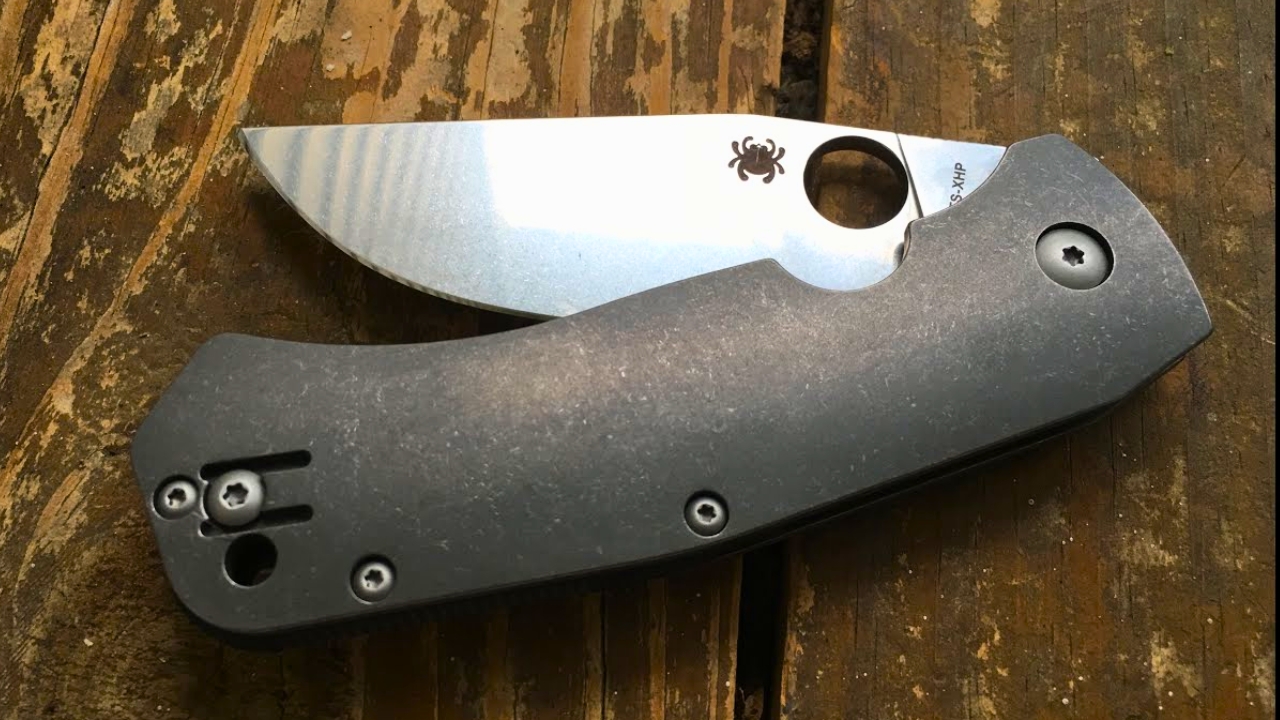
This is one of those knives you don’t “need” until you carry one for a week. The handle shape melts into your palm, the blade does real work, and the whole thing feels more refined than most production folders. When it’s available, people buy it. When it isn’t, people chase it.
The reason it spikes is the combination of scarcity and reputation. It isn’t a random collector piece; it’s a user that happens to be hard to get. When a model like that goes away for a while, demand doesn’t fade — it piles up. If you kept yours clean, centered, and un-modded, you’ve probably watched the market get a lot more aggressive than you expected.
Spyderco Nirvana (C199TIP)
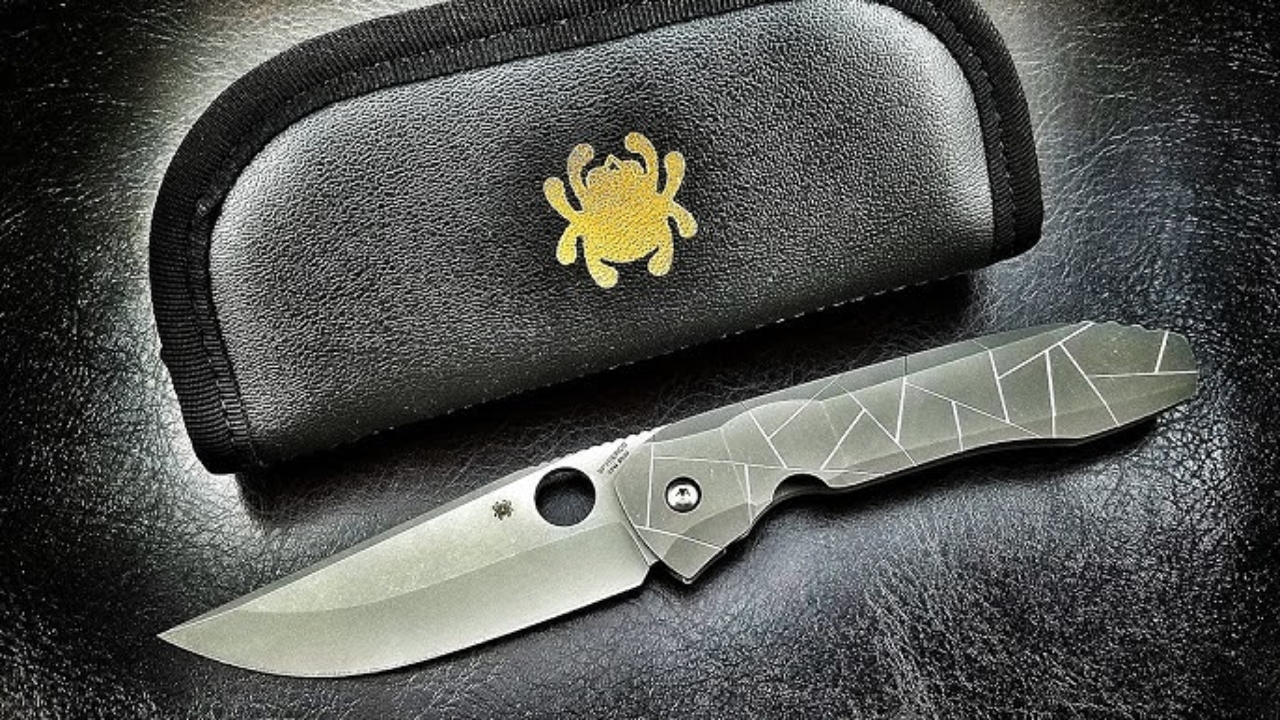
The Nirvana is a “what is that?” knife, even among people who own a lot of Spydercos. The integral titanium handle, the overall size, and the design attitude put it in a different category than the usual EDC staples. It carries flatter than it looks, and it has that premium, mechanical feel that gets collectors hooked.
What drives the value is that it’s discontinued and distinctive. It’s also one of those designs that feels like a moment in time — Spyderco taking a big swing with a high-end, polarizing folder that still works as a daily knife. When a discontinued knife has a recognizable silhouette and a reputation for being done “right,” the market tends to reward the people who bought early.
Spyderco Swick (especially the early G-10 runs)
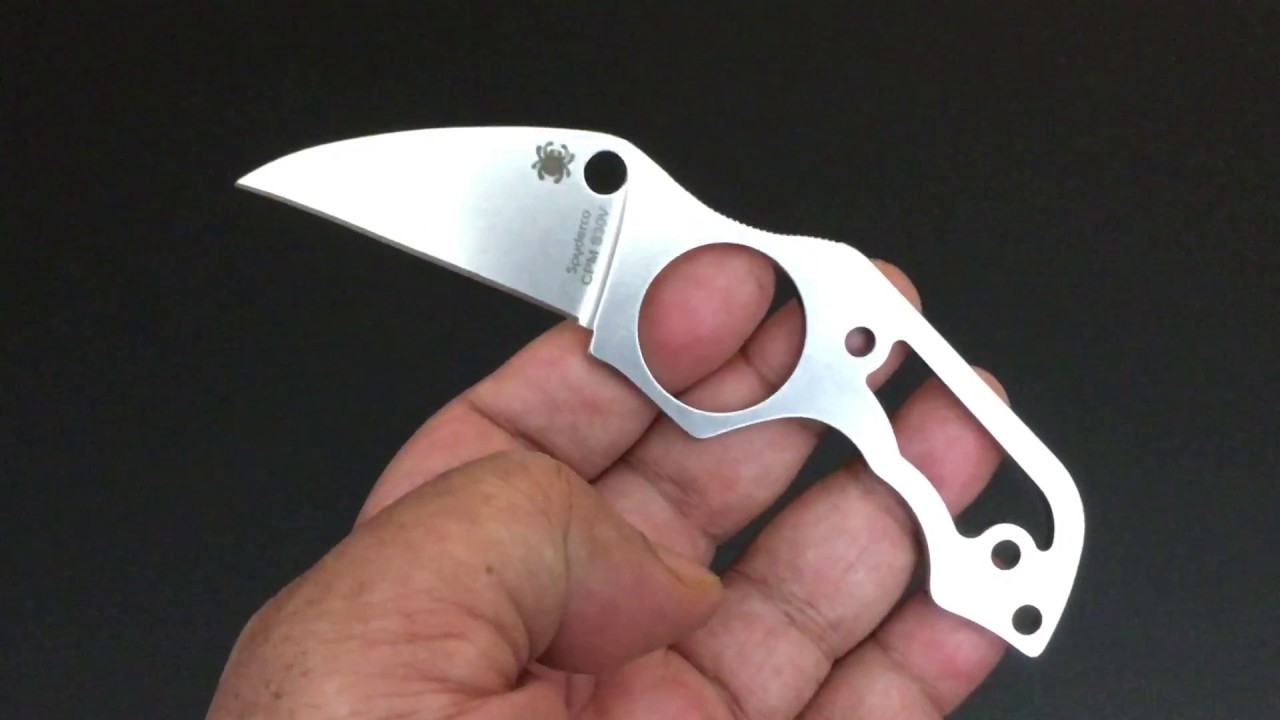
The Swick doesn’t get talked about like the big-name folders, but it built a quiet cult following because it’s honest. It’s compact, fast in the hand, and practical for outdoors carry when you want a knife that stays put and comes out clean. It also photographs well, which matters more than people admit.
The value jump comes from limited availability and variation. Certain versions are harder to find, and when a small fixed blade becomes “the one” for a specific crowd, it stops being a bargain. If you’ve got an older run in good shape with original sheath and packaging, you’ve probably noticed it’s harder to replace than it should be for something that used to feel like a sleeper buy.
Benchmade 710 McHenry/Williams
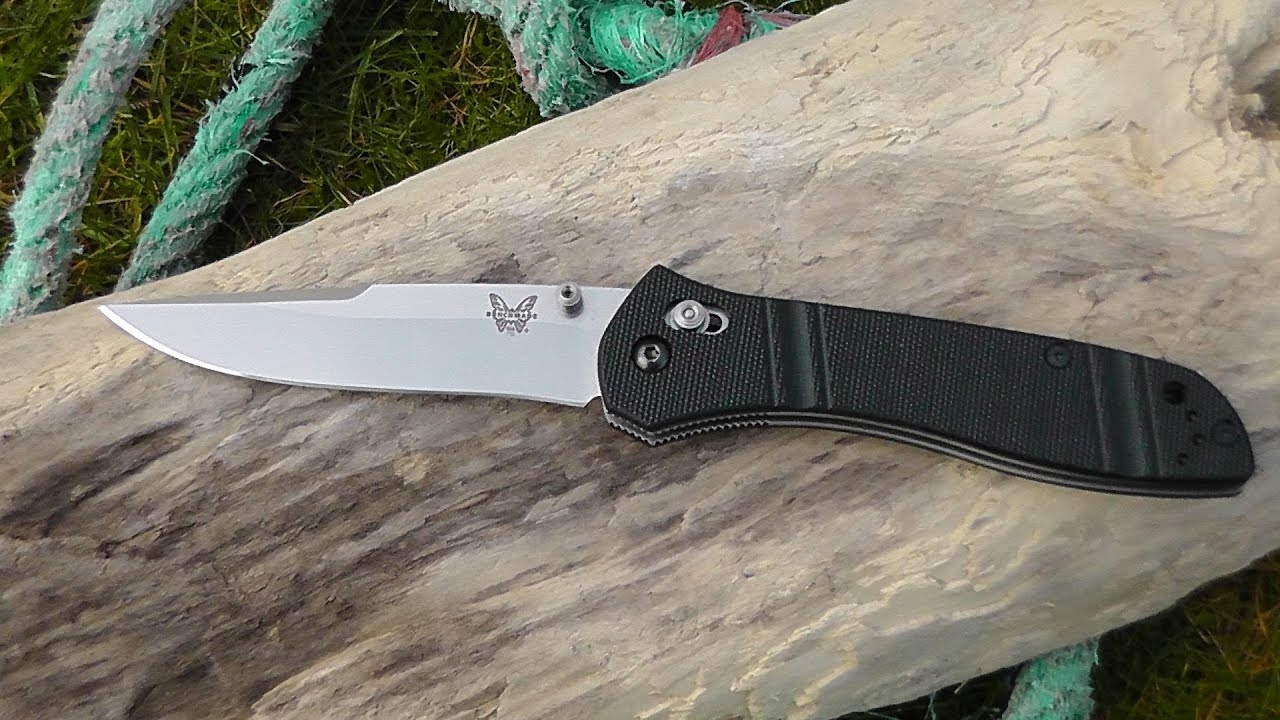
The 710 was a working man’s knife that happened to be excellent. It carried long and slim, cut like it meant it, and felt sturdier than plenty of newer designs that look more modern on paper. For a lot of people, it was the first Benchmade that made them understand why the brand had a following.
When it got discontinued, the demand didn’t vanish — it split into two groups: users who wanted another one, and collectors who wanted clean examples. That’s a dangerous combo for your wallet. The knives that rise fastest are often the ones that were widely loved but quietly removed, because there’s a big pool of former owners who don’t want “something similar.” They want that knife back.
Benchmade 805 AFCK
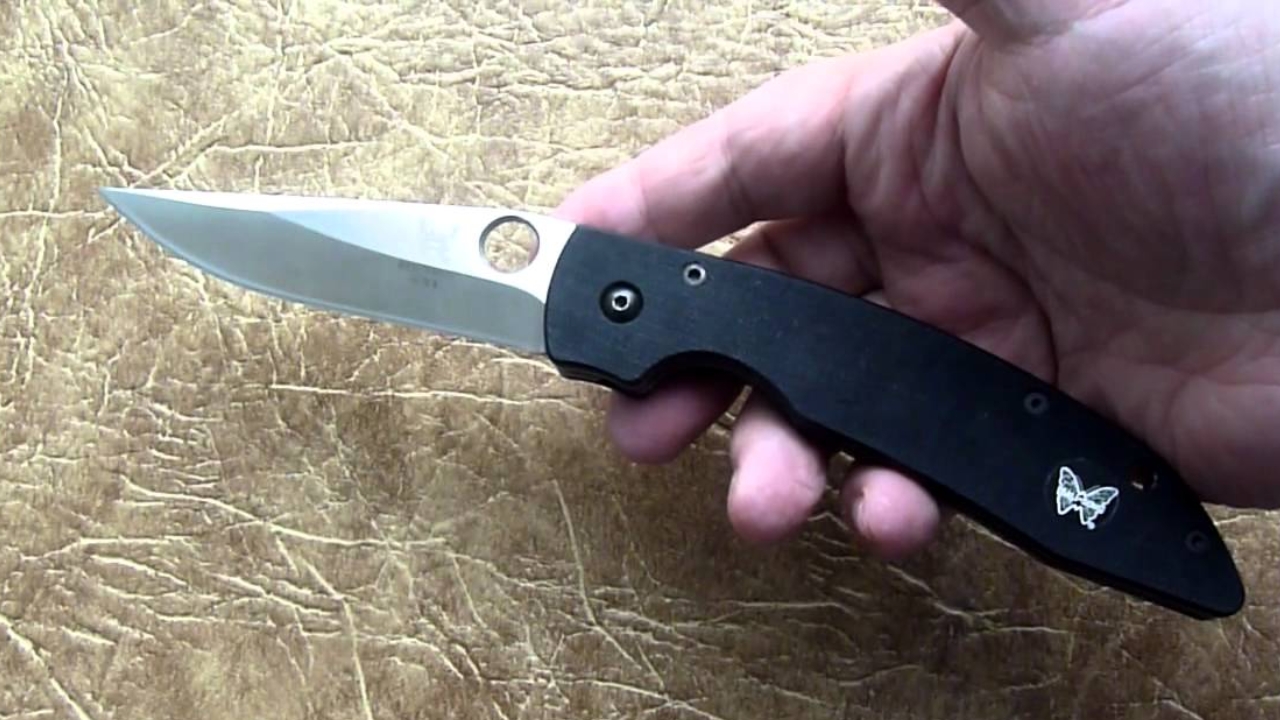
The AFCK has that late-’90s/early-2000s tactical DNA that still hits right. It’s a big, confident folder with a profile that feels like it came from an era when makers cared about slicing geometry and real grip comfort, not only trend-driven features. If you carried one back then, you remember how capable it felt.
The aftermarket strength comes from nostalgia and performance at the same time. It’s not only a “remember this?” knife — it’s a knife that still works. When you mix discontinued status with a design that has real fans, clean examples start disappearing into collections. Beat-up users still sell because people want a carry piece, while pristine ones climb because people want a time capsule.
Benchmade 42 Balisong
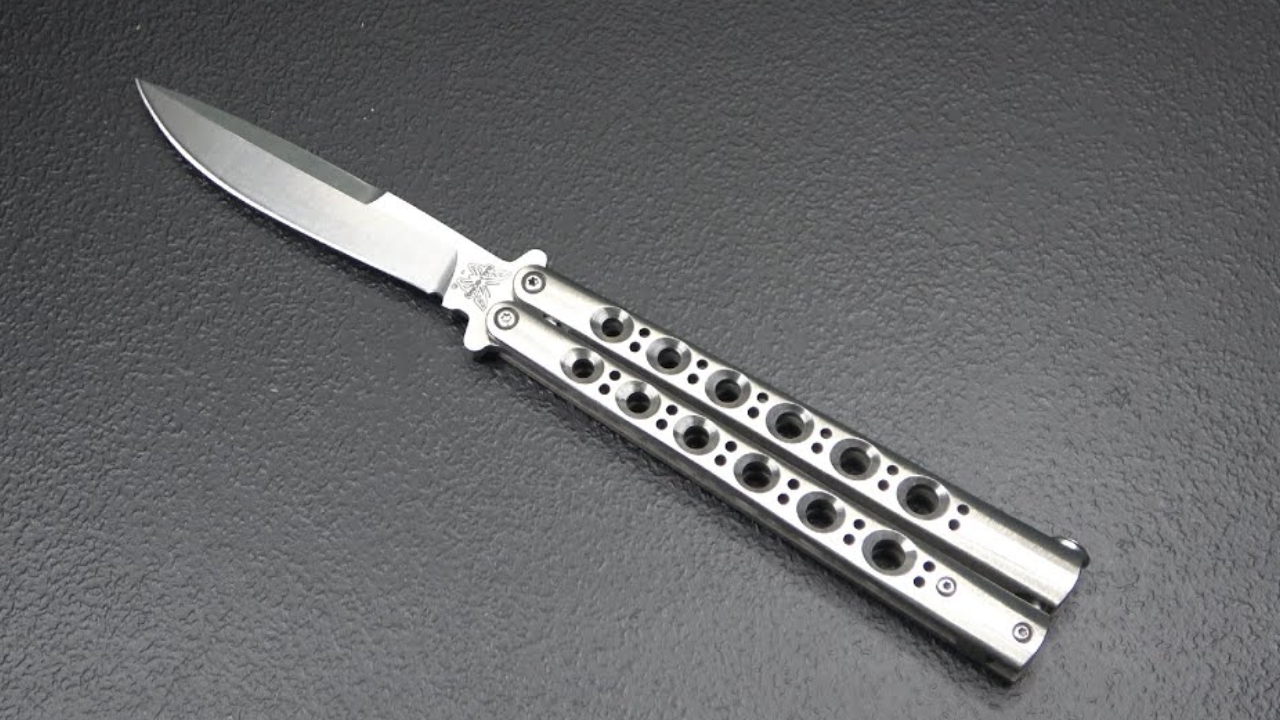
The 42 is one of those knives that never needed marketing. If you know, you know. The design, materials, and overall build quality made it a benchmark for production balisongs, and it earned its reputation the old-fashioned way: by being better than the stuff around it for a long time.
When a respected model like that gets discontinued, it becomes a magnet for collectors. Condition matters here more than with most knives. A hard-used 42 can still bring attention, but a clean one with original box becomes the kind of piece people hold onto. The value “explosion” happens because the supply is finite, the demand spans multiple knife subcultures, and there’s no direct replacement that scratches the same itch.
Chris Reeve Sebenza 21
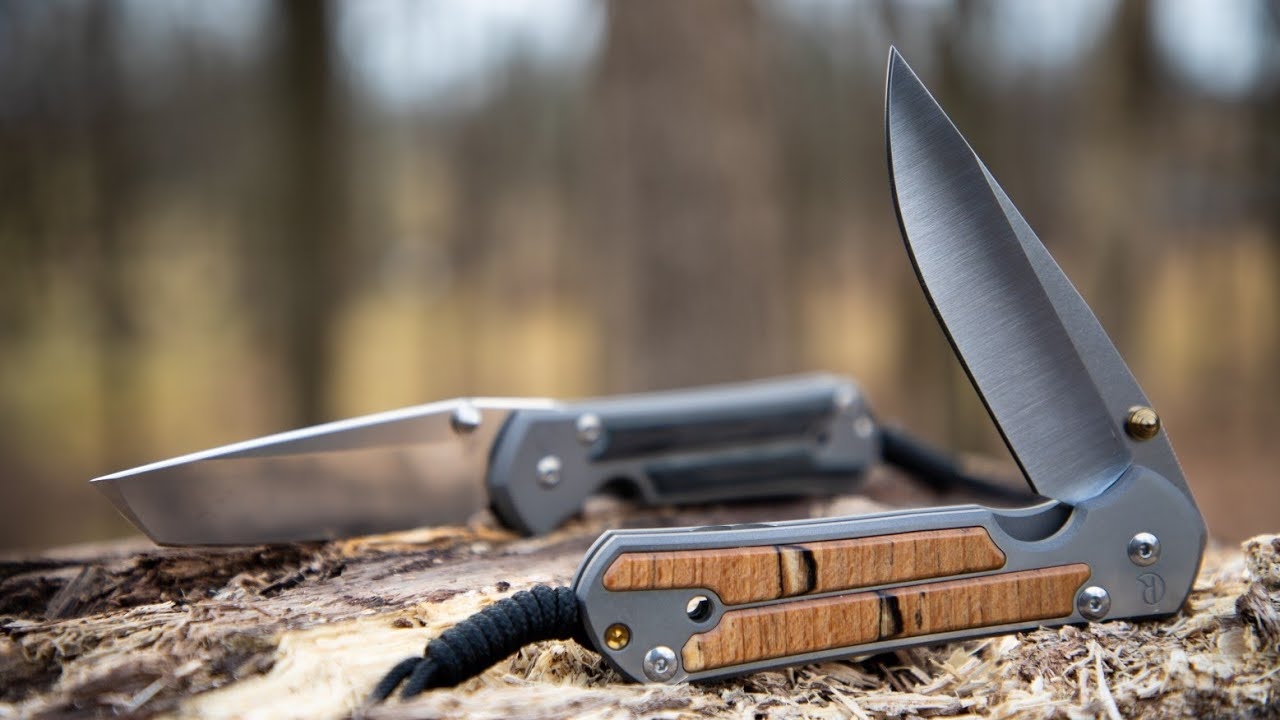
The Sebenza 21 didn’t need to be flashy because it didn’t have to prove anything. It became a standard for fit, finish, and consistency — the kind of knife you buy once and then stop shopping for a while. Even people who don’t chase expensive knives tend to respect it, which is rare.
When it was replaced by the 31, a lot of folks assumed the older model would stay easy to find. That’s not how it worked. The 21 has its own feel, and collectors love the “end of an era” factor. Small details matter: handle condition, blade wear, original paperwork, and whether it’s been sharpened cleanly. The 21 is a perfect example of a knife that gained value because people realized they couldn’t simply buy another new one.
Chris Reeve Small Inkosi (early runs and certain configurations)
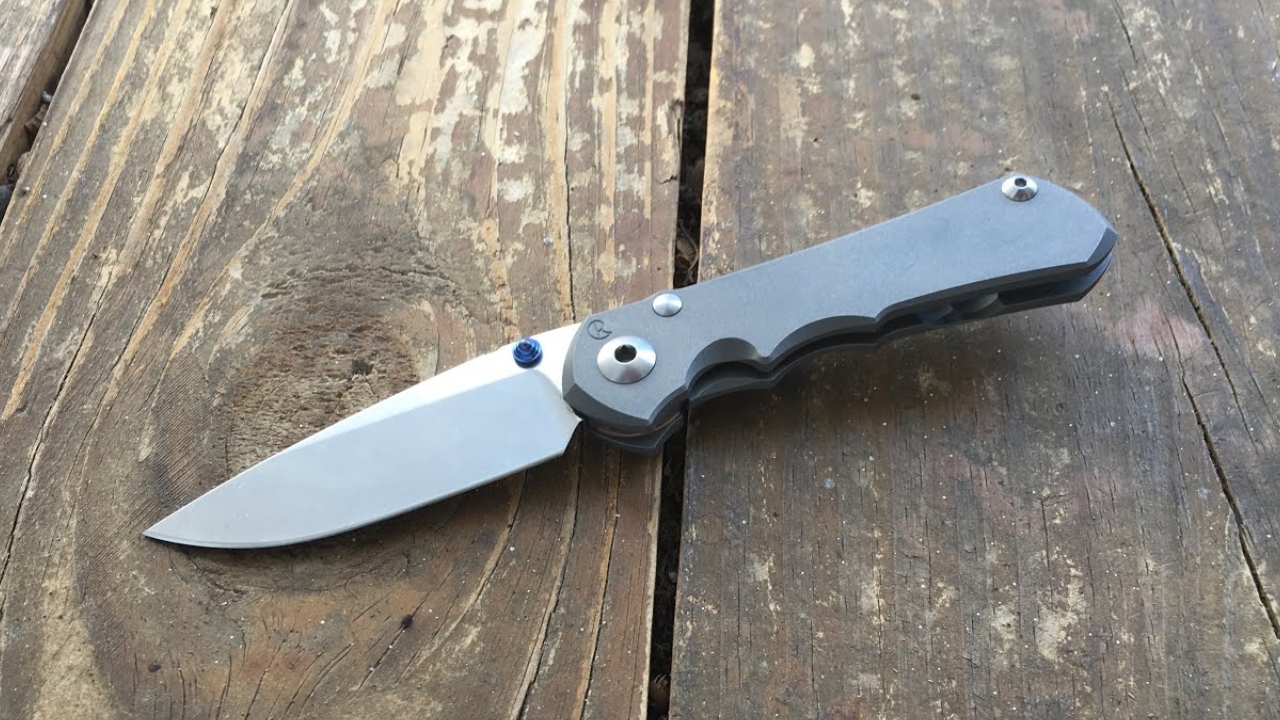
The Small Inkosi is a sleeper because it doesn’t look dramatic. It looks like a tool — and then you carry it and realize it’s one of the easiest premium knives to live with. The size hits a sweet spot for real pocket carry, and the lockup and tolerances give you that bank-vault confidence without feeling bulky.
Value increases here tend to show up in the configurations people can’t find anymore, or the versions that were produced in smaller numbers. When a knife becomes a long-term favorite for actual carry, the secondary market stays strong because owners buy backups. You see it with hunters, anglers, and tradesmen who want one knife they trust. A clean Small Inkosi with the right options can turn into a “hard to replace” knife quicker than most people expect.
Microtech Halo V
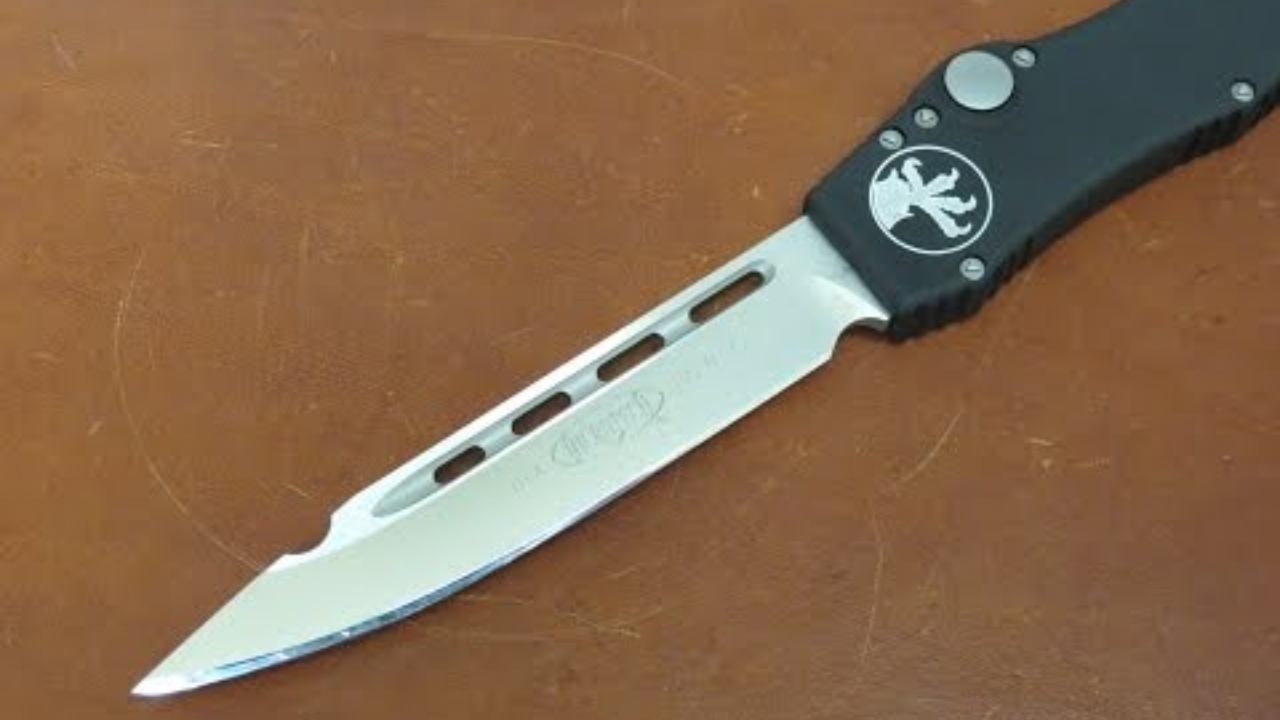
The Halo line is pure attitude, but it’s also a real piece of manufacturing history in the production auto world. It’s big, dramatic, and not the kind of knife everyone carries every day — which is exactly why clean examples start becoming collector bait. People buy them, show them off, then tuck them away.
When a model like this is discontinued, the market shifts fast. You’re not competing with buyers who want a practical EDC; you’re competing with collectors who want a specific generation with specific markings and condition. That’s where value can jump in a hurry. The Halo V is also one of those knives that people remember, and remembered knives tend to bring bigger money than obscure ones, even if they’re equally scarce.
Microtech UTX-70 (older variants and rare configurations)
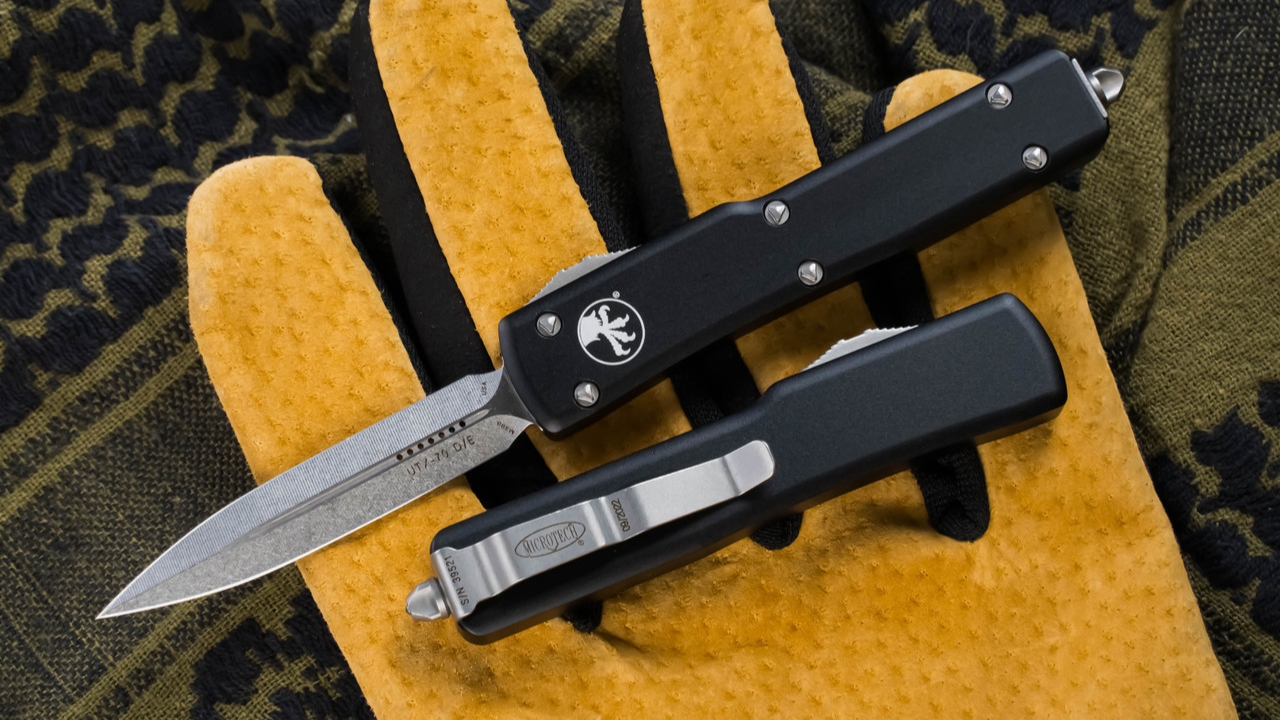
The UTX-70 is easy to underestimate until you realize how many people want a truly small OTF that still feels like a “real” knife. It disappears in a pocket, carries well in athletic clothes, and scratches the itch for a compact auto without feeling like a toy. That puts it in steady demand.
Where value climbs is in the variants people can’t replace easily — older runs, less common blade styles, and configurations that don’t pop up often. The small size also means condition matters, because these get carried hard and used casually. A clean one stands out. If you kept yours in great shape with the box and paperwork, you’re sitting on the type of knife that quietly gets more expensive because so many buyers want the exact version they saw once and can’t find again.
Great Eastern Cutlery #15 “Boys Knife”
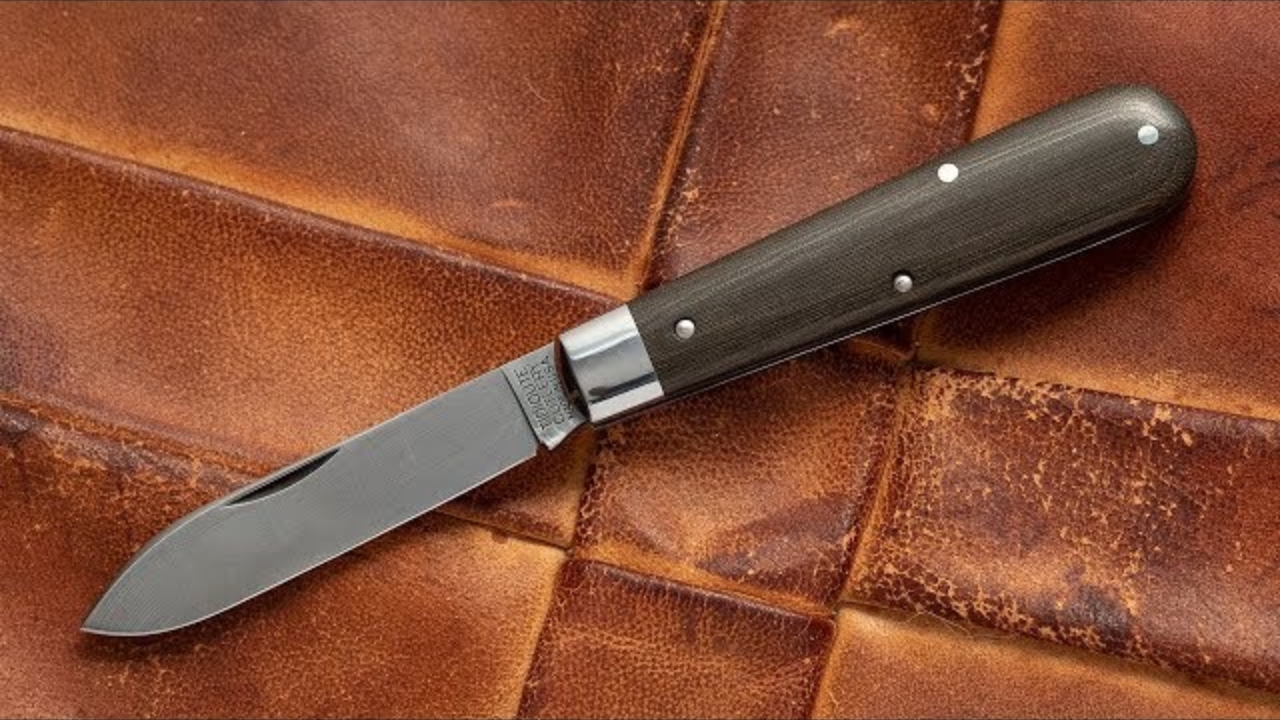
GEC value spikes can feel irrational until you’ve tried to buy one after it’s gone. The #15 pattern is one of those designs that looks ordinary in photos and then feels perfect in the pocket. It’s slim, useful, and has that traditional vibe that makes you carry it more than you expected.
The jump happens because GEC runs are finite and the fanbase moves fast. When a pattern hits, people buy multiples. Then they stop selling. That dries up the market and prices climb without any announcement or hype cycle. With the #15, you’re also dealing with variations — covers, blade setups, and subtle details that collectors chase. If you have a clean example with good walk-and-talk and no carry wear, you already know it’s not a “replace it later” knife.
Great Eastern Cutlery #77 Barlow
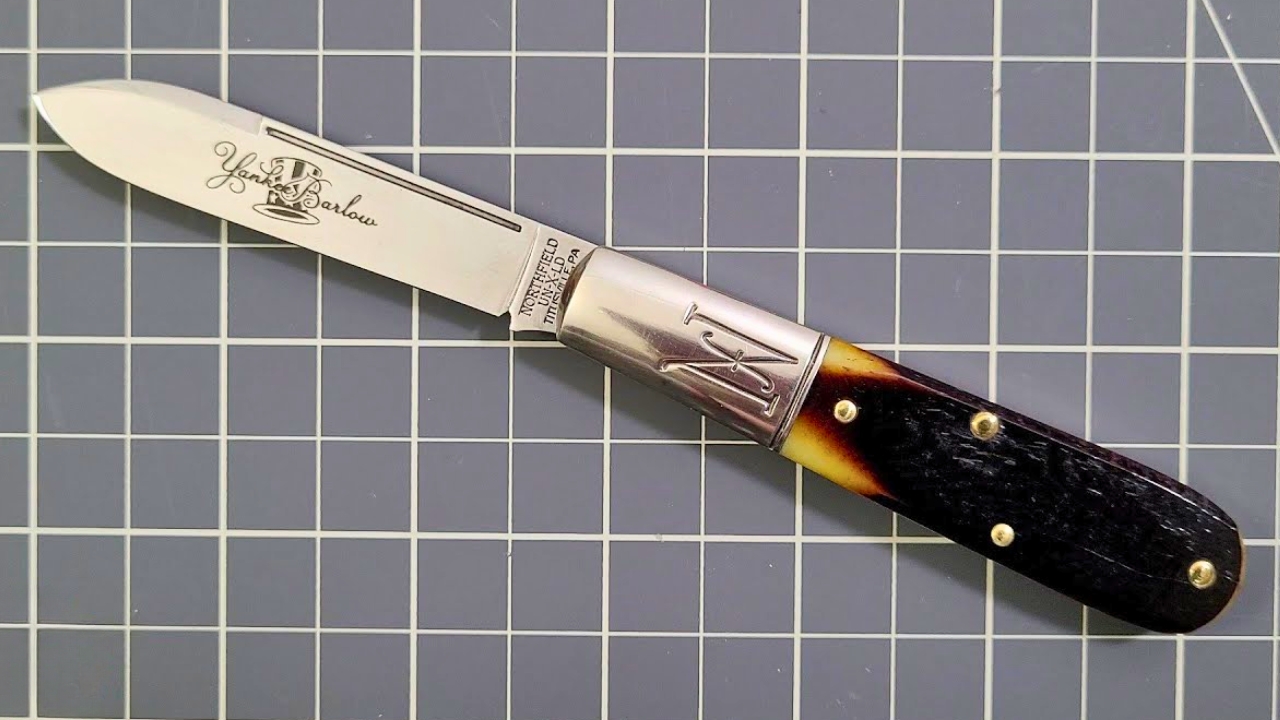
The #77 has the kind of presence that makes traditional knife guys nod. It’s not small, it’s not delicate, and it carries like a serious pocketknife instead of a novelty. The Barlow profile is classic, but GEC did it in a way that feels modern in the hand.
Value climbs because the #77 sits at the intersection of user and collector. People want it to carry, but they also want it pristine, and those goals fight each other. Add in limited runs and desirable cover materials, and you get a knife that disappears from the market for long stretches. When it finally shows up, it often sells quickly, even at a price that would’ve sounded crazy when the knife was still “available.” That’s how quiet value explosions happen.
Case “Tested XX” era folders (stockman, trapper, and jack patterns)

If you think vintage knives move slowly, you haven’t watched the right Case patterns. The “Tested XX” era has a reputation for quality that collectors trust, and the best examples have a look that newer knives don’t replicate — the patina, the jigging, and that old-school fit that feels like it came from a different country.
Value growth here is driven by condition and correctness. A cleaned-up knife with replaced parts won’t run with a verified, original example. But when you find a clean, honest knife with crisp stamps and solid springs, collectors pay attention. These are also knives that older hunters remember seeing in pockets when they were kids, and memory is powerful in a collector market. If you’ve got a real Tested XX piece that hasn’t been messed with, it can surprise you how strong demand stays.
Buck 110 “limited” and early collectible variations
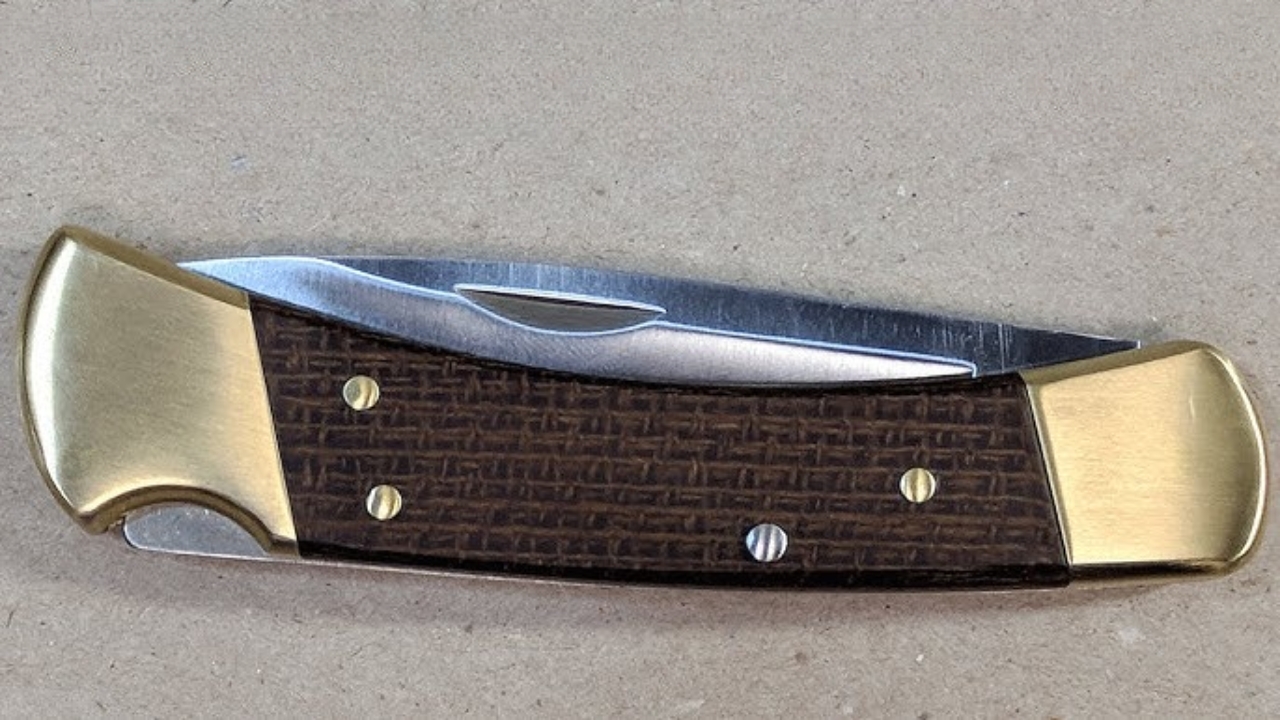
The standard Buck 110 is everywhere, but certain versions are not — and that’s where value climbs. Limited editions, unusual handle materials, early production details, and special runs have a way of slipping under the radar until collectors decide they need that exact one. Then you’re suddenly dealing with a small supply and a lot of interest.
The 110 also benefits from being culturally famous. People who aren’t deep into knives still recognize it, which widens the buyer pool when collectible variants show up. Condition and packaging matter a lot. A beat-up user is still a Buck 110, but a clean collectible version with the right markings becomes something else. If you’ve got one of the less common variations sitting in a drawer, it can quietly become a knife that’s worth real money without anyone making a big deal about it.
Spyderco Para Military 2 sprint runs (specific steels and exclusives)
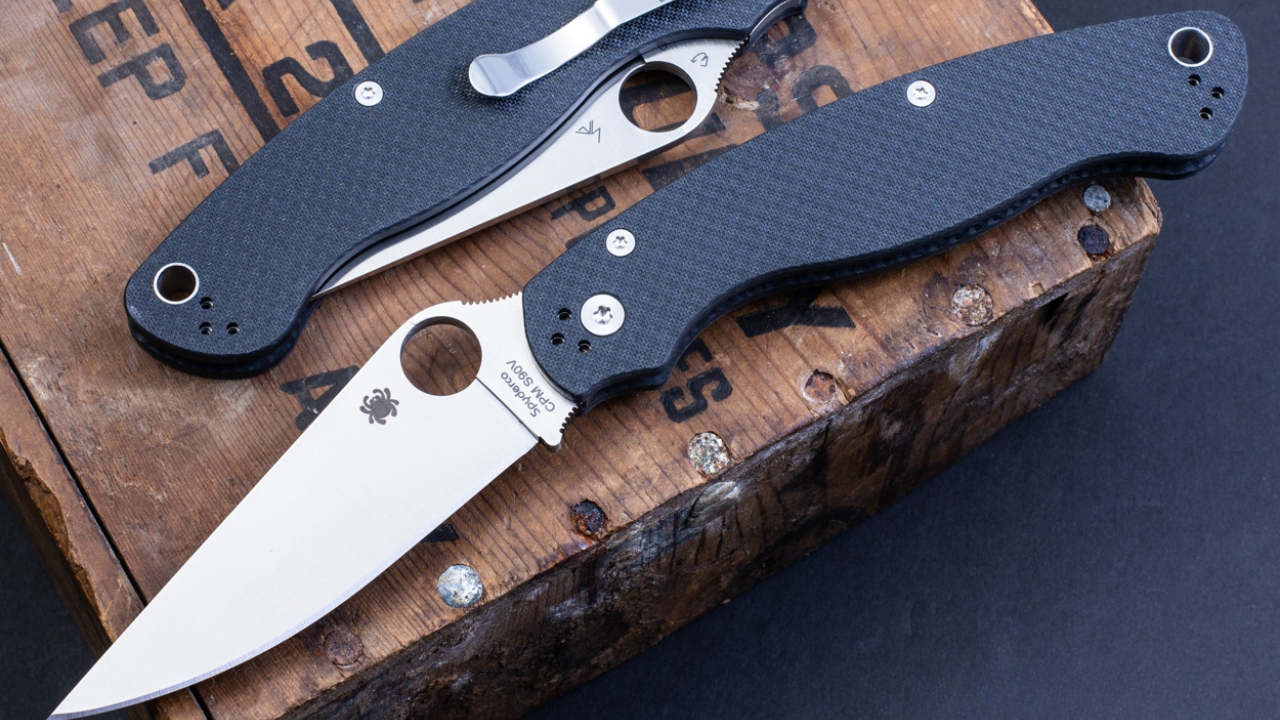
The PM2 is a modern classic, which is exactly why certain sprint runs take off. When a knife model is widely loved, any limited version gets immediate attention — and if the steel, handle color, or exclusive run hits the right nerve, people buy fast. After that, the supply dries up and the “I’ll grab one later” crowd shows up late.
The value bump isn’t because the PM2 suddenly became good. It’s because specific versions became hard to find in clean condition. A lot of these get carried hard, sharpened aggressively, or modified, so untouched examples stand out. If you’ve got a sprint run that stayed original — factory edge intact, scales un-swapped, box included — you’re holding the kind of knife that can climb quietly while everyone argues about what the “best” steel is.
Spyderco Shaman sprint runs and exclusives
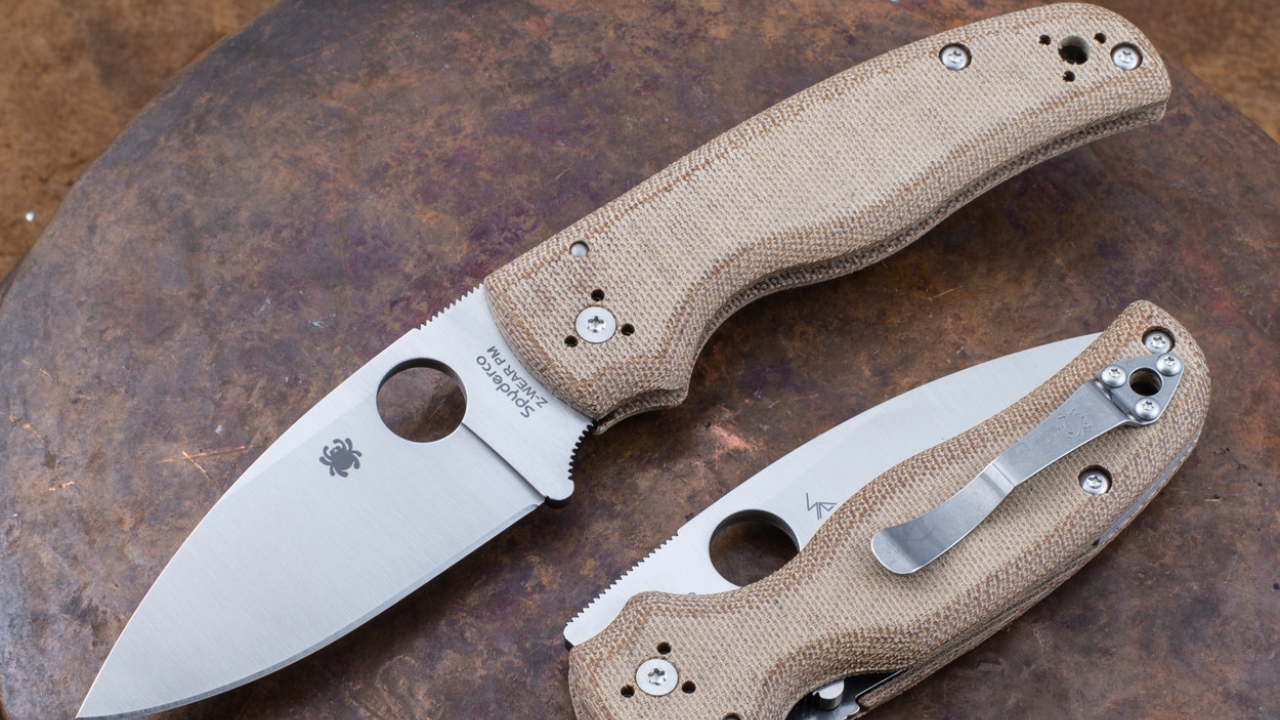
The Shaman carries bigger than most people expect, but it also shoots way above its weight in the hand. The ergonomics are excellent, the blade shape is practical, and it feels like a knife you can run hard without babying it. That makes it a favorite for people who want one folding knife that can handle almost anything.
When sprint runs and exclusives come out, they often disappear fast because Shaman fans don’t mess around. Once they’re gone, they tend to stay gone, and the people who missed out start hunting. That’s where the quiet value jump shows up. The other factor is that Shamans get used. They pick up wear. They get sharpened. So clean, unmodified examples become more desirable over time, especially if the run had a steel or handle combo people can’t buy off the shelf anymore.
Like The Avid Outdoorsman’s content? Subscribe to our newsletter so you never miss an article.
Here’s more from us:


