Photo credit: Felipe Jiménez/Pexels.com
The off-duty officer did not get hurt because someone attacked him.
He got hurt because the gun ended up loose.
That is the part that makes this kind of story hit differently. A lot of people think the danger starts when a threat appears. But for anyone who carries, the danger can start much earlier — when the gun comes out of a secure holster for no good reason, gets moved around casually, or ends up somewhere it should not be.
In a Reddit post, users discussed an off-duty law enforcement officer who shot himself while fumbling with his holster. The details in the thread centered on the kind of mistake that makes responsible gun owners wince: the firearm was not being used in a defensive moment. It was being handled, adjusted, or managed poorly enough that the officer ended up shooting himself.
That is the nightmare version of “I’ll just fix it real quick.”
Holsters matter because they do a boring job that cannot fail. They hold the gun in a consistent place. They protect the trigger. They keep the firearm from floating around loose in a pocket, waistband, bag, console, or hand. A good holster makes the gun predictable.
The second the gun is loose, everything gets harder.
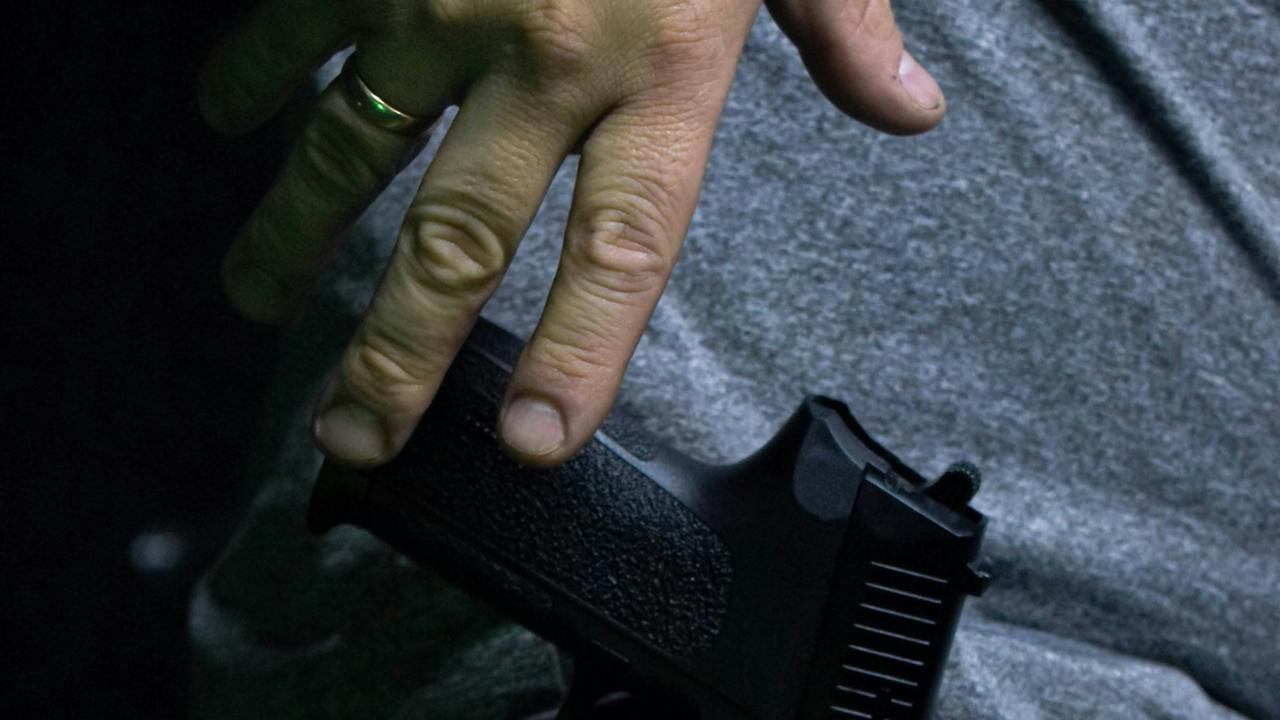
A loose handgun can shift. It can rotate. It can fall. It can get tangled in clothing. A finger can end up where it does not belong. A drawstring, shirt, jacket, or seatbelt can get into the trigger guard. And if the person is trying to catch it, stuff it somewhere, adjust it, or reholster without slowing down, one bad movement can turn into a gunshot.
That appears to be the lesson people took from this case.
The officer’s job title made the situation even more uncomfortable. People expect law enforcement officers to be trained around firearms. They expect them to know better than to fumble with a gun in a way that can lead to a self-inflicted wound. But training does not make someone immune to bad habits. In fact, familiarity can sometimes make people too comfortable.
That is a dangerous place to be with a loaded gun.
A lot of negligent discharges happen during administrative handling. Not during a fight. Not at the range while actively firing. Not while responding to a threat. They happen when someone is loading, unloading, holstering, unholstering, adjusting, moving the gun from one place to another, or trying to fix something casually.
The firearm is still just as loaded during all of that.
The thread’s reaction seemed to circle around a basic point: if the gun had stayed properly holstered and controlled, this likely would not have happened. The moment it became something to fumble with, pocket loosely, or handle casually, the risk went up.
That is why people get so intense about holster discipline.
If the holster is uncomfortable, fix the holster. If the carry position does not work, change the setup. If the gun does not fit the holster securely, stop using it. If you need to remove the gun, remove the whole holster when possible instead of handling the firearm by itself. And if you have to reholster, slow down and look if conditions allow.
There is no prize for reholstering fast.
This story also hits on a common mistake: treating a gun like a normal object once the immediate “carry” part is over. It is easy to think, “I’ll just tuck it here for a second,” or “I’ll just adjust this before I get out,” or “I’ll just move it from this holster to that pocket.” Those tiny decisions pile up until one of them goes wrong.
And when a gun goes wrong, it goes wrong loudly.
A self-inflicted gunshot wound is painful, embarrassing, and dangerous. It can also become career-ending, policy-changing, and legally complicated depending on where it happens. For an off-duty officer, the professional fallout can be just as rough as the physical injury.
But the broader lesson is not about mocking one person’s mistake. It is about recognizing how common the setup is. People carry daily. They get comfortable. They adjust. They fumble. They think they have done this a thousand times.
Then the thousand-and-first time bites them.
The safest carry habits are usually the least exciting ones. Keep the gun in a proper holster. Keep the trigger covered. Keep your finger away from the trigger. Don’t handle the gun unless there is a reason. Don’t pocket it loose. Don’t rush to fix a snag or shift. Don’t treat a loaded firearm like a phone you can casually reposition while distracted.
The officer’s mistake became public because it ended with a gunshot. But the habit behind it is the kind of thing regular carriers can fix before it ever gets that far.
Commenters were blunt because the safety issue was obvious.
Several people said the biggest problem was letting the gun become loose or poorly controlled in the first place. A firearm belongs in a real holster that covers the trigger and holds the gun securely. Pocketing it loose, fumbling with it, or trying to make a bad setup work is asking for trouble.
Others focused on the fact that law enforcement experience does not make someone immune to negligent discharges. If anything, some commenters said familiarity can lead to complacency. The same safety rules apply whether someone is a brand-new permit holder or carries professionally.
A lot of the advice came back to reholstering and adjusting. Slow down. Clear clothing. Look if you can. Remove the holster if needed. Do not shove a gun into a holster blindly while fighting fabric, drawstrings, or bad angles.
Some commenters said this is why they do not constantly handle their carry gun during the day. Once it is holstered, it stays there unless there is a real reason to remove it. Less handling means fewer chances for a mistake.
The main point was simple: a loaded gun should never be treated casually. A holster is not an accessory. It is part of the safety system.