Photo credit: Buckeye Ballistics/Youtube
Hang around a decent gunsmith shop long enough and you start seeing patterns. Not just the usual “my sights are off” stuff, but the same models showing up with the same headaches, the same questions, and the same owner reactions. Some come back because they’re popular and get shot hard. Others come back because they were a bargain for a reason. And a few show up because somebody tried to turn a good pistol into a science project.
This isn’t a hit list and it’s not brand warfare. It’s just a grounded look at handguns that tend to end up on the bench again and again—because of wear, design quirks, parts, user behavior, or because they’re so common that volume alone keeps them in the rotation.
1. Glock 19

This one comes in constantly, and it’s not because it’s “bad.” It’s because it’s everywhere. When a pistol becomes the default answer for carry, training classes, and nightstand duty, it racks up rounds and holster time like a farm truck racks up miles.
Gunsmiths see the normal maintenance stuff: sights getting knocked loose, worn recoil springs, and the occasional extractor/ejection complaint that’s usually ammo, limp-wristing, or a worn part rather than a mystery. The Glock 19’s biggest “problem” is that it gets used, and used hard.
2. Glock 43X

Skinny guns live in pockets, waistbands, truck consoles, and sweaty summers. That’s rough living. The 43X also draws a certain kind of tinkerer—the “just one more part” crowd—because it’s easy to swap things.
What shows up on benches is usually sight installs, trigger feel complaints after aftermarket parts, and magazine-related reliability headaches when folks chase capacity with non-factory options. It’ll run, but it likes boring, factory-correct setups more than the internet does.
3. SIG Sauer P365

The P365 changed the carry game, and it also created a new category of “tiny pistol shot like a duty gun.” That means lots of rounds through a small package, and small parts do small-part things over time.
Most returns are straightforward: striker and extractor concerns, spring fatigue, and sight issues after heavy carry. A lot of them are also “it doesn’t like my grip” problems—these micro-compacts punish sloppy handling quicker than a full-size.
4. SIG Sauer P320

The P320 is a modular idea that caught on, and modular guns bring modular behavior. People swap grip modules, slides, triggers, and then act surprised when the gun needs a checkup.
Gunsmith benches see trigger and reset complaints, sear/striker engagement questions, and plenty of “it was fine before I changed X.” Not every problem is the gun’s fault, but the platform invites mixing parts and then chasing gremlins.
5. Smith & Wesson M&P Shield 9mm

The Shield has probably ridden in more cheap holsters than any other pistol of the last decade. That matters. A thin gun in a bad holster gets linty, sweaty, and banged around.
Common visits are for worn magazines, weak springs after lots of use, and occasional extractor/ejection tuning. It’s a solid tool, but it needs the same basic upkeep folks tend to ignore because it’s “just a Shield.”
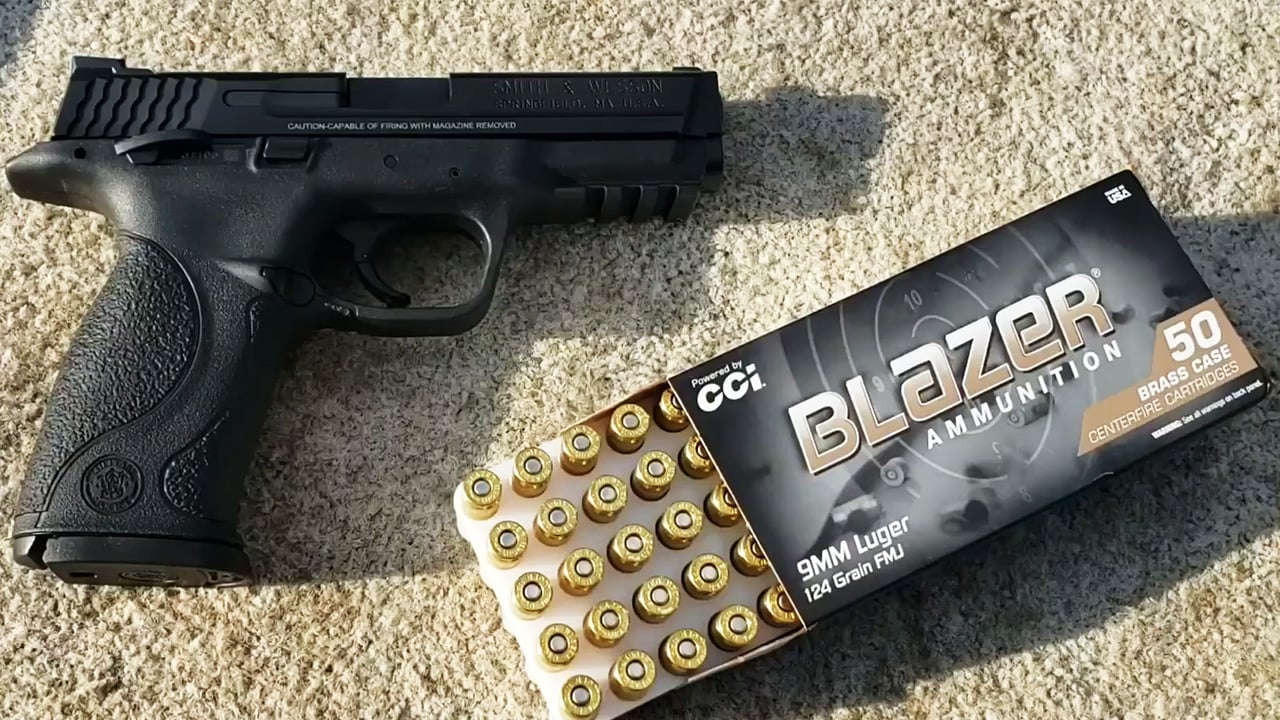
6. Smith & Wesson M&P 9 (full-size/compact)
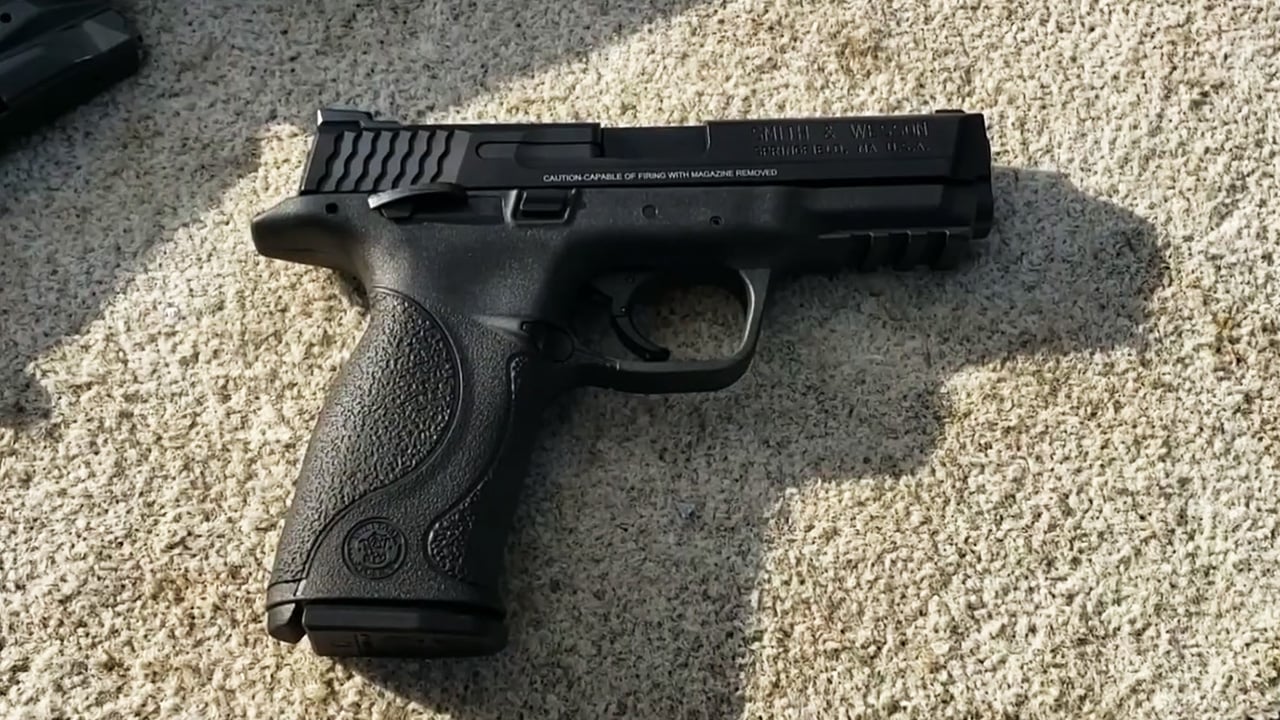
M&Ps show up a lot from range shooters and departments. That means high round counts, lots of dry fire, and plenty of repeated holster work. The guns are generally tough, but any duty-style pistol can get out of spec with enough use.
You’ll see sights, trigger complaints, and magazine issues before you see catastrophic failures. The platform also attracts aftermarket tinkering, and that’s where small “improvements” sometimes turn into reliability chasing.
7. Springfield Armory Hellcat
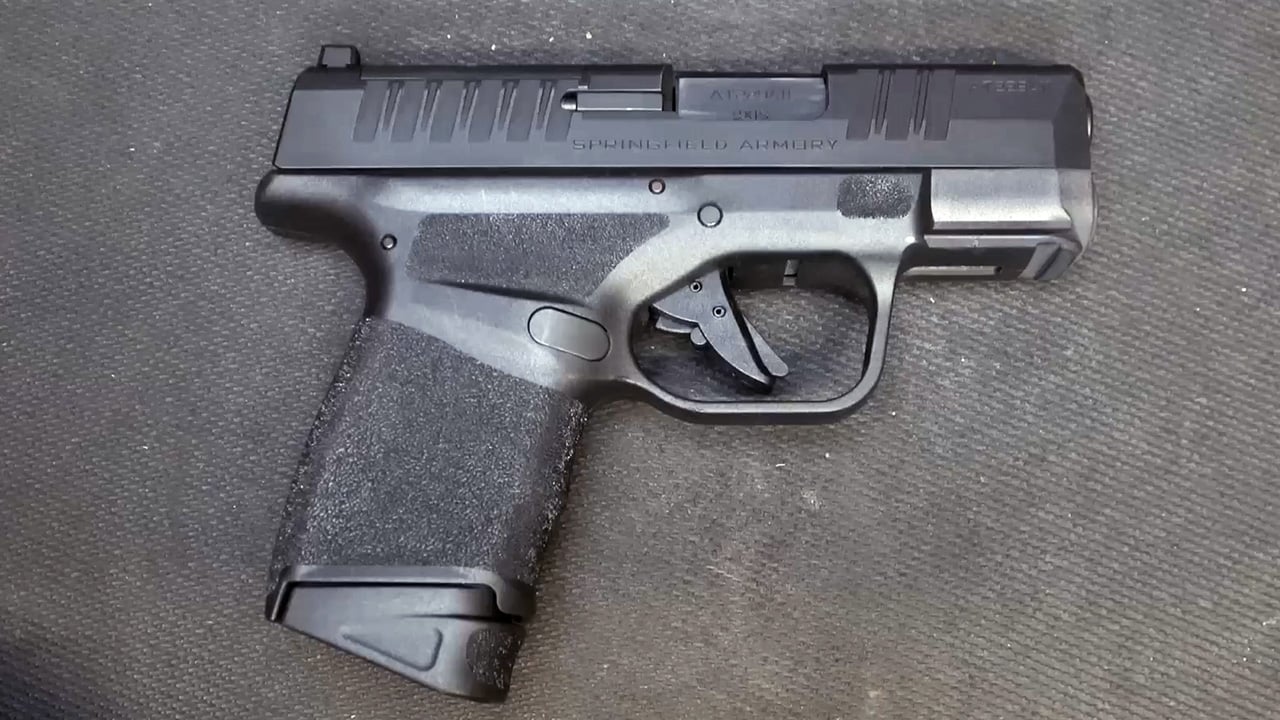
The Hellcat is a carry gun that gets carried, which is half the story. The other half is that these little pistols can be picky if you don’t give them a firm grip and decent ammo.
Gunsmiths see feed and extraction complaints that often trace back to limp-wristing, worn springs, or magazines that took a beating. Also, plenty come in for sight work, because the factory setup works but not everybody shoots it well.
8. Ruger LCP (all generations)
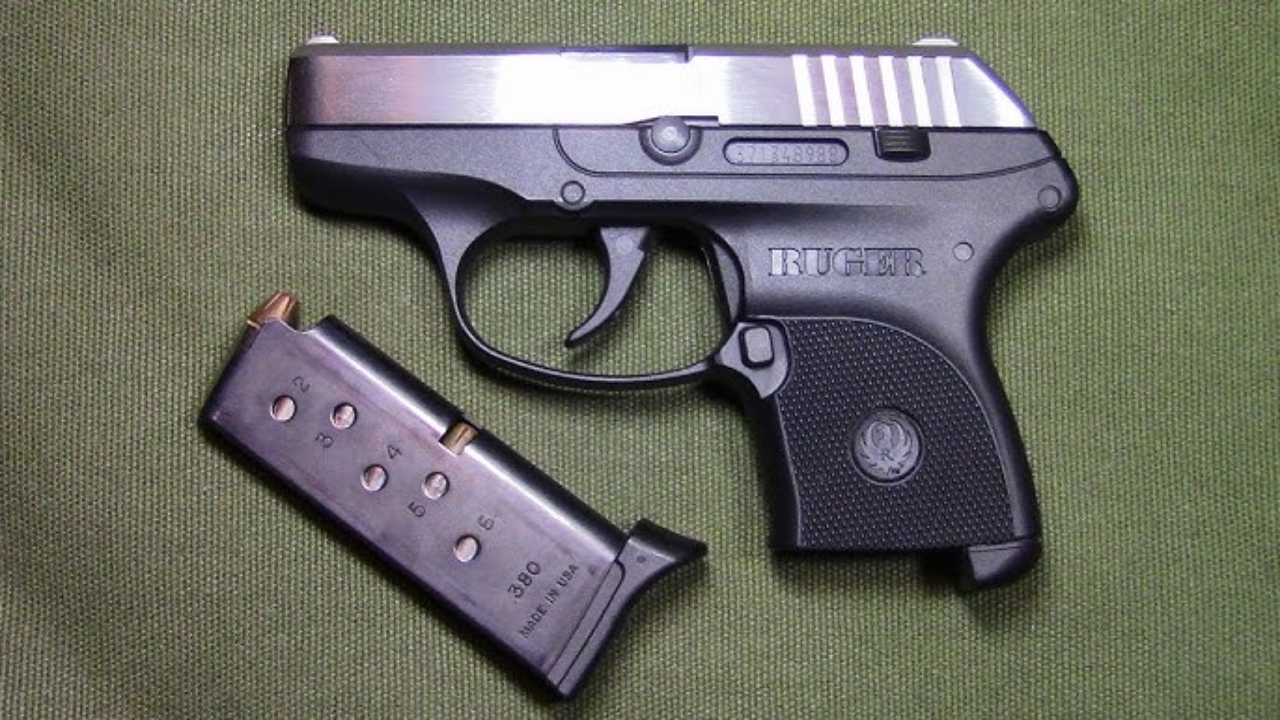
The LCP is the definition of “always there.” That also means it lives in pockets with keys, coins, dirt, and lint. Pocket pistols get neglected, and neglected guns show up needing help.
Typical bench issues are weak springs, failures to feed from worn mags, and sights (or lack of them) that turn practice into frustration. It’s not a range toy. If you try to make it one, you’ll learn about wear quickly.
9. Ruger LCR

The LCR is a great little revolver, but lightweight revolvers get abused in their own way. Folks run hot loads, don’t clean under the extractor star, and then wonder why the cylinder feels “gritty” or stiff.
Timing checks, light primer strikes, and trigger complaints come up, especially when people try different ammo or start swapping springs. A small revolver needs clean internals and realistic expectations about recoil and follow-up shots.
10. Taurus G2C / G3C

These sell because they’re affordable, and affordability puts handguns into holsters that otherwise would be empty. I get it. But budget guns also tend to come back more when tolerances, QC, and parts consistency vary gun to gun.
The common stuff is failures to feed, striker and trigger complaints, and magazine-related issues. Some run great. Some need a little attention. And some owners find out that “cheap” can mean “time without your gun” when it’s back on the bench.
11. Taurus Judge

Every shop has seen one come in with a story attached. Usually it’s a guy who wanted a snake gun, a truck gun, and a home-defense gun all in one, and then discovered it’s kind of a compromise in every direction.
Gunsmiths see cylinder and timing checks, forcing cone wear, and complaints tied to ammo choice. The novelty wears off fast. The mechanical realities don’t.
12. Kimber 1911 (various models)
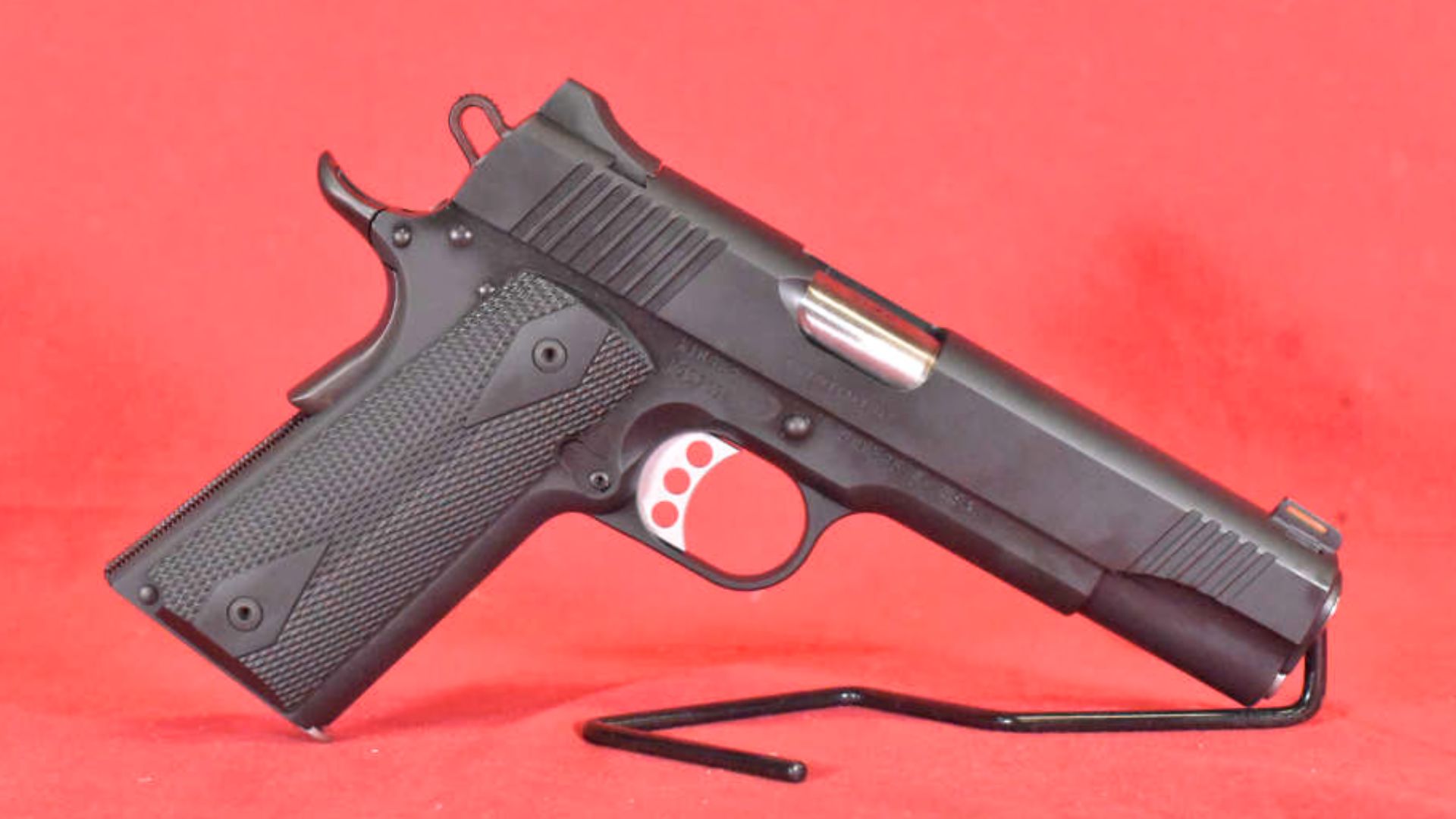
1911s are their own world, and Kimber sells a lot of them to folks who want a nice-looking pistol that feels “classic.” The trouble is, the 1911 is less forgiving than modern striker guns when you mix magazines, ammo, and tight tolerances.
Common bench visits are feed issues, extractor tension problems, and “it ran for 200 rounds and then started acting up.” A well-set-up 1911 is a joy. A temperamental one will have you learning the name of every gunsmith within driving distance.
13. Rock Island Armory 1911

RIA 1911s come in because they’re often someone’s first 1911. They’re also frequently bought with the idea that the owner will “upgrade it later,” which can be a rough plan if you don’t know what you’re changing and why.
Shops see sight swaps, feed-ramp and magazine issues, and general fitting questions when parts don’t drop in like AR parts. They can be good working pistols, but the platform punishes guesswork.
14. Colt Python (new production and older guns)

This one hurts because it’s usually not a “broken gun,” it’s an “expensive gun” that somebody shot a lot or mishandled. Revolver timing and lockup are not internet arguments—they’re real mechanical relationships.
Pythons show up for timing checks, endshake, and the occasional “my cylinder feels off” after someone spun it like a movie prop. If you own one, treat it like a fine tool, not a fidget spinner.
15. Smith & Wesson Model 686

The 686 is a tank, which encourages people to shoot it like a tank and clean it like a rental car. When you run .357 hard, carbon and lead build-up become part of your life, especially around the forcing cone and under the extractor star.
Gunsmiths see sticky extraction, timing checks after heavy use, and general tune-ups. Most of the time it just needs cleaning and springs, not major surgery. Still, a revolver can get out of time if it’s been fanned, slapped, or abused.
16. Charter Arms Undercover

These little revolvers fill a niche for folks who want simple and light without paying S&W money. The downside is that the fit and finish can be hit or miss, and lightweight revolvers exaggerate issues fast.
Common problems are timing, cylinder latch wear, and rough triggers that owners can’t “shoot smooth” no matter how much they practice. When one is good, it’s handy. When one isn’t, it’s a repeat visitor.
17. Beretta 92FS / M9

Berettas come back because they’ve been around forever and a lot of them have actual mileage. They’re also popular with folks who buy a surplus-ish pistol and then want it to feel new again.
Expect to see locking block and recoil spring maintenance, sight work, and magazine issues (often from cheap mags). They’re reliable pistols, but they’re not magic. Keep the wear parts fresh and they’ll keep doing their job.
18. CZ 75 (and SP-01 variants)

The CZ 75 family points naturally and shoots soft, so people run them in classes and competitions. That’s a lot of rounds, and that’s why they land on a bench.
Shops often see trigger-related work, spring replacements, and occasional extractor/ejection tuning. Also, these guns invite customization. When the owner starts stacking aftermarket parts without a plan, that’s when “great shooter” turns into “mystery malfunction.”
19. Ruger Mark IV
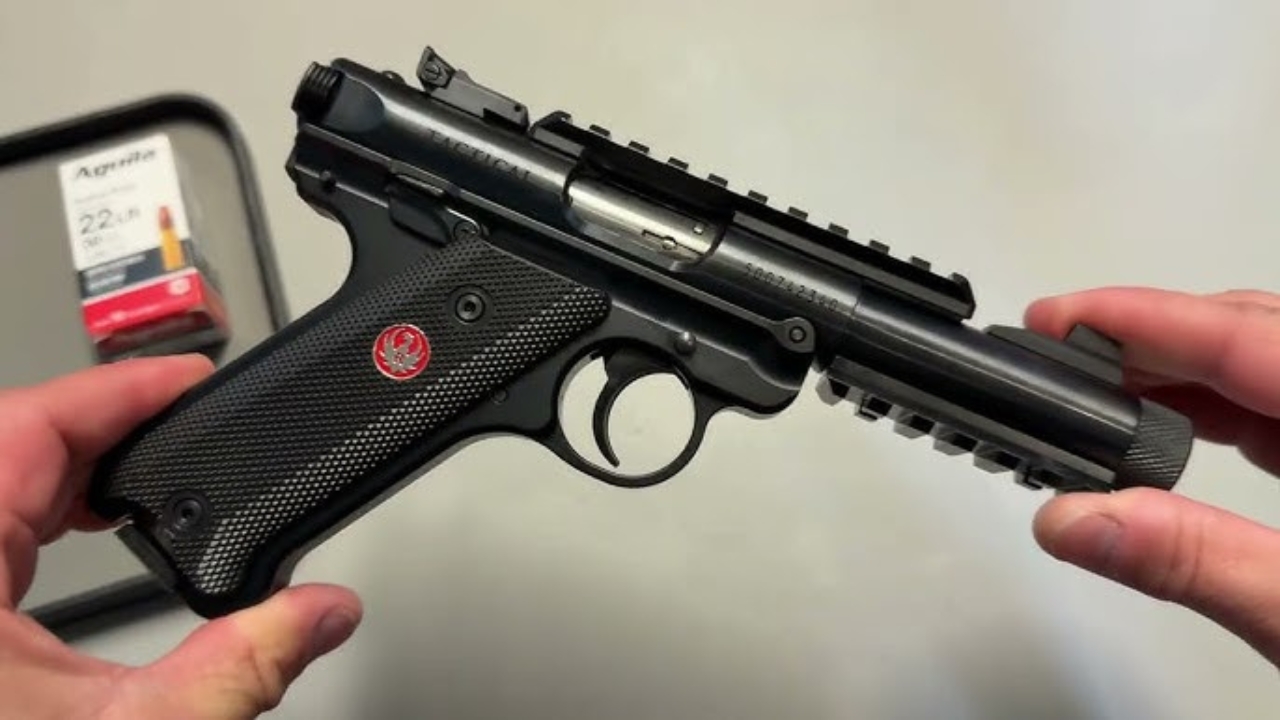
Rimfires are dirty by nature, and .22 pistols get shot a lot because ammo is cheaper and recoil is friendly. The Mark IV is easier to take down than earlier Marks, but that doesn’t mean everyone actually cleans it when they should.
Gunsmiths see feeding and extraction issues caused by crud, worn mags, and occasional sight/optic mounting problems. If you want a .22 that just runs, keep it reasonably clean and don’t pretend bulk ammo is match-grade.
20. Walther PPK / PPK/S

These come in with two kinds of owners: the nostalgia buyer and the “this will be classy to carry” buyer. The PPK is cool, but it can be finicky with ammo, and it’s not the most forgiving gun to shoot well.
Bench time usually involves feeding issues, recoil spring concerns, and general reliability tuning. Also, plenty of folks learn the hard way that a blowback .380 can feel snappy and bitey compared to modern locked-breech pocket guns.
If you notice a theme here, it’s not “these guns are trash.” It’s that the guns most likely to come back are the ones that get carried hard, shot a lot, or tinkered with the most. If you want fewer trips to the gunsmith, run good mags, replace springs on schedule, stop chasing internet parts, and clean the thing like you actually depend on it—because most of us do.
Like The Avid Outdoorsman’s content? Subscribe to our newsletter so you never miss an article.
Here’s more from us: