Photo credit: CF Clips/Youtube
Most of us have owned at least one “deal” AR that sounded smarter on the gun counter than it felt on the range. The problem isn’t that inexpensive rifles exist. The problem is a handful of AR-platform rifles that were cheap in all the wrong places—rough parts, sloppy assembly, questionable QC—and they’re the ones that turned “budget AR” into a punchline.
This isn’t a hit list on every affordable rifle. There are plenty of working-man ARs that run just fine. These are the rifles that, for one reason or another, helped convince a lot of shooters that saving money automatically means gambling with reliability, accuracy, or safety. Ask me how I know.
1. Bushmaster Carbon 15

Lightweight sounds great until lightweight turns into “flexy.” The Carbon 15’s polymer-heavy build had some rifles that felt like a toy the first time you grabbed the handguard and actually torqued on it.
Some ran okay, but enough had durability complaints, weird wear, and heat-related concerns that it spooked buyers. When a rifle is supposed to be a dependable tool, “maybe it’ll hold up” isn’t what you want in the back of your mind.
2. Plum Crazy / New Frontier Polymer ARs (early generations)
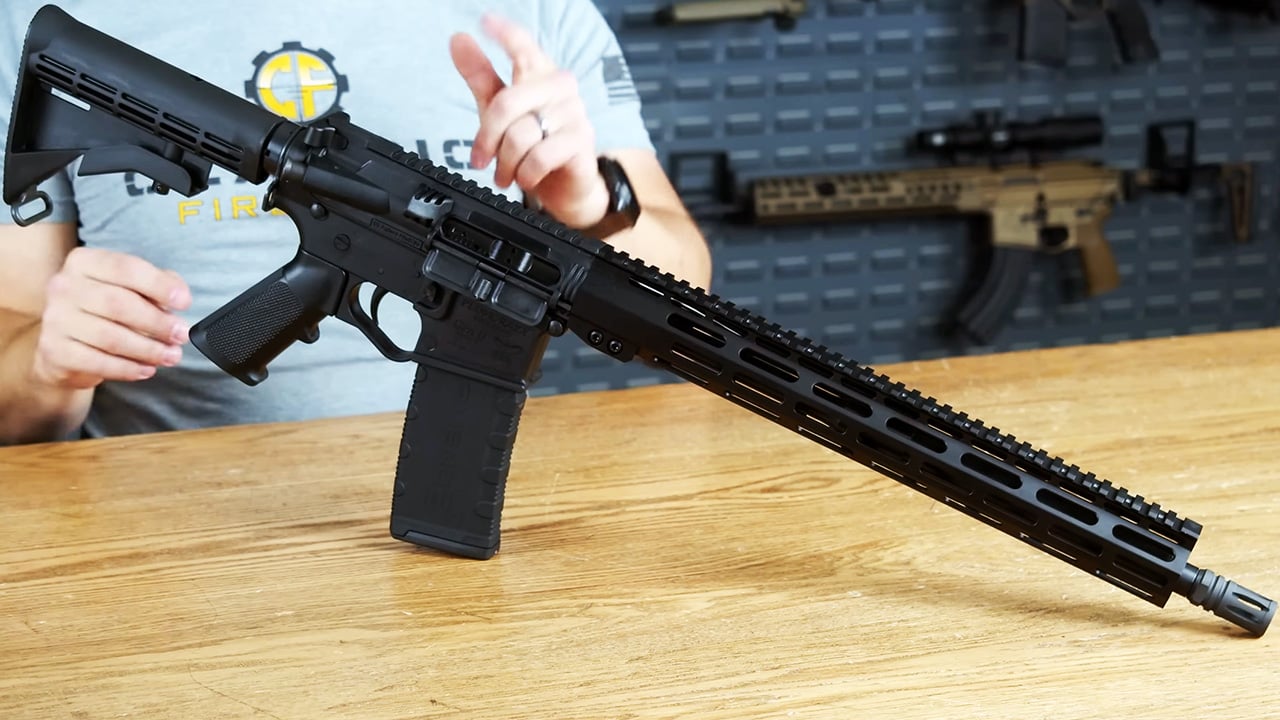
The old all-polymer lower craze was peak “internet says it’s fine.” In the real world, pins walking, cracking around stress points, and sloppy fit made a lot of these feel like a science experiment.
If you’re building a light .22 trainer, sure, maybe. But a centerfire rifle that rides in a truck, gets bumped in a blind, and sees cold and heat needs a little more margin than those early polymer lowers often had.
3. DPMS Oracle

The Oracle sold in big numbers because it hit that magic price point. I get it. But it also introduced a lot of first-time AR owners to canted front sights, rough chambers, and inconsistent accuracy that had them blaming the whole platform.
Plenty of Oracles ran fine with good magazines and decent ammo. The reputation came from the ones that didn’t—and from buyers who expected a duty-grade rifle because it looked like one.
4. DPMS Sportical
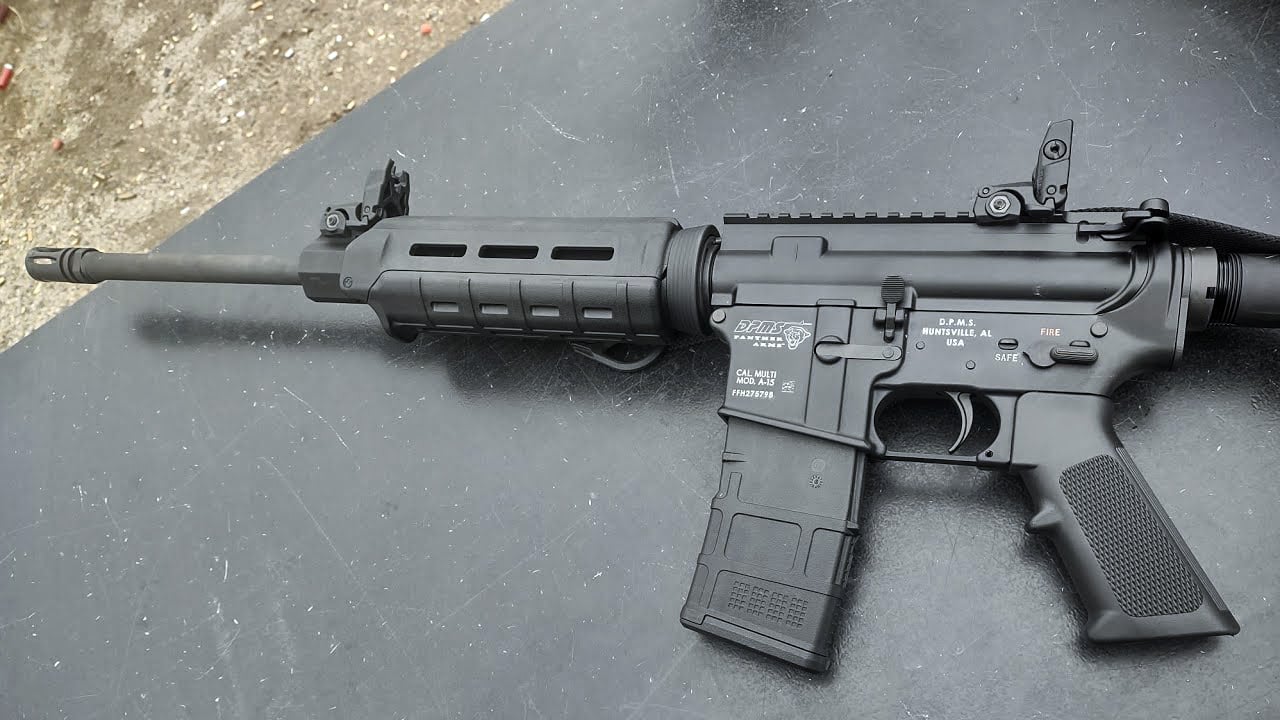
The Sportical was one of those “just enough AR to be an AR” rifles. The slick receiver and no-forward-assist vibe wasn’t the real issue. The bigger issue was inconsistent assembly and parts that didn’t feel like they were selected with hard use in mind.
For a casual range rifle, some were perfectly serviceable. But when someone’s first AR feels cheap, the story spreads fast: “AR’s jam.”
5. Olympic Arms Plinker series
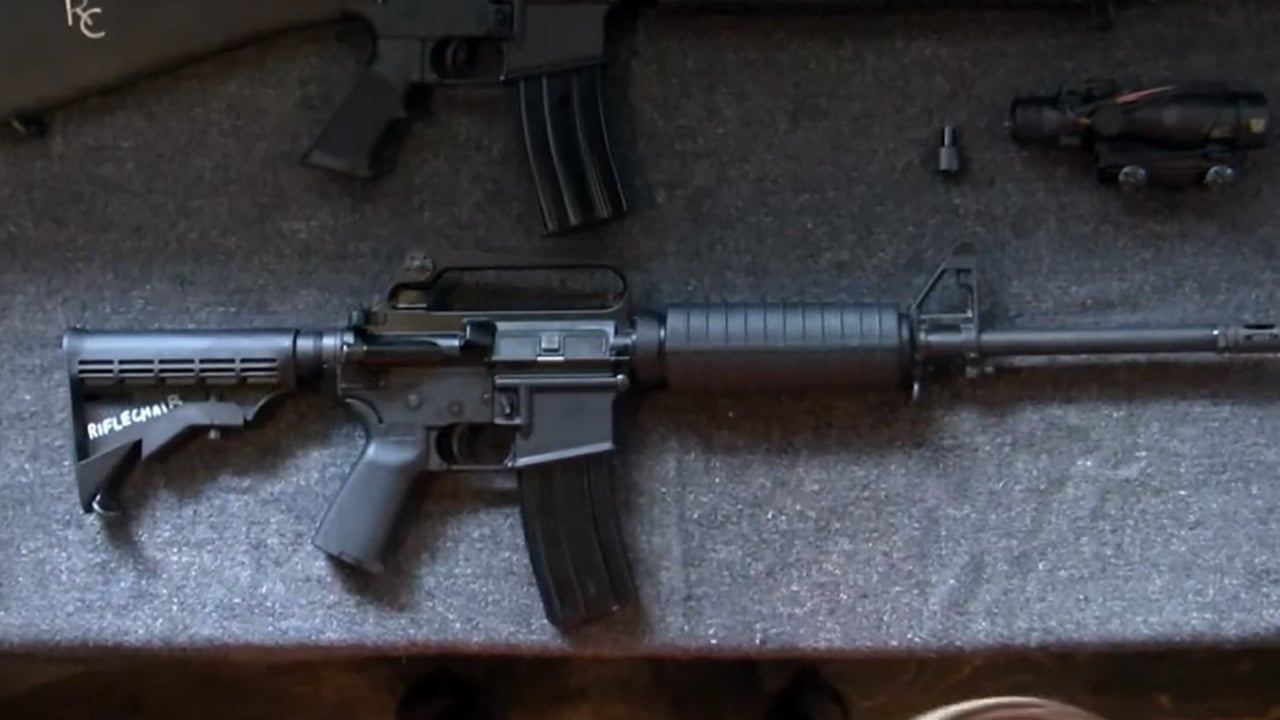
Olympic Arms rifles were a mixed bag, and the Plinker name didn’t exactly inspire confidence. Some owners had good luck, others fought feeding issues and oddball parts fit that made troubleshooting feel like chasing ghosts.
The worst part is that a finicky rifle can teach a new shooter bad habits—over-lubing, under-lubing, swapping random parts—trying to “fix” something that should’ve been right from the start.
6. ATI Omni Hybrid (early runs)

Another polymer lower entry, and another one that made folks swear off budget rifles after a couple range trips. The “hybrid” reinforcement helped, but early examples still earned a reputation for flex and accelerated wear.
If your trigger pins and takedown pins don’t feel solid, you’re not going to trust the rifle. Trust is the whole point of the AR being a go-to tool.
7. Radical Firearms carbines (early QC era)
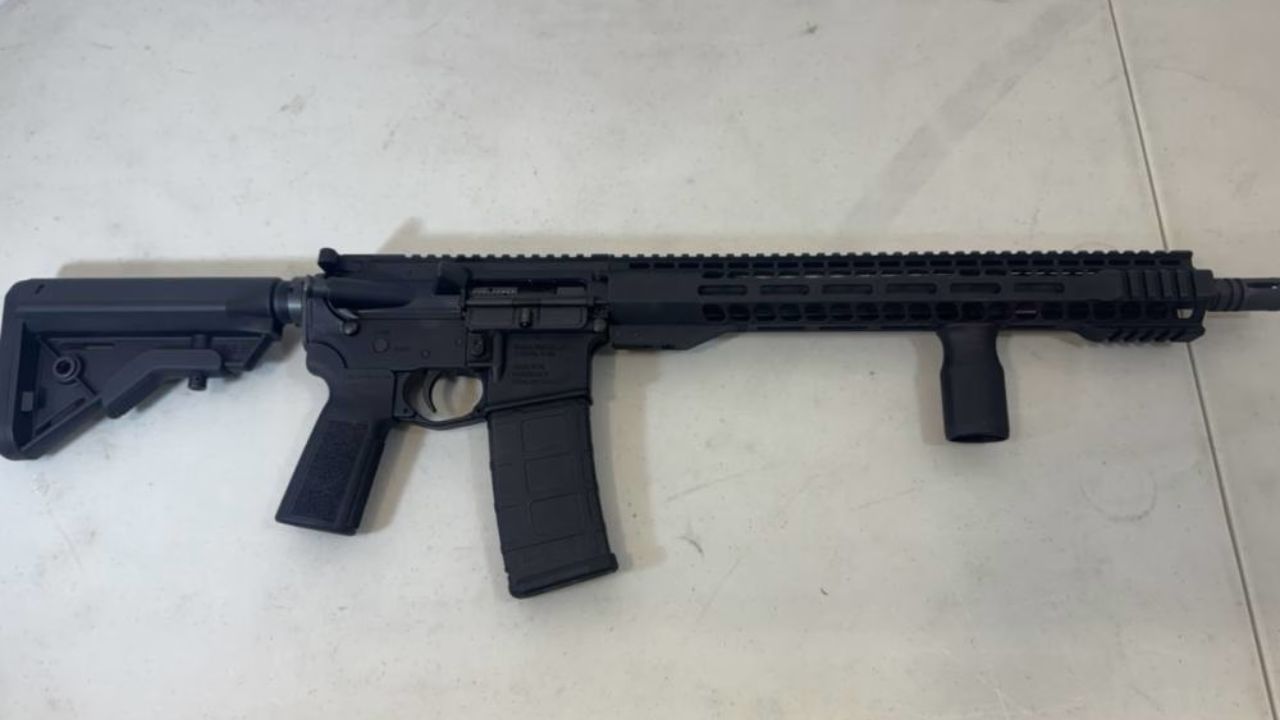
Radical rifles have improved over time, but the early reputation stuck. The complaints you heard were gas system drama, rough finishing, and “it runs… until it doesn’t” behavior that’s hard to diagnose.
Nothing ruins a Saturday like a rifle that short-strokes with one ammo and over-gasses with another. That’s not “being picky,” that’s being built on the edge.
8. Bear Creek Arsenal complete rifles

Bear Creek is the classic example of “the price is the feature.” When you’re that cheap, you’re going to ship some rifles that are fine and some that have head-scratching problems.
Inconsistent barrels and chambers are what I’ve seen discussed the most. The shooter who gets a good one becomes a fan. The shooter who doesn’t becomes the guy at the range telling everyone budget ARs are junk.
9. Anderson “AM-15” entry-level carbines (hit-or-miss builds)

Anderson lowers are everywhere, and plenty of them are totally usable. The problem is when “budget build” turns into “budget everything,” and then somebody stamps Anderson’s name on the whole experience.
A rifle assembled with bargain-bin small parts, a rough BCG, and a questionable gas block can run poorly regardless of the logo. The trouble is new buyers don’t separate “a cheap build” from “a cheap brand.”
10. PSA early-generation carbines (the rough years)
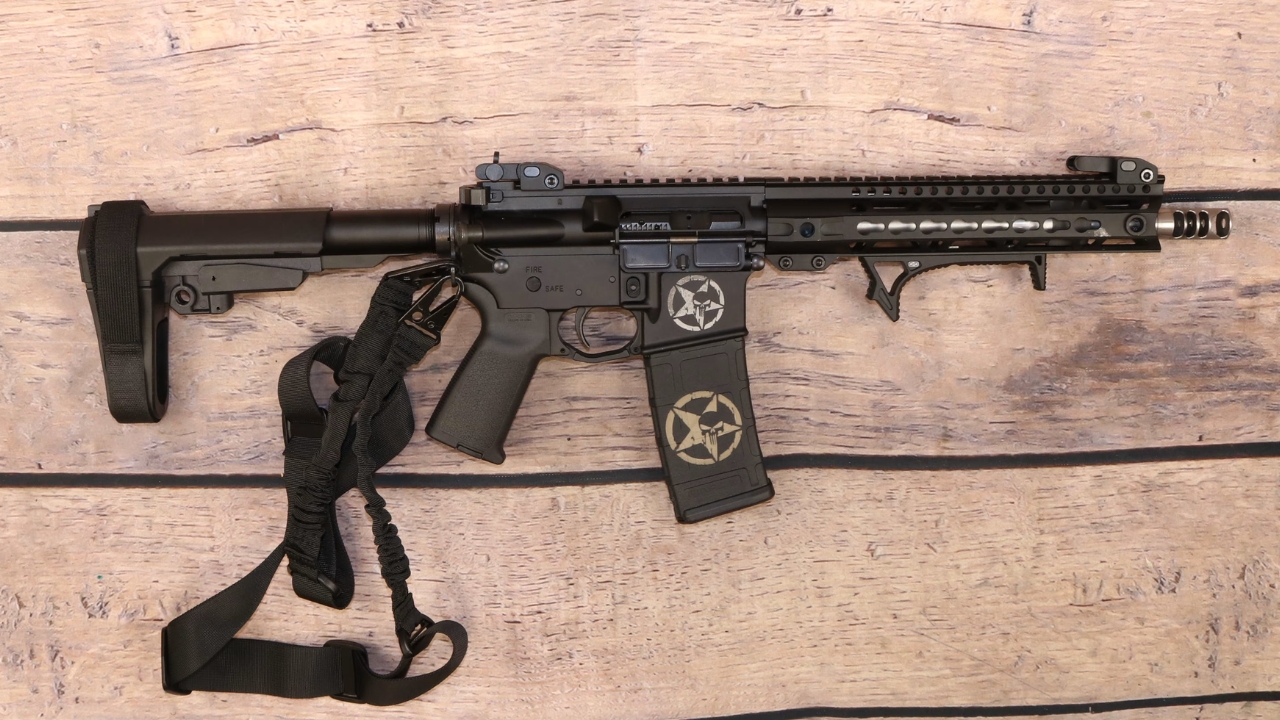
Palmetto State Armory has put a lot of solid rifles in a lot of safes. But the older days had more variability, and I remember seeing rifles that needed a little love out of the box.
When PSA is on, it’s a working rifle for working folks. When it’s off, it’s a reminder that high volume plus low margins means QC has to be sharp or the internet will do what it does.
11. Del-Ton entry-level M4 kits (assembled by first-timers)
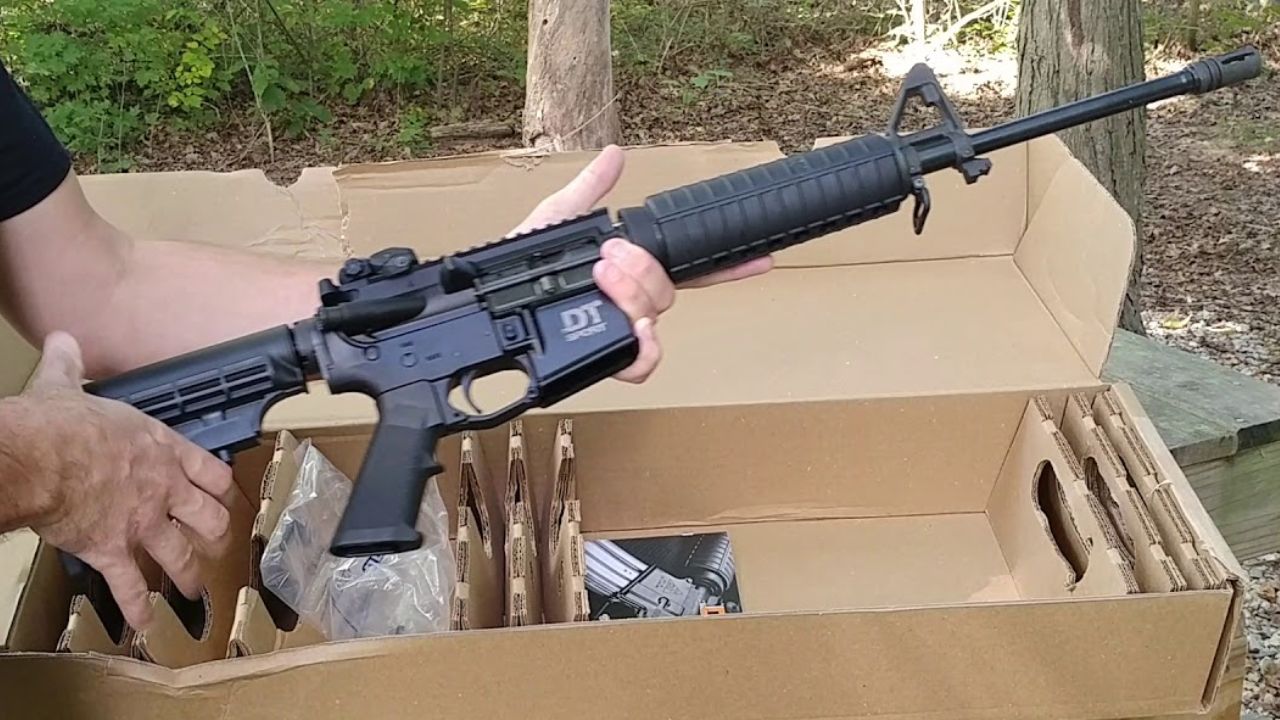
Del-Ton kits got a ton of folks into the AR game. The issue wasn’t always the kit. The issue was that a kit is only as good as the assembly, and a lot of first-time builders learned the hard way.
Loose castle nuts, misaligned gas blocks, and bargain optics made those rifles “unreliable,” when the real story was “a rifle is a system.” Still, the brand name got stuck to the frustration.
12. Black Rain Ordnance “budget” models (priced like premium, built like average)

This one isn’t “cheap” in sticker price, but it’s been a budget-gun reputation maker because the value didn’t always match the marketing. When someone pays more and still gets mediocre performance, the bitterness is real.
A lot of these rifles look great. Looks don’t keep a rifle running when heat, dirt, and round count start stacking up.
13. Hesse / Vulcan ARs
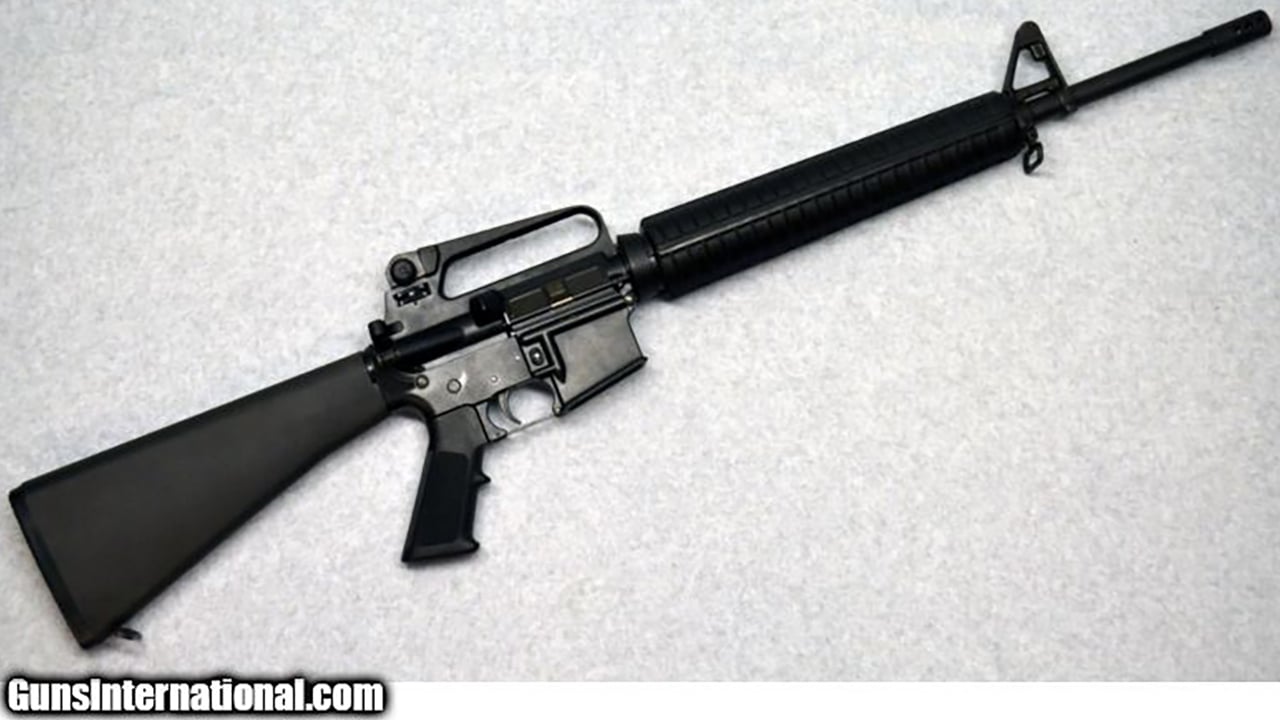
Older shooters remember these with a wince. Hesse/Vulcan rifles were infamous for out-of-spec parts, questionable metallurgy rumors, and the kind of problems that make a simple malfunction drill turn into bench work.
If you bought one cheap at a show thinking you scored, you might’ve learned why it was cheap. That one hurts.
14. American Spirit Arms (inconsistent era rifles)
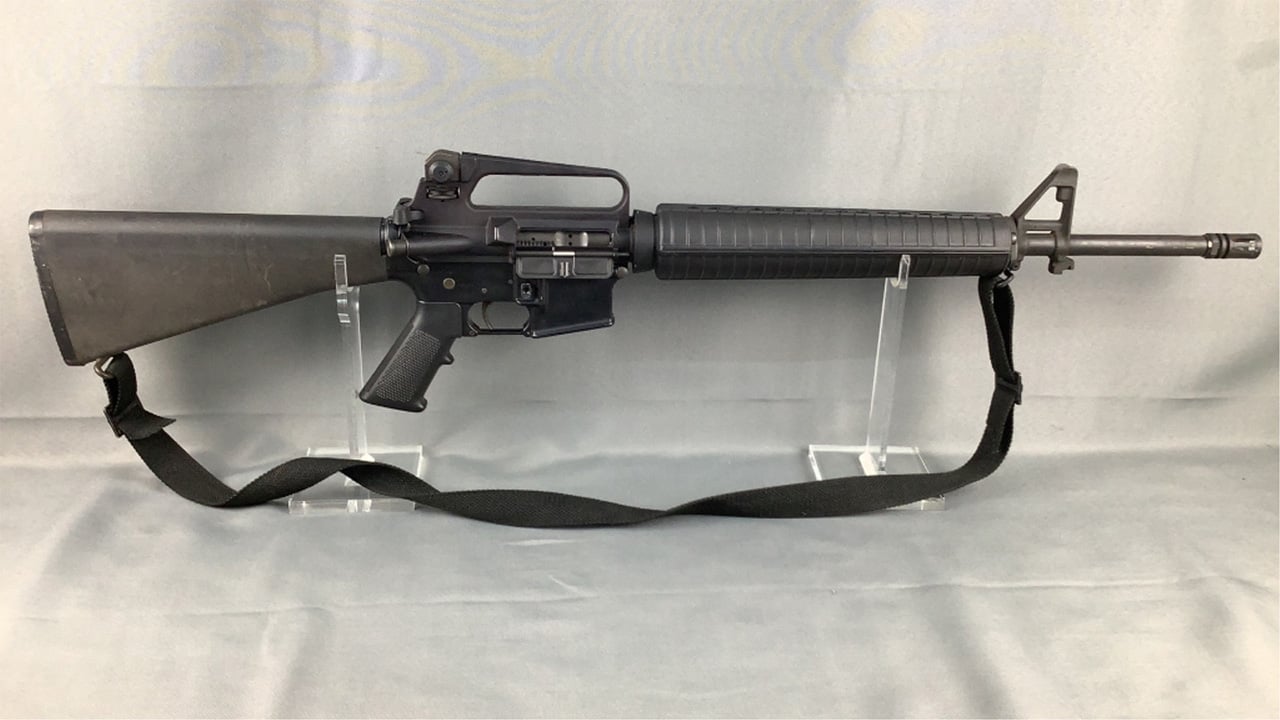
ASA put out rifles that ranged from decent to frustrating depending on the period and the specific gun. The “inconsistent” label is poison in an AR, because the platform thrives on standardization.
When parts fitment is a guessing game, the rifle stops being a tool and turns into a project. Some folks love projects. Most hunters just want a rifle that goes bang and holds zero.
15. Model 1 Sales kit builds (the bargain kit boom)
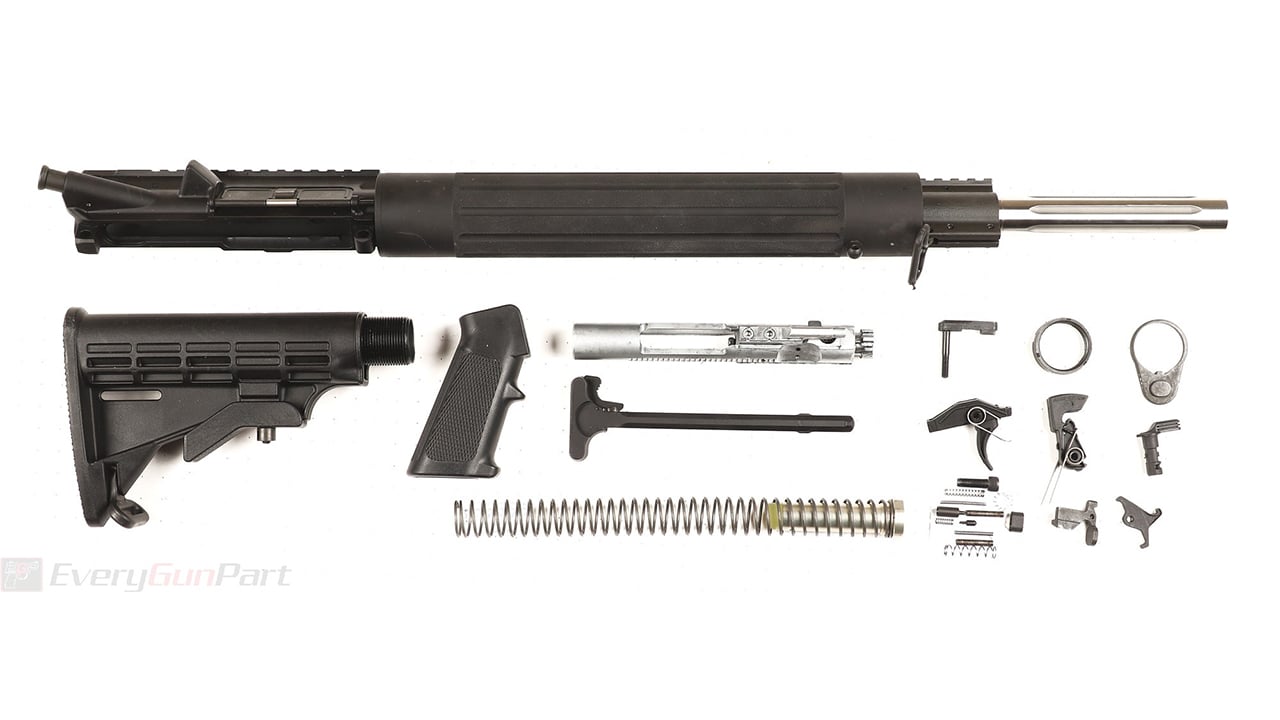
Like Del-Ton, Model 1 Sales fed the kit boom. And like a lot of kit guns, the final product depended on who built it and what corners got cut.
Barrel quality and gas port sizing complaints popped up often enough that “kit AR” started sounding like “jam-o-matic” to guys who’d never even shot one.
16. DoubleStar entry carbines (nothing special, sometimes rough)
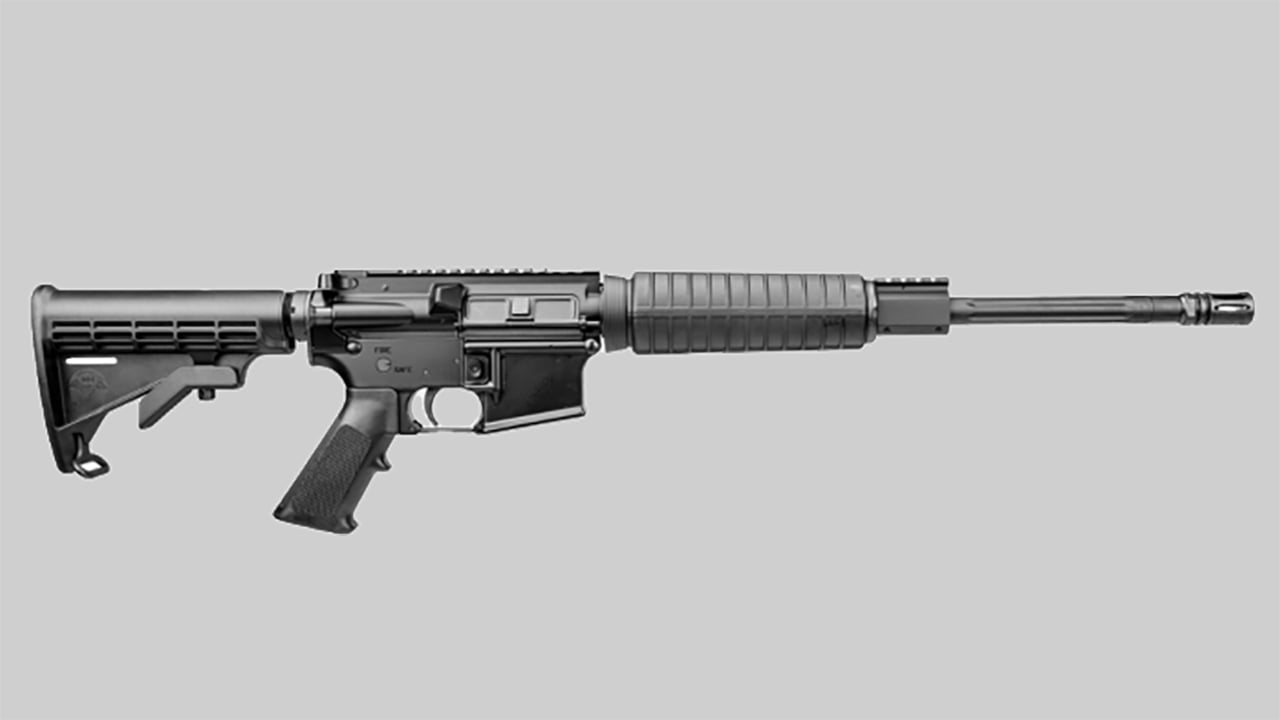
DoubleStar has been around a long time, and some of their stuff is fine. But the entry-level carbines weren’t always smooth, and the finish and small parts could feel like they came from the “good enough” bin.
That’s not a crime. It’s just how a rifle earns a reputation for being forgettable. And forgettable at the wrong moment is exactly what folks fear with budget gear.
17. Century Arms C15 Sporter
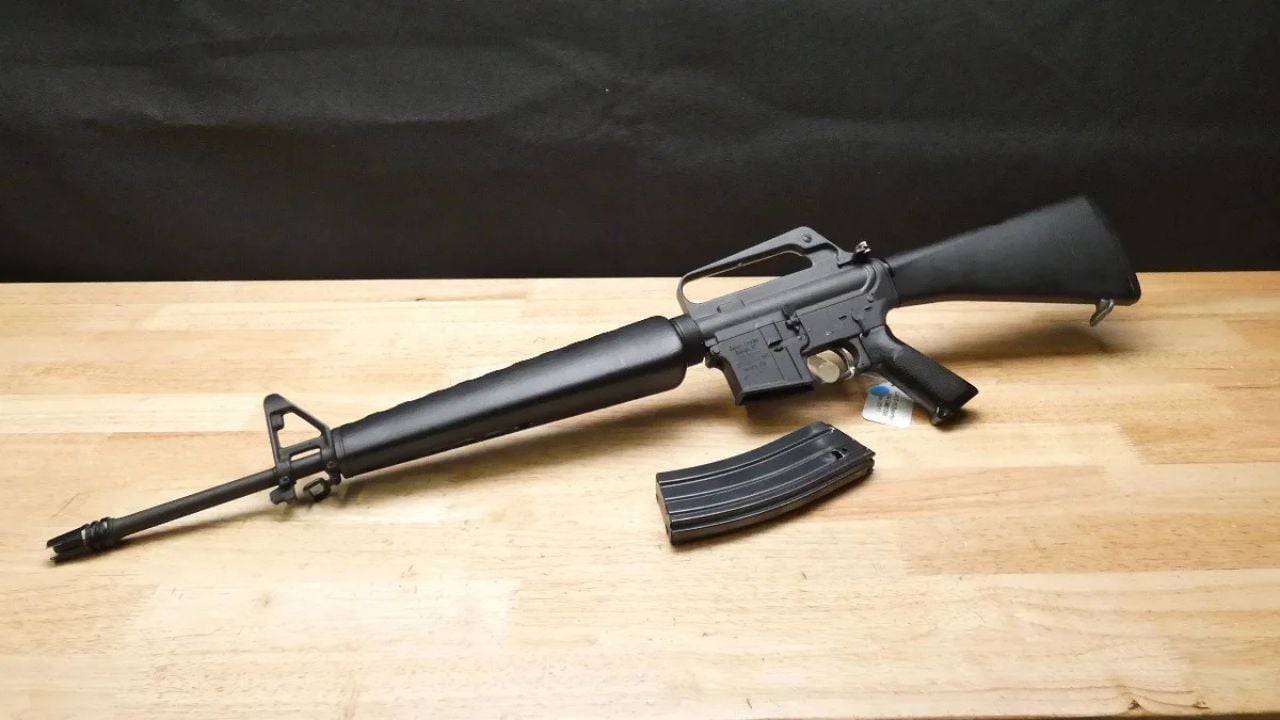
Century can be a roll of the dice depending on what they’re importing or assembling in a given year. The C15 Sporter got into hands fast because the price was right and the shelves were full.
But rough triggers, inconsistent gas behavior, and overall “meh” refinement made it the kind of rifle you either upgrade heavily or trade off. Either way, it fed the idea that cheap ARs are just starting points, not finished tools.
18. Smith & Wesson M&P15 Sport (first generation)

Here’s the one that’ll get arguments started. The original Sport sold like crazy, and many have been reliable. But it also normalized stripped-down features and “it’s fine” compromises that new buyers didn’t understand.
No dust cover or forward assist didn’t automatically make it bad, but it made some folks feel like they bought a half rifle once they started training or shooting in wind and grit. It’s a good example of how perception can hurt the entire budget category.
19. Springfield Armory Saint (early buzz vs. real value)
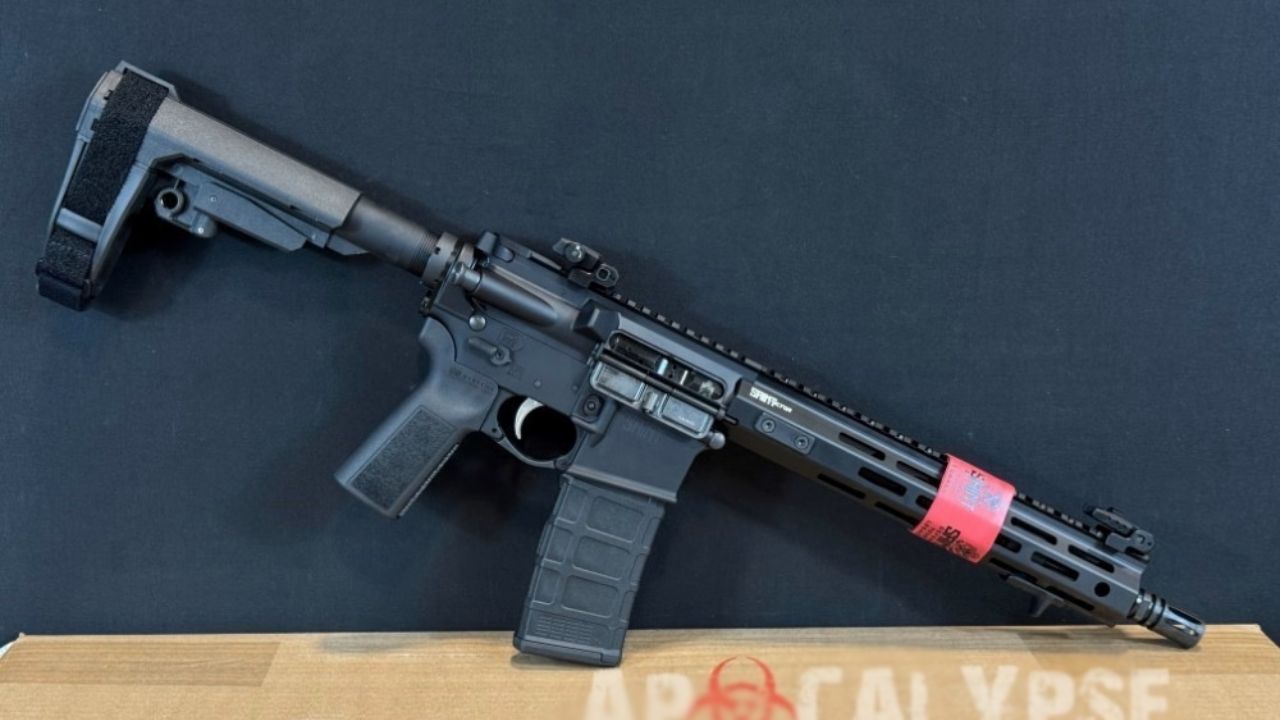
The Saint launched with a lot of hype, and it wasn’t a terrible rifle. The problem was that the price and the marketing made people expect a step above the typical entry AR, and some examples didn’t feel like it.
When someone overpays even a little, every minor issue becomes “proof” the whole idea was wrong. That’s how a decent rifle can still contribute to a bad reputation for “affordable” guns.
20. Generic no-name “parts-gun” ARs sold as complete rifles
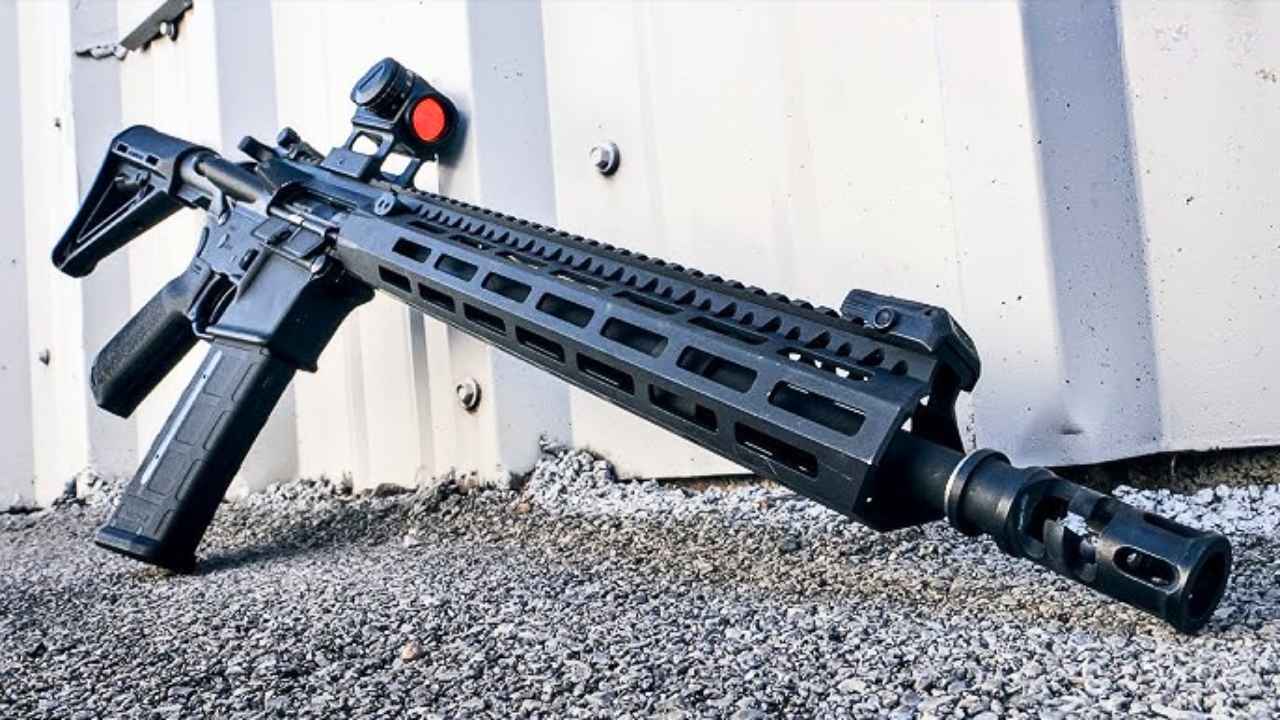
The final slot goes to the rifle with no real identity: random upper, random lower, mystery BCG, bargain handguard, and a “custom” label at a gun show table. These are the rifles that make new shooters think the AR platform is inherently finicky.
If you don’t know who made the barrel or bolt, you don’t know what you’re betting your range day on. Sometimes they run forever. Sometimes they don’t run at all. And when they don’t, the guy behind the counter isn’t the one burning ammo trying to diagnose it.
The honest truth is this: the AR is a pretty forgiving design, but it’s not magic. You can’t cut corners on the barrel, bolt, gas system, and assembly and expect the rifle to behave like a higher-grade gun. If you’re shopping the budget end, buy from a maker with a track record, use known-good magazines, and function test the rifle before you decide it’s ready for anything more serious than casual range time.
Like The Avid Outdoorsman’s content? Subscribe to our newsletter so you never miss an article.
Here’s more from us: