Photo credit: SudoSights/Youtube
Every rifle looks like a winner leaning in the rack under clean shop lights. The trouble starts after the first range trip, when the bolt feels like it’s dragging through sand, the groups won’t tighten up, and the magazine does something weird right when you’re trying to stay calm and shoot straight. Bolt guns are supposed to be the simple, dependable option. When they’re not, it sticks with a guy.
Here are 20 bolt-action rifles that have left a lot of buyers wishing they’d handled a different one, saved a little longer, or just stuck with the boring model that always works.
1. Remington 710
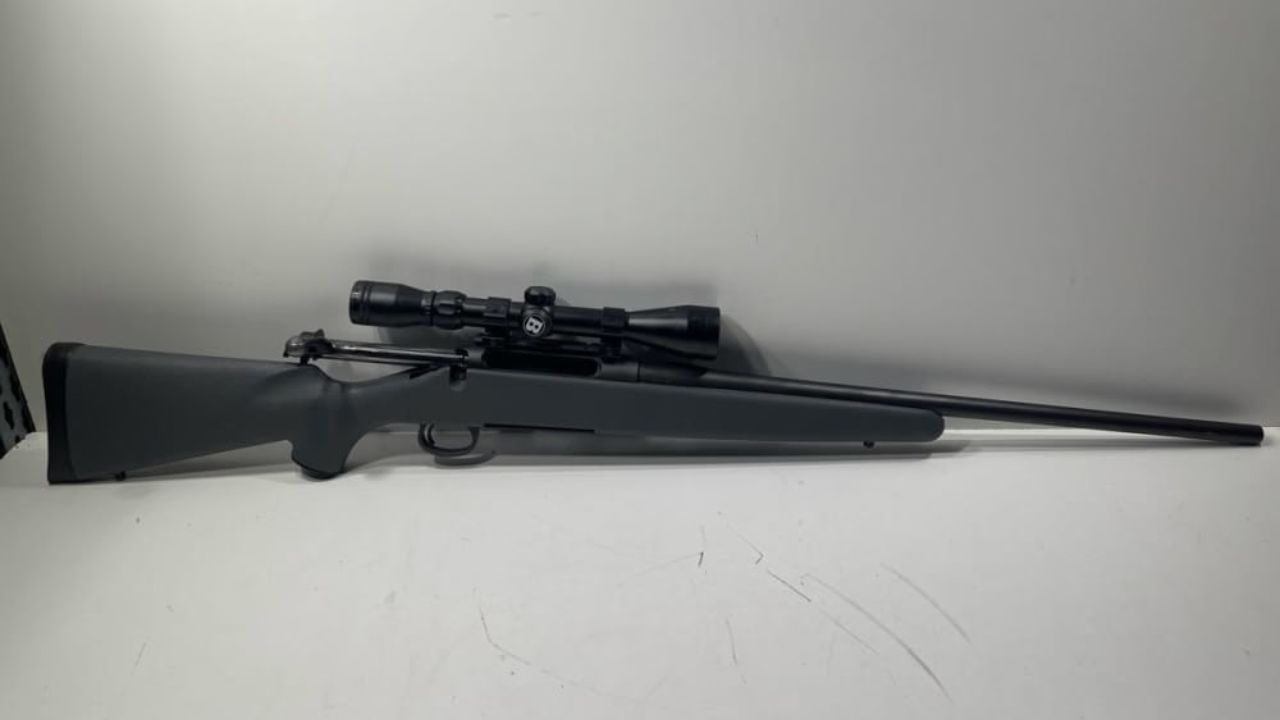
I’ve watched more than one new hunter show up proud with a 710, then slowly realize why old-timers keep their 700s and 721s. The action often feels rough, and the whole rifle has that “built to a price point” vibe you can’t shake once you notice it.
Accuracy can be all over the place depending on the individual rifle and the ammo. The bigger complaint is longevity and serviceability. When a rifle starts feeling disposable, it’s hard to trust it when the only shot you get is at last light.
2. Remington 770

The 770 followed the same general path: package scope, tempting price, and a promise of “ready to hunt.” Plenty of them do kill deer. But a whole bunch of owners end up fighting sticky extraction, inconsistent feeding, or a bolt that never quite smooths out.
Where it really disappoints is when you try to grow with it. Better optics, better mounts, a trigger you like, a stock that fits—none of it feels worth doing because the rifle underneath never feels like a solid foundation.
3. Remington 783 (early production)

The 783 is one of those rifles that can surprise you in a good way, but early ones earned a reputation for being inconsistent. I’ve seen a couple that shot great, and I’ve seen a couple that were frustrating no matter what you fed them.
If you land on a good one, you’ll defend it. If you land on a lemon, you’ll spend a whole summer chasing groups and wondering why your buddy’s budget rifle is boringly accurate and yours isn’t.
4. Ruger American Ranch (early rotary-mag versions)

The Ruger American line has put meat in the freezer and punched a lot of paper, but the Ranch variants with certain rotary magazine setups have irritated more than a few owners. Feeding hiccups are the kind of thing you can’t unsee once they happen.
It carries light and handy, which is why folks buy it for woods walking and truck duty. But when you’re easing the bolt forward on a pig or a coyote and it doesn’t chamber clean, you start thinking about rifles that cost a little more for a reason.
5. Ruger Gunsite Scout (magazine and weight reality check)
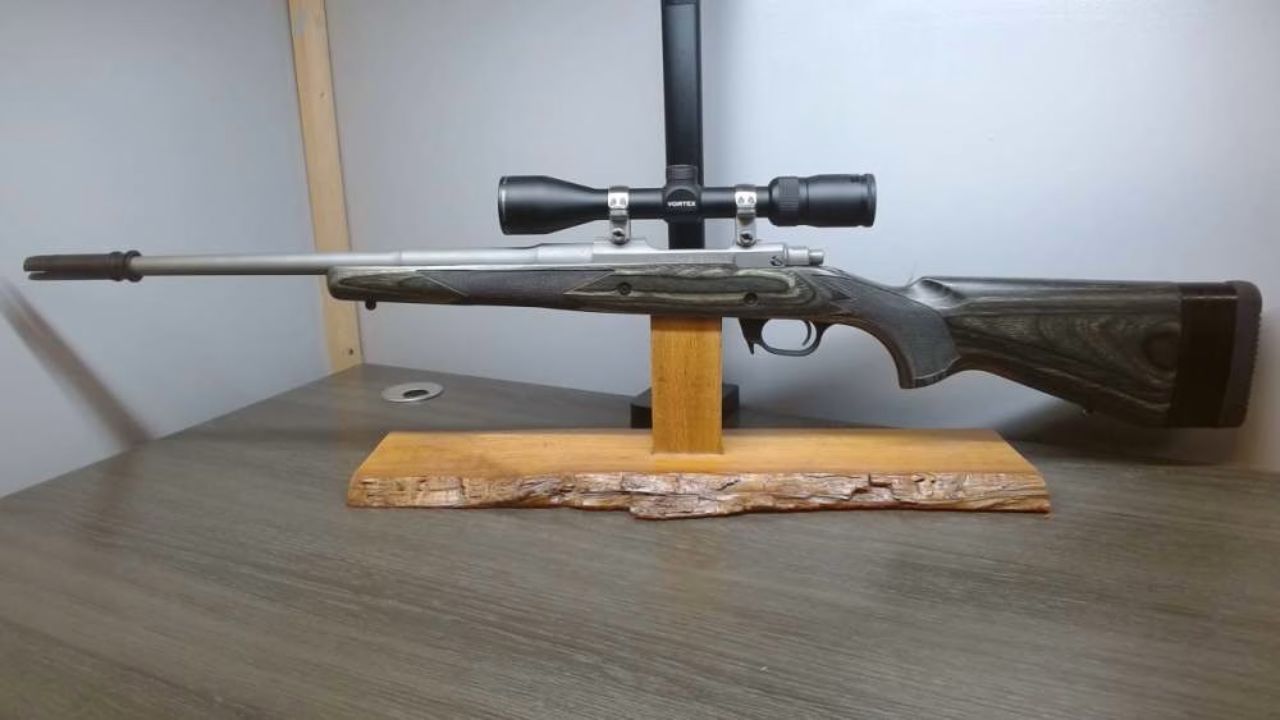
The Scout concept sounds perfect until you live with it. A lot of buyers expected a quick-handling do-everything rifle and got a gun that feels heavier than it ought to for what it is, especially once you add a sling, optic, and loaded magazine.
Magazines can be another pain point—availability, cost, and how they carry. If you’re not truly using the scout features, you wind up with a rifle that’s neither as sleek as a standard hunting bolt gun nor as flexible as a semi-auto for quick work.
6. Savage Axis (first generation)
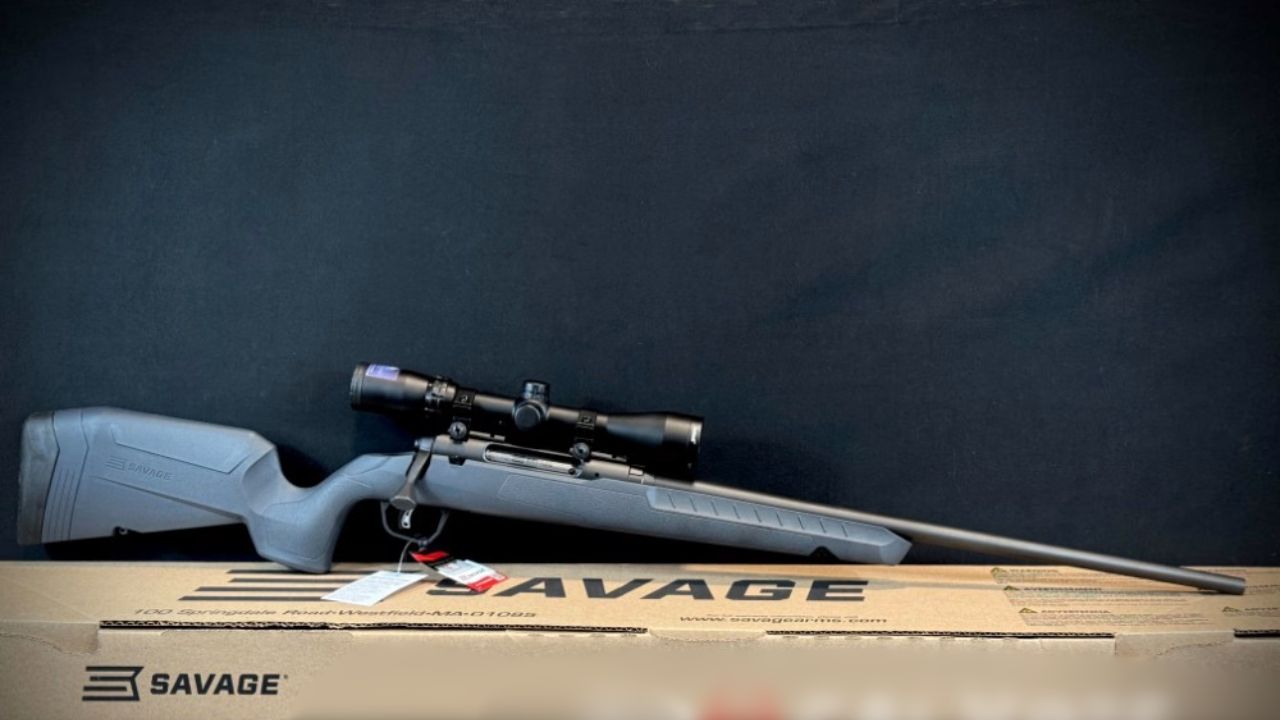
The Axis has probably started more hunting careers than it gets credit for. But first-gen Axis rifles also delivered some of the roughest bolt lift and cheapest-feeling stocks on the market, and that “hollow flex” doesn’t inspire confidence from field positions.
Many will still shoot decent groups. The disappointment comes from the feel and the long-term relationship. When the stock touches the barrel if you load a bipod, or the trigger feels like a negotiation, you understand why people upgrade out of it fast.
7. Savage 110 (certain years with accuracy/fit issues)

The 110 is usually a safe bet, which is why it stings when you get one that just won’t settle. Some production runs have had rifles that needed bedding attention, scope base fussing, or plain old troubleshooting that a “workhorse” shouldn’t require.
When a guy buys a 110, he’s often expecting easy accuracy with minimal drama. If you end up chasing random flyers and wondering if the action screws walked, it doesn’t feel like the dependable tool you paid for.
8. Winchester XPR (bolt feel and finish complaints)

The XPR can shoot. I’ll give it that. But I’ve handled enough of them where the bolt travel feels a little clunky and the overall finish feels more “cost-cut” than “classic Winchester” that the name makes you expect.
For hunters who grew up around Model 70s, the XPR can feel like a letdown in the hands even if the target says it’s fine. Sometimes disappointment isn’t about MOA. It’s about how a rifle carries, cycles, and inspires confidence when your fingers are cold.
9. Mossberg ATR 100
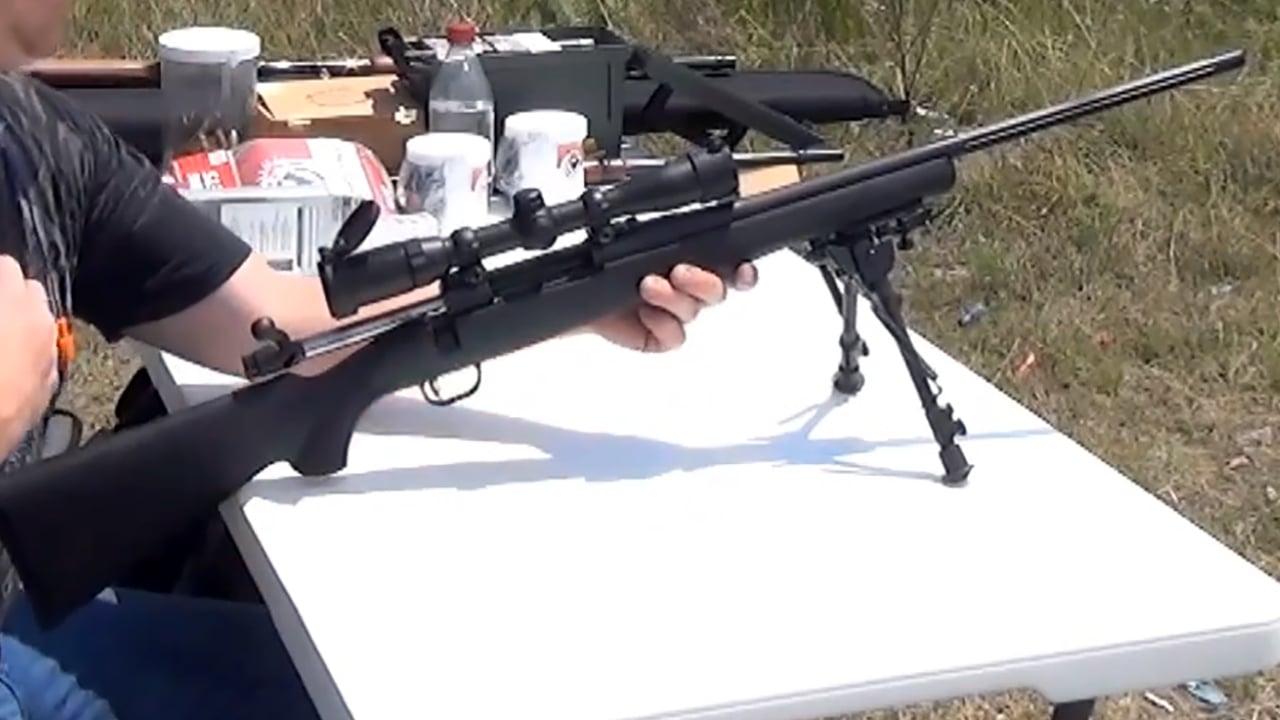
The ATR 100 is one of those rifles that showed up in a lot of big-box aisles because it hit the price. What buyers often ran into was a rifle that could be finicky with ammo and not especially pleasant to run fast and smooth.
When you’re on a bench, you can work around a lot. In the field, you want a bolt gun that chambers like it’s on rails. The ATR is the kind of rifle that makes a new shooter wonder if all bolt guns feel “cheap.” They don’t.
10. Mossberg Patriot (magazine and stock quirks)
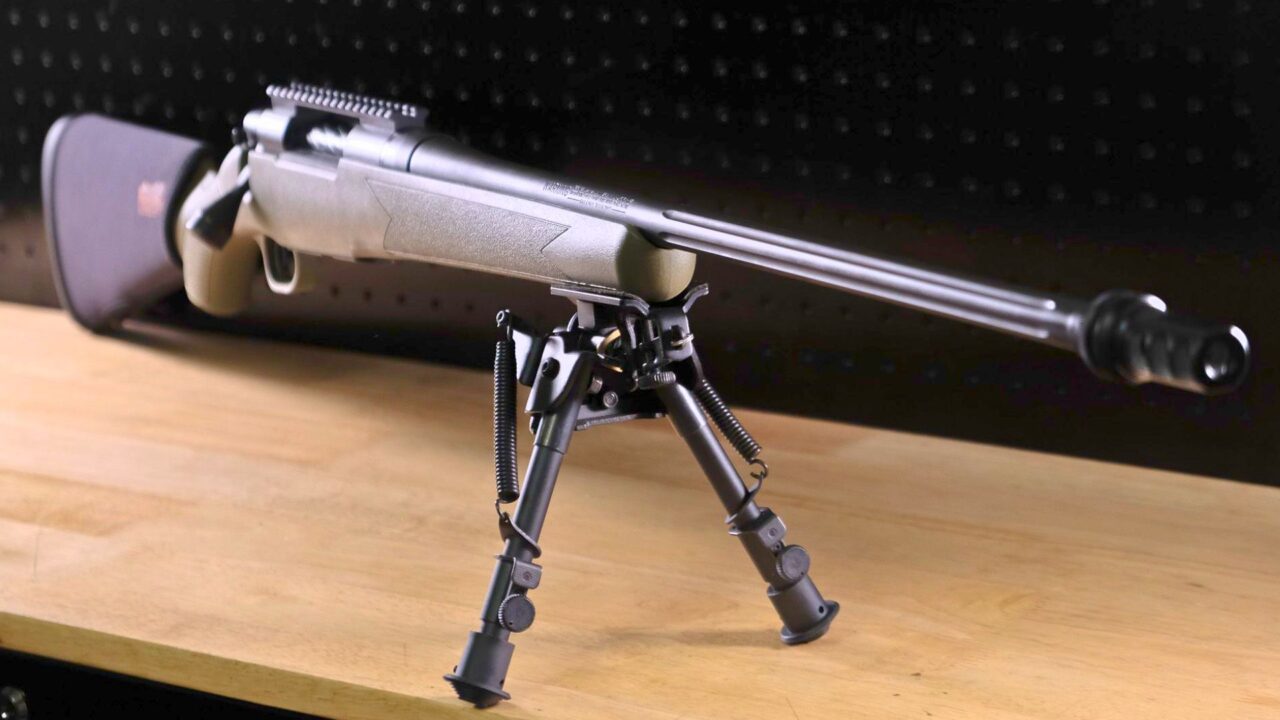
The Patriot looks like a straightforward deer rifle, and sometimes it is. The complaints usually circle around the detachable magazine—fit, feeding, and the way it sits in the rifle. That’s a small part that can sour the whole experience.
Then there’s the stock on some models. If it doesn’t fit you, recoil feels sharper than it needs to, and the rifle never quite points naturally. You end up fighting the gun instead of settling in behind it.
11. Thompson/Center Compass (rough edges out of the box)
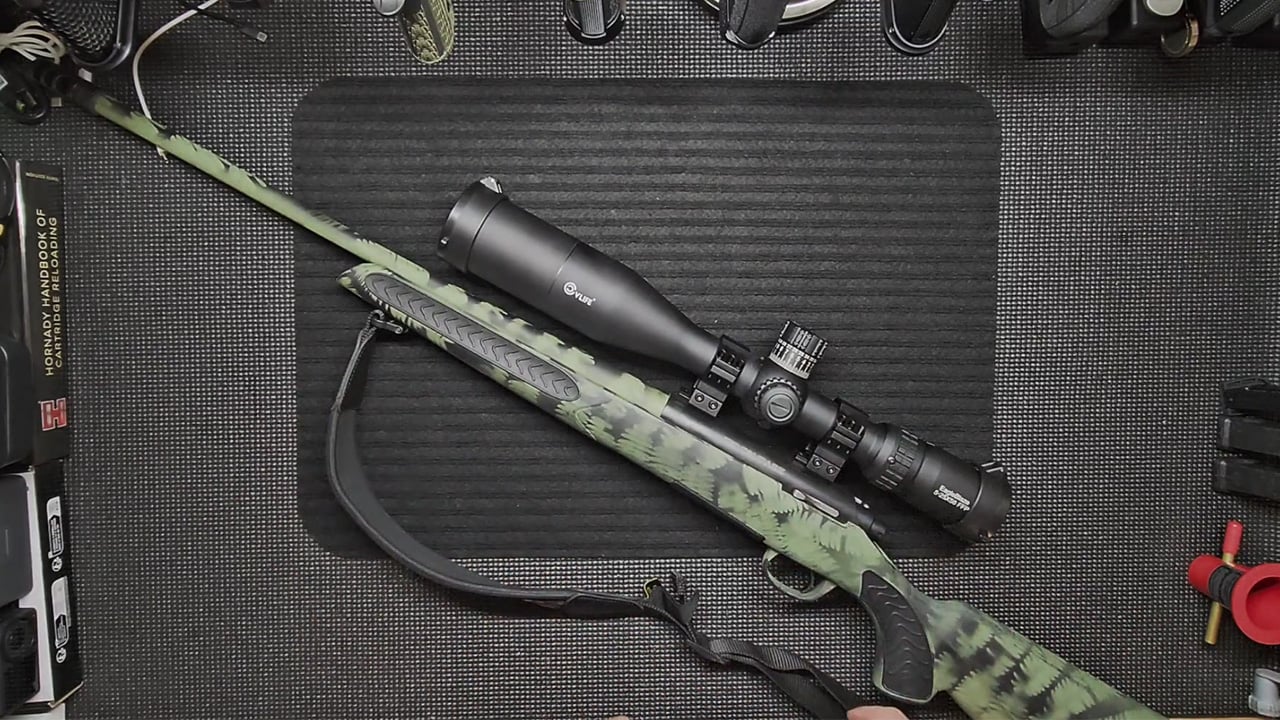
The Compass earned fans because it can shoot better than it costs. But I’ve also seen them come out of the box feeling like they skipped a finishing step—stiff bolt, gritty feel, and a general “get what you paid for” impression.
If you’re the kind of guy who doesn’t mind tinkering, cleaning, and breaking in, you might be fine. If you expected a smooth, confident rifle on day one, you’ll wonder why you didn’t spend a little more on something that feels finished.
12. Rossi Wizard (the promise of switch-barrel, the reality of zero)
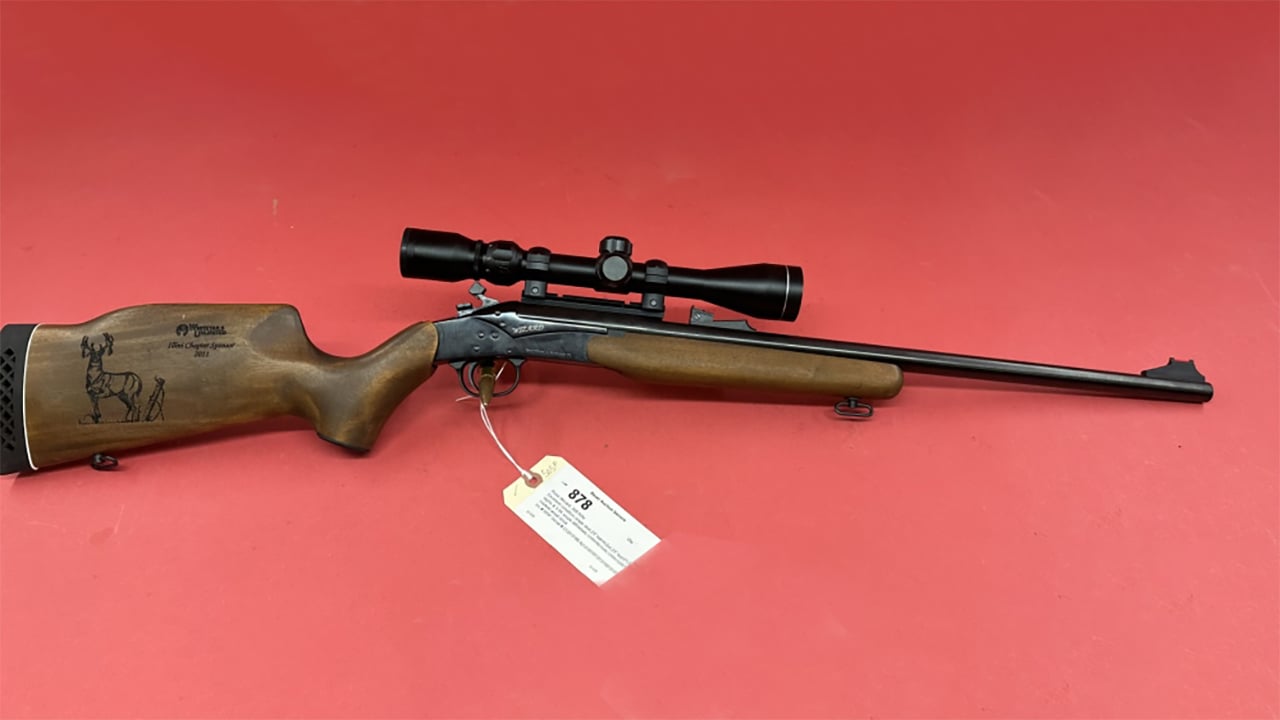
Switch-barrel systems are a great idea for folks who want one gun to do several jobs. The Wizard has disappointed owners who expected easy swaps and repeatable accuracy without a lot of messing around.
Keeping a steady zero when you change barrels is the whole point. When a rifle makes you re-check and re-confirm constantly, it stops being convenient. It becomes another project that lives in the safe.
13. Marlin X7 (trigger and consistency)

The Marlin X7 had moments where it looked like the next budget darling. Some shot great. Others had triggers that felt heavier than they should, and fit-and-finish that didn’t always match what hunters hoped for from the Marlin name.
The bigger issue is support and parts as time goes on. When you buy a rifle that’s not widely supported, a minor problem can turn into a long wait or a dead end, and that’s a quiet kind of disappointment.
14. Howa 1500 (heavy “all-day carry” surprise)
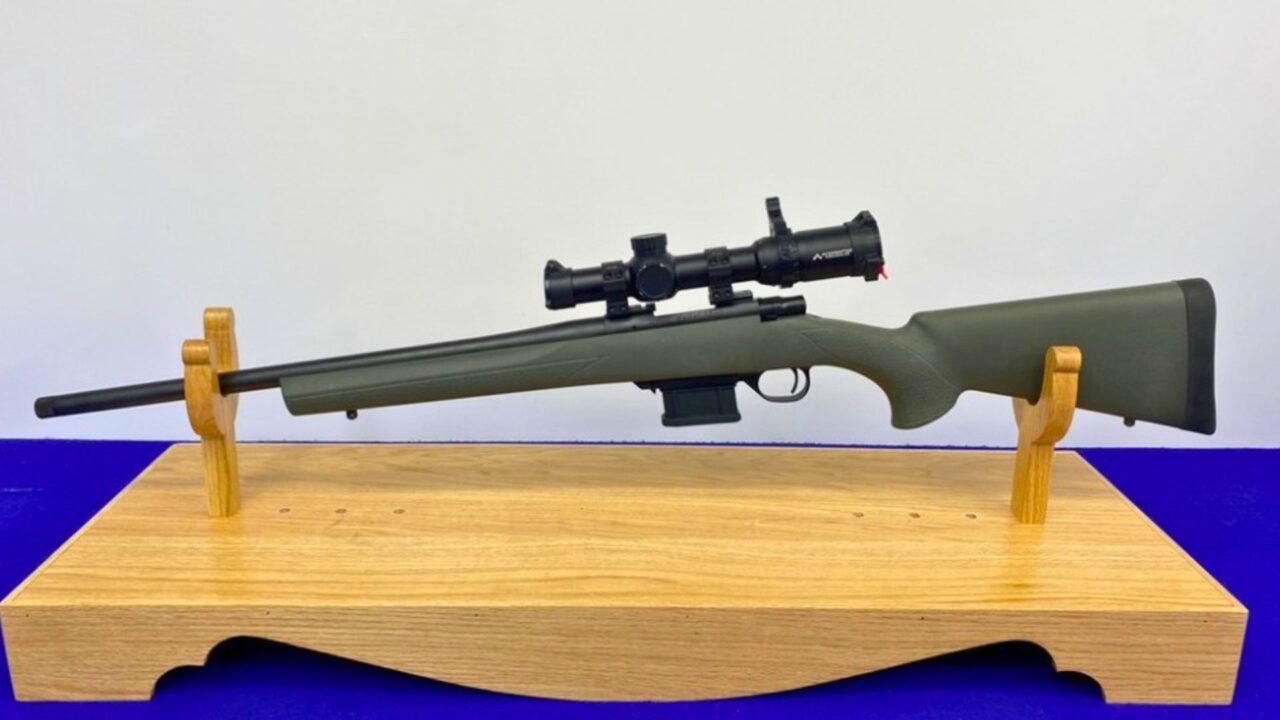
Howa makes a solid action, and I’m not here to pretend they’re junk. But a lot of buyers get surprised by how a standard Howa build carries once you add glass. It can turn into a heavy rig fast.
If you mostly shoot from a stand, no big deal. If you still-hunt ridges or walk prairie draws all day, that weight shows up in your shoulders around mid-afternoon. The rifle may be accurate, but it’s not always the hunting companion folks imagined.
15. CZ 550 (set-trigger learning curve and quirks)
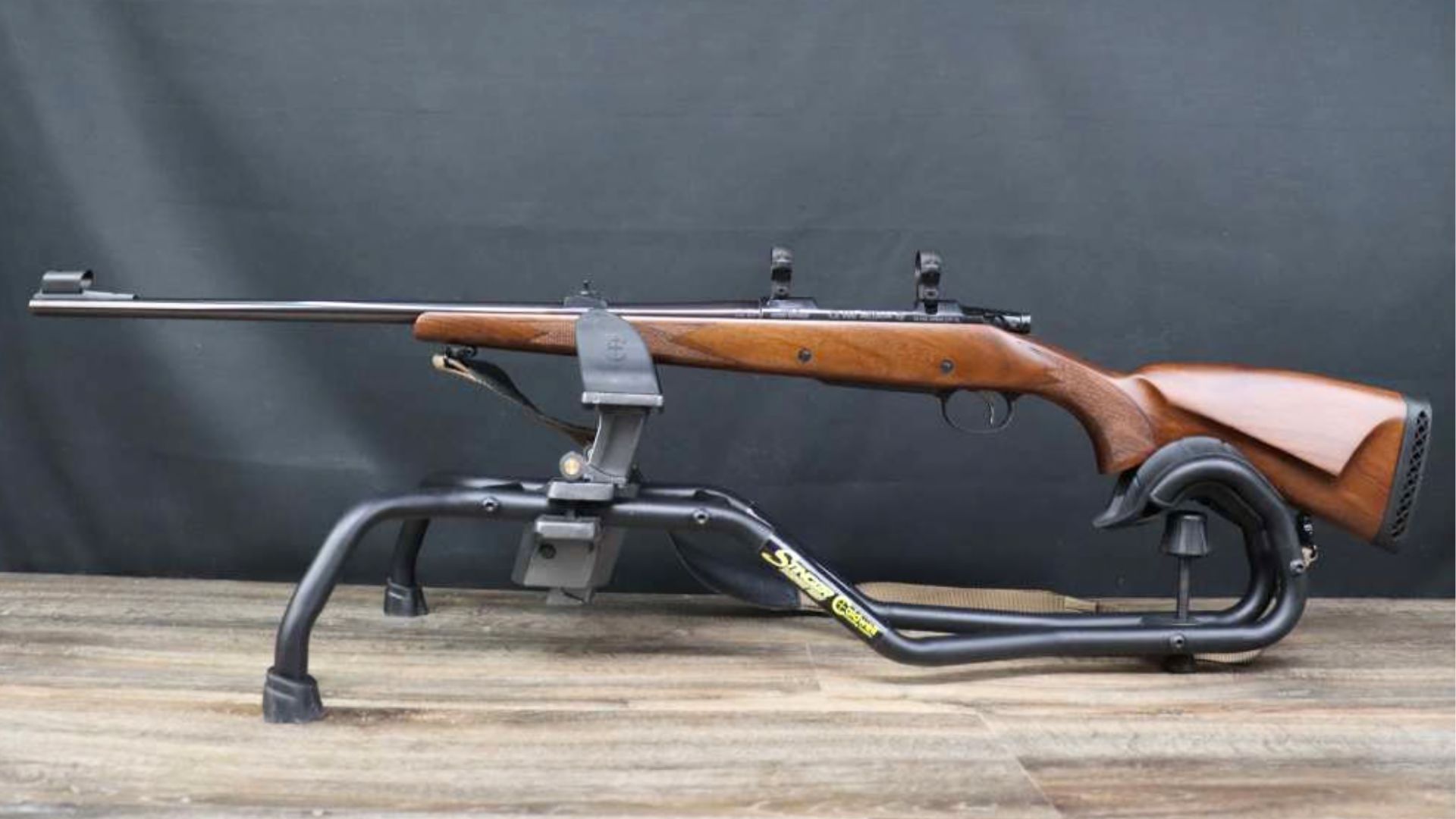
The CZ 550 has a loyal following, but it has also disappointed buyers who weren’t ready for its personality. The set-trigger system can be great, but it’s not everyone’s cup of coffee, especially if you wanted simple and familiar.
Then there’s the feel of the action and safety placement compared to more common American rifles. If you’re not willing to train with it, it can feel “off” at the worst times—like when a buck steps out and you’re running on habit.
16. Weatherby Vanguard (expectations vs. typical hunting use)

The Vanguard often shoots well, and it’s generally reliable. The disappointment I see comes from the Weatherby name. Folks expect a slick, light, fancy rifle and find something that can feel a little chunky and plain unless you step up into pricier trims.
It’s not a bad rifle. It’s a mismatch problem. If you bought it hoping it would feel like a high-end mountain rifle, you might end up trading it toward something lighter and more refined.
17. Kimber Montana (QC lottery and “lightweight sting”)
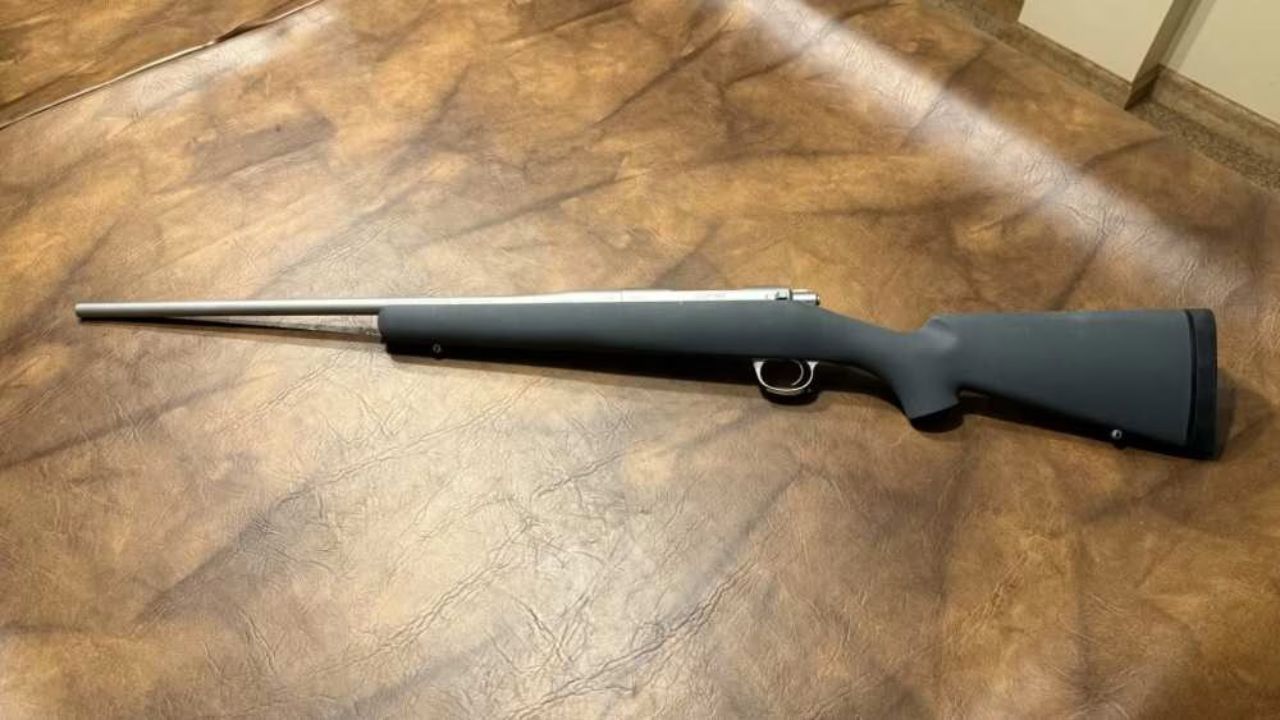
Light rifles are addictive right up until you touch one off from an awkward position. The Montana has disappointed a fair number of buyers because the price sets the bar high, and not every example has delivered the consistency you’d demand at that cost.
When a rifle is that light, stock fit and bedding matter. If you get one that’s finicky with ammo or doesn’t group like it should, it’s hard to forgive. That one hurts because nobody buys a Montana to settle.
18. Browning A-Bolt (magazine system frustration)
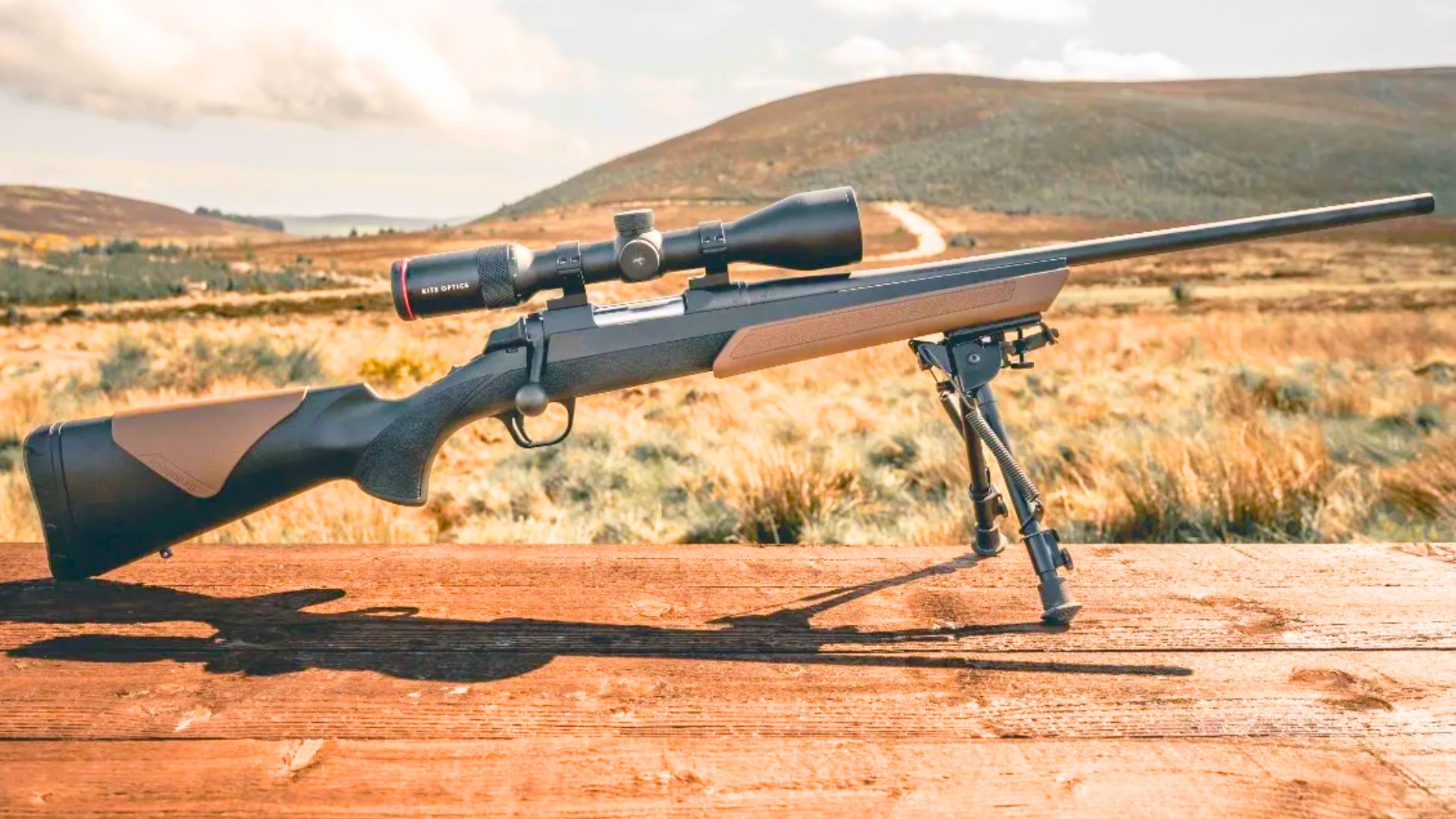
The A-Bolt has killed piles of game, no question. But the detachable magazine/floorplate setup has driven plenty of owners nuts over the years. Misplacing a magazine, paying for replacements, or dealing with a finicky latch is not what you want in deer camp.
Some shooters also never love the feel of the bolt throw compared to other rifles. It’s not that it’s unusable. It’s that it can be irritating in little ways that add up, especially if you’re the type who practices cycling and shooting fast.
19. Browning X-Bolt (price tag and real-world difference)

The X-Bolt is a good rifle, but it’s also a prime example of “expectations can be a thief.” When a guy pays premium money, he expects premium improvement. Sometimes what he gets is a rifle that shoots like several cheaper rifles he could have bought instead.
If the stock doesn’t fit you perfectly, or the trigger doesn’t wow you, the whole purchase feels questionable. The rifle might not be the problem. The price-to-smile ratio is.
20. Ruger M77 Mark II (tangibility and accuracy surprises)

I like the M77 lineage, but I’ve also watched folks buy an older Mark II thinking they’re getting instant classic performance. Then they find out the trigger is heavier than they expected, the rifle is heavier than modern options, and some examples just don’t group like the internet promised.
The controlled-round feed and rugged build are real. Still, if your priority is easy accuracy and a modern feel, the Mark II can feel dated in a hurry. It’s a rifle you buy with your heart and keep only if it earns its keep on the range.
Here’s the part nobody wants to hear after dropping money at the counter: most disappointment comes from mismatched expectations, not just “bad rifles.” Handle the bolt before you buy, pay attention to how the stock fits your shoulder and cheek, and be honest about how you actually hunt. A rifle that’s boring, smooth, and easy to feed is usually the one that stays in the safe for the long haul.
Like The Avid Outdoorsman’s content? Subscribe to our newsletter so you never miss an article.
Here’s more from us: