Photo credit: GUNSweek/YouTube
Outlaw guns get talked about like they were born legendary. The truth is, a lot of Old West hardware was ordinary, even overlooked, until a specific bad man got photographed with it, used it in a headline robbery, or left it behind in a story that refused to die. That’s when a tool turns into a symbol.
When you look at these guns with clear eyes, you start seeing the pattern. The gun wasn’t always “the best.” It was the one that got linked to a name people still argue about at the diner, in gun shops, and at auction previews. Sometimes the link is rock-solid documentation. Sometimes it’s a trail of family lore, old letters, and hard-to-prove claims that collectors still chase anyway.
Either way, the outlaw connection changed what these firearms meant to the public. It shaped what the West “looked like” in dime novels, newspapers, and later in movies—and it still drives what people hang on the wall and what they pay real money for today.
Winchester Model 1873 Carbine
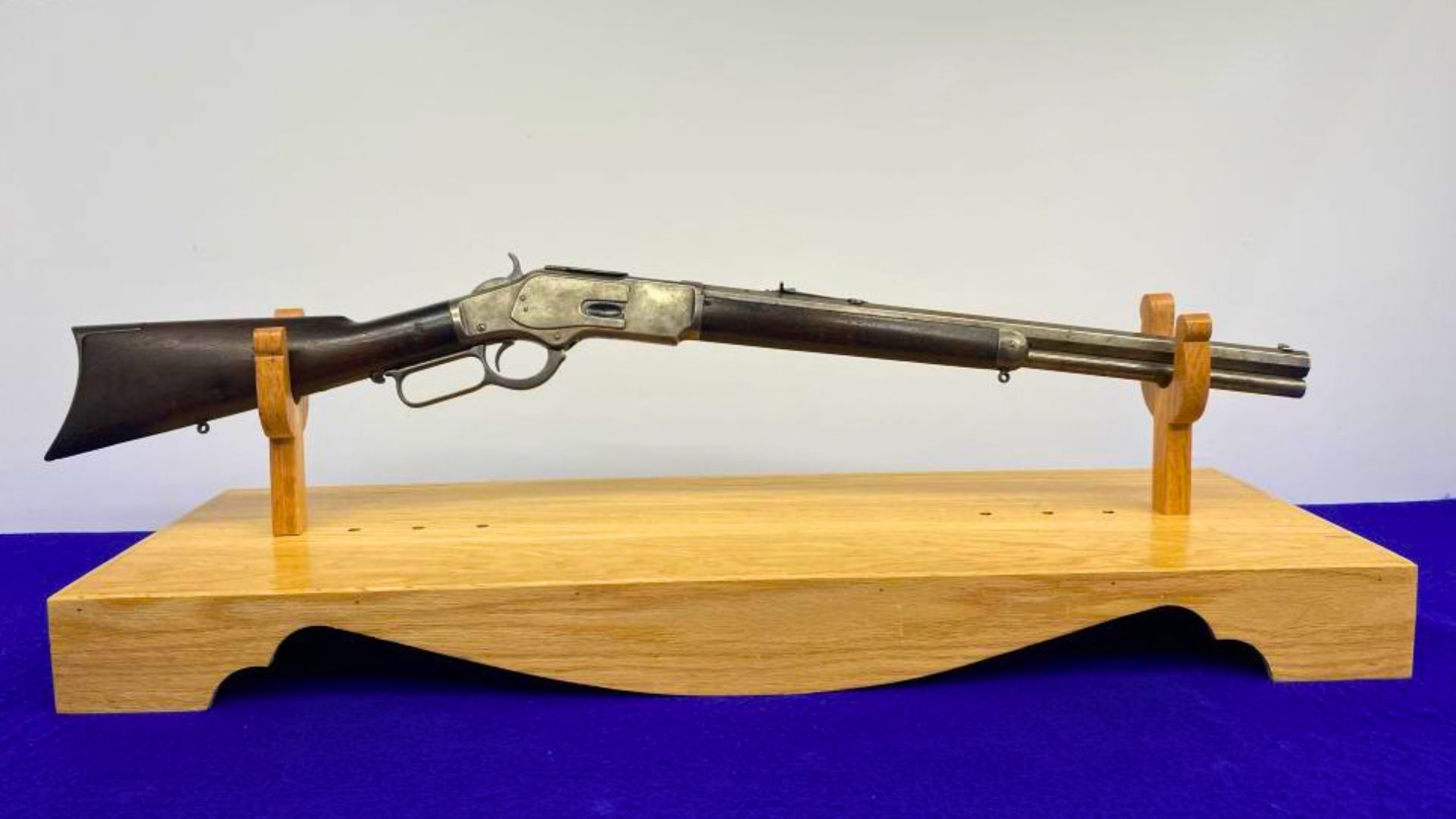
The Winchester ’73 was already selling, but it didn’t become a full-blown Western icon until outlaws got tied to it in stories people could picture. The rifle in Billy the Kid’s famous photo is the kind of image that burns into your brain—lever gun in hand, trouble on his face, and a whole era condensed into one frame.
When you handle a real 1873, you see why it made sense for the men who lived fast. It balances well, carries easy, and it’s quick to run without thinking. You also notice the limits: blackpowder-era sights, worn toggles on hard-used rifles, and ammo choices that mattered more than folks admit. The legend made it bigger than life, but the rifle was still a working gun that had to function when the plan went sideways.
Whitney Double-Barrel Shotgun (10 Gauge)
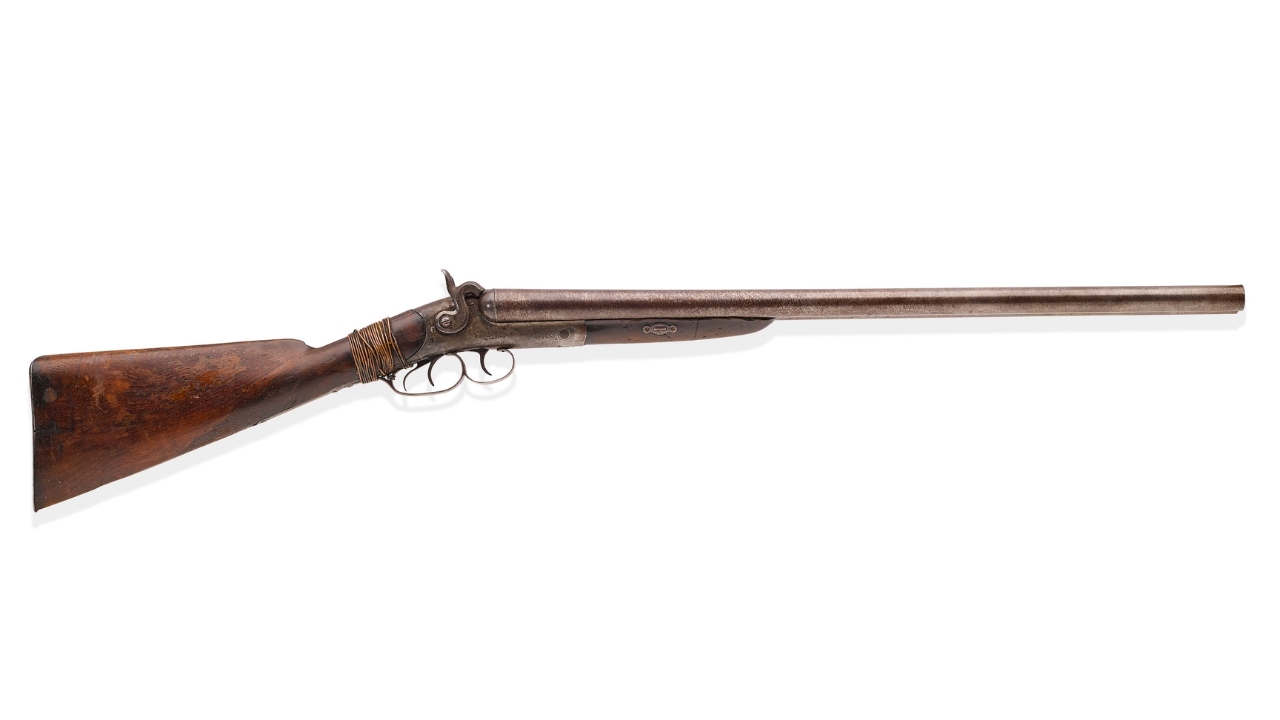
A double gun doesn’t sound glamorous until you remember what it did to reputations in close quarters. A Whitney side-by-side in 10 gauge is the kind of brute that turns a doorway into a problem nobody wants. It’s also the kind of gun that becomes famous because of one ugly moment, not a long career.
When you pick one up, you feel the old-world heft right away. It isn’t built for comfort or finesse. It’s built to hit hard, fast, and end arguments inside bad-breath distance. That’s why stage robbers and desperate men leaned on shotguns, and why a specific named outlaw using one can make an otherwise forgotten brand jump straight into legend. Two triggers, two barrels, no excuses—history remembers that kind of clarity.
Colt Model 1877 Thunderer
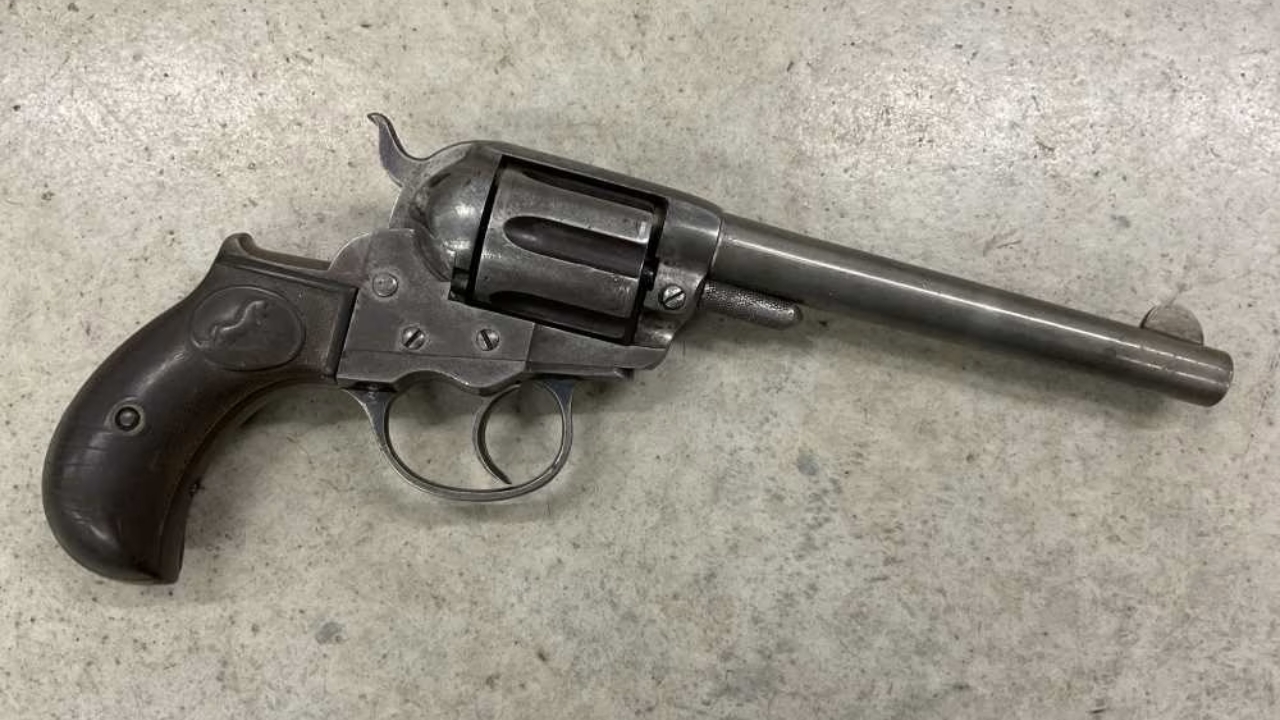
The 1877 Thunderer has a reputation that rides on the back of outlaw stories. It’s a double-action Colt that looks slick in the hand, points naturally, and feels like it belongs in a coat pocket or a waistband. That’s exactly why it shows up in tales tied to the rougher side of the frontier.
You also learn why it’s a love-hate gun the moment you start thinking like a shooter instead of a collector. The action can feel delicate compared to later double-actions, and timing issues are a real thing on worn examples. The Thunderer’s fame comes from who carried it and what that implied: quick shots, sudden violence, and a gun that could be fired fast without cocking the hammer. It’s a classic case of a practical choice becoming a legend because the wrong people kept making headlines with it.
Colt Model 1877 Lightning
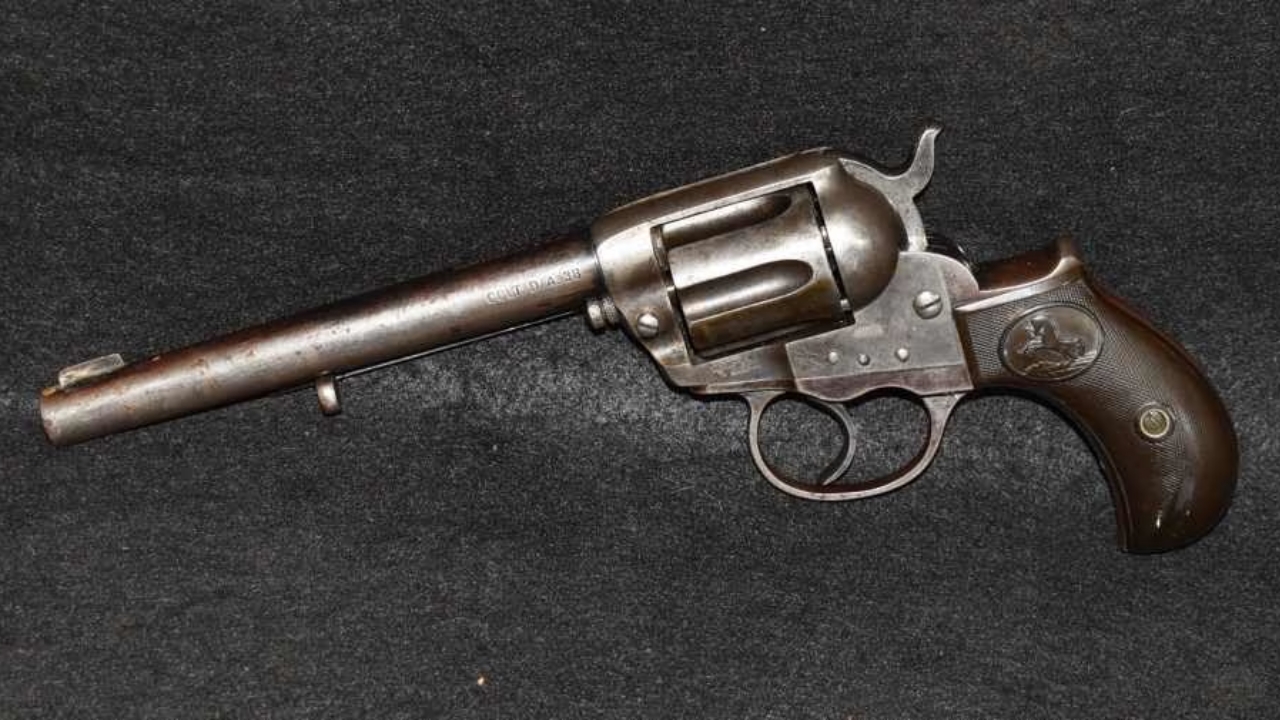
The 1877 Lightning in .38 Colt sits right in the sweet spot of “easy to carry, easy to hide, easy to use.” That’s why it keeps popping up around outlaw lore, including the kind of stories that follow the rare female bandits who made the papers. A smaller frame and double-action trigger made it believable as a working sidearm for someone trying not to look armed until the last second.
In your hands, it feels trim and lively—more pocketable than the big .44s that dominate most Old West talk. The downside is the same old Colt double-action reality: worn parts, finicky timing, and owners who realize the gun needs careful maintenance to stay right. The Lightning didn’t earn its place because it was the toughest revolver ever made. It earned it because it fit the kind of sneaky, close-range trouble that made people whisper names for decades.
Smith & Wesson New Model No. 3 (Russian)
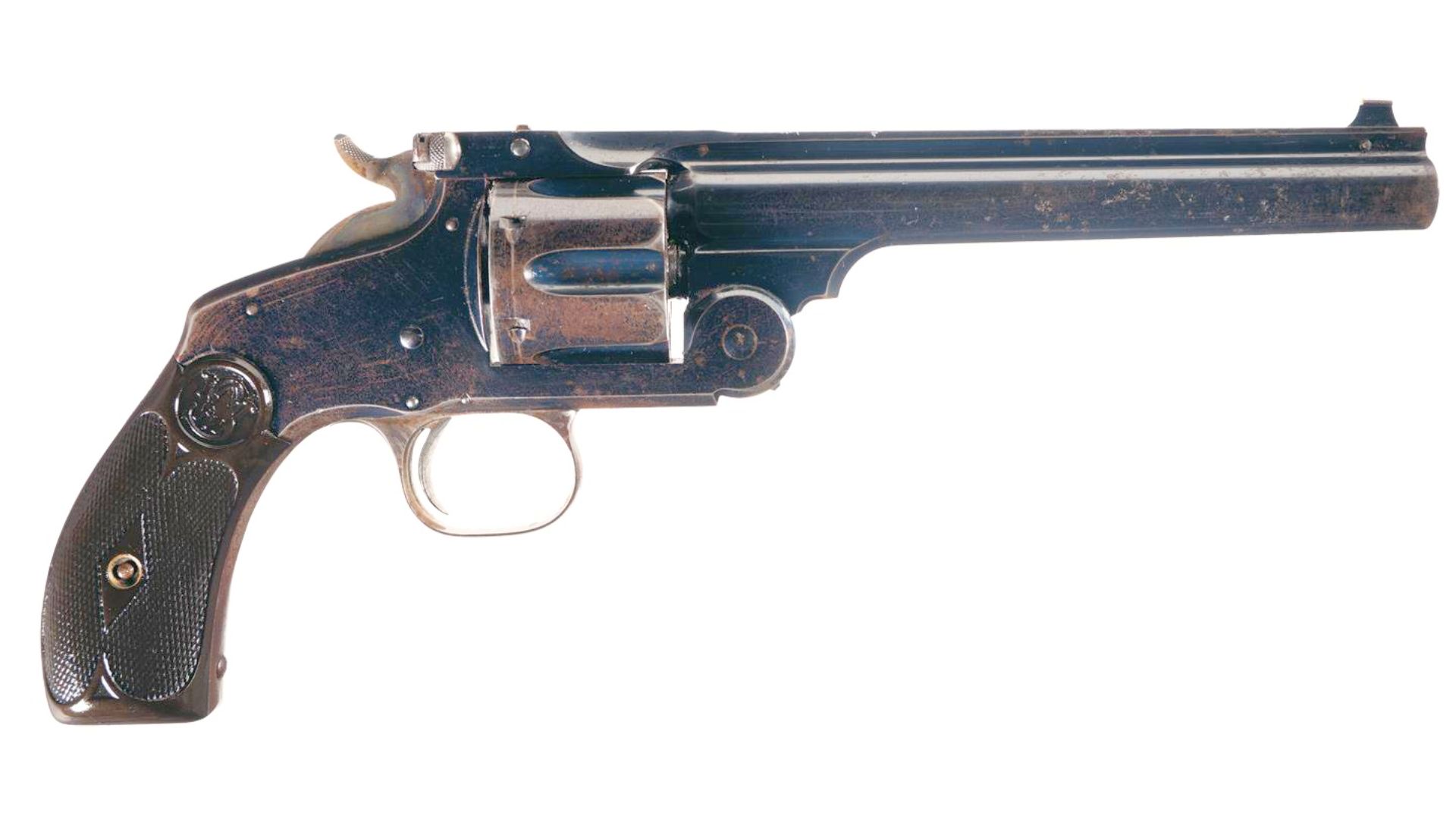
The No. 3 is a revolver that looks civilized—until you remember who wanted one. Top-break speed, big-bore authority, and fast reloads made it attractive to men who didn’t plan on a fair fight. When a gun like this gets linked to a famous outlaw, it stops being “a nice old Smith” and turns into a piece of American mythology.
Handling a No. 3 teaches you something: the design is clever, but it isn’t magic. Hinges loosen, latch surfaces wear, and you can tell when one lived a hard life. Still, that break-open motion feels like the future when you’re used to loading gates. Outlaw stories gave the No. 3 an edge it didn’t have on the showroom floor. It became a “thinking man’s” fight gun in the public imagination—because the public decided the men who carried it were smarter and more dangerous than the rest.
Smith & Wesson Schofield
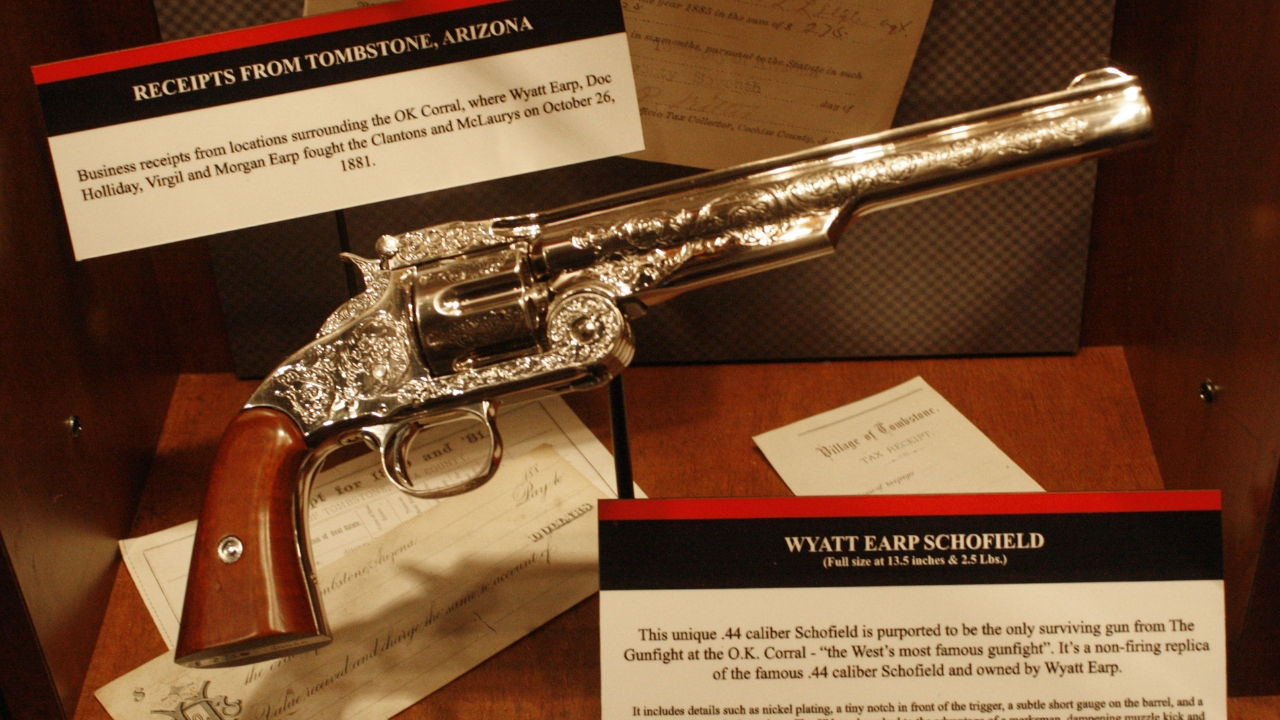
The Schofield is famous on its own, but the outlaw associations crank the legend up another notch. A revolver that opens, ejects, and reloads fast is the kind of advantage a hunted man would appreciate. When collectors can tie a Schofield to a known outlaw name, the gun becomes less about engineering and more about the life that was lived with it.
You can feel why people loved the system. The latch pops, the empties fly, and you’re back in business with less fumbling. You also notice it’s a specialized animal—great at what it does, picky in ways modern shooters aren’t used to. The Schofield’s myth grew because it looks like a professional’s revolver, and outlaws loved anything that suggested competence. It’s a gun that seems to say, “I’ve done this before,” and the stories attached to it made sure everyone heard that message.
Remington Model 1875
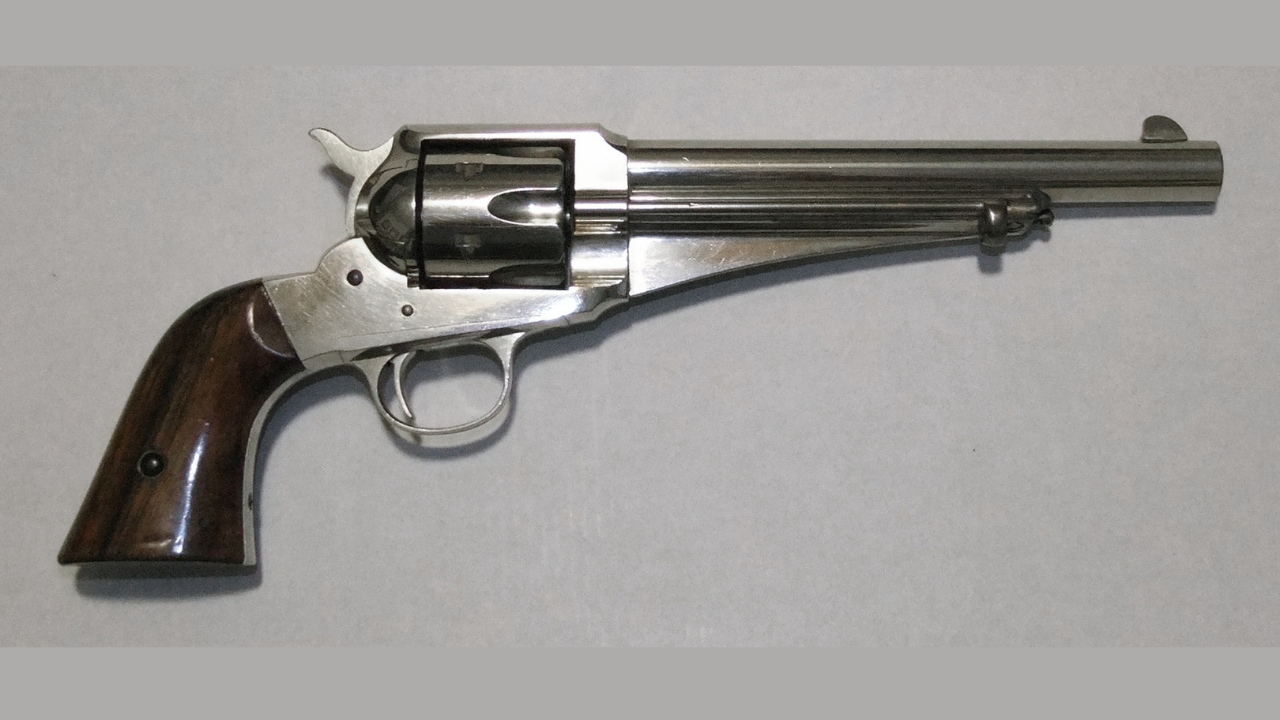
The Remington 1875 is the kind of revolver that can get overshadowed until a famous outlaw name gets stapled to it. Solid frame, familiar lines, and a reputation for being a working man’s gun made it a believable choice for hard cases who didn’t care about fashion—only function and availability.
When you study one, you see practical design choices everywhere. It feels substantial, and it tends to lock up with a confidence people notice. At the same time, it never had the marketing halo of Colt, so it needed a story to carry it into legend status. That’s where outlaw connections matter. A gun tied to a name like Frank James stops being “a Remington” and becomes a conversation piece. You’re no longer talking about sights and triggers—you’re talking about robberies, posses, and a life lived on borrowed time.
Colt Model 1860 Army

Cap-and-ball guns didn’t vanish overnight when cartridges showed up. Outlaws and guerrilla types often carried what they already had, what they stole, or what they trusted from rougher days. The Colt 1860 Army fits that world—big, serious, and familiar to men who grew up around war surplus and violence.
In your hand, it feels like a full-size fighting gun because it is one. Long sight radius, big grip, and enough weight to steady you—until you remember what it takes to keep it running. Powder, caps, loading lever, and the constant need for attention. That’s exactly why an outlaw connection can elevate it. If a named robber carried an 1860 after cartridge guns existed, the public reads that as a statement: this man was dangerous enough to use a slower system and still win. The gun becomes famous for the attitude, not the technology.
Colt 1851 Navy
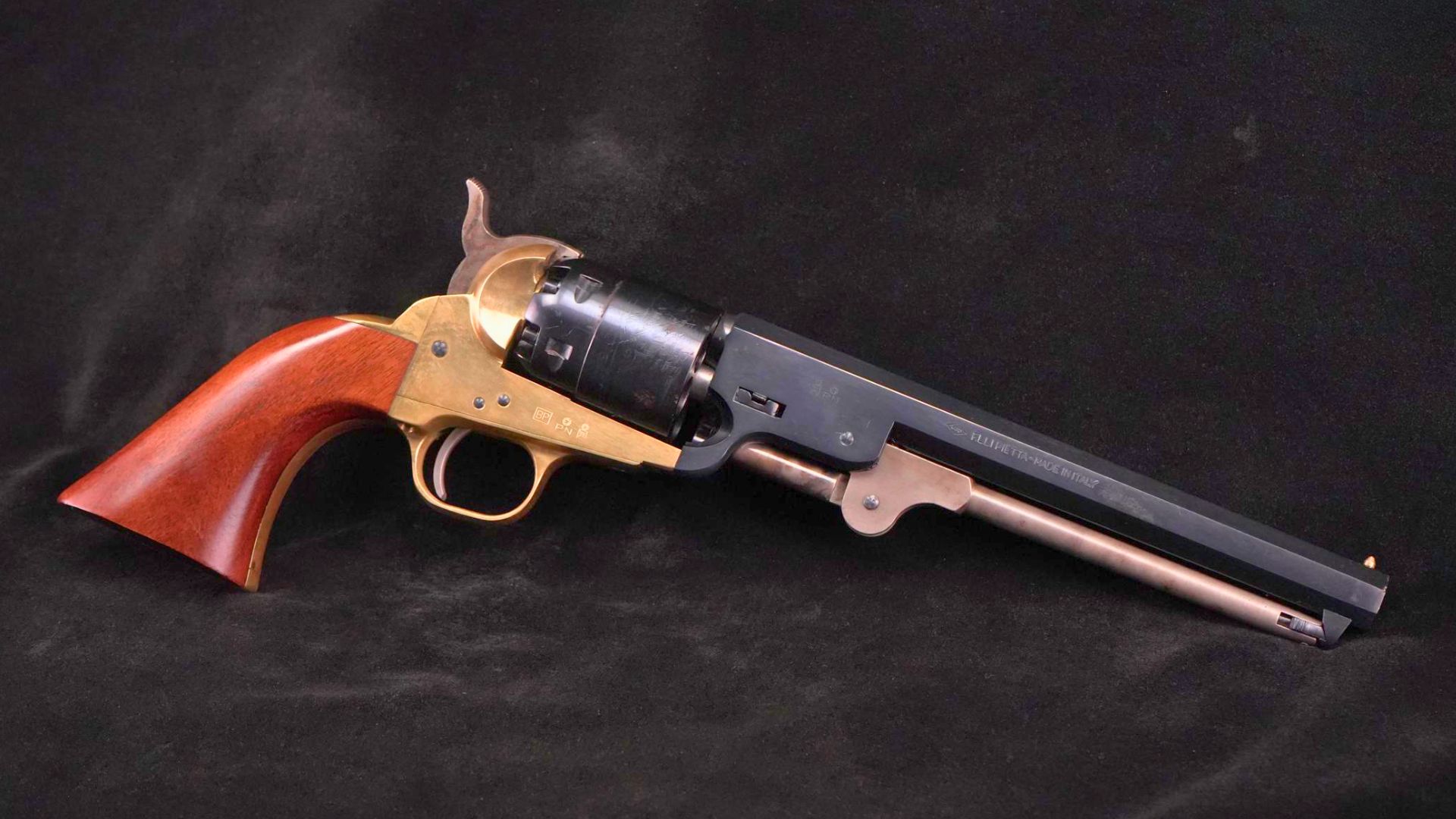
The 1851 Navy is one of those revolvers that was everywhere, but it gets extra gravity when a famous outlaw’s name gets tied to a particular example. It’s slimmer than the big Army Colts and carries in a way that makes sense for someone who wants a sidearm on them all day, every day.
When you look at the design as a shooter, you see why it lasted. It points well, the grip sits naturally, and it has a balance that doesn’t feel clumsy. But it’s still a percussion revolver with all the upkeep that implies. Outlaw stories turned the Navy into a symbol of the early bad-man era—before metallic cartridges cleaned up the process. If you’re a collector, you don’t chase the 1851 because it’s rare. You chase it because it feels like the revolver a young outlaw would actually carry while building the reputation that later made him “famous.”
Smith & Wesson .44 Double Action First Model
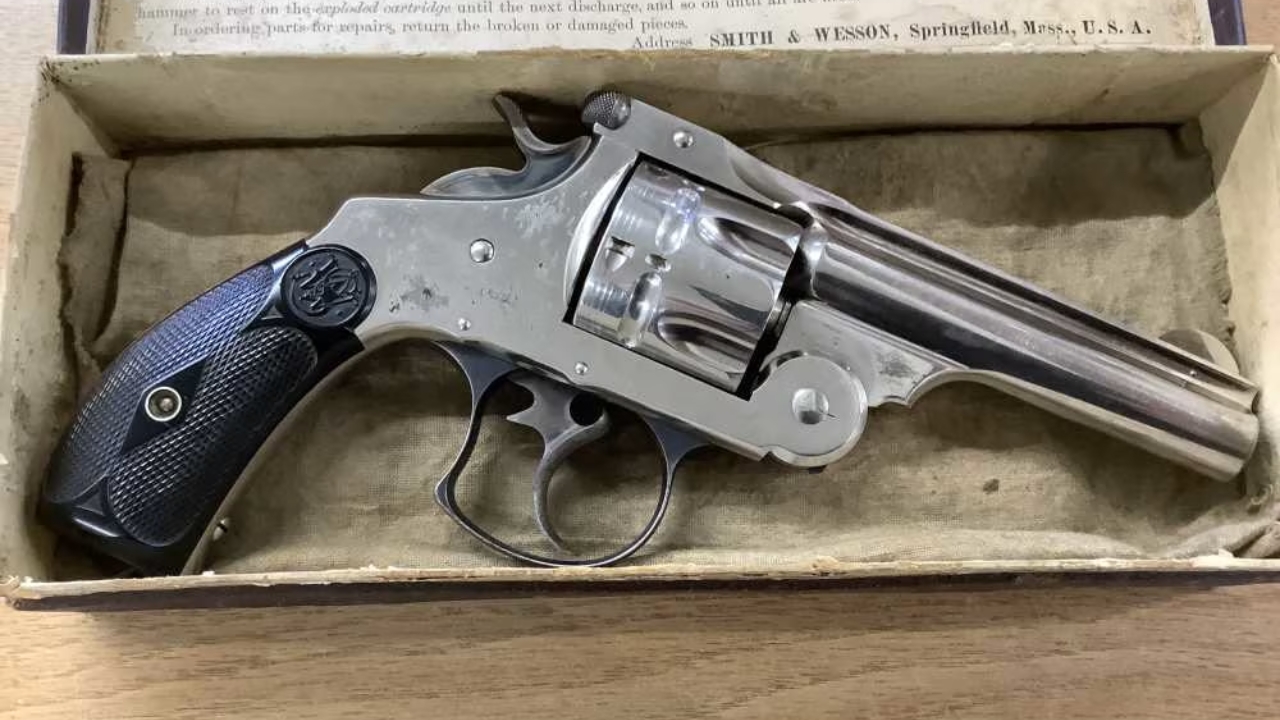
Early double-action revolvers don’t always get love until you attach one to a specific crew, a specific robbery, or a specific name. The Smith & Wesson .44 Double Action First Model has that “serious business” look, and it represents the moment when some outlaws started favoring faster shooting over slow, deliberate thumb-cocking.
When you handle one, it feels like a transition gun. Big bore, heavy metal, and a trigger system that promises speed—while still carrying the rough edges of early DA engineering. That mix is exactly what makes it interesting. Outlaw fame boosted guns like this because it suggested a new kind of threat: men adapting, choosing gear that let them move faster than the law expected. The gun becomes a marker of the era shifting under everyone’s feet. It isn’t polished romance. It’s an arms race in steel.
Winchester Model 1886
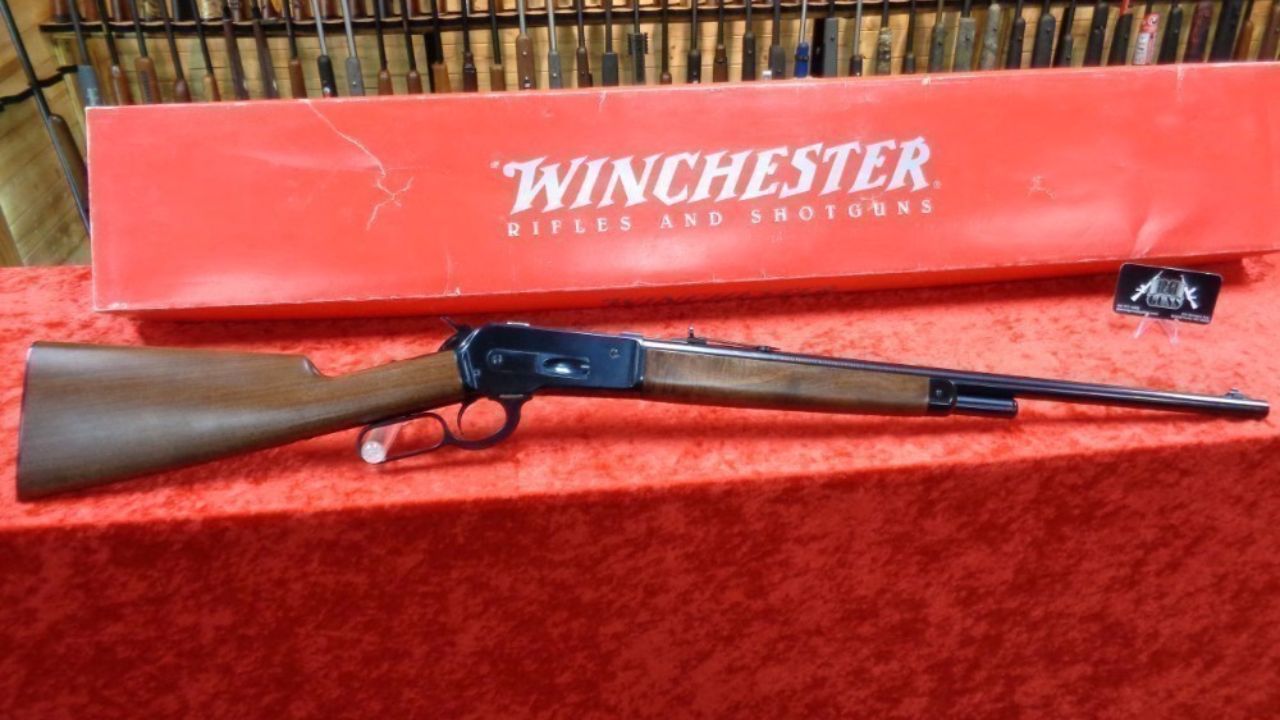
The 1886 is a bruiser—strong action, heavy cartridges, and a presence you can feel the second it’s in your hands. It wasn’t the average saddle rifle for every cowhand, which is part of why it pops when an outlaw story grabs onto it. A big lever gun tied to a bad name reads like overkill, and overkill makes headlines.
You can see why it mattered. The ‘86 gives you serious horsepower in a repeating rifle, and it’s built to take pressure that earlier toggle-link guns can’t. That kind of capability becomes a symbol when a famous outlaw carries one. The public doesn’t break it down by metallurgy. They see “more gun” and assume “more danger.” In real use, it’s heavier to pack and slower to swing in tight places than the lighter carbines. That contrast—power versus practicality—is exactly what makes the outlaw association stick in people’s minds.
Loomis IXL No. 15 Double-Barrel Shotgun
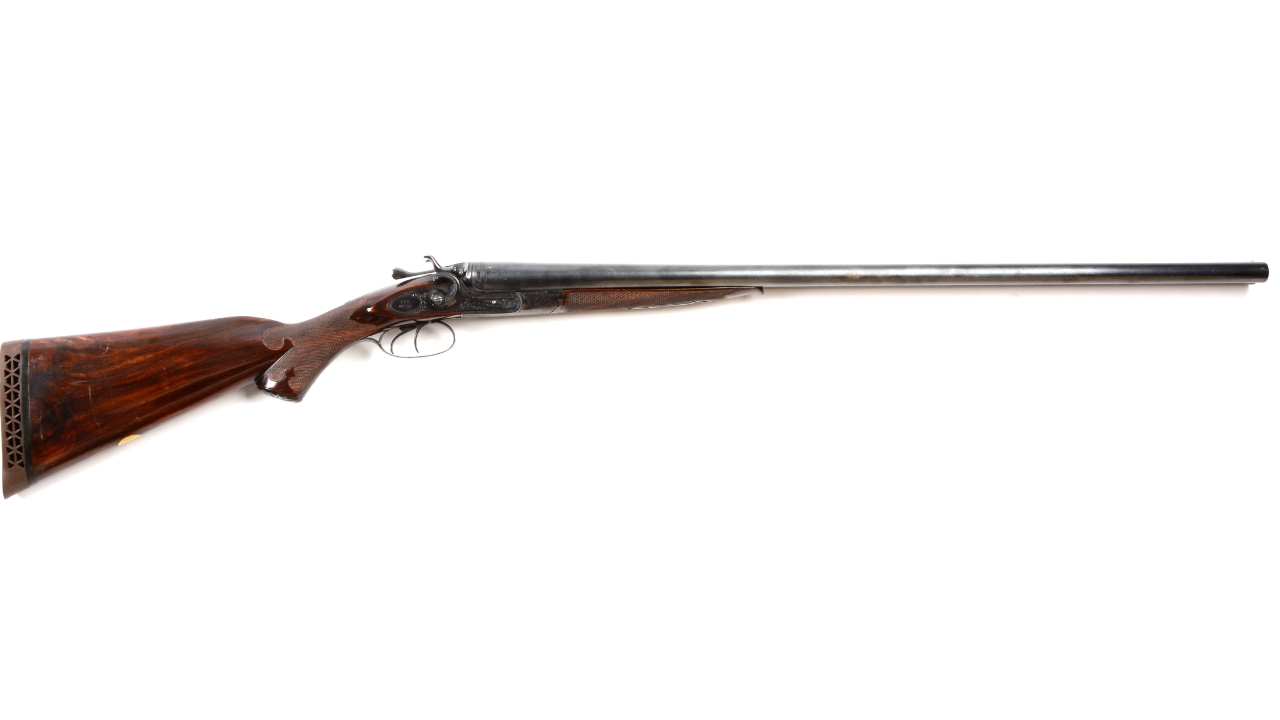
Black Bart is remembered for the weird poetry and clean getaways, but the gun that backed his threats mattered. A Loomis IXL No. 15 is a classic coach-gun type: short, blunt, and made to convince people quickly. It’s the perfect example of a firearm becoming famous because the outlaw using it was famous, not because the maker was household-name royalty.
In your hands, the message is immediate. Two barrels, wide pattern, and a look that makes nobody feel brave. It’s not built for long-range anything. It’s built to dominate a road, a wagon seat, and a few yards of dusty space where decisions get made fast. That’s why this kind of shotgun shows up in robbery history again and again. When the outlaw becomes a legend, the shotgun model he carried gets pulled up with him—like it rode out of the past in the same coat and hat.
Colt Single Action Army (U.S.-Marked)

A U.S.-marked Single Action Army carries two kinds of weight: government history and outlaw history. When a gun like that gets linked to a bank robber or gang leader, it turns into the kind of artifact people argue about forever. The Peacemaker already had a reputation, but an outlaw tie adds a shadow that collectors can’t ignore.
As a shooter, you understand why it became the default revolver of the era. It balances, it points, and the controls are clean and consistent. You also understand why stories grow around it: it’s easy to romanticize a gun that looks that right in leather. The outlaw connection isn’t about mechanics. It’s about symbolism. A U.S.-marked Colt suggests a man living on the edge of the system while carrying something stamped by the system. That contrast is pure American history, and it’s hard to look away from.
Colt Model 1878 Double Action
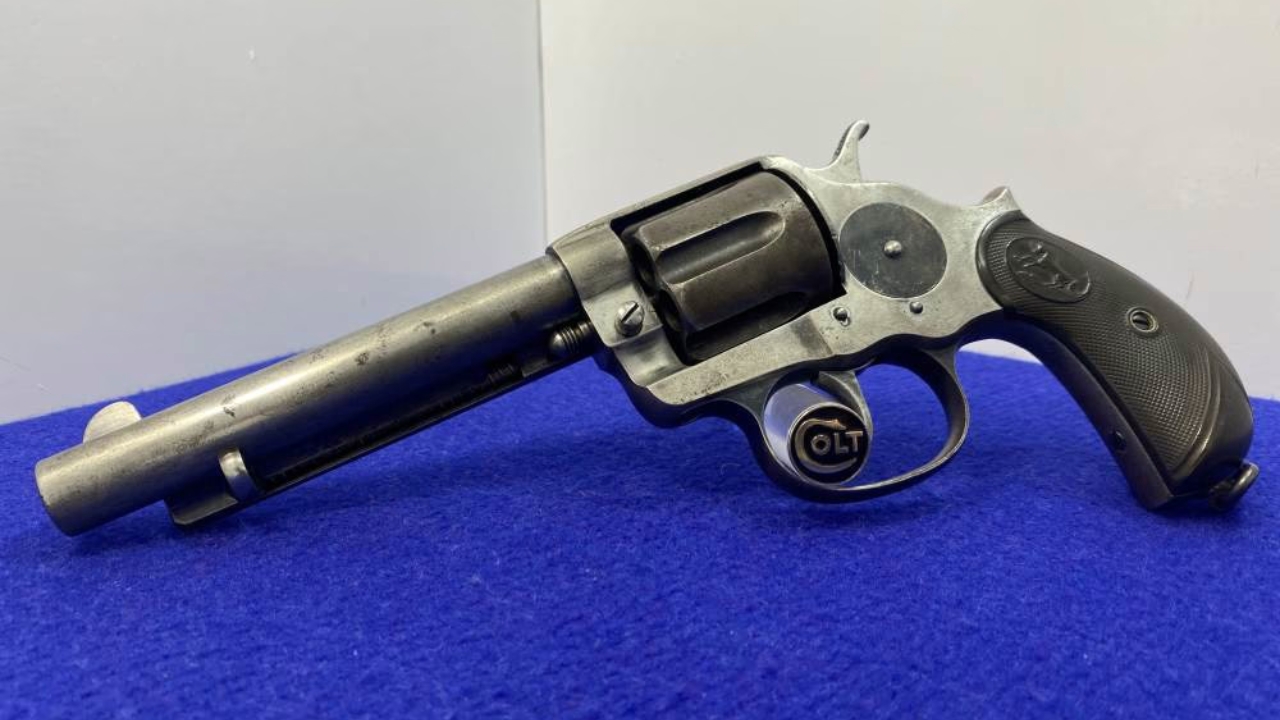
The Colt 1878 doesn’t get the same campfire love as the Peacemaker, but it shows up in outlaw history because it made sense for men who wanted speed and power in one package. Big frame, serious cartridges, and double-action capability made it attractive to people who expected trouble up close.
When you get behind the trigger, you feel the old-school double-action vibe—longer pull, heavier feel, and a design that rewards practice. It’s not a dainty revolver, and that’s part of why it fits the outlaw narrative so well. This is the kind of gun a hard case could carry and mean it. The 1878 becomes “famous” when you tie it to a name people recognize, because it looks like the revolver of someone who didn’t plan on missing. In the public mind, it’s a villain’s tool—and that’s exactly why it stayed talked about.
Winchester Model 1892
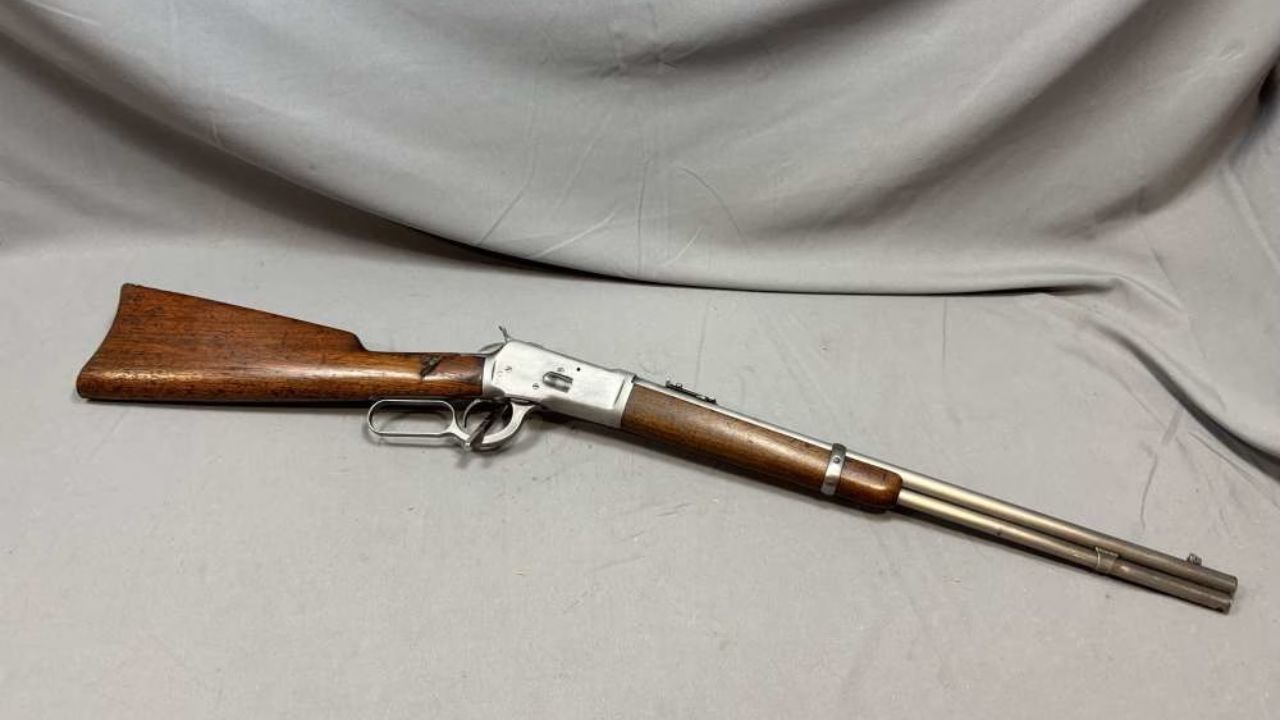
The 1892 is a fast-handling lever gun that feels like it was built for moving targets and quick decisions. It came a little later than the earliest outlaw era, but it lands right in the period when running-and-gunning stories dominated newspaper ink. When people think “bandit rifle,” this is the style of carbine their imagination reaches for, even if they can’t name the model.
In practical terms, it’s easy to see why a bad crew would want one. It’s lighter than the big-frame rifles, quick to shoulder, and runs smooth when you cycle it with authority. You also notice it’s usually tied to pistol cartridges, which tells you what it was meant for: real-world distances, fast follow-ups, and carrying all day. Outlaw fame gave the ’92 a starring role in the Western look. The gun didn’t need to be rare—it needed to be seen in the right hands at the right moment.
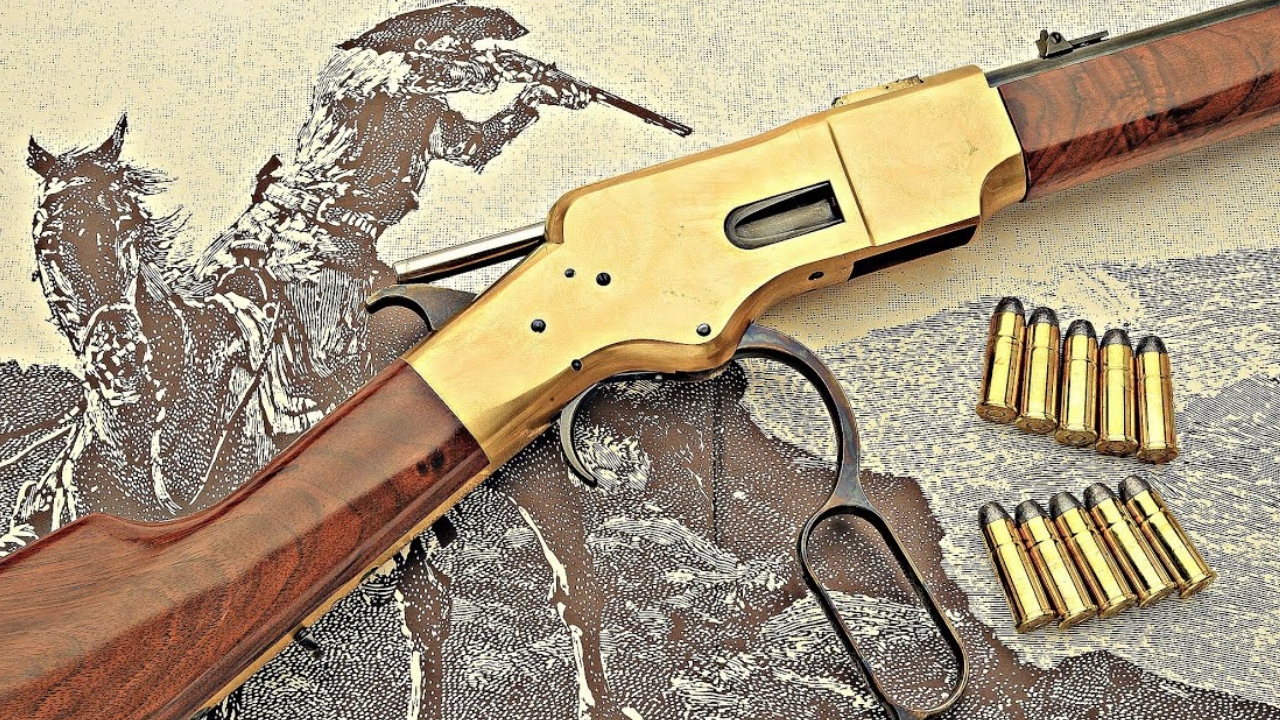
Winchester Model 1866 “Yellow Boy”

The 1866 “Yellow Boy” is one of the rifles that turned a repeating gun into a frontier staple, and it became part of outlaw imagery because it was everywhere the frontier was everywhere. When early outlaws needed a rifle that offered more than one shot without reloading, the 1866 fit the bill and looked distinctive doing it.
Pick one up and you get why it became a classic. It’s slim, it carries well, and the action has that old lever-gun rhythm that makes you want to run it. You also see the era baked into it: softer cartridges, simple sights, and a system that rewards keeping the gun clean. Outlaw stories didn’t make the 1866 mechanically better. They made it culturally louder. Once dime novels and later Hollywood started dressing villains with a brass-frame Winchester look, the rifle stopped being “a repeater” and became part of what the West was supposed to feel like.
Henry Model 1860
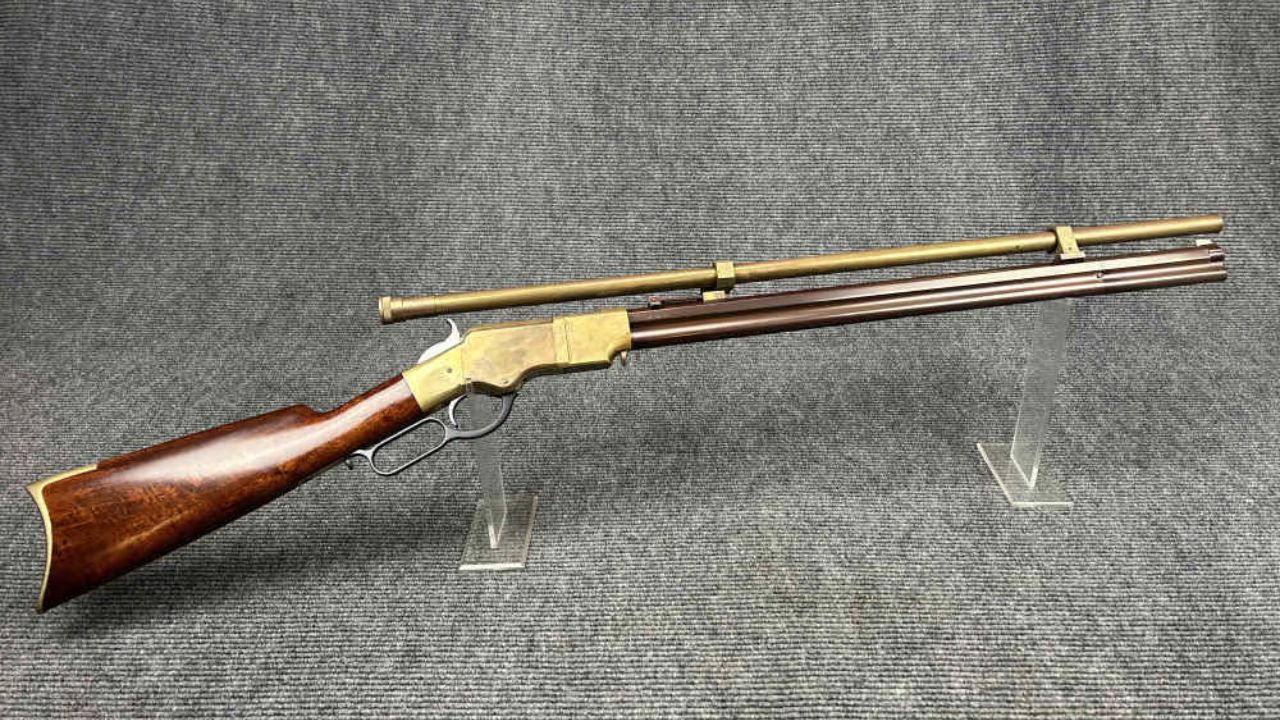
The Henry 1860 was already famous to the people who lived through its time, but its outlaw-era reputation comes from what it represented: unfair firepower in an age of single shots. When a repeating rifle gets linked to the men who made a living breaking rules, it takes on a certain menace that never really goes away.
When you shoulder a Henry, you notice the length and the balance right off. It isn’t a compact little carbine. It’s a full rifle with a lot of magazine capacity for its day, and that capacity is the whole story. You also notice the quirks of the design—front-loading magazine system, exposed follower, and the need to treat it like a piece of 1860s machinery, not a modern beater. Outlaw fame turned the Henry into a symbol of being outgunned. That’s why it still gets talked about like it’s part rifle, part warning.
Like The Avid Outdoorsman’s content? Subscribe to our newsletter so you never miss an article.
Here’s more from us: