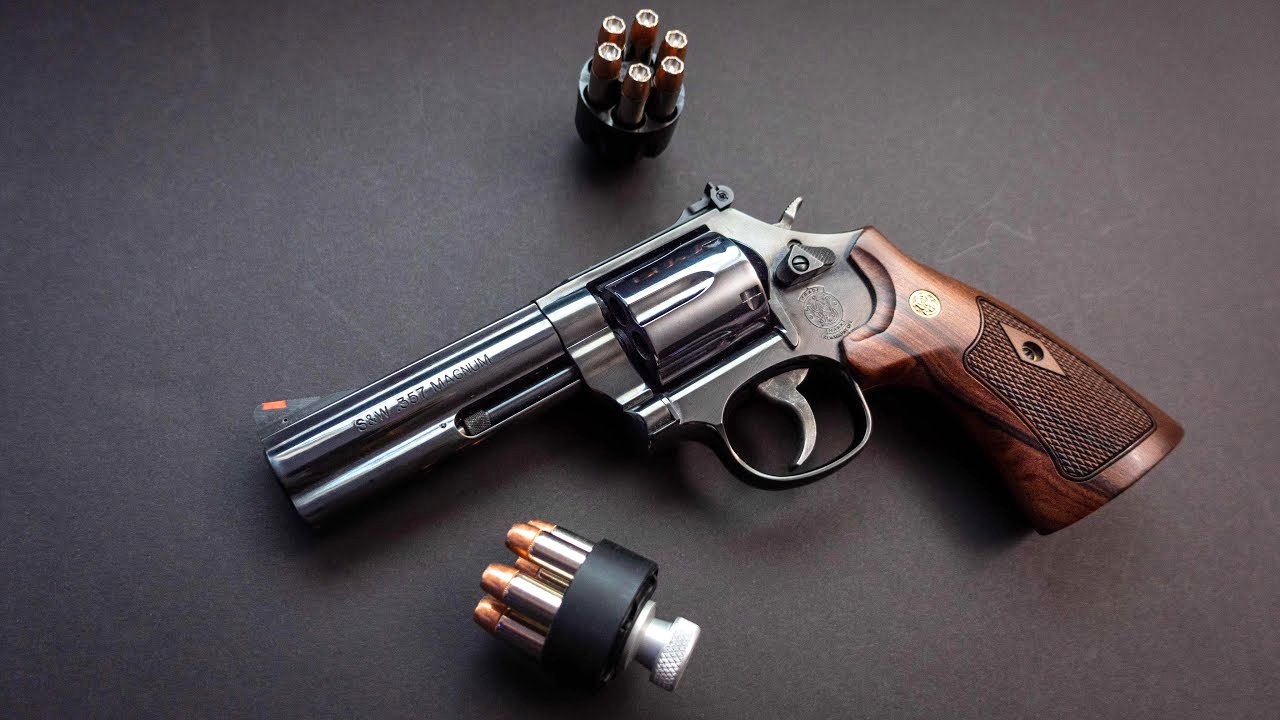
Photo credit: MrBigKid/YouTube
A lot of modern handgun buyers spent years chasing capacity, optics cuts, thinner profiles, lighter frames, and every new feature the market could package into a carry gun. Some of that made real sense. But somewhere along the way, plenty of shooters forgot what a really good revolver still offers. A solid wheelgun can feel honest in a way many modern pistols do not. The trigger tells the truth. The balance feels deliberate. The gun asks you to shoot it well instead of selling you on accessories.
That is why certain revolvers still stop people in their tracks. You handle one, maybe shoot a cylinder or two, and suddenly all the polymer efficiency in the world feels a little forgettable. These are the revolvers that make modern buyers wonder why they ever moved on in the first place.
Smith & Wesson Model 19

The Smith & Wesson Model 19 still feels like one of the best arguments ever made for a fighting revolver that can also be a range gun, a woods companion, and a piece of American handgun history. It has balance that modern buyers notice right away because so many current handguns feel designed around capacity charts and not feel. The Model 19 sits in the hand with a kind of natural confidence that makes a lot of newer guns seem oddly disposable by comparison.
What really gets people is that it does not need novelty to impress. A good Model 19 points beautifully, carries real authority without ridiculous bulk, and reminds buyers that a handgun can have personality without becoming a gimmick. You spend a little time with one and start wondering how the industry convinced so many people that this kind of revolver was something to leave behind.
Smith & Wesson Model 66

The Model 66 takes everything people already like about the Model 19 and wraps it in stainless steel that still makes enormous practical sense. Modern buyers often rediscover it and immediately see why so many shooters stuck with K-frame magnums for so long. It is trim enough to feel lively, serious enough to matter, and free of the toy-like feeling some newer handguns drift into once the marketing wears off.
That is the real surprise. The Model 66 does not feel old in the bad sense. It feels finished. It feels like a gun that already knew what it was supposed to be before the market started stuffing handguns with features meant to look good on spec sheets. A clean 66 can make a buyer rethink a whole lot of assumptions about what progress was supposed to improve.
Colt Python

The Colt Python still has the power to make even skeptical modern buyers stop talking for a minute. Some of that is the name, sure, but the real hook is what happens once the gun is actually in your hands. The shape, the weight, the sight picture, and the overall feel still hit hard. Even buyers raised on striker-fired pistols can feel that they are holding something with more presence and more craft than most current production handguns even try to deliver.
That is why the Python keeps pulling people backward. It is not just about polish or nostalgia. It is about the way the gun makes modern compromises suddenly feel a little less inevitable. Spend enough time with a Python and it becomes easier to ask whether buyers moved on because better options arrived or because the culture simply got used to accepting less character.
Ruger GP100

The Ruger GP100 has a way of winning over modern buyers who thought revolvers were mostly a sentimental side road. Then they handle one, shoot one, and realize how much confidence a sturdy double-action .357 can inspire. The GP100 does not charm people with delicacy. It wins them over with solidity. It feels like a revolver built by people who expected it to be used hard and judged over time instead of traded away for the next thing.
That kind of straightforward strength lands differently now. A lot of modern handguns feel engineered for portability, modularity, and accessory compatibility first. The GP100 feels like it was built to last through neglect, recoil, and repetition without asking for much admiration. That is exactly what makes buyers admire it. It reminds them that durability used to be something you could feel before you ever fired a shot.
Smith & Wesson 586

The blued Smith & Wesson 586 still has a way of making buyers remember that utility and good looks do not have to be enemies. Modern handguns often feel purely transactional. The 586 feels like somebody still cared whether a serious gun also looked right. That matters more than some buyers expect. The deep blue finish, the L-frame proportions, and the overall handling all combine into a revolver that still feels serious without feeling cold.
Once people shoot one, the effect gets stronger. The 586 has enough weight to be pleasant with magnum loads and enough smoothness to remind people why double-action revolvers built real loyalty in the first place. It is one of those guns that can make a modern buyer realize they did not outgrow revolvers. They just stopped seeing enough good ones.
Smith & Wesson 686

The Smith & Wesson 686 may be one of the easiest revolvers for a modern buyer to understand immediately. It does not require a history lesson or a collector’s mindset to make sense. You pick it up and it simply feels right. The stainless construction, the strong L-frame, and the practical versatility all still translate today. That is part of what makes it such a wake-up call. It never stopped being relevant. Buyers just got distracted.
The 686 also shows how a revolver can still feel modern without chasing trends. It is durable, shootable, and adaptable enough to handle real use without feeling like a relic. Plenty of buyers come to it expecting to appreciate it politely and leave realizing it would probably cover far more of their real-world handgun needs than half the pistols they spent years rotating through.
Colt Detective Special

The Colt Detective Special still has a way of embarrassing the idea that all small defensive handguns had to become bland to stay relevant. It is compact, sharp-looking, and full of the kind of practical style that modern buyers rarely get anymore unless they pay a premium for something dressed up as retro. The Detective Special does not need that act. It already is the real thing, and it still feels smarter than a lot of tiny carry guns that replaced it.
What surprises people most is how complete it feels. It is not trying to be a range toy or a safe queen. It is a serious defensive revolver with real carry logic behind it. Spend time with one and you start wondering why so many buyers abandoned this kind of compact, usable revolver in favor of handguns that may hold more rounds but often deliver less satisfaction.
Colt King Cobra
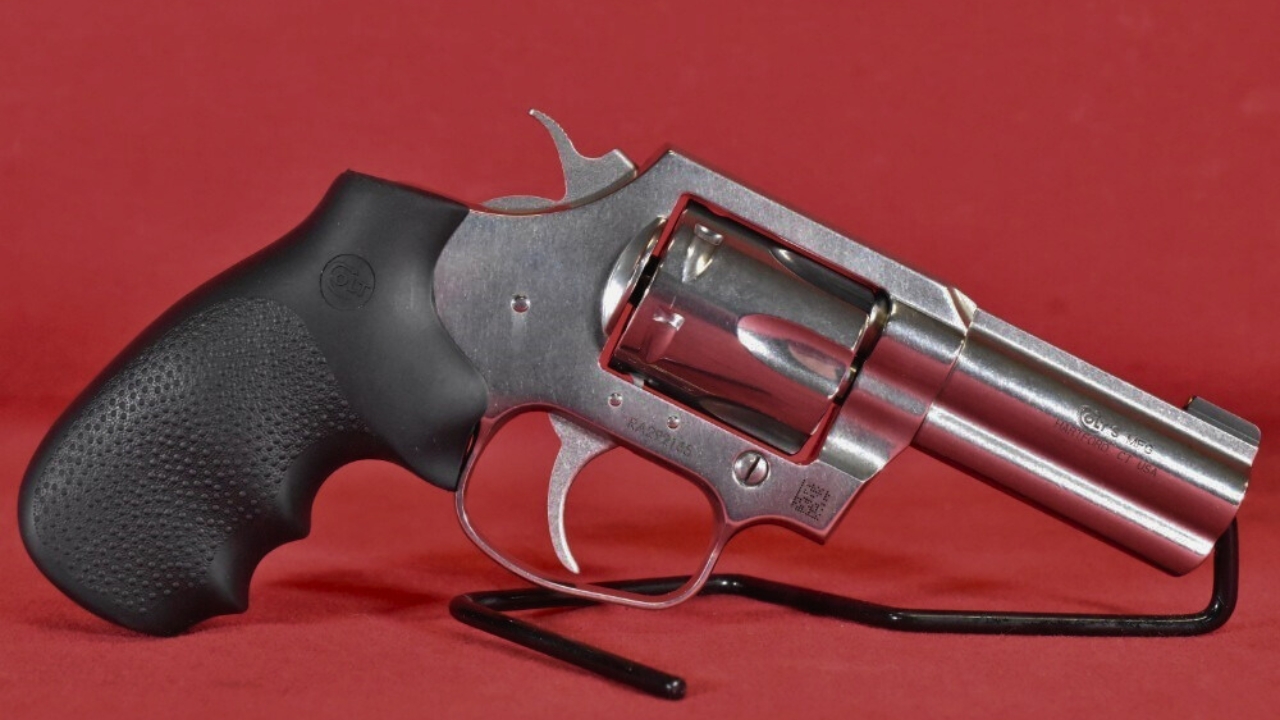
The Colt King Cobra still makes a powerful case for the medium-to-large-frame revolver as something more than a nostalgia purchase. Modern buyers who handle one often expect it to feel oversized or overly theatrical. Instead, it usually feels purposeful. The frame has substance, the sighting setup works, and the gun carries itself with the kind of authority that modern pistols rarely match unless they are trying very hard to look aggressive.
That is what catches people off guard. The King Cobra does not feel like a museum piece. It feels like a revolver from a timeline where the market kept taking wheelguns seriously and never fully handed everything over to plastic service pistols. For a lot of buyers, that experience leads to a pretty uncomfortable question: maybe moving on was not really the same thing as moving up.
Ruger Security-Six

The Ruger Security-Six still wins over buyers because it feels so free of excess. There is no attempt to flatter you with prestige polish or boutique pricing. It is just a strong, sensible revolver that makes its case through handling and reputation. Modern buyers often discover one and immediately understand why these earned such deep trust. It feels leaner than some newer heavy-duty revolvers and more grounded than a lot of current handguns built around fashion cycles.
That combination makes the Security-Six easy to miss until you actually spend time with one. Then it becomes the kind of revolver that rewires your thinking a little. It reminds buyers that good design does not need to scream for attention. It just needs to work, feel right, and stay useful long after flashier products lose their charm. A lot of modern guns would not benefit from that comparison.
Ruger Speed-Six
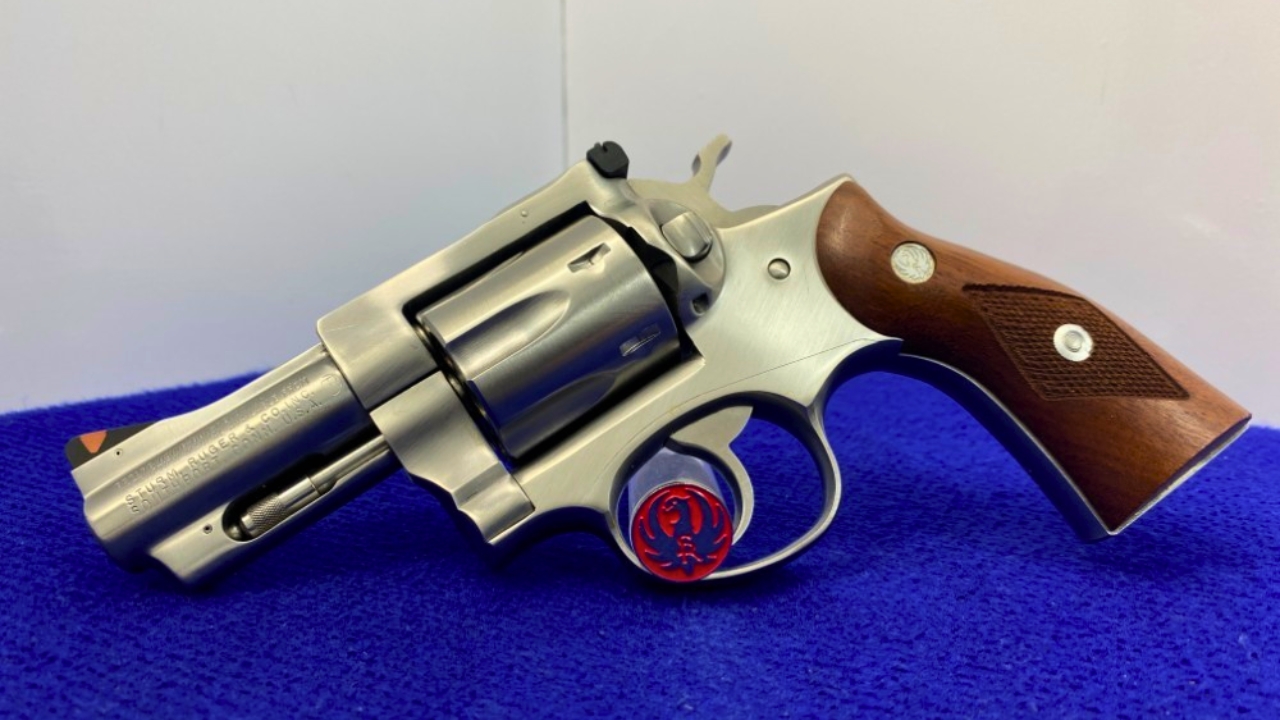
The Ruger Speed-Six is one of those revolvers that makes modern buyers rethink what a practical defensive handgun can feel like. It is compact without feeling flimsy, sturdy without turning into a brick, and serious without needing to look tactical. That alone makes it stand out today. A lot of buyers spent years accepting tiny carry guns that are easy to hide and unpleasant to shoot, or service pistols that are easy to shoot and harder to carry well.
The Speed-Six sits in that older middle ground that suddenly looks a lot smarter once you remember it exists. It feels built for actual use by people who cared more about reliability and handling than about advertising the latest feature set. Buyers who discover one often come away with the same thought: maybe the wheelgun world had already solved more problems than people gave it credit for.
Smith & Wesson Model 27
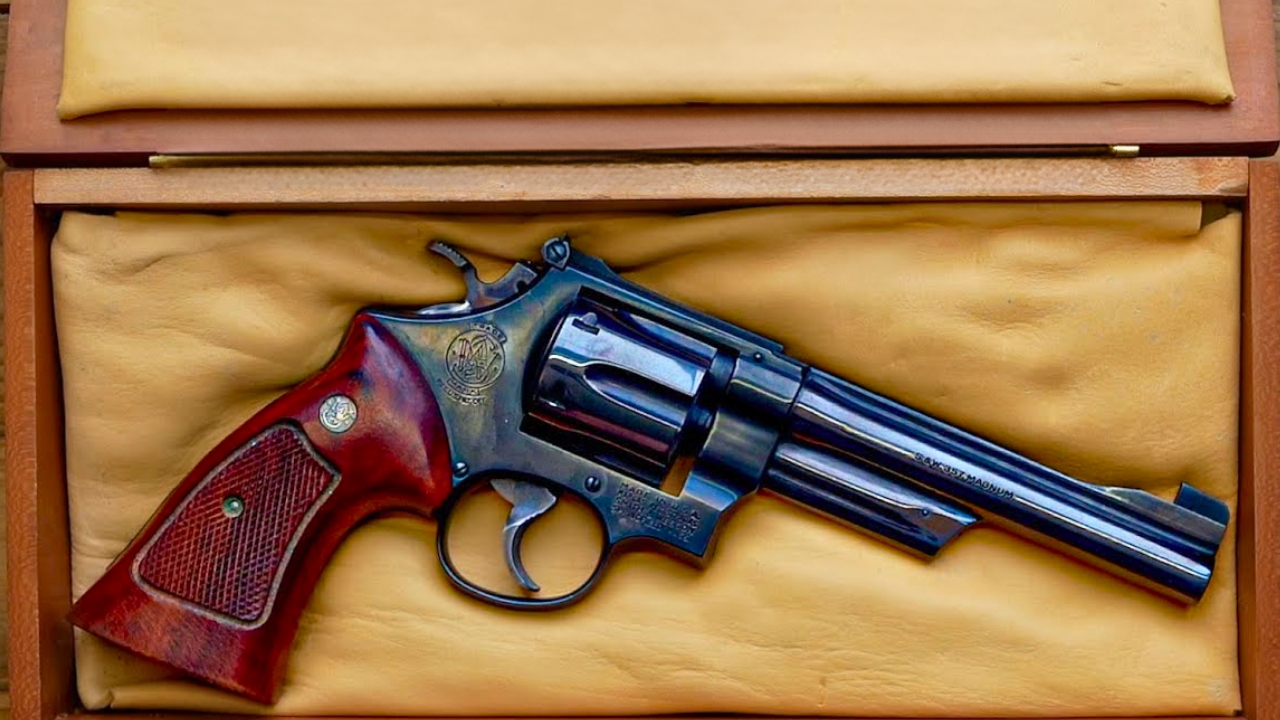
The Smith & Wesson Model 27 still hits modern buyers like a reminder from a more ambitious era of handgun making. It has weight, polish, and presence in a way that most current production sidearms do not even try to match. That is not automatically a practical advantage, but it changes the whole ownership experience. The Model 27 makes you feel like a serious handgun can still be built to impress the eye and the hand at the same time.
That effect matters because modern buyers have gotten used to separating utility from enjoyment. The Model 27 refuses to do that. It reminds people that a sidearm can be powerful, durable, and deeply satisfying without needing to apologize for looking like something special. Once you feel that, it gets easier to wonder whether the market moved away from revolvers for practical reasons alone or because buyers forgot how much craftsmanship used to matter.
Smith & Wesson Model 10
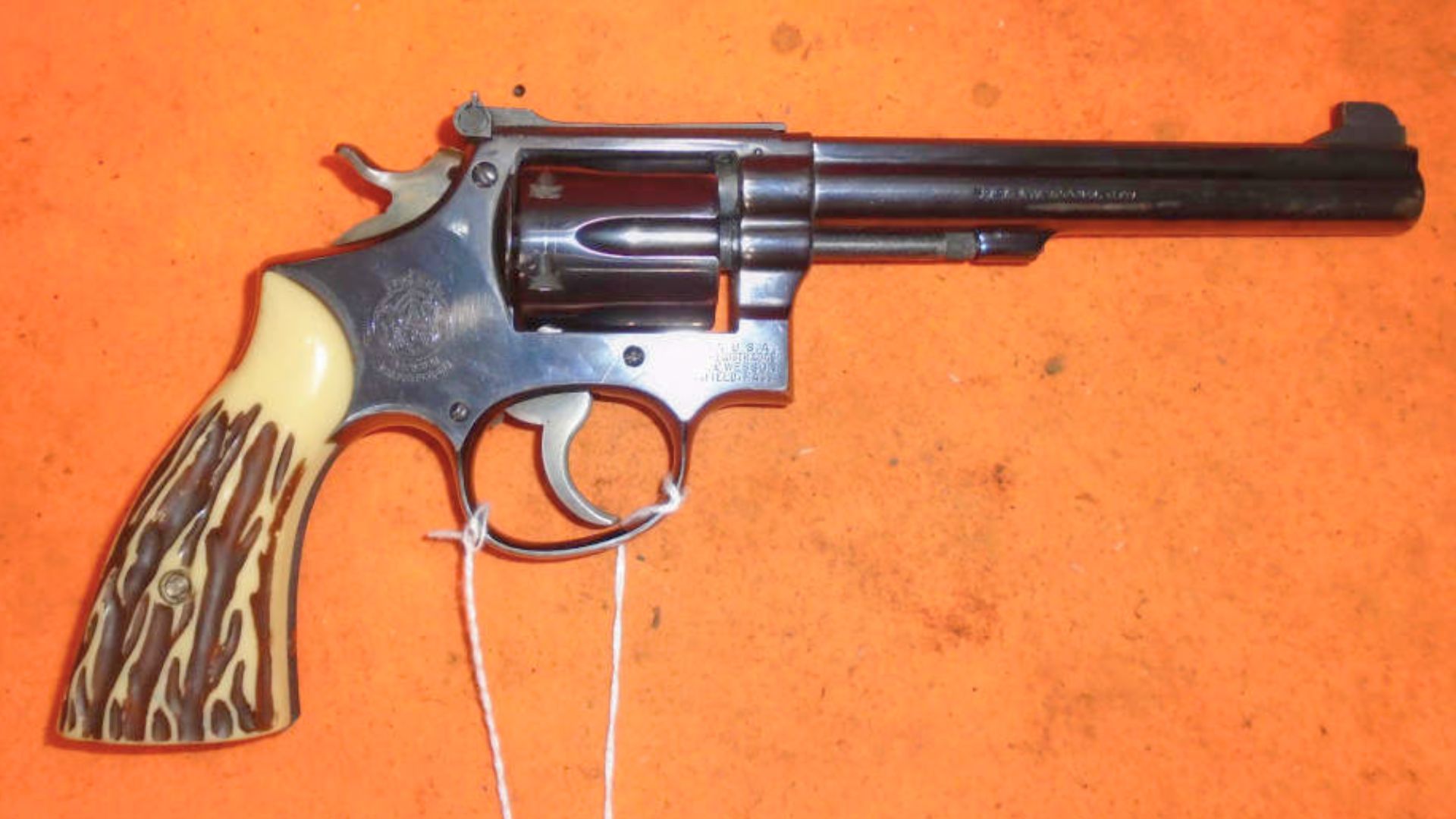
The Model 10 does not rely on flash, and that is exactly why it lands so hard with modern buyers once they finally understand it. It is plain in the right way, balanced in the right way, and built around the kind of clear practical thinking that never really gets old. In an era where buyers are constantly asked to choose between cheap carry guns and feature-packed duty pistols, the Model 10 feels almost radical in its simplicity.
That simplicity is not a weakness. It is the point. The Model 10 reminds buyers that a defensive revolver did not need to be exotic to earn lasting respect. It just needed to point naturally, shoot well, and carry a sense of trust that came from use instead of hype. A lot of modern buyers walk into one expecting to appreciate the history and leave wondering why plain competence got treated like an outdated idea.
Colt Cobra

The older Colt Cobra still makes a lot of sense the second a modern buyer picks one up. It is light, handy, and surprisingly elegant for a gun meant to be carried seriously. That last part is what throws people. Modern carry handguns often feel like stripped-down tools that happen to work. The Cobra feels like someone actually cared how a small defensive handgun sat in the hand, rode in the pocket, and looked when it came out.
That changes the way buyers think about what got lost along the way. The Cobra is not trying to be everything. It is just doing its role with a kind of refinement that many current compact handguns do not bother with. For buyers used to thin polymer pistols and harsh little triggers, the old Colt can feel like a reminder that practicality once came with more grace.
Smith & Wesson Model 29

The Smith & Wesson Model 29 still has enough presence to make modern buyers question whether they were too quick to write off big revolvers as pure novelty pieces. Yes, it is large. Yes, it asks more from the shooter than a lot of modern handguns do. But it also delivers something that many buyers have not felt in a long time: a sense that the gun itself matters beyond its role as a delivery system for ammunition.
That is why the Model 29 lingers in people’s heads. It makes power feel dramatic in a way most modern pistols flatten out. More than that, it reminds buyers that some guns are worth owning because they reconnect you with what made handguns interesting in the first place. Once that clicks, it gets easier to question whether moving on from big revolvers was progress or just a narrowing of taste.
Dan Wesson Model 15

The Dan Wesson Model 15 still surprises modern buyers because it feels like a revolver from an alternate path the market could have taken more seriously. It is robust, accurate, and a little different without becoming strange for the sake of being strange. Buyers used to more standardized handgun lineups often discover one and realize there used to be more room for serious mechanical individuality than today’s market usually allows.
That is part of the appeal. The Model 15 reminds people that revolvers did not all have to follow the same formulas to be useful. It feels deliberate, smart, and deeply shooter-focused. For modern buyers used to swapping pistols based on minor spec differences, the Dan Wesson can be a wake-up call. It makes them remember that handgun ownership used to involve more curiosity and less repetition.
Ruger Redhawk

The Ruger Redhawk still makes modern buyers rethink what they dismissed as too much gun. On paper, it can seem like a specialized revolver meant only for hunters, handloaders, or people with very specific backcountry needs. Then you spend time with one and realize it represents something a lot of modern handguns do not: unapologetic strength. It is not trimmed down to satisfy trends. It is built around capability first, and that makes a big impression.
That impression gets stronger because the Redhawk is honest about what it is. It does not try to sneak into roles it is not built for. Instead, it reminds buyers that there is value in a handgun with a clear purpose and the durability to own that purpose fully. In a market crowded with compromises, that kind of conviction can feel pretty refreshing.
Like The Avid Outdoorsman’s content? Be sure to follow us.
Here’s more from us: