
Photo credit: Milsurp Garage/YouTube
Buying used is one of the easiest ways to stretch your gun budget—if you slow down and actually inspect what you’re paying for. The best used buys are the guns with long production runs, common parts, and a track record that’s already been proven by a lot of owners. They aren’t mystery machines. They’re known quantities.
Your job is to separate honest wear from hidden problems. Honest wear is finish loss, shiny spots, and a few dings. Problems are cracks, mangled screws, signs of backyard “gunsmithing,” sloppy lockup, and parts that don’t match how the gun is supposed to run. Do your checks in good light. Ask to function-check it safely. And keep the purchase on the right side of your local laws and process. If you do that, used guns can be one of the smartest moves you make.
Remington 870 Wingmaster

A used 870 Wingmaster is often a smarter buy than a lot of new pump guns because the older ones have a reputation for smooth actions and long service life. They’re everywhere, parts are everywhere, and a clean Wingmaster can keep going for decades with basic care.
What you check is straightforward. Look down the bore for pitting and bulges, and inspect the barrel ring and magazine tube area for dents. Cycle the action slowly and fast—feel for gritty spots or binding. Check that the safety clicks positively, and that the shell latches aren’t bent or chewed up. Look at the extractor for chips, and make sure the magazine tube isn’t cross-threaded or mangled at the cap. A beat-up finish is fine. A beat-up action isn’t.
Mossberg 500

The Mossberg 500 is one of those used buys that keeps making sense because it’s hard to truly “wear out” in normal use. The design is proven, replacement parts are common, and even older examples usually clean up well. It’s also a shotgun you can keep as a do-it-all tool without feeling precious about it.
On inspection, pay attention to the tang safety—make sure it isn’t loose or mushy, especially on guns that lived in wet environments. Check the action bars for bends and the elevator for rough movement. Look at the barrel’s exterior for dents, and the bore for rust or pitting. Dry-cycle it and listen for anything scraping. Also check the magazine tube area for damage from over-tightening or impacts. If it runs slick and locks up tight, it’s usually a safe used bet.
Ruger 10/22

A used 10/22 is a smart buy because it’s one of the most supported .22 rifles ever made. Even if it’s been owned by three people and lived behind a truck seat, it can usually be brought back with basic cleaning and a few inexpensive parts. The rifle’s value is that it’s easy to keep running and easy to shoot a lot.
Check the bore first—.22 barrels can get neglected, and a rough bore will show up on paper. Look at the crown for nicks. Make sure the bolt cycles smoothly and the extractor doesn’t look chipped. Test the magazine fit: a sloppy, wobbling mag can create feeding issues. Check the trigger reset and safety function, and look for stripped screws from someone “upgrading” it with the wrong tools. A worn stock is nothing. A damaged receiver or hacked internals is where you walk.
Marlin 336

A used Marlin 336 is one of the best values in a practical deer rifle because it’s handy, dependable, and still perfectly suited for woods ranges. The 336 also has steady demand, so your money doesn’t evaporate the second you leave the shop. When you find one that hasn’t been abused, it’s the kind of rifle you can hunt with for life.
Your checks matter because lever guns hide wear in places you don’t notice at first glance. Work the lever and make sure it closes fully without feeling “crunchy.” Check that the hammer and safety (if present) function correctly. Look at the muzzle crown, and inspect the bore for pitting. Check the loading gate for sharp burrs and make sure the magazine tube isn’t bent. If you can, verify it feeds dummy rounds smoothly and ejects with authority. A little finish wear is normal. Loose lockup and rough cycling aren’t.
Winchester Model 70

The Model 70 is a smart used buy because it’s a proven hunting rifle with a long history of real field use. A good one feels right in your hands, carries well, and tends to hold its value because the design has never really stopped making sense. You’re often paying for a rifle that was built to last, not to chase trends.
Start with the basics: check the bore and crown, then inspect the stock for cracks around the recoil lug area. Work the bolt and make sure it cycles smoothly without binding. Test the three-position safety for positive, repeatable engagement. Look at the scope mounting holes and screws for signs of stripping or mismatched hardware. Check the bedding area for oil-soaked wood if it’s a walnut stock. If the rifle locks up tight and the safety works correctly, you’re usually looking at a dependable long-term buy.
Remington 700

A used Remington 700 can be a smart buy because the platform has massive parts support, tons of optic mounting options, and a long record in hunting and precision circles. A clean, properly set up 700 is easy to live with, and if you ever need to replace components down the road, you won’t be hunting for rare parts.
What you check is the story of the rifle. Look for signs of kitchen-table work: buggered screws, mismatched pins, and rough tool marks around the trigger and action. Cycle the bolt and make sure extraction feels consistent. Inspect the crown and bore carefully. Check the stock for cracks and the action screws for stripped threads. If it has an aftermarket trigger, verify safe function and reset with extra caution. A 700 that’s stayed close to factory spec is usually the safer used purchase.
Savage 110

The Savage 110 is one of the most reliable “used rack” bolt guns you can buy because it’s built to be practical. Many examples shoot very well with factory ammo, the system is easy to maintain, and it’s common enough that you can find magazines and parts without drama. It’s also a rifle that tends to get used, which means you can find real deals.
Inspection is mostly about condition and neglect. Check the bore for rust and the crown for dings. Make sure the bolt lift feels consistent and the bolt head doesn’t feel sloppy. Test the safety and trigger function, and look for stock cracks around the action screws. If it’s a detachable-mag model, verify the mag locks firmly and feeds smoothly. Also check that the scope bases aren’t loose or stripped. A 110 with honest wear can still be a workhorse. A 110 with a trashed crown and loose mounts will frustrate you.
Tikka T3x

A used Tikka T3x is a smart buy because the action and trigger feel tend to stay consistent over time. These rifles have a reputation for smooth cycling and solid accuracy with factory loads, and they hold their resale value because shooters trust what they are. When you find one that hasn’t been “improved” into a science project, it’s often money well spent.
Your checks are mostly about abuse and shortcuts. Inspect the crown, then look down the bore for roughness or pitting. Cycle the bolt—if it feels gritty, it may have been run dry and dirty for a long time. Check the magazine for cracks and confirm it seats positively. Look over the scope mounting area for stripped screws or crooked bases. Pay attention to stock cracks around the recoil lug area. If the rifle is mechanically sound, a used T3x is one of the safer bets on the rack.
Colt 6920

A used Colt 6920 is often a smart buy because it’s a widely recognized baseline for a duty-style AR. Parts compatibility is easy, magazines are easy, and the rifle has a long track record in the real world. If you want a used AR that’s less of a mystery, a clean 6920 is usually a safer direction than a heavily “custom” build.
Check the bolt carrier group first. Inspect the gas key staking, look at the bolt lugs for chipping, and check the extractor for damage. Look down the bore and inspect the crown. Check the buffer tube area for signs of hard impacts or loose castle nuts. Dry-function the safety and trigger, and make sure the takedown pins aren’t excessively loose. Also look for evidence of over-gassing or unusual wear patterns. A used 6920 that hasn’t been tinkered to death is often a very solid buy.
SIG Sauer P226

A used P226 is a smart buy because it was built as a service pistol and it tends to stay dependable when it’s kept in factory configuration. The design has been around long enough that most issues are well understood, and the gun’s durability shows when you find an example that hasn’t been abused or “tuned” into unreliability.
Your checks should focus on wear points. Inspect the frame rails for peening or unusual gouging. Check the barrel hood and locking surfaces for excessive battering. Run the slide and feel for smooth travel. Test the decocker for proper function and make sure the trigger resets reliably in both double and single action. Check the magazines—worn mags cause more headaches than the pistol itself. If the gun locks up well and the controls feel positive, a used P226 is often a very confident purchase.
Beretta 92FS

A used 92FS is a smart buy because the platform has a long service record and tends to run reliably when it’s maintained. The gun is forgiving, easy to shoot well, and supported by plenty of parts and magazines. When you find a clean used one, you’re often getting a lot of pistol for the money.
Inspect the locking block area and the barrel for unusual wear or cracks. Run the slide and verify smooth cycling. Check the safety/decocker for positive engagement and consistent return. Look at the feed ramp and chamber area for rough tool marks or damage from bad polishing attempts. Pay attention to magazines—quality mags matter a lot with the 92. Also check the sights and the slide for signs of being hammered around. A 92FS with honest holster wear can still be a great buy. A cracked locking block is not.
CZ 75B

A used CZ 75B is a smart buy because it’s a durable, shootable pistol that usually ages well. The steel frame and proven design handle long range sessions without feeling fragile, and the gun tends to hold value because owners keep them. When you find one that hasn’t been “home-tuned,” it’s often a dependable pistol that will keep running with minimal drama.
Check the slide rails and frame rails for uneven wear or gouging. Inspect the barrel lugs and locking surfaces for battering. Make sure the safety works correctly and that the trigger resets consistently. Look at the extractor and ejector areas for damage. If it’s a mag-heavy gun, inspect magazines for cracked feed lips or weak springs. Also check for signs of amateur polishing on internal parts. A CZ 75B that’s stock inside and not beat up is usually a safe used buy.
Ruger GP100

A used GP100 is a smart buy because Ruger built these revolvers to handle serious use. They tend to stay tight, tolerate heavy .357 shooting better than many expect, and keep value because buyers trust them used. It’s also a revolver that’s easy to live with—parts and grips are easy to find, and the design doesn’t rely on fragile quirks.
Your checks should focus on timing and lockup. Check cylinder endshake and side-to-side play. Verify the cylinder locks firmly at full cock and at trigger press in double action. Look for spitting signs around the forcing cone area and inspect the crown and bore. Make sure the ejector rod operates smoothly and that chambers aren’t pitted. Also check for evidence of someone “improving” the action with questionable springs. A GP100 with honest wear is often a very smart used purchase.
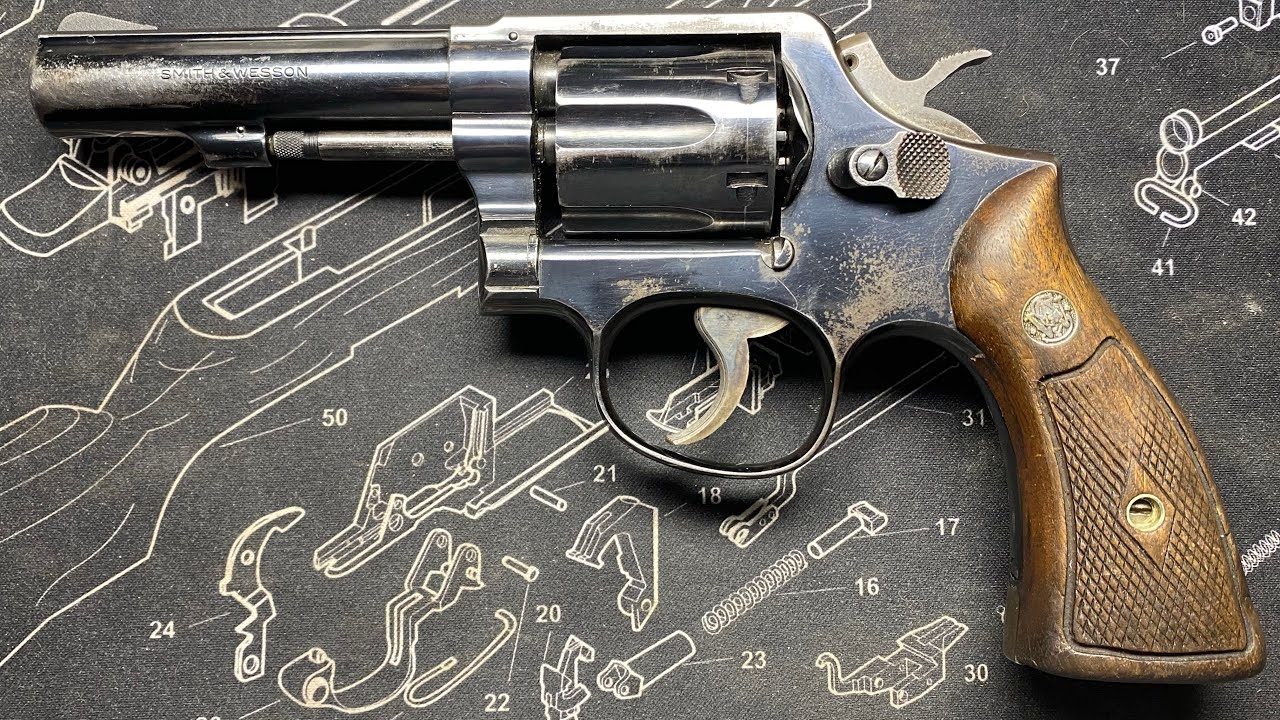
Smith & Wesson Model 10

A used Model 10 is one of the smartest revolver buys because it’s a proven .38 Special workhorse with decades of real service behind it. These guns were carried and shot by the truckload, and many of them are still tight and accurate. When you find one in good mechanical condition, you’re buying a practical revolver that still does everything a .38 should do.
Check timing and lockup the same way you would with any revolver. Verify the cylinder locks up consistently on each chamber, and check for excessive endshake. Inspect the forcing cone and top strap area for damage. Look down the bore for pitting, and check the crown. Dry-fire with permission and feel for a consistent trigger pull and reset. Also inspect the sideplate screws for damage that suggests careless disassembly. Finish wear is common. Mechanical slop is not.
Ruger Blackhawk

A used Ruger Blackhawk is a smart buy because it’s a durable single-action revolver that tends to keep working even after hard use. Hunters and handloaders like them because the platform handles regular shooting without feeling delicate. On the used market, you can often find a Blackhawk that looks worn but is mechanically sound, which is exactly where the value lives.
Your checks are still important. Inspect the bore and crown, then check cylinder lockup and endshake. Verify the base pin is secure and the cylinder spins correctly when it should. Look for signs of forcing cone damage and check that the timing feels consistent as you cock the hammer through each chamber. Pay attention to screw heads—mangled screws can signal careless work inside. A Blackhawk with honest carry wear can be a great buy. One with sloppy timing or damaged internals is a pass.
Like The Avid Outdoorsman’s content? Subscribe to our newsletter so you never miss an article.
Here’s more from us:


