Photo credit: lifesizepotato – CC0, /Wikimedia Commons
Some pistols get pushed like they are trying to convince you they matter. New finishes, new slogans, new packaging, new promises about how this one finally fixes what the last one missed. Then there are the pistols that never really had to do any of that. They were already useful, already dependable, and already making sense to the people who actually spent time with them. They did not need to dominate the conversation because they were too busy doing the work.
That is usually how long-term respect gets built. Quietly. A pistol keeps carrying well, keeps shooting well, and keeps proving itself after the market has already sprinted toward the next distraction. These are pistols that never needed much attention because they never needed much excuse-making either.
SIG Sauer P239
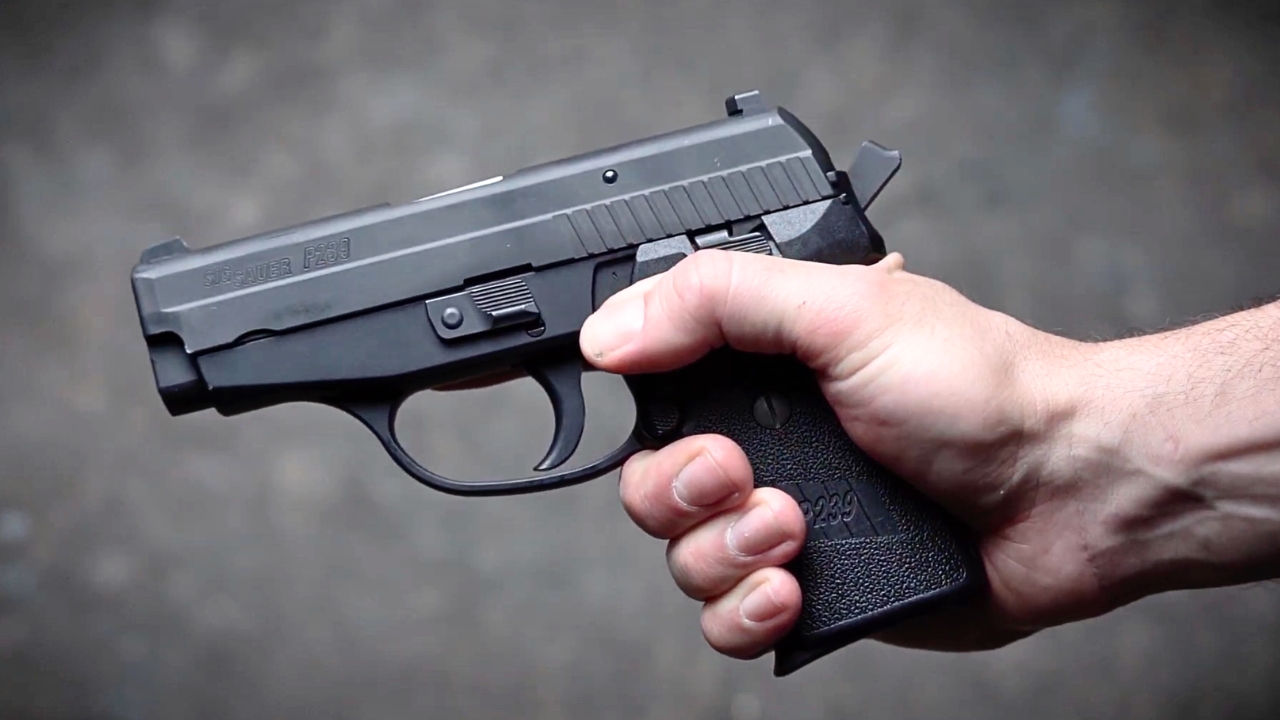
The P239 was never the pistol people got the loudest about, and that probably helped it. It lived in that slim, practical lane where everything depended on whether the gun actually carried well and stayed shootable once you spent real time with it. It did both. That made it much more valuable in real ownership than in shallow conversation.
The longer people carried them, the more the gun made sense. It was compact without feeling flimsy, serious without feeling bulky, and mature in a way a lot of trendier carry guns never quite managed. It never needed much attention because it quietly handled its role better than many pistols that got far more of it.
Beretta 85 Cheetah
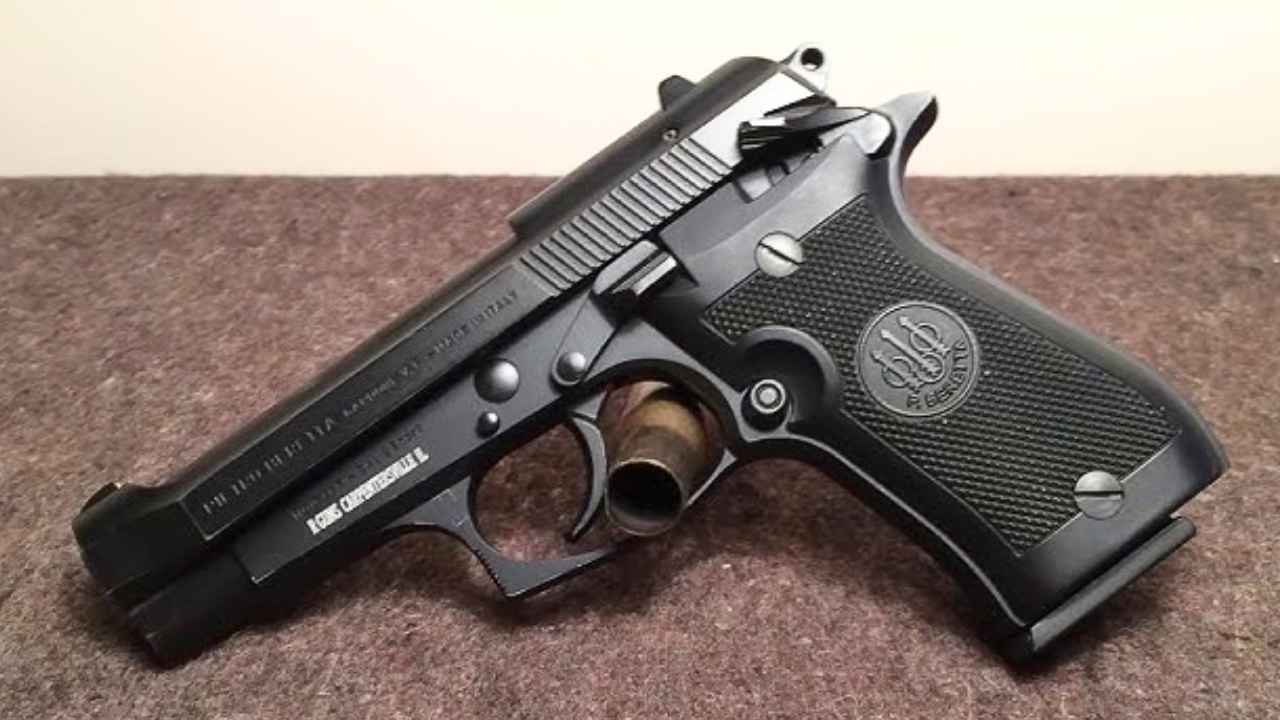
The 85 Cheetah never had to fight for attention because it already had something better than hype: manners. It was easy to shoot, easy to like, and built with enough care that people who owned one rarely needed outside validation. It was not trying to dominate the market. It was trying to be a very good compact pistol.
That sort of confidence ages well. A lot of handguns get bought on momentum and sold on disappointment. The 85 tends to stick around because it feels refined without being fragile and useful without being boring. Pistols like that do not need constant noise around them. They just keep making owners glad they bought one.
HK P2000SK
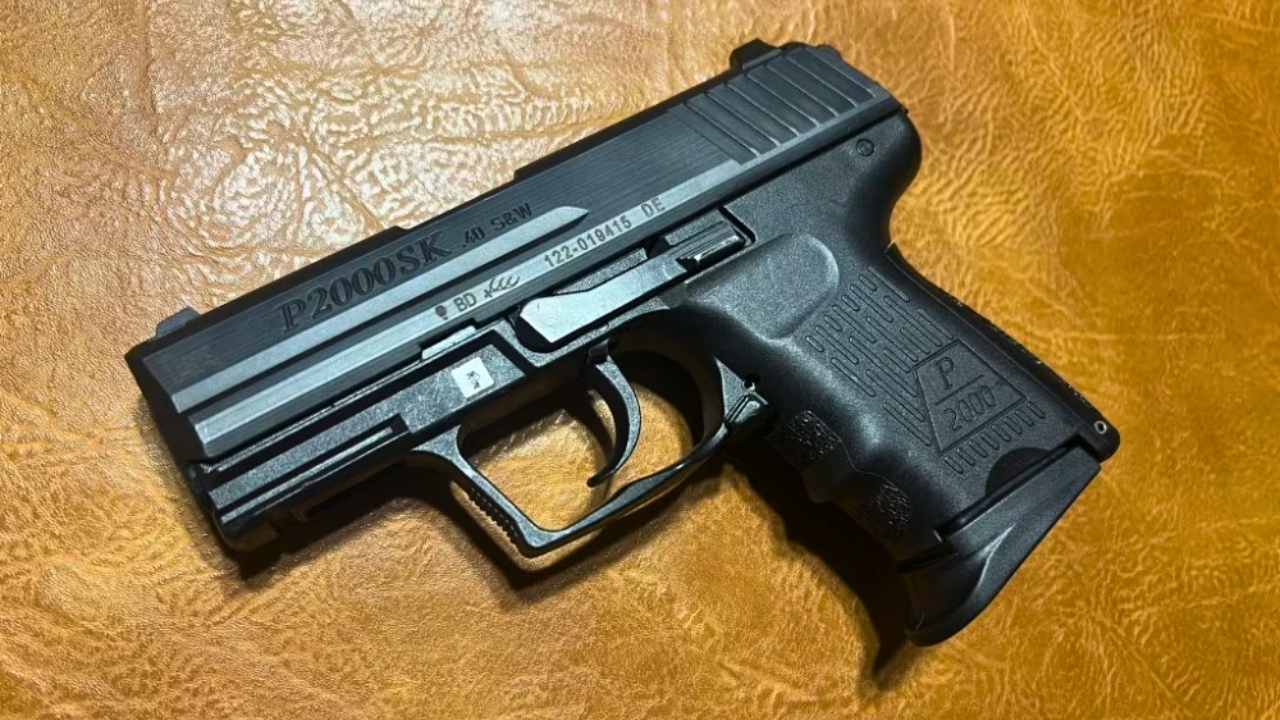
The P2000SK always felt like a pistol for people who were already past needing a lot of theater. It was compact, durable, and very grounded in real concealed-carry usefulness. That did not make it the loudest thing in the room, but it absolutely made it one of the more sensible ones.
Owners usually figured that out pretty quickly. The gun stayed dependable, carried with less drama than many bulkier compacts, and avoided the gimmick-heavy feeling that dates some newer pistols almost immediately. It never needed much attention because it was already built for the sort of user who values steady competence more than launch-day excitement.
Smith & Wesson 3913

The 3913 has long been one of those pistols that made more sense the more seriously you thought about carry. It was slim, practical, and built like a real handgun instead of a tiny compromise pretending to be one. That kind of design does not beg for attention. It simply keeps earning trust.
What helped it last was how little it wasted. The size, weight, and overall feel all worked together in a way many later carry pistols still struggle to match. A gun like this never had to chase trends because it already lived in a lane that still matters: easy to carry, easy to respect, hard to replace once you get used to it.
CZ 75 Compact PCR

The PCR never needed much attention because it never felt unfinished. It was compact enough to carry, substantial enough to shoot well, and built on a platform that already had a serious reputation with people who actually spent time at the range. That made it a quiet favorite instead of a loud one.
Its appeal grows through use, not hype. The alloy frame keeps it practical, the handling keeps it enjoyable, and the overall package stays balanced in a way many carry pistols miss while trying too hard to be clever. It did not need much attention because owners usually figured out on their own that it was better than the market volume around it suggested.
Walther PPS M2

The PPS M2 was the kind of pistol people bought when they wanted the carry gun to actually carry well. It did not need a lot of mythology. It stayed thin, stayed practical, and stayed easy to hide without becoming miserable to shoot. That alone gave it more staying power than plenty of louder pistols.
It also avoided one of the biggest carry-gun mistakes, which is feeling like a short-term answer. The PPS M2 kept making sense over time because it did not ask the shooter to pretend harsh recoil and awkward range time were acceptable tradeoffs forever. It never needed much attention because it kept doing the hard part right.
Browning Hi-Power Mark III
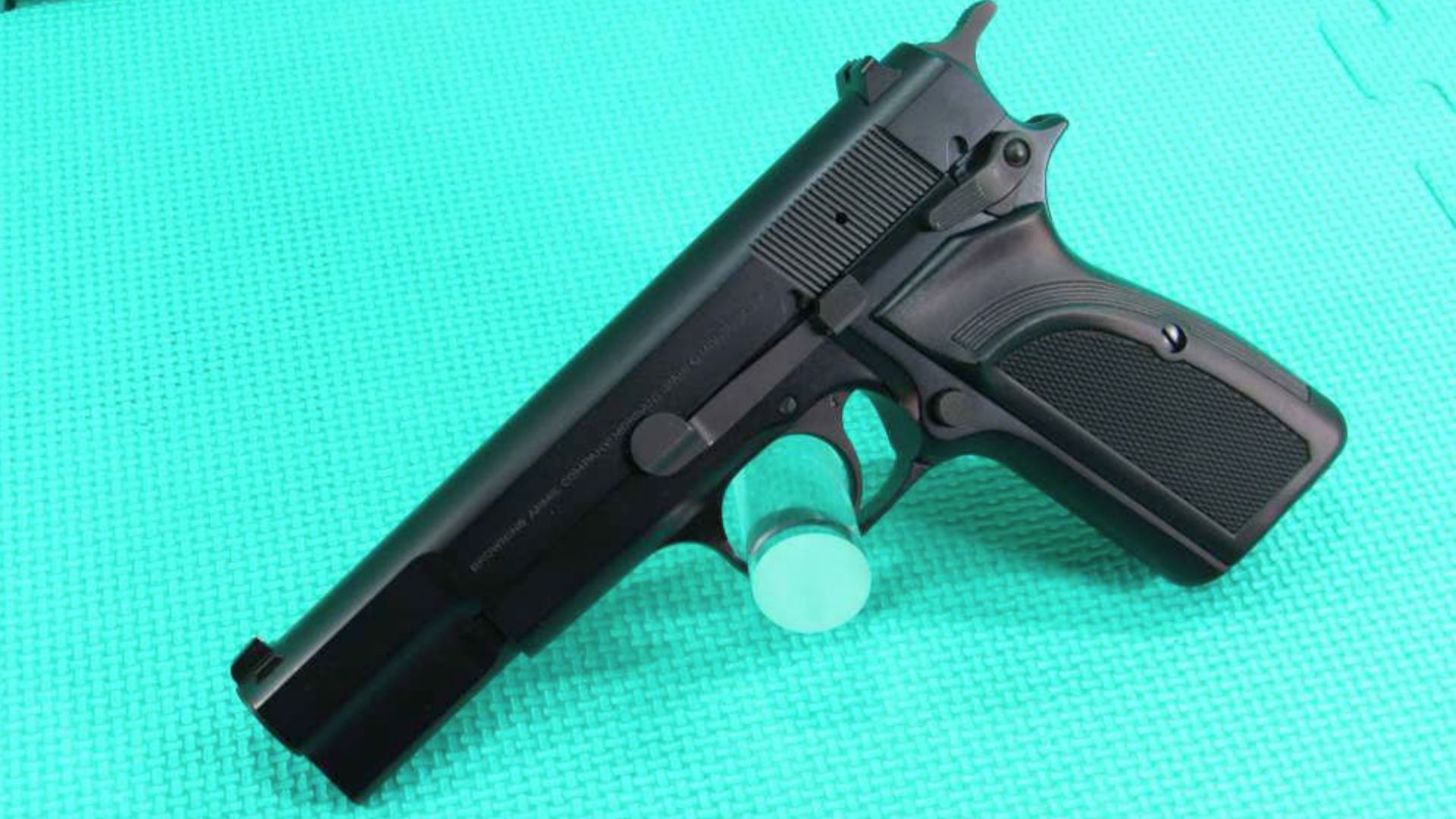
The Mark III Hi-Power never needed much attention because the platform had already spent years proving why it mattered. By the time the later versions settled into the market, the people who understood the gun did not need a giant campaign to tell them what it was. Slim, balanced, and very alive in the hand, it kept doing what it had always done best.
The Mark III in particular carried enough practical refinement to remain highly usable without losing the character that made the gun special in the first place. It did not need to scream for relevance. Shooters who appreciated natural handling and real steel-pistol feel already knew exactly why it stayed important.
Ruger P97
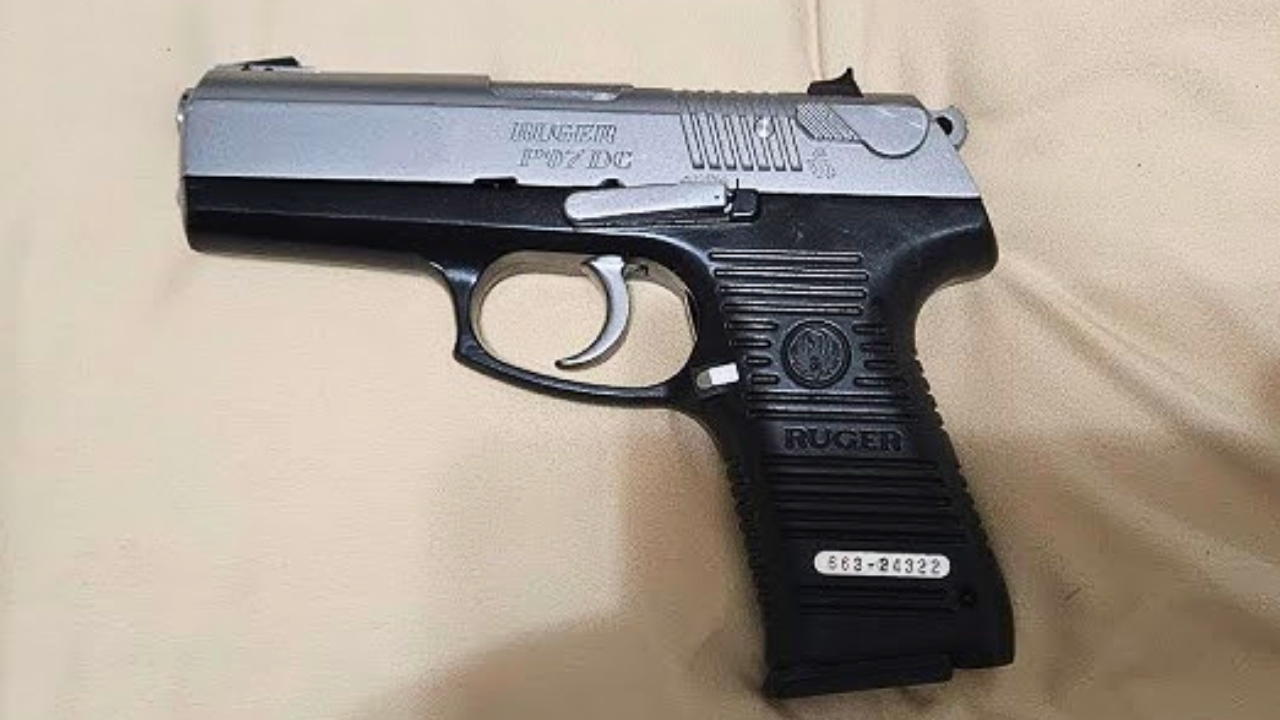
The P97 never needed much attention because it was too busy being a straightforward, durable .45. It did not have elegance on its side, and it was never going to win a beauty contest, but plenty of owners trusted it anyway because it worked. That kind of low-glamour dependability often outlasts more fashionable pistols.
The gun made sense for shooters who wanted a .45 without a lot of unnecessary drama. It held up, shot better than some people expected, and had enough practical value to keep owners loyal. Pistols like the P97 rarely become legends in flashy ways. They become the gun people quietly keep because getting rid of them would not be smart.
Beretta PX4 Compact

The PX4 Compact never needed much attention because it had real-world value that did not depend on a strong personality. It was carry-size, controllable, and mechanically different in a way that actually mattered on the range. The rotating barrel did not need to be a gimmick because the shooting experience backed it up.
That is why it kept its place. Shooters who actually ran them found a compact pistol that handled recoil well and felt more refined than the first glance suggested. It did not need much attention because the people who bought one and used one usually did the advertising without meaning to.
Smith & Wesson 5903
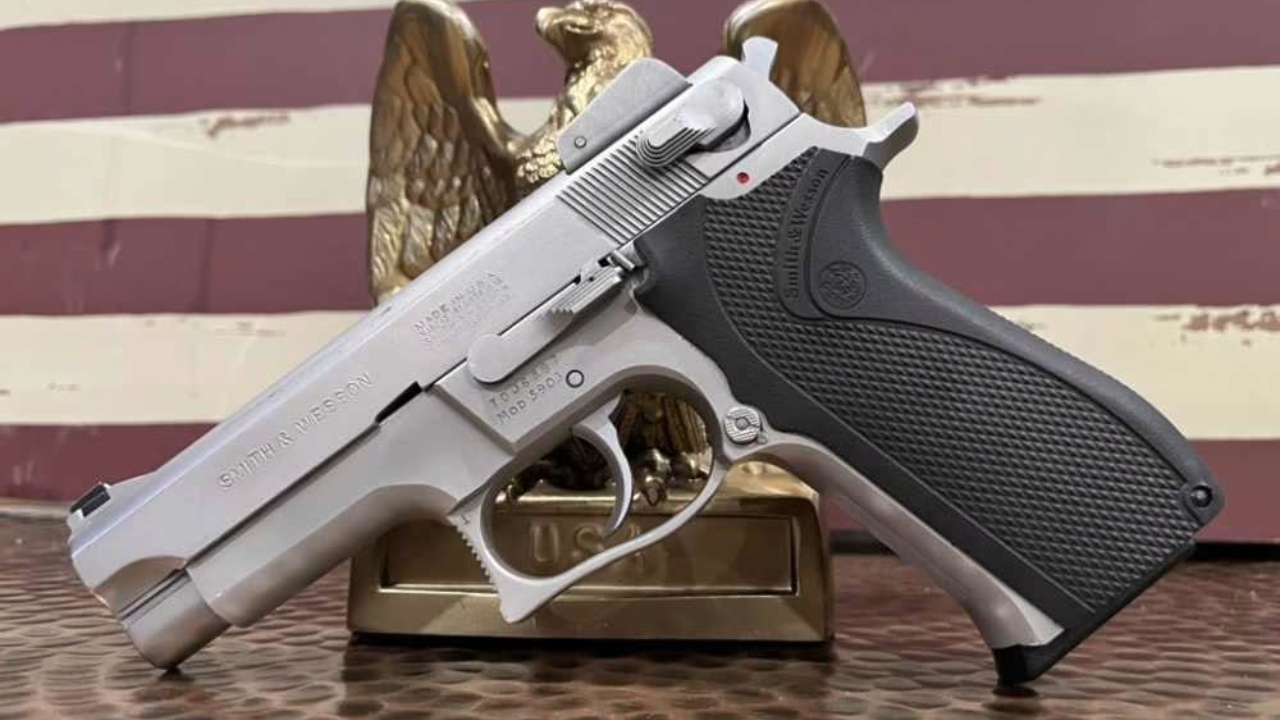
The 5903 never needed much attention because it came from a generation of pistols that expected to earn their reputation through use. It was not trying to be trendy. It was trying to be a dependable service-style 9mm that held up, shot honestly, and kept going. That sort of quiet seriousness tends to build a strong following over time.
It also made sense because it felt substantial without becoming clumsy. Shooters who got used to old metal Smith autos usually stayed fond of them for a reason. The 5903 did not need much noise around it. It just needed enough rounds through it to show that plain old dependability is still worth a lot.
SIG Sauer SP2022

The SP2022 never needed much attention because it already knew what it was. It was a practical, serious-use SIG that did not require buyers to spend extra money for prestige they might not actually need. That made it easy for some people to underrate, but it also made it very durable in the market.
Shooters who owned them tended to figure it out. The pistol was dependable, shootable, and much better than the “budget SIG” label some buyers lazily applied to it. It did not need much attention because it kept giving owners real value long after louder polymer pistols had already started blending together.
Colt Combat Commander
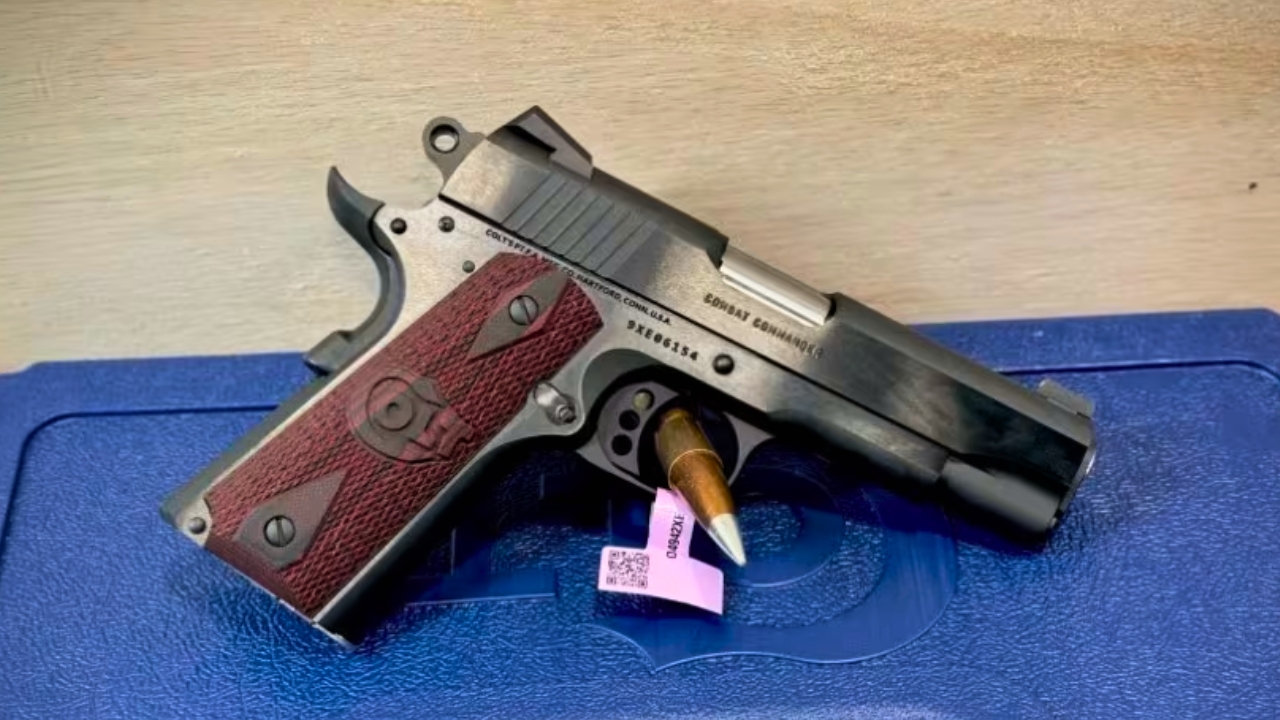
The Combat Commander never needed much attention because its whole idea was already smart enough. Trim down the 1911 enough to make it handier, keep enough of the platform intact that it still feels like a real fighting pistol, and stop there. That is a much better way to build a lasting handgun than chasing whatever fashion is hottest.
It stayed valuable because it kept solving a real problem without turning the answer into a gimmick. Shooters who liked 1911s understood the Commander quickly, and the ones who carried them understood them even better. It never needed much attention because it never really lost the point.
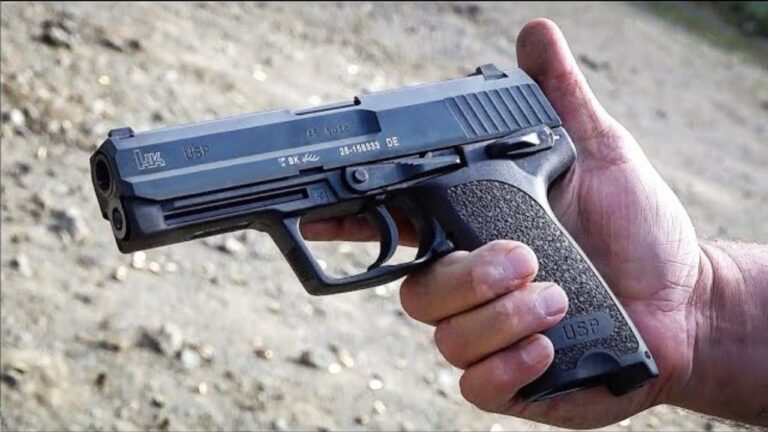
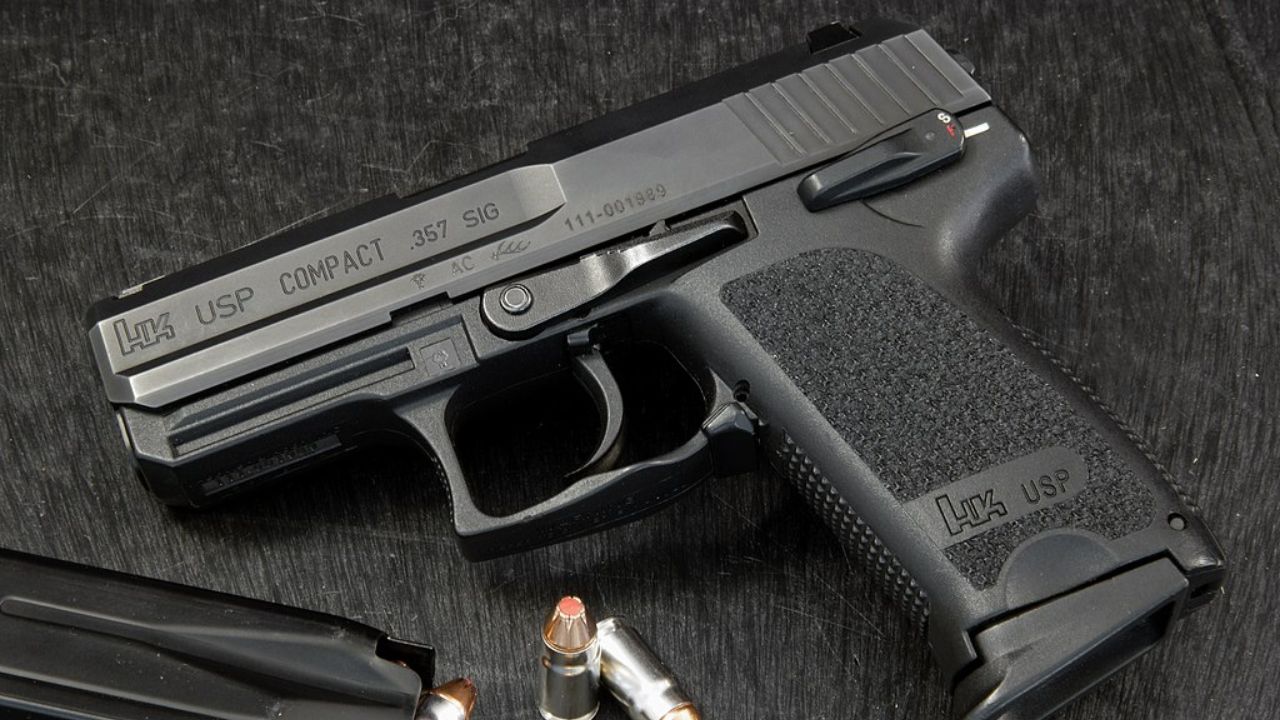
HK USP Compact

The USP Compact never needed much attention because it always felt like it was built to outlast attention. It was sturdy, serious, and not particularly interested in being pretty. That worked in its favor. A pistol that already feels overbuilt and trustworthy does not need to beg buyers to believe in it.
The more time passed, the better that approach looked. While plenty of handguns came and went trying to look newer, the USP Compact kept feeling durable and settled. It remained useful because it was designed around lasting priorities, not momentary ones. That is why it never needed the spotlight very much.
Star BM
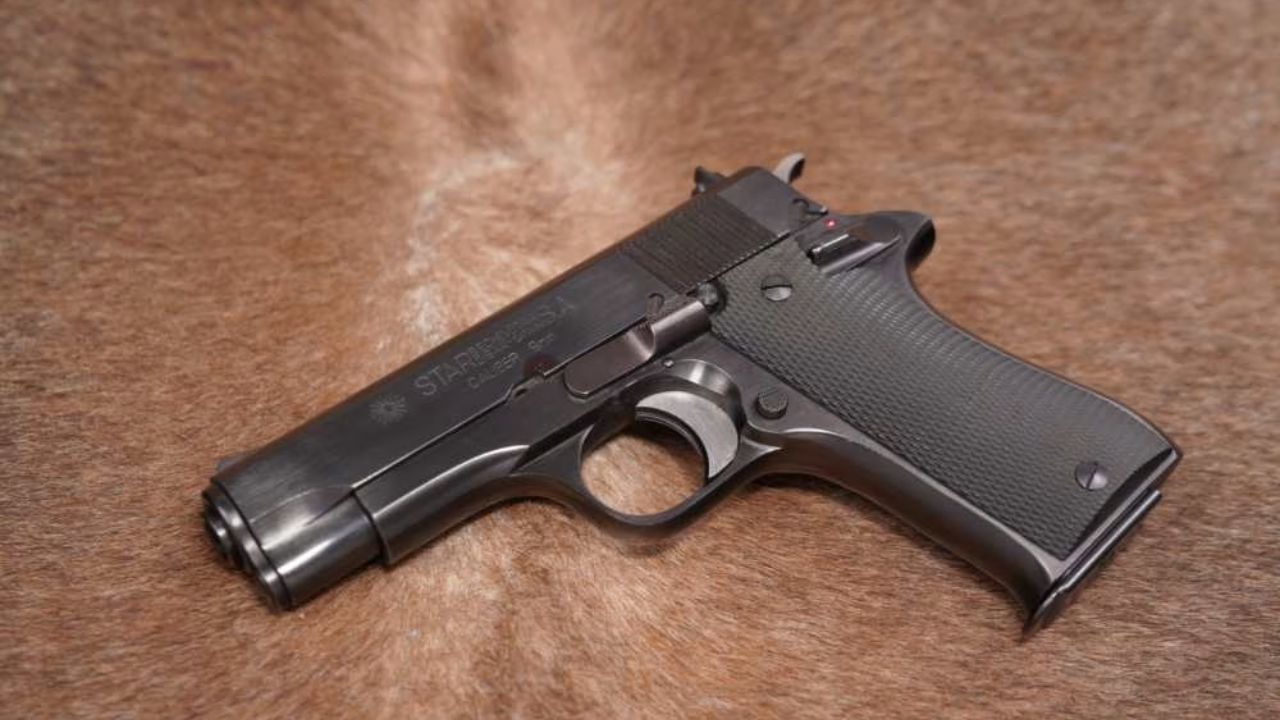
The Star BM never needed much attention because it quietly offered more than many buyers expected. It was compact, all steel, and more serious in the hand than a lot of people assumed from a lower-profile name. That kept it from becoming a headline gun, but it also helped it become a long-term keeper for people who actually used one.
It earned loyalty the slow way. The gun carried well enough, shot with more confidence than its size suggested, and had the kind of old-world solidity that tends to grow on people. It did not need much attention because it already had enough real value to survive without it.
FNX-9
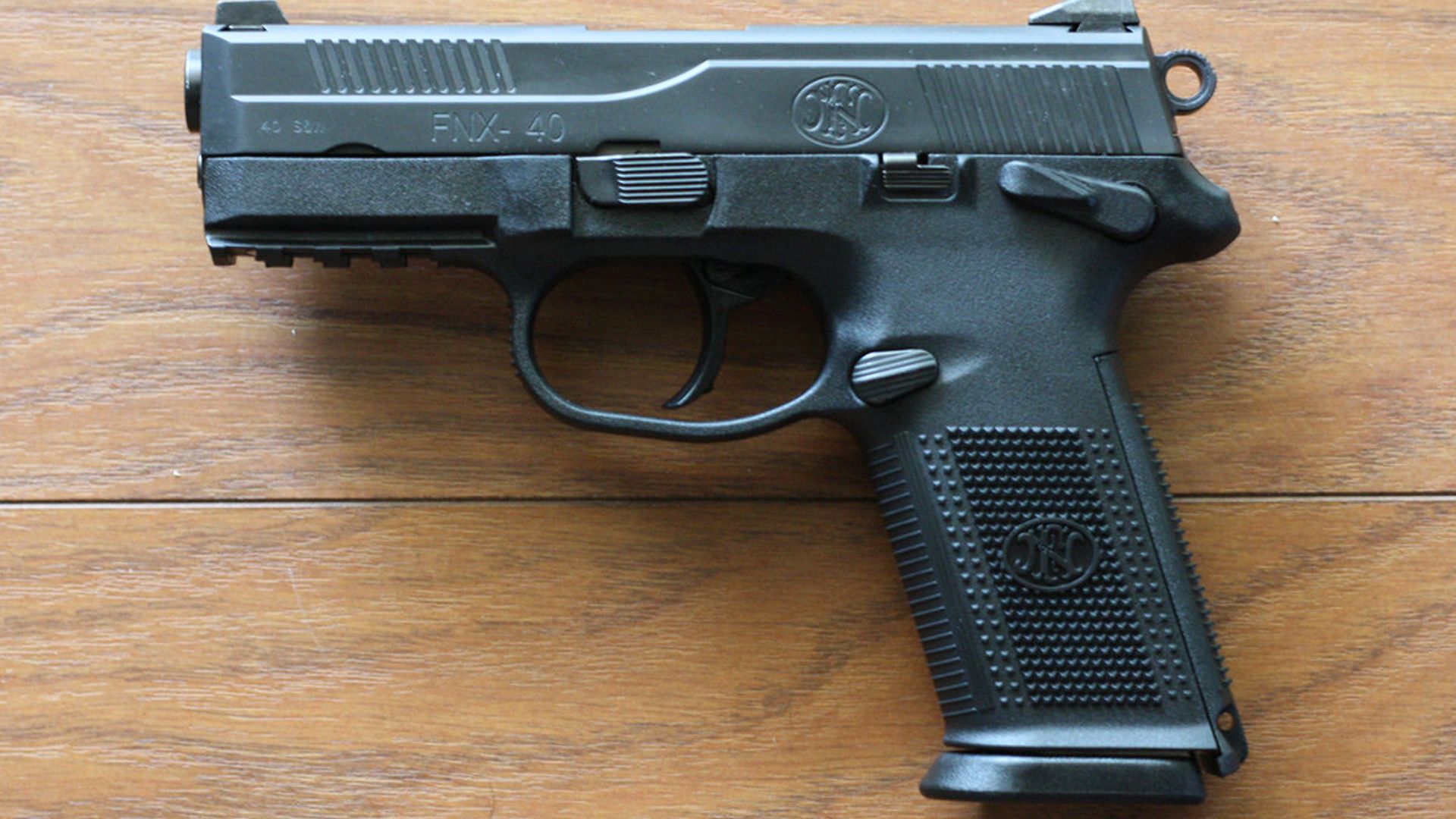
The FNX-9 never needed much attention because it was one of those pistols that just kept doing a lot of things right without announcing itself every five minutes. It was practical, dependable, and easy enough to shoot well, which is often more important than sounding revolutionary. That gave it a very stable kind of relevance.
It also helped that the pistol did not feel flimsy or overhyped. It felt like a real service-style handgun meant to stay around. Guns like that do not need much attention because owners tend to discover the same conclusion on their own: it is better than the market volume around it ever suggested.
Ruger Mark III 22/45
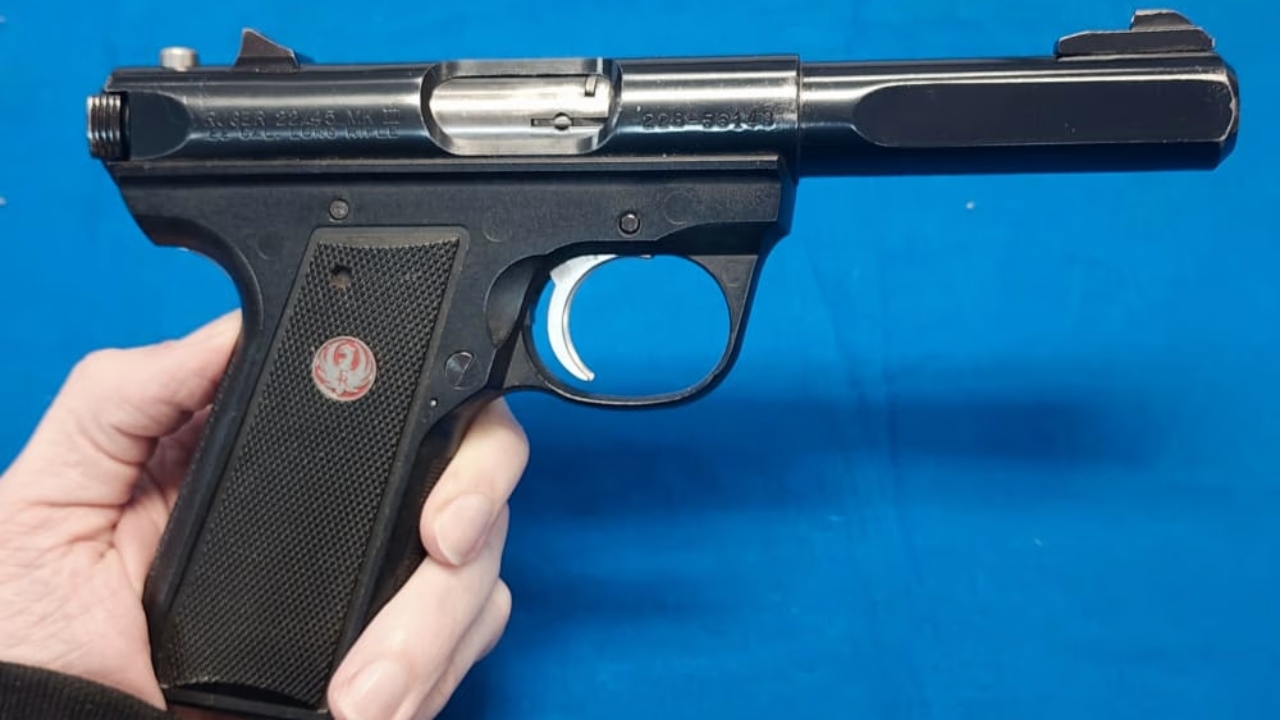
The Mark III 22/45 never needed much attention because a useful rimfire pistol does not have to be loud to matter. It gave shooters affordable practice, real range time, and a familiar grip angle that made it feel more purposeful than a lot of casual rimfire options. That is enough to keep a handgun relevant for a very long time.
The longer people owned them, the more they appreciated what they had. It was a training tool, a plinker, and a real source of trigger time that did not punish the wallet every session. Pistols like this never need much attention because they keep showing up in real life, and real life is where the argument gets settled.
Like The Avid Outdoorsman’s content? Subscribe to our newsletter so you never miss an article.
Here’s more from us: