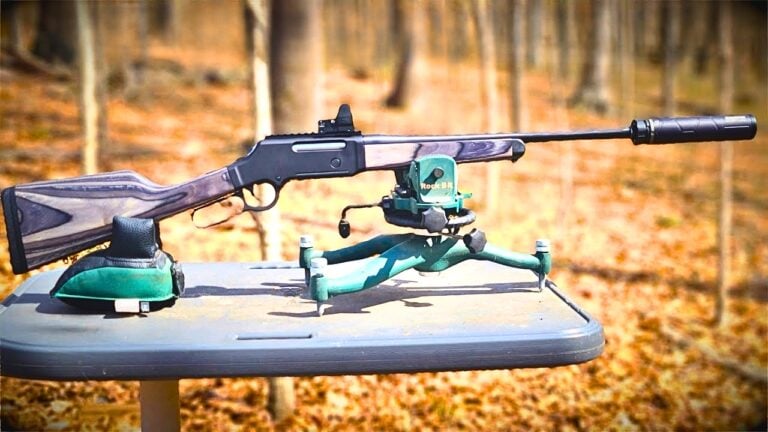
Photo credit: The Outdoor Generalist/YouTube
When you’re trying to drop a whitetail fast and bring home clean shoulders, it’s rarely the cartridge that wrecks meat—it’s speed, bullet choice, and shot placement working together. High-velocity rounds with thin-jacket bullets can turn the near shoulder into soup. Heavy hitters can do the same if you smash bone at close range with a fast-expanding pill.
The sweet spot is a deer-capable cartridge paired with a controlled-expansion bullet, aimed through the lungs or tight behind the shoulder. You get quick, reliable kills without bloodshot quarters. The rounds below have earned their place because they’re accurate, common, and easy to load with bullets that expand well without coming apart. Run the right bullet, keep your impacts reasonable, and you’ll spend more time cutting steaks and less time trimming waste.
.243 Winchester

The .243 has been stacking deer for decades because it’s easy to shoot well and easy to place precisely. That matters more than raw power if your goal is fast kills with clean meat. With the right bullet, the .243 will open up in the lungs and exit without turning the shoulder into hamburger.
The key is avoiding fragile “varmint-style” bullets and leaning toward controlled deer bullets in the 90–105 grain range. They tend to hold together better and keep the damage centered in the chest cavity. Put it behind the shoulder and you get a quick run-or-drop result with minimal trimming. If you push it into the shoulder at close range, you’ll still lose meat, but the .243 is one of the best choices for clean kills when your shot placement is disciplined.
6mm Creedmoor

6mm Creedmoor gives you .243-like performance with modern factory support and a reputation for accuracy. It’s not magic, but it makes it easier to place a bullet precisely under real hunting conditions, and that’s the whole game when you care about meat.
For deer, you want a bullet that’s built to stay together, not a match pill that may pencil or act unpredictable in tissue. A tough 95–110 grain hunting bullet through the lungs tends to give you fast results without a wide bloodshot zone. The 6mm’s velocity can still be hard on meat if you hit heavy bone up close, so it pays to keep shots tight behind the shoulder when possible. Do that and you’ll be impressed how clean the rib meat and shoulders stay.
.257 Roberts

The .257 Roberts is one of those rounds that keeps doing the job without drama. It carries enough speed to expand well, but it doesn’t have the over-the-top velocity that can make close-range hits messy. That balance helps you kill deer quickly while keeping meat loss reasonable.
Load it with a solid 110–120 grain hunting bullet and it tends to punch through the chest clean, often leaving an exit without shredding the whole front quarter. It shines on broadside shots where you can slide the bullet behind the shoulder and let it work through lungs and heart. You still need a bullet meant for game, not thin-jacketed bullets that blow up. When you do it right, the Roberts gives you a nice mix of quick kills, mild recoil, and surprisingly clean carcasses.
.25-06 Remington

The .25-06 drops deer fast, but it can also ruin meat if you treat it like a close-range brush gun. It’s a high-velocity cartridge, and velocity is what turns a soft bullet into a grenade when it meets shoulder bone at 80 yards. Used smart, though, it’s a clean killer.
The trick is pairing it with a tougher 115–120 grain bullet designed for controlled expansion. Aim for ribs and lungs instead of trying to break everything in the front end. On broadside deer, a well-built bullet often exits and leaves a strong blood trail without the giant bloodshot halo you get from fragile bullets. The .25-06 is best when you let it do what it’s good at—flat shooting and precise placement—rather than forcing it into high-impact, close-range bone-breaking work.
6.5 Creedmoor

6.5 Creedmoor has become a standard deer round because it’s easy to shoot well and it tends to drive bullets straight. That combination helps you make calm, repeatable shots, and that’s what keeps meat intact. When your bullet lands where it should, there’s less chaos.
Pick a controlled-expansion hunting bullet in the 120–143 grain range and you get reliable penetration with expansion that stays inside the chest cavity instead of splashing out into the shoulders. The Creedmoor also tends to behave well at typical deer distances, where impact speeds aren’t extreme. Put it behind the shoulder and it often gives you quick results with surprisingly little trimming. If you decide to take a hard shoulder shot, expect some loss—no caliber erases physics—but the 6.5 is a strong “meat-friendly” round when you hunt it like a rifleman.
.260 Remington

The .260 Remington is a quiet killer that does the same kind of work as the 6.5 Creedmoor without needing a new trend cycle to justify it. It’s accurate, easy to manage, and it carries enough bullet weight to penetrate well on deer without being overly violent on impact.
With a good 120–140 grain hunting bullet, you can punch through ribs and lungs cleanly, often getting an exit and a short recovery without a bloodshot mess. The .260 really rewards careful placement because recoil is mild enough that you can stay on the gun and break a clean shot. It’s not a shoulder-buster round if you care about steaks, but it doesn’t need to be. Slide it behind the shoulder, keep the bullet construction appropriate, and you’ll end up with clean shoulders and a deer that doesn’t go far.
7mm-08 Remington
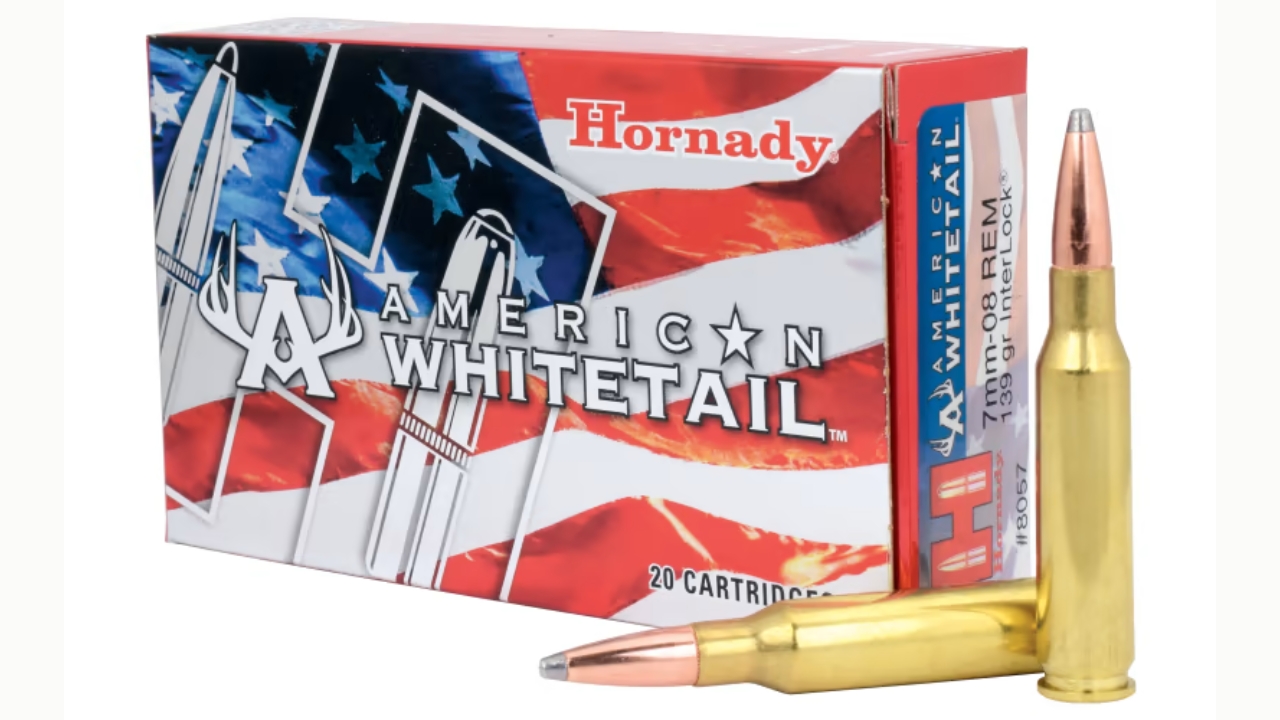
7mm-08 is one of the most practical deer rounds ever made. It hits hard enough to drop deer fast, but it isn’t so fast that it turns every impact into a meat grinder. That’s why it has a reputation for clean, efficient kills.
Run a 140–150 grain controlled-expansion bullet and aim through the lungs, and it tends to leave a tidy wound channel with enough penetration to exit. You get quick blood loss, strong tracking sign, and less bruising than many magnums. The recoil stays manageable in light rifles, which helps your follow-up speed and your confidence. If you hammer the shoulder at close range, you’ll lose meat, but you’ll lose far less than you would with a faster magnum using an aggressive bullet. For balanced performance and clean carcasses, 7mm-08 is hard to beat.
.270 Winchester

.270 Winchester is a classic for a reason, but it has a split personality when it comes to meat. With a tough bullet, it’s a clean, flat-shooting deer round that hits with authority and keeps going. With a soft, fast-opening bullet up close, it can bloodshot a shoulder badly.
If you want fast kills with less trimming, pick a controlled-expansion 130–150 grain bullet and keep your shots behind the shoulder when the angle allows. The .270’s speed helps it open reliably at longer distances, and with the right bullet it still holds together well. You get a wide margin for ethical kills without the explosive effect you see from thin jackets. Used with intent—good bullet, good placement—the .270 is a strong “drop them fast, keep the meat” cartridge that still works across a wide range of terrain.
.308 Winchester

.308 Winchester is a meat-friendly workhorse when you run it with the right bullet and the right mindset. It doesn’t rely on extreme velocity, so it tends to produce less dramatic tissue disruption than the hotter magnums. That helps you keep shoulders and rib meat cleaner.
A 150–165 grain controlled-expansion bullet through the lungs is the classic play, and it works. You’ll often see a clean pass-through, a strong blood trail, and a quick recovery without a big bloodshot zone. .308 also performs well out of short barrels, so you can carry a handy rifle without giving up dependable terminal results. If you hit heavy bone, you’ll still lose some meat, but the .308 usually keeps the damage localized compared to faster rounds. It’s a calm, efficient deer round that doesn’t punish you at the butcher table.
.30-30 Winchester

.30-30 has probably saved more venison than people realize. It kills deer decisively at sane distances, and because it doesn’t hit at blistering speed, it often causes less bloodshot meat than modern high-velocity rounds. That slower impact can be a real advantage when you care about shoulders.
Use a quality 150–170 grain soft point or a modern controlled-expansion load and you’ll usually get a straight wound channel and an exit on broadside deer. The damage stays centered in the chest instead of spraying out into the front quarter. It’s also forgiving in thick woods, where shots are close and angles get weird. You still need to avoid smashing the near shoulder if you want clean meat, but the .30-30 is one of the best rounds for dropping deer and keeping your trimming pile small.
.35 Remington

.35 Remington is a classic “hit them hard, don’t wreck the meat” deer round. It throws a wider bullet at moderate velocity, which helps it punch through ribs and lungs without the explosive effect you can get from faster cartridges. That makes it a strong option for woods hunting and close shots.
With a 200-grain soft point, you get deep penetration and a wound that tends to stay inside the chest cavity. Deer often react like they’ve been hit with a hammer, yet you don’t see the same bloodshot shoulder problems that show up with high-speed impacts. It’s not a long-range cartridge, and it doesn’t need to be. Keep it inside its comfort zone, aim tight behind the shoulder, and you’ll get quick kills with surprisingly clean meat. It’s old-school for a reason.
.300 Savage

.300 Savage sits in a sweet spot that a lot of modern hunters forget. It carries enough punch to drop deer fast, but it generally runs at speeds that are easier on meat than the faster .30-caliber rounds. It’s a practical cartridge that does honest work without extra drama.
Load it with a 150–165 grain controlled-expansion bullet and you’ll typically see solid penetration, dependable expansion, and a tidy exit on broadside deer. That exit helps blood trails without turning the whole front end into jelly. It shines in classic lever guns and older rifles that still shoot well, and it rewards careful shot placement the same way .308 does. If you want a cartridge that kills like a bigger deal than it looks on paper, while keeping meat loss controlled, .300 Savage deserves more respect.
.350 Legend

.350 Legend is built for straight-wall states, but it’s also a good venison cartridge when you hunt it smart. It runs moderate velocity, which helps keep the damage contained, and it uses bullets that are generally designed to expand without coming apart. That combination can be very kind to meat.
With a 150–180 grain deer load, a behind-the-shoulder hit usually gives you a clean wound channel and a quick recovery without a big bloodshot halo. You’ll often get an exit, too, which makes tracking easy in thick cover. The Legend isn’t a long-range round, and it doesn’t pretend to be. Inside its effective window, it kills deer fast and tends to leave shoulders in good shape. If your goal is freezer-filling efficiency without a trimming marathon, .350 Legend is a solid tool.
6.8 SPC

6.8 SPC has a loyal following because it hits deer harder than many people expect, especially from handy rifles. It launches a relatively stout bullet at moderate speeds, which helps it expand reliably without the violent meat damage you see from faster, lighter projectiles.
Run a proper hunting load with a controlled-expansion bullet and aim for the lungs, and it tends to give you quick results with clean shoulders. It’s especially effective in tight woods and real-world distances where you’re not stretching shots. The cartridge also pairs well with compact rifles, which makes it easier to carry and easier to shoot from awkward positions. As always, the near-shoulder hit can cost you meat, but the 6.8 SPC often keeps the mess contained when you place it right. It’s a practical deer round that values efficiency over fireworks.
.45-70 Government
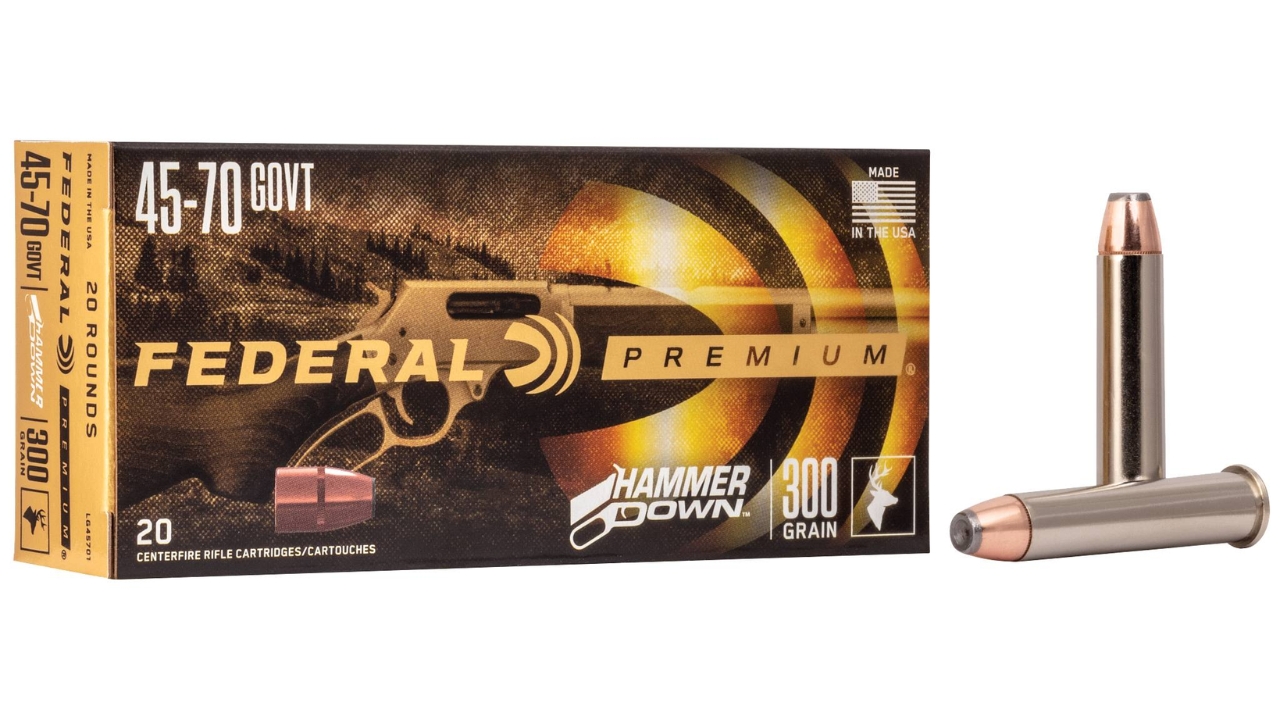
.45-70 can either be a meat saver or a meat destroyer, and the difference comes down to how you load it and how you hit the deer. With traditional or moderate-pressure hunting loads and a bullet that holds together, it tends to punch a big, clean hole through the chest without blowing the front end apart.
The mistake is driving a fast-expanding bullet into the shoulder at close range. That’s when you’ll see big bruising and a lot of trimming. Hunt it like a woods cartridge: pick a controlled-expansion bullet, keep your impacts reasonable, and place it through ribs and lungs. Deer often drop quickly because the hole is large and the penetration is deep. When you do it that way, .45-70 gives you quick kills and surprisingly clean meat for how serious it looks on paper.
Like The Avid Outdoorsman’s content? Subscribe to our newsletter so you never miss an article.
Here’s more from us: