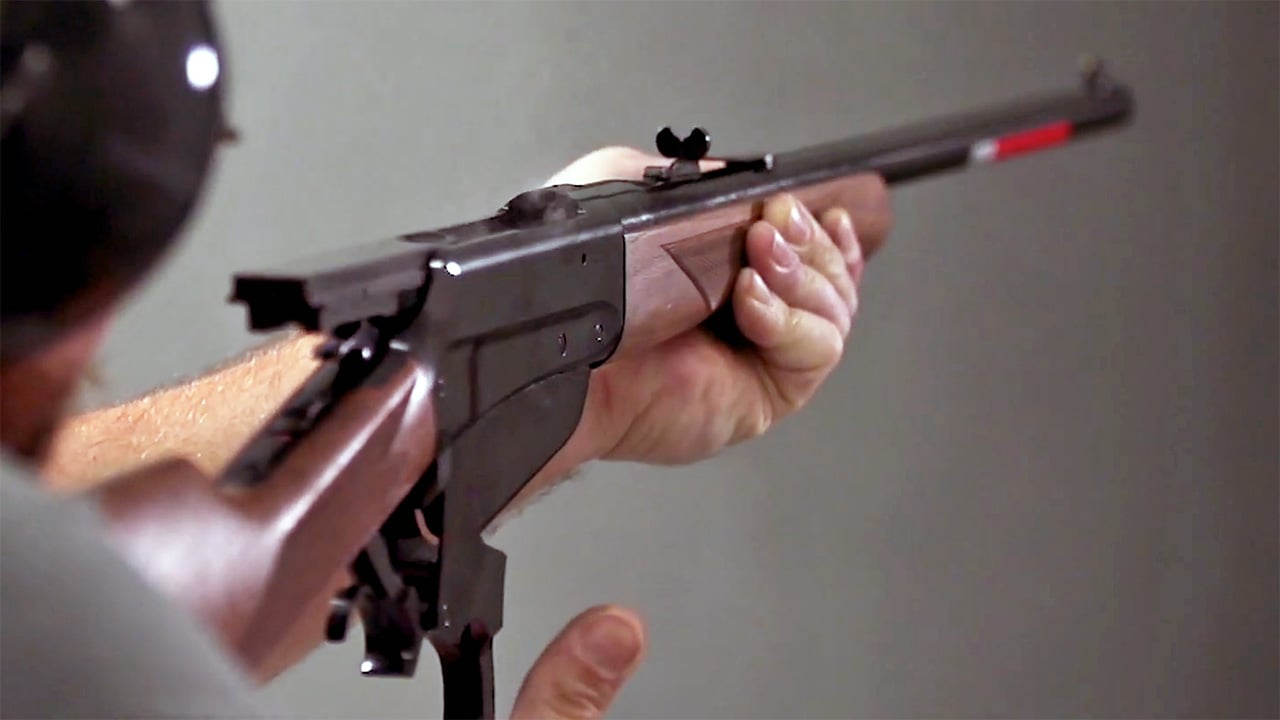
Photo credit: NRApubs/Youtube
Every few years somebody rediscovers the lever gun and acts like they unearthed a lost technology. Meanwhile, the guys who grew up with them just shrug. A good lever action is still one of the handiest tools you can carry in the woods, in a truck, or around a farm—especially when you want something slim, quick, and reliable without a bunch of drama.
Old-school doesn’t automatically mean better, but the lever gun era produced some designs that were flat-out right. They balance well, they feed well, and they solve real problems: fast follow-up shots on moving game, easy carry in thick brush, and a rifle that doesn’t snag on every cedar limb. Here are 20 models that prove the earlier generations weren’t guessing.
1. Winchester Model 1894

If you grew up around deer camps, you’ve seen one of these in a scuffed saddle scabbard or leaning in the corner behind a kitchen door. In .30-30, the 1894 is about as “works every time” as it gets for whitetails inside sane distances. It points like a bird gun, and it carries like it’s not even there.
The action isn’t always butter-smooth on every example, especially the ones that lived hard, but they tend to run as long as you don’t neglect them. There’s nothing fancy about it, and that is kind of the point.
2. Marlin Model 336
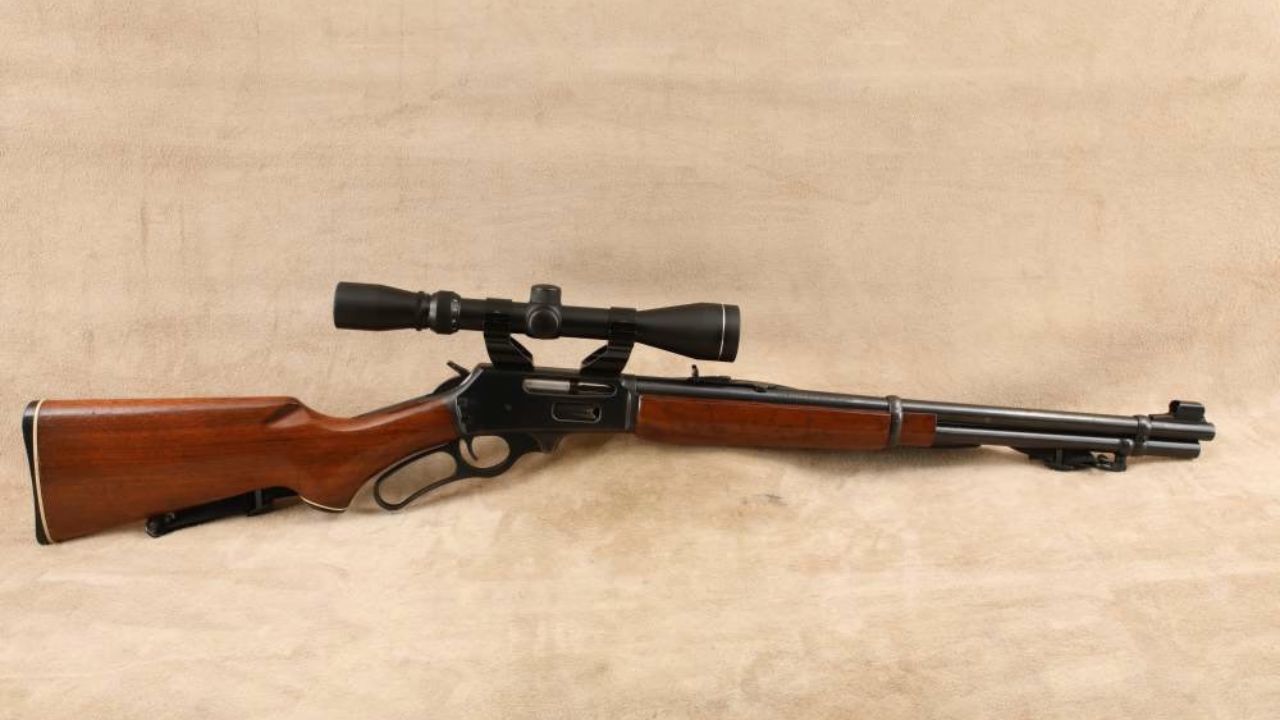
The 336 is the lever gun for folks who like a little more steel and a little less rattle. It’s a steady, accurate deer rifle, and the side-eject design makes scope mounting simple without weird workarounds. A 336 in .30-30 or .35 Remington has put a lot of meat in freezers.
I’ve also noticed they’re forgiving. Not everyone babies their hunting rifle, and the 336 tends to keep shooting straight even when it’s been bounced around in a truck for a decade.
3. Winchester Model 1892
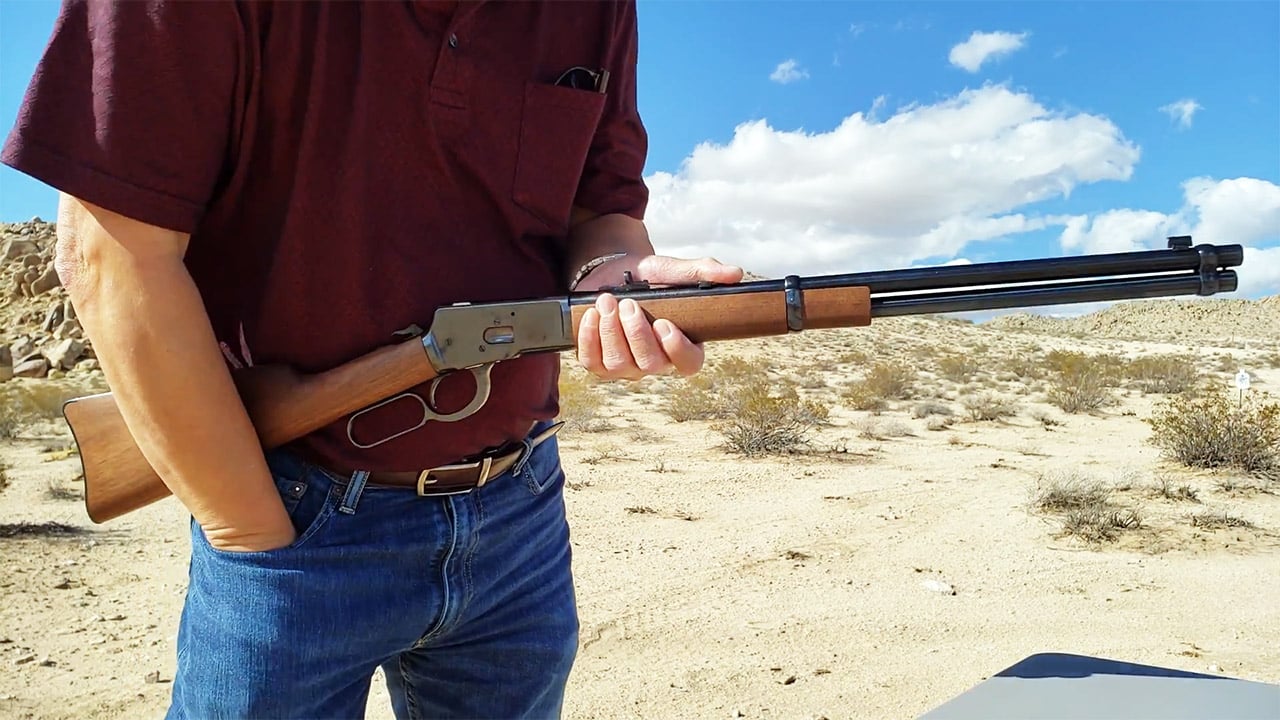
The 1892 is what happens when a lever action is built around pistol cartridges the right way. In .357 Mag or .44 Mag, it’s quick, light, and downright fun, but it’s also useful. For hogs in close cover or a general-purpose ranch rifle, it makes a lot of sense.
Old ones can be spendy, and some of the modern copies vary in finish, but the design itself is a home run. Slick it up with honest shooting, not kitchen-table “gunsmithing,” and it’ll feel like it’s on ball bearings.
4. Winchester Model 1895
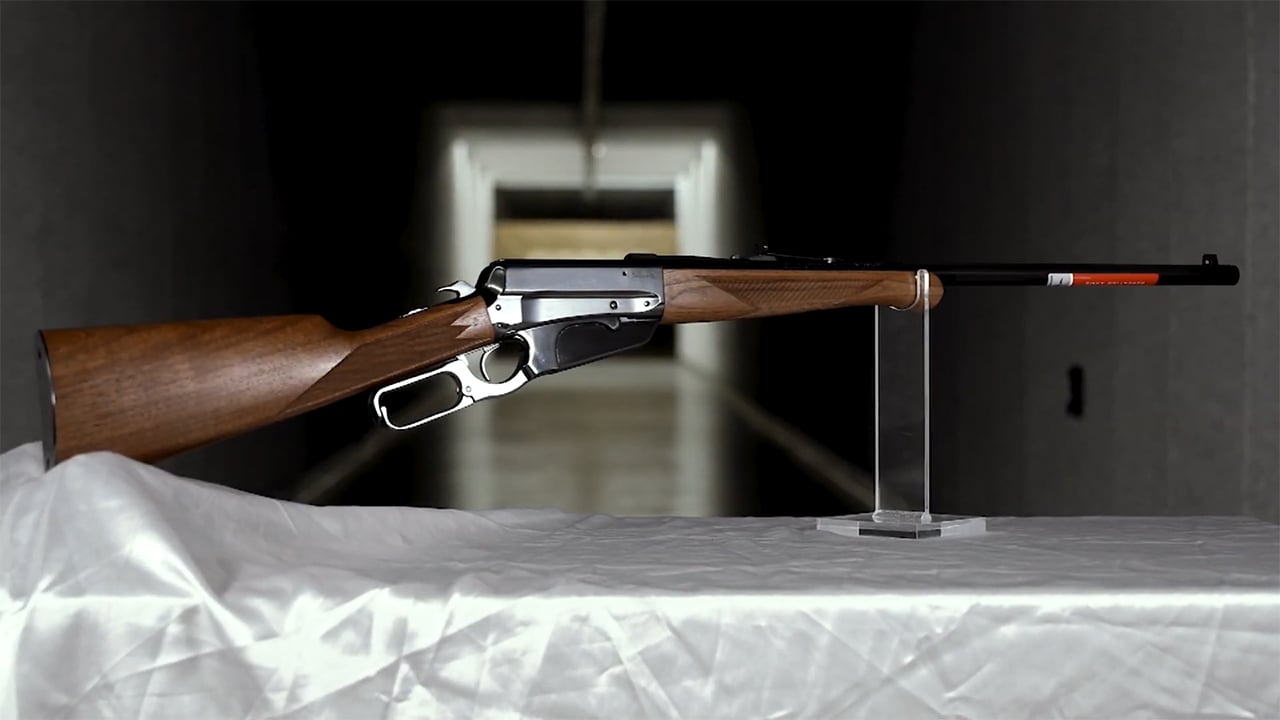
This one doesn’t get talked about as much because it’s not the classic tube-magazine silhouette. Still, the 1895 brought lever actions into stronger, more modern cartridges with a box magazine setup. That was a big deal for hunters who wanted more reach and more bullet options.
It’s a little different in the hands, and it isn’t the lightest lever rifle you’ll ever carry. But it’s proof the lever action wasn’t just a “woods gun” concept—it could grow up.
5. Winchester Model 1873
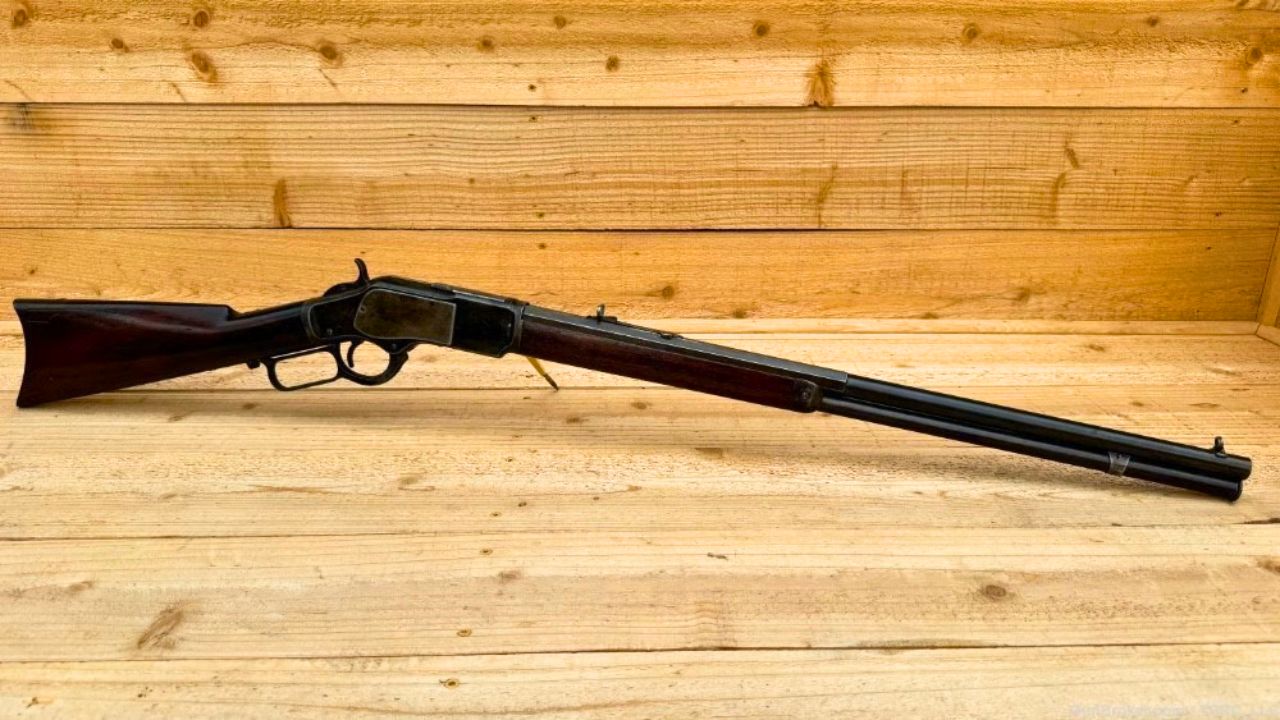
The 1873 is pure history, but it’s also a reminder that repeaters changed everything. In common pistol calibers, it’s smooth and fast, and there’s a reason cowboy-action shooters beat on these designs for thousands of rounds.
For practical use today, it’s more of a fun-gun or a nostalgia rifle than a hard-use tool. Still, the old-timers knew a good manual action can be both fast and reliable when you get the geometry right.
6. Winchester Model 1886
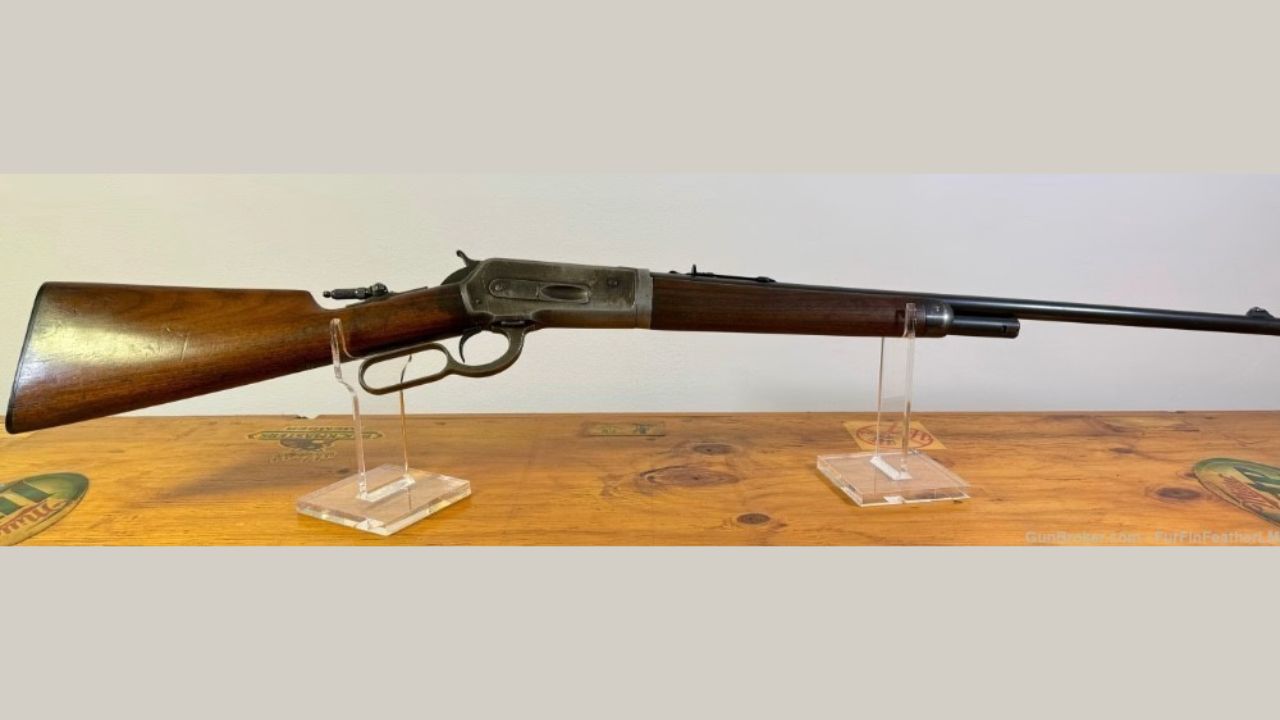
The 1886 is where you start seeing lever guns meant for heavier work. Big-bore chamberings, lots of steel, and a stout action that feels like it was built by people who expected it to be used, not admired. It’s not the rifle you grab when you want light and handy.
But for those who like thumpers, it’s a classic for a reason. The recoil can be real, depending on the load, yet the rifle’s weight and balance help keep it manageable.
7. Marlin Model 1895 (Guide Gun and variants)

There’s a reason you keep seeing short Marlin .45-70s in bear country. They hit hard, they carry well, and in thick brush they make more sense than folks admit. A Guide Gun is not subtle, but it’s comforting in the kind of places where the brush is louder than the wind.
They can be a little rough around the edges depending on the era, and not every shooter enjoys .45-70 in a light rifle. Still, if you need that cartridge in a lever action, this is the lane it owns.
8. Marlin Model 1894
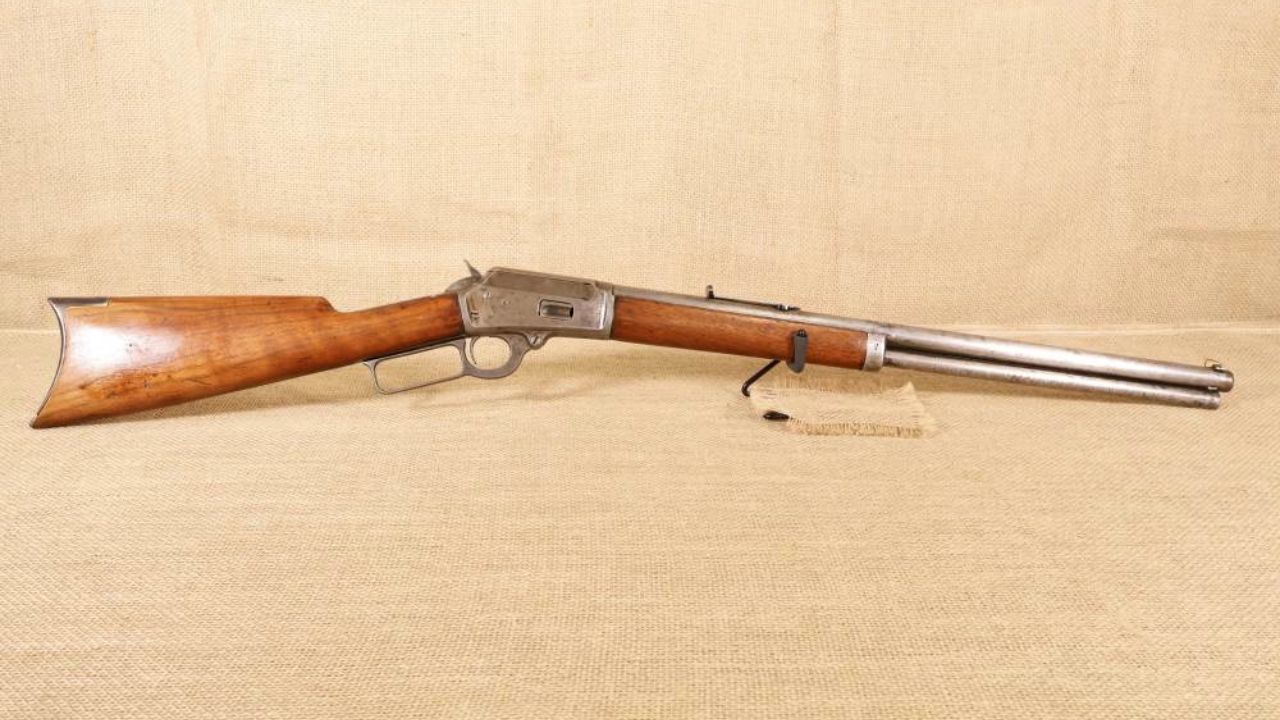
The 1894 is the pistol-caliber Marlin that makes a “walkabout rifle” feel like a real concept. In .357 or .44 Mag, it’s the kind of gun you grab for the back forty, trapping lines, or just checking fence with a little extra confidence.
They also tend to shoot better than you’d expect with the right load. Ask me how I know: it’s hard to stop shooting one once you start.
9. Savage Model 99

The Savage 99 is the lever gun for guys who want something different and smarter than a tube magazine. Its rotary magazine design let it handle spitzer bullets safely, which mattered when other lever guns were stuck with flat- or round-nose options.
They balance well and feel “rifle-like” in a way some carbines don’t. Parts and servicing can be more of a hunt these days, but the design was ahead of its time.
10. Browning BLR

The BLR is a modern lever that doesn’t pretend it’s 1894. Detachable box magazine, stronger lockup, and chamberings that stretch into real deer-and-elk territory. If you want a lever gun that plays in the same ballistic world as bolt guns, this is the argument.
It’s not cheap and it’s not as simple inside as the classics. But it runs, it shoots, and it gives you lever handling with modern cartridge flexibility.
11. Henry Big Boy Steel

Henry built a reputation on smooth actions and decent fit and finish, and the Big Boy Steel is the version I like when a rifle is going to be carried and used. It’s not a featherweight, but the weight helps with recoil in .357 and .44.
What stands out is how friendly it is to new shooters. The controls make sense, the action is slick, and it’s the kind of rifle you can hand to a buddy without a ten-minute lecture.
12. Henry X Model
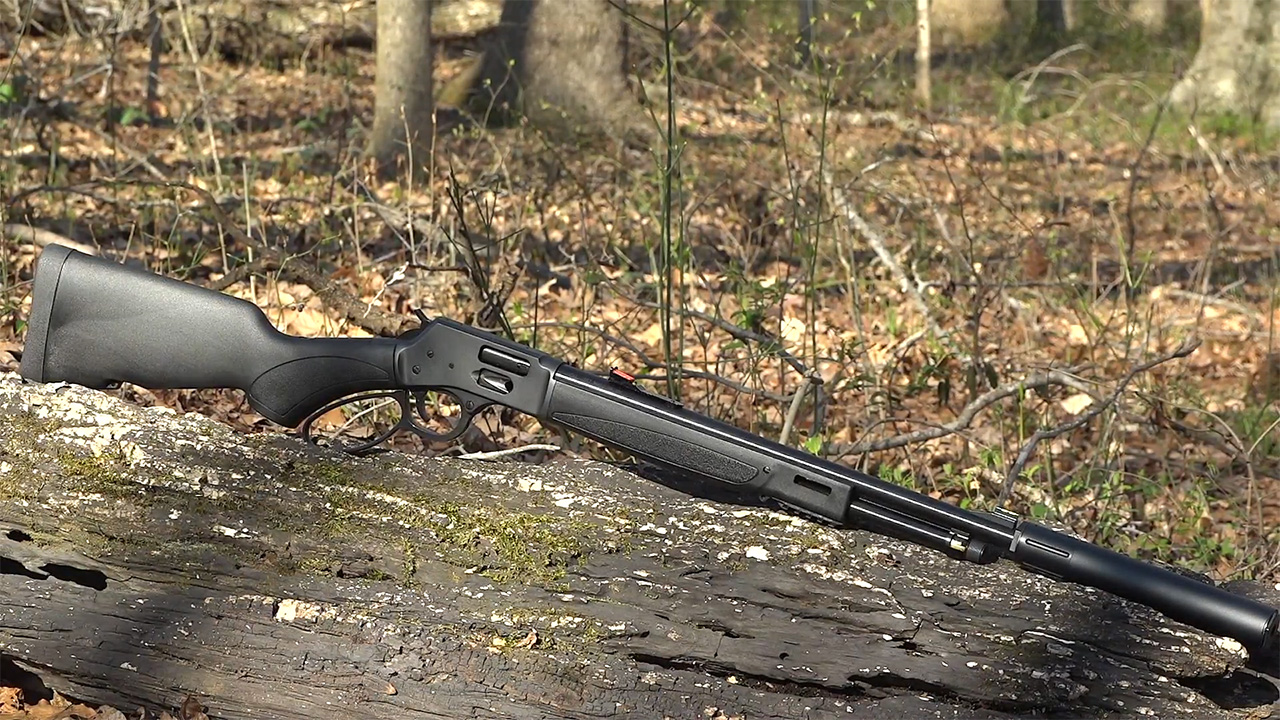
The X Model is Henry admitting that people actually use lever guns in the real world, with lights, optics, and sometimes a suppressor where legal. The furniture is tougher, the vibe is more utilitarian, and it’s built around being a working rifle, not a showpiece.
Some traditionalists hate that look. I get it. But if you hunt hogs at night or want a lever gun that lives behind a truck seat in bad weather, the old-timers would understand the “tool first” idea.
13. Rossi Model 92
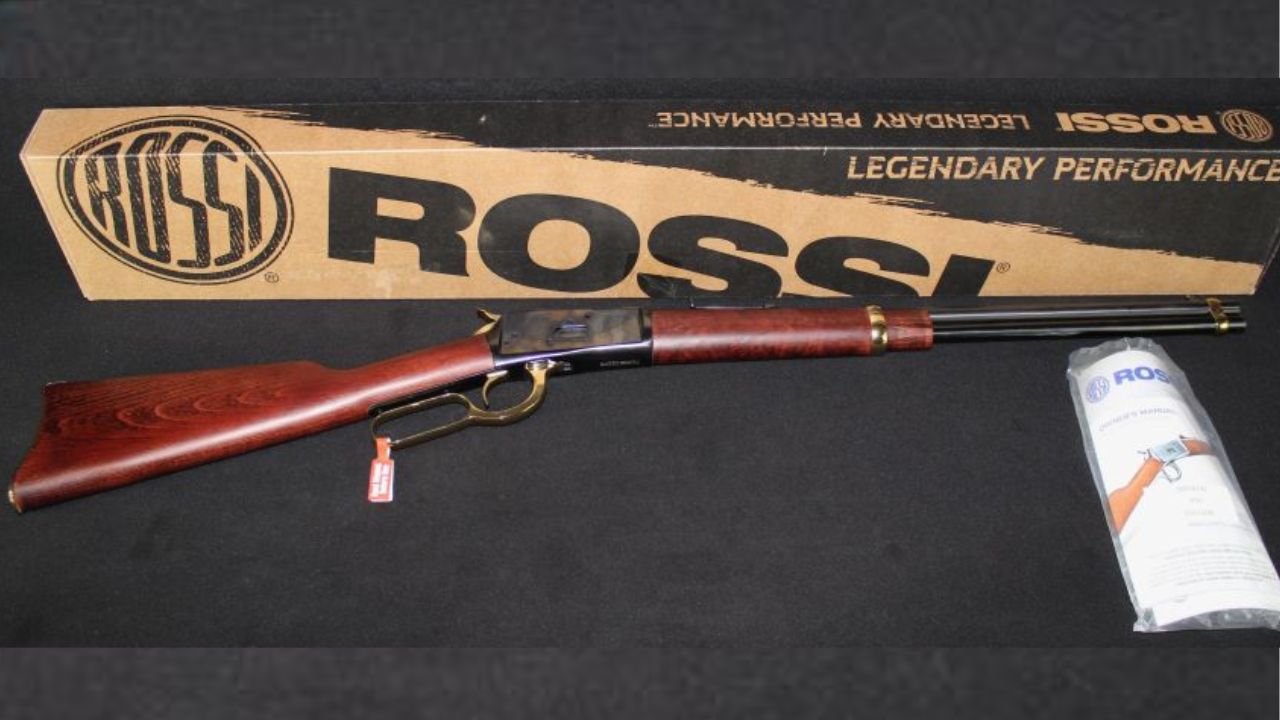
Rossi 92s are the blue-collar entry into the 1892 pattern. Are they all perfect out of the box? No. Some feel stiff, some have rough spots, and you need to inspect what you’re buying. But the core design is solid, and plenty of them run for years with basic care.
They’re a good reminder that not everybody in history could afford top-shelf, but they still needed a rifle that worked. A budget lever gun that actually functions is an old story.
14. Uberti 1873
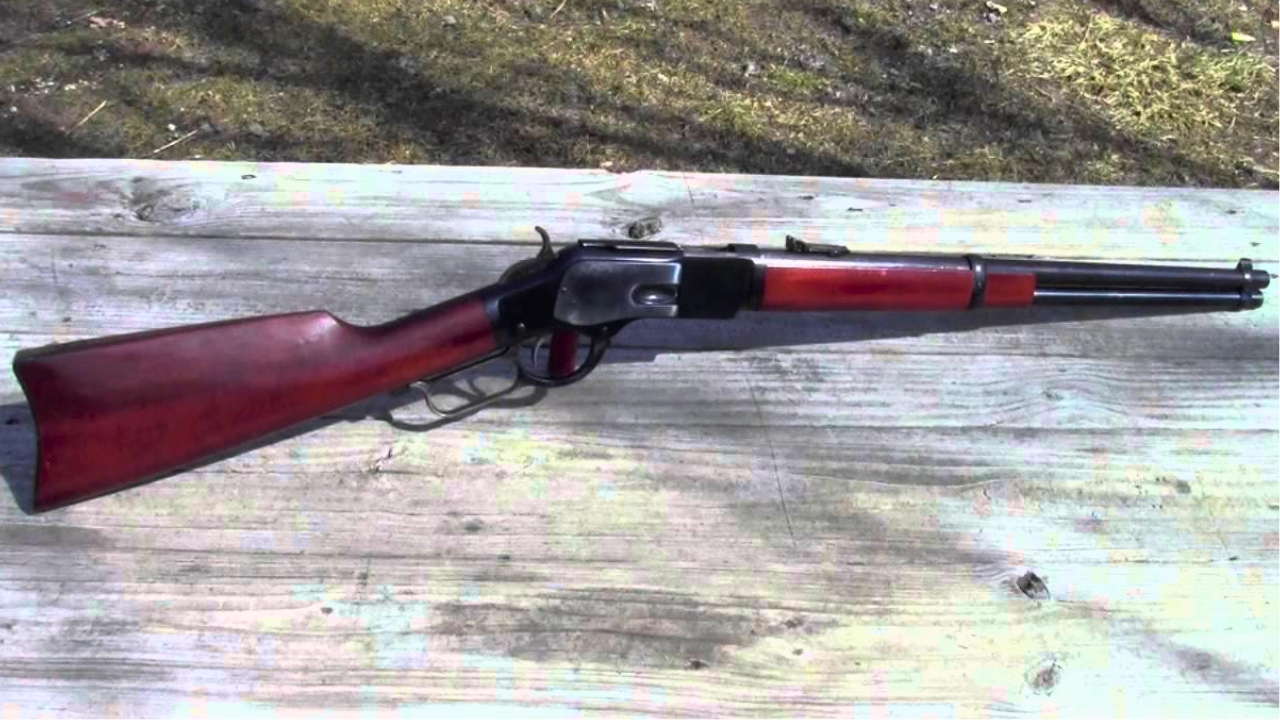
Uberti has kept the 1873 style alive with guns that look and feel right. If you want that classic profile with better availability than many originals, these scratch the itch. They tend to be smooth, and the finish work is usually a step above what you’d expect from a “just for fun” rifle.
For hunting, it’s still a pistol-caliber proposition, and range matters. But for steel targets, small property chores, and plain enjoyment, it’s hard to argue with the charm.
15. Marlin Model 39A

The 39A is one of those .22s that turns casual shooters into lever-gun people. It’s accurate, it’s well-made, and it’s the kind of rifle families pass down because it never stops being useful. Squirrels, cans, camp meat—this rifle has done it all.
They’re getting expensive, which hurts. But that’s what happens when a simple, durable design earns a reputation over generations.
16. Winchester Model 9422
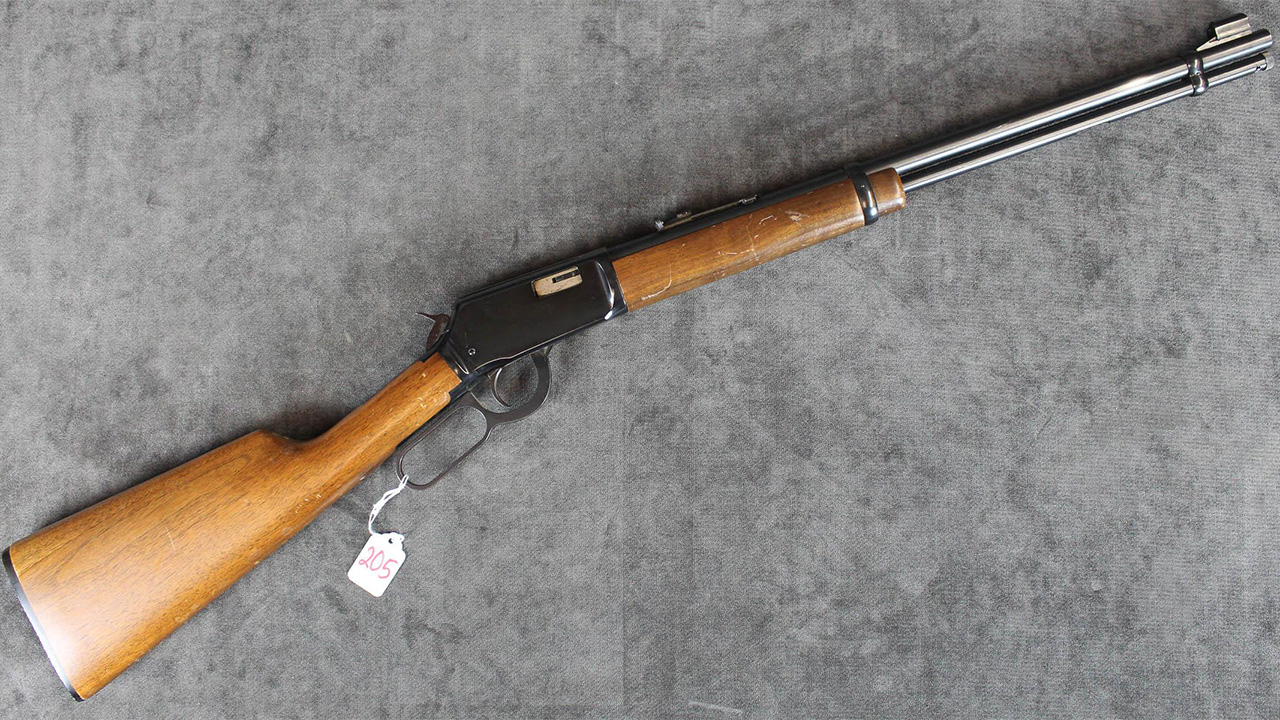
The 9422 is another rimfire lever that feels like a “real rifle” scaled down, not a toy. It cycles clean, it carries light, and it’s one of the best ways to teach fundamentals without boredom. If you ever owned one and let it go, that one hurts.
They’re not as easy to find at reasonable prices anymore. Still, for a .22 lever that feels like quality steel and walnut, it’s hard to beat.
17. Winchester Model 88

The Model 88 is a lever gun that thinks it’s a bolt gun, and I mean that as a compliment. It runs a detachable magazine and locks up strong, giving hunters access to more modern cartridges in a lever format. It doesn’t cycle like a traditional tube-fed carbine, but it carries well and shoots flat.
They’re not for everybody, and they can feel “different” if your muscle memory is all 94s and 336s. But it’s another example of old designers solving real limitations instead of accepting them.
18. Remington Model 14
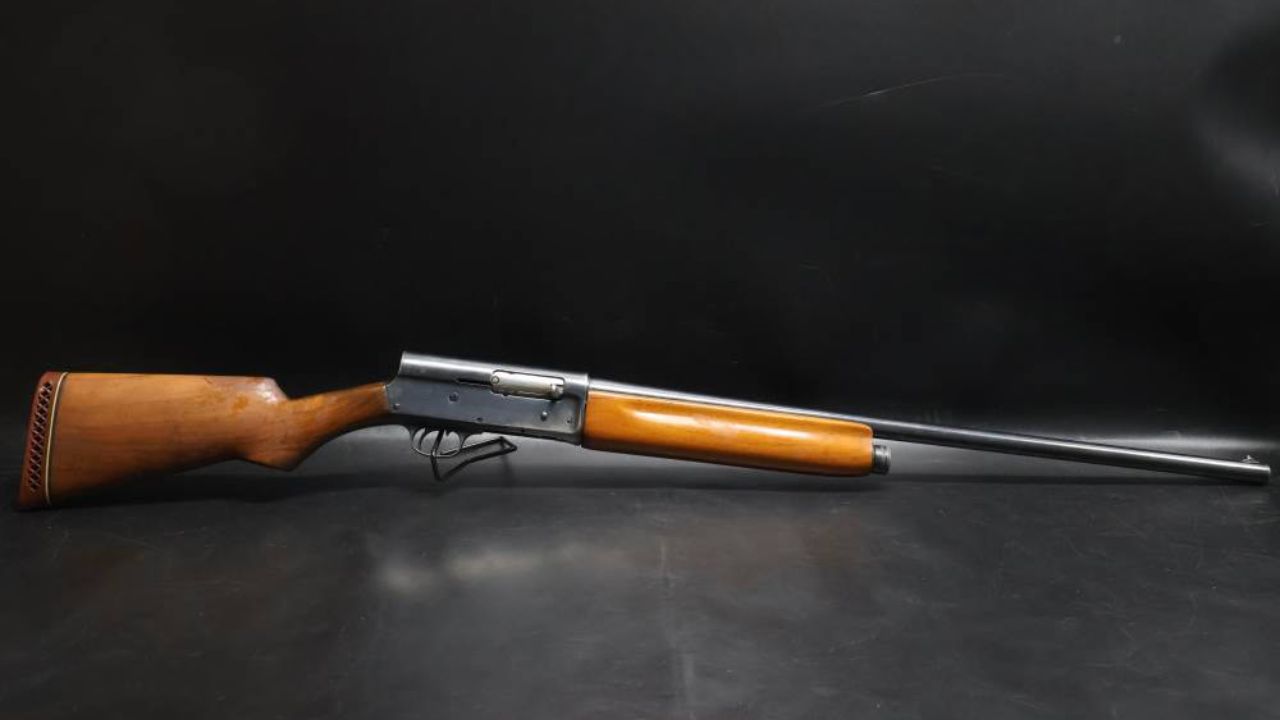
The Model 14 is one of those rifles you don’t see until you do—and then you start noticing them everywhere in old photos. Remington’s pump rifles get more attention, but the lever versions had their own following, especially in the eastern woods where quick handling mattered more than long-range anything.
They’re vintage now, and you’re buying condition more than anything. But the way they carry and the way they come up on target is pure practical hunting DNA.
19. Marlin Model 444
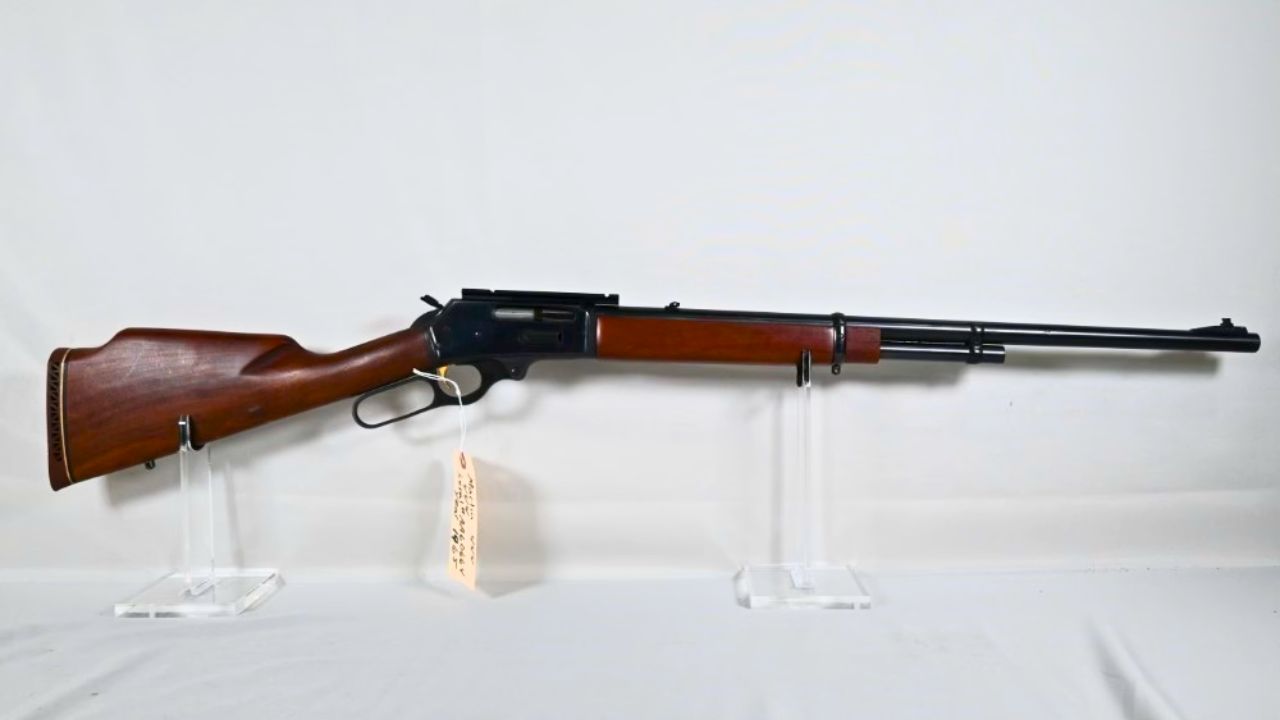
The .444 Marlin isn’t trendy, and that’s part of the appeal. It hits hard, shoots flatter than many expect inside normal hunting ranges, and it’s effective on big-bodied deer and black bear with the right bullets. Recoil is noticeable, but it’s not the punishment some folks imagine.
Ammo availability can be a headache in lean times, and it’s not as common as .30-30 or .45-70. Still, the concept—big frontal area in a fast-handling lever—wasn’t guesswork.
20. Winchester Model 71
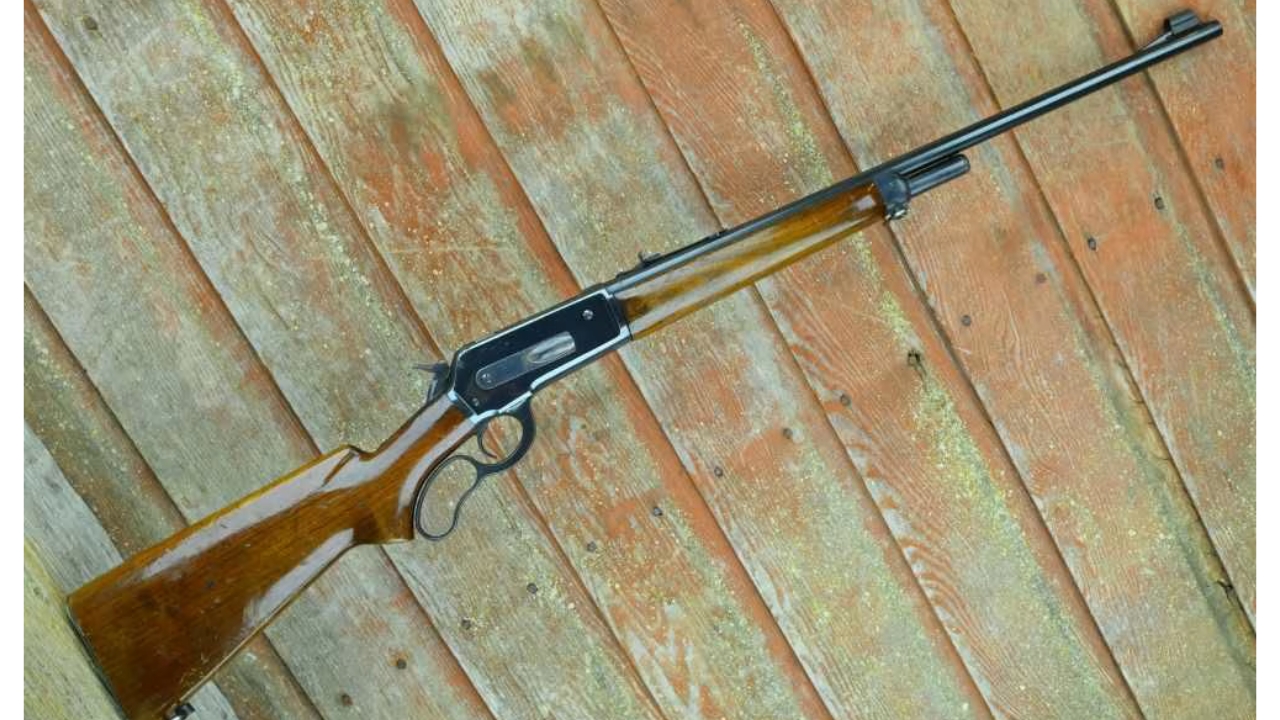
The Model 71 is a classic big-game lever gun that sits in that sweet spot of power and handling. It’s substantial without being clumsy, and it was built for hunters who wanted something serious before “magnum” became a marketing word.
You don’t buy one because it’s convenient. You buy one because it feels like a real hunting rifle from an era when rifles were expected to last a lifetime, and then some.
Lever guns aren’t magic, and they’re not the answer to every problem. But when you look at the models that stuck around—and the designs that keep getting copied—it’s hard not to respect the decisions that were made back then. They built rifles that carry easy, run hard, and make sense in the kind of hunting most of us actually do.
Like The Avid Outdoorsman’s content? Subscribe to our newsletter so you never miss an article.
Here’s more from us: