Photo credit: LMPark Photos/Shutterstock.com
A bargain gun feels great at the counter. The sticker is low, it looks the part, and you tell yourself you’ll “upgrade later” if you need to. The problem is that “later” shows up fast. A lot of budget guns aren’t bad because they’re cheap. They’re bad because they push you into spending money in little chunks—extractors, magazines, sights, triggers, springs, rails, mounts, and the stuff you buy after you’ve already bought the gun.
Experienced shooters learn a hard rule: the cheapest gun is rarely the cheapest path. If you have to replace the weak links to make it run the way you want, you can end up paying mid-tier money for a budget platform. Sometimes that’s still worth it. But if you’re buying the gun because it’s “a deal,” these are the kinds that can turn into surprise projects.
Remington 870 Express

An 870 looks like a forever gun, and many are. Certain Express guns, especially from rougher production years, can feel like bargains until you start fixing little issues that shouldn’t be there. A common complaint is a rough chamber that makes fired shells stick, which sends you down the path of polishing or replacing parts to get smooth extraction.
Then you start upgrading what you thought you wouldn’t care about. The extractor, the magazine follower, the springs, and sometimes the furniture all end up on the “to-do” list. None of that makes it a bad shotgun, but it adds cost fast. The frustrating part is that you bought it because it was supposed to be the affordable pump that “always works.” When you’re paying for fixes and upgrades right away, the bargain feeling disappears.
Remington Model 700 ADL
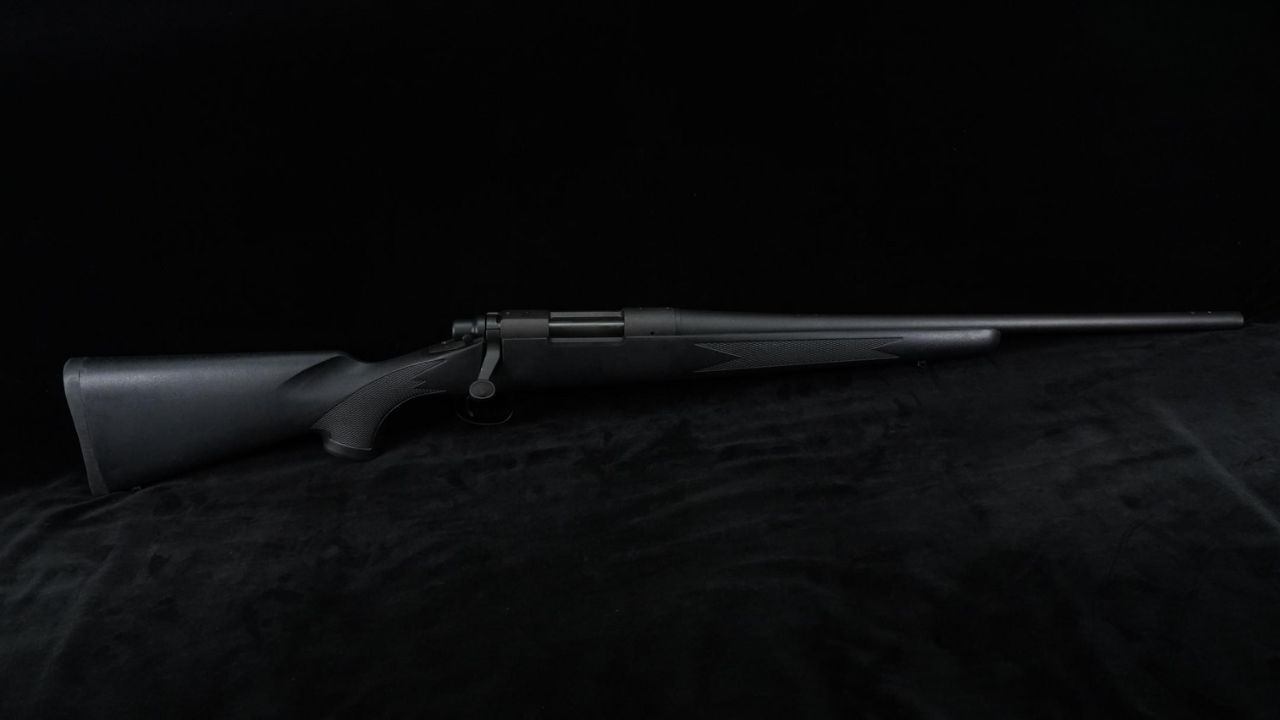
A basic 700 ADL can look like the smart way to get into a classic action for less money. Then you start chasing consistency and realize the factory stock and bottom-end setup can push you into upgrades quickly. If the stock is flexible or the bedding isn’t helping, you can end up replacing the stock long before you planned.
Once that happens, the spending snowballs. You may add a better trigger, upgrade the scope base and rings, and start tinkering with action screw torque to keep the rifle predictable. The action itself can be solid, but the “cheap” version often nudges you toward turning it into the rifle you wanted in the first place. By the time you’re done, you’re sometimes into it for what a nicer rifle would’ve cost from the start.
Century Arms WASR-10
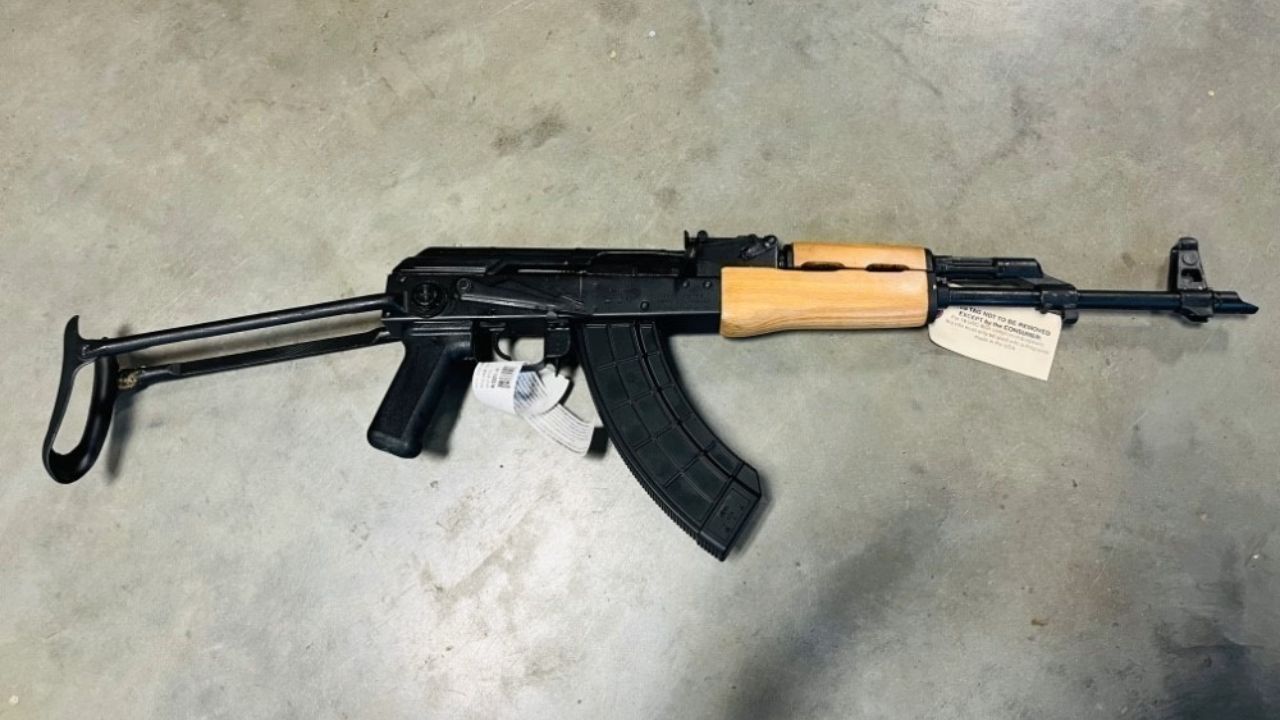
A WASR-10 often feels like the least expensive way to get a real AK that runs. And many do run. The cost creep shows up when you start making the rifle feel right. It’s common to replace furniture, upgrade the sights or optic mounting solution, and start sorting magazines because fit and lockup vary.
If the rifle came with rough edges or less-than-ideal setup, you may also end up addressing things like the trigger feel or adding small parts that improve handling. None of this is required to shoot it, but most owners don’t leave a bargain AK alone. The rifle works, then you start chasing comfort and usability. Once you buy the stock set, optic mount, sling setup, and a pile of mags that actually fit well, that “cheap AK” isn’t so cheap anymore.
SKS (surplus rifles)
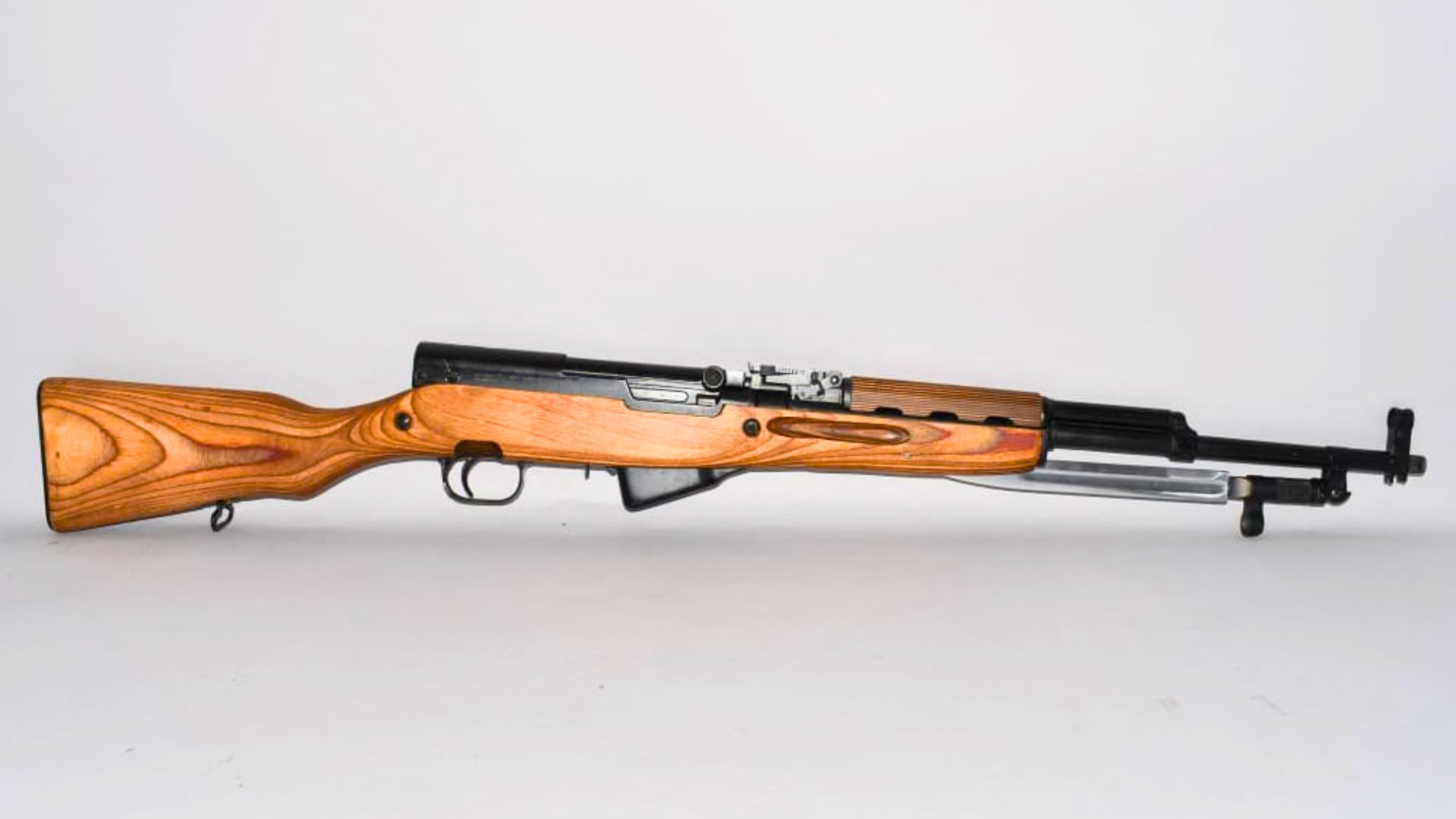
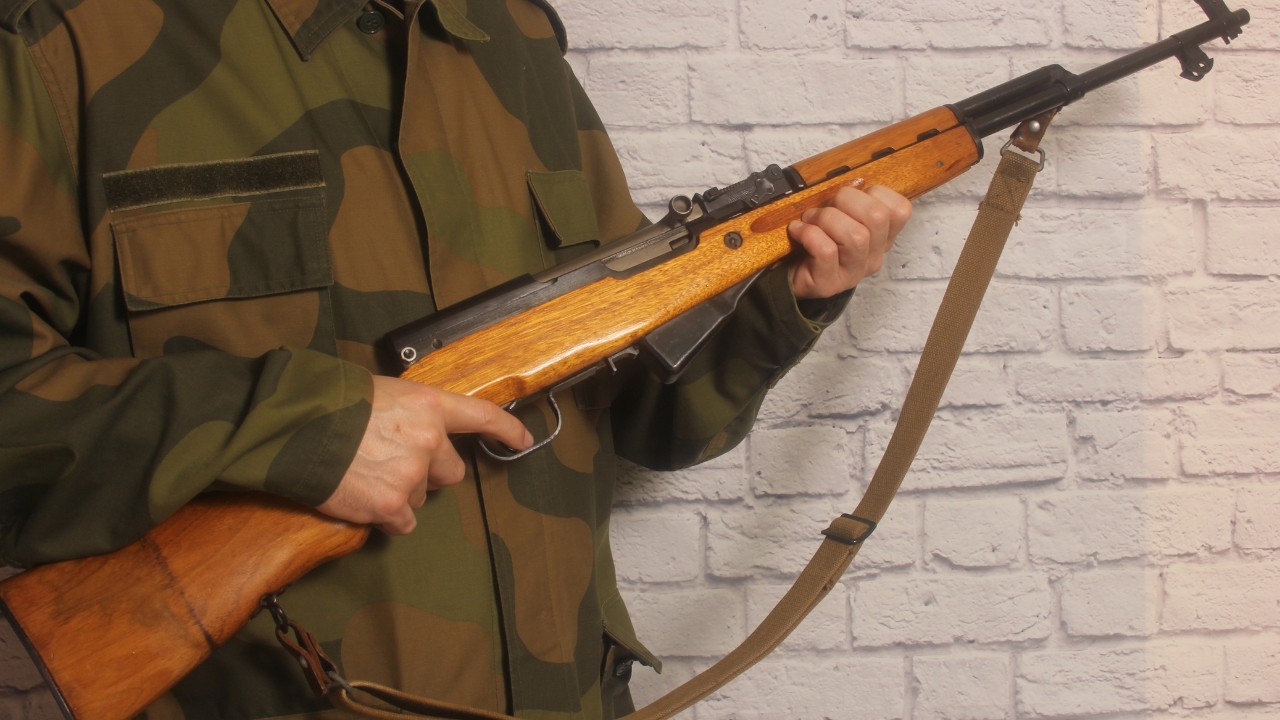
Surplus SKSs can be a fantastic value, but they can also become “cheap until you fix it.” You’re often dealing with old springs, unknown maintenance history, and rifles that need a full cleaning and inspection to be trustworthy. If you’re buying one because it’s affordable, the parts and time can surprise you.
A common path is replacing tired springs, upgrading wear parts, and sorting feeding issues depending on the rifle’s condition. If you start adding aftermarket mags or accessories, the spending can get silly fast—and it doesn’t always improve reliability. Many SKSs are best kept close to original, but even then, you may end up buying replacement parts to make it run like it should. The rifle can still be a deal, but it’s not always the “buy it and go shoot” experience people imagine.
Ruger 10/22 (factory configuration)

The 10/22 is affordable and it works, which is why it’s everywhere. It also has a reputation for turning into a parts list. You buy it cheap, then you start chasing better reliability, better accuracy, and better ergonomics. Before you know it, you’ve replaced the extractor, upgraded magazines, swapped the trigger parts, and started looking at barrels.
The trap is that each upgrade feels reasonable on its own. You’re not buying “a new rifle,” you’re buying a small part. But those small parts add up quickly, and the 10/22 market makes it easy to keep spending. The funny part is that you can end up with an incredible rifle—after paying far more than the original price tag. If you’re disciplined, it stays a bargain. If you’re not, it’s the friendliest money pit in rimfire.
Kel-Tec Sub-2000

The Sub-2000 feels like a bargain because it gives you a folding 9mm carbine for not much money. Then you start living with it. Many owners quickly want better sights, a more comfortable charging handle, and upgrades that make the gun easier to shoot well. The base gun works, but the experience often pushes you toward changes.
Once you start adding parts, the math changes fast. Sights, optic mounts, recoil buffers, and comfort upgrades can pile up. The goal is usually to make the gun less awkward and more consistent. And that’s fair—it’s a compact folding design, so compromises are baked in. But if you bought it because the price was low, you can end up spending enough to make you wonder if you should’ve started with a different carbine in the first place.
Budget 1911s (especially lower-end imports)
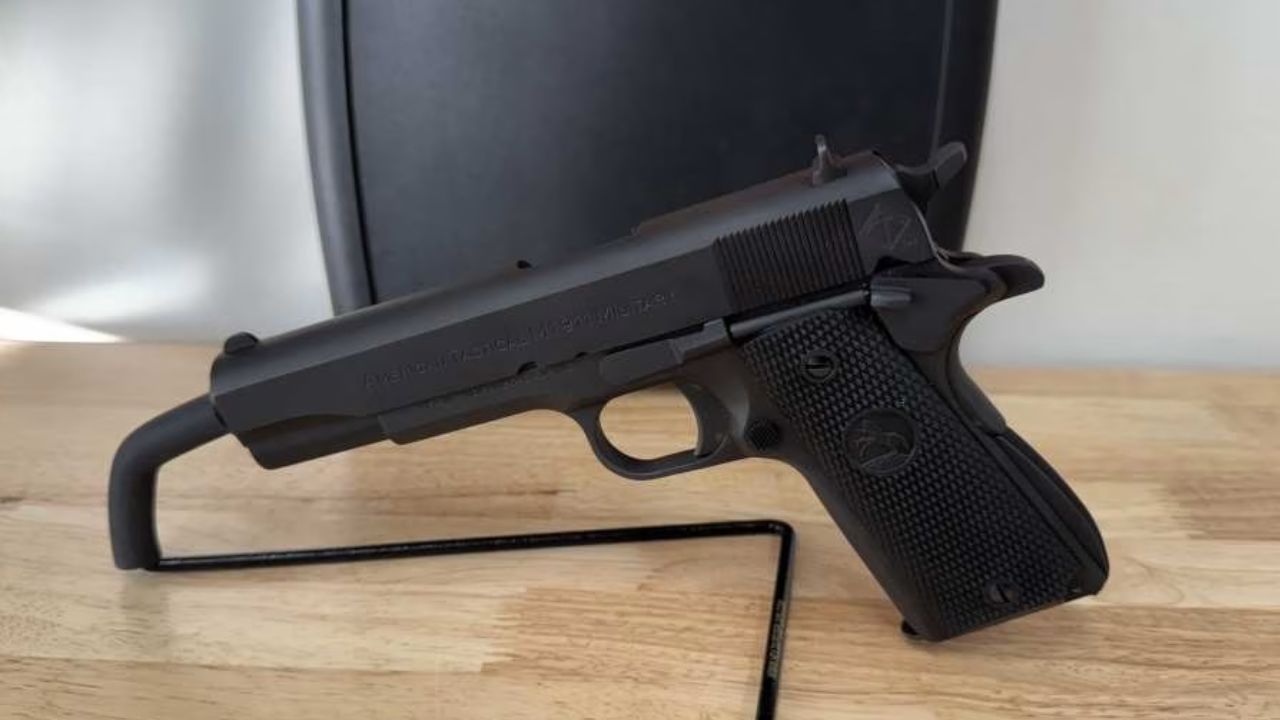
A cheap 1911 feels like you beat the system. You got the classic look and feel without paying classic money. The problem is that lower-end 1911s can push you into replacing parts sooner than you’d like—extractors, magazines, springs, and small internals that affect reliability and consistency.
The 1911 is also a platform where “it runs” and “it runs like it should” are two different things. You may find it works with ball ammo but gets picky with defensive loads. That leads to trying different mags, tuning extractor tension, swapping recoil springs, and eventually replacing parts you didn’t plan on touching. Some budget 1911s are fine. Others can turn into ongoing projects. Either way, the platform rewards quality parts, and quality parts cost money.
Taurus G3 / G3C

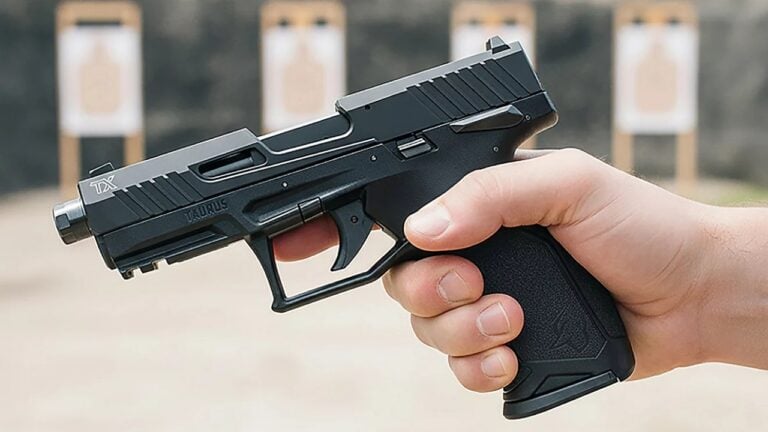
The G3 and G3C can feel like excellent deals because the feature set looks strong for the money. Many owners have good experiences. The cost creep comes when you start changing the things that help you shoot better or trust it more—often sights first, then magazines, then small parts if you’re trying to refine the gun.
Even if the pistol runs fine, shooters often want better sights than what comes from the factory, and that upgrade alone can erase a big chunk of the “savings.” Add in a holster, extra mags, and any tweaks you make to improve the trigger feel, and the price gap shrinks quickly compared to more mainstream options. The G3 series can still be a value, but it’s a good example of how “cheap” turns into “I’m upgrading everything anyway” if you’re picky about performance.
SCCY CPX-2

The SCCY pistols are priced to move, and that’s the appeal. You can get into a carry-sized handgun for a low cost, which feels like a win. The issue is that many owners end up replacing things around the gun to make it work for them—especially magazines and accessories—while still dealing with a trigger and shootability that may not encourage practice.
If you’re trying to set it up like a serious carry pistol, you can burn money on holsters, mags, and troubleshooting time. Even when the gun runs, the overall experience can make you want to “fix” it into something it isn’t. That’s where the bargain starts slipping away. It’s not that everyone has problems. It’s that the value proposition depends on you being okay with the gun as-is, and many shooters aren’t once they start running drills.
Hi-Point C9
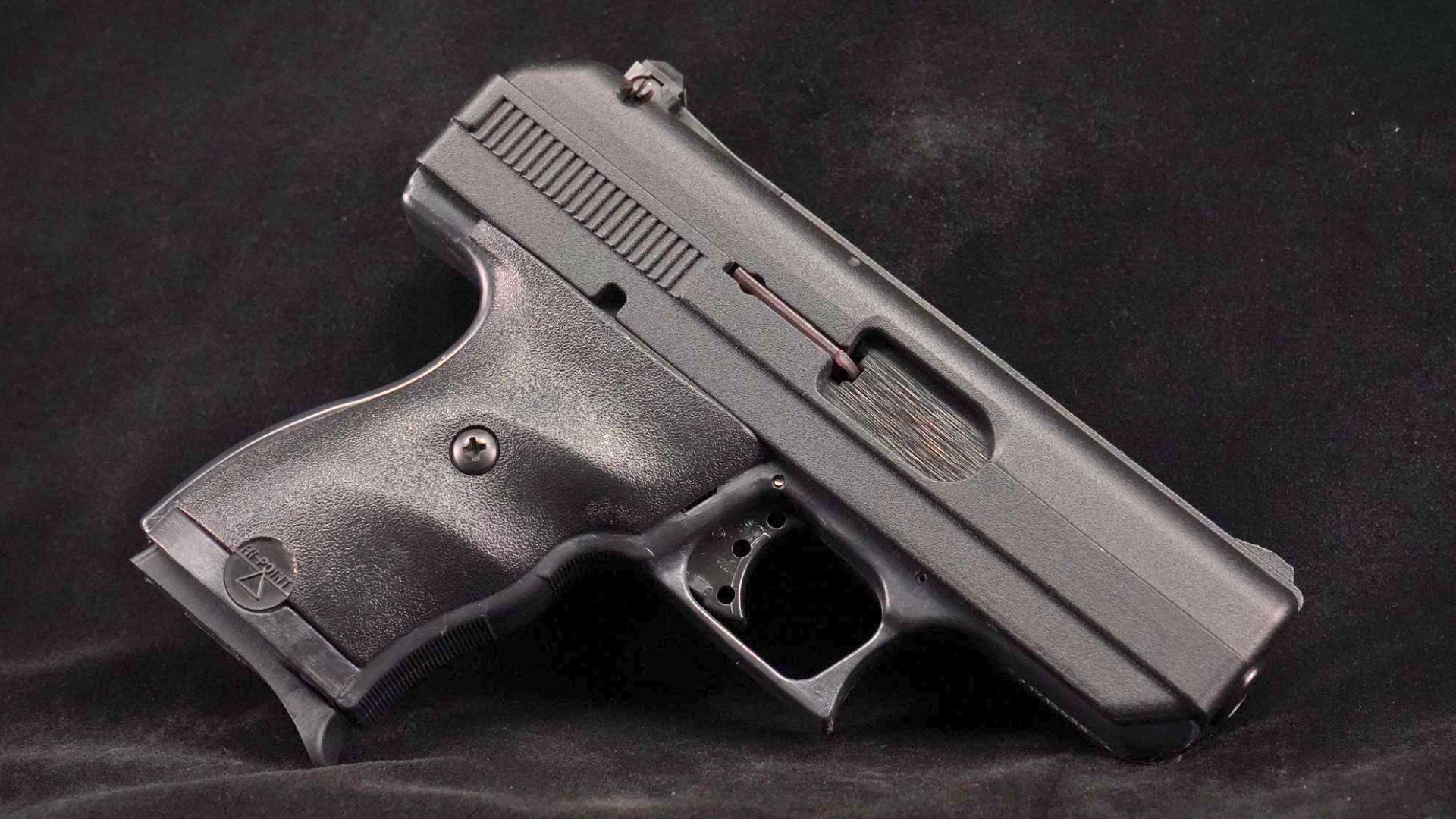
A Hi-Point is honest about what it is: big, heavy, and cheap. Many of them run, and plenty of people respect them for that. The hidden cost comes when you start trying to make it fit a role beyond “it goes bang.” Holsters, magazines, and usability upgrades can be harder to source, and you may end up replacing things simply to make the setup practical.
The other issue is that if you start swapping parts or trying to refine the gun, you’re often fighting the platform. The gun’s bulk and ergonomics aren’t going away. So you spend money and still don’t end up with what you really wanted. It can still be a functional firearm, but it’s a classic case of a low entry price that can turn into wasted spending if you try to force it into being a different class of pistol.
Ruger EC9s

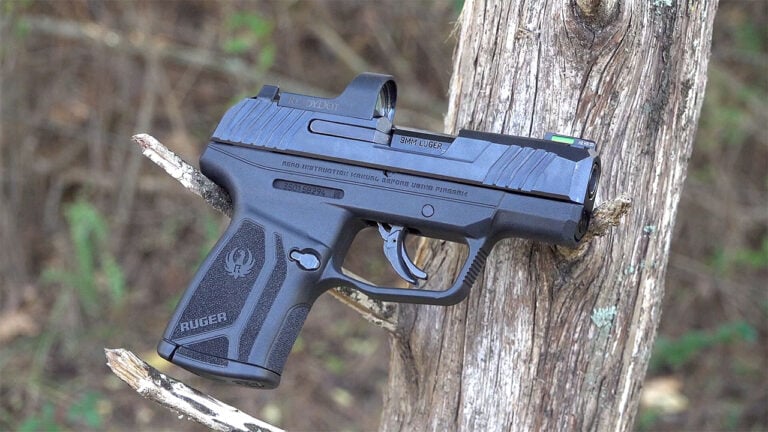
The EC9s can look like a smart budget carry option from a respected brand. The cost creep often starts with sights and shootability. The pistol is compact, and compact pistols already demand more from you. If the sights aren’t what you want, or the trigger feel makes you work harder, you may start spending to “correct” the experience.
Then come the practical carry costs: extra magazines, a good holster, and sometimes small tweaks to make the gun more comfortable to run. None of that is unique to this pistol, but the EC9s is often bought because it’s affordable. Once you pile on upgrades and support gear, you can end up close to the price of pistols that are easier to shoot well from the start. It’s a decent gun, but it can lose its bargain edge quickly.
PSA AR-15 (entry-level builds)

A basic PSA AR can be a great value, and plenty run fine. The reason it ends up on lists like this is how often “entry-level AR” turns into “I’m replacing half of it.” People buy the rifle because it’s cheap, then immediately swap triggers, handguards, stocks, grips, charging handles, and muzzle devices.
Some of that is preference. Some of it is fixing weak points, depending on the specific build. Either way, ARs are customization magnets, and entry-level rifles invite the most “upgrading.” It’s not hard to double your original spend in small purchases. If you want a basic rifle and you keep it basic, it’s a deal. If you’re the type who can’t leave anything alone, an entry-level AR is the fastest path from bargain to “I could’ve bought a nicer rifle.”
Mossberg Patriot
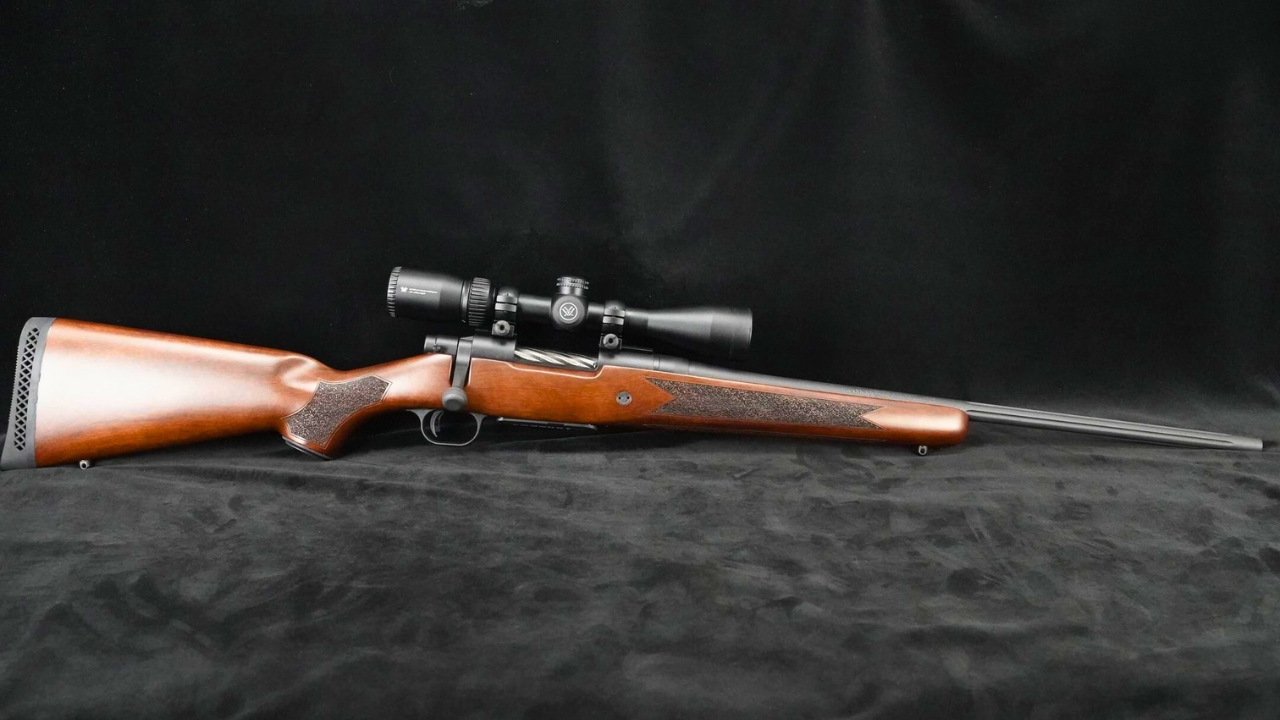
The Patriot often sells on price, and that’s fair. It’s an affordable way into a hunting rifle. The cost creep shows up when you start trying to make it feel more consistent and comfortable. Stocks, triggers, scope bases, and rings become part of the conversation quickly—especially if you’re chasing tighter groups and a steadier shooting experience.
Even when the rifle shoots acceptably, many owners still upgrade the things that affect confidence. A better recoil pad, a sturdier stock, or higher-quality mounting hardware can change the whole experience. The catch is that you bought it because it was inexpensive. Once you start replacing the parts that make it feel “cheap,” the bargain fades. You can end up with a solid rifle, but you’re no longer in bargain territory by the time you’re done.
Savage Axis

The Savage Axis is a common starter rifle because it’s affordable and it often shoots better than people expect. The hidden cost is how frequently owners end up upgrading the stock and trigger feel, especially if the goal is consistent accuracy and comfortable shooting. The factory setup can work, but it can also feel like it’s holding the rifle back.
Once you swap a stock or improve the trigger, you start investing real money. Then you add better rings, a better scope base, and you’re into it deeper than the original price suggested. The Axis can still be a value if it shoots well and you leave it alone. But a lot of shooters don’t. They start building it into a “real rifle,” and by the time they get there, they’ve spent enough that buying a higher-tier rifle up front would’ve been the cleaner move.
Like The Avid Outdoorsman’s content? Be sure to follow us.
Here’s more from us: