Photo credit: Dmytro Zinkevych/Shutterstock.com
Short-range rifle loads have their place, but some of them run out of steam a lot faster than you’d like. They deliver plenty of energy up close, which makes them useful in the right context, but if you stretch them past 150–200 yards, accuracy and terminal performance start falling apart. Knowing where a load shines and where it struggles keeps you from taking shots that won’t finish the job cleanly. These are the ones that hit like a hammer at 50 but lose their punch as the range opens up.
.44 Magnum

The .44 Magnum out of a rifle delivers impressive energy inside 75 yards, especially for deer or hog-sized game. Pairing it with a lever-action gives you a fast-handling setup that can drop animals cleanly in thick woods. At close ranges, its heavy bullet and wide diameter do serious work, even if you don’t place the shot perfectly.
But stretch it past 100 yards and you’ll see why it’s not ideal for open-country hunting. The bullet starts dropping fast, and wind can push it off target more than you’d expect. By the time you hit 200 yards, you’re losing both accuracy and impact energy. The .44 Magnum is great inside its comfort zone, but it’s not built for longer shots.
.30-30 Winchester
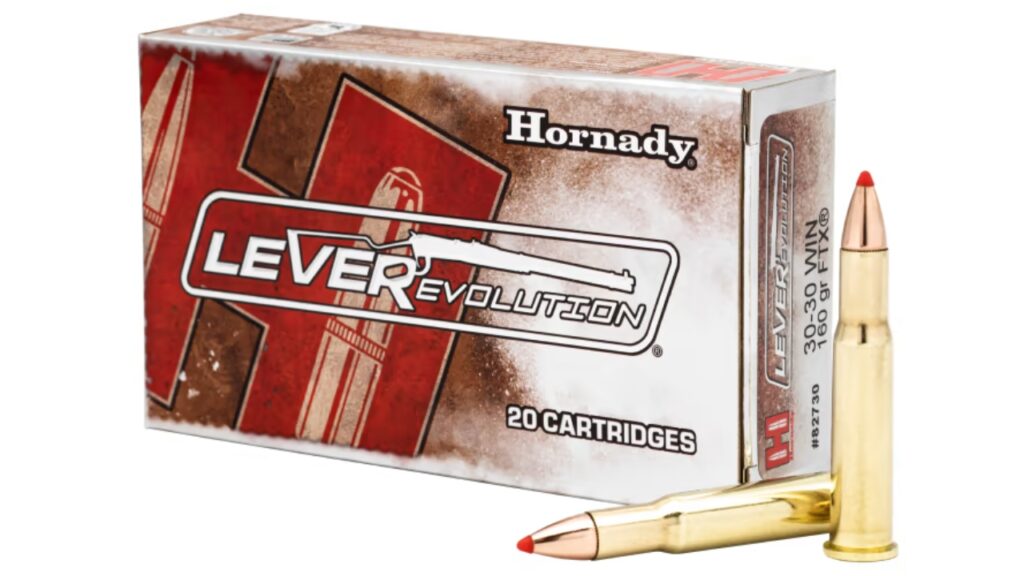
The .30-30 Winchester has put more venison in freezers than nearly any other caliber, but it’s always been a close-range tool. At 50 to 100 yards, it hits hard and delivers enough expansion to bring deer down quickly. That’s why it’s still a go-to for brush country and thick timber hunts.
Past 150 yards, though, the limitations show. The flat-nose bullets traditionally loaded in lever guns bleed velocity fast, and drop becomes a problem you can’t ignore. While modern ammo has stretched its usefulness a bit, it’s still not a caliber you want to trust at 200 yards unless conditions are perfect. If your hunting grounds give you short shot windows, the .30-30 shines. Beyond that, it starts to feel underpowered.
.45-70 Government (Standard Loads)
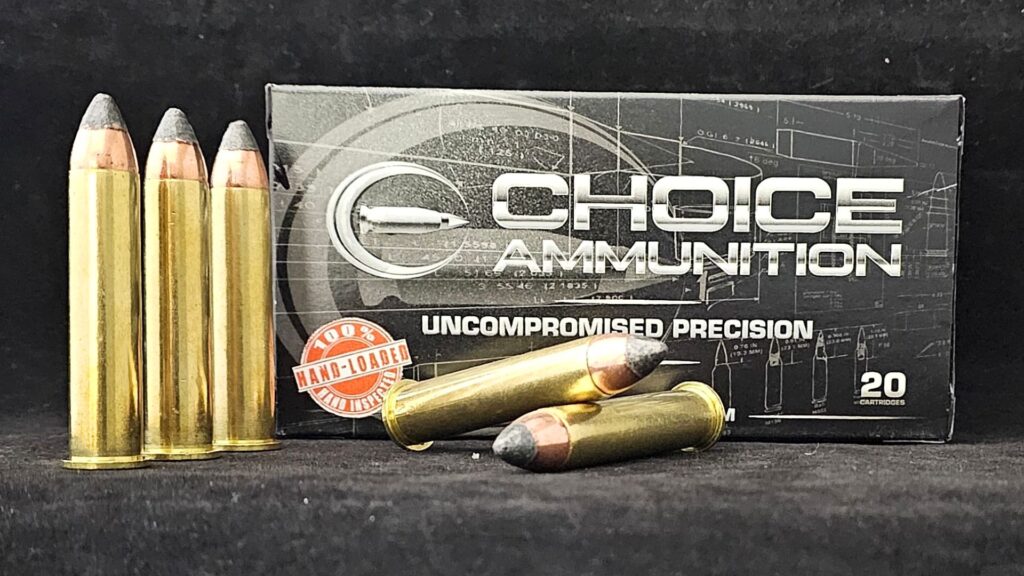
With traditional loads, the .45-70 Government can deliver massive stopping power inside 75 yards. Out of a lever gun, the heavy bullets carry incredible momentum that’ll flatten even tough game like hogs and black bear at close distances. It’s one of those cartridges that gives you confidence in thick brush where you know shots won’t be long.
But once you try to stretch those standard loads past 150 yards, things fall apart. The bullet trajectory looks more like an arc, and by 200 yards, drop and energy loss make clean kills less likely. Hotter modern loads can stretch the range, but the old-school versions are really made for up-close shots. It’s devastating in its zone, but don’t treat it like a long-range round.
.357 Magnum

In a rifle, the .357 Magnum gains extra velocity compared to a revolver, and that makes it a legitimate short-range hunting round. At 50 yards, it can handle deer-sized game with the right load, especially soft points that expand well. It’s accurate and easy to shoot, making it a fun option for plinking or close-quarters hunting.
The problem shows up when you try to push it past 100 yards. The bullet slows quickly, and energy drops to the point where clean kills on medium game aren’t reliable anymore. By 200 yards, accuracy and terminal performance both suffer. It’s a great woods round, but not something you want to rely on in open fields where long shots are the norm.
.450 Bushmaster
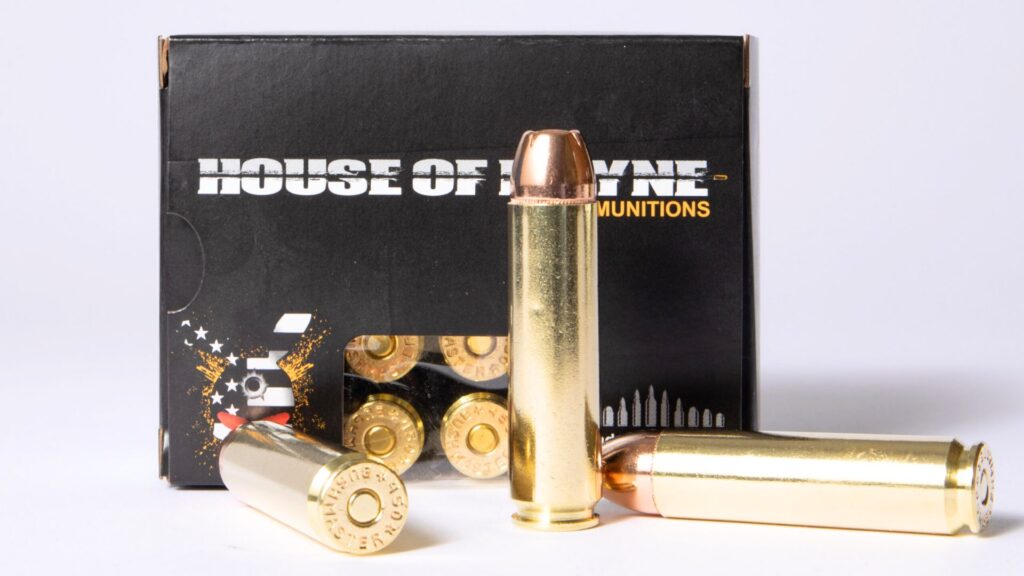
The .450 Bushmaster was designed for states with straight-wall cartridge restrictions, and it does exactly what it’s supposed to do inside 150 yards. At 50 yards, it’s devastating, delivering heavy bullets with massive energy transfer. Hunters use it successfully on everything from whitetails to hogs when ranges are short.
Once you pass 200 yards, though, the round starts showing its weaknesses. The trajectory is steep, and energy drops off fast compared to bottleneck rifle rounds. While it hits hard at close range, it’s simply not made for long-distance hunting. If your area forces you into straight-wall calibers, it’s a solid option—but don’t expect it to carry like a .308 or 6.5 Creedmoor.
.35 Remington
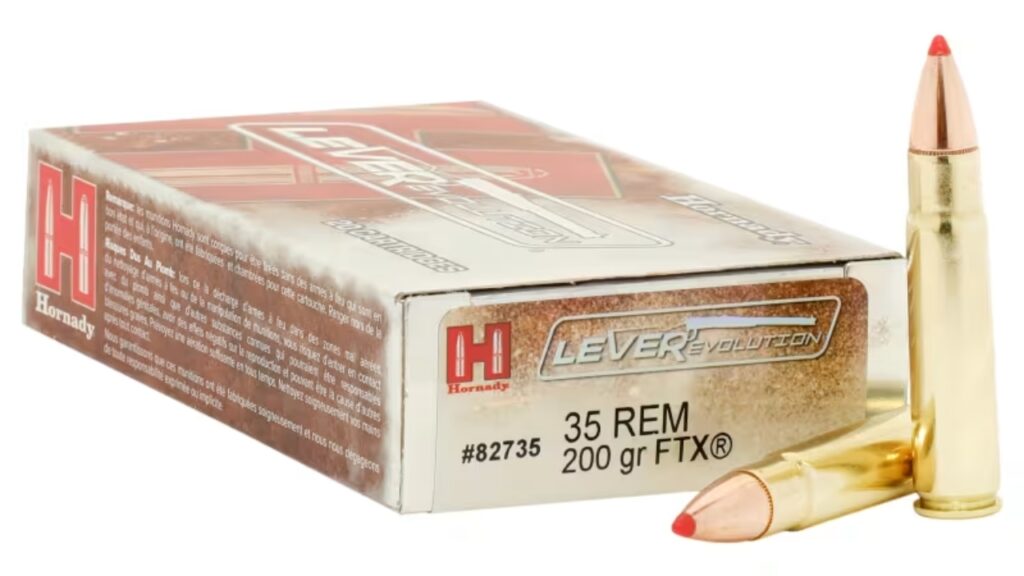
The .35 Remington has been around for over a century and still works well in the thick stuff. Inside 100 yards, it’s highly effective on deer and black bear, offering more punch than the .30-30 with heavier bullets. It’s a cartridge that still gets respect among hunters who spend time in dense woods.
At 200 yards, however, the story changes. Its trajectory isn’t flat enough, and energy loss becomes a problem. While it’s better than pistol calibers, it’s not enough for longer shots across fields or clearings. The .35 Remington continues to hold value for those who hunt inside its limits, but it’s not the caliber you want when you need extended range.
.450 Marlin
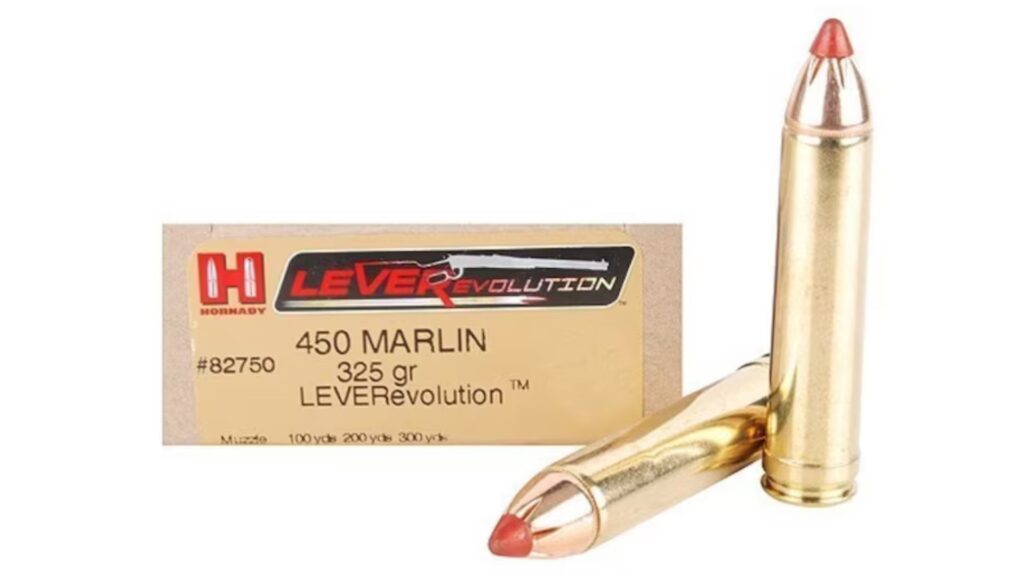
The .450 Marlin gives you stopping power in spades at close distances. It’s a hard-hitting cartridge that excels on large, tough game when you’re hunting inside 100 yards. Its heavy bullets plow through bone and muscle with authority, making it a favorite for hunters in thick timber or brush country.
The drawback comes when you stretch it further. Past 150 yards, drop and wind drift become noticeable. By 200 yards, even if the bullet lands, energy levels are significantly reduced. The .450 Marlin thrives on short-range stopping power, but it’s not designed for precision at longer distances. Respecting its limits ensures you get the best out of it without risking a bad shot.
.32 Winchester Special
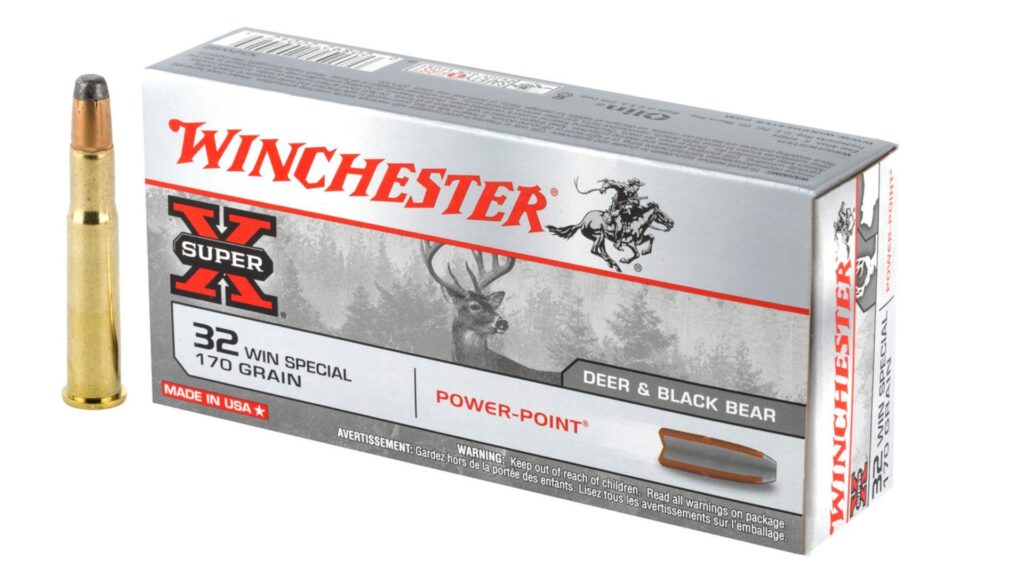
The .32 Winchester Special never gained the popularity of the .30-30, but it works much the same way. At close range, it delivers enough punch for deer and similar-sized game, especially in brushy hunting environments. Its recoil is manageable, making it comfortable to shoot in lever-action rifles.
Like the .30-30, its range limitations are obvious. Beyond 150 yards, the bullet loses velocity quickly, and trajectory becomes steep. Accuracy and terminal effect both suffer past 200 yards, making it a poor choice for long-range hunting. If you keep it inside its effective range, it’s a reliable round, but it’s not versatile enough for open-country shots.
.444 Marlin

The .444 Marlin was designed to deliver big-bore power from a lever-action, and at 50 to 100 yards, it certainly delivers. It hits hard, with enough momentum to take down tough animals like hogs or bear. For hunters who prefer short shots in heavy cover, it does its job extremely well.
Push it further, though, and the shortcomings appear. Beyond 150 yards, drop and loss of energy make it difficult to place clean, effective shots. By 200 yards, it feels underpowered compared to more modern rifle cartridges. The .444 Marlin thrives in its close-range niche but isn’t the load to grab when you expect longer-range encounters.
.300 Blackout (Supersonic Loads)

The .300 Blackout has earned popularity for its versatility, especially in AR platforms. Supersonic loads hit hard inside 100 yards, making them effective for deer or hog hunting in dense environments. The round was designed for short barrels and suppressed setups, and it performs well in those roles at close distances.
Where it falls short is beyond 200 yards. Supersonic loads lose velocity and energy quickly, and accuracy can become questionable compared to traditional rifle rounds. While it has its place for short-range hunting and tactical use, it’s not the cartridge you want when the hunt demands long-range performance. Inside its limits, though, the .300 Blackout gets the job done.
*This article was developed with AI-powered tools and has been carefully reviewed by our editors.