Photo credit: Vitaly V. Kuzmin – CC BY-SA 4.0/Wiki Commons
Wind exposes weak setups fast. It also exposes weak cartridge choices. A round can look flat and fast on paper, then start drifting more than you’d like the moment a crosswind gets serious. If you hunt open country, shoot steel past ordinary woods ranges, or spend time behind a rifle in prairie, canyon, or bean-field conditions, you learn quickly that wind is where bullet shape and consistency start mattering more than raw speed alone.
The cartridges that stay steady when the wind gets ugly usually share the same strengths: efficient bullets, enough velocity to stay useful downrange, and proven real-world load options that don’t force you into guesswork. None of them make wind disappear. What they do is give you more room for error when your call isn’t perfect. That matters a lot more than bragging about muzzle speed.
6.5 Creedmoor

The 6.5 Creedmoor stays consistent in wind because it pairs mild recoil with efficient bullets that hold onto speed well. That combination lets you spot impacts, stay in the scope, and correct quickly when your wind call is a little off. In practical shooting, that matters as much as the cartridge itself.
It also benefits from broad factory support. You can find loads built around high-BC bullets without digging through niche catalogs, and that makes the Creedmoor easy to run well without handloading. It’s not the fastest thing on the list, but it doesn’t need to be. It performs because the bullets are efficient and the recoil stays manageable enough that you can actually use the cartridge’s advantages instead of fighting the gun.
6.5 PRC
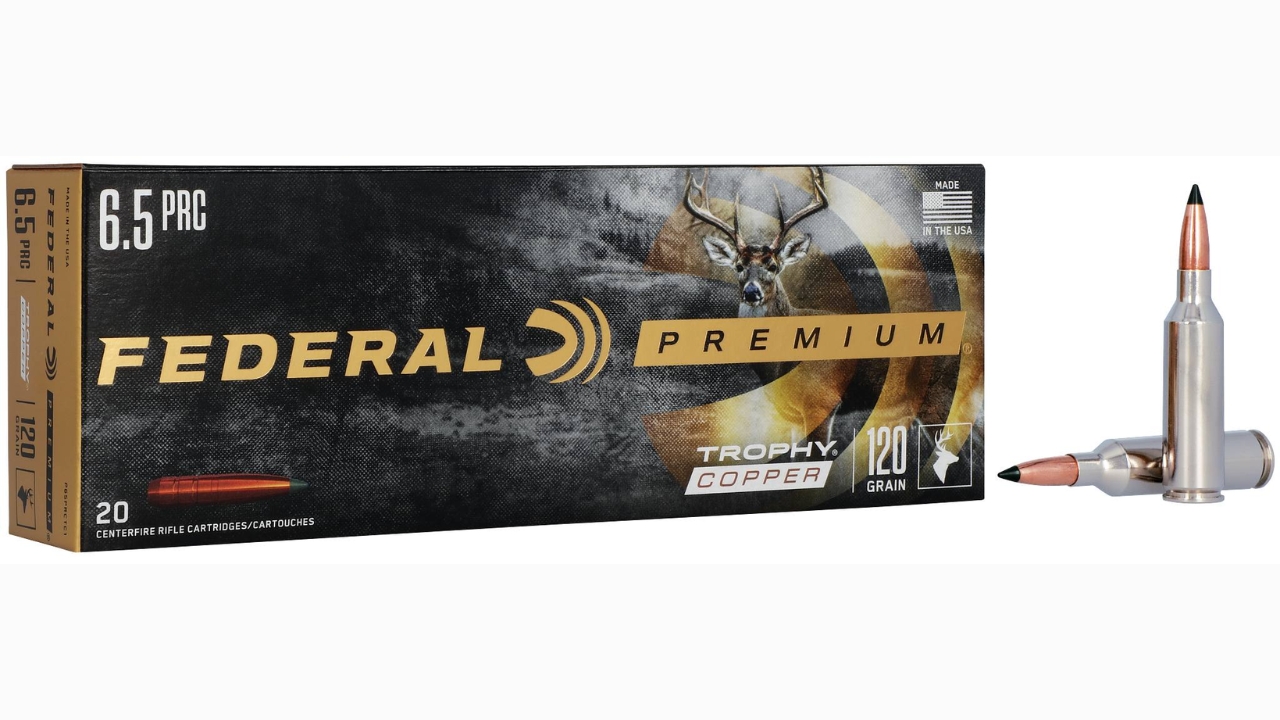
The 6.5 PRC takes the same general bullet strengths that make the Creedmoor work and adds more velocity. That extra speed helps tighten up wind drift, especially once you stretch distance and the wind starts getting weird halfway to the target. It gives you a little more margin without forcing you into big-magnum recoil.
That balance is why it’s become popular with hunters and shooters who spend time in open country. You get strong long-range behavior with bullets that already resist wind well, and you do it in a package that’s still shootable in a practical rifle. It’s not soft like a Creedmoor, but it’s far easier to manage than the harder-kicking magnums that chase similar downrange results with a lot more punishment.
.260 Remington

The .260 Remington stays steady in wind for the same reason other good 6.5s do: efficient bullets and practical velocity. It doesn’t get as much attention now, but the formula still works. When you launch sleek 6.5 bullets at useful speeds, the wind has less opportunity to shove them around than it does with blunter, lighter options.
The .260 also has the advantage of being pleasant to shoot. Lower recoil helps you stay disciplined, which matters when you’re holding edge in a stiff crosswind and trying not to over-correct. It may not have the same mainstream factory momentum as the Creedmoor, but in the field and on steel, it still behaves like a cartridge that understands what matters in wind: hold speed, carry a good bullet, and don’t beat the shooter up.
6.5×55 Swedish Mauser

The 6.5×55 keeps proving that “old” doesn’t mean outdated. With the right bullet, it carries many of the same wind-friendly traits that made modern 6.5s popular in the first place. Good sectional density, efficient bullet shapes, and a smooth shooting nature add up to a cartridge that holds its own when the breeze starts working against you.
It won’t outrun newer hot-rod rounds, but it doesn’t need to if you stay inside sane distances and pick quality loads. A cartridge that’s easy to shoot well tends to produce better wind calls because you’re not flinching or losing the rifle in recoil. That’s part of wind consistency too. The 6.5×55 is a reminder that efficient bullets and calm manners were solving this problem long before newer names hit the market.
6mm Creedmoor

The 6mm Creedmoor can be excellent in wind because it launches sleek, high-BC bullets at strong speeds while keeping recoil light enough for you to stay on the gun. That makes it a favorite in the kind of shooting where fast correction matters. If you can see the miss or the splash, you can fix it faster.
The caution is that it depends heavily on bullet choice. Run the right long-for-caliber bullets and it hangs in wind better than many people expect from a 6mm. Run the wrong bullet and the advantage shrinks quickly. In the right setup, though, it’s one of the best examples of a cartridge that blends low recoil with serious downrange manners. That’s a hard combination to beat when the wind gets difficult.
.243 Winchester

The .243 Winchester can stay surprisingly steady in wind when you use modern, efficient bullets instead of thinking of it as only a light deer cartridge. With the right load, it can hold its own far better than its age and reputation suggest. It’s not magic, but it’s better than many shooters give it credit for.
Part of the reason is simple: it’s easy to shoot well. Lower recoil helps you maintain position, watch impacts, and keep your confidence together when you’re making wind calls under pressure. The .243 doesn’t offer the broadest heavy-for-caliber options compared to some newer 6mm cartridges, but with the right bullet, it still gives you a very useful balance of manageable recoil and respectable wind resistance. That’s why it refuses to become irrelevant.
7mm-08 Remington

The 7mm-08 stays consistent in wind because 7mm bullets tend to offer a strong mix of sectional density and aerodynamic efficiency without demanding magnum recoil. In practical rifles, that means you can run a cartridge that bucks wind better than many old-school hunting rounds while still shooting it comfortably and accurately.
It also helps that the 7mm-08 lives in short-action rifles that are often compact and easy to handle. When the wind is ugly, shooting comfort matters because it keeps your fundamentals from unraveling. The 7mm-08 isn’t a long-range stunt cartridge, but it performs honestly at the distances where real hunters and practical shooters spend their time. In that role, it remains one of the smarter, steadier choices you can make.
.280 Ackley Improved

The .280 Ackley Improved handles wind well because it launches efficient 7mm bullets at enough speed to matter without forcing you all the way into the heavier recoil of the big 7mm magnums. That gives you a very practical sweet spot: strong downrange performance with recoil most experienced shooters can still manage in a hunting rifle.
That matters when the wind is unpredictable. If you can stay settled behind the rifle and call your shot, the cartridge’s ballistic edge becomes something you can actually use. The .280 AI also gives you access to a deep pool of quality 7mm bullet designs, which is part of why it performs so well in open country. It’s not the cheapest option, but it’s one of the most balanced answers for wind without overdoing recoil.
7mm Remington Magnum

The 7mm Remington Magnum has stayed relevant because it does a lot of things well, and wind is one of them. With the right bullet, it carries speed and resists drift better than many standard hunting cartridges. That’s why it still shows up in open country where crosswinds are part of the deal, not a surprise.
The trade is recoil. Unlike the softer rounds on this list, the 7mm Rem Mag asks more from you, and that matters if you don’t practice enough. Still, when you do your part, it gives you real downrange stability. It’s a classic for a reason: the bullet selection is strong, the velocity is useful, and the cartridge has decades of field proof behind it. In bad wind, that combination still earns respect.
7mm PRC

The 7mm PRC was built around the modern reality that shooters want high-BC bullets to work properly from factory rifles, and that design goal shows up in wind performance. It launches sleek 7mm bullets at serious speeds, which gives it a strong edge when the crosswind starts leaning hard on the shot.
It also makes practical sense for shooters who want more wind stability than the mild 6.5s offer without jumping straight to larger .30-caliber magnums. Recoil is real, but it’s still more manageable than some of the heavier options that chase the same performance. If you’re shooting in big country and want a cartridge designed around modern long bullets that stay honest in the wind, the 7mm PRC is one of the clearest purpose-built answers out there.
.270 Winchester

The .270 Winchester handles wind better than people sometimes assume, especially with the right modern bullets. It’s not the newest thing on the rack, but it carries enough velocity to matter and can shoot flatter than many “old” cartridges people compare it to. In normal hunting distances, that still translates to dependable performance in crosswinds.
Where it gives up ground is bullet selection compared to newer 6.5 and 7mm favorites built around heavier, sleeker projectiles. Still, the .270 remains more capable in wind than its age suggests, and it does it with recoil most hunters can live with. If you already shoot one well, there’s no reason to feel undergunned just because newer cartridges have flashier marketing. Wind still respects velocity and decent bullet design, and the .270 has both.
.308 Winchester

The .308 Winchester is not the king of wind charts, but it stays consistent because it’s predictable, widely available, and easy to shoot well with the right loads. Consistency counts for a lot when you’re dealing with ugly wind. A cartridge you understand well can outperform a theoretically better one you don’t know as thoroughly.
With heavier, more aerodynamic bullets, the .308 can hold its own inside practical distances. It won’t match the sleeker 6.5 and 7mm rounds shot for shot once you really stretch it, but it makes up ground by being easy to train with and easy to find quality ammunition for. In real life, that matters. Wind isn’t only about drift numbers. It’s also about using a rifle and cartridge combination you trust enough to make a clean correction.
.30-06 Springfield

The .30-06 stays useful in wind because it gives you flexibility. You can run heavier bullets than a .308 at practical speeds, and that helps when the wind starts pushing lighter projectiles around. It’s not a specialized long-range round, but it’s far more capable in crosswinds than people sometimes credit it for.
Its real advantage is breadth. Bullet options are deep, load choices are everywhere, and the cartridge has enough horsepower to make heavier .30-caliber bullets worthwhile. That means you can tailor it toward better wind behavior without abandoning the familiarity and availability that make the .30-06 so dependable. It won’t replace the newer wind-savvy cartridges in pure drift numbers, but for a cartridge with this much history, it still hangs in the fight extremely well.
.300 Winchester Magnum
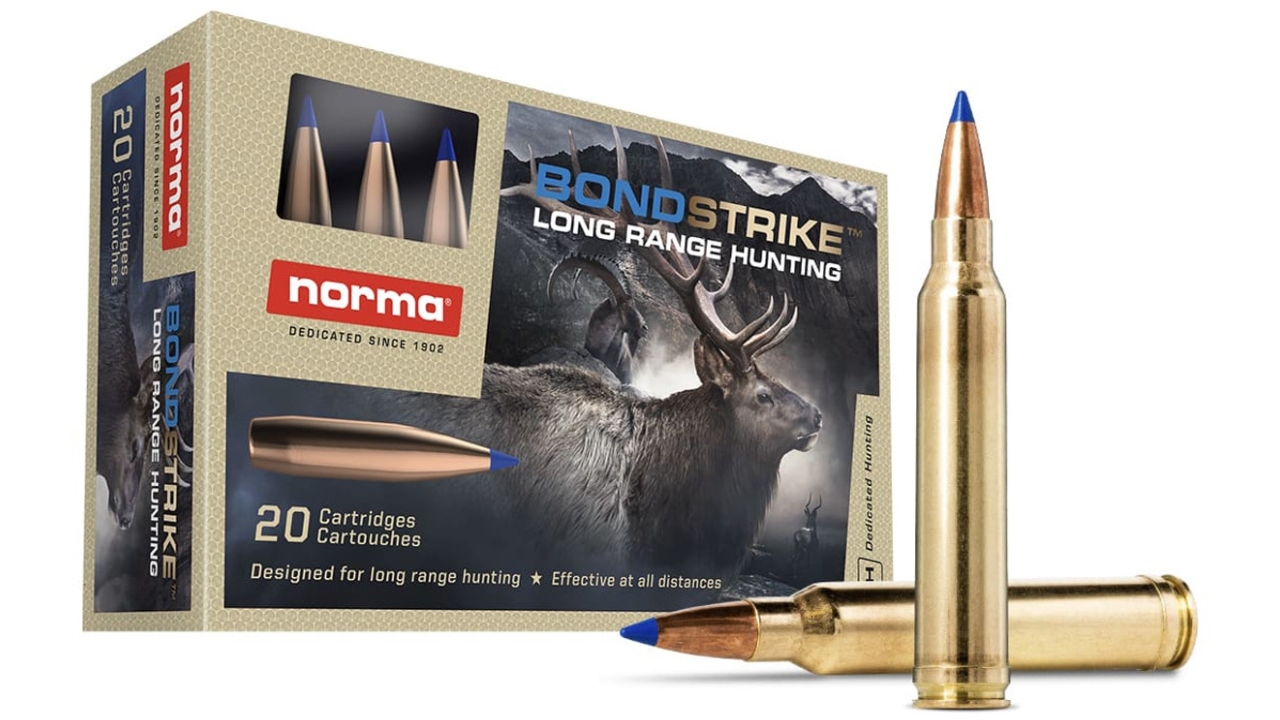
The .300 Win Mag stays consistent in wind because it combines real velocity with heavier, high-BC bullets that hold onto momentum downrange. When you need to cut wind drift and still carry enough energy for larger game at distance, this cartridge has been doing that job for a long time.
The downside is the same as always: recoil. You don’t get this kind of wind performance for free. If the rifle is too light or you don’t practice enough, you can lose the advantage because the cartridge starts controlling you instead of the other way around. But with a solid rifle, good technique, and the right bullet, the .300 Win Mag remains one of the most proven “wind gets ugly and I still need this shot to hold together” cartridges in common use.
.300 PRC

The .300 PRC was designed around long, efficient .30-caliber bullets, and that shows up clearly in wind. It holds onto speed, carries high-BC bullets well, and gives you the kind of downrange stability that matters when your wind call isn’t perfect. It’s built for serious open-country work.
Compared to older .30-caliber magnums, it often makes better use of modern bullet shapes without the same compromises in seating and case design. That’s part of why it has become a favorite for shooters who want a heavy-hitting cartridge that still behaves properly in the wind. Recoil is still significant, so you need a rifle you can shoot honestly. But if you can manage it, the .300 PRC is one of the most wind-capable mainstream cartridges in the current conversation.
.338 Lapua Magnum

The .338 Lapua Magnum is on this list because wind is one of the main reasons people step up to it. It pushes heavy, highly efficient bullets that carry momentum and resist drift in a way smaller rounds simply can’t match once you get far enough out. When the wind gets truly ugly, mass and bullet shape matter, and the Lapua brings both.
Of course, it comes with real costs: recoil, rifle weight, and expensive ammunition. This is not an everyday answer for most hunters or casual shooters. But if the question is pure wind performance at long distance, the .338 Lapua has earned its reputation. It doesn’t cheat the wind. Nothing does. It simply gives you more room to be slightly wrong and still stay in the game.
Like The Avid Outdoorsman’s content? Subscribe to our newsletter so you never miss an article.
Here’s more from us: