Photo credit: The Avid Outdoorsman
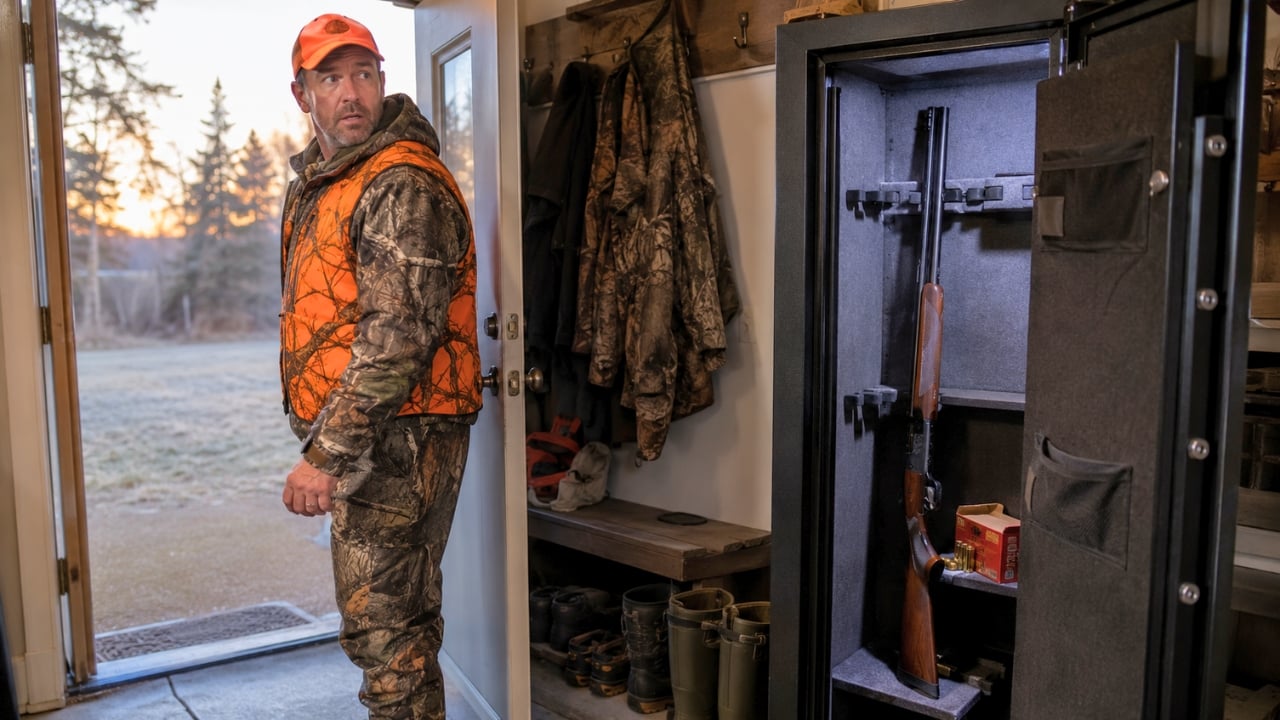
The hunter was ready in every way that did not matter.
That is the cruel part.
He had the clothes on. He had probably done the quiet morning shuffle through the house, trying not to wake everyone up while still making enough noise to sound like a man digging through a plastic tote full of camo. Boots, layers, hat, gloves, license, maybe a thermos or a snack. The whole routine was in motion.
Then he realized the shotgun and shells were still locked in the safe.
In a Reddit thread, hunters were sharing rookie mistakes, and one story landed in that painfully familiar category: getting dressed, mentally committed, and ready to hunt before realizing the most important gear never made it out the door.
That is not a small miss.
Forgetting a hand warmer is annoying. Forgetting a seat cushion makes the morning uncomfortable. Forgetting a snack makes you cranky. Forgetting the shotgun and shells means the hunt is not happening until you go back and fix the one thing that should have been impossible to forget.
And somehow, hunters still do it.
That is because the morning routine can fool you. Hunting starts long before you step outside. You check the weather. You think about the wind. You decide where you are going to sit. You dress for the temperature. You grab a pack. You run through the day in your head. By the time you are fully dressed, your brain already feels like it has completed the preparation.
But dressing like a hunter is not the same as bringing the thing you hunt with.
The safe adds another wrinkle. A lot of hunters store firearms and ammunition securely, especially if they have kids in the house or other people around. That is smart. A locked safe is a good thing. But secure storage also means the gun and ammo are separated from the rest of the gear until the final step.
If that final step gets skipped, the shotgun stays right where it is.
The hunter probably had that sick little pause when he realized it. Maybe he was already in the truck. Maybe he had already reached the property. Maybe he was still at home but fully dressed enough that the mistake felt loud. Either way, the thought is the same: you have got to be kidding me.
There is no good way to spin it.
If buddies are waiting, now you have to explain the delay. If you are hunting alone, you still have to deal with yourself, which might be worse. A man can lie to friends for a few minutes. He cannot lie to the empty gun rack in his own truck.
That is the kind of mistake that creates a permanent checklist.
Shotgun. Shells. License. Tags. Knife. Light. Calls. Boots. Those are not optional “I probably remembered” items. Those are the things that should be touched before leaving. Not thought about. Not assumed. Physically touched.
Because the brain is a liar at 4:30 in the morning.
It will tell you the shotgun is in the truck because it was in the truck last weekend. It will tell you the shells are in the side pocket because they are usually in the side pocket. It will tell you the safe was handled because you meant to handle it. Then you get where you are going and discover your confidence was built on absolutely nothing.
The funny thing is, this mistake is harmless in the grand scheme. Nobody got hurt. No bad shot was taken. No law was broken. It is embarrassing, inconvenient, and probably expensive in lost morning time, but it is not dangerous by itself.
Still, it teaches a useful lesson.
A hunter’s routine should not rely on memory alone. Especially not when gear is split between closets, safes, trucks, garages, mudrooms, packs, and last season’s jacket. Hunting has too many little pieces for “I’m sure I grabbed it” to be good enough. If the missing item can end the hunt, it needs a deliberate check.
The shotgun and shells are about as high on that list as it gets.
The hunter may have eventually laughed about it, but probably not right away. Not while standing there dressed and ready with nothing to shoot. Not while unlocking the safe again. Not while explaining why the morning was starting late. And definitely not if anyone at camp found out.
Because once hunting buddies hear that you forgot the whole shotgun, they are not going to treat that information gently.
Every future hunt comes with a reminder. “You got your gun this time?” “Need me to check the safe for you?” “You bringing shells or just good intentions?” That is the price of making a rookie mistake with witnesses.
The only way to survive it is to turn it into a system.
Before the truck leaves, touch the gun case. Touch the ammo. Confirm the right shells. Confirm the right gauge. Confirm the license. Do it every time, even when it feels silly.
Feeling silly in the driveway beats feeling stupid at the hunting spot.
Commenters treated it like a classic rookie mistake because plenty of hunters had their own version.
Several people admitted they had forgotten something just as important. Ammo, releases, boots, tags, knives, and even gun parts came up in the same kind of conversation. The thread made it clear that hunting has a way of exposing every skipped step.
A lot of hunters said secure storage is important, but it has to be built into the routine. If the gun and ammunition stay locked up until the last minute, the final check needs to include both. Otherwise, the safest gear in the world does not help much when it is still in the safe.
Others said they use the same checklist before every hunt, no matter how many times they have done it. Weapon, ammo, license, tags, light, knife, and phone are the bare minimum. If any one of those is missing, the hunt can fall apart fast.
Some commenters joked that showing up without the gun might be the most complete version of “rookie mistake” possible. At least forgetting a snack still lets you hunt. Forgetting the shotgun turns the whole outfit into camouflage cosplay.
The main lesson was simple: don’t trust the morning brain. Check the gear that matters before leaving, especially the gun and ammunition.