Photo credit: all4shooters Italiano/YouTube
A rifle can earn a loyal fan base long before it earns full trust in the field. Somebody’s buddy killed three deer with one. A forum swears it’s underrated. The brand has history. The price looks right. Before long, owners are defending every rough edge like it’s part of the charm.
Then opening morning gets cold, rushed, wet, or awkward. That’s when the little things start mattering. A stiff bolt, a clumsy magazine, a wandering zero, a heavy trigger, or a rifle that only shoots one load well can turn a confident hunter into a guy making excuses before breakfast.
Remington Model 783

The Remington 783 has always had defenders because it gives hunters a cheap bolt gun that can shoot better than expected. Plenty of owners point to solid groups and argue that it does everything a deer rifle needs to do without the extra money.
The problem is that the whole rifle still feels built to a price. The stock is plain, the bolt can feel rough, and the package setup doesn’t inspire much pride. It may shoot fine from a bench, but opening morning asks for more than one decent group. When you’re cold and trying to work the rifle smoothly, the budget feel gets harder to defend.
Ruger American Ranch
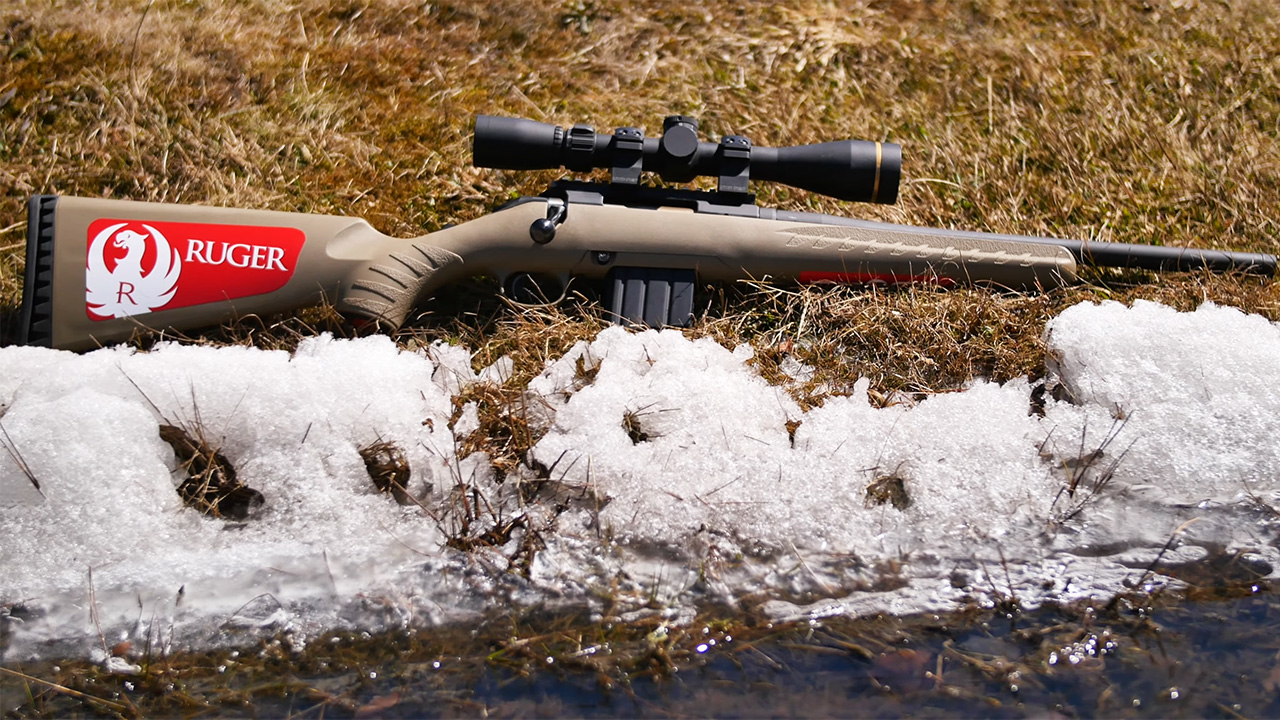
The Ruger American Ranch makes sense on paper. It’s short, handy, threaded, affordable, and offered in useful chamberings. That gives owners plenty of reasons to defend it, especially for blinds, suppressor use, and close-range hunting.
Where it can get frustrating is in the details. Some magazine setups can be touchy, the lightweight stock doesn’t feel especially solid, and the short barrel gives up some speed depending on the cartridge. It’s a handy little rifle, but handy doesn’t always mean confidence. If a deer steps out farther than expected, owners may start wishing they had brought something a little more settled.
Winchester Wildcat

The Winchester Wildcat gets defended because it’s light, modern, and easy to handle. For small-game hunters, new shooters, and anyone wanting a simple rimfire, it checks a lot of boxes without costing much.
But opening morning for squirrels or rabbits can still expose a rifle that feels more clever than sturdy. The plastic-heavy build, light feel, and modern controls don’t win over everyone once the woods get wet and cold. It can run fine, but it does not have the same steady feel as older rimfires people grew up trusting. Owners may like the idea more than the long-term field feel.
Savage 110 Ultralite

The Savage 110 Ultralite has plenty of fans because it promises real mountain-rifle benefits without a full custom price. It’s light, accurate in many cases, and dressed with parts that sound great to hunters trying to cut weight.
That low weight can become the problem. A rifle that carries beautifully can be harder to hold steady when your breathing is rough and your rest is poor. The AccuFit stock system also doesn’t feel equally loved by everyone. On the range, it may impress. On opening morning, when the shot is fast and awkward, that featherweight feel can make owners work harder than they expected.
Browning A-Bolt

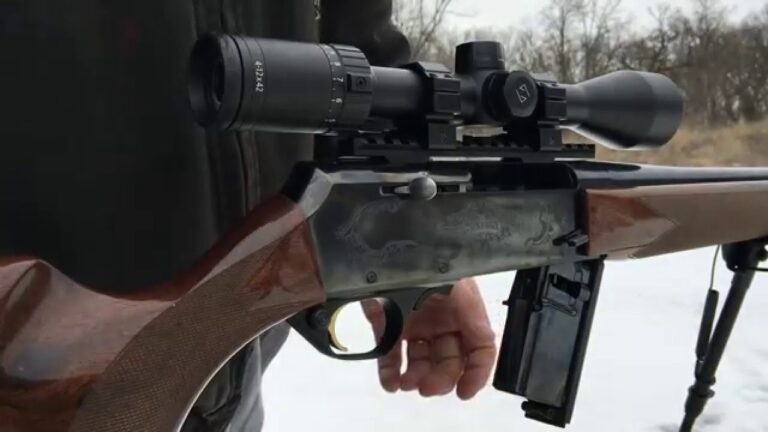
The Browning A-Bolt has a strong following, and for good reason. A lot of them are accurate, smooth enough, and better finished than many cheaper rifles. Owners who grew up around them often defend them like family heirlooms.
Still, they are not perfect in the field. Some hunters never warmed up to the magazine system, and certain models can feel more delicate than rough-use rifles. Parts and support are not as simple as more common modern platforms either. When everything works, an A-Bolt feels classy. When opening morning turns into a wet, muddy mess, classy stops mattering fast.
Remington 700 Mountain Rifle

The Remington 700 Mountain Rifle has always had defenders because it is light, handsome, and easy to carry. For hunters who walk a lot, that matters. Nobody complains about ounces until they’ve climbed enough hills with a heavy rifle.
The tradeoff shows up when it is time to shoot. Thin barrels heat quickly, light rifles move more under imperfect form, and some need careful load work to stay consistent. A Mountain Rifle can be excellent in the right hands, but it is not forgiving. Opening morning has a way of showing whether you bought a rifle that fits your hunt or just liked how easy it felt on the sling.
Mossberg MVP

The Mossberg MVP earned attention because it took common magazine compatibility and put it into a bolt-action rifle. That sounded smart, especially for hunters and shooters who already had AR-style magazines around.
In real hunting use, the concept can feel better than the execution. Feeding can be less slick than a traditional bolt gun, and the rifle doesn’t always feel as refined as the idea suggests. Owners defend the practicality, and there is some truth there. But opening morning is not when you want to be thinking about whether your clever magazine setup is going to feed as smoothly as it should.
Henry Long Ranger

The Henry Long Ranger gets defended because it brings lever-action handling into more modern deer cartridges. For hunters who like lever guns but want more reach than traditional tube-fed setups, the Long Ranger makes a lot of sense.
But it can still feel like a compromise. It is not as fast and natural as an old pistol-caliber or .30-30 lever gun, and it is not as simple as a basic bolt rifle. Some hunters love the blend, while others find themselves fighting expectations. When opening morning gets tense, that middle-ground design may not feel as smooth as fans make it sound.
Springfield 2020 Waypoint
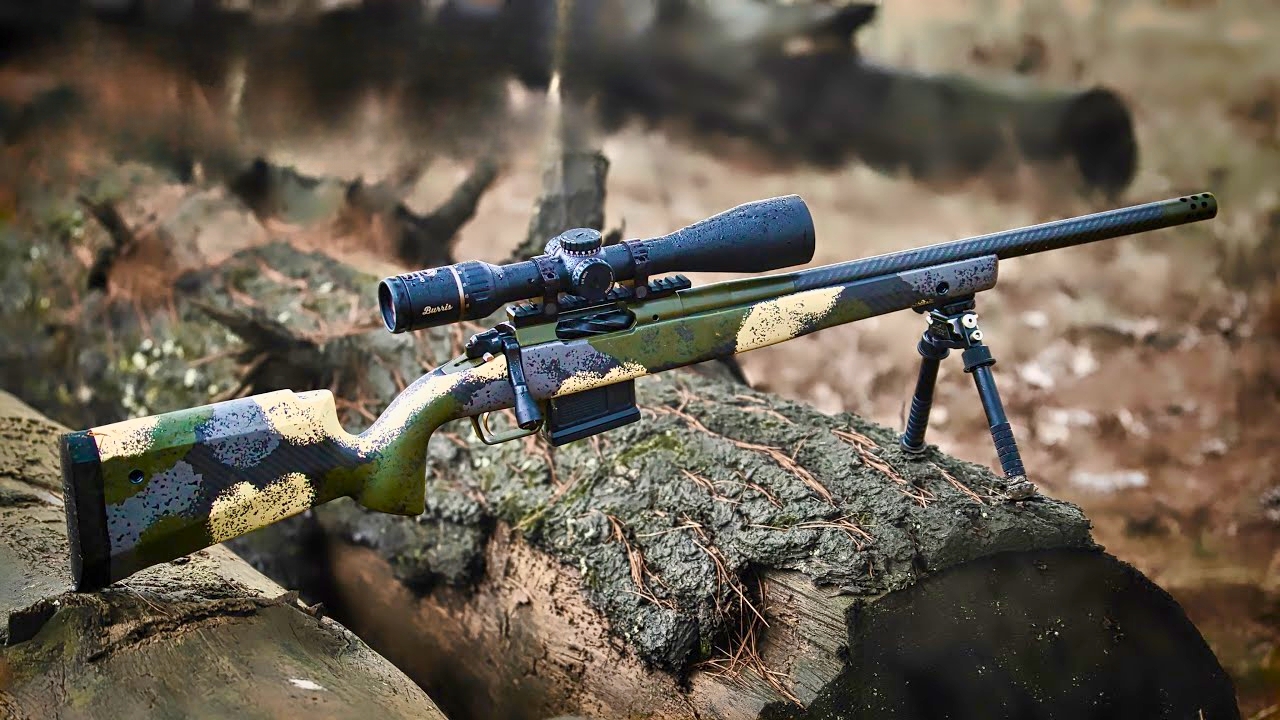
The Springfield 2020 Waypoint has a lot of features hunters like to brag about. Carbon fiber, modern styling, threaded barrels, and premium-rifle energy make it easy to defend after spending that kind of money.
The problem is that expensive rifles come with expensive expectations. If it turns out ammo-picky, if the lightweight build feels jumpy, or if the hunter simply shoots a heavier rifle better, disappointment hits hard. A Waypoint can absolutely shoot, but that doesn’t mean every owner will shoot it well from a bad rest. Opening morning doesn’t care how good the spec sheet looked.
T/C Venture
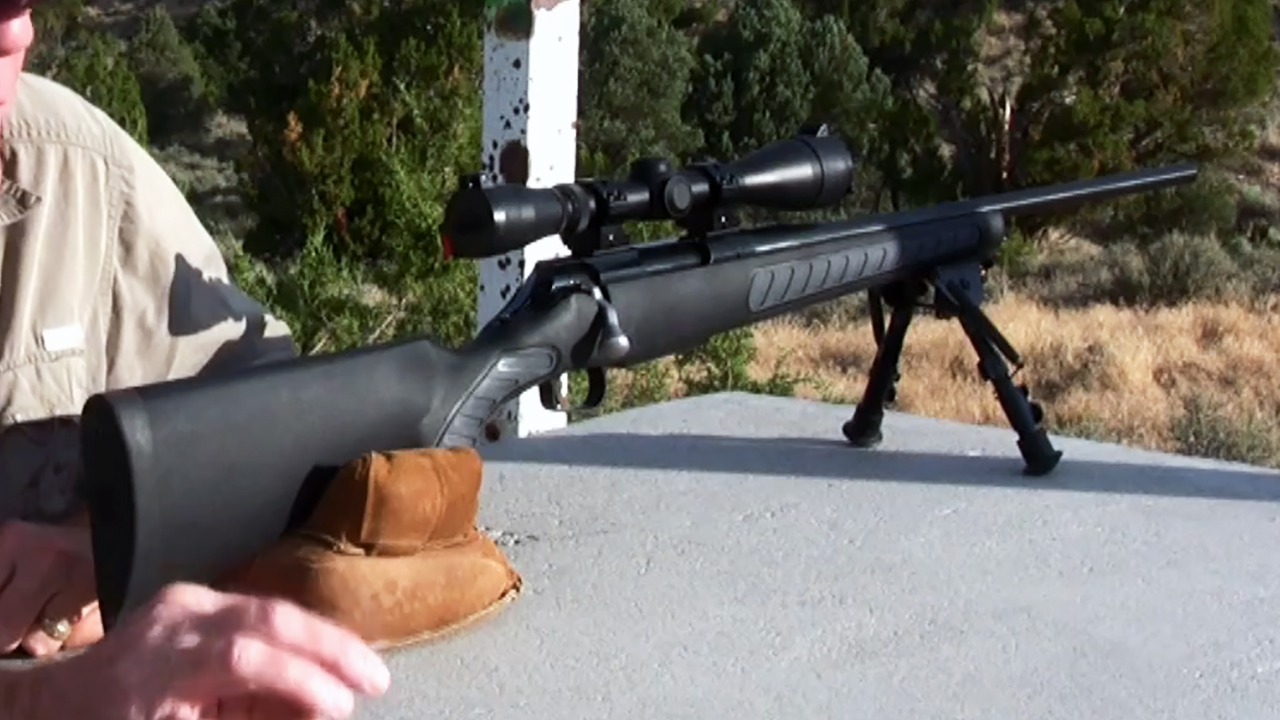
The Thompson/Center Venture won fans because it offered solid accuracy without a scary price. A lot of hunters bought them, shot good groups, and decided the rifle was one of the better quiet buys out there.
Where things get tougher is long-term confidence. The rifle never had the same deep support or staying power as some major bolt-action platforms, and some examples feel plain in a way that does not age well. It may do the job, but when something feels off before a hunt, owners don’t have the same easy path for parts, upgrades, or reassurance. Opening morning makes that feel bigger.
Marlin X7
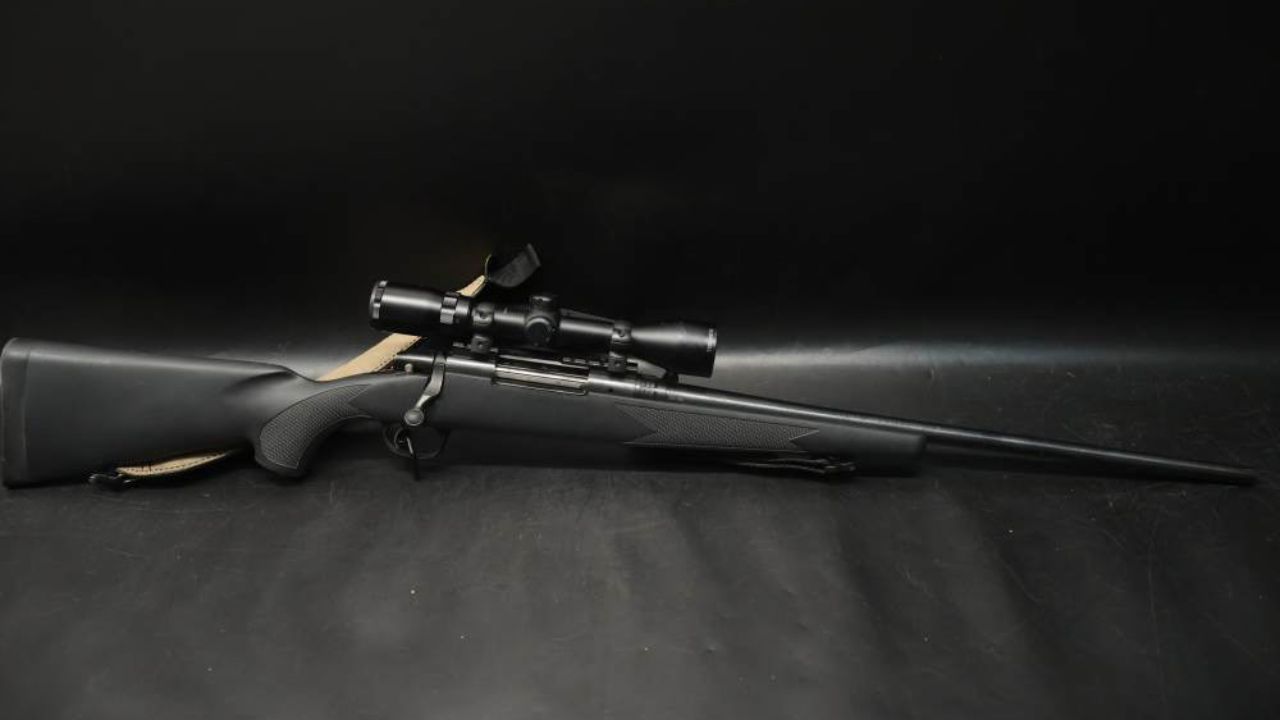
The Marlin X7 was one of those rifles hunters defended because it shot well for cheap money. It had a good trigger, decent accuracy, and a price that made people feel like they had found a secret.
The downside is that it never built the same lasting confidence as better-supported rifles. Stocks, magazines, and overall fit could feel budget, and once the line disappeared, the rifle became harder to lean on for future support. If yours works, great. But when opening morning goes sideways, it is hard not to wonder whether the bargain rifle was really the place to save money.
CZ 600

The CZ 600 came in with a lot of attention because CZ has a strong reputation among serious shooters. Owners had every reason to expect something smart, modern, and dependable from the start.
But early recall issues hurt confidence, and confidence matters with a hunting rifle. Even if the current rifle is updated and functioning properly, some hunters may still carry that doubt into the field. The design has good ideas, but opening morning is not when you want a rifle with questions attached to it. A hunting gun has to feel boringly trustworthy, not like something you are still mentally sorting out.
Steyr Scout

The Steyr Scout has always had a crowd willing to defend it hard. It is clever, light, compact, and tied to a whole rifle concept that sounds great if you like practical field guns.
Still, real hunters may find the concept less perfect once the season starts. The forward optic setup is not for everyone, the rifle is expensive, and the handling can feel different enough to slow you down if you have not trained with it. It’s a smart rifle, but smart does not always mean natural. Opening morning rewards familiar equipment, not gear you’re still trying to justify.
Weatherby Mark V Backcountry
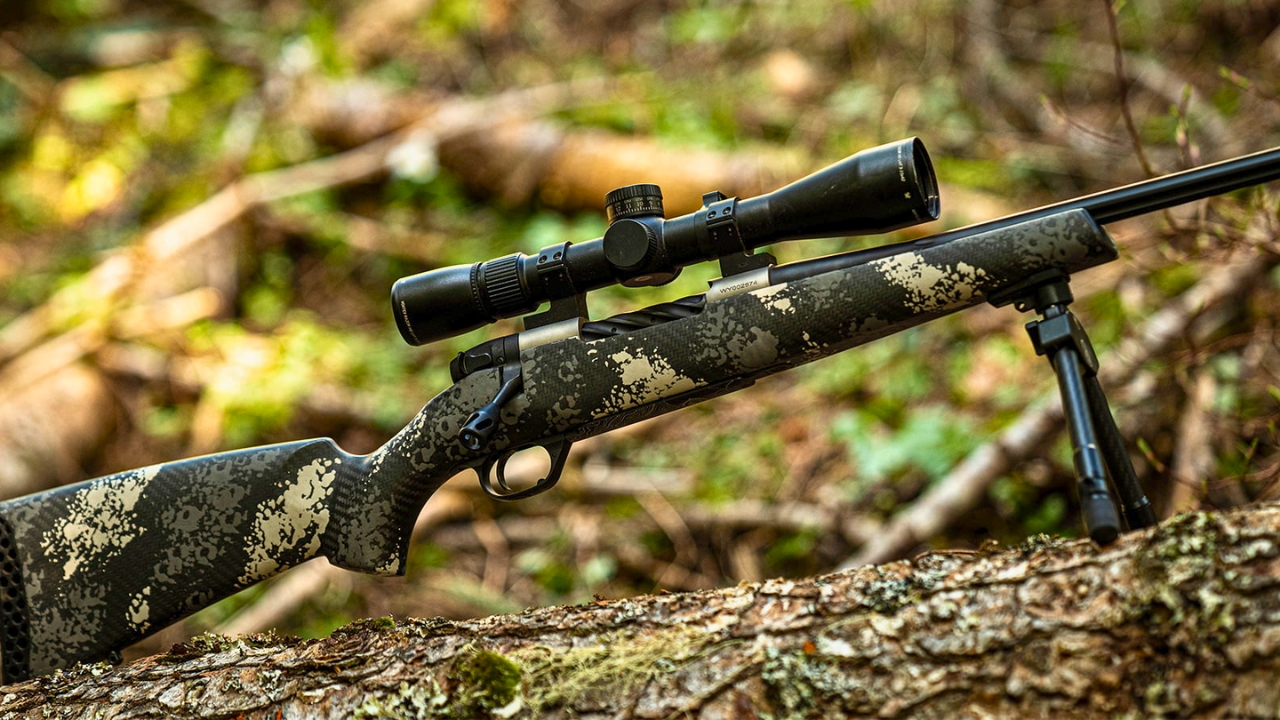
The Weatherby Mark V Backcountry gets defended because it is light, powerful, and clearly built for hunters who cover ground. It has the name, the chamberings, and the mountain-rifle appeal that makes owners feel like they bought serious equipment.
But serious equipment can still be hard to shoot well. Lightweight magnum rifles can punish sloppy form, and that punishment shows up fast when your rest is shaky or your heart is pounding. Owners may defend the power and weight savings, but opening morning can make a lighter, harder-kicking rifle feel less helpful than expected. Carrying easy is only half the job.
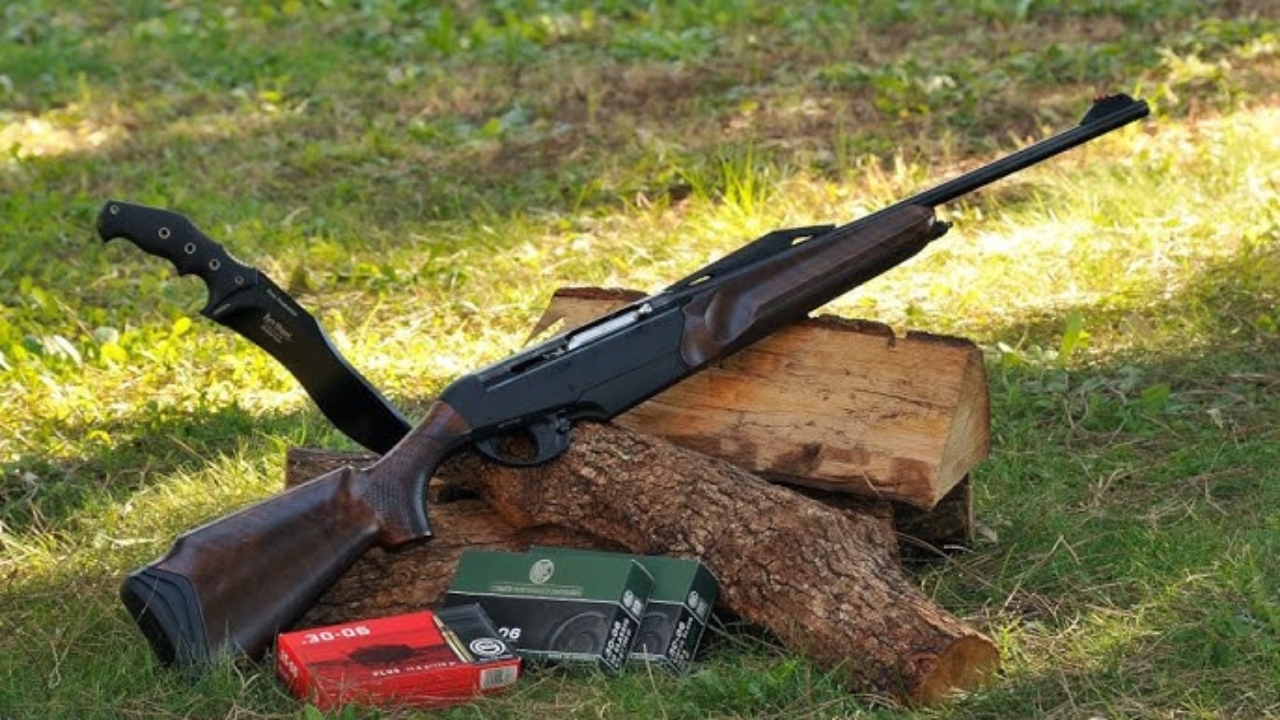
Benelli R1
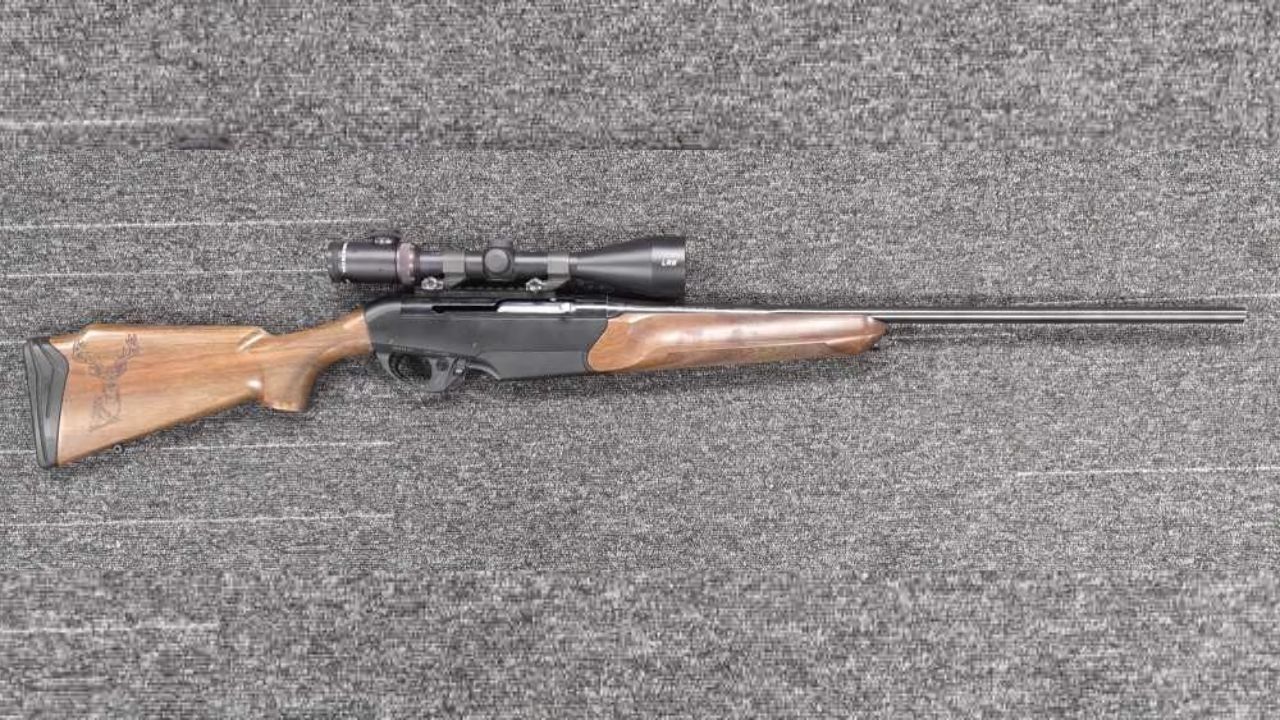
The Benelli R1 has defenders because it gives hunters semi-auto speed in a sleek sporting rifle. For follow-up shots on hogs, deer, or driven game, that sounds pretty appealing. It also carries the Benelli name, which helps.
But the R1 is not always as simple to trust as a plain bolt gun. It can be more sensitive to ammo, maintenance, and setup than hunters want to admit. It is also expensive enough that owners tend to defend it harder. When opening morning gets wet, cold, or rushed, a semi-auto hunting rifle has to run perfectly. Anything less turns the whole argument sideways.
Like The Avid Outdoorsman’s content? Subscribe to our newsletter so you never miss an article.
Here’s more from us: