Photo credit: BurstReview/YouTube
Semi-autos are sold on one big promise: fast follow-up shots with minimal drama. And when they run, they feel like magic—load, rack, shoot, repeat. The trouble is that real-world reliability isn’t the same as a glossy ad or a clean demo gun on a sunny range day. Feed a semi-auto cheap ammo, weak mags, a limp grip, or a little grime, and some designs fall apart fast. The smaller and lighter the gun, the harsher the timing gets. The cheaper the mags, the uglier it gets.
Most manufacturers won’t say “this gun is picky” out loud, even when the pattern is obvious to anyone who has spent time behind a counter or on a busy public range. These are semi-autos with long-running reputations for stoppages, sensitivity, or inconsistent running—often enough that you’ll hear the same complaints from unrelated shooters across different ranges.
Remington R51 (early production)

The early R51 is one of those pistols that created its own cautionary tale. It arrived with big expectations, then earned a reputation for frequent malfunctions and inconsistent function across different ammo. When a handgun gets known for not finishing a magazine without drama, word travels fast—and it sticks.
If you own one, you already know the routine: it can feel fine for a bit, then start acting up in ways that don’t build confidence. The problem isn’t that every example is a nonstop jam machine. It’s that the model name carries enough baggage that plenty of shooters have seen it fail more than they’re comfortable with. When a pistol becomes famous for needing “the right conditions” to behave, that’s not a strong endorsement.
Kimber Solo

The Kimber Solo has always lived under a cloud of “runs great if you do everything its way.” It’s small, light, and built around tight timing, which can turn into stoppages when you stray from what it likes. A lot of shooters have reported that it can be ammo-sensitive, especially with lighter loads or anything that doesn’t drive the slide hard enough.
That’s a tough reputation to shake, because people buy a micro pistol to be carried and trusted—not to be babied. You can’t always control grip, stance, and recoil management when you’re shooting under pressure or from awkward positions. If a pistol is known for choking when conditions aren’t perfect, it ends up getting talked about like it’s “finicky,” even if it’s accurate and well-made in other ways.
Walther P22
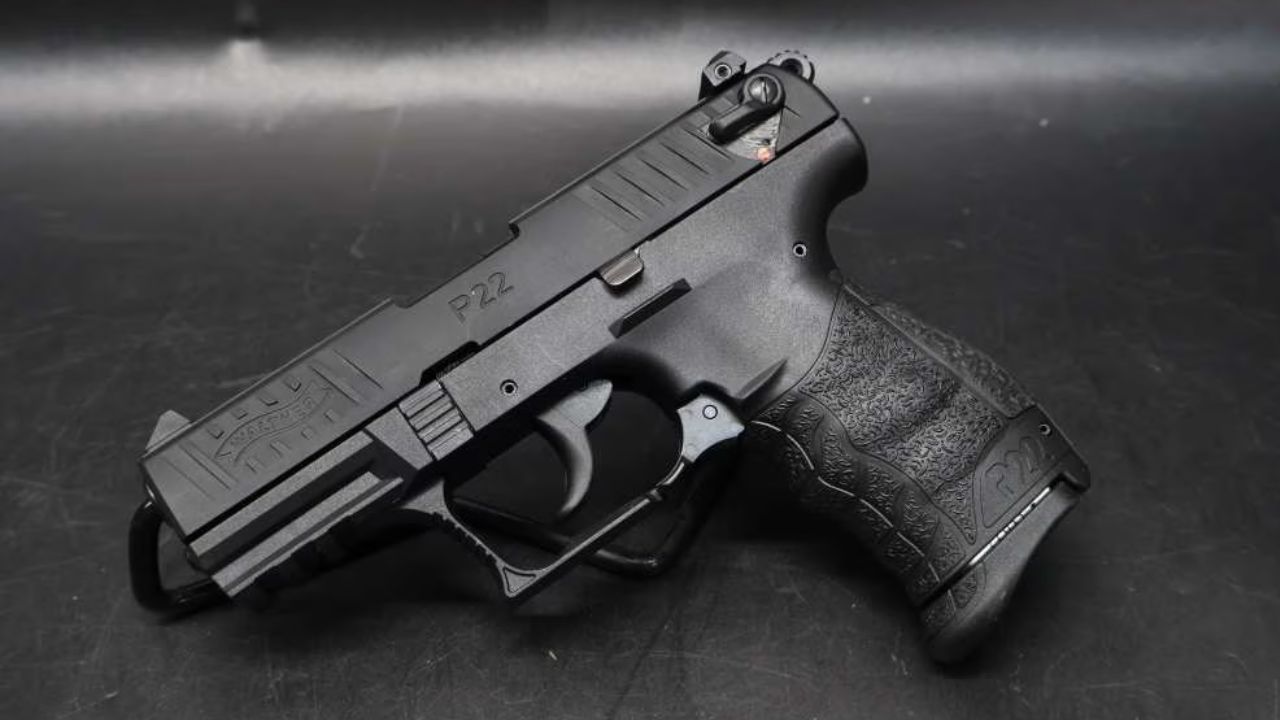
The Walther P22 is common, affordable, and fun—until you expect it to run like a centerfire duty pistol. It has a long-standing reputation for being picky about ammo and magazines. Rimfire pistols already live in a world where ammo varies a lot, and the P22 has often been described as less forgiving than it should be.
When a .22 pistol is running, you can burn through bricks of ammo with a grin. When it isn’t, you spend your time clearing stovepipes and failures to feed. The P22 can land in either camp depending on the specific gun and what you feed it, but the volume of “it jams a lot” stories is hard to ignore. If you’re buying one, you do it knowing you might be doing more clearing than shooting.
SIG Sauer Mosquito

The SIG Mosquito earned a reputation that follows it everywhere: picky, inconsistent, and often frustrating for shooters who expected “SIG reliability” in a rimfire package. Many owners have described frequent failures to feed and extract unless the pistol is run with ammo it prefers. That’s not unusual in rimfires, but the Mosquito has been called out for it for years.
The real issue is expectations. You buy it because you want a trainer or a fun plinker that feels like a larger pistol. Instead, you get a gun that can turn range time into a malfunction-clearing exercise if you’re not careful about what you feed it. Plenty of examples will run acceptably with the right ammo, but the model’s reputation exists for a reason: too many shooters have watched it choke more than they expected.
GSG 1911-22

The GSG 1911-22 looks like a familiar platform and scratches the “cheap practice” itch, but it has a reputation for being temperamental. Some examples run well, and some seem to stumble through magazines with a steady stream of stoppages. Ammo sensitivity gets blamed a lot, and with rimfire that’s always part of the equation, but the complaints go beyond normal rimfire quirks.
When the gun is clean and the ammo is consistent, it can be a good time. When you start mixing bulk .22, varying loads, and a few hundred rounds of grime, reliability can slide quickly. That’s where the frustration comes from—because the whole point of a .22 trainer is high-volume shooting. If the pistol starts turning every range trip into a jam-clearing drill, it stops being a trainer and starts being a lesson in patience.
Kel-Tec PMR-30

The PMR-30 is exciting on paper: light, high capacity, and chambered in .22 WMR. In the real world, it’s widely known for being ammo- and magazine-sensitive. When everything lines up, it can run and it’s a blast. When it doesn’t, you can end up with feeding issues that make the gun feel like it has a mind of its own.
Rimfire magnum brings extra variables—case shape, rim thickness, and ammo consistency—and the PMR-30 doesn’t always shrug those off. That’s why you hear the same story over and over: one shooter swears theirs is flawless, another can’t get through a magazine. A pistol that lives that close to the edge of timing will always be more prone to stoppages than the marketing makes it sound.
Kel-Tec PF-9

Small 9mms can be great, but they’re unforgiving designs. The PF-9 has long been known as a light, affordable option that can also be more stoppage-prone than many shooters want in a carry pistol. It’s not that every PF-9 is a disaster. It’s that the platform can be sensitive—mags, grip, recoil spring behavior, and ammo can all show up in the reliability column.
If you shoot a lot, you start noticing which pistols keep running when you’re tired, sweaty, and not perfectly locked in. The PF-9 has a reputation for demanding more from the shooter and the setup than a heavier, more forgiving pistol. That’s the gap between “it works when I’m careful” and “it works when life is messy,” and that gap is where the jam stories come from.
SCCY CPX-2
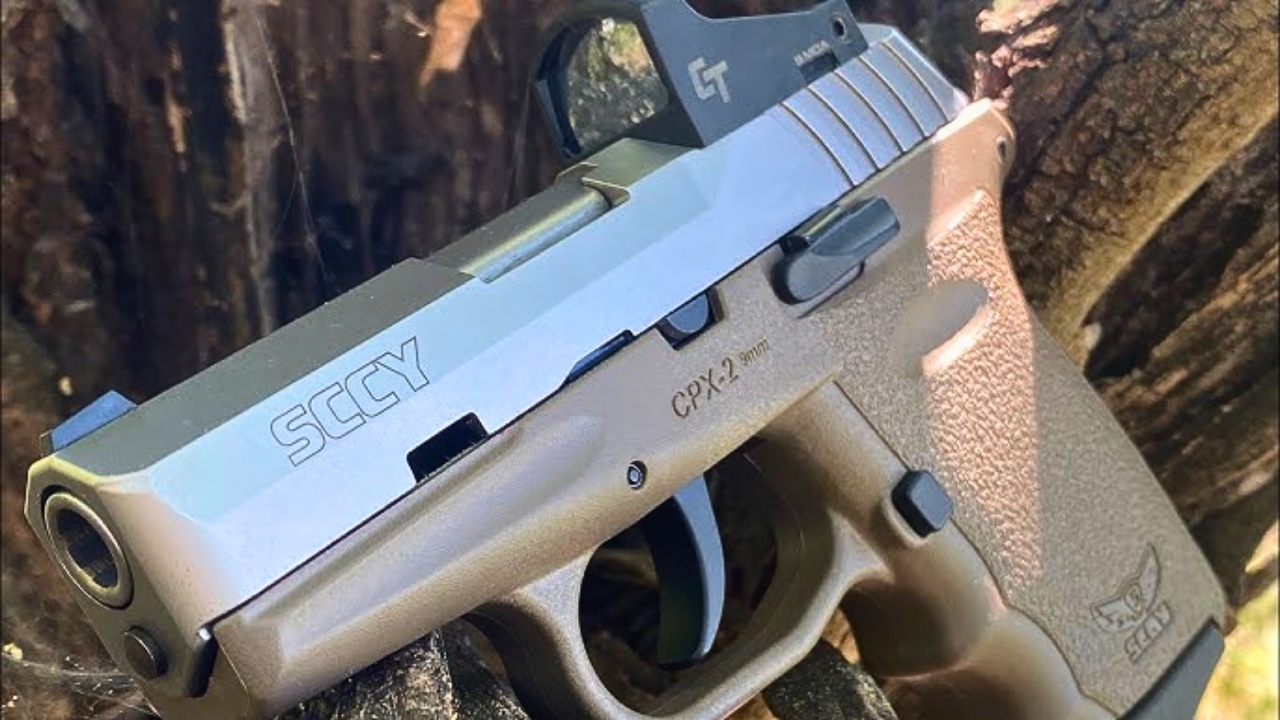
SCCY pistols exist because budgets are real, and some people need a workable option. The problem is that these models have built a reputation for inconsistency. Some run fine, some stumble with failures to feed or extract, and many complaints circle back to magazine behavior and overall tolerance stacking.
You feel it at the range when your buddy’s mid-priced compact runs through box after box, and your gun starts coughing once it gets warm or dirty. That’s when confidence drains. A carry gun needs to be boringly reliable, not “good most of the time.” The CPX line can be serviceable for some shooters, but the volume of jam stories is high enough that gun counters often steer people toward options that have a stronger track record.
Taurus PT-145 Millennium Pro

The PT-145 shows up in a lot of holsters because it’s compact and affordable in a caliber people like. It also shows up in a lot of conversations about inconsistent reliability. Compact .45 pistols already have tight timing, and when the gun, mag, and ammo aren’t working together, you can get stoppages that feel random.
That’s what frustrates owners: one day it runs, the next day you’re clearing a failure to feed or dealing with sluggish cycling. Some shooters have had good luck with them, and others have sworn them off after repeated problems. The reputation persists because too many people have seen the same pattern. When a pistol becomes known for being unpredictable, it stops being trusted—even if it feels good in the hand and looks great in the case.
Taurus TCP (.380 ACP)
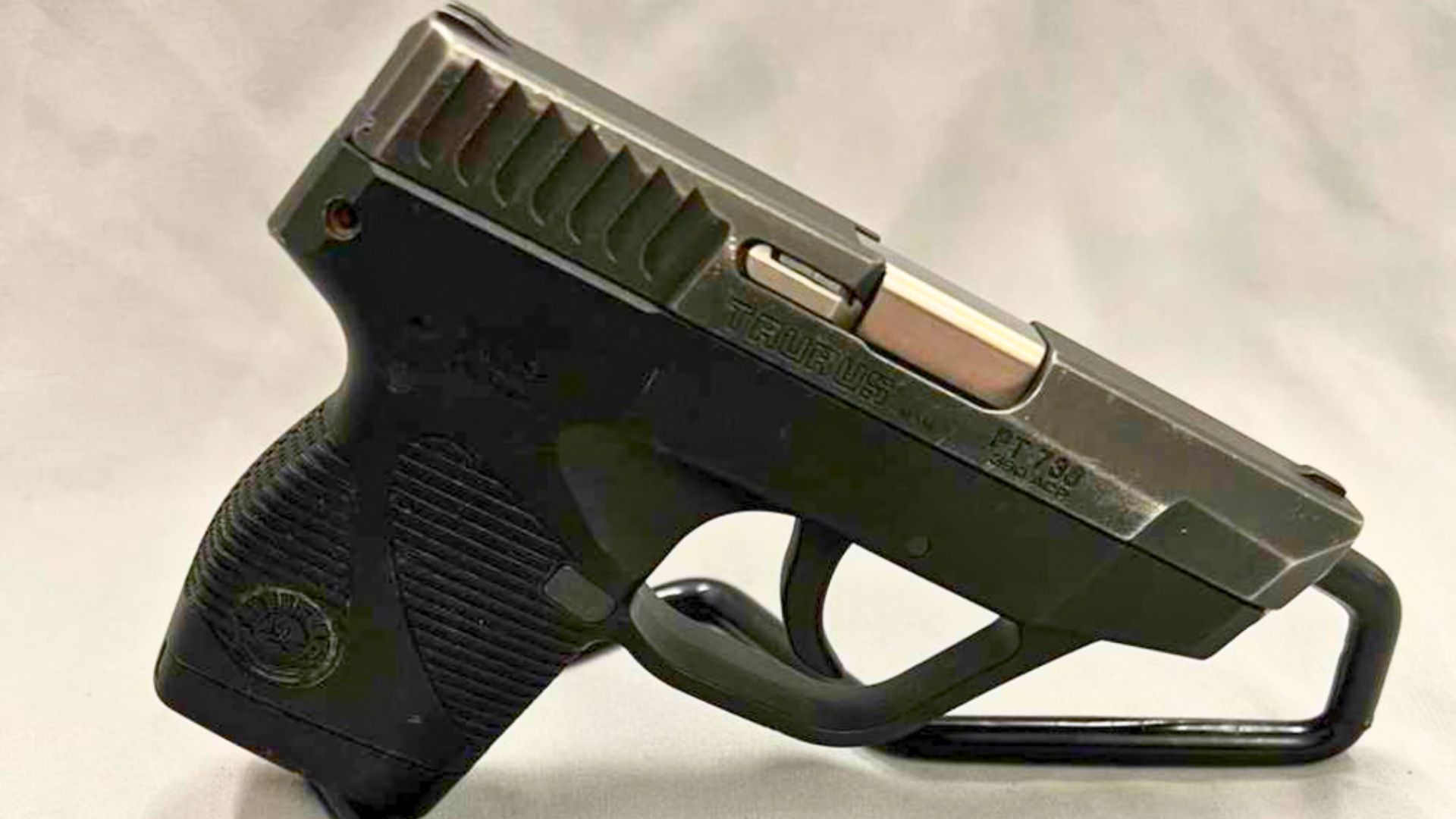
Tiny .380 pistols live on a knife edge. The TCP has been popular because it’s small and easy to carry, but it has also earned a reputation for being more sensitive than many competitors. Light guns, short slides, and compact springs can turn minor variations—ammo power, grip firmness, magazine condition—into real stoppages.
You see it when the gun works fine for a magazine or two, then starts choking as the session goes on. That’s not what you want from something designed for personal defense. Plenty of micro pistols can be ammo-picky, but the TCP has been called out often enough that it’s a familiar name in “my pocket gun jams” stories. If your goal is confidence, a pistol with a long history of mixed reliability reports makes that hard.
Remington 742 Woodsmaster

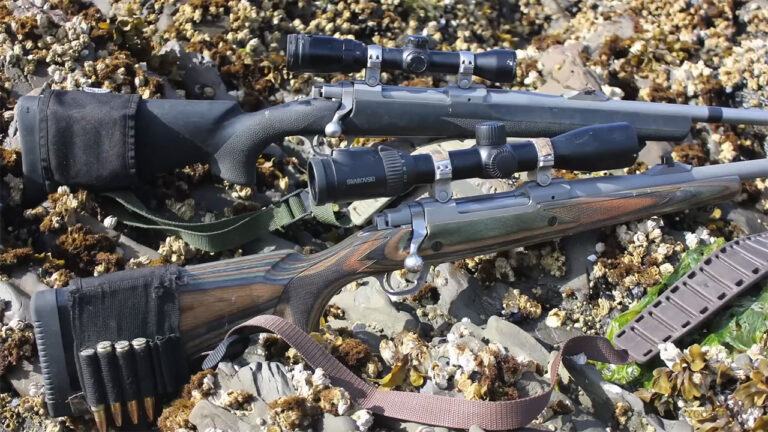
The 742 has put a lot of venison in freezers, and it’s also famous for issues that show up with age, wear, and maintenance history. When these rifles start having trouble, the malfunctions often aren’t subtle—feeding problems, extraction problems, and general “it ran until it didn’t” behavior. That’s part of why old-timers talk about them with both affection and caution.
Semi-auto hunting rifles have less margin for neglect than many people admit. A 742 that lived hard, got shot little, and got cleaned even less can become a jam machine. That’s not manufacturer marketing; that’s decades of field reality. You can find examples that still run well, but you can also find plenty that turn range time into troubleshooting. The model’s reputation exists because so many owners have lived the same story.
Remington 7400

The 7400 followed the same general path: useful hunting rifles that can be dependable, until wear and tolerance stacking catches up. These rifles often get shot a little each year, then stored, then expected to run perfectly next season. When they start choking, you’ll see failures to feed and extract that make the rifle feel unreliable at the worst time.
The hard part is that reliability can vary wildly based on the individual rifle’s history. Some 7400s are steady performers. Others develop a habit of jamming that becomes part of the rifle’s identity. Gun counters see the returns and complaints and learn to be cautious about them, especially used ones. If you’re buying one, you’re buying into a platform with a long-running reputation for being less forgiving than a bolt gun.
Henry AR-7 Survival Rifle

The AR-7 is built around portability and storage, and those priorities often come at the expense of consistent function. It’s a lightweight semi-auto .22 that can be finicky with feeding, especially when mags and ammo aren’t perfectly matched. Some examples run better than others, but the platform has been associated with jams for a long time.
You notice it most when you try to shoot it like a normal rimfire—long strings, mixed ammo, casual loading. That’s when it can turn into a stoppage generator. The AR-7 can still have a place as a pack gun concept, but it’s not the rifle you pick when you want boring reliability and high-volume practice. A “survival” gun that frequently malfunctions feels like a contradiction, and that’s why the AR-7 has never shaken its jam-prone reputation.
Remington 597
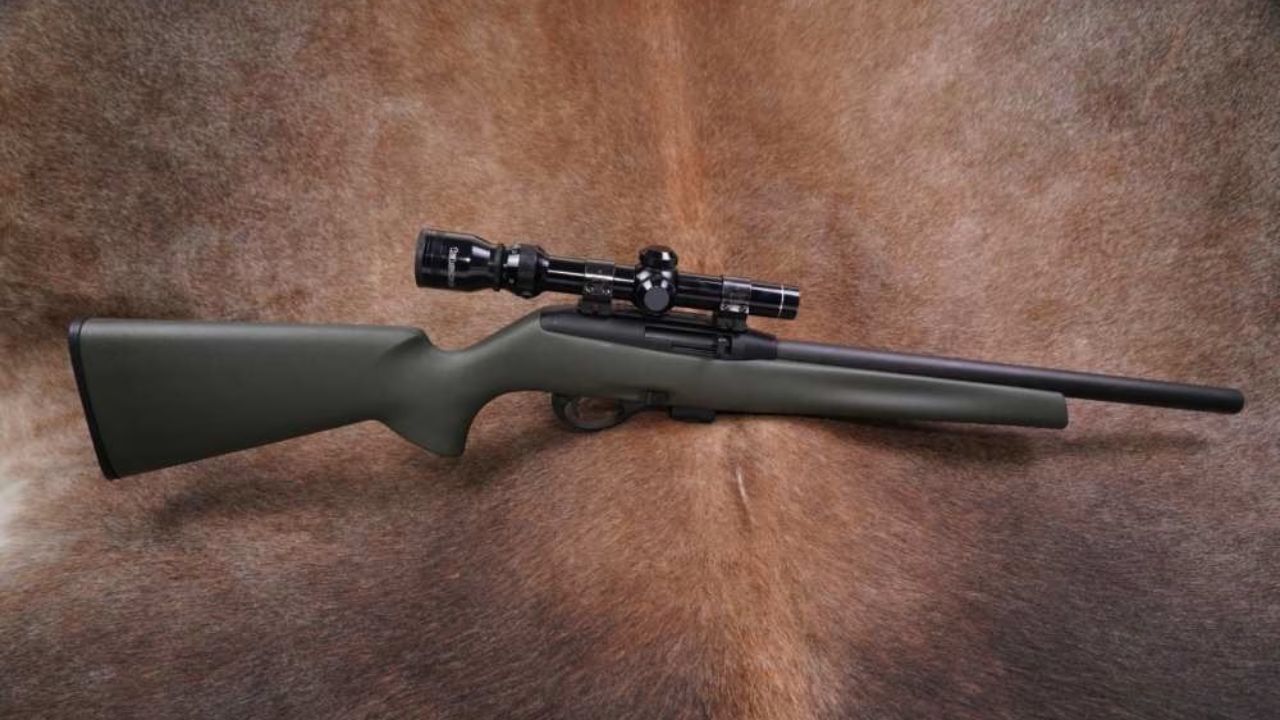
The Remington 597 often gets mentioned as a rifle that should have been more dependable than it turned out to be. Many shooters have reported feeding issues tied to magazine design and consistency, and when a semi-auto .22 starts to stumble, it quickly ruins the whole reason you bought it. A rimfire should be easy, not a project.
Some 597s run well with the right magazines and consistent ammo. Others seem to choke often enough that you stop trusting it for anything beyond casual plinking. That inconsistency is what sticks. You can pick up a 10/22 and expect a certain baseline of function. With a 597, plenty of shooters have learned to lower expectations. When the reputation becomes “maybe it’ll run,” it’s hard for a manufacturer’s claims to feel honest to people who have spent time clearing jams on the bench.
Winchester Model 100

The Winchester Model 100 is a classic hunting rifle with real appeal, and it also carries a history that makes careful shooters pay attention. Older semi-autos can develop feeding and cycling issues simply through wear and age, and the Model 100 has been known to show those quirks when it’s dirty, worn, or running ammo it doesn’t like.
It’s a rifle that can run well when it’s in good condition, but you can’t treat it like a modern, maintenance-forgiving platform. Plenty of Model 100s out there have unknown histories, and that’s where the jam stories tend to grow. A used rifle that looks clean on the outside can still have a lot going on internally. When you buy into a vintage semi-auto, you’re often buying into variability. The Model 100’s reputation reflects that reality.
Browning BAR

The Browning BAR has a strong reputation overall, but it belongs on this list for one reason: when it starts jamming, it can do it in a way that surprises people who assumed it would run forever without attention. Gas-operated hunting rifles are reliable, but they’re still machines with timing, springs, and parts that need to be kept in good shape.
A BAR that’s been shot for years and “never needed anything” can eventually start showing failures to feed or sluggish cycling. Many of these rifles live in the safe, get fired a little, and don’t get cleaned like a high-round-count semi-auto should. When the jams appear, owners often act shocked because the rifle’s reputation is so strong. The truth is that even good semi-autos can become finicky when maintenance and wear catch up.
Like The Avid Outdoorsman’s content? Subscribe to our newsletter so you never miss an article.
Here’s more from us: