Photo credit: Fred C./YouTube
Some rifles carry a reputation they never earn in the field. They look rugged, the specs sound convincing, and the marketing makes you feel like you’re buying a dependable tool. But once you’ve hauled them through a couple rough weekends, you start noticing strange flyers, shifting groups, and cold-bore shots that don’t land anywhere near where you left them. A rifle that won’t hold zero makes every hunt harder than it needs to be.
Most of the time it isn’t one catastrophic flaw—it’s a mix of flimsy stocks, inconsistent bedding, heat-sensitive barrels, and hardware that loosens far too easily. These are the rifles that have you re-sighting more than shooting, and checking every screw before every hunt.
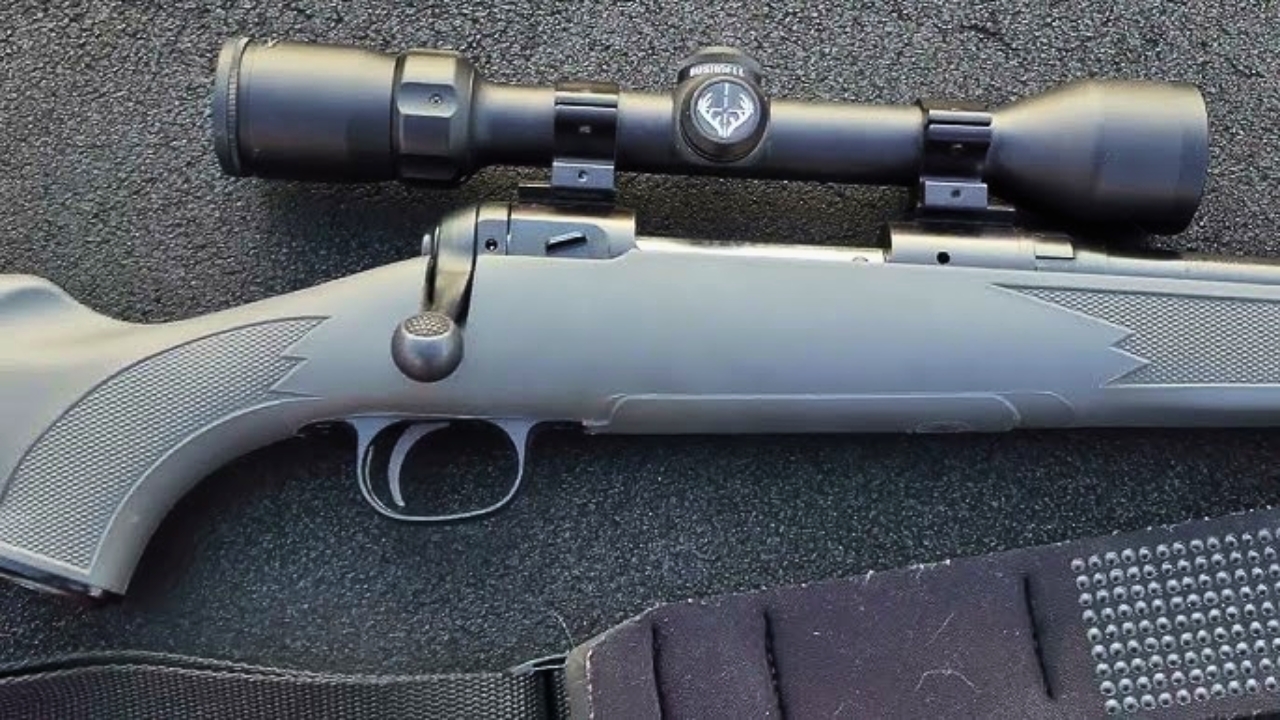
Remington Model 710

The Remington 710 has long been known for wandering zero when conditions get rough. Its molded stock is soft enough that the fore-end twists even under mild pressure, and that flex changes the rifle’s point of impact from one outing to the next. A ride through a rutted road or a hard rest on a blind rail is often enough to shift things noticeably.
Add in the factory-installed scope mounts, which were never known for holding tight, and you’re constantly wondering whether the drift came from the stock, the bases, or both. Even with upgraded hardware, the rifle rarely settles into predictable zero retention.
Winchester XPR

The early-run XPRs showed promise but often struggled to maintain zero over time. The bedding system didn’t keep the action as secure as it needed to be, and even small changes in temperature or torque would shift your groups. Many hunters noticed that the rifle shot great one day and then drifted an inch or two the next without explanation.
The lightweight synthetic stock added to the inconsistency. Resting it on a hard surface or applying uneven pressure would push the fore-end into the barrel channel, affecting harmonics. Winchester improved later models, but the early rifles made staying zeroed a chore.
Marlin X7
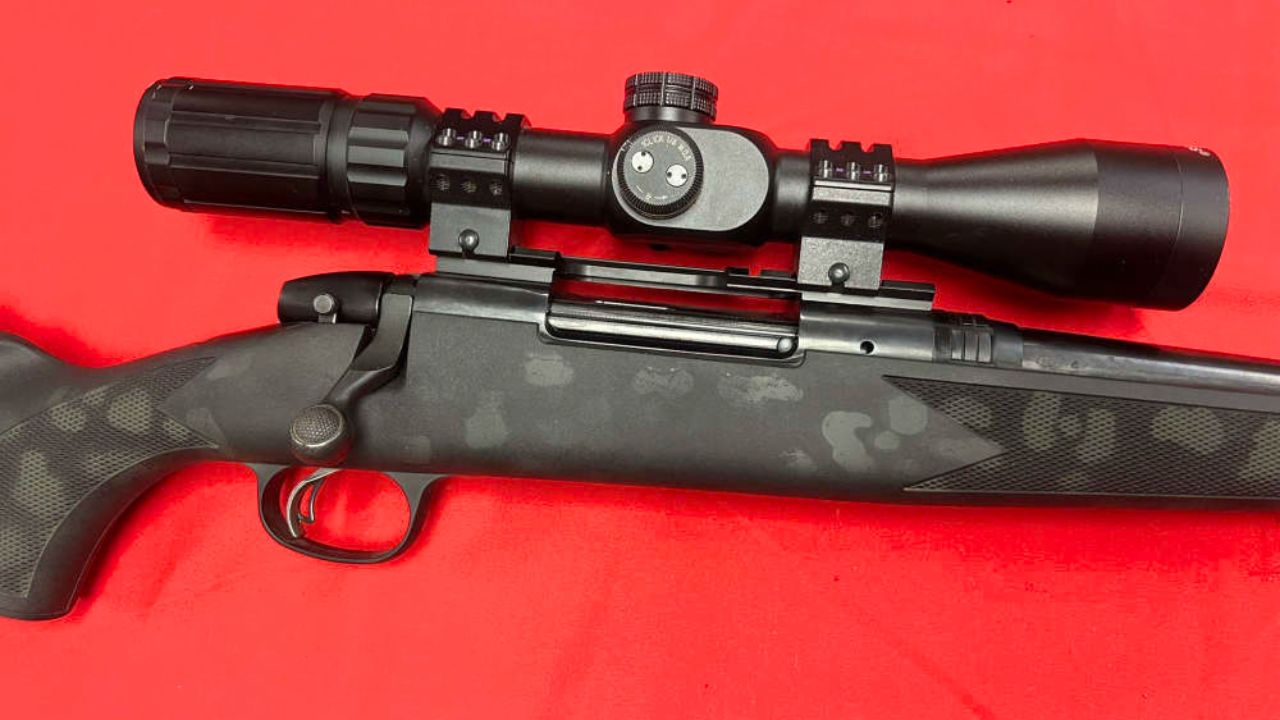
The Marlin X7 was accurate when everything lined up, but its zero stability wasn’t the strong point. The stock isn’t particularly stiff, and the bedding system allowed subtle movement between the action and stock over time. A few bumps in the truck or a change in humidity could throw off a dialed-in setup.
Shooters often saw cold-bore shots land well outside the main group, only to have subsequent shots move in unpredictable ways. Once the stock flexed or the screws lost tension, the rifle required a full reset to get back on track.
Stevens 200
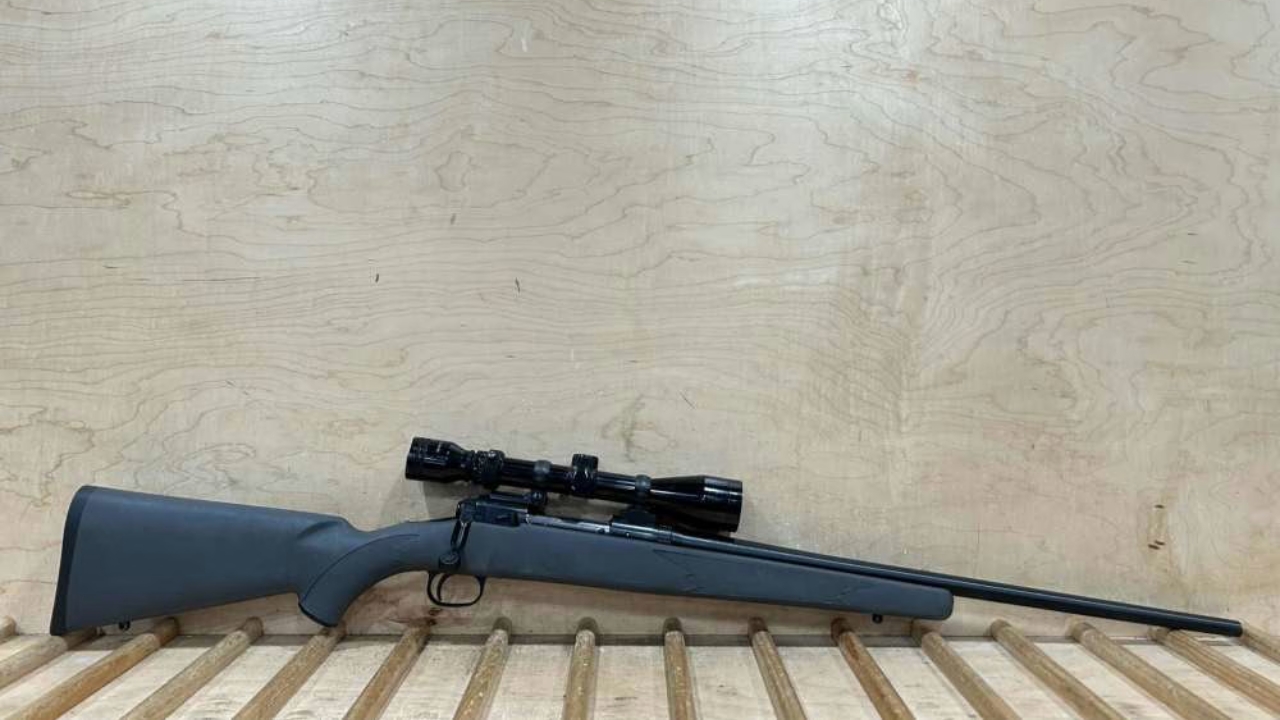
The Stevens 200 was a value rifle with a loyal following, but the early synthetic stocks were known for significant flex. When the fore-end bowed under pressure, the barrel contact changed dramatically, and that contact shift pushed your point of impact around.
Even a slight change in rest position could cause a noticeable difference on target. Hunters often found themselves re-zeroing mid-season after nothing more than a short drive or a rough sling carry. The action itself is solid, but the stock makes the rifle much more sensitive than it should be.
Remington SPS

The SPS series shoots well with the right setup, but the factory synthetic stocks are notoriously soft. It doesn’t take much to warp the fore-end into the barrel, especially when using bipods or leaning the rifle into field rests. That contact throws off barrel harmonics and leads to shifting zero, particularly as the barrel heats.
Even tightening the action screws doesn’t fix the underlying problem. The flex returns as soon as you shoulder the rifle off-center or rest it against a blind window. Many hunters eventually replace the stock entirely because keeping the rifle zeroed becomes a season-long battle.
Mossberg ATR

The Mossberg ATR earned attention for its price, but its zero stability has always been hit-or-miss. The stock is soft enough to flex under sling tension, and once that fore-end bows into the barrel, groups wander. Even careful shooters notice point-of-impact shifts after the rifle warms or after a rough walk through the woods.
The bedding system also doesn’t lock the action down as firmly as it should. That slight movement shows up as drifting groups, especially after the rifle rides in a truck or sits in a cold blind for hours. It’s a rifle that rarely lands shots where you left them.
Ruger American Predator (Early Green Stock)

The early Predator models had thin, flexible stocks that didn’t handle pressure well. Rest the rifle wrong or torque the sling too hard, and the barrel-channel clearance disappeared. Once the fore-end touched the barrel, the rifle started sending shots high, low, or wide, depending on how the pressure was applied.
Cold-bore impacts were especially inconsistent. Hunters liked the accuracy when everything went right, but keeping that zero steady took more attention than most wanted to give. Later stock revisions improved things, but early rifles made staying zeroed a chore.
Weatherby Vanguard Synthetic

Vanguards are reliable rifles overall, but the older synthetic-stock versions have fore-ends that can flex more than you’d expect. If you lean the rifle into a blind rail or load a bipod even slightly uneven, the stock can shift enough to influence point of impact.
Temperature swings also affect the older polymer formula, causing bedding pressure to change from morning to afternoon. Hunters who experienced unexplained zero drift often traced it back to that combination of stock flex and bedding movement.
Thompson/Center Venture

The Venture has solid accuracy potential, but many early rifles dealt with wandering zero. Action screws worked loose quicker than expected, and even slight torque changes pushed groups around. Pair that with a synthetic stock prone to pressure changes, and you were re-zeroing more often than shooting.
Depending on how the rifle was rested, the fore-end could bow into the barrel channel. Those subtle shifts created a rifle that shot great at the bench but couldn’t repeat its zero once it was hauled into the woods.
Remington Model Seven (Plastic Stock Versions)

The Model Seven is beloved, but the lightweight synthetic stocks from certain production years caused more problems than most hunters realized. The fore-end is extremely easy to twist, and that flex pushes directly into the barrel. Even a soft rest or a side load from a sling will shift the point of impact.
The rifle’s small footprint makes any movement in the bedding system more noticeable. If screws loosen even slightly, cold-bore shots drift and groups spread. Once you drop it into a quality stock, the issues fade—but the factory version struggles to stay dialed.
Howa 1500 Lightweight

The lightweight Howa models are great to carry but far more sensitive to stock pressure than the standard versions. The fore-end is thin enough to flex under hand pressure, and that movement alters barrel harmonics just enough to shift your zero.
Heat from fast shooting makes things worse. As the barrel warms, groups begin to climb or spread, and once the flex sets in, you’ll be re-zeroing sooner than expected. The action is solid, but the stock holds the rifle back in tough conditions.
Browning AB3

The Browning AB3 promises field durability, but early production rifles struggled with zero retention. The bedding system could settle over time, especially after long rides in trucks or rough hikes. Those subtle shifts were enough to throw off consistency.
The fore-end also flexed more than expected for a Browning. Even a firm grip or leaning the rifle into a tree could change point of impact. The accuracy was there—you just had to chase it more than you should on a hunting rifle.
Remington 770

The Remington 770 is known for wandering zero, and most of it comes from the extremely flexible stock and budget hardware. Scope bases loosen easily, and even when tightened, the soft stock allows the action to shift under recoil.
A small bump or a hard rest can move things enough to send impact drifting. Many hunters gave up on the platform after realizing the rifle needed constant re-zeroing, even with upgraded optics and hardware.
Ruger M77 Mark II

The ultralight M77 variants are great to carry but heat up quickly. Once the thin barrel warms even a little, groups begin to walk. Cold-to-warm shots rarely land in the same place, which makes trusting the zero difficult.
The rigid stock helps, but the pencil barrel paired with light weight means every bump, temperature swing, and rest position affects accuracy. Hunters learned to let it cool between shots—or accept that the rifle would wander once the barrel got warm.
Like The Avid Outdoorsman’s content? Be sure to follow us.
Here’s more from us:
The worst deer rifles money can buy
Sidearms That Belong in the Safe — Not Your Belt
*This article was developed with AI-powered tools and has been carefully reviewed by our editors.