Photo credit: Spirit of the Outdoors/YouTube
Hunters move with the market more than they like to admit. One year everybody wants the lightest mountain rifle they can find. The next year it is chassis rifles, carbon barrels, short barrels, straight-wall cartridges, or whatever new round is getting pushed hardest. Some of that stuff is useful. Some of it fades fast once people drag it through weather, brush, recoil, and real seasons.
Then there are rifles hunters never fully let go of. Maybe they sold one and regretted it. Maybe they kept one in the back of the safe because it still shot too well to replace. These are the rifles that kept getting used long after newer options promised to make them look old.
Remington Model 700 BDL
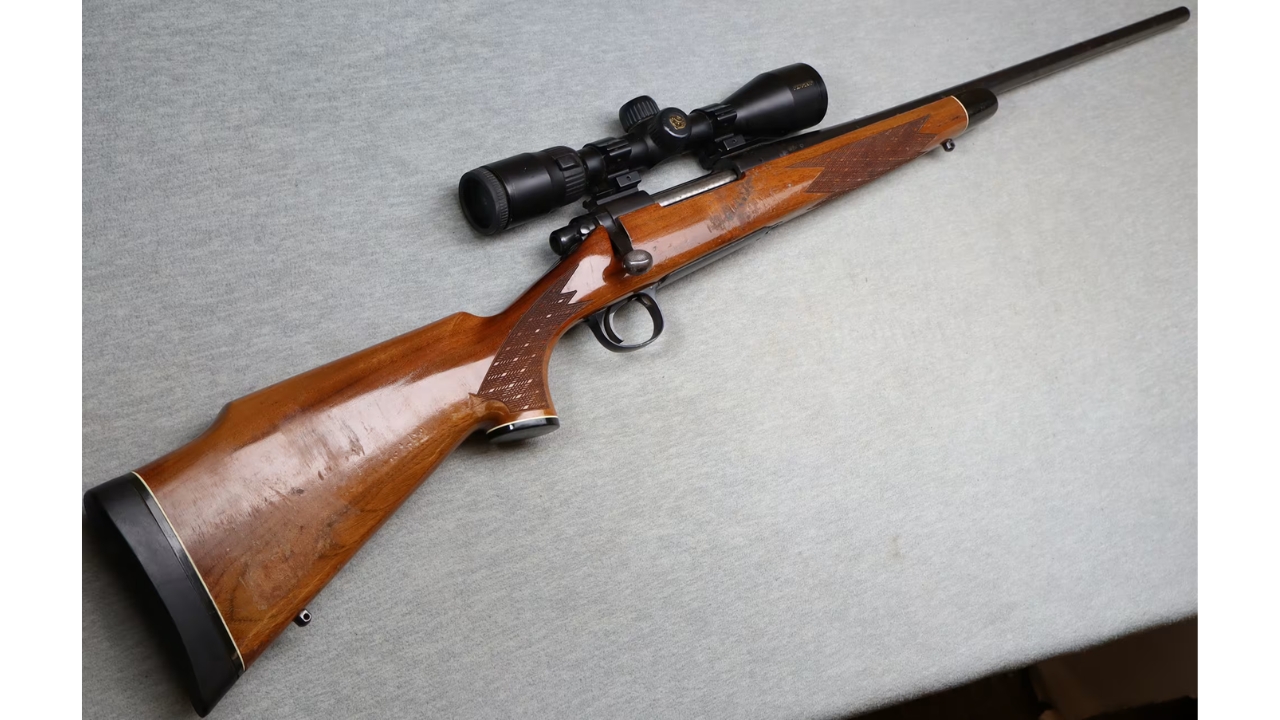
The Remington Model 700 BDL stayed in hunting camps because it gave people accuracy, good looks, and a familiar bolt-action feel without making the rifle hard to understand. Plenty of hunters bought one, scoped it, sighted it in, and never felt much need to chase the next thing.
You can argue about different eras of production, but a good 700 BDL still feels right in deer woods. The action is familiar, the stock shape carries well, and the rifle has been chambered in cartridges hunters actually use. That matters more than brochure talk when opening morning shows up.
Winchester Model 70 Featherweight

The Winchester Model 70 Featherweight has always had that “real hunting rifle” feel. It is trim, balanced, and easy to carry without feeling like a toy when you settle in behind it. Hunters who walk more than they sit understand that pretty quickly.
The controlled-feed versions get the most praise, but the bigger reason hunters kept coming back is confidence. The Model 70 Featherweight shoulders naturally, looks right, and has enough field history behind it that you do not feel like you are gambling on a trend. It is one of those rifles that makes newer designs work harder to prove themselves.
Marlin 336
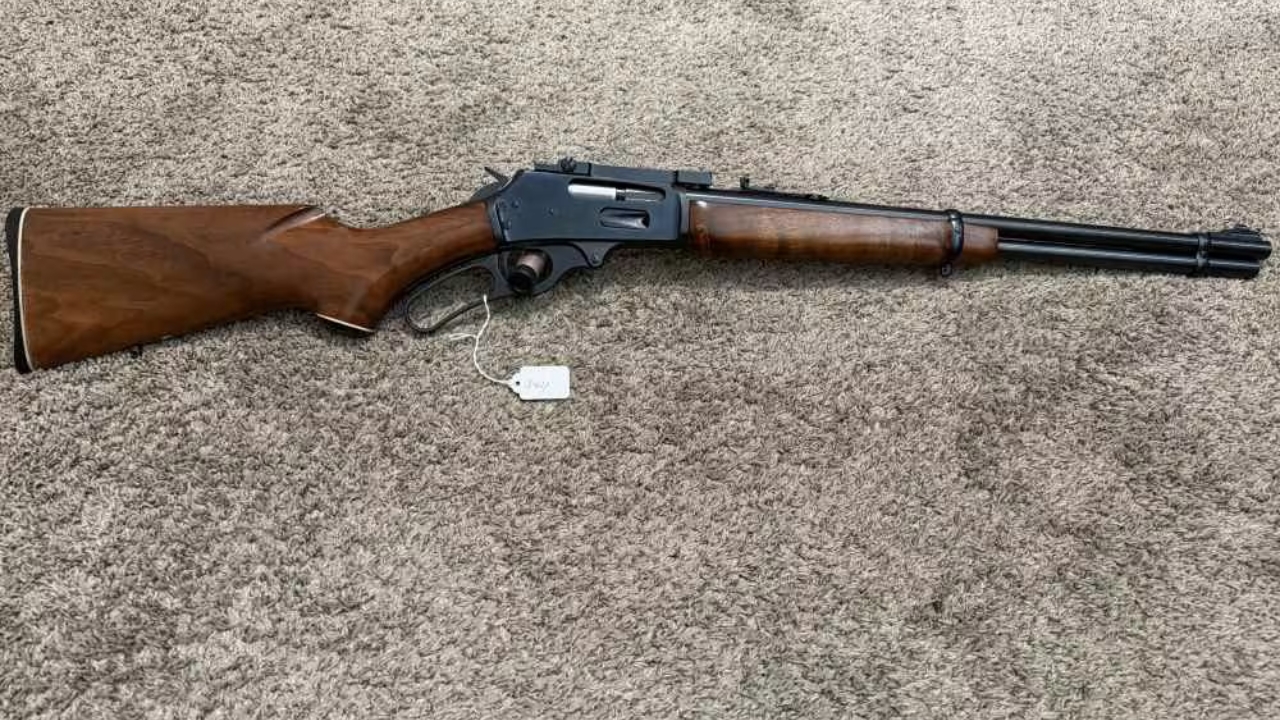
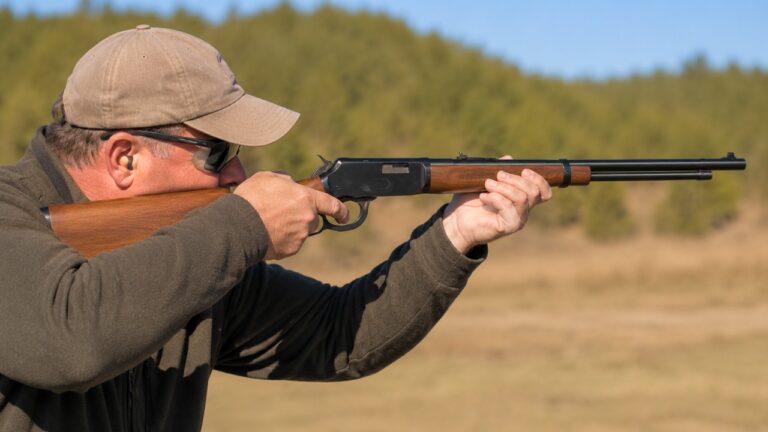
The Marlin 336 never really disappeared from serious deer talk because it fits the way a lot of people actually hunt. Thick woods, short lanes, creek bottoms, brushy edges, and fast chances are exactly where a lever-action .30-30 still makes sense.
Hunters did not keep the 336 around because it was flashy. They kept it because it carried easily, pointed fast, and put venison on the ground without drama. The side-eject receiver also made scopes easier to live with, which helped it stay relevant as more hunters moved away from irons. A clean older 336 still gets attention for a reason.
Ruger M77 Hawkeye

The Ruger M77 Hawkeye earned trust from hunters who wanted a rifle that felt tougher than it looked. It has always had a workmanlike personality, especially in walnut-and-blued or stainless configurations. It does not beg for attention, but it handles weather, recoil, and rough use well.
The controlled-round-feed action gives it a serious feel, and the integral scope mounts are one of those Ruger details people either love right away or learn to appreciate later. The Hawkeye is not always the lightest rifle on the rack, but hunters who value sturdiness tend to understand why it stuck around.
Browning X-Bolt Hunter
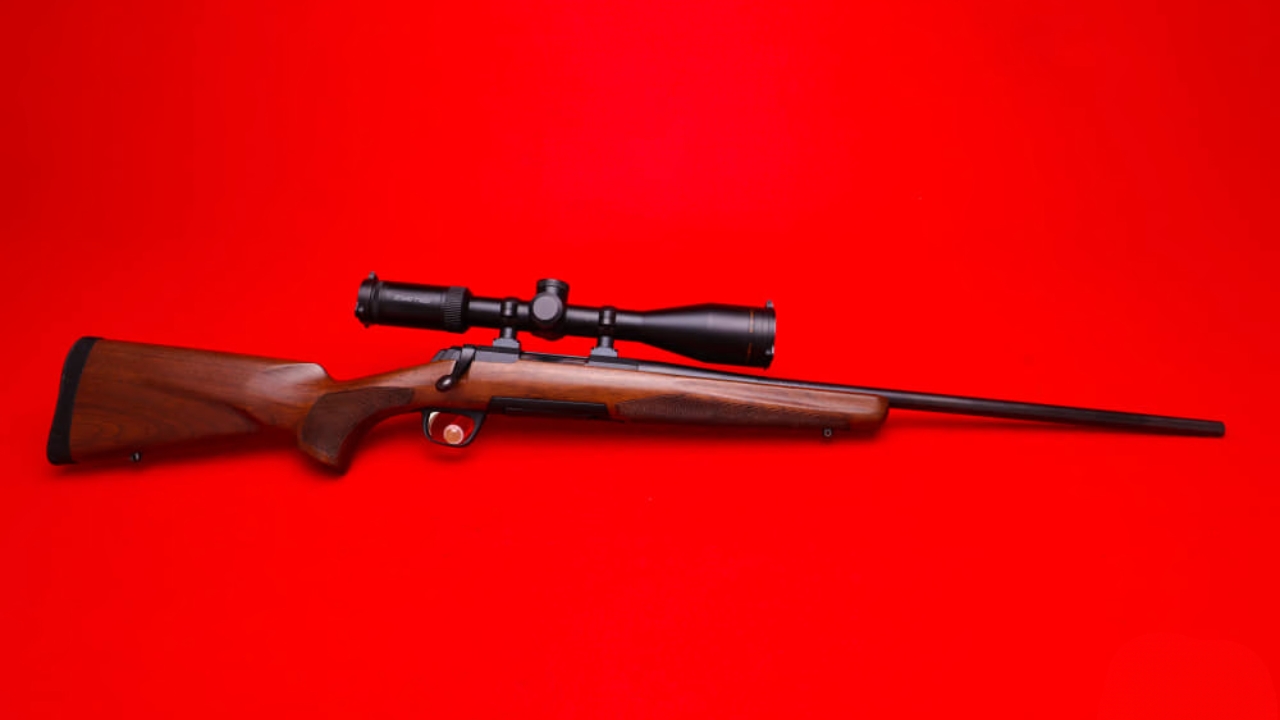
The Browning X-Bolt Hunter built its following by being accurate, cleanly finished, and easy to shoot well without needing a pile of changes. It feels more refined than many basic hunting rifles, but not so delicate that you feel strange carrying it into rough country.
Hunters kept buying it because the rifle does a lot of small things right. The bolt lift is short, the magazine is handy, the trigger is usually good, and the rifle balances well. It fits the hunter who wants a modern bolt gun but still likes a traditional stock and a rifle that looks at home in a deer camp.
Savage 110

The Savage 110 stuck around because hunters learned not to underestimate it. For years, it was the rifle that might not have looked as polished as others on the rack, but it often shot better than people expected once they put it on paper.
That matters to regular hunters. A rifle that groups well, adjusts easily, and comes in useful chamberings will always find an audience. The AccuTrigger helped the 110 line gain even more respect, but the bigger story is consistency. Hunters may joke about plain looks, but they do not give up on rifles that keep putting bullets where they belong.
Weatherby Vanguard
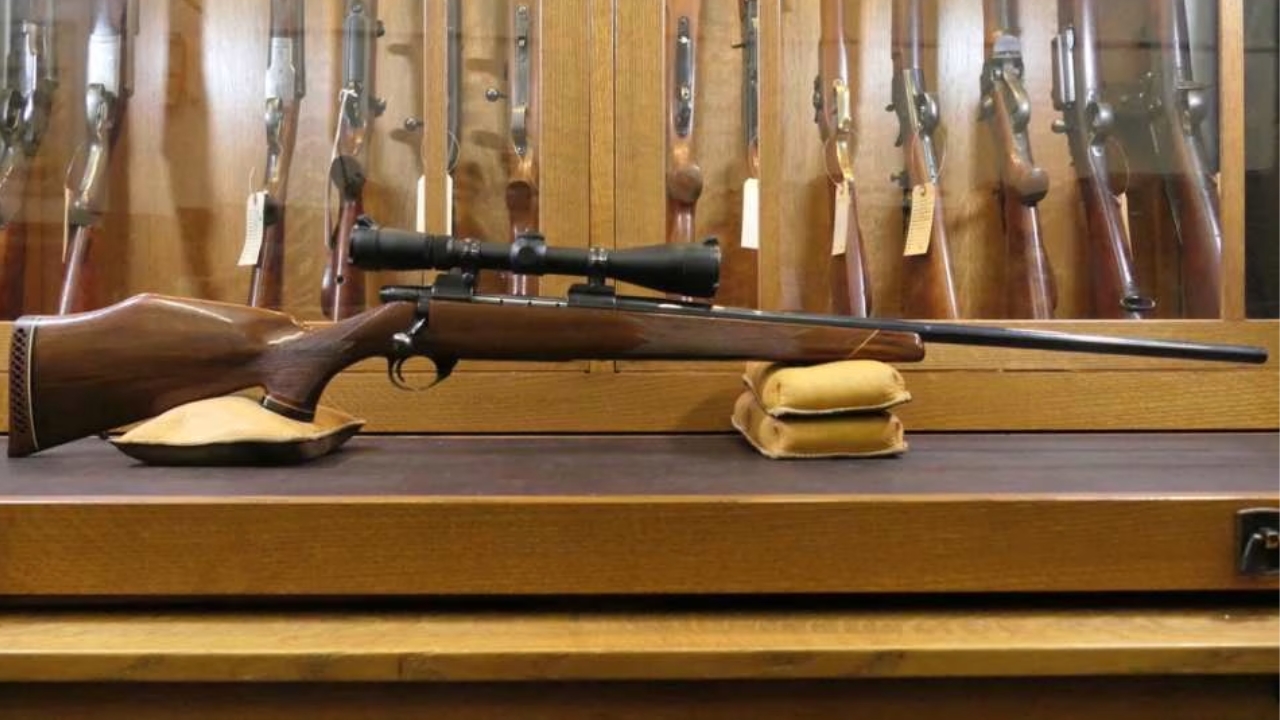
The Weatherby Vanguard has always made sense for hunters who wanted solid performance without paying full Mark V money. It gives you a strong action, good accuracy potential, and enough Weatherby identity to feel different from the usual rack rifles.
The Vanguard stuck around because it does not ask the hunter to baby it. You can set one up for deer, elk, antelope, or hogs and feel like you bought a serious tool. It may not carry the same glamour as Weatherby’s more expensive rifles, but hunters who care about results more than bragging rights never really forgot about it.
Tikka T3x Lite
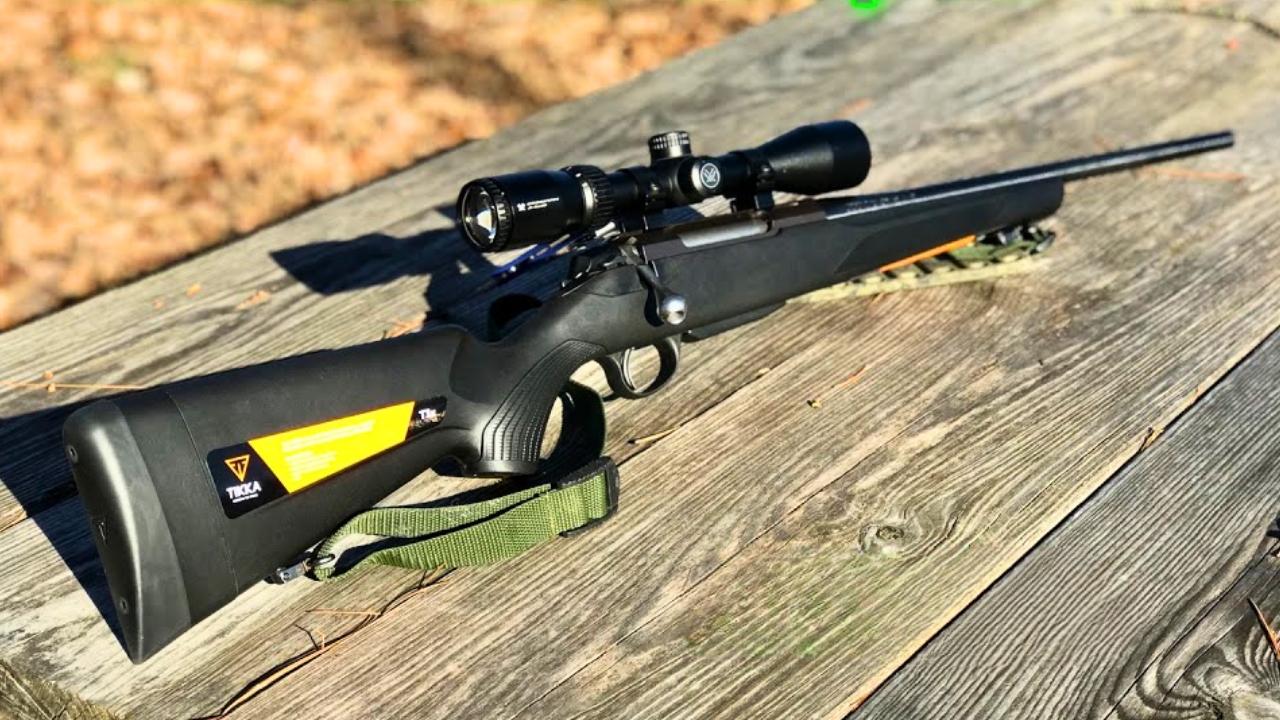
The Tikka T3x Lite earned loyalty fast because it gives hunters exactly what they usually want after handling enough rifles: smooth cycling, good accuracy, light weight, and a trigger that does not feel like an afterthought. It is not fancy, but it is easy to trust.
Some hunters complain about the synthetic feel or detachable magazine setup, and that is fair. Still, the rifle keeps winning people over because it performs. When a lightweight rifle shoots well and carries easily, hunters remember. The T3x Lite became one of those rifles people recommend because they have actually used it, not because it sounds good online.
Remington Model Seven

The Remington Model Seven became a favorite for hunters who wanted a short, handy bolt rifle before compact rifles became a marketing category. It was especially good in deer woods, box blinds, thick cover, and places where a full-size rifle felt like too much.
The Model Seven is one of those rifles people regret selling because it fills a useful role so well. It comes up quick, carries easily, and works nicely with mild to moderate cartridges. It was not built to be everything. It was built to be handy, and plenty of hunters never stopped appreciating that.
Winchester Model 94
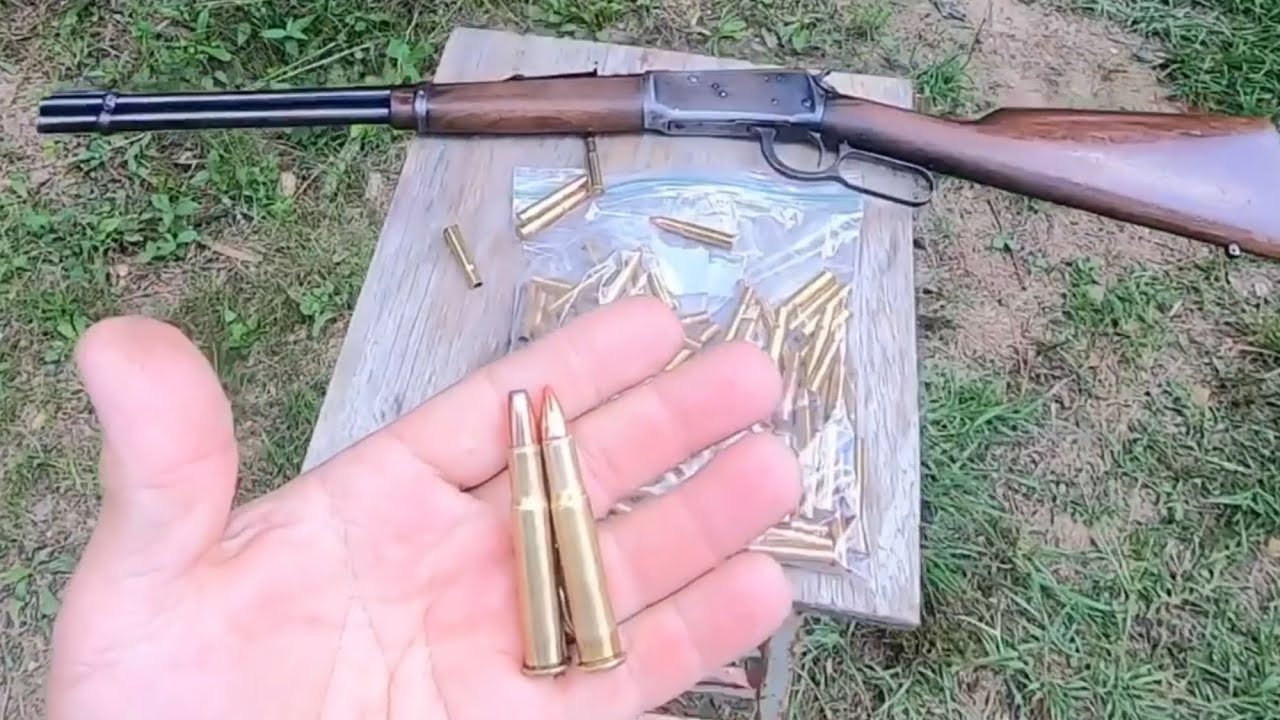
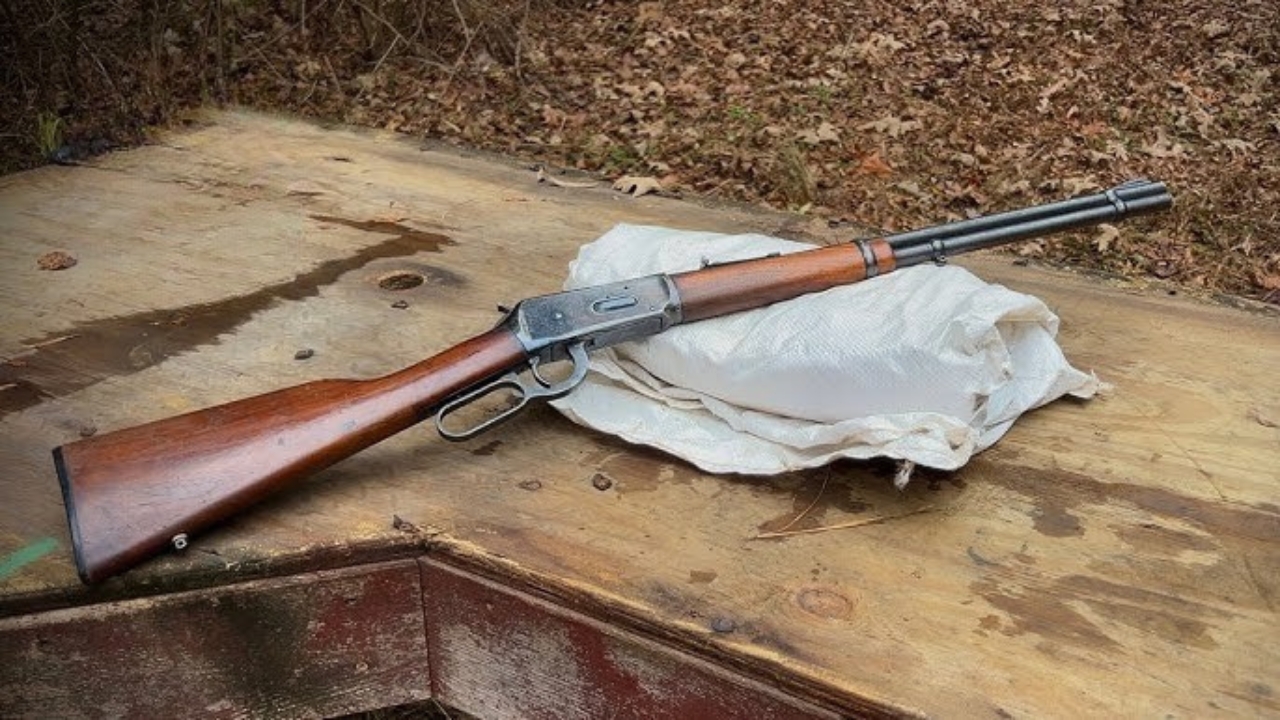
The Winchester Model 94 is still hard to leave out of any honest deer-rifle conversation. In .30-30, it became part of American hunting because it matched the woods hunting so many people grew up doing. Light rifle, quick shot, reasonable distance, dead deer.
Hunters never gave up on it because it still feels useful. It is slim in the hand, easy to carry, and fast to shoulder when a deer slips through timber. Modern rifles beat it in range, optics mounting, and ballistic charts. None of that changes what the Model 94 does well inside the country it was built for.
Sako 85 Finnlight

The Sako 85 Finnlight stayed in the conversation because hunters who used one usually understood the difference between expensive and well-built. It is light enough for serious walking, but it still feels like a refined rifle instead of a hollow plastic shell.
The action, trigger, and overall finish give it a polished feel that practical hunters can still justify if they spend enough time in the field. It is not a bargain rifle, and it never pretended to be. But some rifles keep their following because they make every cheaper shortcut easier to notice. The Finnlight is one of them.
Browning BAR Mark II Safari

The Browning BAR Mark II Safari is the kind of semi-auto hunting rifle hunters either understand immediately or overlook completely. It offers fast follow-up shots, real hunting cartridges, and a level of finish that made it feel more serious than many autoloaders.
Deer hunters in certain regions never really gave up on it because it works well for stands, drives, and thick cover where a second shot may come fast. It is heavier than a basic bolt gun, but that weight helps tame recoil. For hunters who like semi-autos but still want a traditional sporting rifle, the BAR earned its place.
CZ 550

The CZ 550 built a loyal following among hunters who cared about controlled-round feed, strong actions, and old-school rifle feel. It had weight, steel, and character in a market that kept moving toward lighter synthetic rifles.
That weight could be a drawback on long climbs, but it also gave the rifle a steady, serious feel. In heavier chamberings, the 550 made a lot of sense. Hunters who used one for big game often trusted it because it felt built for hard use instead of easy advertising. Now that they are harder to find, more people seem to realize what they had.
Kimber Montana

The Kimber Montana earned its fans among hunters who actually count ounces. It was light, weather-resistant, and built around the idea that a mountain rifle should carry like it belonged there. That made it stand out before every company had a lightweight backcountry line.
It was not always perfect, and hunters can be picky about lightweight rifles because small flaws show up fast. But a good Montana was easy to love. It carried beautifully, handled rough weather, and gave mountain hunters a rifle that did not feel like a burden halfway through the day. That is why people still talk about them.
Henry Long Ranger

The Henry Long Ranger gave lever-action hunters something they had wanted for a long time: a modern lever rifle that could handle pointed bullets and stretch farther than traditional tube-fed designs. That made it interesting without turning it into a gimmick.
Hunters who like lever guns but hunt more open country saw the appeal right away. It is not a replacement for a classic .30-30, and it is not trying to be a bolt gun either. Its value is sitting between those worlds. It gives you familiar lever handling with cartridges that make sense past the close timber line.
Like The Avid Outdoorsman’s content? Be sure to follow us.
Here’s more from us: