Photo credit: Savage Arms
When hunting season rolls around, you see the same thing every year: big-box stores slash prices, and suddenly rifles that barely get a second glance in spring start flying off the shelves. Hunters love a bargain—we all do—but there’s a difference between saving money and settling for a rifle that’s cheap for a reason. A sale tag can distract you from rough triggers, hollow stocks, wandering zeros, and actions that feel like they were fitted on a Friday afternoon.
You’ve probably seen these rifles at camp—the ones that shoot “good enough” for a couple of weekends but never really deliver the confidence you need when it counts. Here are the rifles hunters grab only because they’re on sale, even though better options sit a shelf away.
Ruger American Ranch

The Ruger American Ranch sells fast when it drops in price, mostly because it looks compact, handy, and practical. And it is—within reason. The problem is that the lightweight stock and flexible forend can cause consistency issues as you start stretching distance. If you lean into the rifle differently from shot to shot, the point of impact can shift.
You also feel more recoil than expected because of the short, light build. For close-range hunting or casual use, the Ranch is fine. But many hunters buy it thinking they’re getting a do-all rifle when it’s really designed for a very specific role—and not much beyond that.
Savage Axis

The Savage Axis often becomes an impulse buy the moment it hits a deep discount rack. The action is strong and the rifles can shoot well, but the stock is extremely flexible and the trigger leaves a lot to be desired unless you upgrade it. Many hunters don’t realize how much that stock flex affects accuracy until they try shooting off anything other than sandbags.
Once the excitement of the sale wears off, you start noticing the limitations. It’s a workable rifle for tight budgets, but it’s not something most hunters would choose if price wasn’t part of the conversation. It’s a “good enough” gun that gets bought because it’s cheap, not because it’s impressive.
Mossberg Patriot

The Patriot looks great on the rack and always seems to be on sale somewhere. Hunters gravitate to it because it offers walnut and cerakote options at a bargain, which is hard to pass up. The issue is that the lightweight stock and simple bedding system tend to drift as recoil adds up. Over time, your groups can go from decent to puzzling without any obvious change in setup.
It’s a rifle that performs best for occasional use rather than heavy range time. Hunters buy it because it looks like a premium rifle for half the price, but the performance doesn’t always match the visual appeal once you put real miles on it.
Remington 783

The Remington 783 was created to be affordable, and you feel that intention in every part of the rifle. When it’s on sale, hunters snap it up thinking they found a sleeper performer. While the 783 can shoot well with the right loads, the action is rougher than most competitors, and the stock doesn’t inspire confidence when shooting off anything unstable.
It’s not a disaster—but it isn’t something seasoned hunters go looking for. It’s usually bought because it’s marked down enough to feel like a win, not because anyone has long-term plans for it. Once you handle it alongside rifles in the next price bracket, the difference becomes clear.
Winchester XPR

The Winchester XPR drops in price often enough that a lot of hunters add one to the cart on impulse. The rifle has potential, but the trigger feel varies between models and the stock flexes more than many shooters expect. At the bench, this can lead to inconsistent groups that don’t reflect the actual skill of the hunter.
It does the job for basic deer hunting, but it’s not the kind of rifle you grow into over time. Most people buy it because it was $100 off at the right moment, not because they set out to buy an XPR. With a little more money, you can get something noticeably better.
Thompson/Center Compass

The Compass tends to fly off shelves when stores cut prices, mostly because it promises accuracy at a budget level. And while many Compass rifles do shoot surprisingly tight, the stock and trigger aren’t built for shooters who plan to do much practicing. As recoil adds up, the bedding can shift slightly, and consistency suffers.
Hunters often buy the Compass thinking they’re getting a “budget gem,” but they usually end up realizing it requires more add-ons—better scope mounts, trigger work, maybe even a stock swap—than they planned. At full price, it’s rarely anyone’s first choice. On sale, it suddenly becomes the impulse pick.
CVA Cascade
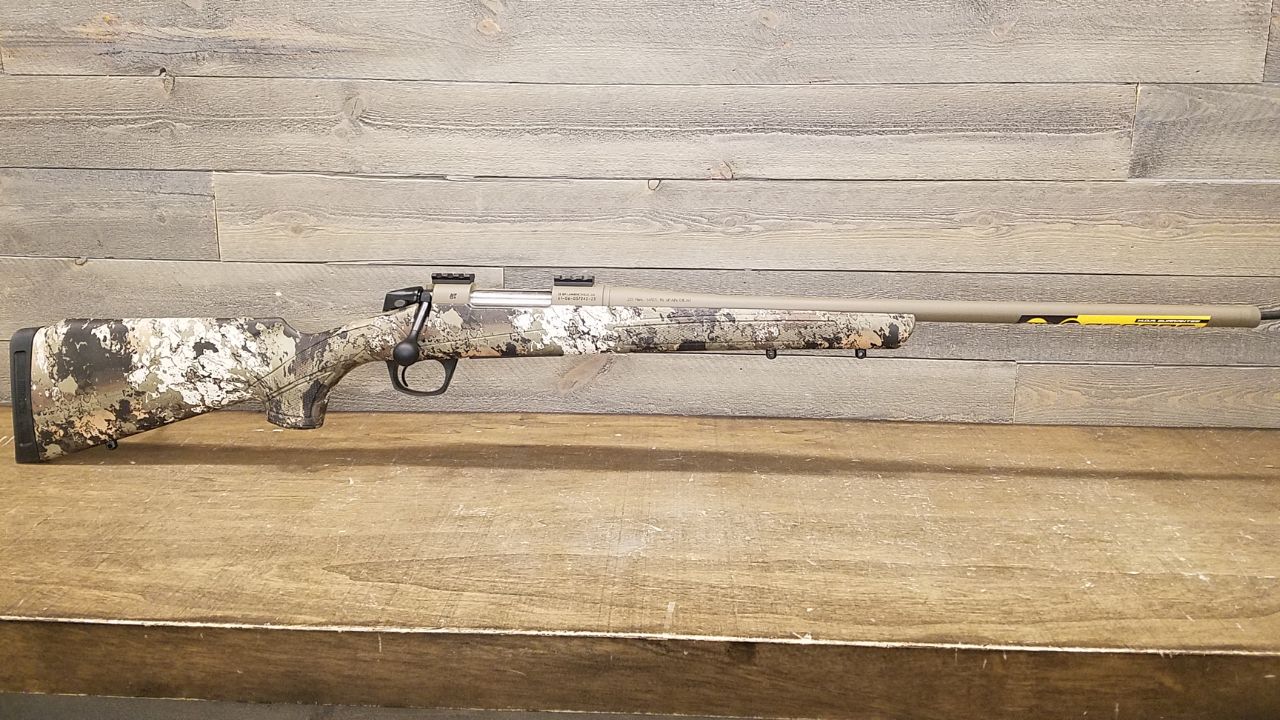
The CVA Cascade becomes irresistible when discounted because it sits right on the line between budget and mid-tier. While the action is smooth, the polymer stock and forend can feel hollow, especially when shooting from field positions. Some versions also show small shifts in point of impact after long shooting sessions, especially with heavier cartridges.
It’s a rifle that looks like a bargain on paper, and many hunters jump on it without really thinking through how they’ll use it. It works, but if you shoot a lot or hunt in rough conditions, you’ll start noticing why it was priced so aggressively.
Remington 770
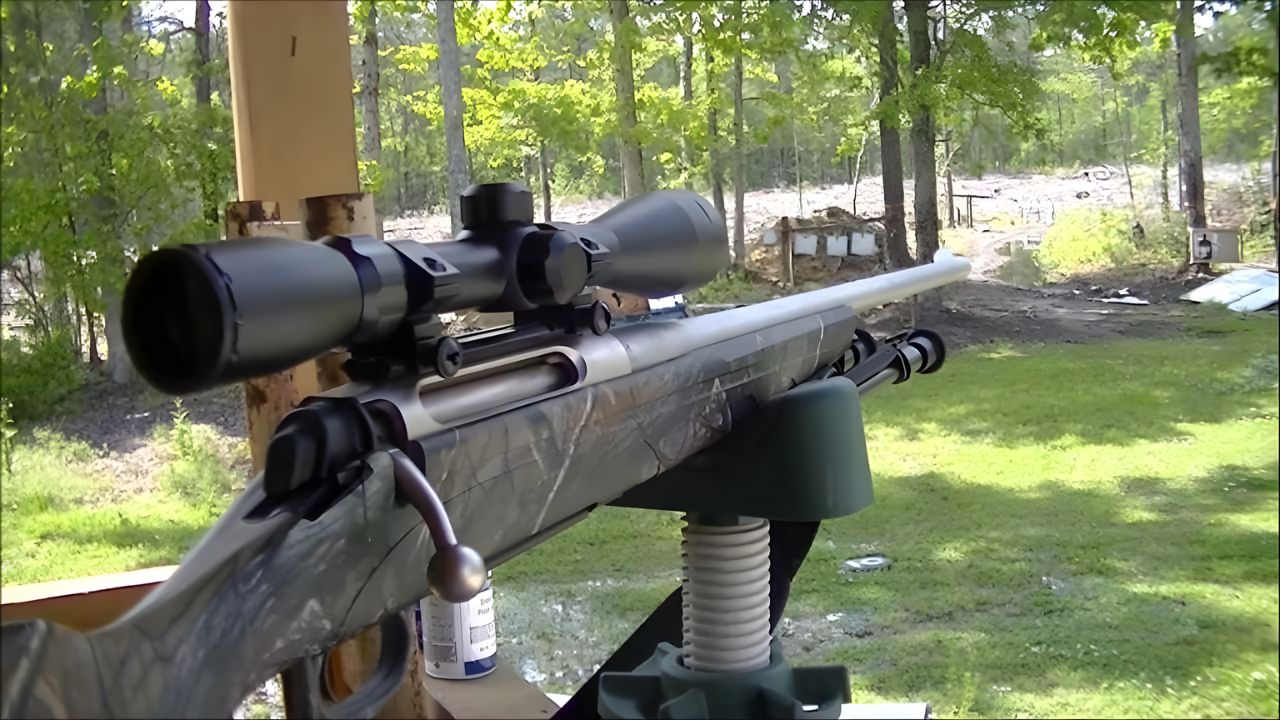
Few rifles get discounted as often—or as deeply—as the Remington 770. Hunters buy it because it’s cheap, not because it’s respected. The bolt feel, trigger, and stock design all show the shortcuts taken to keep the rifle affordable. While it’s capable of taking deer inside moderate distances, the rifle lacks the durability and consistency hunters usually expect.
The 770 is the classic “it was on the clearance rack” purchase. It fills a gap for a season, maybe two, before the owner realizes there’s a reason it never commanded much attention in the first place.
Savage Axis II Hardwood

When the Axis II Hardwood goes on sale, hunters jump at the chance to get a rifle that looks traditional without spending much. The wood stock definitely adds charm, but it doesn’t solve the platform’s main problem—flex and inconsistent pressure during recoil. It may feel more substantial in the hand, but performance-wise, it behaves a lot like the polymer version.
Most hunters who buy this one do it for the aesthetics and the price drop. Once they get it on the range, the excitement tends to cool off when they notice the same limitations as cheaper models in the Axis family.
Mossberg MVP Predator

The MVP Predator tends to move quickly when discounted because it offers AR-magazine compatibility and smooth cycling. But once the sale glow fades, many hunters realize that accuracy can be hit-or-miss across different loads. The rifle relies on a unique bolt head design that can feel slightly less solid than traditional lugs under recoil.
It’s fun, and it fills a niche, but it’s not the rifle most hunters reach for when they care about consistency. It’s mostly bought because the sale makes it too tempting to ignore.
Rossi RS22 Scoped Combo Packs

These combo packs show up in nearly every sporting goods store’s holiday sale. Hunters grab them thinking they’ve found a super cheap truck gun or small-game rifle. While the RS22 is lightweight and easy to carry, the included scopes are often poor quality and the mounting systems can loosen quickly.
The rifle itself shoots fine for plinking, but it’s not something you’d trust for precision work. People buy it because it’s an unbelievable deal—not because they intended to bring home a Rossi that day.
Savage A17
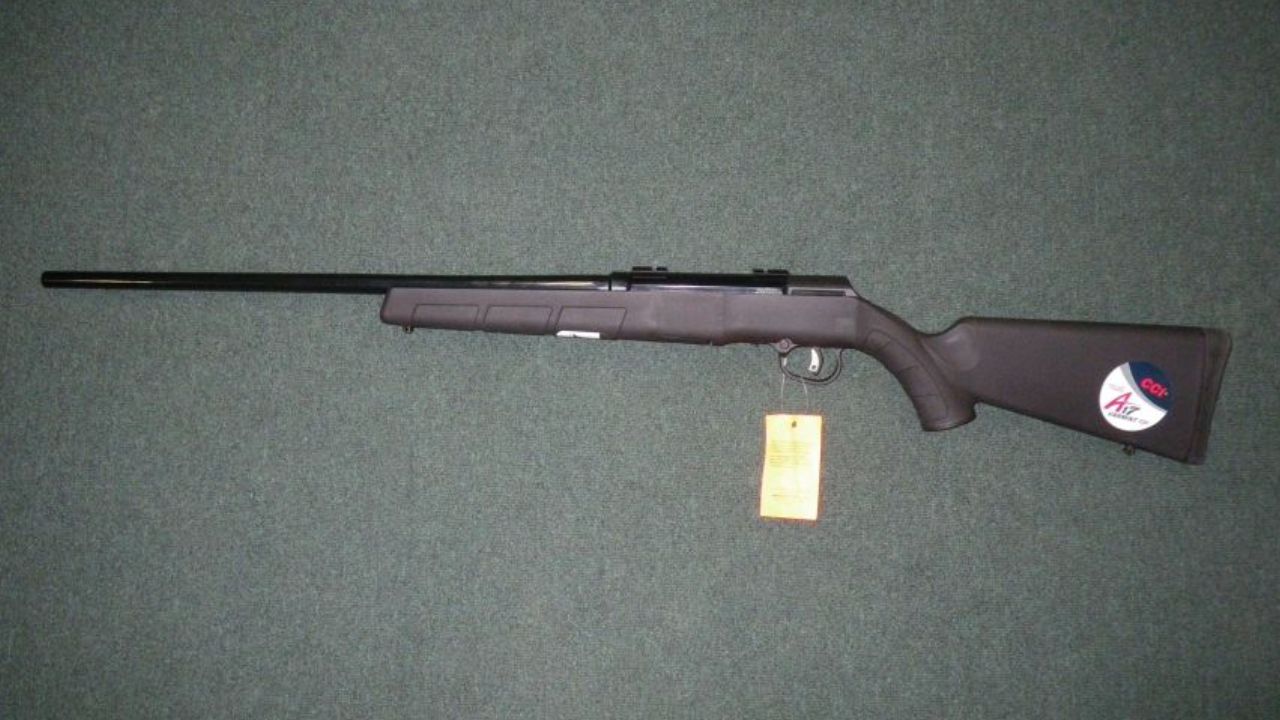
The A17 frequently goes on sale, drawing hunters who want a semi-auto .17 HMR without spending too much. While it’s accurate enough for varmints, the cycling system can be picky with certain ammunition. Weak or inconsistent ejection shows up often when the rifle gets dirty.
It’s a rifle that can perform well, but it requires more maintenance and load testing than most buyers expect. When it’s cheap, it feels irresistible. When it starts acting picky, you understand why it had that markdown.
Ruger American Predator in Niche Calibers

The Predator line is great overall, but the niche calibers—like 6mm Creedmoor—tend to get discounted. Hunters buy them because the deal is too good to pass up, even if they have no real reason to own that specific chambering. Later, they struggle to find ammo or realize the rifle doesn’t fit any practical role in their hunting season.
It’s not the rifle’s fault—it’s the mismatch between excitement and real needs. Sale prices make people grab calibers they’d never buy at full cost.
Bergara B-14 Hunter (When Heavily Discounted)

You almost never see Bergaras discounted deeply, but when stores drop the price of the B-14 Hunter, it gets bought fast. Some hunters get it thinking it’s a premium rifle for a steal. And it can be—but the lightweight synthetic stock sometimes doesn’t match the precision reputation the Bergara name carries.
The action and barrel are excellent, but the stock limits the rifle’s potential for shooters who push distance. People who buy it on sale often expected a different level of refinement than what the money-saving stock delivers.
Ruger American Compact

When the Compact goes on sale, hunters think they’re getting a quick-handling, lightweight deer rifle. And they are—but they’re also getting a platform that magnifies recoil and can be tough to shoot accurately past shorter ranges. The shorter length of pull also doesn’t fit everyone well, which leads to inconsistent form.
It’s fine for youth hunters or tight-cover shots, but adults who buy it because the price dropped usually end up wishing they’d picked something with a full-size stock and more stability. It’s a classic “on sale” purchase that fills a temporary role but rarely becomes a long-term favorite.
Like The Avid Outdoorsman’s content? Subscribe to our newsletter so you never miss an article.
Here’s more from us: