Photo credit: The Avid Outdoorsman
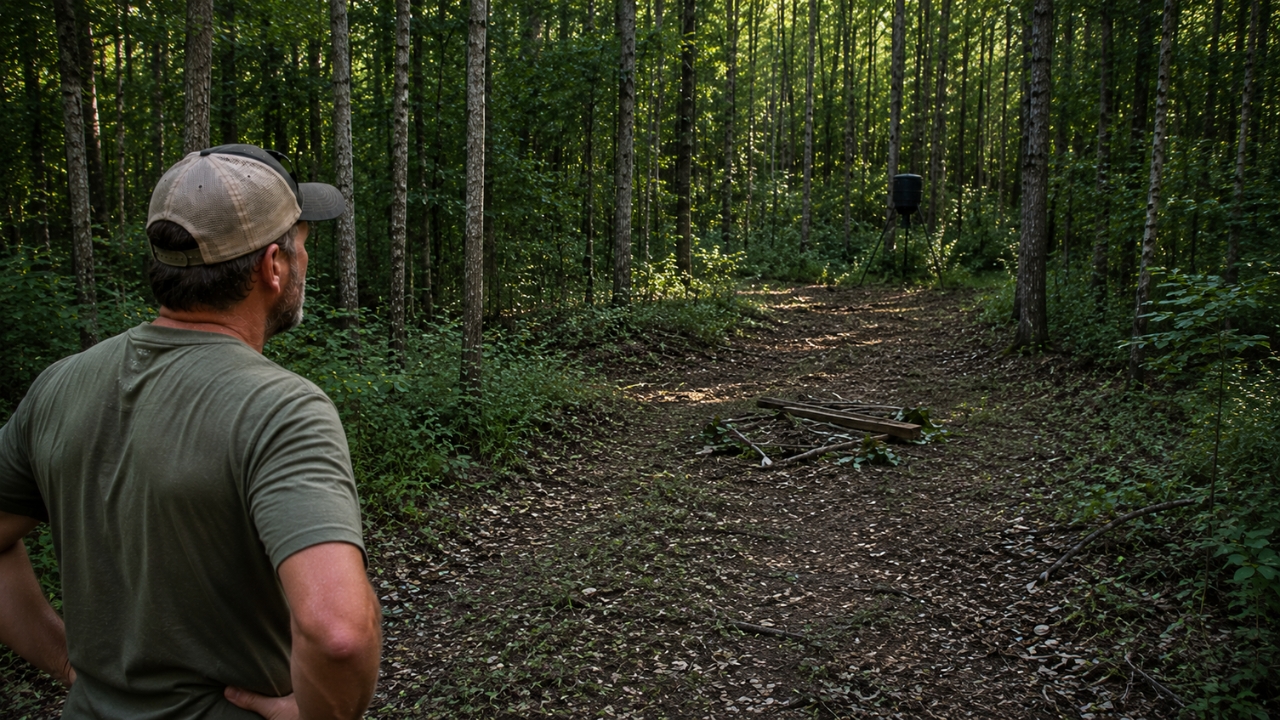
A northern Michigan landowner who only gets to visit his hunting property a few times a year said he believes someone may have stolen his ladder stand, but the distance from home has made it hard to catch anyone in the act.
The landowner shared the situation in a Reddit post titled “Tips for protecting hunting property from local thieves and trespassers?”. He said he owns nearly 30 acres of hunting and recreational land in northern Michigan, but he does not live there full time. Instead, he visits several times a year while the property sits mostly unmonitored the rest of the time.
That setup can be a dream when everything goes right. A piece of land up north gives a person a place to hunt, scout, camp, cut trails, and get away. But when locals realize the owner is not there often, the same property can start feeling hard to protect.
The poster said people regularly drive quads and snowmobiles through the land when he is not there. He knows that because of tracks left behind and because he has a trustworthy neighbor who reports what he sees. Recently, that neighbor saw someone driving a quad with a trailer covered by a tarp out of the property.
That sight made the owner suspicious. He believed it was likely that the person had stolen a ladder tree stand he installed in the fall.
He planned to visit the property that weekend, post more no-trespassing signs, and set up trail cameras. But he wanted more ideas for keeping people out or at least gathering enough evidence that the local sheriff could prosecute trespassers or thieves.
The Distance Made Everything Harder
The landowner’s biggest problem was not only the trespassing. It was that he lived too far away to monitor the property himself.
A local landowner can check trails after work, drive by when tracks appear, or notice if a gate has been moved. An absentee owner has to rely on neighbors, cameras, signs, and whatever he finds weeks or months later.
That delay matters. If a ladder stand disappears, it may be impossible to know when it happened. If ATV tracks cross the land, they may be old by the time the owner sees them. If someone drags gear out on a trailer, the owner may only hear about it later from someone else.
That makes prosecution harder too. A sheriff cannot do much with a vague report that something may have been stolen at some point. The owner needs photos, video, license plates, a time stamp, or a witness who can identify the person.
The poster seemed to understand that. He was not only asking how to stop trespassers. He was asking how to gather real evidence.
That is the frustrating part of owning remote hunting land. The people causing trouble may know the area better than the owner does. They know when nobody is around, which trail to use, and how to slip in and out before anyone can respond.
Quads and Snowmobiles Were the Regular Problem
The landowner said quads and snowmobiles had been crossing the property somewhat regularly.
That may sound less serious than a stolen stand at first, but it still matters. Machines can tear up trails, leave ruts, damage food plots, spook deer, and make a private property feel like a public riding area. Once people treat a property as an access route, it can become hard to undo that habit.
One rider becomes two. Two become a group. Someone tells a buddy that nobody ever stops them. Before long, the property has a reputation as a cut-through.
That is probably why the covered trailer raised alarms. If people are already comfortable riding through, it is not much of a leap to believe someone could haul gear out too. The owner’s ladder stand may have been the first major theft he suspected, but the trespassing pattern already existed.
Commenters treated that pattern seriously. They asked whether the property was fenced and suggested gates, signs, cameras, and physical barriers at trails or driveways.
That is the hard truth with ATV and snowmobile trespass. Signs help, but riders who are already ignoring property lines may need actual barriers before they change routes.
Commenters Pushed Cell Cameras and Hidden Cameras
The most practical advice centered on cameras, but not just any cameras.
One commenter suggested putting out some obvious trail cameras, then placing sneaky cellular cameras pointed at the entrances and the obvious cameras. That setup works because the obvious camera may catch casual trespassers, while the hidden camera may catch anyone who tries to steal or disable the first one.
That approach fits the poster’s problem perfectly. If someone may have already stolen a ladder stand, then any new camera is also at risk. A visible camera alone might disappear. A hidden cellular camera can send photos before the person finds it.
Other commenters suggested cameras positioned to capture license plates at access points. That kind of photo is far more useful than a blurry shot of a person in the woods. A vehicle, trailer, plate number, and timestamp can give the sheriff something to work with.
One user also mentioned live video cameras with cellular service, alarms, and speaker options for remote properties. That may be more than every landowner wants to set up, but the idea is the same: if you are not there, you need something that tells you what is happening in real time.
Regular SD-card trail cameras may only tell you what happened after the person and the gear are gone.
Local Help Might Matter More Than More Signs
Several commenters suggested finding someone local who could help keep an eye on the land.
One person asked whether there was someone nearby who might appreciate limited hunting access in exchange for watching the property. Another said it might be worth calling the sheriff or local warden to ask for suggestions.
That kind of arrangement can be one of the best protections for absentee land, but it has to be handled carefully. Giving someone access can solve one problem and create another if the wrong person starts acting like the land is theirs. But the right person — a trusted neighbor, local hunter, or nearby landowner — can make a huge difference.
The poster already had one trustworthy neighbor watching for activity. That is valuable. A neighbor who notices a quad with a covered trailer leaving the property may not be able to stop the theft, but he can give the owner a time, direction, and maybe a description.
In rural areas, those relationships can matter more than any camera. Neighbors know who rides which trail, who owns which quad, who has been stealing stands, and which local names keep coming up. A camera may get a photo, but a neighbor may know who is in it.
That is why building local relationships can be just as important as posting more signs.
Some Advice Crossed the Line
As always with trespasser threads, some commenters suggested tactics that were either unsafe, illegal, or a bad idea.
A few mentioned things like boards with nails, wire, or other hazards across trails. Other commenters pushed back hard, pointing out that trespassers may be in the wrong, but setting traps that could seriously injure or kill someone is not acceptable.
That distinction matters. A landowner can be angry and still needs to stay within the law. Blocking trails with gates, rocks, downed trees, or fences is one thing. Setting hidden hazards designed to hurt riders is another.
The owner wanted evidence that could help the sheriff prosecute. Dangerous traps would do the opposite. They could put the landowner in legal trouble and turn a trespassing complaint into a much bigger mess.
The better advice was boring but solid: gates, fences where practical, clear signs, hidden cell cameras, license plate photos, local relationships, and reports to law enforcement.
It may not feel as satisfying as catching someone red-handed immediately, but it keeps the owner on the right side of the law.
Commenters generally agreed that the landowner needed a layered approach.
Many recommended obvious cameras paired with hidden cellular cameras. The visible cameras could discourage some trespassers, while the hidden cameras could catch anyone who tried to steal or disable them. Several users said cameras near entrances should be aimed to capture vehicles and license plates.
Others suggested gates, fences, rocks, or other barriers to block ATV and snowmobile access points. Signs alone may not stop people who already feel comfortable riding through, but physical obstacles can make the property less convenient.
A few commenters said local relationships might be the key. A neighbor, trusted local hunter, sheriff, or game warden could help the owner understand who is coming through and what enforcement options are realistic.
Some users shared stories of repeated thefts from their own northern properties, including stolen stands, damaged blinds, missing cameras, and cabins broken into. Those stories made the owner’s concern feel less like paranoia and more like a pattern many absentee landowners know too well.
For the Michigan landowner, the suspected missing ladder stand was only part of the issue. The bigger problem was that people had gotten comfortable treating his land as their trail system. The answer was not one sign or one camera. It was making the property harder to enter, easier to monitor, and less attractive to anyone hoping the owner would stay three hours away and never notice.