Photo credit: The Avid Outdoorsman
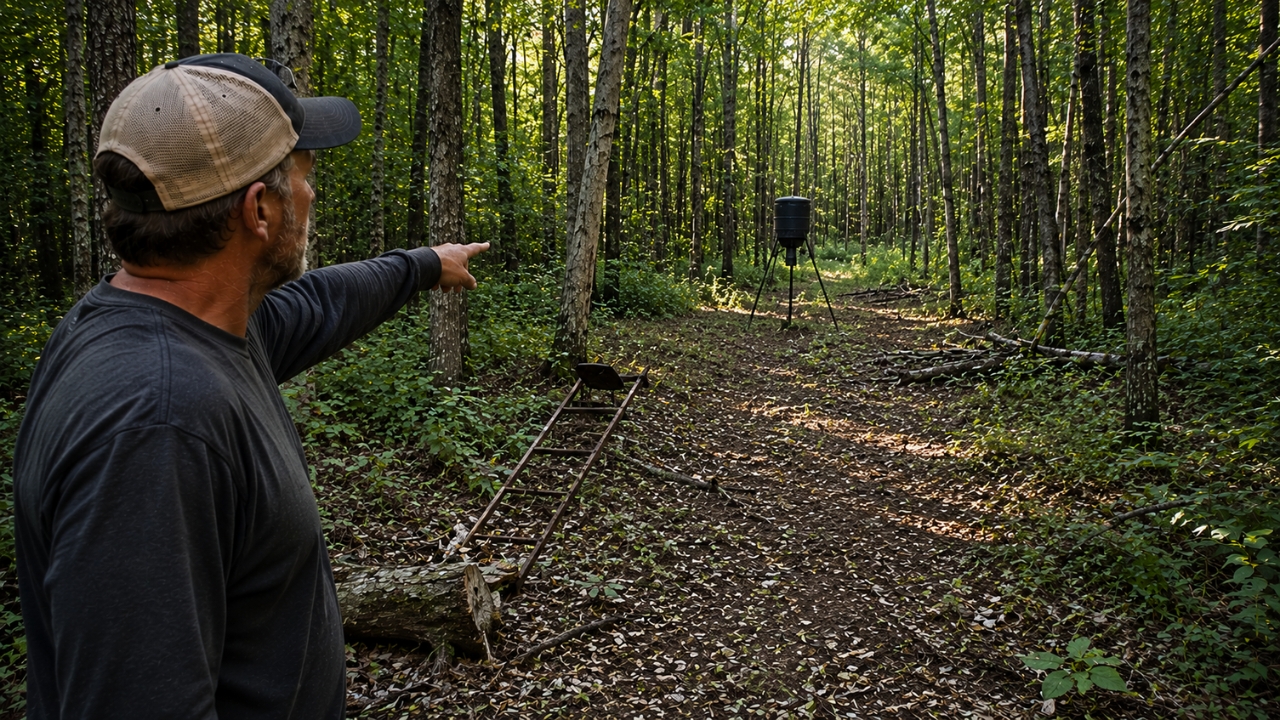
A group of hunters said their remote deer property had become a regular target for poachers, and the situation had gotten bad enough that they were looking for advice on how to slow it down before the season was ruined again.
The situation came from a Reddit post titled “Our hunting property in BFE is being heavily poached for deer”. The poster described a hunting property far enough out that keeping watch over it was difficult, which is exactly the kind of setup poachers tend to take advantage of.
Remote land can be great for deer hunting. Less road noise, fewer people, more cover, and fewer daily interruptions can make it feel like the perfect place to manage deer and hunt quietly. But the same things that make remote land attractive can make it hard to protect. If no one lives there, no one drives by often, and cell service is spotty, trespassers may start assuming they can come and go without being caught.
That was the frustration behind the post. The hunters were not dealing with one confused person crossing a boundary. They believed the property was being hit repeatedly by people who knew what they were doing.
Once that happens, the problem is bigger than lost deer. It becomes a fight over access, safety, evidence, and whether the people who actually have permission can still enjoy their own ground.
Remote Land Is Easier to Abuse
Poachers usually rely on one thing more than anything else: nobody being around at the right time.
On remote property, that advantage is built in. If the owners or leaseholders are only there on weekends, the weekdays are open. If the property is far from homes or roads, shots may not be heard by anyone who can respond. If there are multiple old trails, logging roads, creek crossings, or fence gaps, people can slip in from more than one direction.
That makes enforcement hard. A hunter can find tracks, gut piles, spent shells, tire marks, or missing cameras, but those clues may only show what already happened. They do not always identify who did it.
The poster’s wording suggested the problem was active and repeated. That wears people down quickly. Hunters spend time, money, and effort on land access, stands, cameras, habitat work, and scouting. Poachers get none of that permission, do none of that work, and still try to take the deer.
That is what makes it feel personal. The poachers are not only breaking rules. They are stealing the result of someone else’s investment.
Commenters Pushed for Wardens Early
The most common advice in a situation like this is to contact a game warden or conservation officer as soon as possible.
Poaching is not just a private land dispute. It is a wildlife violation. A sheriff may care about trespassing, but a game warden is the one who deals with illegal harvest, out-of-season kills, tagging issues, night hunting, baiting violations, and other game-law problems.
That matters because poaching cases need evidence. A warden can tell the hunters what kind of proof will help: vehicle descriptions, plate numbers, photos, dates, times, locations, carcass evidence, shell casings, access points, or repeated patterns. They may also already know about complaints nearby.
A single report may not solve the issue overnight. Remote properties are hard to patrol, and wardens are often stretched thin. But failing to report it leaves the problem invisible. If several nearby landowners report the same truck, ATV, or group of people, the warden has a much better chance of connecting the dots.
The hunters needed more than frustration. They needed a record.
Cameras Help, but Placement Matters
Trail cameras were an obvious part of the advice, but commenters in these situations usually warn that normal deer-camera placement may not be enough.
A camera pointed at a scrape or feeder may catch deer, but it may miss the people using the road, crossing the fence, or parking off the property. If the goal is catching poachers, cameras need to cover entry points, gates, trails, road crossings, and places where vehicles slow down.
Cellular cameras can help if service exists. They send photos before someone can steal the camera or pull the card. If service is bad, hidden SD-card cameras may still help, but they need to be placed where a trespasser is unlikely to see them.
Some landowners use obvious cameras as decoys and hide better cameras above or behind them. That way, if someone steals the obvious camera, the hidden one may catch the thief. Others place cameras high in trees, angled downward, where people are less likely to look.
The key is thinking like the trespasser. Where would someone park? Which trail is easiest? Where can an ATV get through? Where would a person drag a deer out? Cameras aimed at those places can do more than another picture of a buck at midnight.
Signs and Gates Only Work if They’re Maintained
No-trespassing signs and gates matter, but remote land tests them.
Signs get torn down, shot, weathered, or ignored. Gates get left open, cut, driven around, or bypassed through an old trail. A property can be legally posted and still feel easy to enter if the physical access is wide open.
That is why commenters often recommend layers. Post the boundaries clearly. Mark the main access points. Use gates where vehicles enter. Block old trails with downed trees, rocks, cables where legal and visible, or other barriers that do not create hidden hazards. Keep records of when signs are replaced or damaged.
The goal is not to build a fortress. The goal is to remove excuses and make illegal access harder.
If poachers have to walk farther, risk being seen by cameras, pass multiple signs, and avoid marked gates, some will move on to easier targets. The most determined people may still try, but every layer increases the chance of catching them or discouraging them.
Remote land will never be watched perfectly, but it should not look abandoned.
One of the most useful pieces of advice for remote land is to make friends with the nearest people who are there full time.
A neighbor, farmer, mail carrier, road crew worker, or nearby landowner may know which trucks do not belong, who rides which ATV, who has a reputation for poaching, and when strange activity usually happens. A camera can show a picture. A local person may recognize the person in it.
That kind of relationship takes time, but it can change everything. A neighbor willing to text when they hear shots, see headlights, or notice a truck parked at the gate can give the hunters a chance to respond or call the warden while something is actually happening.
The challenge is choosing the right people to trust. In some rural areas, the people causing the problem may be locals themselves. But even then, other locals often know who they are.
Remote landowners who stay isolated can be easier to target. Landowners who are known, present, and connected are harder to ignore.
What Commenters Said
Commenters generally treated the situation as a serious poaching problem that needed documentation, not only frustration.
Many pushed for contacting the game warden and making a report as soon as possible. Even if the warden could not patrol constantly, having the property on their radar could matter if the same people were poaching nearby or if another report came in.
Others focused on cameras. They recommended cellular cameras where service allowed, hidden cameras near access points, and decoy cameras watching more obvious spots. Several would likely suggest aiming cameras at vehicles and gates, not only deer trails.
Signs, gates, and physical barriers came up too. Commenters understood that signs alone will not stop poachers, but they help establish that anyone entering knew the property was private. Barriers can also make vehicle access harder.
Some users emphasized local help. A trustworthy neighbor who knows the area can be the difference between finding evidence days later and catching someone close to the act.
For the hunters, the problem was not that one deer disappeared. It was that poachers had started treating remote hunting land like nobody was watching. The answer was to make the property feel watched again — with wardens, cameras, signs, neighbors, and enough documentation that the next illegal trip onto the land might finally leave a trail back to the people responsible.