Photo credit: hickok45/Youtube
Some guns don’t make a strong first impression. They don’t have wild styling, famous movie history, rare collector status, or a feature list that makes everyone at the counter stop talking. They’re plain, practical, and easy to overlook beside something newer or louder.
Then people start using them. They ride in trucks, sit beside beds, get carried through deer season, or burn through case after case at the range. Over time, the boring gun becomes the one nobody worries about. That kind of trust matters more than looks ever will.
Ruger Redhawk
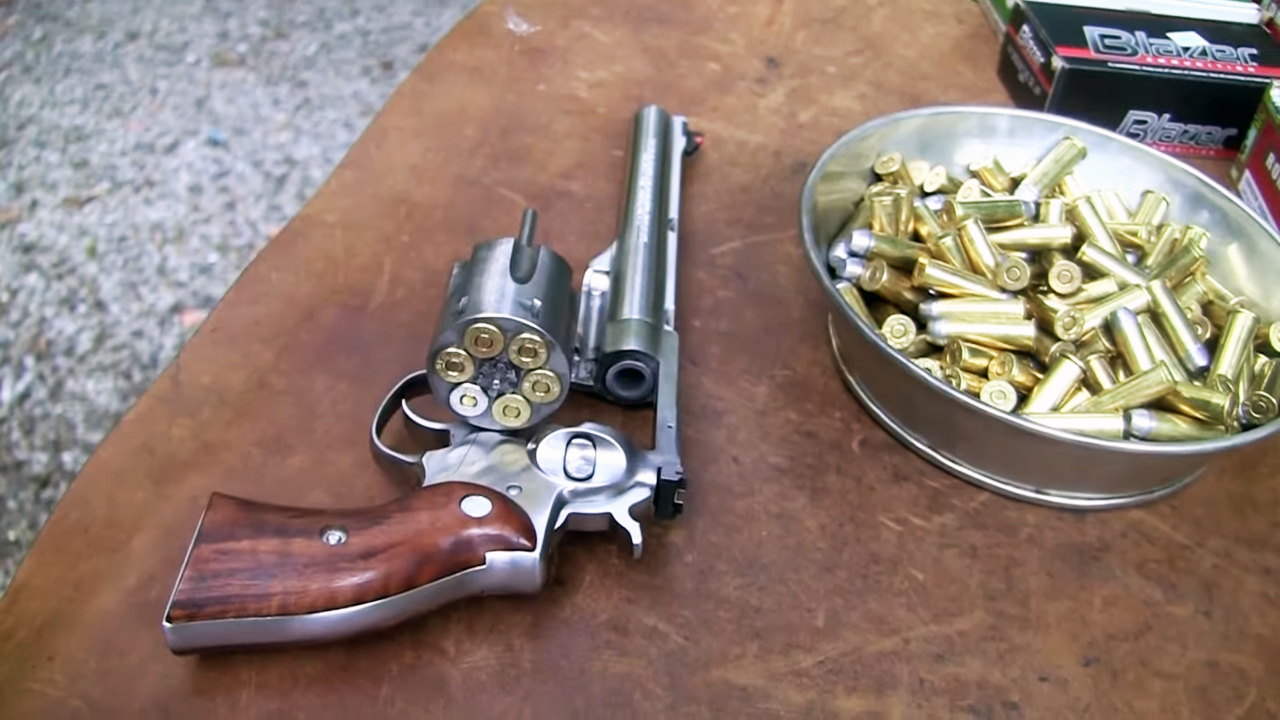
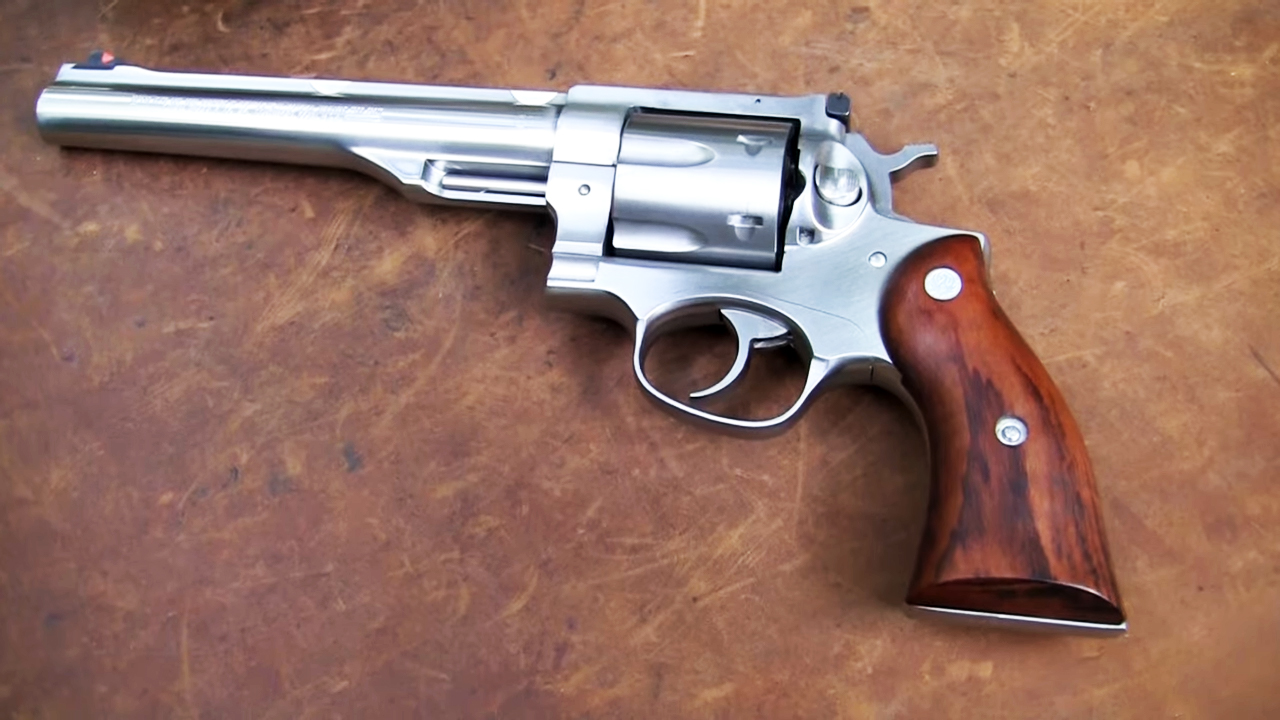
The Ruger Redhawk has never been a delicate-looking revolver, but it also isn’t flashy in the way some big magnums are. It looks like a heavy, plain working gun, because that’s exactly what it is. For years, shooters who wanted polish or classic lines often looked toward Smith & Wesson or older Colts instead.
The Redhawk earns trust by being strong, steady, and useful in hard-kicking chamberings. Hunters, hikers, and handgun shooters who spend time with one usually appreciate the weight and durability. It is not the slickest revolver from the factory, and the trigger can feel heavy compared with more refined wheelguns. But when someone wants a .44 Magnum or .45 Colt revolver that feels built for real use, the Redhawk starts looking a lot better than boring.
Winchester Model 1200
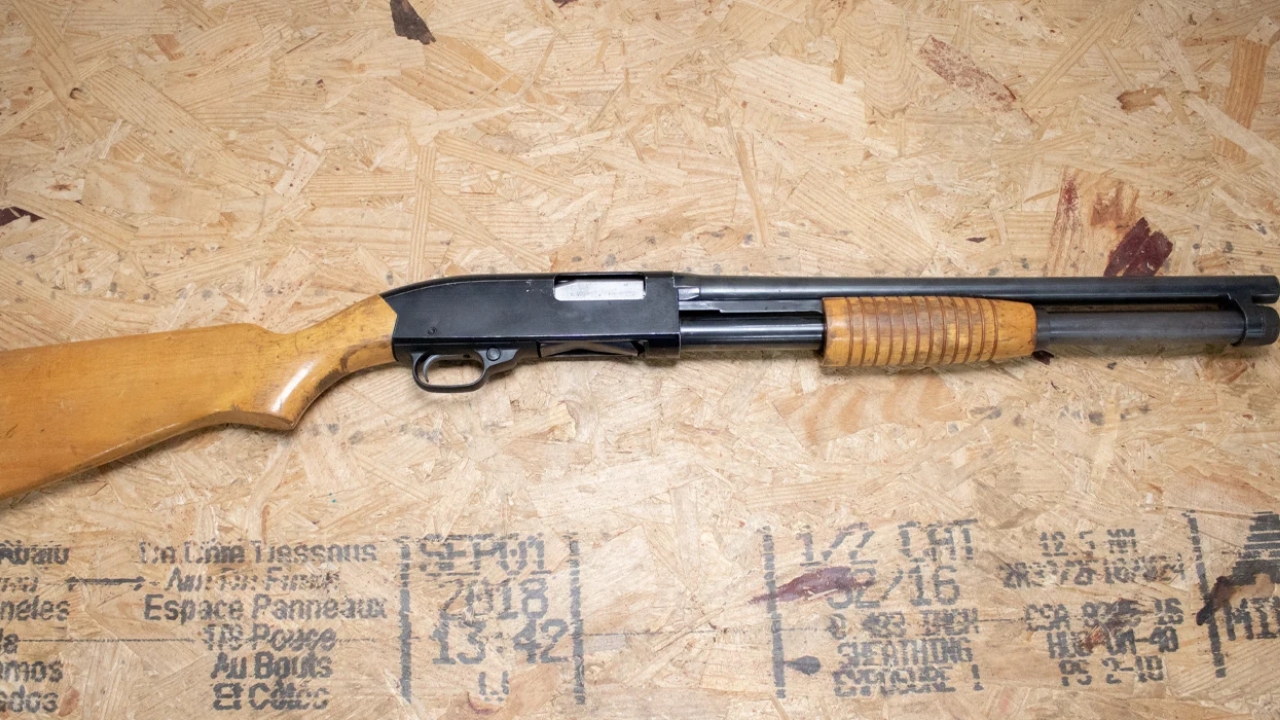
The Winchester Model 1200 doesn’t always get the same respect as the Model 12, Remington 870, or Mossberg 500. It has spent years being treated as an ordinary pump shotgun from another era. A lot of hunters owned one, used one, or passed by one without thinking much about it.
That changes when you spend a few seasons with a good one. The action is fast, the shotgun carries well, and the basic field models handle bird hunting, deer hunting, and general shotgun work without much fuss. It’s not fancy, and parts support isn’t as simple as current-production pumps, but the Model 1200 proved useful for a lot of regular hunters. It looked boring because it was built to work, not impress anyone.
Smith & Wesson Model 6904
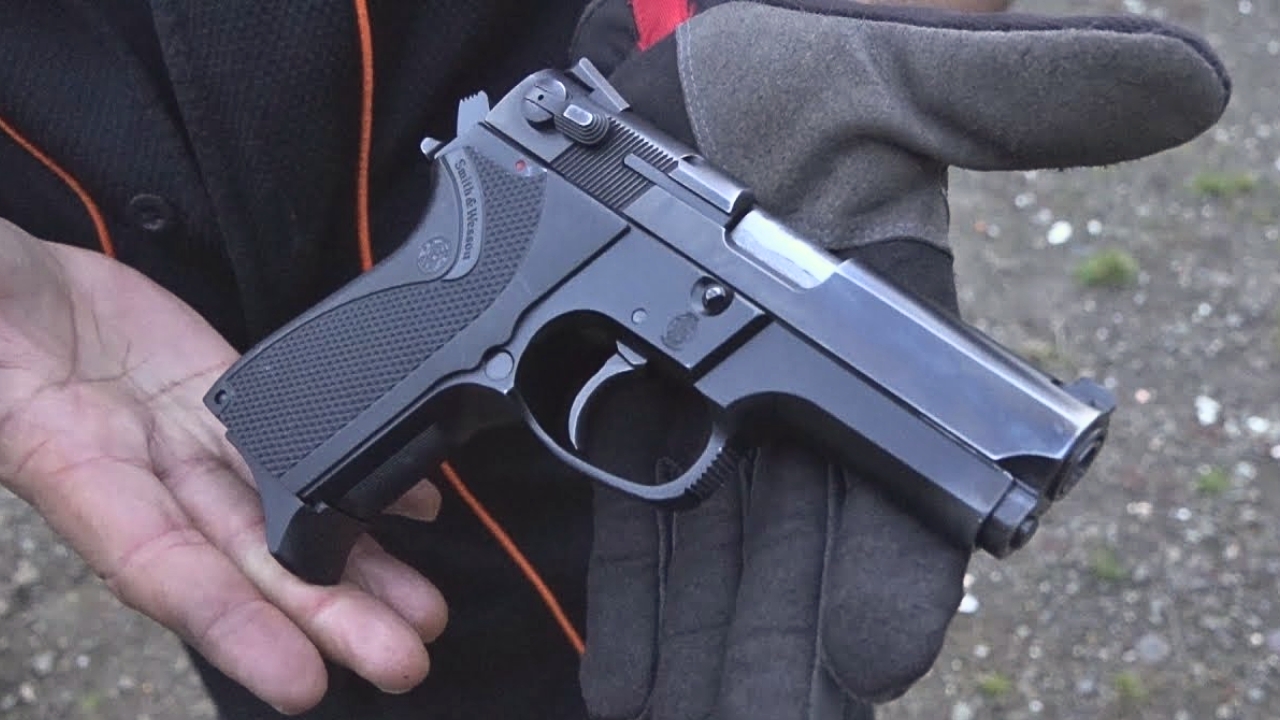
The Smith & Wesson Model 6904 is one of those older compact pistols that looked plain even when it was current. Alloy frame, blued slide, DA/SA trigger, double-stack magazine, and basic service-pistol lines didn’t exactly make it stand out once polymer pistols started taking over.
But a lot of owners learned to count on it. The 6904 is compact enough for carry, large enough to shoot well, and built with the kind of third-generation Smith quality that has aged better than many expected. It doesn’t match modern pistols for optics, weight, or parts availability, but it still feels like a serious little handgun. The more shooters live with tiny modern carry guns, the more an old compact like this starts making sense.
Marlin Model 25
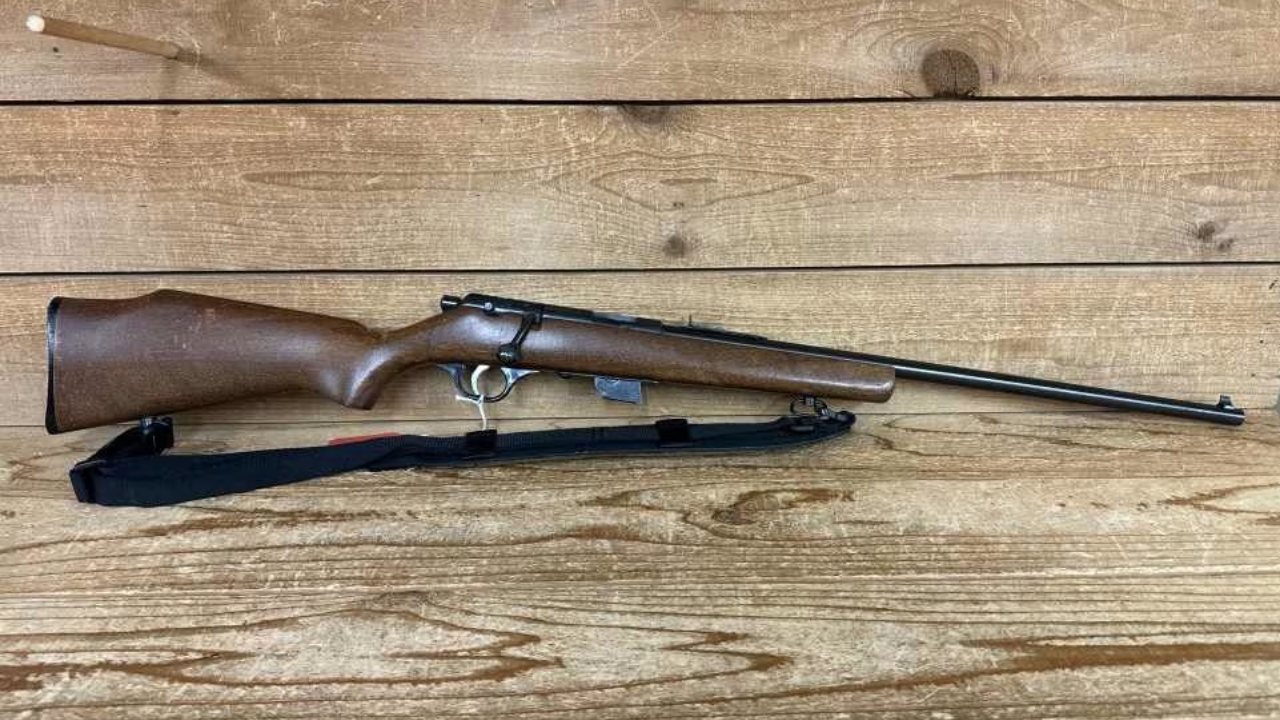
The Marlin Model 25 is a plain bolt-action .22 that never looked like anything special. It didn’t have the flash of a lever-action rimfire, the aftermarket world of a Ruger 10/22, or the refinement of a higher-end CZ. It was a simple little rifle made for small game, plinking, and learning.
That’s exactly why people trusted it. The Model 25 is light, easy to carry, and usually accurate enough for the work a basic .22 needs to do. It’s the kind of rifle that spent years behind truck seats, in barns, and near back doors because it handled ordinary jobs well. A boring .22 that feeds, shoots straight, and doesn’t make practice expensive has a way of sticking around.
Browning B-80
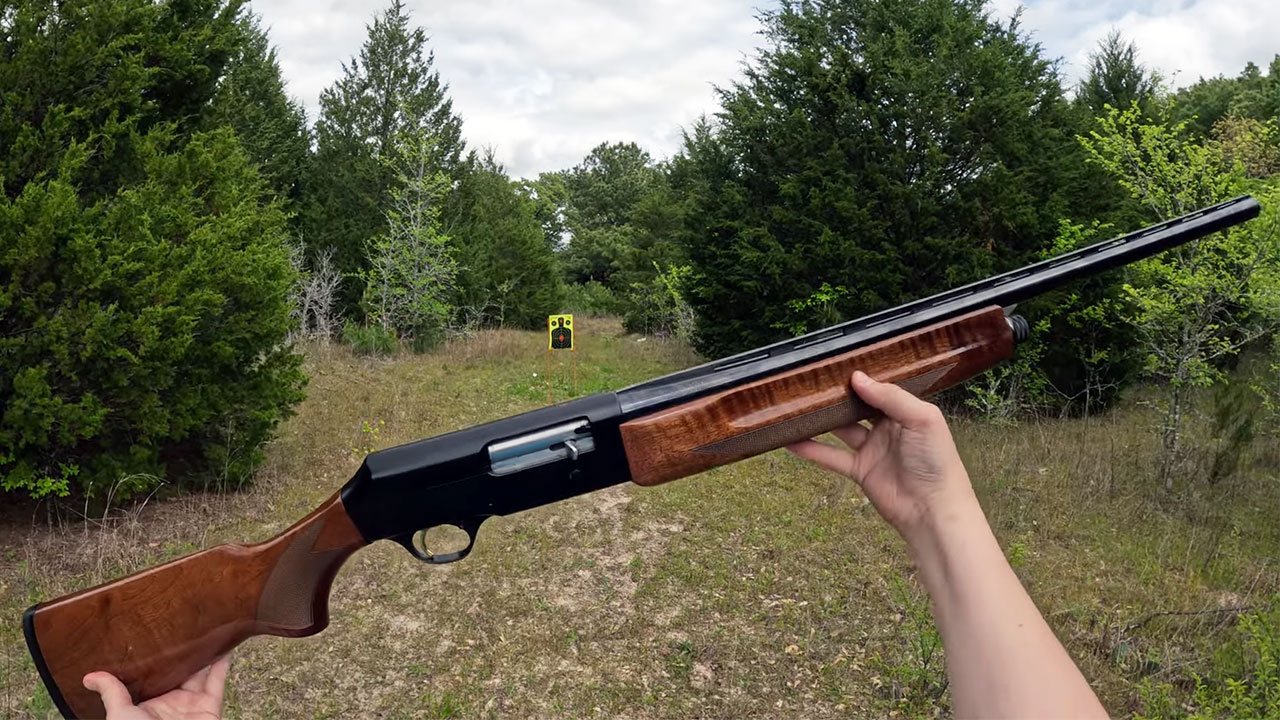
The Browning B-80 never had the same name recognition as the Auto-5 or the long-running respect of later Browning semi-autos. It looked like a clean, plain gas-operated shotgun, and a lot of shooters didn’t give it much thought unless they already owned one.
Owners usually understood the appeal. The B-80 was soft-shooting, reliable when maintained, and useful for clays, birds, and general field use. Its Beretta-influenced roots gave it good bones, even if it didn’t become the shotgun everyone talked about. It wasn’t flashy, but it handled well and kept shoulders happier than many pumps and recoil-operated guns. A shotgun like that becomes appreciated after long days, not quick glances.
Ruger LC9s

The Ruger LC9s didn’t look exciting when it arrived. It was a slim, affordable 9mm carry pistol in a market that was already crowded and getting more competitive every year. The original LC9 had a long trigger that many shooters disliked, so some people didn’t expect much from the striker-fired LC9s.
Then owners shot it and realized Ruger had fixed the biggest complaint. The LC9s had a much better trigger, stayed easy to conceal, and gave budget-conscious carriers a pistol that was far more usable than the earlier version. It still wasn’t a range sweetheart, and newer micro-compacts have passed it on capacity. But for a slim carry gun that people could actually shoot decently, the LC9s became a plain pistol many owners counted on.
Remington Model 760
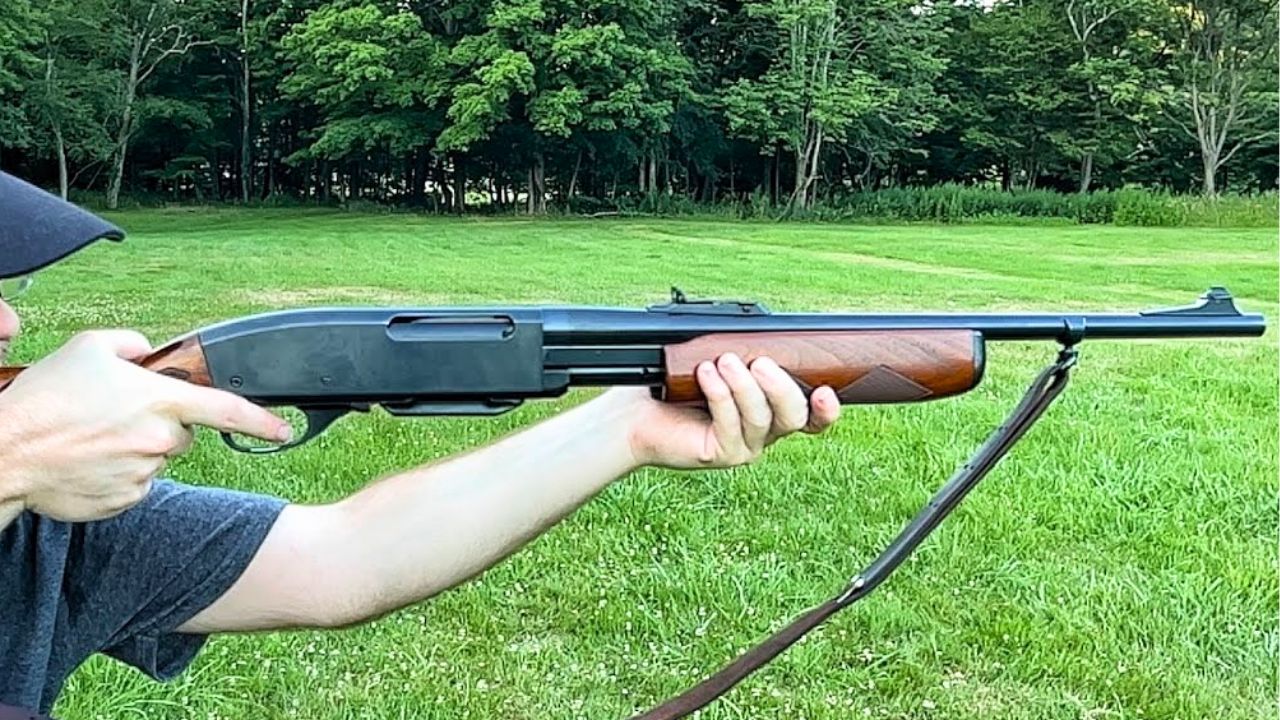
The Remington Model 760 looked ordinary to anyone who didn’t grow up around pump rifles. To hunters in parts of the country where deer drives and fast woods shooting were normal, though, it was a trusted tool. It brought pump-shotgun familiarity into centerfire rifle chamberings.
That mattered in real deer woods. The 760 gave hunters fast follow-up shots, familiar handling, and enough accuracy for the ranges where it was usually used. It isn’t the rifle most people choose for long-range work, and it doesn’t have the clean simplicity of a bolt-action. But for hunters who learned to run it, the Model 760 was anything but boring. It became the rifle they trusted when deer were moving and time was short.
Beretta 81 Cheetah
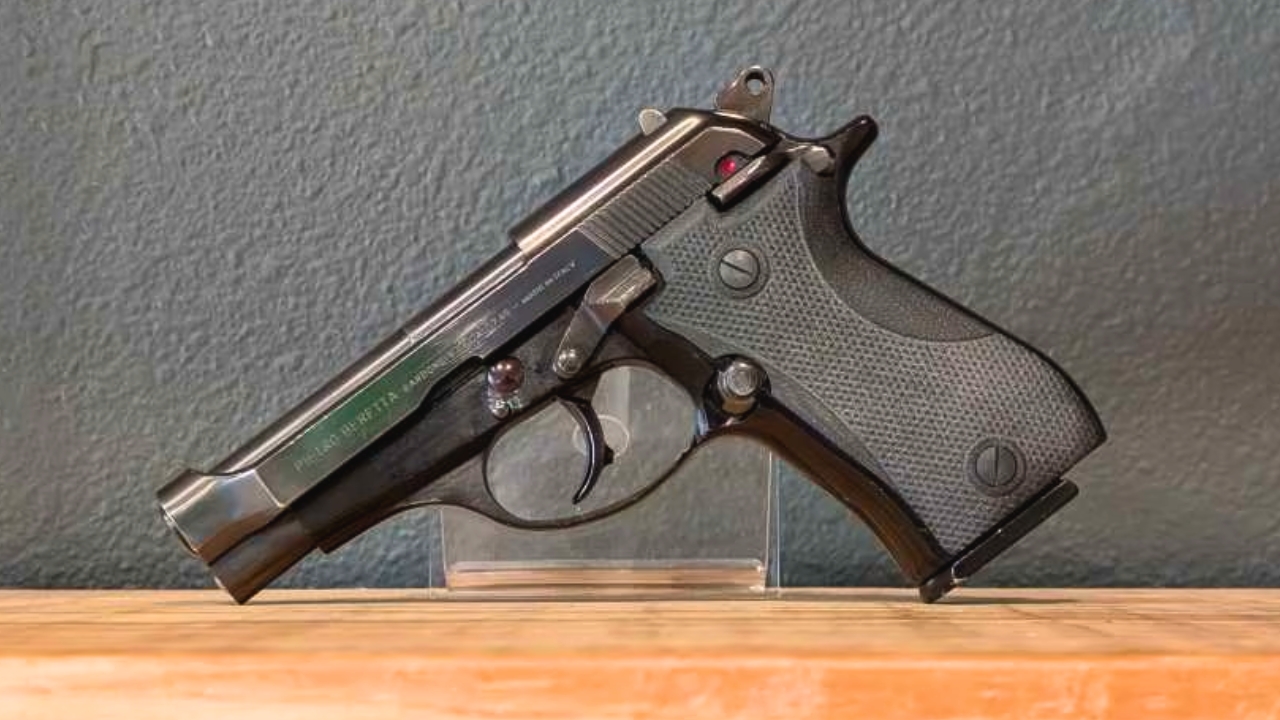
The Beretta 81 Cheetah is a .32 ACP pistol, which makes some shooters dismiss it immediately. It looks like a small, plain European service-style pistol, and the chambering doesn’t have the defensive reputation that 9mm or even .380 ACP carries today.
But the 81 is a joy to shoot, and that’s why owners count on it for range use and low-recoil practice. The recoil is mild, the pistol feels refined, and the double-stack magazine gives it more capacity than many expect from a small classic handgun. It may not be the most practical modern defensive choice, but not every useful pistol has to fill that role. As a comfortable, accurate, well-made shooter, the 81 earns trust quietly.
Mossberg 464
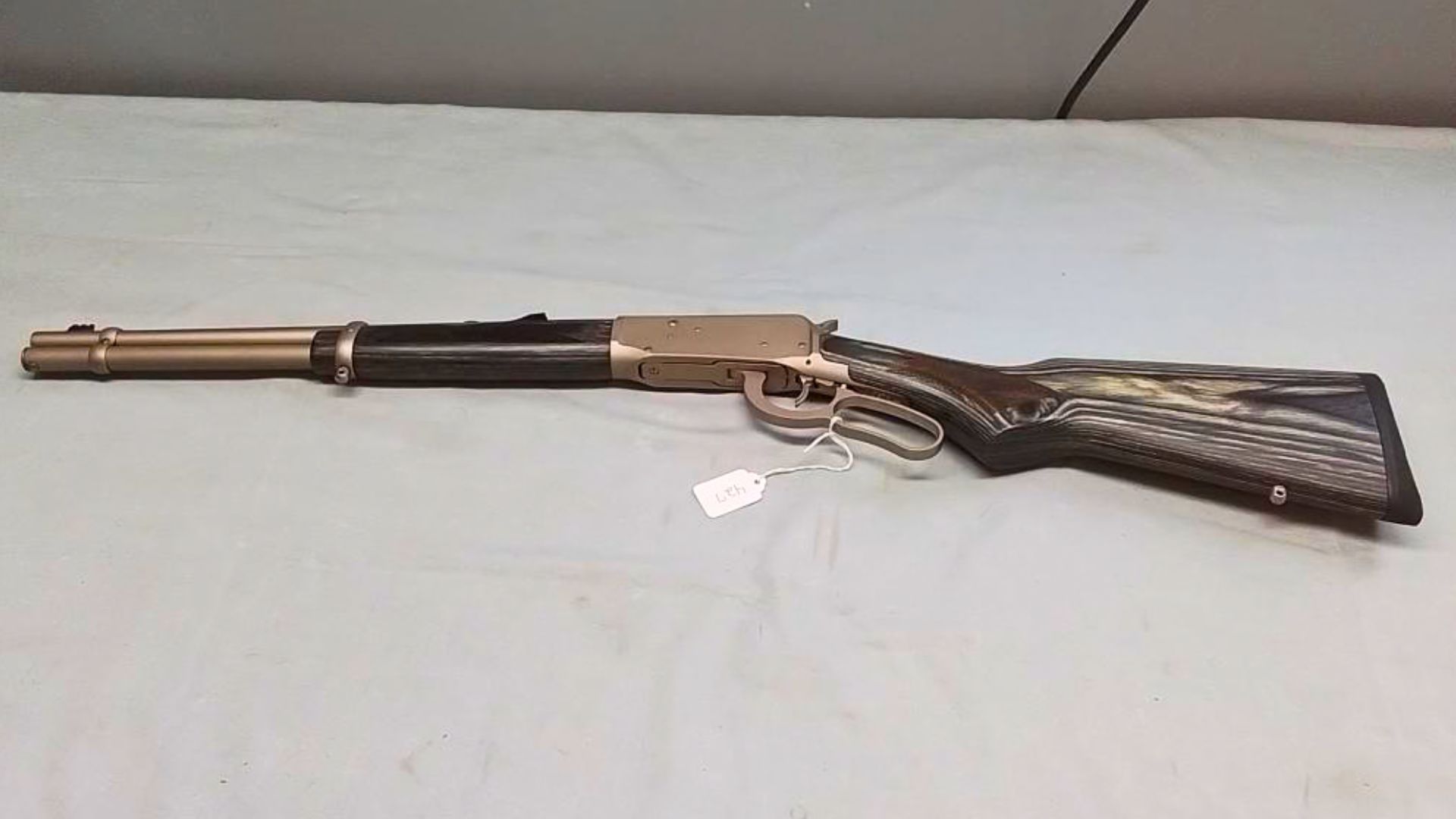
The Mossberg 464 had a hard time getting attention because lever-action buyers are usually drawn to Winchester, Marlin, Henry, or older classics. A modern Mossberg lever-action in .30-30 didn’t have the same emotional pull, and many shooters walked past it because the name didn’t match their idea of a lever gun.
Still, the 464 gave some hunters a usable woods rifle at a time when lever guns were getting harder and more expensive to find. It carried easily, handled normal deer distances, and offered a familiar lever-action format. It was not as polished as the old legends, and buyers should inspect used examples carefully. But for hunters who needed a practical .30-30, it looked boring until it started doing the job.
Smith & Wesson 457
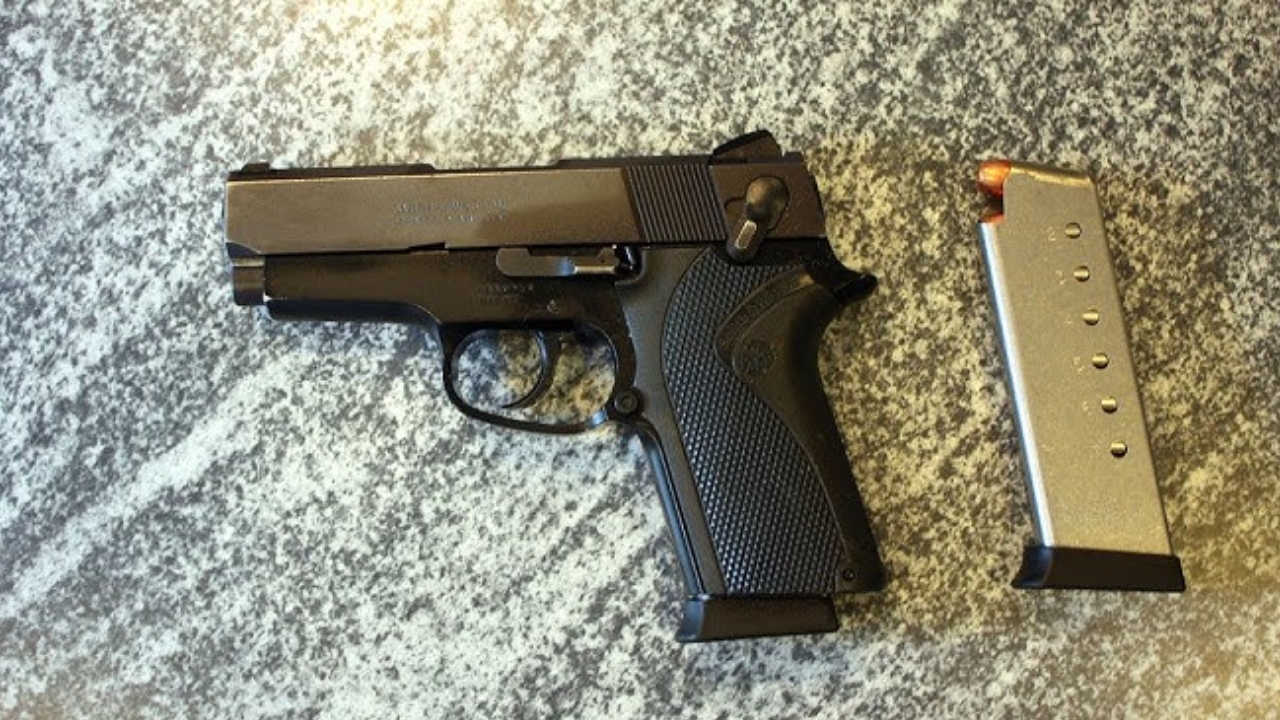
The Smith & Wesson 457 was never one of the glamorous third-generation Smith pistols. It was a compact .45 ACP with a plain look, chunky feel, and working-gun attitude. It didn’t have the classic pull of a 1911 or the modern appeal of newer polymer .45s.
Over time, though, shooters who owned them found a lot to like. The 457 is compact for a .45, sturdy, and easier to carry than many full-size metal pistols. Capacity is limited, and parts or magazines can take more work to find today, but the pistol filled a real lane. It became the kind of gun owners trusted because it was simple, tough, and effective enough for people who liked traditional DA/SA autos.
Savage Model 340
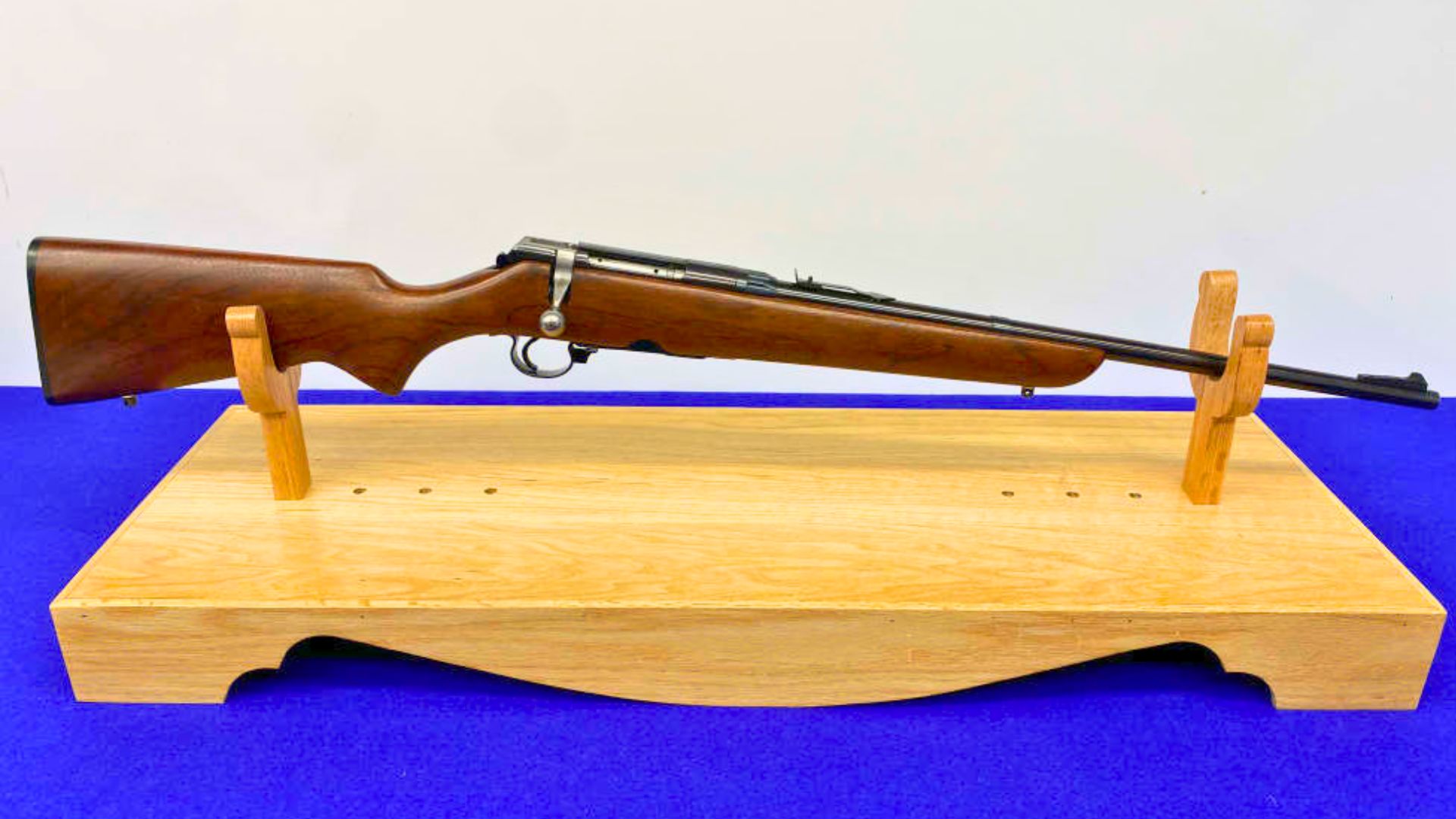
The Savage Model 340 has always looked like a plain utility rifle. It’s a bolt-action, often chambered in .30-30 Winchester, with a detachable magazine and no fancy styling. It doesn’t have the elegance of a classic sporter or the quick handling of a lever-action in the same cartridge.
That odd usefulness is why people count on it. A bolt-action .30-30 is unusual, but for woods hunting and moderate ranges, it works fine. The rifle is simple, generally affordable compared with more collectible classics, and handy enough for deer country where shots stay reasonable. Magazines can be expensive or annoying to find now, but a good 340 still has a practical charm. It’s boring in the way a good tool is boring.
Stoeger M3000

The Stoeger M3000 looked like a budget-minded inertia shotgun when many hunters were focused on Benelli, Beretta, Browning, and Winchester. It didn’t have the prestige of the higher-end Italian guns, and plenty of buyers wondered if it would hold up.
A lot of owners found out it was more capable than expected. The M3000 is simple, reasonably priced, and useful for waterfowl, turkey, and general field use when matched with proper loads. It can kick more than gas guns, and it may not have the refinement of premium semi-autos, but it works for many hunters who don’t want to spend top-tier money. A shotgun that keeps cycling through rough hunts earns trust fast.
Taurus 85

The Taurus 85 has always lived in the shadow of the Smith & Wesson J-frame. It looked like a budget snubnose revolver, and that label followed it for decades. Taurus quality has been uneven enough that cautious buyers had reasons to inspect and test carefully.
Still, many Model 85 revolvers served regular owners for years. They were affordable, simple, compact, and chambered in .38 Special. For people who wanted a basic carry or house revolver without paying Smith prices, the 85 filled a real need. It wasn’t fancy, and it didn’t always have the smoothest trigger, but plenty of owners counted on theirs. A boring little revolver that works can earn more trust than its reputation suggests.
Howa Mini Action
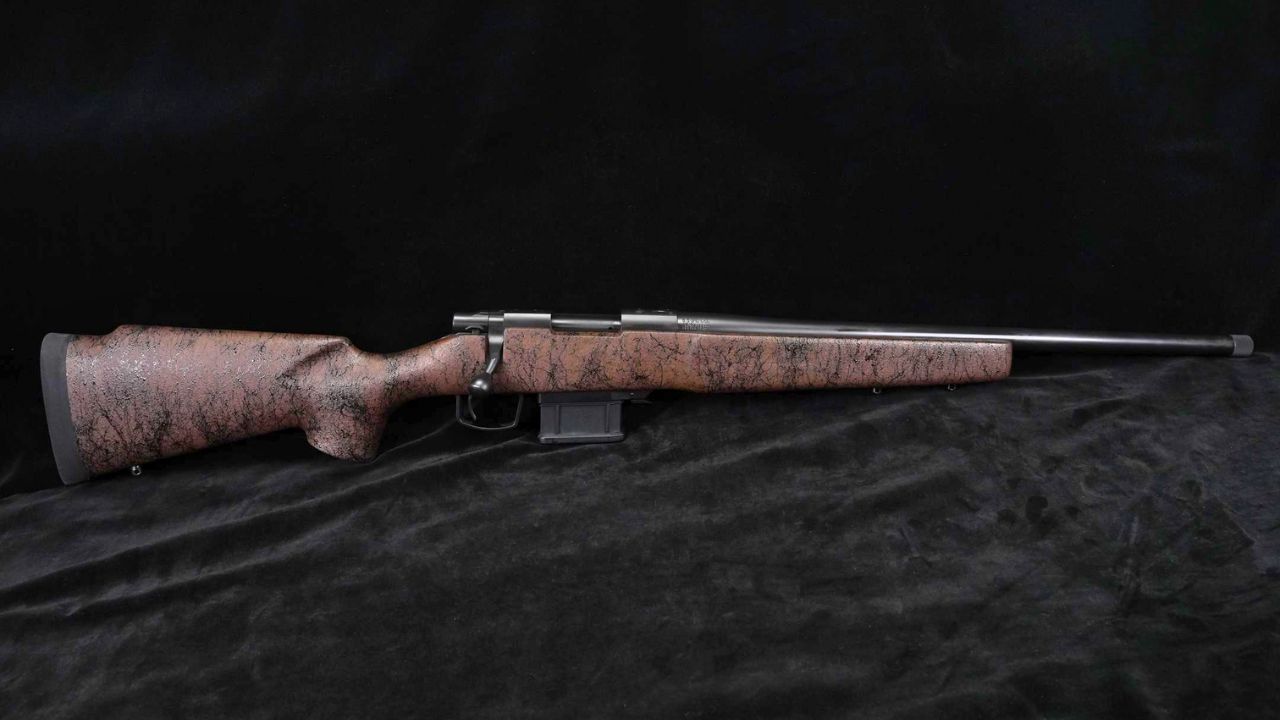
The Howa Mini Action doesn’t look dramatic. It’s a small bolt-action platform chambered for compact cartridges like .223 Remington, 6.5 Grendel, 7.62×39, and .350 Legend in different versions. At first glance, it can seem like a niche rifle for people who want something smaller than a standard short action.
That niche is the appeal. The Mini Action is handy, accurate, and useful for predators, deer in appropriate chamberings, hogs, and general field work. It gives shooters a scaled action rather than a full-size receiver pretending to be small. The stock and magazine setup may not please everyone, but the rifle’s basic idea is strong. Owners trust it because it carries well and shoots better than its plain looks suggest.
Springfield Armory XD-E
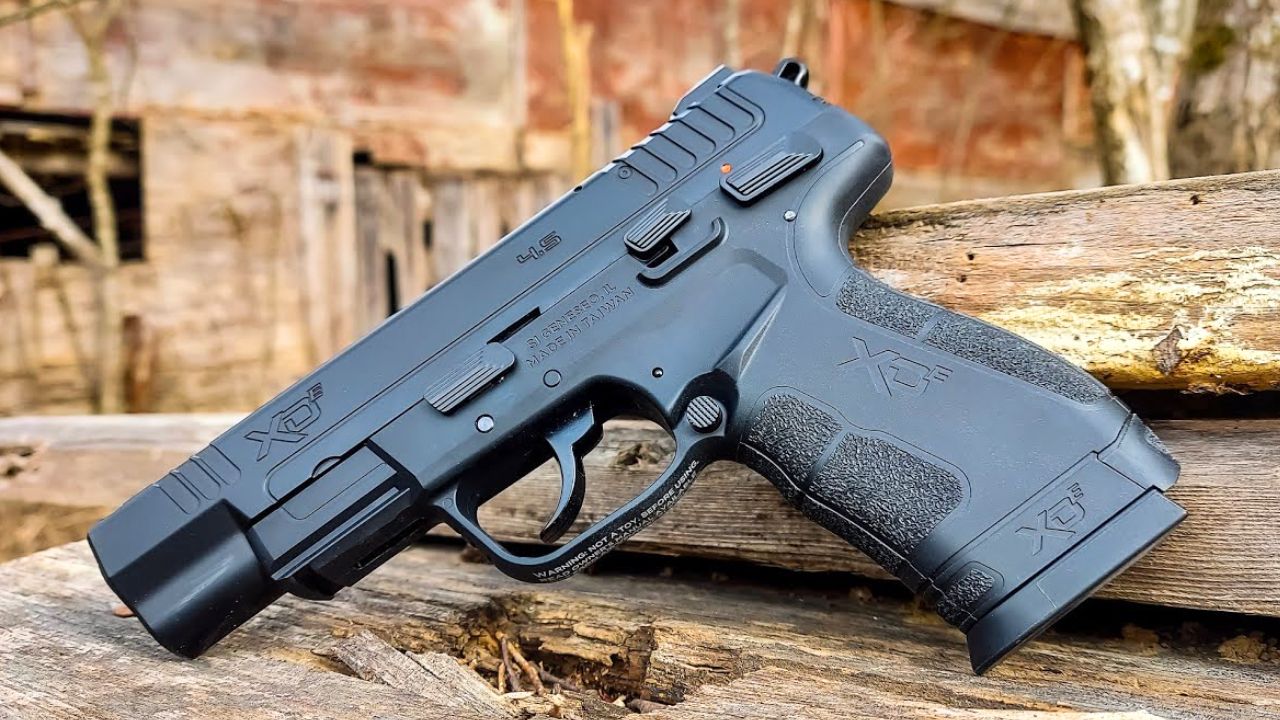
The Springfield XD-E never became the carry pistol everyone talked about. It was a slim, hammer-fired, DA/SA pistol in a market that had mostly moved toward striker-fired designs. To many shooters, it looked like an odd answer to a question fewer people were asking.
But for certain carriers, that was exactly the point. The XD-E offered a visible hammer, traditional trigger system, and thin profile in a compact package. It gave shooters who didn’t want striker-fired carry guns another option. It wasn’t perfect, and the grip safety still turned some people away. But owners who liked its controls and size found a pistol they could count on. Sometimes boring only means it was built for a specific crowd.
Like The Avid Outdoorsman’s content? Be sure to follow us.
Here’s more from us: