Photo credit: Savage Arms
You learn fastest in the field — and sometimes the hard way. A rifle can look perfect on paper or feel fine at the counter, then spend one weekend of real hunting proving otherwise. These are the guns that make you swear off them after one trip: not because they’re universally bad, but because their weaknesses show up exactly when you don’t want surprises — poor balance on a steep pack-out, a stock that flexes in rain, an action that gets gritty after a few wet shots. I’m calling out models that come up less often in your inbox but that hunters have told me personally about when they say “never again.” I’ll tell you what tends to go wrong, why it shows up in the field, and what, if anything, softens the blow. Read this as a field report — blunt, practical, and aimed at keeping you from gambling on a rifle you’ll regret on opening day.
Browning X-Bolt Hunter

The Browning X-Bolt has plenty of fans, but the lightweight synthetic “hunter” variants can surprise you when the hills get steep. Out of the box they’re easy to carry, but that thin stock and short fore-end translate to poor balance when you shoulder it uphill with a pack. Hunters returning from a day on uneven terrain often mention the rifle felt twitchy in quick shouldering and that follow-up shots were clumsier than expected.
Another common complaint is the torque sensitivity of the action-to-stock interface — in wet conditions or after hot strings the point of impact can wander, which ruins confidence when you only get one clear shot at a glassed animal. Some shooters solve it with better cheek welds or swapping to a heavier barreled variant, but plenty simply said “never again” after one long, frustrating trip where the X-Bolt’s lightweight promise turned into a handling penalty.
Savage 11/116

Savage’s economy 11/116 line aims to get cheap rifles into the woods, but a surprising number of first-trip horror stories center on inconsistent bedding and rough actions. At the counter, these rifles read like a deal — lightweight, inexpensive, and supposedly accurate — but field shooters report cold-bore promise followed by wandering impacts as the barrel warmed and the stock flexed. That’s the classic symptom of imperfect action-to-stock mating.
Hunters also report gritty bolt lift and occasional feed hangups after a day of slogging through branches and leaves. Cleaning helps, but on a hunt you don’t want to be tinkering. For many buyers the “fix” is more time and money than they were willing to invest, so the rifle became a one-trip regret: decent on paper, aggravating in the wet, wind, and mud of real hunting.
Bergara B-14 Ridge

Bergara’s reputation for barrels is solid, but the entry-level B-14 Ridge packages sometimes disappoint when the rest of the rifle doesn’t match the barrel’s potential. Hunters have told me they got promising groups in the backyard, then found the rifle’s lightweight, thin-shell stock and cheap bedding allowed point-of-impact shifts after a few hot shots or when carrying across brush. That mismatch — a great barrel on a compromised chassis — is maddening.
Another common frustration is balance: the B-14 Ridge can feel muzzle-heavy with standard hunting optics, which makes quick shouldering and short stalk shots awkward. Some owners cure both problems with a sturdier stock and bedding work; enough hunters decided that the out-of-box experience wasn’t worth the upgrades and walked away vowing not to take another Ridge on a serious trip.
FN SCAR 16S (hunting conversions and weight)

The FN SCAR platform gets lots of praise in its original role, but hunters who’ve tried the 16S as a backcountry rifle often come back conflicted. It’s a capable action, but the platform’s military-oriented ergonomics and weight distribution aren’t an ideal match for long hunting treks. On steep, brushy days the SCAR’s bulk and longer sight-to-bore geometry make quick shouldering and off-hand follow-ups awkward compared with traditional bolt guns.
Additionally, the semi-auto reciprocating mass produces a perceived snappier impulse on heavy slug-type loads than you’d expect, which some hunters dislike when trying to stay quiet and accurate on glassed game. It’s tough, accurate, and reliable in many conditions, but in the hunting world many users told me they’d rather walk out with a lighter bolt gun than drag a SCAR for a single weekend hunt.
Mauser M12

Modern Mauser M12 rifles are generally good performers, but a subset of early production runs suffered from inlet and bedding inconsistency that shows up exactly where you don’t want it — in the field. Hunters who took these rifles on a multi-day trip sometimes reported cold-bore promise that went sideways after the first few shots, with POI shifts that couldn’t be blamed on wind or shooter error. That points to imperfect action seating or torque specs.
Another complaint from a few hunters was that the stock geometry didn’t suit heavy coats or layered clothing — making head position awkward when a quick shot presented. It’s fixable with bedding or a stock change, but if you’re on a one-shot hunt, that extra work isn’t practical. A lot of hunters told me they’d skip the Mauser on future hunts rather than mess with fitting it mid-season.
Ruger No. 1 in heavy calibers

Ruger’s No. 1 single-shot is a beautiful stick rifle, but when chambered in heavy calibers for big game it becomes a handling liability for some hunters. The classic straight-pull-like balance and narrow forend are elegant, but on a long pack or a steep stalk they can feel awkward and slow to present. Hunters seeking quick follow-ups or fast shoulder-to-shoulder transitions can find the No. 1’s ergonomics frustrating.
Add to that the stout recoil of large cartridges in a lightly built single-shot, and you get a rifle that’s a pleasure at the bench but a penalty on the mountain. Several hunters told me they’d rather take a heavier, more forgiving bolt gun that trades a little weight for balance and repeatable handling — and left the No. 1 behind after that first trip.
T/C Venture

The Venture is Thompson/Center’s attempt at a budget bolt gun with modern features, and for casual field use it often behaves. But some hunters took one on a multi-day trip and found the rifle’s stock-inletting and bedding inconsistent enough to cause wandering impacts after a few hot rounds. That inconsistency under real conditions — wet weather, variable torquing, and dust — turned an otherwise fine rifle into one you don’t trust on a single clean shot.
Users also mentioned the plastic trigger guard and thin forend didn’t survive heavy bushwork as well as steel-reinforced designs. You can bed and tighten the rifle to fix it, but plenty of hunters told me they didn’t want to spend the time in the middle of the season: the Venture Pro became a one-and-done regret for them.
Anschutz 1727
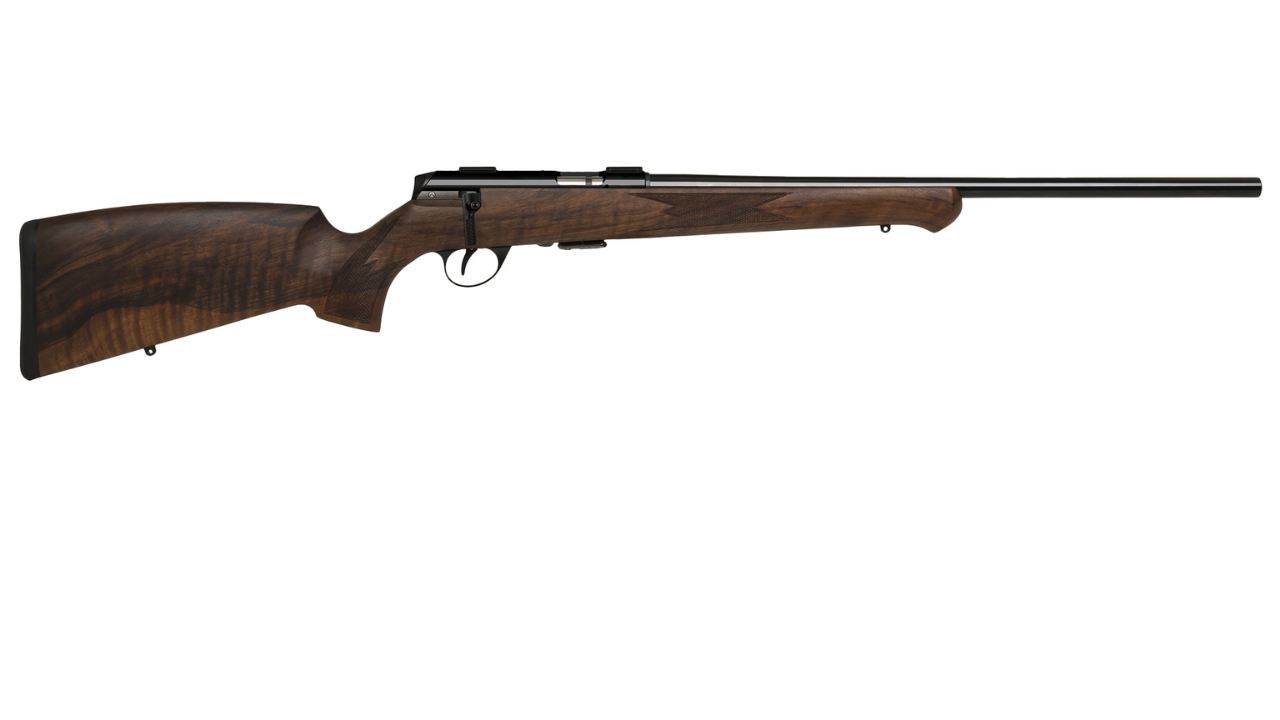
Anschutz 1727 rimfires are bench-oriented gems, but hunters who tried tricking one out as an ultra-light small-game rifle sometimes came back annoyed. The accuracy is superb, but the delicate stock and tight action tolerances that make it a target rifle also make it fragile in brush and muddy conditions. A few hunters told me that after a single wet afternoon and a couple of careless knocks, the handling felt compromised and the rifle lost the reliability they needed in the field.
In short: it’s not built for the abuse of wet woodlots and long packs. The Anschutz is superb when treated like a precision tool, but as a working hunting rifle it’s a liability some owners vowed not to risk again.
Howa Hogue mini-action in large calibers

Howa’s mini-action rifles are fantastic for light-weight hunting setups, but when pushed into larger calibers they expose a balancing act that goes wrong in the field. The compact action and short bolt give a swift cadence, but the short overall length and light stock can make the rifle muzzle-heavy with heavy optics. Hunters report awkward swing dynamics when stalking in timber — exactly the moment you need to present smoothly.
Another practical issue is that mini actions sometimes limit handloading options and throat length for heavier bullets, which matters on longer trips where you might need to tune a load for unexpected conditions. Some owners rebarreled or resleeved the stock and laughed off the experience — others simply left the Howa at home next season.
Savage 110 Tactical (short-barrel varmint-to-urban conversions)

The Savage 110 Tactical series is versatile, but a number of hunters who experimented with short-barrel or light-weight tactical configurations discovered a handling problem in real hunts: the rifle’s long, heavy barreled match setups don’t translate well when cut and balanced for hasty carry. A shortened barrel and chassis that seemed convenient in the truck felt twitchy on a ridge and harder to steady for a clean heart shot.
Additionally, the recoil impulse from a shortened tube in magnum calibers can be surprisingly sharp in the field. Some owners re-contoured or lengthened the forend to mitigate the issue; others simply decided a purpose-built hunting rifle would have been the smarter buy before their trip.
Remington Model Seven

The Remington Model Seven and similar compact hunting designs aim to lighten the load, but hunters reported the combination of short length of pull and heavier recoil in certain calibers made them less comfortable in real stalking conditions. You can shoulder one quickly, but with layered clothing and a heavy pack the ergonomics change, and that tight fit becomes a liability when you need a perfectly aligned cheek weld for a single shot.
Many who took a Model Seven on a multi-day trip realized the comfort tradeoffs weren’t worth the savings in ounces. They returned home with a promise to favor a rifle that balances better with a loaded pack and heavier optics — and never took that little compact on another serious trip.
*This article was developed with AI-powered tools and has been carefully reviewed by our editors.