Photo credit: Browning Europe EN/YouTube
Some firearms stay popular because they still make a strong case the second you actually use them. Others hang around mostly because the name keeps doing the work long after the gun itself stopped feeling all that convincing. That kind of reputation can come from military history, old magazine praise, movie exposure, collector nostalgia, or years of repeated gun-counter talk that never really gets challenged. Before long, a model becomes “respected” almost by default, even when ownership tells a more complicated story.
That does not mean every gun on this list is worthless. Some are still enjoyable. Some still matter historically. A few can absolutely make sense for the right buyer. But they also tend to get more benefit from legacy than real-world performance, value, or practicality. These are the firearms people keep defending because of what they once meant, what they symbolize, or what they are supposed to represent, even when newer or less romantic options often make more sense.
Colt Python
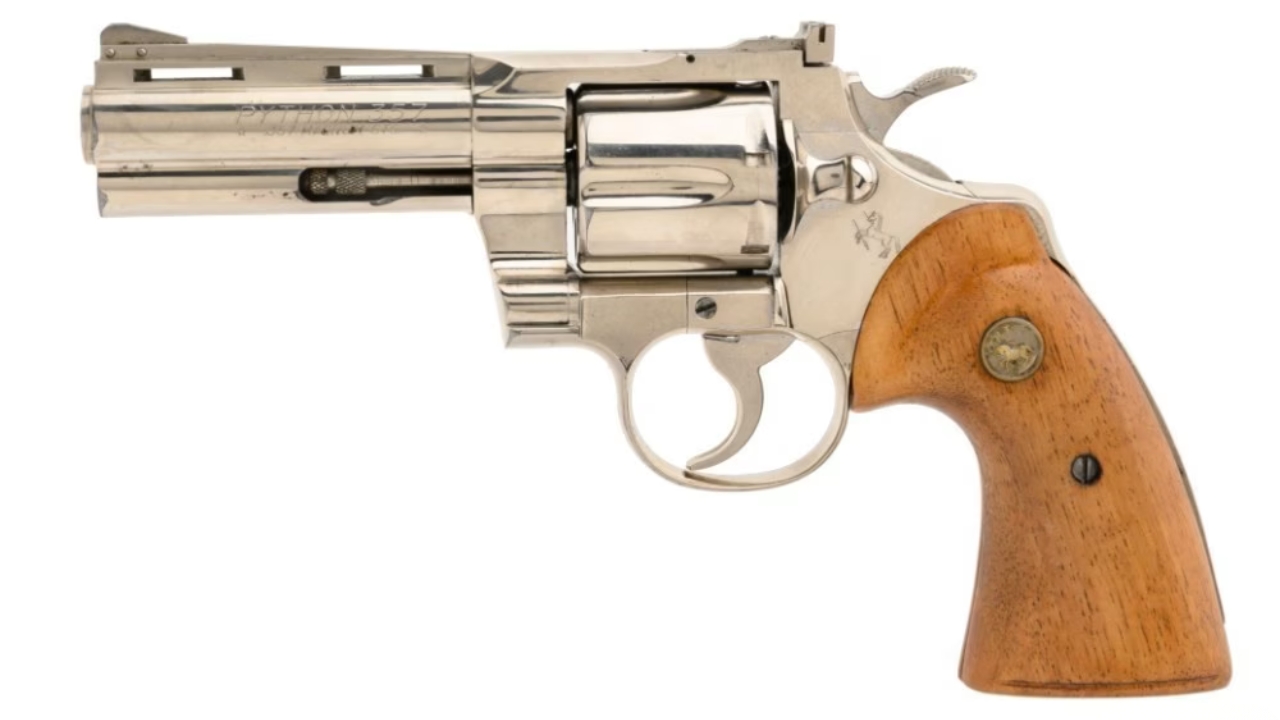
The Colt Python still benefits from one of the biggest names in the revolver world. Mention it and people immediately start talking about old Colt polish, silky actions, and prestige that supposedly puts it in a category of its own. The problem is that a lot of that conversation is driven by what the Python represents more than what most owners actually need from a revolver.
For plenty of buyers, the real experience is a lot more ordinary than the legend suggests. It is expensive, heavy, and often treated too gingerly to be enjoyed the way a good shooter should be. A nice Python is still a nice revolver, but the reputation often runs so far ahead of the practical ownership experience that people end up paying for the name and then defending the price afterward.
Desert Eagle
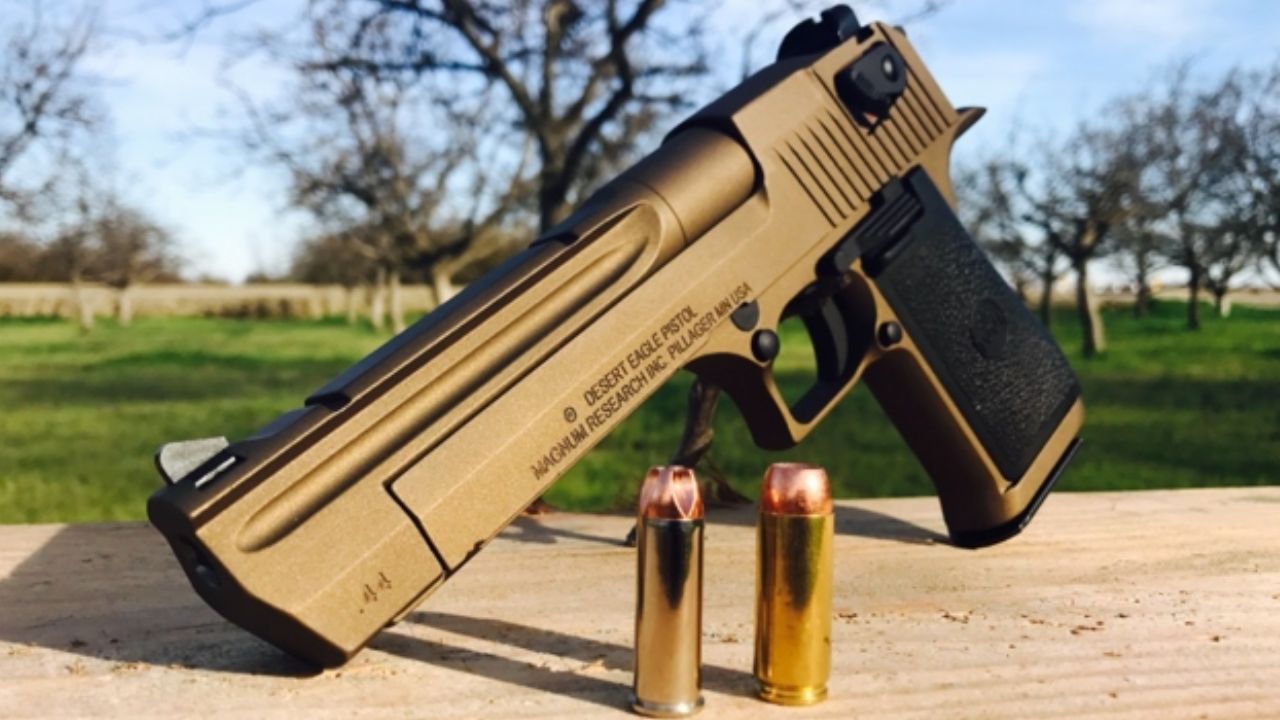
The Desert Eagle may be the ultimate example of a handgun that survives on image long after practicality leaves the building. It is famous, massive, and instantly recognizable, which means it keeps pulling buyers in on pure reputation. People know it from movies, games, and years of range-lane mythology, so they assume there must be something deeply worthwhile behind all that fame.
Then they actually own one. It is huge, heavy, expensive to feed, and useful in very few real handgun roles outside novelty and amusement. That does not stop people from speaking about it like it is some kind of elite sidearm. In truth, the Desert Eagle survives because the name still hits people emotionally. The legend is doing most of the lifting, not the everyday value of the pistol itself.
Springfield Armory M1A
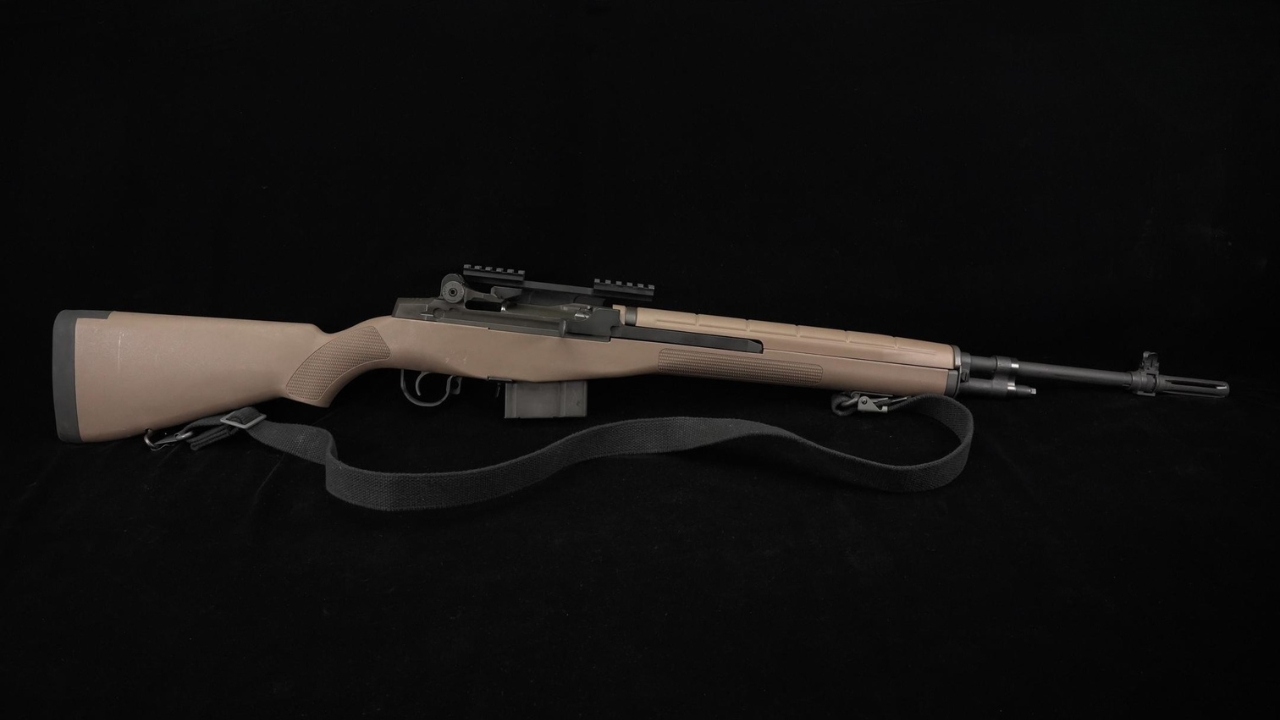
The Springfield Armory M1A has managed to coast for years on military-style appeal and the borrowed aura of the M14. Buyers see walnut, steel, and classic lines and convince themselves they are getting something more meaningful than a typical .308 semi-auto. The rifle absolutely has history behind its concept, but that history often overshadows how demanding and awkward the platform can feel in modern use.
A lot of owners eventually discover that the M1A is heavier, pricier, and less convenient to optimize than they expected. Optics mounting, overall bulk, and real-world value compared to modern semi-autos can turn into a frustrating comparison quickly. Yet people keep defending it with almost religious energy because the reputation is so deeply baked in. It survives because people want the idea of it to keep being true.
Walther PPK

The Walther PPK still rides hard on old-school charm, spy-movie association, and its reputation as a classy little carry gun. That image is powerful enough that buyers keep overlooking how outdated the pistol feels compared to modern compact handguns. It is slim and stylish, sure, but style has been carrying a lot of weight for this gun for a very long time.
Once people shoot it seriously, a lot of the romance fades. The recoil can be sharper than expected, the handling is less forgiving than its reputation implies, and it simply is not the carry revelation many buyers imagined. Still, people keep speaking about it like it remains the gold standard for elegant concealment. In reality, the PPK survives because the story attached to it is better than the ownership experience for many shooters.
Winchester Model 94

The Winchester Model 94 remains one of the strongest nostalgia-driven rifles in America. Say the name and people picture deer camps, truck racks, and a version of hunting that feels more authentic than whatever is on the shelf now. That emotional pull is real, and it keeps the Model 94 respected even when many examples are simply old utility rifles trading heavily on inherited goodwill.
That does not mean the 94 cannot still be useful. It absolutely can. But plenty of buyers act like every example is automatically a treasure or a better hunting rifle than more modern options, which is where the reputation starts doing too much work. The Model 94 survives because it symbolizes something people do not want to let go of, and that symbolism often matters more than the rifle’s actual comparative advantages.
Luger P08

The Luger P08 has an almost unfair advantage in collector and enthusiast circles because it looks like history the second you see it. Its shape, its wartime association, and its long-standing mystique give it a level of respect that most pistols never come close to. People treat it like a mechanical icon, which it is, but they also often talk as though that iconic status automatically makes it a deeply satisfying gun to own and shoot.
That is where reality starts to bite. Lugers can be finicky, expensive, and more interesting as artifacts than as practical handguns. Many buyers are paying for the silhouette and the story while pretending they are also buying a great shooting pistol. The P08 absolutely matters, but it survives on reputation because the cultural power of owning one remains stronger than the practical value most people get from having one around.
Beretta 92FS

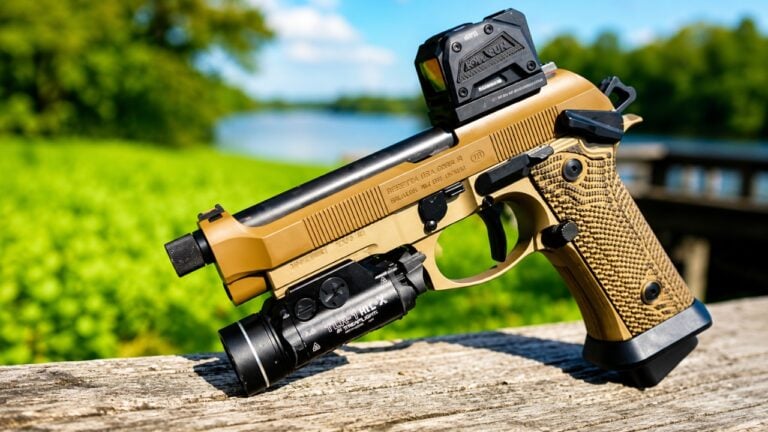
The Beretta 92FS still commands a lot of respect because of military service history, recognizable styling, and the belief that it represents a higher era of service pistol design. Plenty of people still love them, and there are good reasons for that. But a lot of the current enthusiasm depends more on institutional memory and affection than on the gun being the smartest choice in today’s market.
It is large for what it offers, harder to conceal than many buyers want, and no longer stands alone in reliability or shootability the way its supporters sometimes talk. Still, the reputation keeps it elevated because people remember what it meant rather than judging it only against what it is now. The 92FS survives on legacy and familiarity as much as anything mechanical happening at the range.
Colt Single Action Army
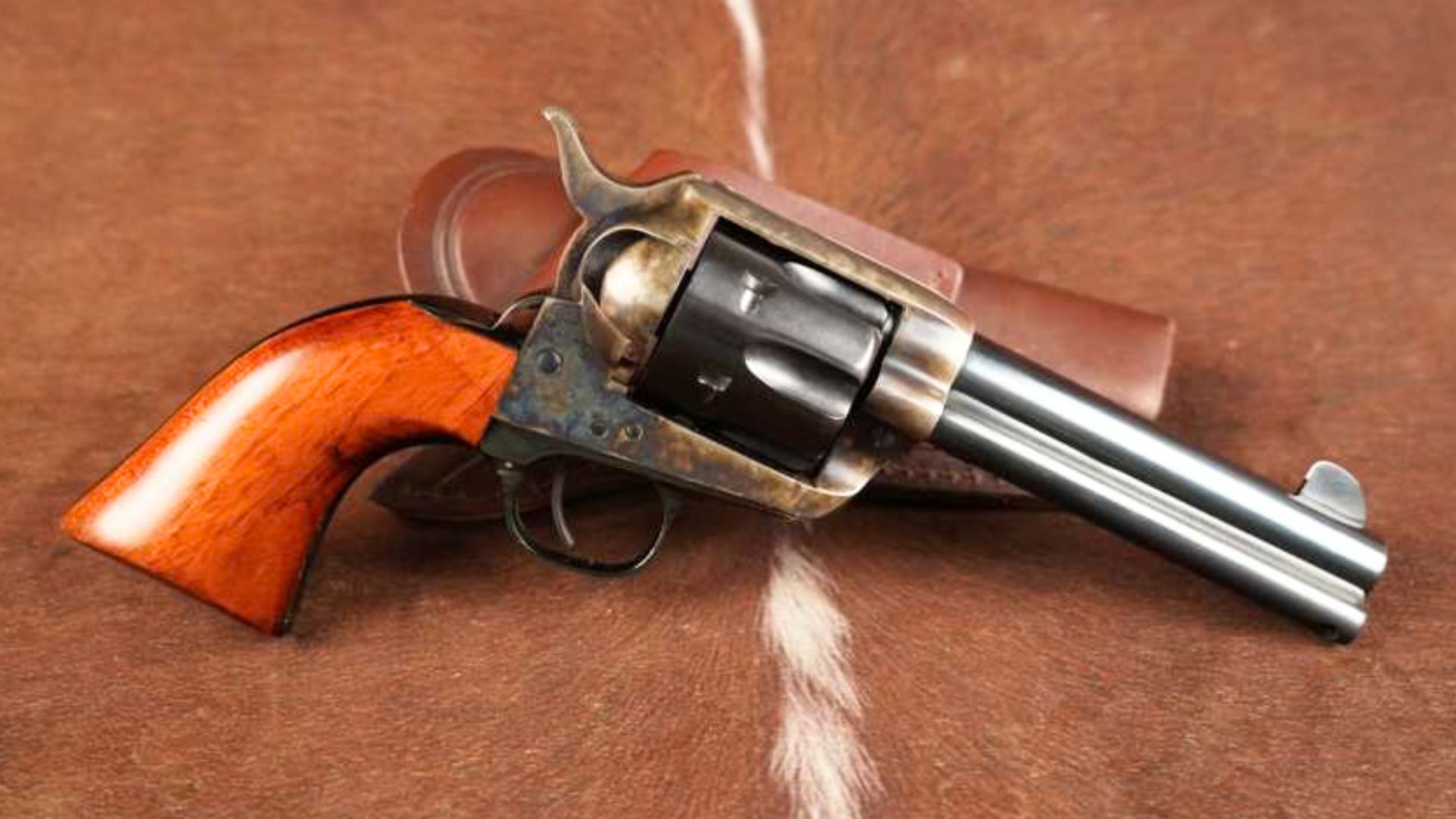
The Colt Single Action Army may be the purest case of a firearm whose reputation became bigger than almost any practical reason to own one. It has myth, frontier identity, collector prestige, and a name that instantly changes the tone of a conversation. People do not merely discuss the SAA. They revere it, and that reverence often replaces rational evaluation completely.
As an artifact, it matters enormously. As a modern-use revolver for most buyers, it is often more symbolic than sensible. Yet people keep acting like the name alone should settle every argument about price or value. That is what it means to survive on reputation alone. The Single Action Army is not coasting because of broad practical utility. It is coasting because the legend became powerful enough to carry it by itself.
HK P7
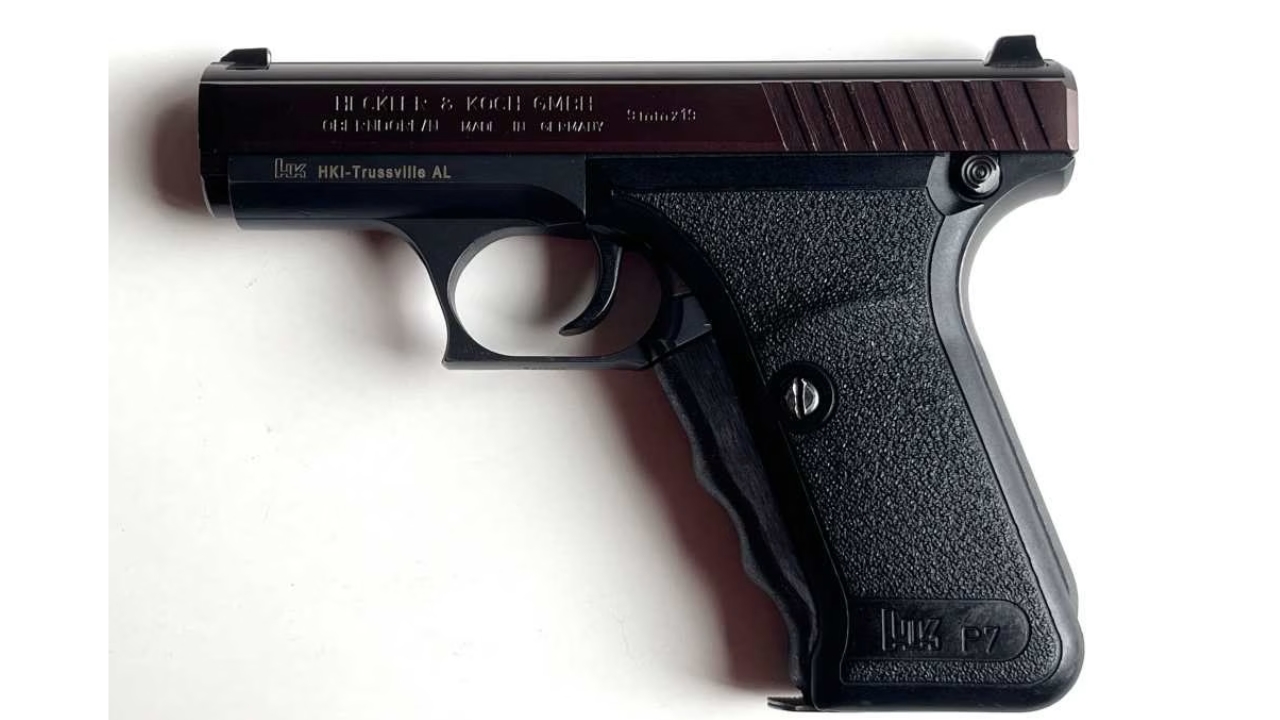
The HK P7 has one of the strongest cult reputations in handgun history. Its squeeze-cocker system, German engineering, and unusual design keep people talking about it like it is a secret handshake among serious gun people. That kind of mystique can be hard to resist, and it has helped the P7 maintain a status that often goes well beyond what most owners actually need or enjoy.
The real experience includes heat buildup, expensive magazines, limited support comfort, and a price that keeps climbing because the reputation never really cooled. People keep defending it because it feels clever and elite, not because it is the easiest pistol to live with today. The P7 survives because admiration for the concept keeps outrunning the ordinary, practical questions people would ask about a less romantic handgun.
Browning BAR Hunting Rifle
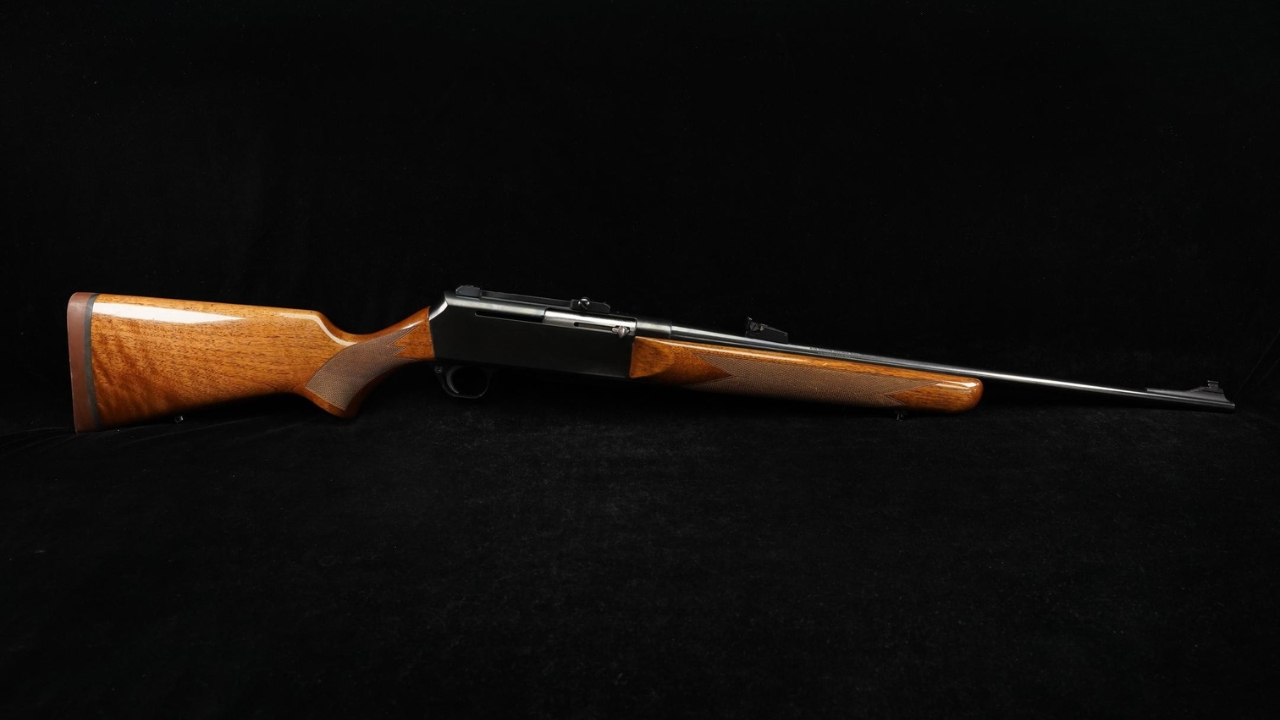
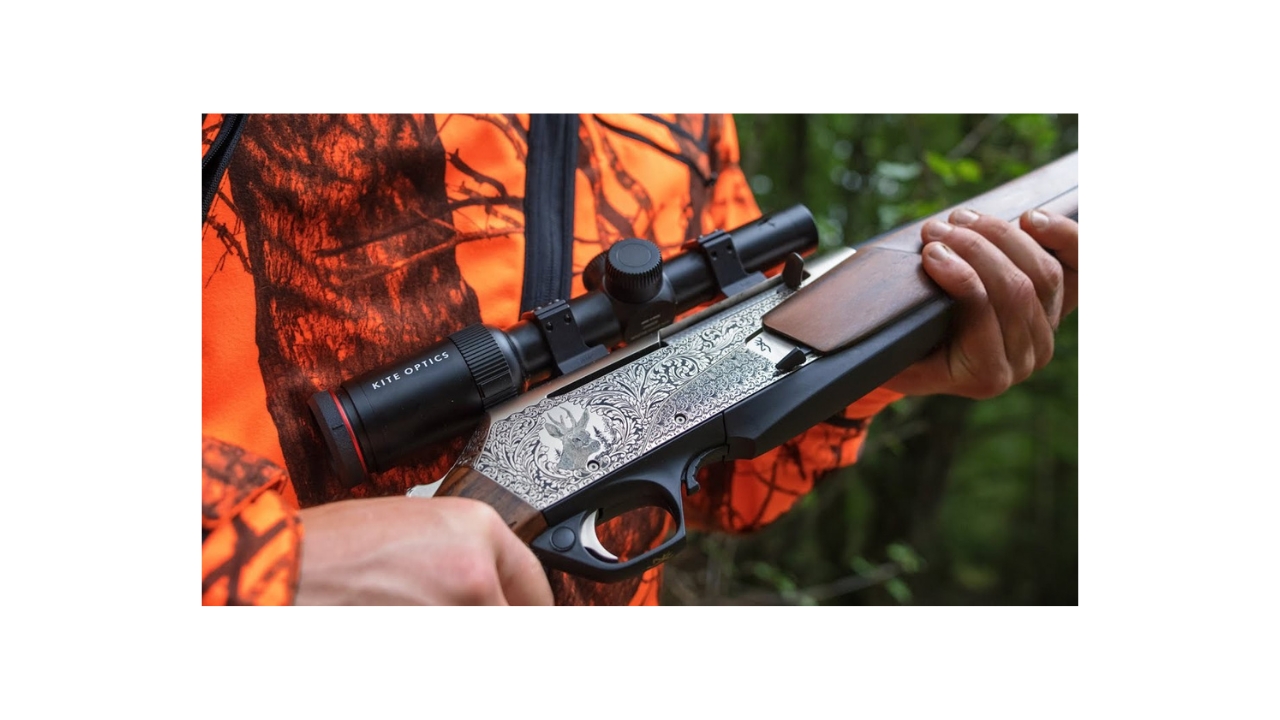
The Browning BAR hunting rifle keeps benefiting from a premium Browning image and years of being viewed as the refined man’s autoloading deer rifle. That reputation still moves a lot of rifles. People see the name, the finish, and the styling and assume they are looking at a better answer than the more common alternatives sitting nearby.
Sometimes that is true. Often, though, the reputation is doing more work than the rifle itself. The BAR is not cheap, not especially light, and not automatically a better practical field choice simply because it wears the Browning name. Yet it keeps surviving in conversations as though the brand identity alone proves the value. A lot of buyers are responding to what the BAR signals, not what it clearly outperforms.
Mauser C96
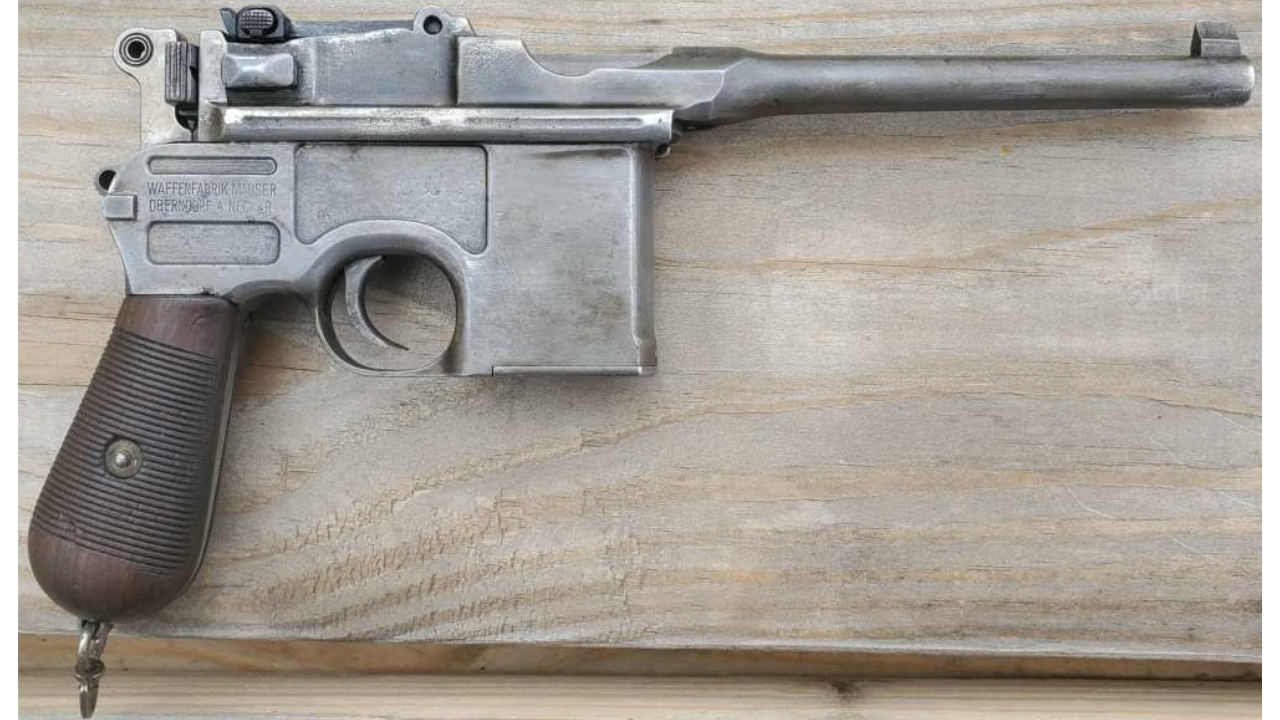
The Mauser C96 is one of those handguns people want because it looks extraordinary and feels important, not because it fits naturally into any modern shooting life. The broomhandle silhouette, the history, and the sheer oddness of the design make it unforgettable. That has kept its reputation alive long after its practical relevance disappeared for almost everybody.
Collectors and history lovers absolutely have reasons to care about it. But many buyers also talk about it like it is something greater in day-to-day terms than it really is. The C96 survives on reputation because the fascination around it is so strong that nobody really expects it to justify itself like an ordinary handgun. The cultural image carries the burden, which is exactly why the pistol never has to.
Remington 700 BDL

The Remington 700 BDL still gets sold heavily on memory. For many buyers, it represents the classic polished hunting rifle, the one that looked right in the rack and felt like a serious step above plain synthetic bolt guns. That reputation keeps it elevated even though the modern hunting-rifle world has changed dramatically around it.
A lot of what people are paying for now is the feeling of what a BDL used to mean. In strict practical terms, many newer rifles offer better weather resistance, similar or better field accuracy, and less worry for the money. But the BDL survives because the name and trim package still trigger the old response in buyers. It keeps winning on familiarity and appearance long after the market gave people other good reasons to look elsewhere.
Colt Detective Special

The Colt Detective Special is still talked about like one of the most meaningful snub-nose revolvers ever made, and historically it has a case. The problem is that people often let that historical status carry the whole gun in modern discussions. The Colt name, old-school carry appeal, and detective-era aura do a lot to keep it elevated.
In real terms, many buyers are paying collector or nostalgia premiums for a revolver that is no longer the most practical answer to much of anything. It remains appealing, but the intensity of the admiration often has more to do with the mood it creates than the objective ownership value. The Detective Special survives because it still feels cool to respect, and that feeling goes a long way in the gun world.
Savage 99
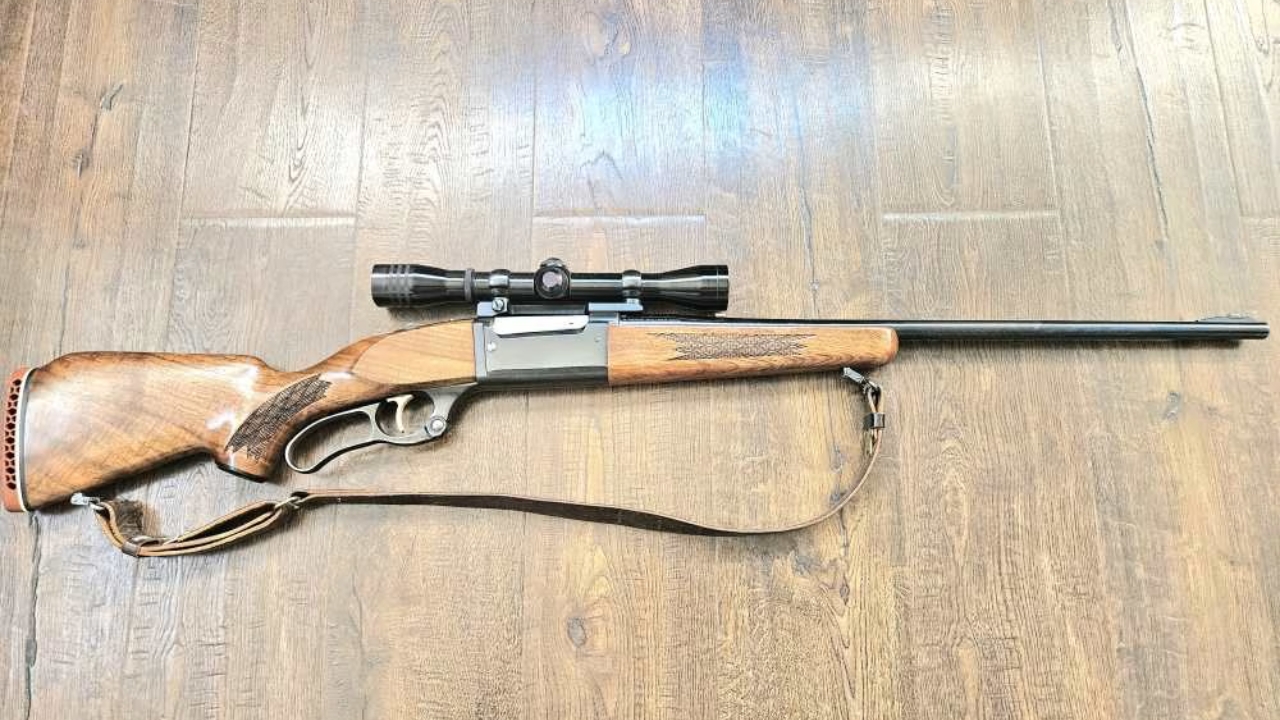
The Savage 99 survives on reputation because it still benefits from being the rifle knowledgeable people are supposed to appreciate. It has real history, an interesting action, and a well-earned place in American hunting culture. That has helped it hold onto an aura that sometimes exceeds what many buyers would honestly demand from a rifle if the name and story were removed.
A lot of the current respect for the 99 comes from identity and nostalgia. Owning one makes a buyer feel like he understands something older and smarter than the mainstream market. That appeal is real, but it can also prop the rifle up beyond its plain practical case in the modern hunting world. The Savage 99 is interesting and worthy of respect, but a lot of its staying power comes from what it symbolizes.
Bren Ten
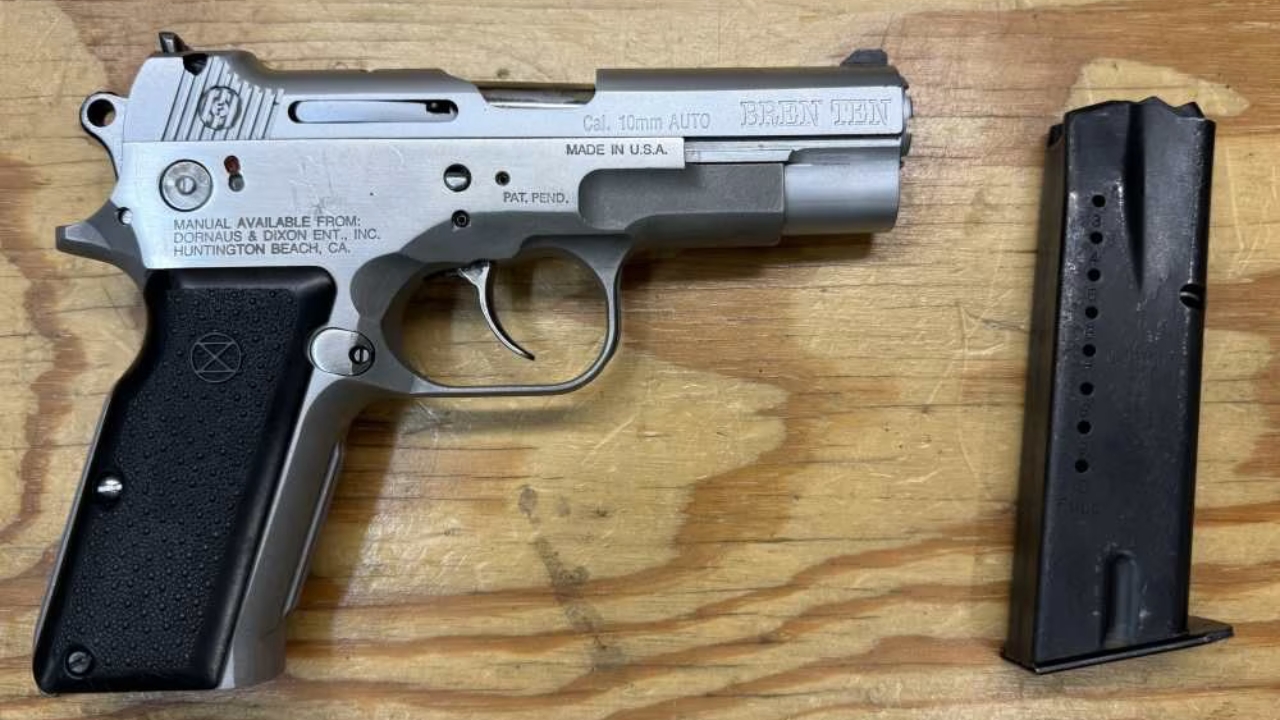
The Bren Ten survives almost entirely on reputation because the actual number of people who have owned and enjoyed one meaningfully is tiny compared to the number who talk about it like a legend. It carries scarcity, pop-culture appeal, and the kind of lost-potential mythology that can turn an unfinished story into a collector obsession. That is a powerful formula.
The result is a firearm whose legend feels much more solid than its real ownership record. People talk about the Bren Ten like it belongs among the all-time great handguns, but a lot of that confidence comes from image and narrative, not widespread, grounded experience. It survives because the story stayed alive. The practical case for the average buyer never needed to, because the reputation was already doing enough.
Weatherby Mark V Deluxe

The Weatherby Mark V Deluxe remains a symbol as much as a rifle. High-gloss wood, distinctive lines, and Weatherby prestige keep it standing tall in the minds of buyers who grew up seeing it as the classy, aspirational hunting rifle. That image still has real power, even if many hunters no longer want the extra shine, extra weight, or extra cost in a field rifle.
What keeps it going is not that it always clearly outperforms simpler rifles. It is that the name still signals status and old-school premium taste. Buyers respond to that signal, and the rifle continues to benefit from a reputation built in a different era. The Mark V Deluxe survives because it still feels important to own, even when the practical reasons for choosing it over other rifles are not always that compelling.
Like The Avid Outdoorsman’s content? Subscribe to our newsletter so you never miss an article.
Here’s more from us: