Photo credit: Springfield Armory
There’s nothing wrong with getting excited about a rifle. The problem is when the excitement is built on internet clips, one great group someone posted, or a “must-have” label that ignores how you’ll actually use it. A lot of rifles look perfect until you live with them: the weight starts annoying you, the accuracy isn’t what you expected with your ammo, the ergonomics don’t fit your body, or the “cool” features turn into extra stuff to maintain.
This list isn’t saying these rifles are trash. It’s saying these are common hype buys that a lot of people end up swapping out once the new-gun glow wears off.
SIG Sauer Cross

The Cross gets bought on hype because it’s compact, modern, and checks a lot of “do-it-all” boxes. The trade-away usually comes from two things: expectations and feel. A lot of guys expect it to shoot like a heavy precision rifle and carry like a mountain rifle, and it doesn’t magically do both at once. Depending on caliber and setup, recoil can feel sharper than people expect, and the lightweight package doesn’t always settle as calmly on bags or sticks.
The other issue is that the Cross encourages tinkering. People buy it, then immediately start chasing a different trigger feel, different stock settings, different accessories, and the “simple field rifle” becomes a project. Plenty of owners love them, but a lot of trades happen when the buyer realizes they wanted either a dedicated lightweight hunting rifle or a dedicated heavy trainer—not a compromise.
Ruger Precision Rifle

Everybody loves the idea of the Ruger Precision Rifle until they carry it anywhere. The hype comes from “precision” at a reasonable price and a chassis that looks like it belongs on a PRS line. The trade-away usually happens when people realize it’s a big, heavy rifle that’s not fun to haul, and a lot of owners don’t actually need what it’s built for. It’s easy to buy this rifle and then never really use it in the role it’s meant for.
The other problem is the “expectation gap.” Some shooters assume the RPR will shoot tiny groups with anything. In reality, it can be very good, but it still has preferences, and it still rewards good ammo and good fundamentals. When someone buys it on hype and then learns it’s still work (and still weight), it’s one of the rifles that quietly gets traded for something simpler.
Christensen Arms Ridgeline

The Ridgeline gets hyped as a premium lightweight hunting rifle that can also shoot like a laser. The trade-away comes when the owner realizes lightweight rifles can be finicky to shoot well in real life. Some guys love them and get great results, but a lot of people don’t like how a light rifle behaves under recoil, especially in magnum calibers. If the rifle is unpleasant to practice with, it turns into a “shoot it once, hunt with it once” purchase.
Another trade trigger is expectations around consistency. People read a few glowing posts and assume every rifle will be a hammer with factory ammo. When that doesn’t happen, confidence drops fast—because at that price, most buyers expected zero drama. That’s when you see the quiet trade: not because it’s unusable, but because the owner expected it to be effortless.
Kimber Adirondack

The Adirondack is a classic “mountain rifle fantasy” buy. It’s light, pretty, and feels like a rifle you’d carry ten miles without noticing. The problem is the same as most ultralights: it can be harder to shoot well from real field positions, recoil can be sharp, and the rifle may not feel as stable as the buyer expected when they’re tired or shooting off sticks. A light rifle magnifies your wobble.
A lot of guys trade these when they realize their hunting style isn’t actually backcountry. If you’re walking from a truck to a stand, you didn’t need that level of weight savings. What you needed was a rifle you enjoy practicing with. When the gun becomes “great to carry, not fun to shoot,” the trade becomes tempting.
Savage Axis II (package setups)

Axis II packages get bought on hype because they’re cheap and people hear “Savage accuracy” and assume it’s a guaranteed win. The trade-away happens when the owner learns the rifle is only as good as the whole system. The basic stock can feel flimsy, the package optic is often the weak link, and the lightweight build can feel jumpy. A lot of buyers end up spending money trying to “fix” what they thought was a simple, done deal.
Most Axis rifles can kill deer all day. But the guys who trade them away are usually the ones who wanted a rifle they could train with and feel proud of. When the rifle feels like a budget compromise at the range, owners often swap it for something a little more refined rather than keep dumping upgrades into a starter package.
Mossberg Patriot

The Patriot is another one that gets bought because it’s affordable and looks like a normal hunting rifle. The hype is “it shoots great for the price.” Sometimes it does. The trade-away happens when people start noticing how much the stock feel, the action feel, and the overall refinement matter when you shoot more than a few rounds a year. If you’re doing load work, trying different ammo, and actually practicing, the little annoyances add up.
A lot of Patriots end up traded simply because the owner wants more confidence in the feel and consistency of the rifle. It’s not always about raw group size. It’s about the rifle feeling like a tool you want to spend time with. When it feels like a budget shortcut, people move on.
Ruger American Ranch
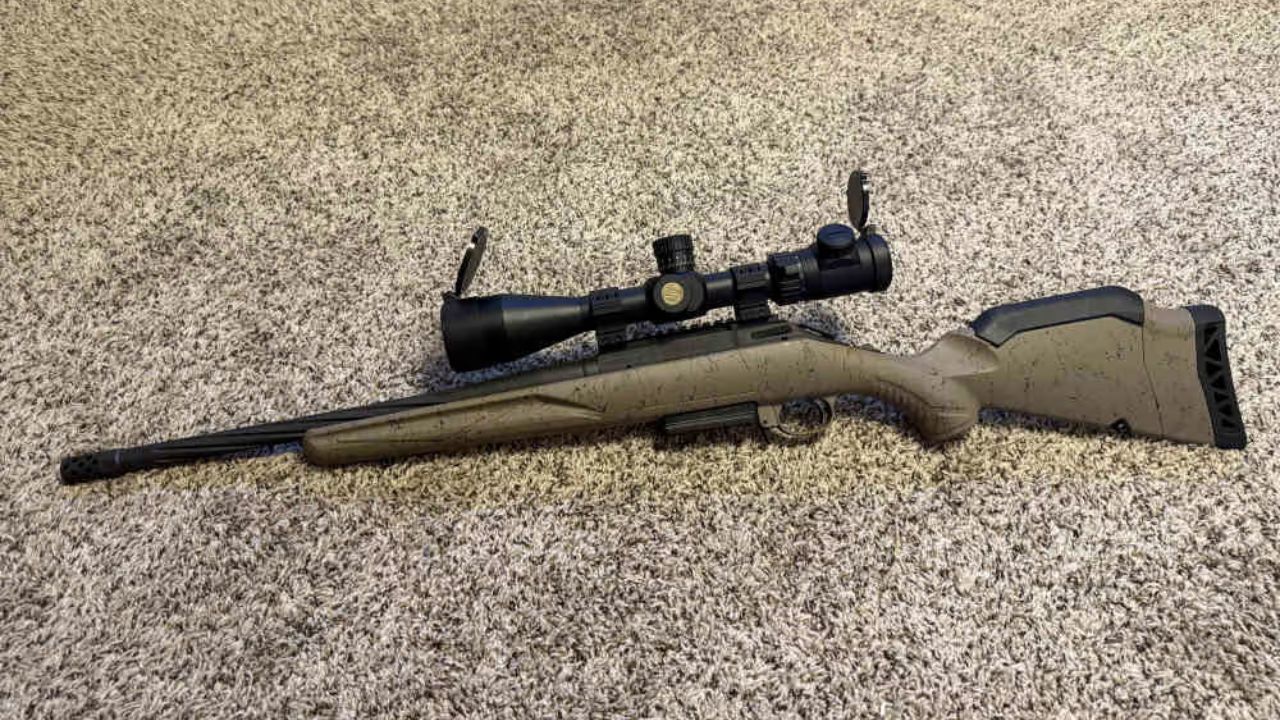
The Ruger American Ranch gets hyped hard in certain calibers because it’s handy, threaded, and “does everything.” The trade-away comes when people realize “handy” can mean compromises. The short barrel and lightweight feel can be loud, snappy, and less forgiving. Depending on caliber, some owners get frustrated trying to make it shoot like a heavier rifle at distance, especially with certain ammo choices.
Another reason it gets traded is role confusion. Guys buy it as a “do-all” rifle—then realize it’s best as a compact field rifle, not a long-range rig. If you expect it to be a precision setup, you’ll be disappointed. If you use it inside its lane, it’s awesome. The hype often pushes people outside that lane.
Ruger Mini-14

The Mini-14 has a loyal fanbase, but it also gets traded a lot because hype doesn’t match reality for many buyers. The hype is “it’s like an AR but cooler and more classic.” The trade-away usually happens when people compare it to modern AR support and realize the Mini can be more expensive to feed with mags, accessories are more limited, and the platform isn’t as modular.
A lot of owners also buy the Mini expecting AR-style accuracy and ease of optics mounting without any fuss. Some are happy, some aren’t. The Mini is its own thing. When buyers realize they wanted AR convenience and AR ecosystem more than they wanted Mini vibes, the Mini gets quietly traded.
Springfield Armory M1A SOCOM 16
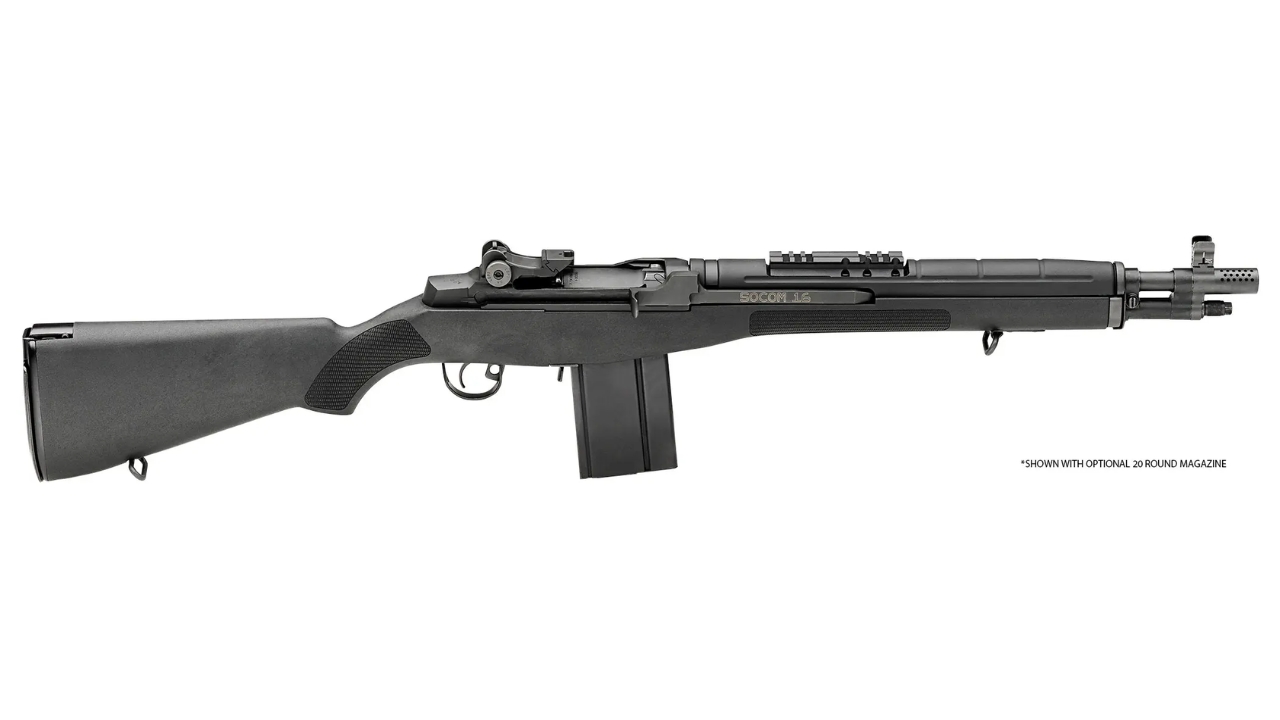
The SOCOM 16 gets bought on hype because it looks tough, it’s compact for a .308, and it’s got that “battle rifle” energy. The trade-away happens when people live with .308 reality: recoil, cost, weight, and the fact that a short .308 can be loud and less pleasant to train with. Many buyers also expect it to be a super practical modern rifle, and it’s still a platform with quirks.
Another big one is optics and setup. People buy it thinking they’ll mount a scope easily, then they get into mounts, cheek weld issues, and chasing a setup they actually like. Some stick with it and love it. Others realize they wanted a simpler .308 semi-auto or a bolt gun—and the SOCOM ends up on the trade rack.
IWI Tavor X95

Bullpups get hyped as “full barrel length in a short package,” and the X95 is one of the best-known. The trade-away reason is usually ergonomics. The trigger feel is different. The balance is different. Reloads feel different. Some shooters adapt and run them great. Others never feel natural with it, and they don’t want to spend the time re-learning a system when an AR feels automatic.
Another factor is maintenance and support expectations. The X95 is solid, but it’s not as universally supported as an AR for every little part and accessory. A lot of people buy it because it’s cool, then quietly trade it because they realized they wanted familiarity, not novelty.
Daniel Defense DD5
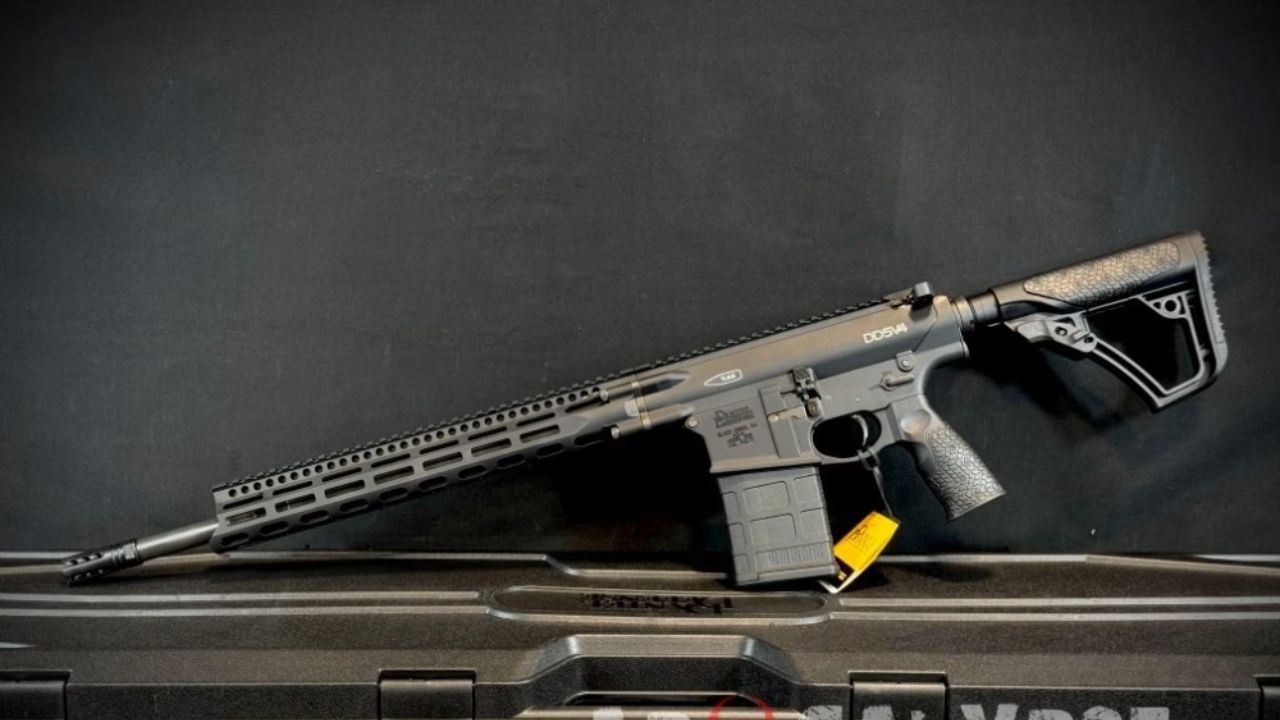
The DD5 gets bought on hype because it’s a premium .308 semi-auto from a respected brand. The trade-away happens because AR-10 pattern rifles are not as plug-and-play as AR-15s. Ammo sensitivity, gas tuning, suppressor setups, magazine preferences—there’s more that can matter. People buy it expecting AR-15 simplicity with .308 power, and reality is more complicated.
It’s also heavy once you set it up the way people actually want to run it—optic, mount, sling, maybe a suppressor. Some owners realize they don’t actually enjoy hauling and feeding a .308 semi-auto. They trade it for a lighter bolt gun or a 5.56 they can shoot all day.
PSA PA-10
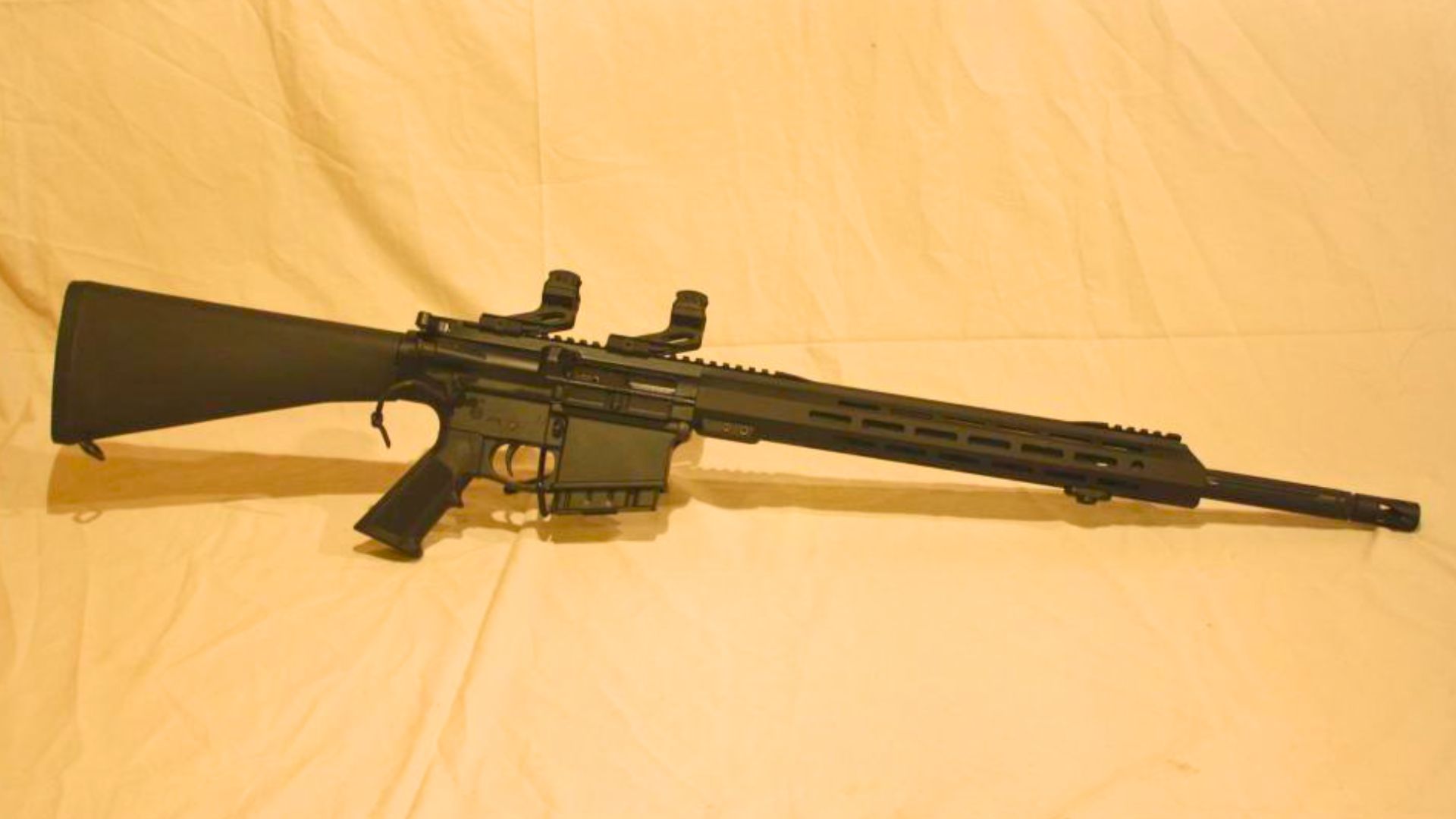
The PA-10 gets hyped as the affordable way into the .308 semi-auto world. The trade-away usually happens because budget AR-10 builds can be a learning experience. Some run great. Some need tuning. And even when they run fine, the owner realizes the overall system costs more than they expected once you factor in mags, optics, and ammo. A “cheap” .308 semi-auto gets expensive fast.
A lot of trades aren’t angry trades—they’re “I didn’t realize what I signed up for” trades. The owner wanted a simple range rifle and got a heavier, pricier-to-run platform that sometimes asks for more attention than their AR-15 ever did.
Springfield SAINT Victor
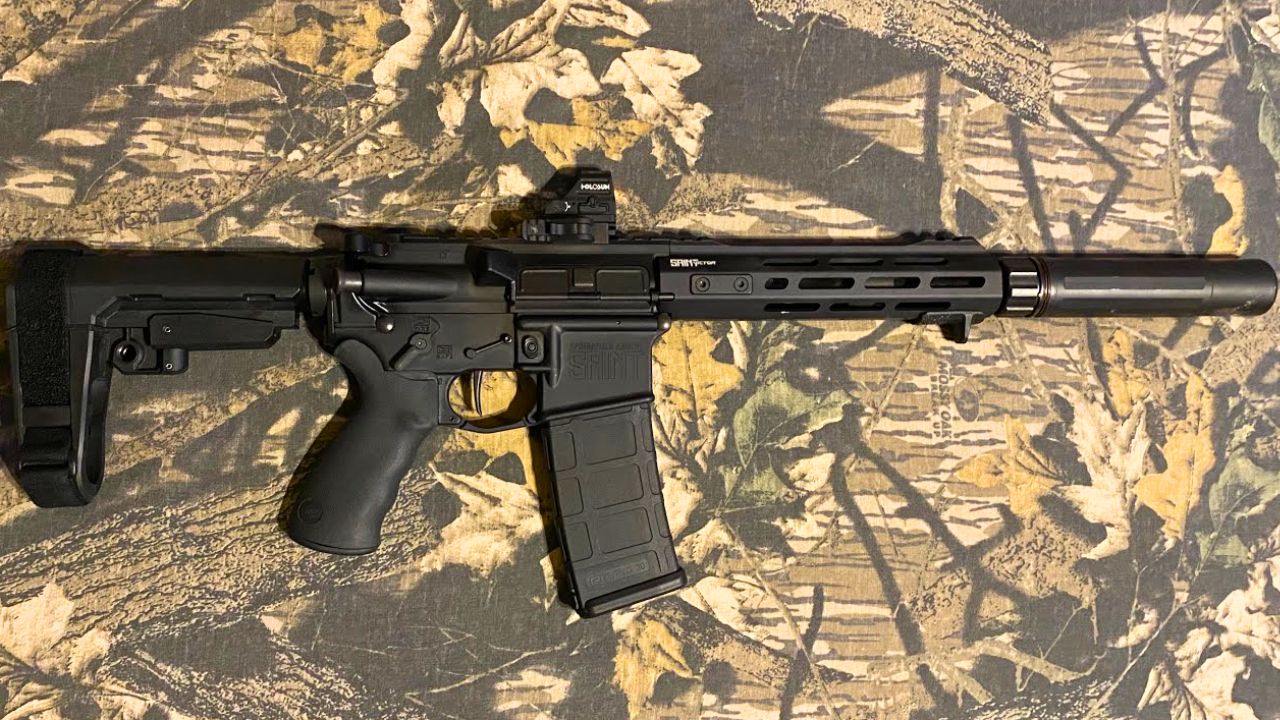
The SAINT Victor gets hyped as a ready-to-go AR that looks and feels upgraded. The trade-away happens when people realize ARs are a saturated market, and the Victor isn’t a magic unicorn. If someone buys it expecting a night-and-day difference over other mid-tier ARs, they can end up underwhelmed once the novelty wears off.
It also gets traded because it’s a “first serious AR” for a lot of people. They buy it, learn what they like (handguard length, gas system preference, trigger feel, optic setup), and then they move to a build that matches their exact tastes. The Victor isn’t necessarily the problem—it’s the stepping stone.
Marlin 1895 SBL

The 1895 SBL gets bought on hype because it’s iconic, it looks incredible, and it’s tied to a whole vibe. Then reality shows up: .45-70 costs money, recoil isn’t gentle, and a lot of owners don’t actually have a hunting use for it that justifies the price. Many people buy it as a “bucket list” rifle and then realize they don’t shoot it enough to keep it.
Another reason is expectations. Some buyers think it’s going to be a practical do-it-all brush gun and a range toy. It can be, but the cost-per-trigger-pull is high, and lever guns take some learning if you want to run them fast and smoothly. That’s why you see them get traded by people who loved the idea more than the lifestyle.
Henry Model X

The Henry X line gets hyped as the “modern lever gun,” and it absolutely looks the part. The trade-away happens when people realize lever guns aren’t ARs. Reloading is different. Optics mounting and cheek weld can require thoughtful setup. Running the action fast requires technique. If someone bought it expecting instant “tactical lever” performance, they can get frustrated.
Also, caliber choice matters. Some owners buy an X in a caliber they don’t actually want to feed long-term, or they realize their use case doesn’t match the rifle’s strengths. The Henry X is cool, but a lot of buyers quietly trade it after the novelty phase.
FN SCAR 16S

The SCAR gets bought on hype because it’s famous, it’s proven, and it has that “end of the world rifle” reputation. The trade-away happens because the ownership experience can be more demanding than people expect: cost, accessories, optic considerations, and the reality that for many shooters it doesn’t do anything they can’t do with a quality AR—at a fraction of the price.
A lot of SCAR trades are simple economics. The owner realizes they could sell it, buy an AR and a pile of ammo, and get more actual training out of the deal. The SCAR is a legit rifle. But hype makes people buy it before they ask if it’s the smartest use of money for their actual shooting life.
Like The Avid Outdoorsman’s content? Subscribe to our newsletter so you never miss an article.
Here’s more from us: