Photo credit: Buckeye Ballistics/YouTube
When you’ve been shooting long enough, you learn that a bad trigger can humble even the most competent marksman. You can have a rifle or pistol that shoulders well, feels balanced, and carries the right reputation—but if the trigger is heavy, gritty, or unpredictable, your groups fall apart fast. A clean trigger builds confidence. A terrible one steals it. Some guns are known for having triggers that fight you the whole way, turning steady shooters into frustrated ones.
These are the guns where the trigger isn’t just a flaw—it’s the defining problem that overshadows everything else the platform could have been.
Glock 43 (early production)
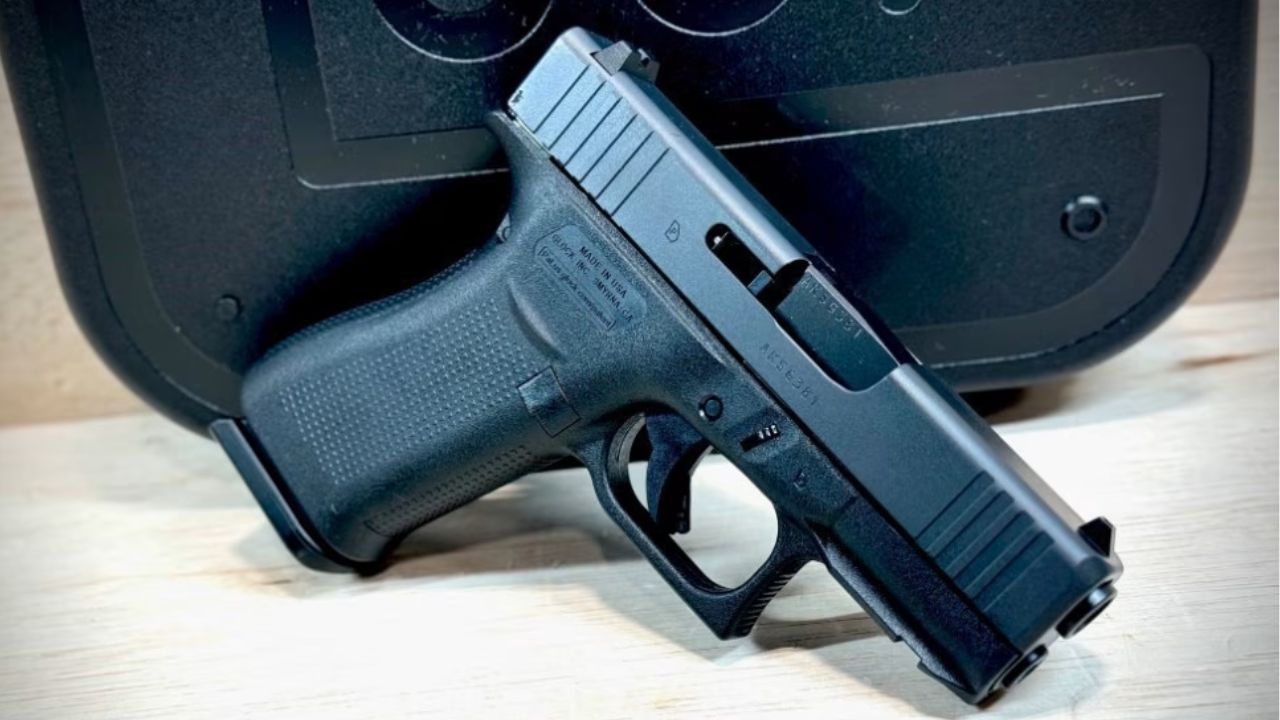
The early Glock 43 triggers were notoriously spongy, with a long, uneven take-up that made precision tough. Even seasoned shooters found themselves pulling shots because the break felt vague and inconsistent. It created hesitation at the moment you needed the trigger to feel predictable.
The reset wasn’t as crisp as other Glock models, adding to the difficulty. Many owners swapped connectors or springs to compensate. While later batches improved, those early triggers made it clear how much a mushy break can derail otherwise solid shooting fundamentals.
KelTec PF9

The KelTec PF9 combines lightweight design with a trigger that feels more like a stubborn hinge than a controlled mechanism. It has a long, heavy pull that stacks oddly near the break, forcing shooters to work harder than they should just to keep the sights steady.
The challenge isn’t subtle—you feel it from the first press. The long travel and gritty feel can turn controlled shots into guesses, especially under stress. Many shooters buy the PF9 for convenience but quickly realize the trigger demands far more discipline than most compact pistols.
Smith & Wesson Sigma Series
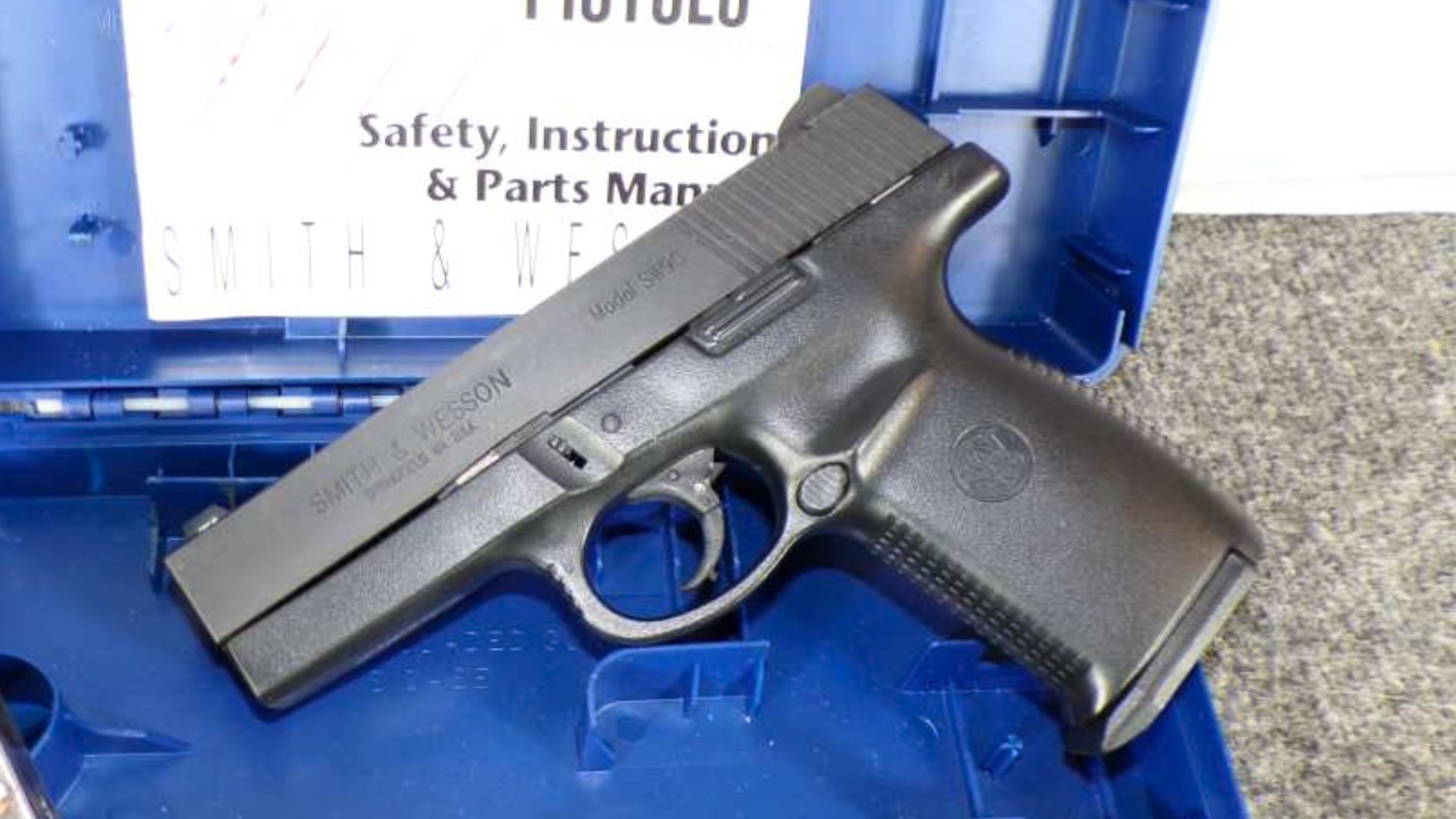
The Sigma series gained a reputation for having one of the heaviest factory triggers on the market. Pulls often exceeded 10 pounds and felt like they were dragging through coarse sand. Even shooters with strong fundamentals struggled to maintain clean sight pictures through the press.
That weight and grit made accurate shooting a chore. Some owners attempted home trigger jobs, but reliability often suffered. The Sigma reminds you that a trigger can single-handedly overshadow a handgun’s reliability and durability if it fights you every time you touch it.
Taurus PT140 Millennium (first generation)

The first-generation PT140 triggers were long and inconsistent, with a vague break that made it tough to predict exactly when the gun would fire. Shooters frequently yanked shots because the pull demanded so much movement before anything happened.
Even with practice, the inconsistency stays in the back of your mind. That uncertainty affects everything from slow-fire accuracy to practical shooting. The PT140 could have been a solid carry option, but its trigger kept it from ever reaching that potential.
Ruger LCP (Gen 1)

The original LCP had a trigger that felt more like a lever being pulled to its limit than a firearm control. It was long, heavy, and had little feedback on the way to the break. Maintaining a steady sight picture through that entire cycle was a serious task.
Many shooters reported difficulty keeping groups tight even at short distances. While the LCP earned praise for concealability, the trigger punished anyone expecting real control. The Gen 2 redesign improved it, but that first generation earned its reputation honestly.
Mosin-Nagant 91/30 (surplus)

Surplus Mosin-Nagant triggers range from “acceptable” to “shockingly rough,” depending on the rifle’s history. Many have miles of creep before the break, along with a gritty feel that shifts between rifles. Predictability is nearly nonexistent without serious modification.
Even experienced shooters find themselves pulling shots because they’re fighting inconsistent take-up and uneven pressure. The rifle’s accuracy potential isn’t terrible, but the trigger makes tapping into it a challenge. It’s a classic example of military utility overshadowing the shooter’s experience.
Remington 870 Express (later production)

Late-production 870 Express triggers sometimes feel heavy and mushy, lacking the crispness older Wingmasters were known for. The heavier pull can disrupt timing on clays or field shots, especially when you need a smooth break.
Experienced shooters notice quickly that they’re working around the trigger instead of with it. The gun itself is reliable, but that trigger feel keeps it from performing at the level its lineage suggests. Many owners swap in aftermarket groups to get the feel they expect.
Canik TP9 DA
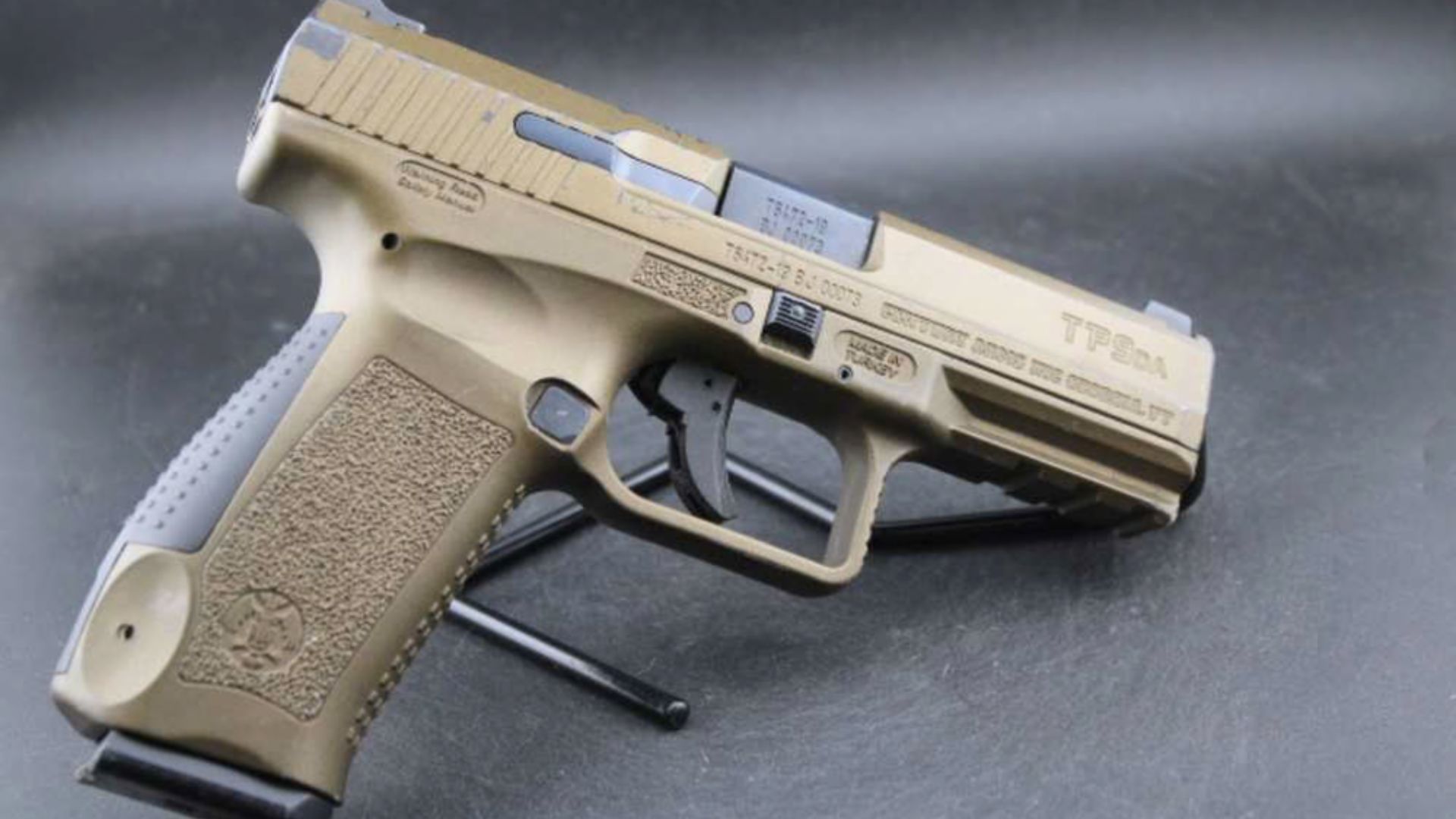
While Canik’s modern triggers often receive praise, the TP9 DA introduced a long double-action-style pull that many shooters struggled with. It’s heavy, stacks oddly, and breaks later than expected, which throws off timing and consistency.
The reset is decent, but the initial pull demands significant focus. For a gun marketed toward defensive and general-purpose shooting, the trigger demands more deliberate effort than most shooters want from a striker-fired pistol.
FN FNP-40
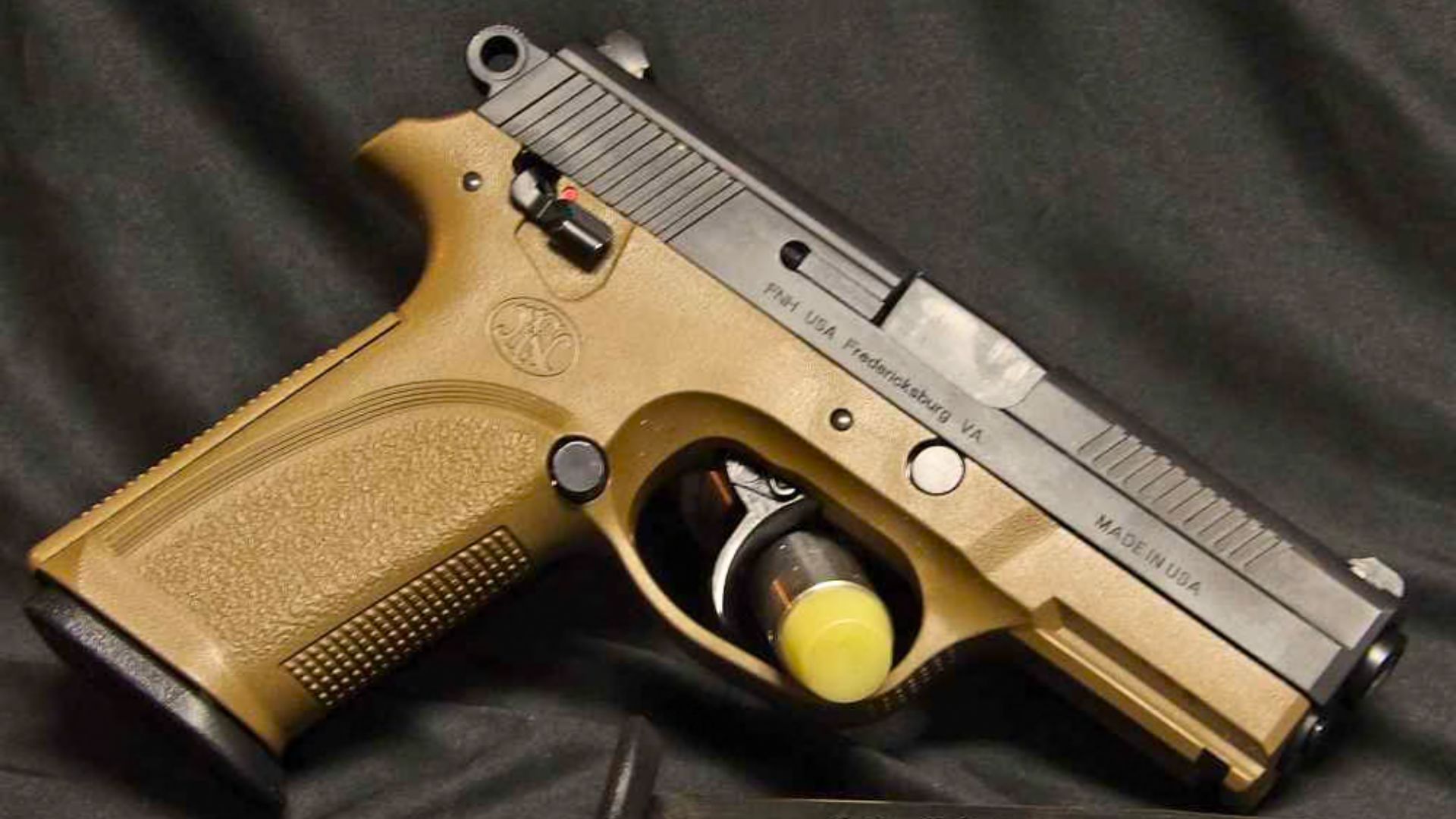
The FNP-40’s double-action pull is notoriously heavy and somewhat gritty, creating an uphill battle for accuracy on that first shot. Even when transitioning to single-action, the break can feel inconsistent between samples.
Shooters accustomed to smoother DA/SA triggers often find themselves surprised at how much work the FNP requires. The gun is reliable and durable, but that trigger makes the platform harder to shoot well unless you train extensively with it.
Walther PPS M1
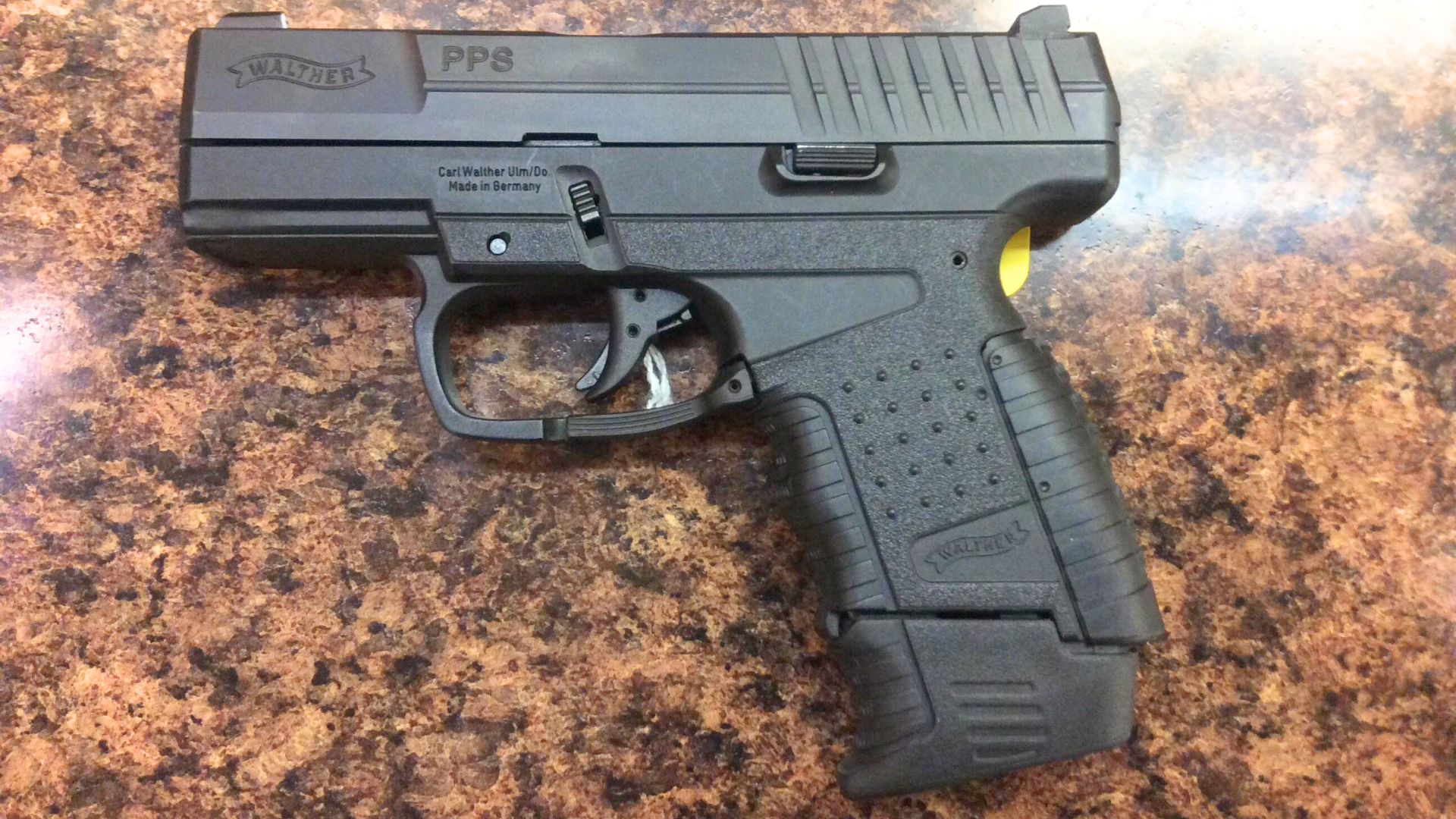
The PPS M1 trigger has a long, rolling break that lacks the crispness Walther is known for today. The paddle magazine release models especially had triggers that felt vague and offered little sense of where the break point was.
This creates doubt during slow-fire practice and can throw off timing in defensive drills. Many shooters enjoyed the slim profile and reliability, but the trigger held the gun back from achieving the level of performance people expected from it.
Steyr M9 (early production)
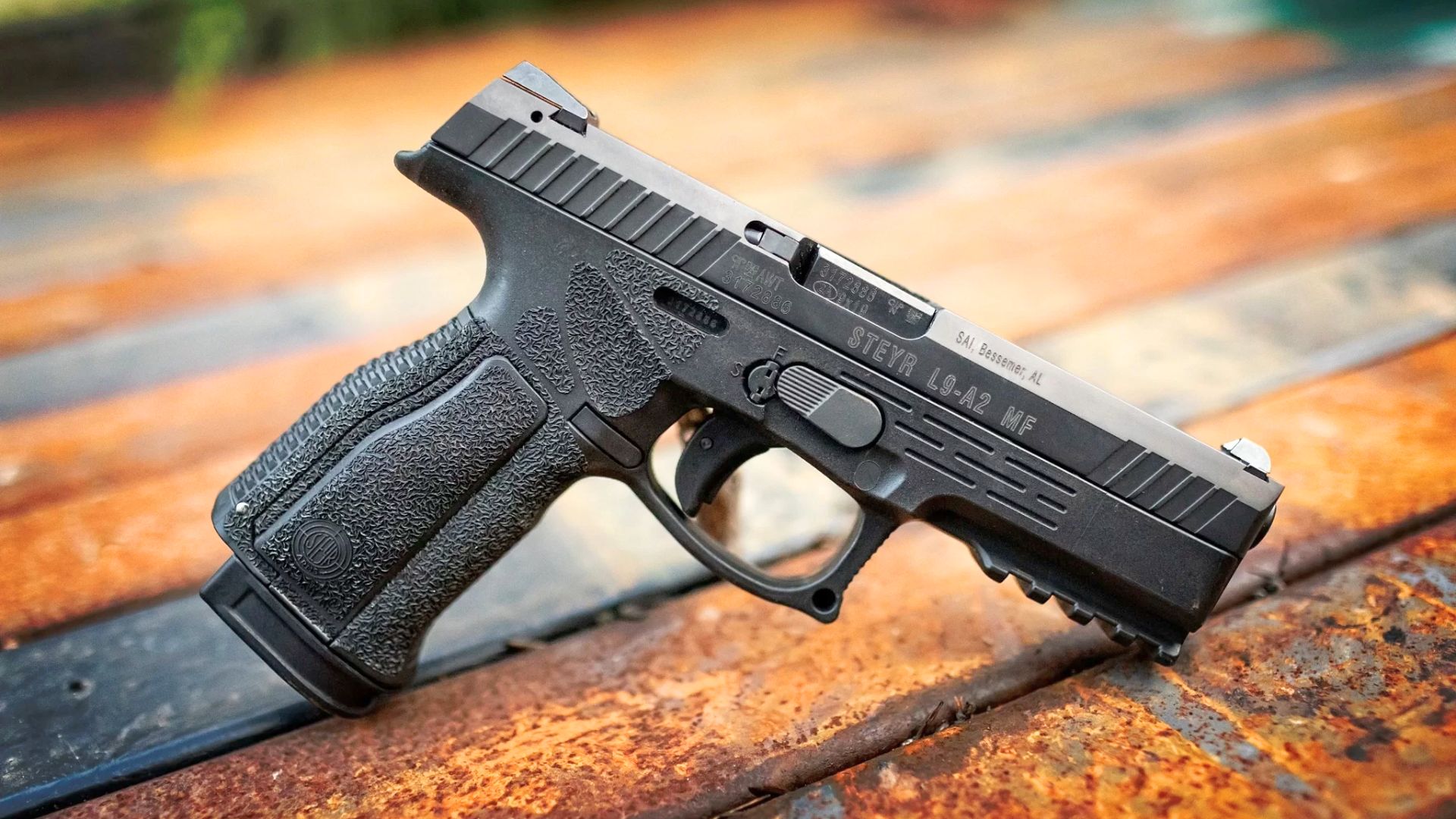
Early Steyr M9 pistols had a trigger with noticeable creep and an inconsistent break. While the ergonomics were superb, the trigger required extra attention to manage well. It didn’t snap predictably, and some shooters struggled to maintain smooth presses.
The later versions improved significantly, but those initial triggers left a mark. It’s a perfect example of a well-designed pistol hindered by a trigger that lagged behind the rest of the engineering.
Bersa Thunder 40 Ultra Compact
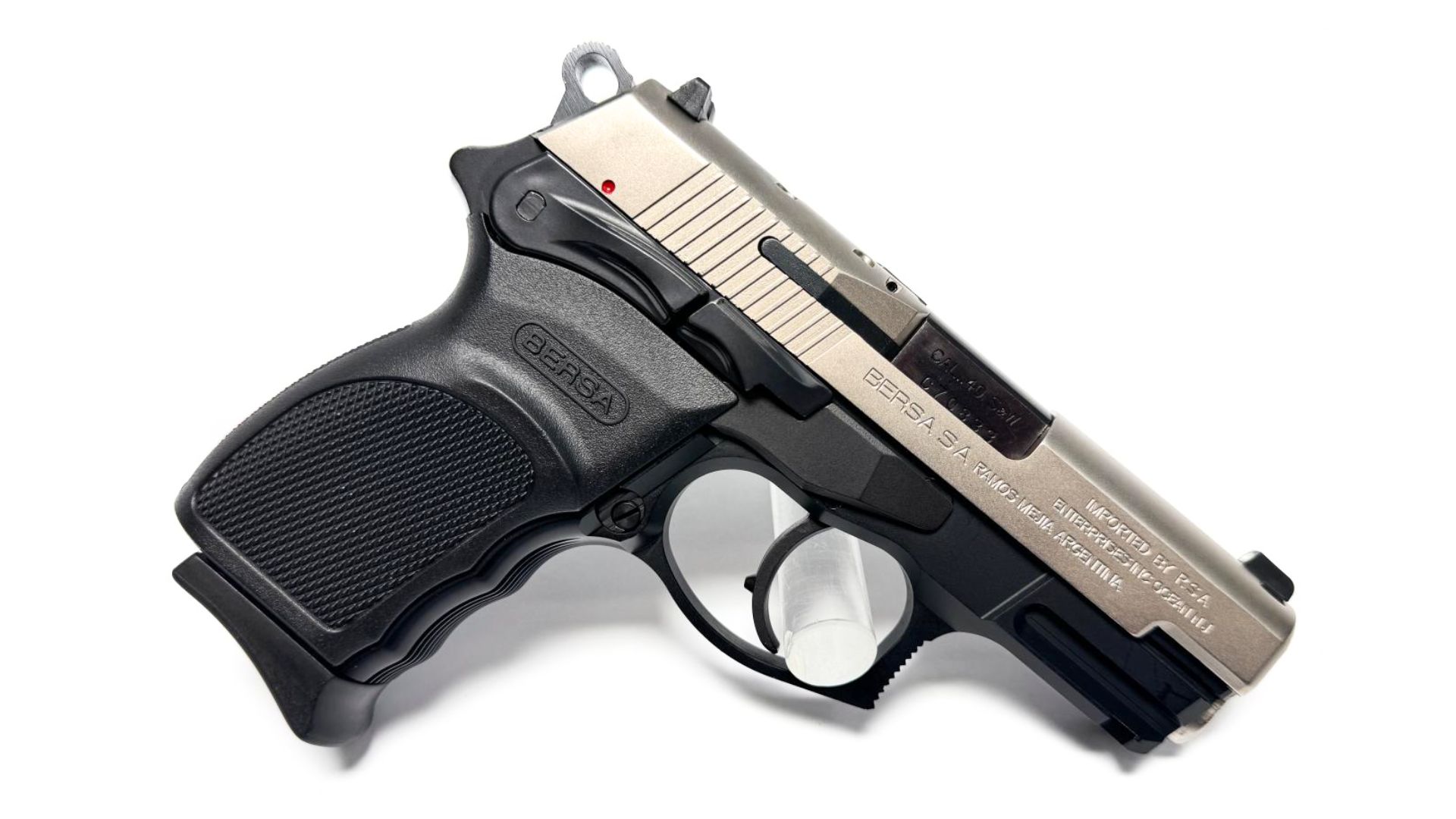
The Bersa Thunder 40 UC has a heavy double-action pull that feels every bit of its weight. The long stroke and gritty take-up make it easy to pull shots off target. Even the single-action mode lacks the crisp feel shooters expect.
For a compact defensive pistol, this leads to challenges during rapid strings. You find yourself working hard to maintain consistency instead of letting the gun help you. The platform is reliable, but the trigger keeps it from shining.
Savage Axis (original model)

The first-generation Savage Axis rifles had heavy, spongy triggers that worked against precision shooting. There was noticeable creep, and the break didn’t feel clean. For hunters used to better triggers, it was a rough adjustment.
The rifle itself shoots well once you manage the trigger, but getting there takes practice. Many owners eventually upgraded to aftermarket springs or triggers to fix the problem. The platform had potential, but that original trigger set it back.
Hi-Point C9

Hi-Point pistols are durable and affordable, but the C9’s trigger is notoriously mushy. There’s creep, drag, and a vague break point that makes accuracy tougher than it needs to be. Even shooters with steady hands find themselves wrestling with the unpredictability.
It’s a functional pistol, and it runs reliably, but the trigger turns every shot into a negotiation. For new shooters, it can build bad habits quickly. For experienced shooters, it feels like fighting through mud.
Rossi Circuit Judge
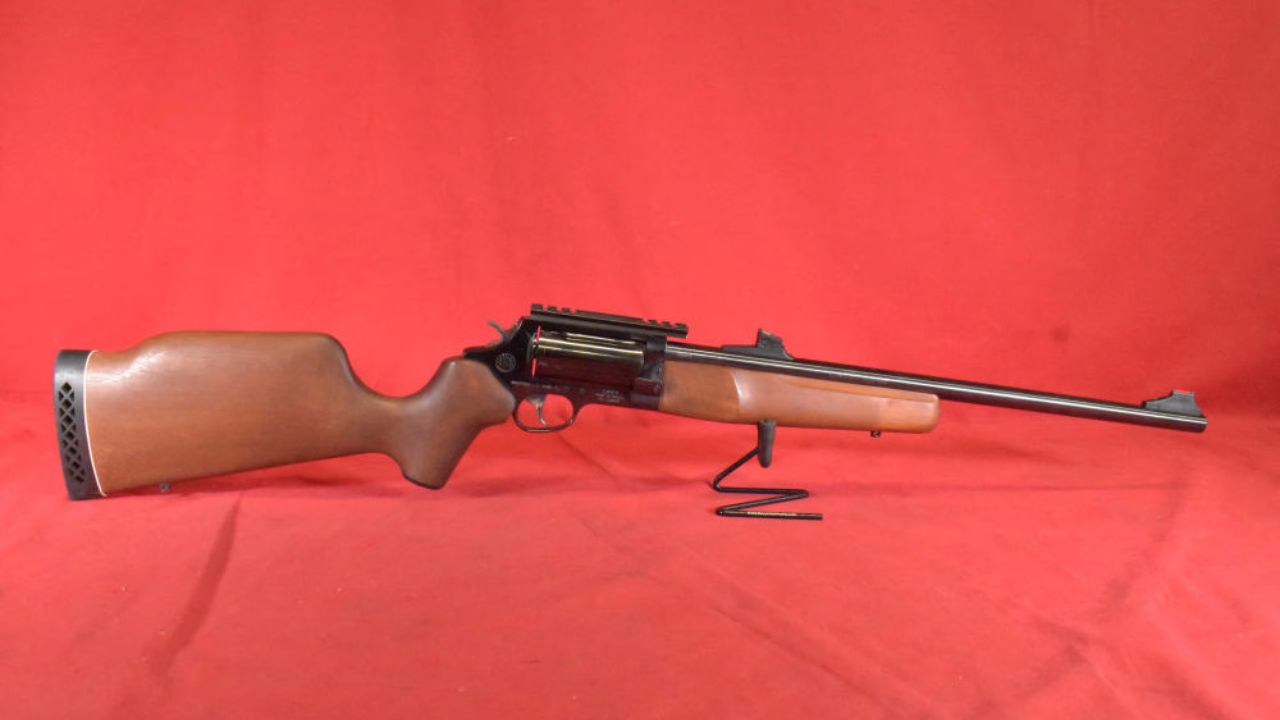
The Rossi Circuit Judge has a long, heavy trigger pull in double-action and a single-action break that varies more than it should. The system isn’t refined enough to inspire confidence when precision matters.
Because the rifle looks like something that should shoot accurately, the trigger surprises people. Maintaining clean groups becomes a chore once you realize how much pressure you’re applying before it fires. The gun is fun, but the trigger keeps it firmly in the novelty category.
Like The Avid Outdoorsman’s content? Subscribe to our newsletter so you never miss an article.
Here’s more from us: