Photo credit: Savage Arms
A scope gets blamed for a lot of sins that aren’t actually the scope’s fault. Loose bases, ring slip, stock flex, hot barrels, inconsistent ammo, sloppy torque, bedding issues—those problems can all look like “my optic won’t hold zero.”
The rifles below are ones I see come up over and over in that exact scenario, either because they’re commonly bought as budget packages, they’re sensitive to setup, or they encourage bad habits (like never re-checking fasteners after the first range day).
Savage Axis XP

The Axis can shoot, but the XP package world is where people learn the hard way that “included optics” often means “included headaches.” Rings loosen, bases aren’t torqued right, and shooters chase a wandering zero that feels like the scope is dying. Add the super-light stock and how easily a shooter can change point of impact by pulling on a sling or resting the forend differently, and you get chaos fast.
A lot of Axis “zero issues” disappear when you ditch the package glass, torque everything properly, and stop resting it like a bench gun.
Remington 770
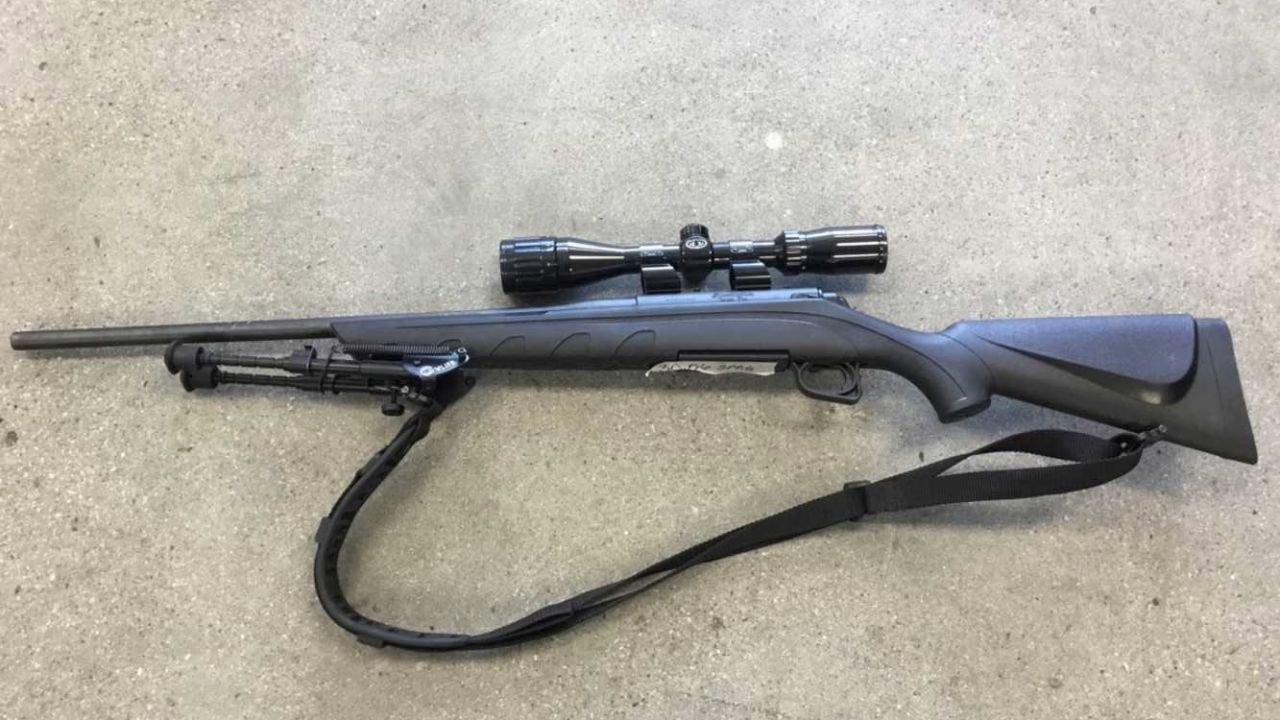
This is one of the most common “I think my scope is junk” stories out there. The 770 has a reputation for inconsistency across examples, and many were sold as bargain combos that weren’t set up to withstand real recoil and rough transport.
When groups walk or suddenly shift, owners keep swapping scopes instead of addressing the whole system—bases, rings, stock contact points, and ammo. Plenty of folks never get one truly confidence-inspiring, which is why these often end up traded off after a season of frustration.
Mossberg Patriot (package setups)

Patriots get bought because they’re affordable and feel like a “ready to hunt” solution. Then the zero starts drifting and the first instinct is “bad scope.” Sometimes it is. Often it’s the usual suspects: budget rings slipping, screws settling, or the owner never re-checking torque after the first 20–40 rounds.
The Patriot also lives in lightweight hunting territory, and light rifles can be more sensitive to how you hold them, rest them, and sling them. If you want it to behave, you usually have to treat mounting like it matters.
Ruger American (Combo models)

Ruger Americans are honest rifles, but the combo versions are where the blame game starts. If the rifle is bouncing around in a truck and the mounting hardware isn’t stout, the zero can shift enough to make you swear your optic is haunted.
The American’s light stock can also be sensitive to pressure—rest it differently, torque it oddly in a vice, crank down a bipod hard, and your impact can move. It’s not the rifle being “bad.” It’s that it’s easy to set up lazily and then act shocked when it doesn’t stay perfect.
Thompson/Center Compass

The Compass can shoot well, but it gets sold in the same “budget rifle, quick mount, go hunt” lane where corners get cut. If the base screws weren’t properly installed, or the rings are bargain-bin, the optic shifts under recoil and everyone blames the glass.
The Compass also gets bought by a lot of first-time rifle owners, and first-time owners often don’t know how much torque and thread engagement matter. The rifle becomes the teacher, and the lesson is usually learned mid-season, not at the bench.
Remington 783

Another budget rifle that can surprise you with how well it groups—right up until it doesn’t. The 783 shows up in “can’t hold zero” complaints because so many are set up quickly and never re-checked. A little movement in mounting hardware feels like a huge movement downrange, especially at 200 yards. If the rifle is also being shot from inconsistent support or with different ammo lots, the shooter starts swapping scopes like it’s the obvious fix.
Most of the time the fix is boring: solid bases, proper torque, and shoot it like a hunting rifle, not a precision rig.
CVA Cascade

Cascades get a lot of love, but they also get mounted by guys who assume “this is a simple hunting rifle” and don’t take setup seriously. That’s how you get the slow drift that looks like a scope losing its mind.
Add in a light hunting profile barrel and you can also see point-of-impact shift if you’re shooting longer strings and heating it up, then firing a cold-bore shot later and expecting the same impact. Owners call it a scope issue. It’s usually a process issue.
Winchester XPR (package versions)

XPRs can be very accurate, but package setups get people again—mounts, rings, and “I tightened it with a multitool in the driveway.” If your zero shifts, the scope gets blamed first, even though the most common cause is hardware settling or slipping.
The XPR also lives in that lightweight hunting category where grip and rest pressure matter more than people think. If you rest it hard on a bag one day and freehand it another day, you can see differences that look like a shifting zero even when nothing is “broken.”
Ruger Mini-14

Mini-14s catch blame for “accuracy issues,” and a lot of it is heat and expectations. Many owners sight in, then start shooting faster than they would with a bolt gun. Groups open, point of impact wanders, and suddenly the optic is the villain. The Mini can be a perfectly usable ranch rifle, but it’s not a precision platform in most trims.
If you mount optics with questionable rings or treat it like a benchrest gun, you can end up chasing your tail. The solution is realistic expectations and a proven, stable optic setup.
Springfield M1A
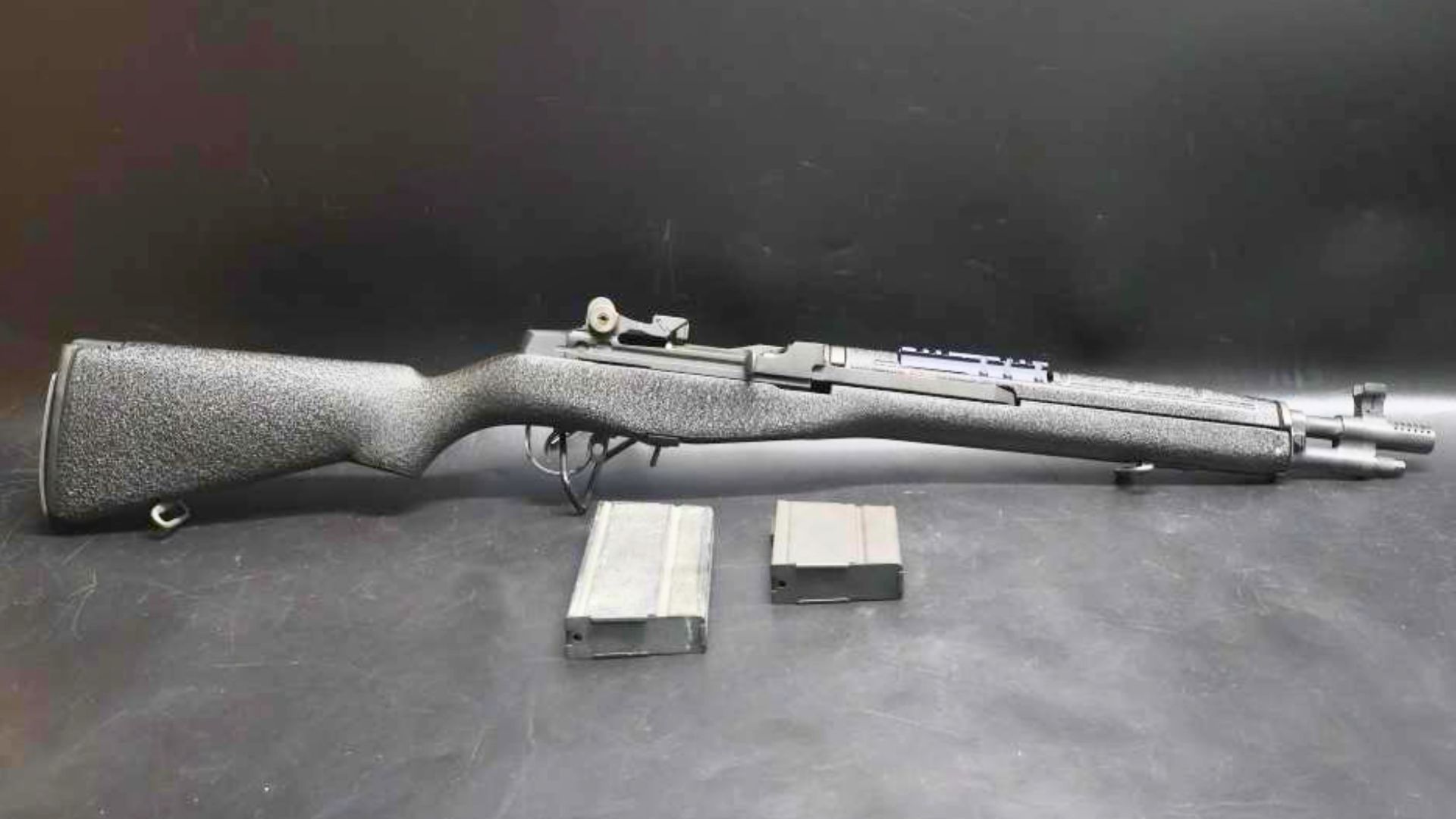
Optics on an M1A can be its own hobby, and that’s where the “my scope won’t hold zero” stories multiply. Mount fit, screw tension, and the leverage of a big optic on an offset mount can all create tiny movement that shows up as big misses. Then people blame the glass because that’s easier than admitting the mounting system is complicated.
The M1A can absolutely run with optics, but you don’t get to be casual about it. Casual M1A optic setups are famous for turning into a seasonal re-tighten ritual.
Ruger Precision Rifle

This one surprises people because the RPR feels like it should be rock solid. The issue is that heavy precision setups also create heavy leverage. Big scopes, tall rings, bipods, and transport vibration can loosen marginal hardware, and a little loosening looks like “scope failure.”
There’s also the reality of barrel heat. Some shooters run long strings, then compare that to a cold-bore shot later and call it “zero shift.” The RPR is capable, but it rewards meticulous setup and consistent shooting habits.
Bergara B-14 HMR
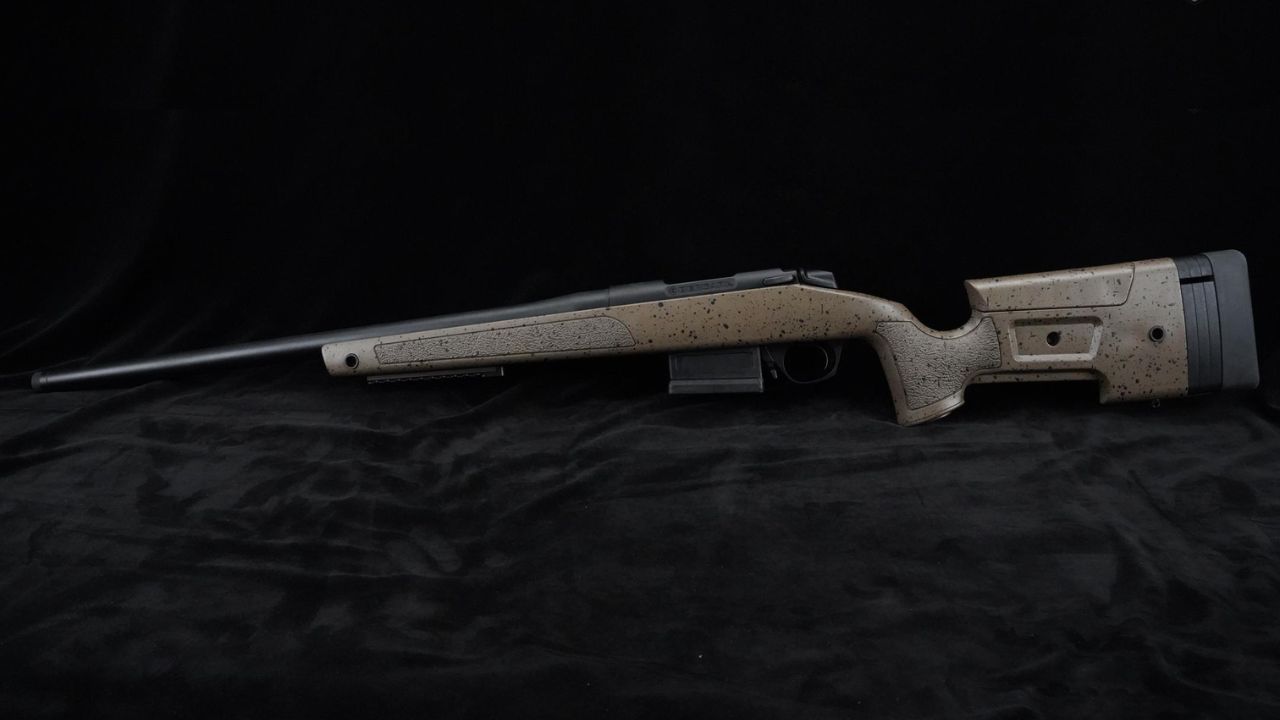
Bergaras are excellent, and that’s why it stings when someone says theirs won’t hold zero. The pattern I see is owners treating an HMR like a hard-use ranch rifle—bouncing it in a truck, knocking it on stuff, never checking hardware—then blaming the scope when the point of impact moves. It’s not that the rifle is flimsy.
It’s that even premium rifles don’t defeat physics. Heavy optics plus vibration plus neglect equals movement somewhere. The fix is boring and repeatable: torque, witness marks, and regular checks.
Howa 1500 (in cheap chassis/rings setups)

Howas are solid actions, but they get dropped into budget chassis and bargain rings all the time. Then the shooter sees point-of-impact shift and assumes the optic is toast. The reality is often poor ring quality, poor base fit, or screws that weren’t torqued and set correctly.
A Howa will usually do its part. But when the entire top end is assembled with whatever parts were on sale, the rifle becomes the scapegoat—or the scope does. Fix the mounting system and the drama usually fades.
Marlin 1895 (.45-70) with a scoped setup

Hard recoil lever guns are brutal truth-tellers. If anything in your optic setup is marginal, .45-70 will find it. Rings slip, screws loosen, and the shooter blames the scope because that’s what moved. The rifle isn’t “losing zero” as much as the system is shifting under recoil.
You can make a scoped 1895 rock solid, but it requires real rings, correct torque, and not treating it like a casual setup. If you don’t, you’ll spend a season re-tightening and cussing.
PSA PA-10

AR-10 pattern rifles vary more than AR-15s, and budget builds often get budget mounts. Under .308 recoil, anything marginal starts moving. Owners blame the scope because the dot or reticle isn’t where they left it, but the problem is usually mount quality, torque, or the whole rifle settling in.
Add inconsistent ammo or shooting strings that heat things up, and it gets worse. A PA-10 can run. But if you want it to hold a zero like a duty rifle, you have to mount optics like you mean it.
Like The Avid Outdoorsman’s content? Subscribe to our newsletter so you never miss an article.
Here’s more from us: