Photo credit: United States Senate – Public Domain/Wiki Commons.
A lot of “collector” guns don’t start out that way. They start as honest working firearms—stuff you can afford, find in a normal shop, and actually shoot. Then production changes, a company gets bought, a model gets quietly dropped, or a new version replaces the old one and the original starts drying up. Five years later, you’re kicking yourself because you passed on one that was sitting there for normal money.
If you want to buy smart, you don’t chase hype. You look for firearms that have a track record, a loyal following, and real-world usefulness—especially when a model is discontinued, redesigned, or simply not made the same anymore. The goal isn’t to “invest.” It’s to get something you’ll enjoy now, and still be glad you own later when they’re harder to find and everyone suddenly calls them classics.
Colt Python (2020 reissue and earlier)
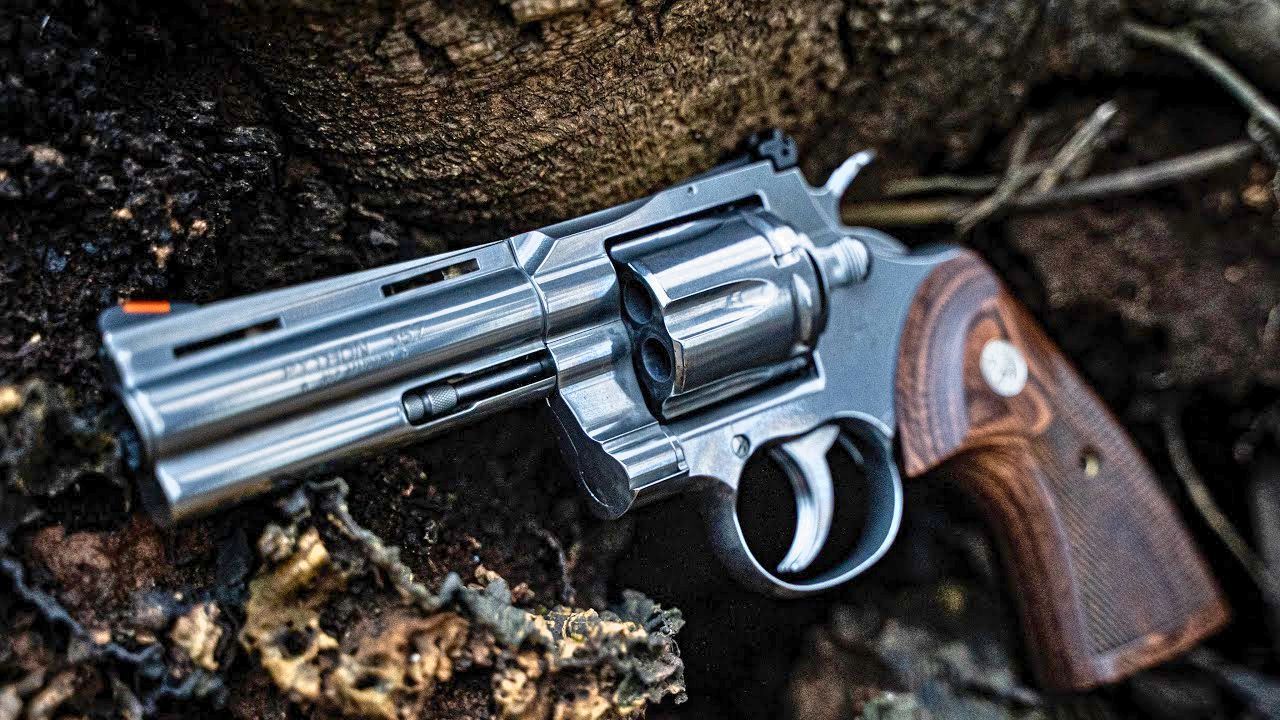
The Colt Python has always lived in that space where shooters and collectors overlap. Even the modern reissue has the kind of fit, finish, and trigger feel that gets talked about for good reason, and that demand tends to stay steady when revolver interest spikes.
If you find one that’s clean and you actually like shooting it, you’re buying something that holds attention long-term. The older Pythons are already in collector territory, but the newer ones still have room to climb simply because people keep wanting them. Revolvers come in waves, and the Python rides every wave. If you wait until everyone’s chasing them again, you’ll pay for that delay.
Colt Detective Special

The Detective Special is one of those revolvers that makes sense the second you handle it. It’s compact without feeling toy-like, carries well, and still has that classic Colt feel that people miss when they pick up newer stuff.
You’re also dealing with a model that isn’t being made anymore, and that alone changes the math. Clean examples don’t sit around forever, and they tend to disappear into collections. If you want a snub that still feels like a real gun in the hand, this is one you buy when you find it—not after the next nostalgia wave hits and everyone decides they “need” one.
Smith & Wesson Model 19 (pinned-and-recessed era)

The Model 19 is one of the most loved .357s for a reason. It balances well, carries like a serious sidearm, and points naturally. The older pinned-and-recessed guns have a following that never really goes away, and the clean ones keep getting harder to find.
Part of the appeal is that it’s both practical and classic. You can shoot it, carry it, and still appreciate the craftsmanship. When people talk about “the way they used to make them,” this is the kind of revolver they’re picturing. If you see one in good shape that hasn’t been abused, it’s the kind of purchase you rarely regret later.
Ruger Security-Six

The Ruger Security-Six is a working revolver that earned its reputation the hard way. They’re durable, they shoot well, and they have that older Ruger feel that a lot of shooters trust without thinking twice.
Because they’re discontinued, the supply is finite. The good ones keep getting bought and kept, which is exactly how a “regular gun” turns into something people hunt for. It’s also a revolver you can still shoot hard without babying it, which matters. Collector guns are more fun when they aren’t safe queens. A clean Security-Six is the kind of revolver you can actually live with.
Browning Hi-Power (FN production)

The Hi-Power isn’t just a classic, it’s one of the most copied pistol designs ever for a reason. It points naturally, carries well, and still feels like a serious fighting handgun in the hand. FN-made examples have a steady pull with collectors because they represent the real lineage.
The Hi-Power has already climbed, but there’s still room for clean, original guns—especially as people keep rediscovering steel-framed 9mms. When the market gets tired of disposable-feeling pistols, it swings back to classics. The Hi-Power benefits every time that happens. If you want one, buy the best example you can afford now, while you can still find them without a long hunt.
SIG Sauer P228
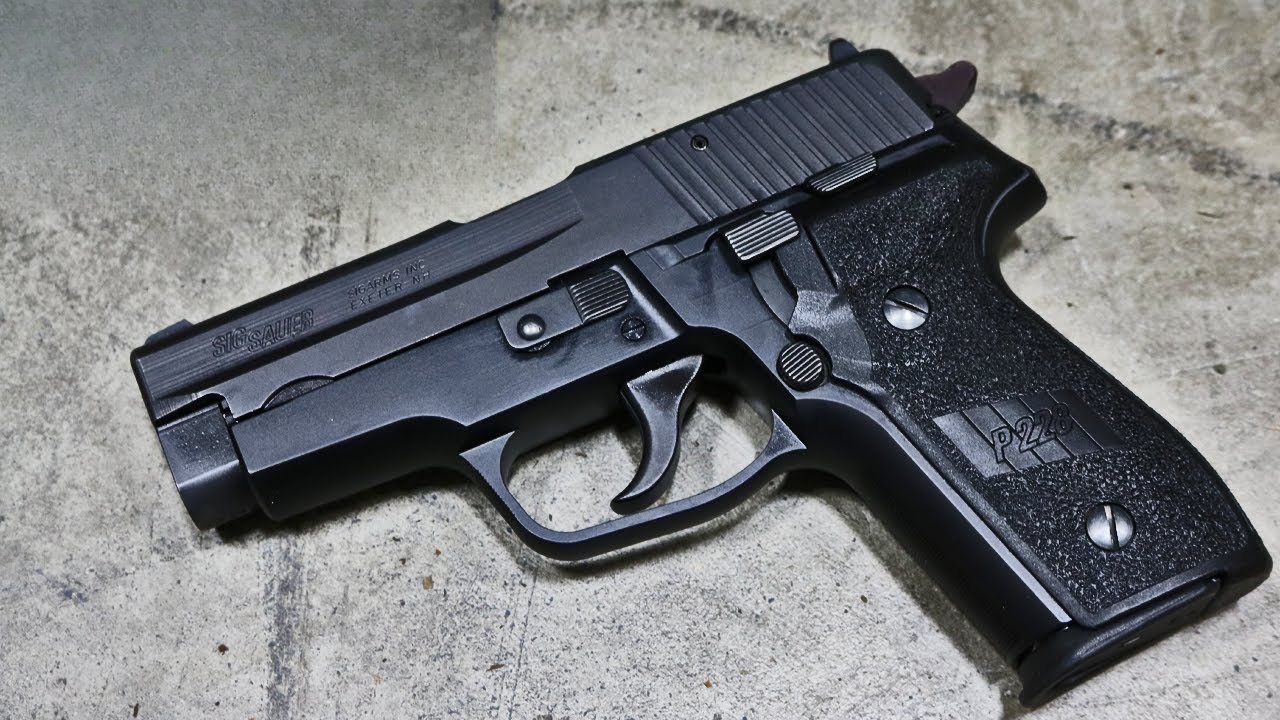
The P228 hits a sweet spot: compact enough to carry, big enough to shoot well, and built in that older SIG style people still talk about. It has real service history, and it’s one of those pistols that feels balanced the moment you present it.
Because it’s not the current production darling, it can still be found at reasonable prices compared to what it offers. That won’t last forever. The P228 has the kind of reputation that grows over time, especially when shooters compare it to newer pistols that don’t feel as refined. If you want a classic SIG that still runs like a duty gun, this is one you grab before the “I should’ve bought one” crowd drives the price up.
Beretta 92FS (Italian-made examples)

The Beretta 92FS is already iconic, but Italian-made examples tend to pull extra attention because they represent the traditional heart of the model. The gun itself is proven, reliable, and still one of the softest-shooting service-size 9mms you can run in volume.
Collector interest builds when a model has history and a big fan base, and the 92 checks both boxes. Add in the fact that tastes cycle—metal guns come back into style, then polymer dominates, then metal comes back again—and the 92 gets another bump. If you like the platform, it’s worth picking up a nice Italian example while they’re still common enough to choose from.
Heckler & Koch P7 (PSP or M8)

The HK P7 is one of those pistols you either “get” instantly or you don’t. The squeeze-cocker design is unique, the accuracy is real, and the build quality is exactly what people mean when they talk about old-school German engineering.
It’s also discontinued and already trending toward collector territory, which is the point here. Prices are high, but the supply keeps shrinking and the interest doesn’t fade. If you want one, you buy it because you respect what it is and you want to own that design while you still can. Waiting doesn’t usually make P7s cheaper. It just makes the good ones harder to find.
CZ 75B (early production and pre-B variants)
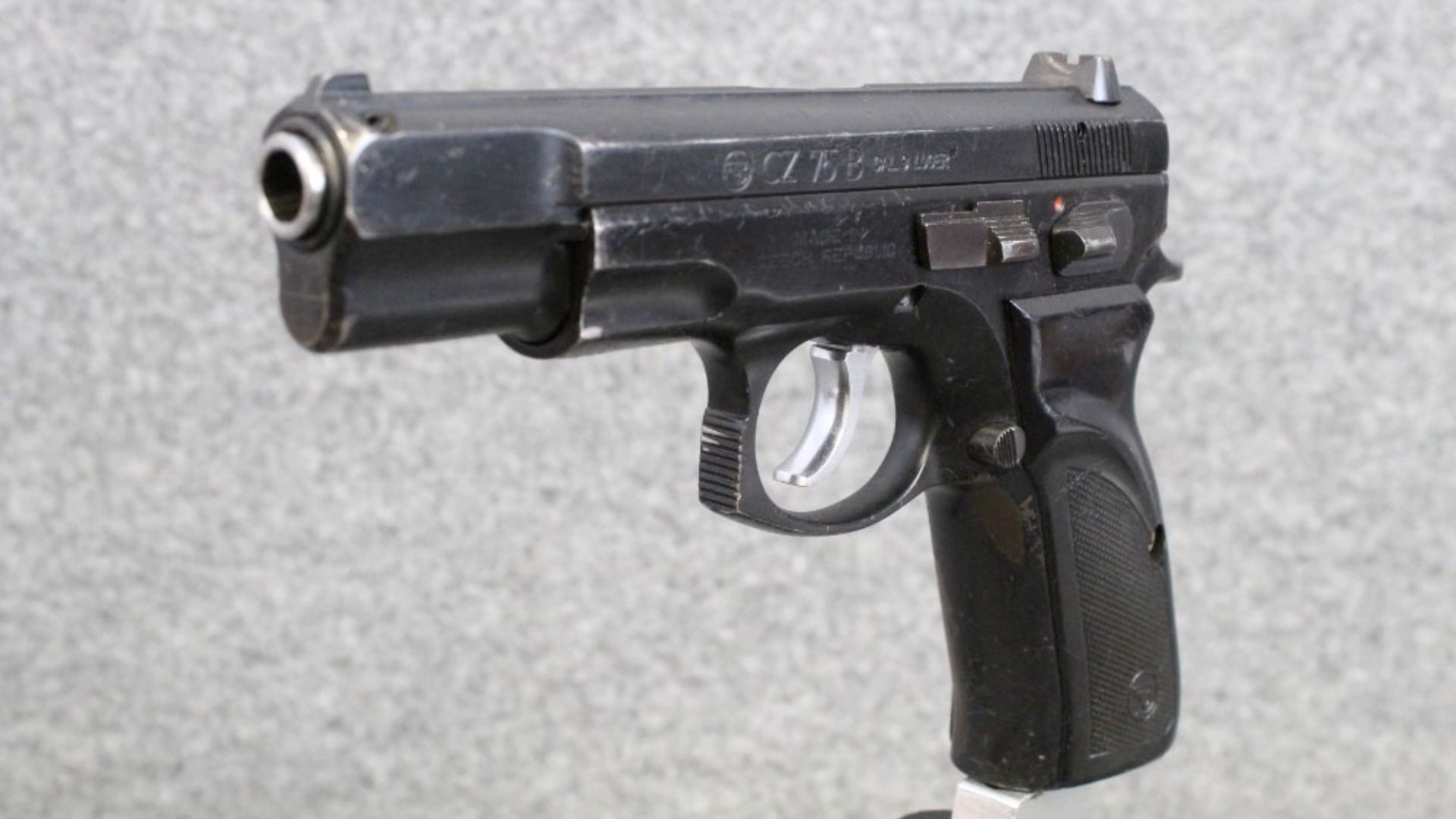
The CZ 75 family has always been one of the best values in handguns, and that’s part of why older versions become collectible. Early production and pre-B guns carry a different kind of appeal because they represent the earlier era of the design before later changes.
The platform is practical, accurate, and easy to shoot well, which means you can actually enjoy it instead of locking it away. That matters. Guns become collectible faster when people refuse to sell them. The CZ 75 does that to folks. If you run across an older one in great shape, you’re buying a pistol that people keep rediscovering, especially when they get tired of disposable-feeling carry guns.
Winchester Model 70 (pre-64)

The pre-64 Winchester Model 70 is already a legend, but it’s still the kind of rifle you should consider before the best examples get priced completely out of reach. The craftsmanship and feel are what people are paying for, and those qualities aren’t getting cheaper with time.
This isn’t about fantasy returns. It’s about owning a rifle that’s genuinely special to handle and hunt with. When you shoulder a good pre-64, you understand why it’s still talked about. If you find one that hasn’t been abused and the bore is right, you’re not just buying a collector piece—you’re buying a rifle you can carry into the woods and still feel proud of decades later.
Remington 700 BDL (older production)
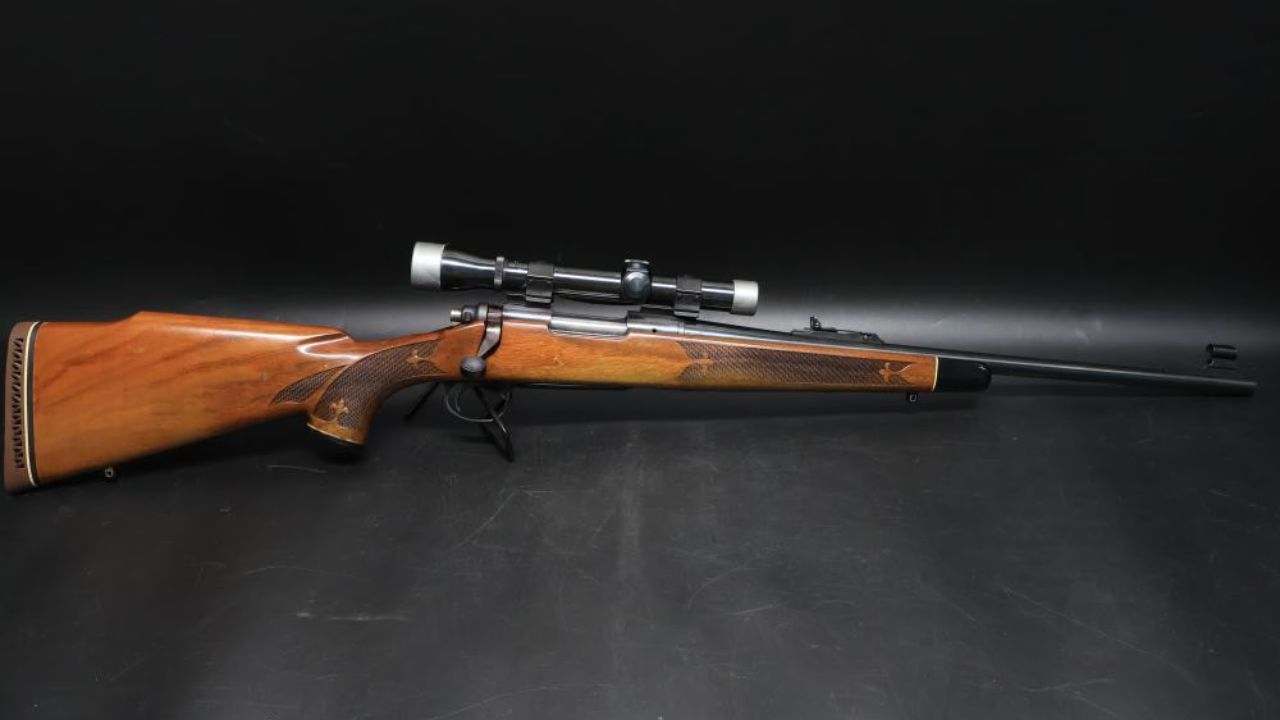
The Remington 700 is everywhere, but the older BDL rifles are the ones people get sentimental about—especially the walnut-and-blue steel examples that feel like a “real” hunting rifle. That older fit and finish matters to a lot of hunters, and those rifles keep getting pulled into family collections.
The trick is condition. A clean older BDL with a good barrel and honest wear has a kind of appeal that newer rifles don’t always match. They also have huge aftermarket support, which means you can keep them running forever. When a rifle is both useful and nostalgic, it gets bought and kept. That’s how collector interest builds without anyone trying.
Ruger No. 1

The Ruger No. 1 is one of the most handsome hunting rifles ever made, and it’s also one of the most “I’m glad I bought it” guns out there. Single-shots aren’t for everyone, but the people who love them really love them.
Different chamberings come and go, and some configurations become hard to find fast. That’s where collector interest starts. The No. 1 also has a timeless feel—wood, steel, clean lines, and a rifle that carries like it belongs in the mountains. If you want a rifle that’s as enjoyable to own as it is to hunt with, the No. 1 is one you buy when you see the right one, not after it disappears.
Marlin 1895 (JM-stamped)

JM-stamped Marlin 1895 rifles are a classic case of “they don’t make them like that anymore,” at least in the eyes of a lot of lever-gun fans. The older rifles have a following because the fit, finish, and overall feel earned trust over years of real use.
Lever guns have been surging, and that surge has pulled the best older Marlins upward. The supply isn’t growing, and the demand isn’t fading. If you want a hard-hitting lever gun that’s also a smart buy, a clean JM 1895 is worth serious consideration. You can hunt with it, you can shoot it, and you’ll still be glad you own it when the market tightens again.
Ruger Mini-14 (older series)

The Mini-14 has always had a loyal fan base because it’s handy, reliable, and different. Older series rifles, especially clean examples with good barrels, tend to attract interest as people chase the “classic ranch rifle” idea.
It’s also one of those guns that gets pulled into collections because it has character. The Mini isn’t trying to be an AR, and that’s exactly why some people want it. When platforms become too common, shooters start craving the stuff that stands apart. That’s when older Minis get snapped up. If you find one that runs well and the accuracy is acceptable for what you want, it’s a rifle you can enjoy now and still respect later.
Springfield Armory M1A (National Match and early builds)

The M1A appeals to a certain kind of shooter: someone who likes weight, steel, and the feel of a rifle that settles into position. National Match models and older builds tend to carry extra attention because they represent a higher-end slice of the platform and a different era of production.
These rifles aren’t cheap, but they also don’t flood the market in pristine condition. People buy them, tune them, and keep them. That’s the pattern you look for. When a rifle becomes a “keeper” for a lot of owners, collector interest grows without any marketing push. If you’ve always wanted an M1A, buying the right one sooner usually beats waiting for prices to get friendlier.
Smith & Wesson Model 27
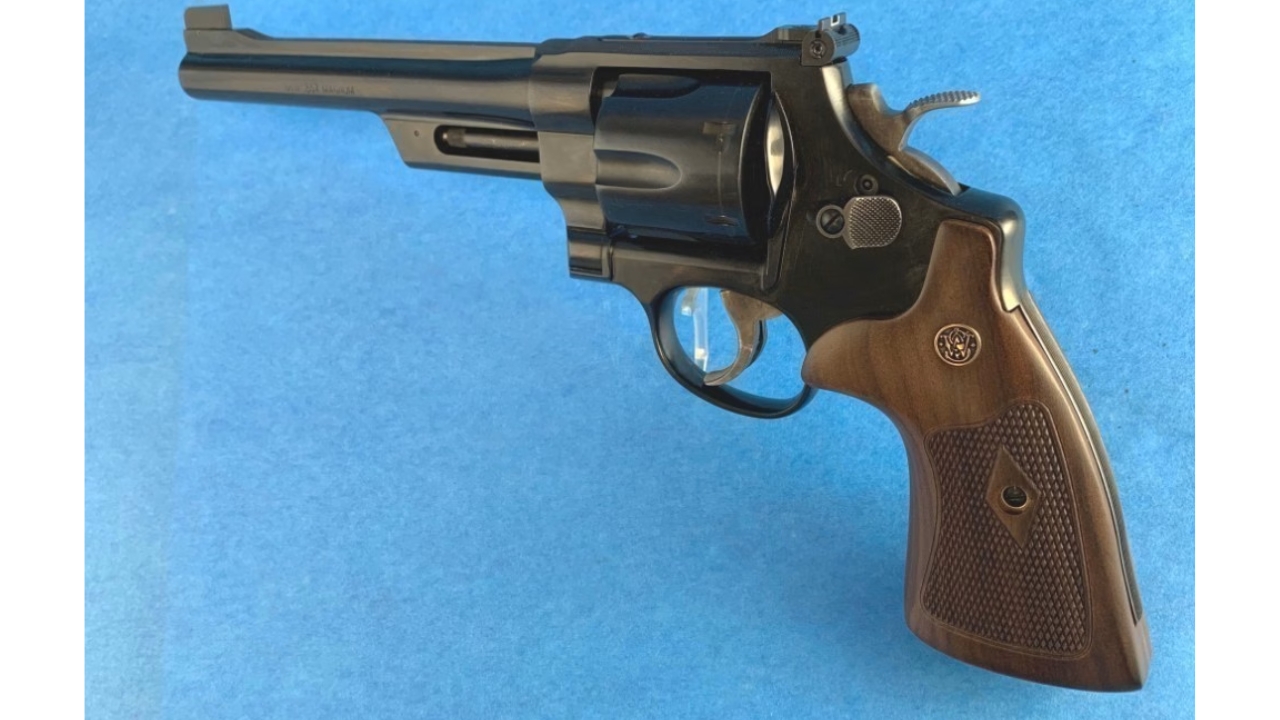
The Model 27 is classic .357 done the old way—big frame, serious presence, and a level of finish that’s hard to ignore. It’s not a carry gun for most people. It’s a “you own it because it’s right” gun, and those are exactly the firearms that drift into collector territory.
The Model 27 also has that old revolver magic where everything feels deliberate. Timing, lockup, and the way the gun balances in your hand—it’s a different experience than most modern options. Clean examples don’t sit around long, and they rarely get cheaper with time. If you want a revolver that feels like an heirloom but still shoots like a real tool, this is one to grab before the next wave of revolver fever hits.
Like The Avid Outdoorsman’s content? Subscribe to our newsletter so you never miss an article.
Here’s more from us: