Photo credit: terry benton/YouTube
Some firearms are expensive because they are rare, beautifully made, historically important, or genuinely hard to replace. That is fair. A gun can cost a lot and still be worth the money to the right person. The problem starts when the price climbs faster than the actual use you get back from it.
A lot of guns become expensive because people love the story around them. The name, the movie connection, the old reputation, the “they don’t make them like that anymore” feeling, or the collector chase can all inflate the number on the tag. These are the firearms that often cost more than they are worth if you judge them by field use, range value, or practical ownership.
Colt Python
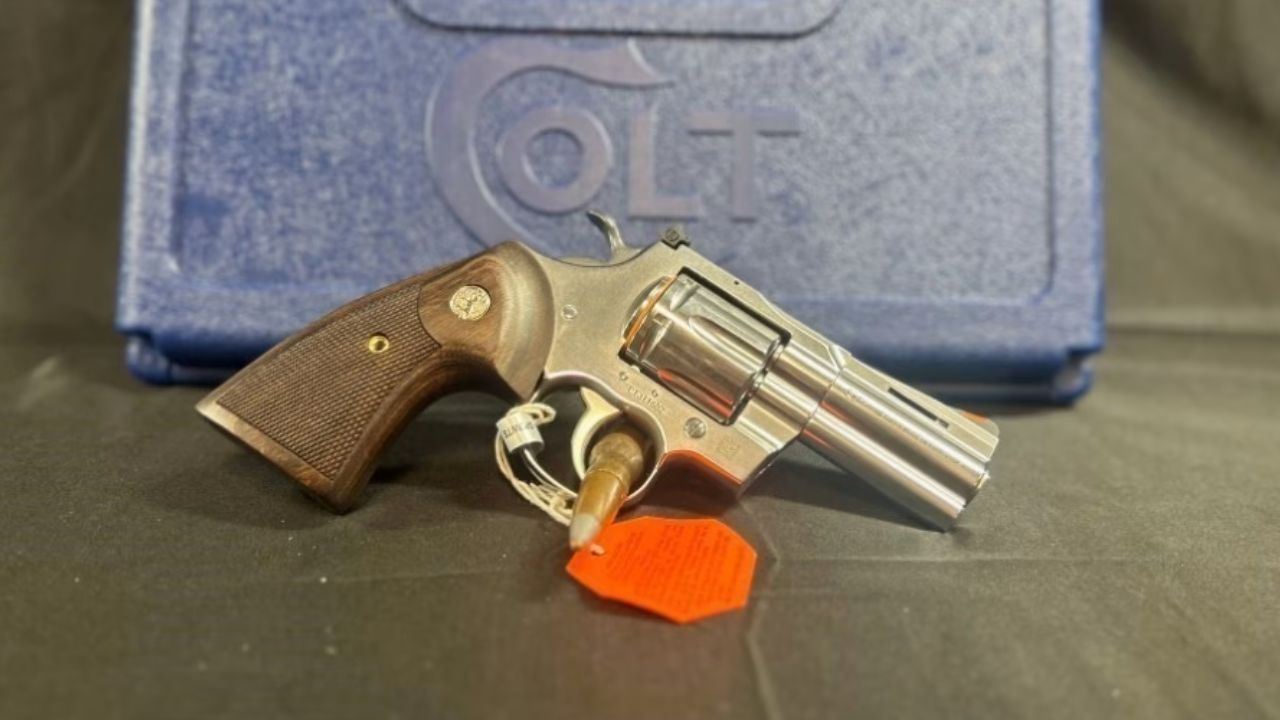
The Colt Python is a beautiful revolver, and nobody has to pretend otherwise. The finish, name, and history all carry weight. The problem is that the Python’s price often gets pushed by reputation more than what most shooters actually need from a .357 Magnum.
For real use, a Smith & Wesson 686 or Ruger GP100 can do the same basic job for less money and with less worry. The Python is easier to admire than abuse. If you want one because you love the gun, that makes sense. If you want pure working value, the price gets hard to defend.
Heckler & Koch SP5
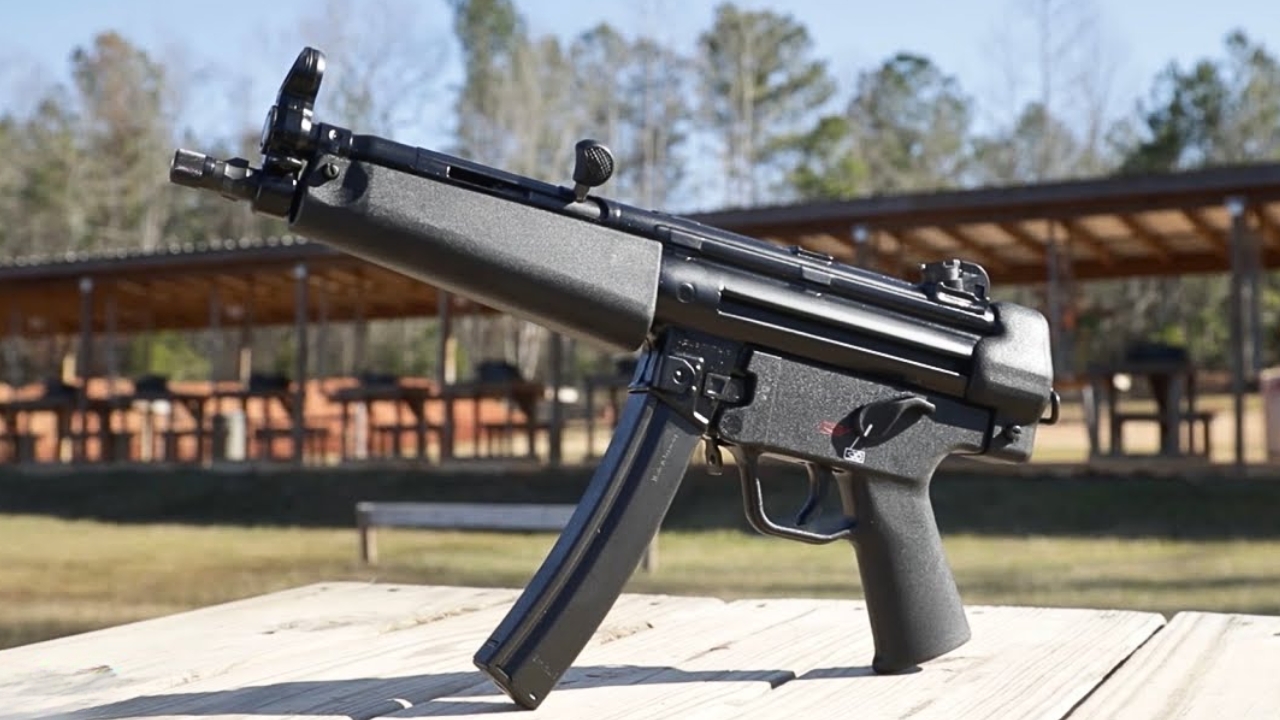
The HK SP5 has the right name, the right look, and the right connection to one of the most famous subgun patterns ever made. That alone pushes the price high before you even start talking about accessories, braces, stocks, or optics.
It is smooth, fun, and well made, but practical value is another question. A modern 9mm carbine can be cheaper, easier to mount optics on, and more straightforward to configure. The SP5 is cool because of what it represents. As a range or defensive carbine for the dollar, it is often more expensive than it is useful.
FN Five-seveN

The FN Five-seveN has always had a futuristic pull. It is light, high-capacity, and chambered in a cartridge that feels different from everything else in the pistol case. That difference is exactly why the price has stayed high.
The issue is that the practical role is narrower than the cost suggests. Ammunition is expensive, the pistol itself is expensive, and most shooters are not gaining enough real-world advantage to justify the jump. It is interesting, but interesting and worth the money are not always the same thing.
Desert Eagle .50 AE
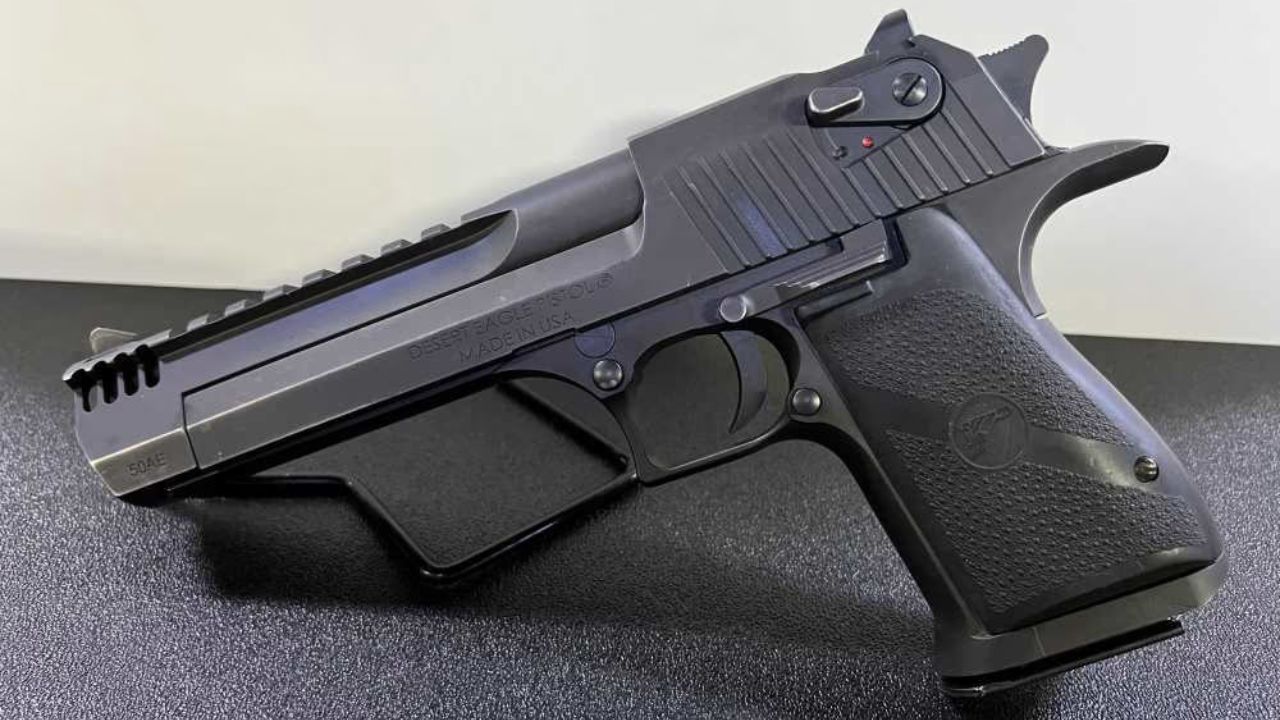
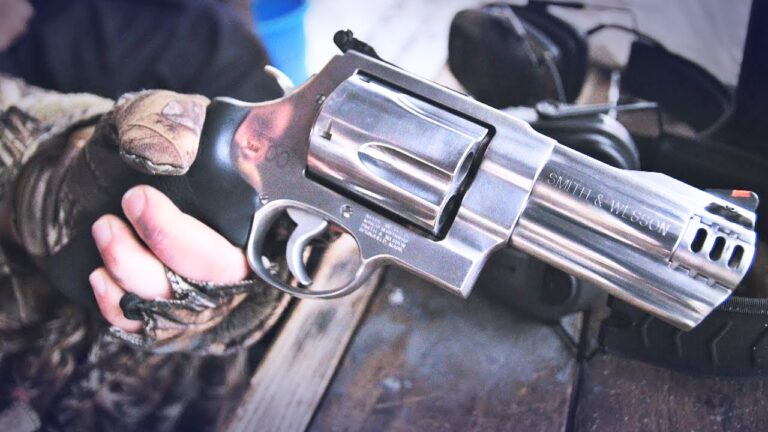
The Desert Eagle .50 AE is one of the most famous handguns in the world, but fame is doing a lot of the pricing work. It is huge, heavy, costly to feed, and not especially practical for carry, defense, or normal outdoor use.
That does not mean it is not fun. It absolutely has range-day appeal. But after the first few magazines, the cost starts feeling pretty loud. You are paying for spectacle more than usefulness. If that is what you want, fine. But as a firearm value, it is hard to call smart money.
Benelli R1
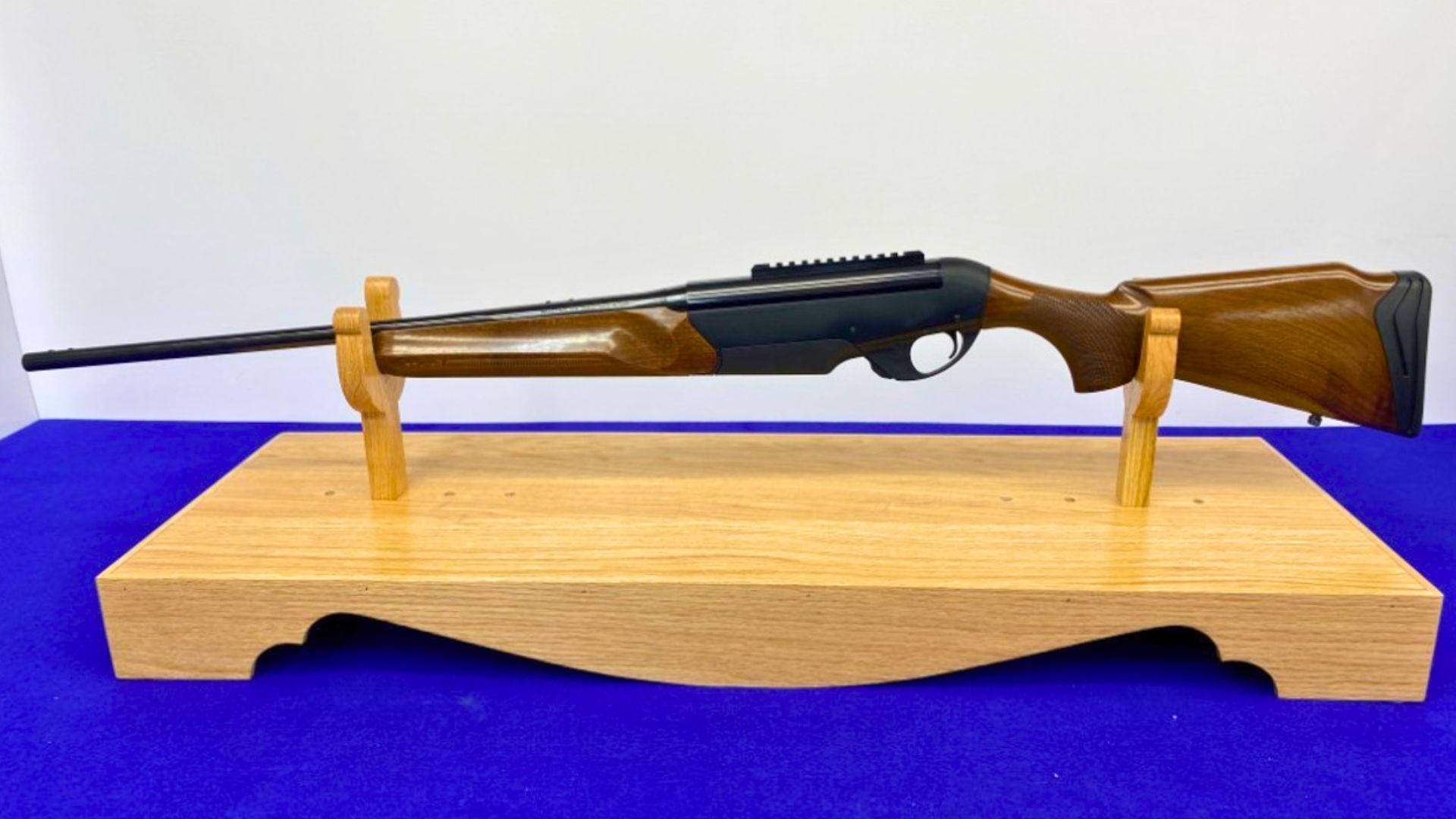
The Benelli R1 sounds great if you want a modern semi-auto hunting rifle with sleek styling and quick follow-up shots. The problem is that the price can put it against excellent bolt rifles that offer stronger first-shot confidence and simpler ownership.
A semi-auto hunting rifle has to justify its complexity. If accuracy is only decent, if it prefers certain loads, or if maintenance becomes part of the conversation, the value gets shaky. For the money, many hunters would be better off with a great bolt-action and better glass.
Ruger No. 1
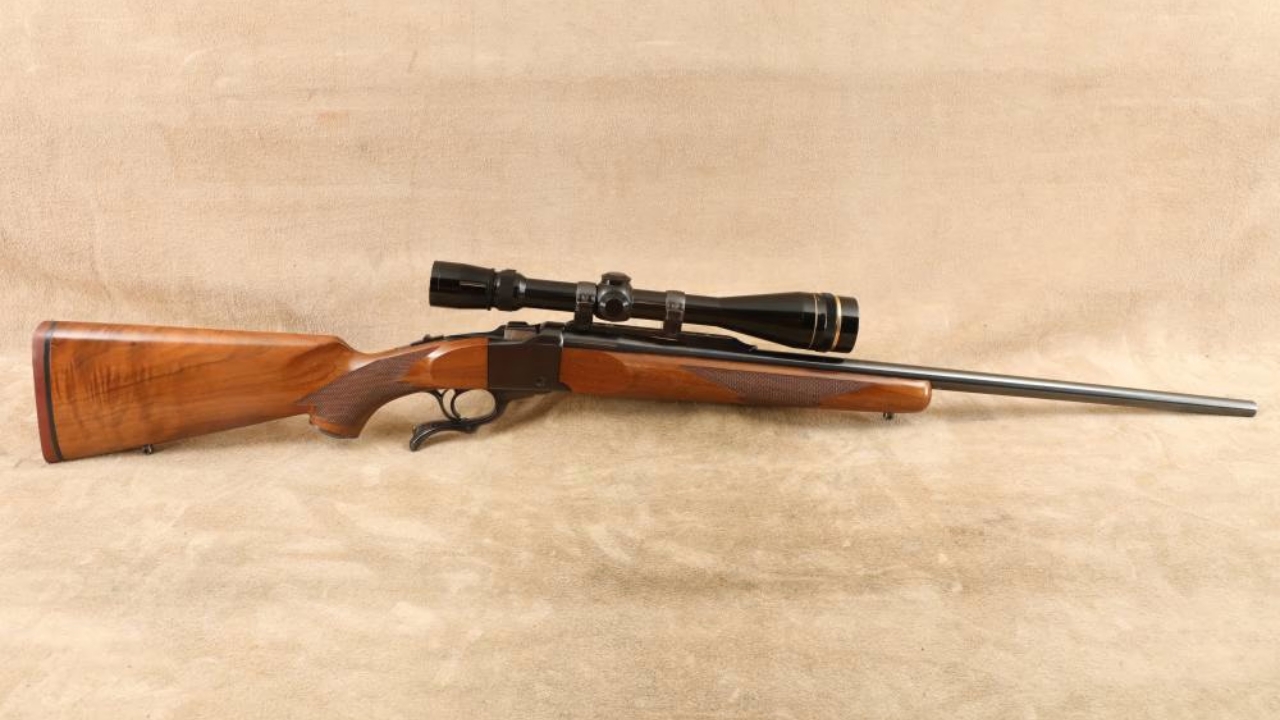
The Ruger No. 1 has charm, quality, and old-school appeal. It is a handsome single-shot rifle that makes hunters slow down and appreciate the shot. That is part of why people love it. It is also why the price can be hard to justify.
As a practical hunting rifle, you are paying more for romance than efficiency. A bolt-action gives you faster follow-up shots, easier load flexibility, and often better value for less money. The No. 1 is worth owning if you love what it is. It is not the best use of cash if you are buying purely for field performance.
Colt Single Action Army

The Colt Single Action Army is iconic, and that word gets expensive fast. The history is real, the feel is real, and the collector appeal is real. But when you judge it as a shooter, the price often outruns the practical value by a mile.
Modern single-actions from Ruger and others can handle regular use better and cost far less. The Colt gives you heritage, not efficiency. There is nothing wrong with paying for heritage if that is the goal. Just do not confuse the old name with the best working revolver value.
Springfield Armory M1A
The Springfield Armory M1A has a strong following because it carries the look and feel of the M14 pattern. That gives it serious appeal to shooters who like traditional rifles with military roots. The price, though, can get hard to square with what it delivers.
It is heavy, optics mounting can be awkward, and getting one set up for precision can cost even more. A modern AR-10 style rifle is often easier to scope, tune, and support. The M1A has character, but character gets expensive when a simpler rifle can do the work better.
Browning Citori
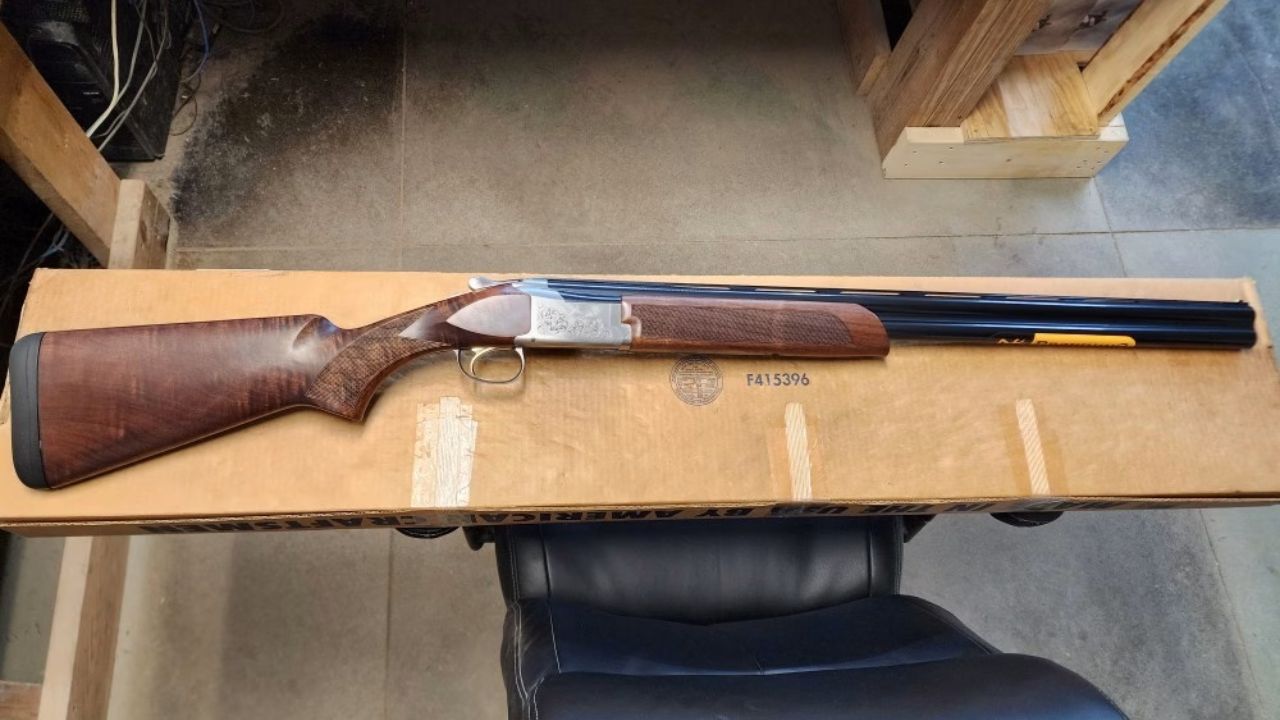
The Browning Citori is a respected over-under shotgun, and many models are very well made. The issue is not that it is a bad shotgun. The issue is that some buyers pay heavily for an over-under before they know whether they truly need one.
For casual clays, occasional dove hunts, or a few trips a year, the cost can be hard to justify. A good pump or semi-auto may serve that shooter better for less money. The Citori makes sense for someone who really uses an over-under. For everyone else, it can be more shotgun than the budget needed.
Kimber Micro 9

The Kimber Micro 9 looks like a premium little carry pistol, and that first impression is a big part of its appeal. The finishes, 1911-inspired controls, and compact size make it feel more special than many polymer pocket pistols.
Real ownership can be less convincing. Small guns are harder to shoot well, and tiny 1911-style pistols need to be tested carefully with carry ammo and magazines. For the price, many shooters would be better served by a more boring compact pistol that runs easier and holds more rounds.
Weatherby Mark V Deluxe

The Weatherby Mark V Deluxe is gorgeous, powerful, and tied to a serious hunting legacy. The gloss wood, deep finish, and high-speed chamberings all make it feel special. But special gets expensive fast.
For many hunters, the practical difference between a Mark V Deluxe and a less expensive accurate hunting rifle is not big enough to justify the price. You are paying for tradition, finish, and Weatherby identity. If that matters to you, it is a fine rifle. If you just need to kill deer or elk cleanly, cheaper rifles can do it without the stress.
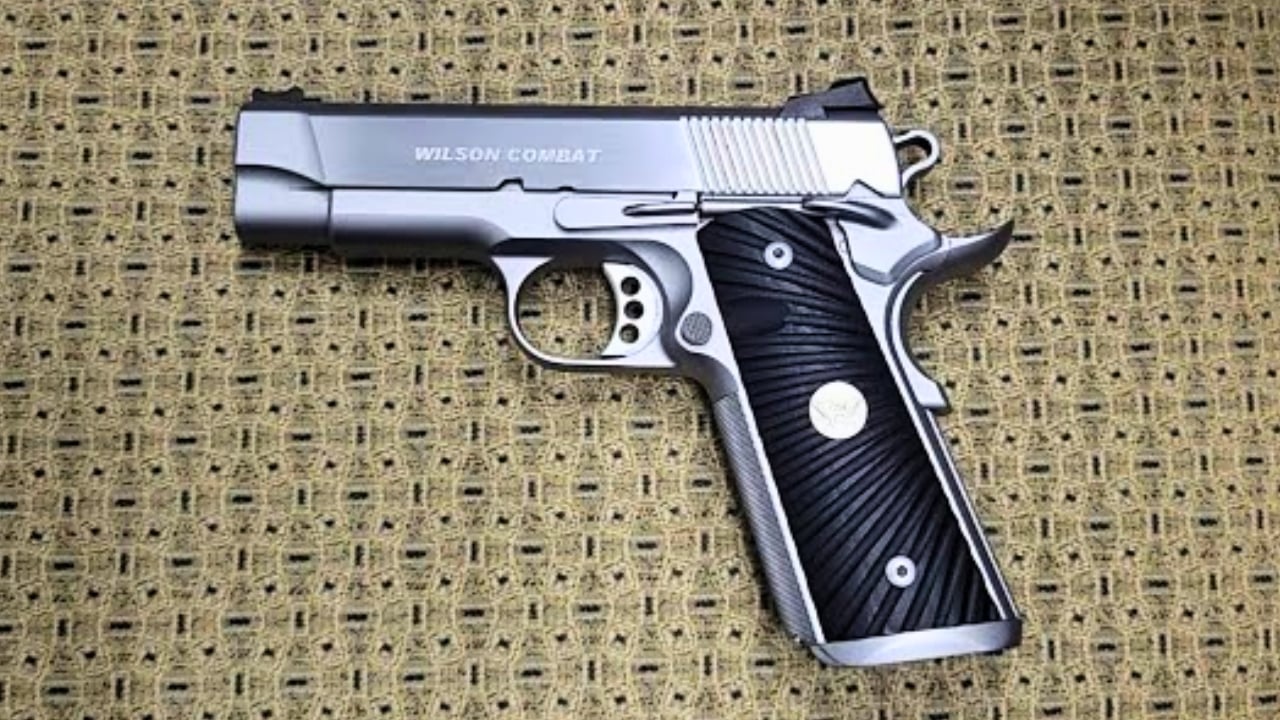
Wilson Combat 1911

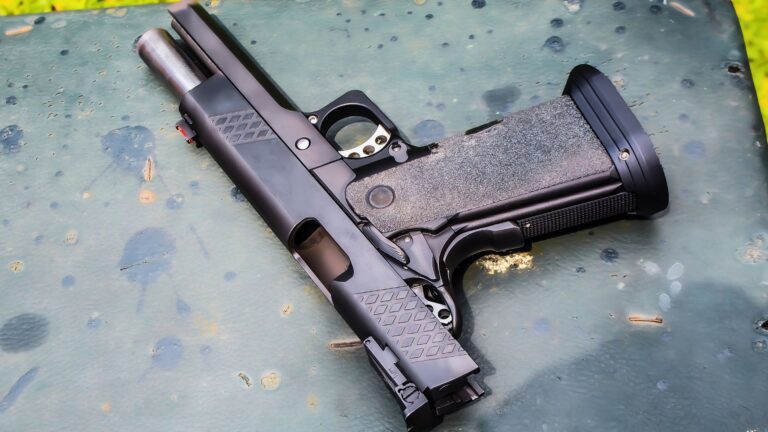
Wilson Combat makes excellent 1911s, and there is no point pretending they are ordinary. The problem is that the price often moves beyond what most shooters can actually use. At some point, the extra money buys refinement more than practical improvement.
A well-built midrange 1911 can already give you a good trigger, good accuracy, and dependable function. The Wilson gives you more polish, better fitting, and prestige. That may be worth it to a serious 1911 buyer. But for regular shooters, the jump in cost is hard to match with real-world gain.
KelTec KSG

The KelTec KSG got attention because the concept was so different: compact bullpup layout, dual magazine tubes, and a lot of shell capacity in a short shotgun. On paper, that sounds impressive. At the counter, it is easy to understand the curiosity.
In use, the value gets less clear. The manual of arms is different, recoil can be sharp, and running it smoothly takes real practice. For the money, many shooters would be better served by a simpler pump or semi-auto shotgun they can operate without thinking. The KSG is interesting, but interesting can get expensive.
SIG Sauer P210 Target

The SIG Sauer P210 Target is a finely made pistol with excellent accuracy and a reputation that carries real weight. It is also a pistol that costs enough to make you ask what job it is supposed to do.
As a range pistol, it is impressive. As a practical buy, the case gets thinner. Most shooters will not outshoot far cheaper pistols enough to justify the difference. You are paying for refinement, history, and precision. That can be worth it to the right shooter, but it is not the smartest value for most people.
Christensen Arms Ridgeline

The Christensen Arms Ridgeline has the lightweight, carbon-barrel, mountain-rifle appeal that catches hunters fast. It looks like the kind of rifle that should solve every long-walk problem. The price reflects that promise.
The trouble is that premium lightweight rifles still have to shoot consistently and fit the shooter. If one is finicky, hard to steady, or no more useful than a cheaper rifle once you are actually hunting, the value starts to wobble. For the money, expectations are high. When a rifle costs that much, “pretty good” is not enough.
Like The Avid Outdoorsman’s content? Be sure to follow us.
Here’s more from us: