Photo credit: Long Range Only/YouTube
There’s a certain kind of rifle that makes you feel like you should love it—because you paid enough to. The fit and finish are beautiful, the marketing’s convincing, and the name on the barrel carries weight. But when the time comes to shoot, you realize most of what you bought was reputation. Some of these rifles aren’t bad; they’re just not worth the premium. You spend more time explaining their “refinements” than actually noticing them. These are rifles that make you second-guess whether you bought performance or prestige—and deep down, you already know the answer.
Christensen Arms Ridgeline
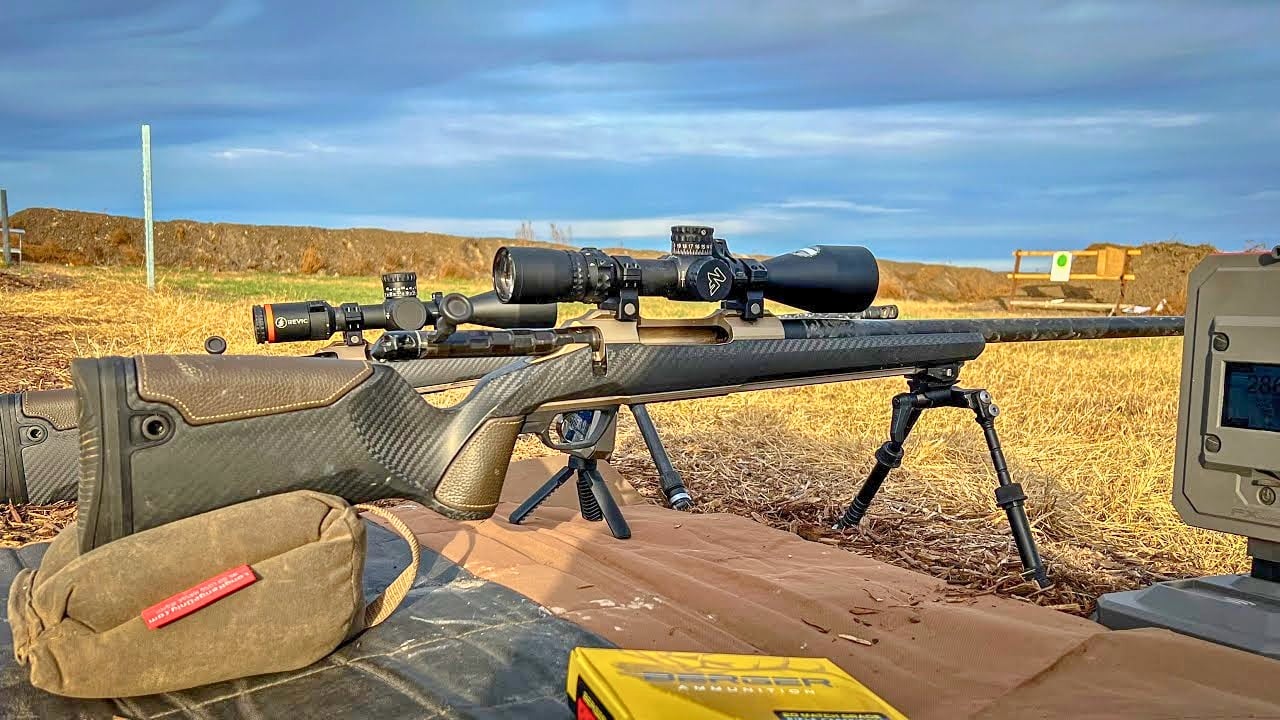
The Ridgeline is one of those rifles that looks like perfection. Carbon-fiber stock, fluted bolt, and featherweight feel—it screams quality. But behind that price tag, you’ll often find inconsistent groups and unpredictable cold-bore shots. Some shoot beautifully, others won’t hold MOA no matter what ammo you feed them.
For a rifle in its price range, the QC issues stand out. You can buy two Tikkas or a Bergara B-14 that’ll shoot tighter and feel smoother. The Ridgeline’s design is impressive, but the results aren’t always. It’s a rifle that performs best in marketing photos, not on the bench.
Kimber Hunter Pro
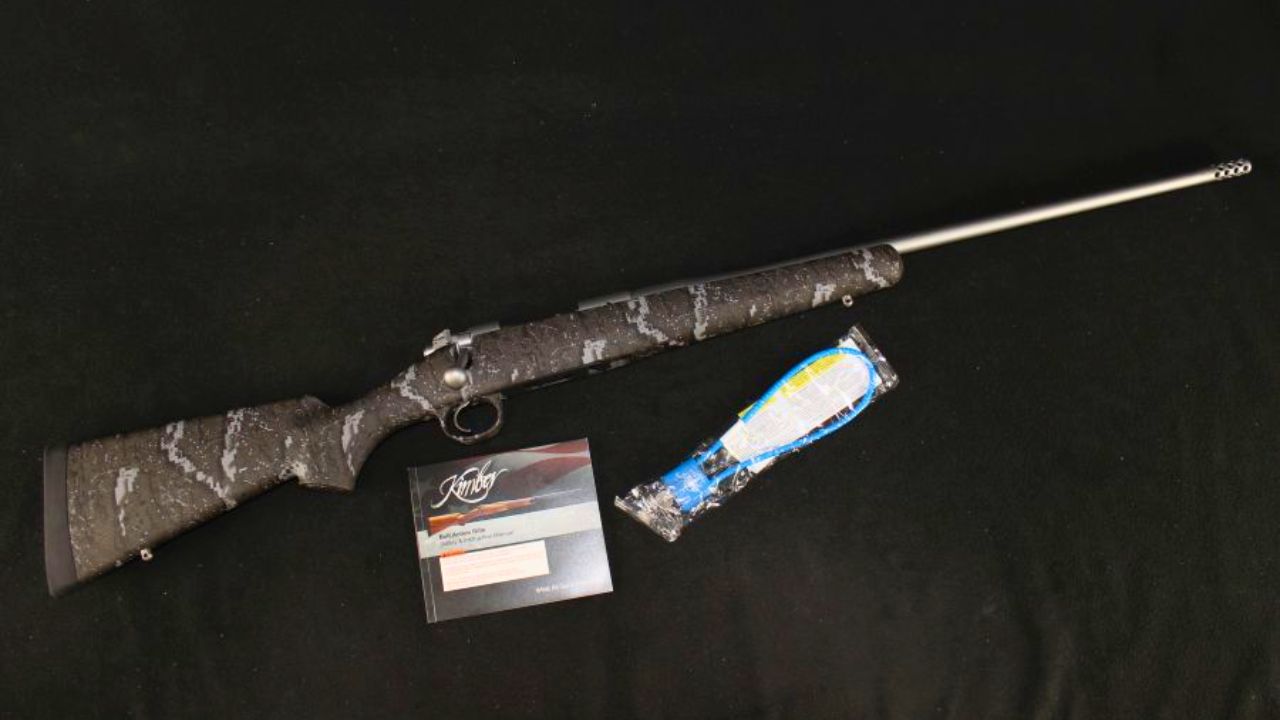
Kimber rifles always look refined, and the Hunter Pro fits that image perfectly. Lightweight, clean lines, and a smooth action—everything seems right until you start shooting groups that wander. The trigger’s fine, but the bedding and stock design don’t do much for consistency.
The rifle’s price pushes it into competition with guns that perform far more predictably. You’ll spend a lot of time convincing yourself it’s “good enough” for what you paid. Some rifles earn their premium with repeatable precision, but the Hunter Pro often makes you work harder than it should for that kind of reassurance.
Barrett Fieldcraft
The Fieldcraft was marketed as the ultimate lightweight hunting rifle—bar none. And yes, it’s light. But it’s also one of the most unforgiving rifles you’ll ever shoot. Its thin barrel heats fast, the recoil is snappy, and accuracy can drift quickly after a few shots.
It’s a beautiful rifle to carry and a frustrating one to master. The concept was solid, but for what it costs, you could find rifles that weigh only slightly more and shoot far steadier. The Fieldcraft’s value lies in its name and design philosophy more than in what you actually get at the range.
Blaser R8
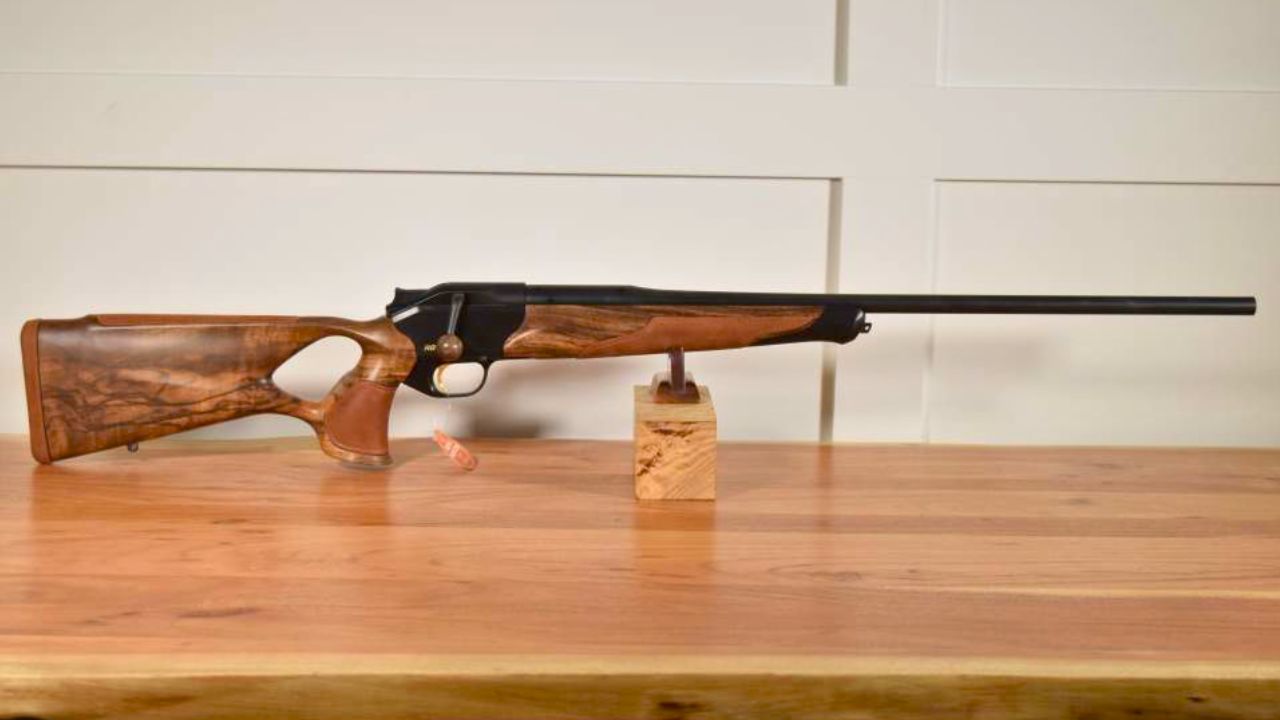
The Blaser R8 might be the definition of a luxury rifle. The straight-pull action is slick, the fit is immaculate, and the engineering is fascinating. But for most hunters, it’s a solution in search of a problem. You’re paying an eye-watering price for a system that’s more mechanical than practical.
Sure, the R8 shoots well, but not better than rifles half its cost. Its complexity means more to maintain, and replacement parts or barrels aren’t cheap. It’s the kind of rifle that makes people stop and stare—but also makes you quietly question if it really earned its cost once you’re behind the trigger.
Weatherby Mark V Backcountry 2.0
The Weatherby Mark V Backcountry 2.0 is as sleek as rifles come. Lightweight, accurate, and designed to impress, it’s a technical masterpiece—on paper. But once you shoot it, you quickly realize how punishing it can be. The recoil from magnum loads in a sub-six-pound rifle isn’t “manageable,” it’s brutal.
For all its engineering, the rifle’s comfort and shootability don’t match the price tag. It’s accurate, yes, but it’s also tiring to shoot and demands perfect form to get the best results. It’s a rifle made for marketing photos and mountain talk, not for long afternoons at the range.
Sako 85 Carbonlight
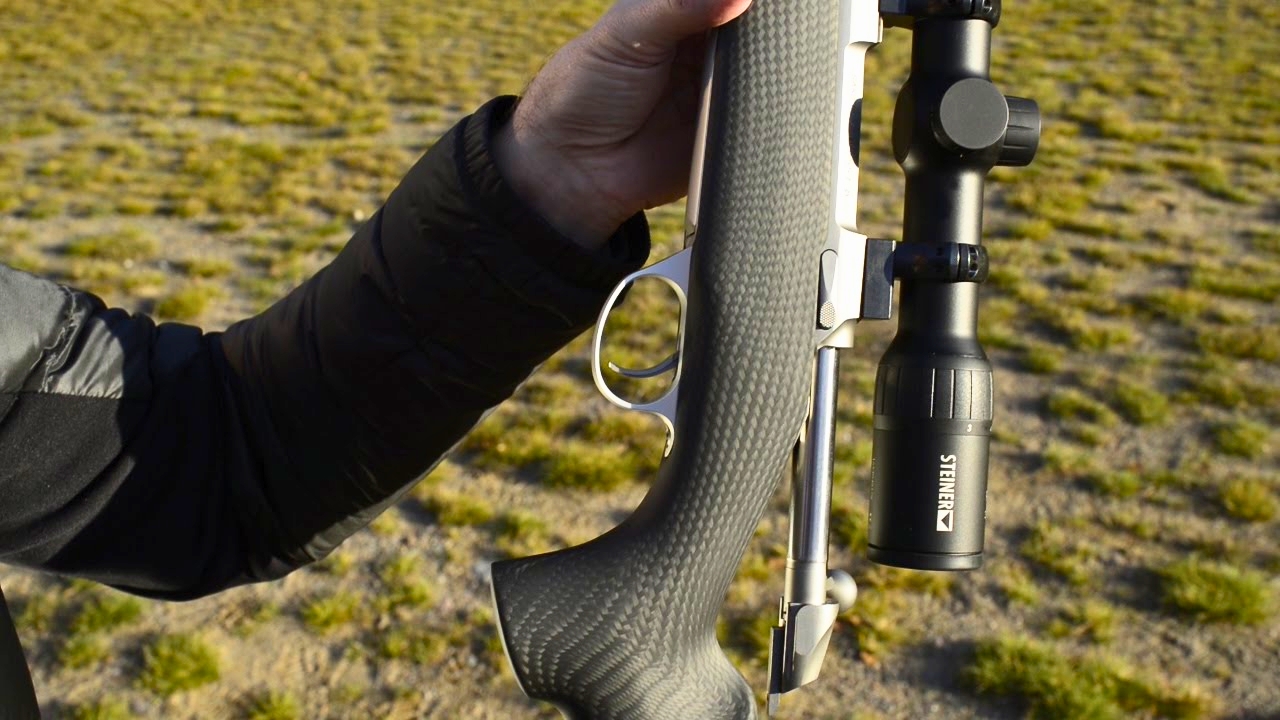
The Sako 85 Carbonlight is a beautifully built rifle with a smooth action and clean lines. It’s also one of the most expensive ways to shoot groups you could’ve matched with something far cheaper. Its accuracy is fine—but not exceptional for the money.
What you’re paying for is craftsmanship and the Sako name. There’s pride in ownership, no doubt, but once you’ve spent the cash, you’ll realize a Bergara or Tikka will hang right with it in performance. It’s a fantastic rifle to admire, but when it comes down to dollars per shot, the math doesn’t flatter it.
Wilson Combat NULA Model 20
The NULA Model 20 by Wilson Combat turned heads when it was announced. A super-lightweight precision rifle with custom-level construction—what could go wrong? Turns out, quite a bit for the price. The trigger and accuracy are good, but the rifle feels almost too fragile for serious field use.
Its carbon build keeps it light, but it also makes it temperamental under heat and weather changes. You’ll spend close to four grand on a rifle that doesn’t outperform many factory models costing half as much. It’s an impressive build, but one that demands you rationalize every penny afterward.
Gunwerks Nexus
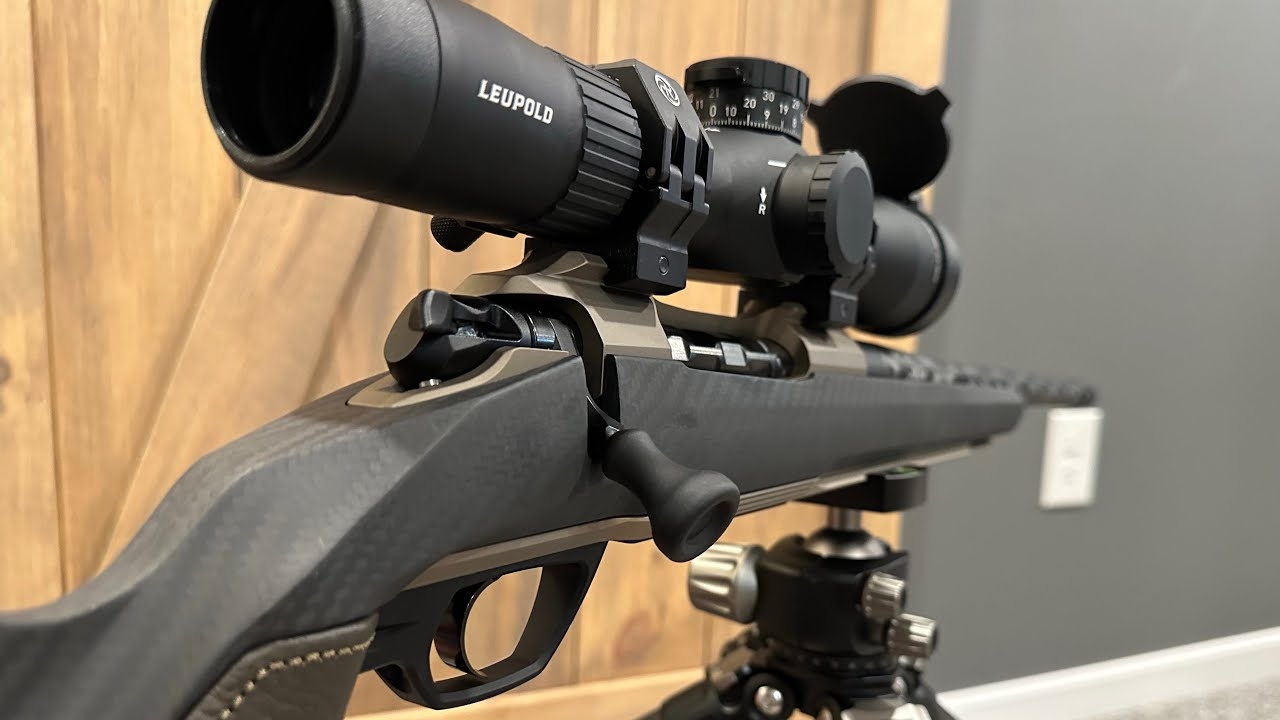
Gunwerks has mastered the art of marketing rifles as systems—and they’re undeniably well-built. The Nexus is slick, modern, and full of high-end features. But the cost-to-performance ratio makes even seasoned shooters wince. You’re spending several thousand dollars to gain small improvements most hunters will never notice.
Yes, it’s precise and customizable, but the rifles that can match its performance at half the price are everywhere. You’re paying for the prestige of owning a Gunwerks rifle, not because you need its tech. It’s a sharp-looking piece of kit that mostly exists to impress.
Christensen Arms FFT Ridgeline Scout
The FFT Ridgeline Scout takes everything flashy about carbon-fiber rifles and doubles down on it. It’s lightweight, unique, and undeniably cool-looking. But at its price point, it should shoot like a precision rifle—and it doesn’t always. Many shooters report mixed accuracy and poor consistency after heat builds.
It feels great to carry, but it’s finicky with ammo and sometimes unpredictable with groups. The FFT stock saves weight but adds a brittle feel that doesn’t inspire confidence. For the money, you’d expect benchrest precision, but the reality is closer to average. It’s more brag-worthy than field-worthy.
Daniel Defense Delta 5 Pro

Daniel Defense built the Delta 5 Pro to bring precision-rifle performance to civilians, and it does—to an extent. It’s well-machined, modular, and attractive. But at nearly three grand, it faces stiff competition from rifles that shoot tighter groups right out of the box.
The adjustable chassis and features are great, but accuracy consistency isn’t always stellar. Some models shoot beautifully, while others fall short of expectations. It’s a solid rifle trying to play in the high-end precision league but without delivering that “wow” difference. You’ll spend more time explaining why it costs what it does than enjoying the payoff.
Like The Avid Outdoorsman’s content? Be sure to follow us.
Here’s more from us:
The worst deer rifles money can buy
Sidearms That Belong in the Safe — Not Your Belt
*This article was developed with AI-powered tools and has been carefully reviewed by our editors.