Photo credit: kacangjoget/Shutterstock.com
Predators don’t always “move in” with some dramatic announcement. Most of the time, they expand one drainage at a time, follow a food source, and settle into places people still think of as “not predator country.” Add in warmer winters, cleaner water, changing land use, and a whole lot of suburban edge habitat, and you get a steady creep that’s easy to miss until you start seeing tracks where you never used to.
If you spend time outdoors, it pays to think in terms of trends, not old assumptions. The predator you grew up hearing about “out west” might be crossing your state at night. The river that felt sterile 20 years ago might now hold a serious fish-eater. And some of the fastest expansions aren’t even native—they’re invasives that fill a niche and take off. Here are the predators pushing into new ground faster than most folks realize, and what that means when you’re hunting, camping, or working outside.
Coyotes

Coyotes are the ultimate “edge” predator, and they’ve turned that into a continent-wide takeover. They thrive where woods meet fields, where subdivisions meet brush, and where dumpsters and pet food fill in the gaps. Studies have tracked how quickly coyotes expanded across North America once they had openings, especially as wolves disappeared from big chunks of the map.
In practical terms, that means you’re rarely far from one anymore, even if you never hear a howl. You’ll see the sign first—ropey scat full of hair, rabbit remains, and tracks that look “dog-like” but travel with purpose. If you hunt turkeys, deer, or small game, coyotes are already part of your local equation whether you treat them that way or not.
Eastern coyotes (coywolf country)

In the Northeast and parts of the Upper Midwest, “coyote” often means an eastern coyote—bigger-bodied animals shaped by regional genetics and a different menu than their western cousins. That matters because these coyotes can handle deeper snow, bigger prey, and tighter human pressure while still moving through surprisingly urban corridors.
For you, it means the predator you’re dealing with may be more confident and more capable than the old stereotypes. Deer bedding areas, creek bottoms, and brushy rail lines become travel routes. And the expansion is quiet—one animal disperses, finds a mate, and suddenly the local “rare” predator is raising pups within earshot of a backyard.
Bobcats

Bobcats are a classic example of a predator that expands when habitat and tolerance line up. In places where they were once scarce, you’re now seeing them reclaim ground—especially where mixed woods, brush, and small game overlap. State surveys and reports show bobcats showing up more consistently in areas that didn’t have regular sightings a couple decades ago.
You don’t usually notice bobcats until you do. They leave clean, catlike tracks, and they tend to hunt like ghosts—short, efficient movements that don’t waste energy. If you’re rabbit hunting, turkey hunting, or running trail cams for deer, bobcats are one of those predators that can be present for a long time before you realize they’ve moved in for good.
Black bears

Black bears aren’t “just big raccoons.” They’re serious predators when the opportunity is right, and they’re also one of the clearest examples of wildlife pushing into old range and new neighborhoods at the same time. In a lot of states, sightings are increasing and spreading into areas that used to be considered outside normal bear country.
For you, that changes the tone of camp life and early-season scouting. A bear doesn’t have to be “aggressive” to cause a problem—food conditioning does the work. If bears are expanding near you, take trash, coolers, and game meat seriously. And when you see fresh scat full of berries one week and hair the next, don’t shrug it off. That’s a bear settling into a pattern.
Mountain lions

Mountain lions expand in a way that feels almost unreal because it’s so scattered at first. A single dispersing animal can cover huge distances, pop up on a trail cam, and disappear for months. But those “one-off” confirmations have been stacking up in multiple states, and some areas are seeing repeated verified sightings year over year.
The key detail is this: repeated sightings don’t automatically mean a stable breeding population, but they do mean you’re sharing landscape with a predator capable of living unseen. If you hunt alone, drag deer at dusk, or hike with a dog, take the possibility seriously. Lion sign is easy to miss—look for a long, clean tail drag near tracks and cached prey covered with leaves.
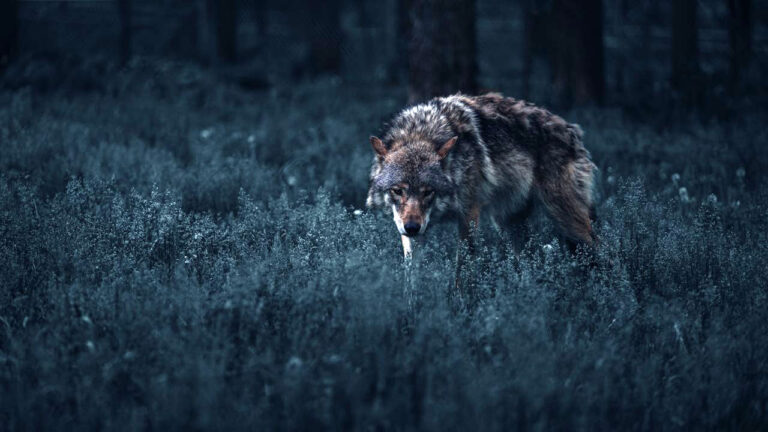
Gray wolves

Wolves don’t expand like coyotes. They need space, prey, and a little tolerance—so when they do gain ground, it’s worth paying attention. In the West, wolf range and pack presence has continued to shift, and state reporting shows how quickly wolves can establish, disperse, and reappear in new zones once they’re on the landscape.
If you hunt elk or deer where wolves are returning, you’ll feel it in behavior first: different movement patterns, tighter herds, more nocturnal feeding. For stock owners and backcountry hunters, it also changes risk management. You don’t need to panic—you do need to adjust. Wolves expand through travel corridors and valleys, then “fill in” once prey and cover line up.
Fishers

Fishers are one of those predators people assume must still be rare because they’re rarely seen. But in parts of North America, fisher reintroductions and natural recovery have helped them re-establish across areas they’d been pushed out of long ago. Research on fisher restoration shows how quickly they can regain a foothold when forest habitat and trapping pressure stabilize.
For you, the biggest surprise is what fishers do well: moving through thick cover and taking prey you’d think was “safe,” including porcupines. If you’re in recovering forest country, don’t be shocked if you start getting fisher sightings on trail cams meant for deer. They’re built for the messy, brushy places that are expanding right along with suburban edges and second-growth timber.
River otters

River otters are a real success story—and also a reminder that predator expansion isn’t always a bad thing. Across multiple regions, otter reintroductions and water quality improvements have allowed them to recolonize rivers, lakes, and wetlands that used to be otter-free. Scientific work on North American otter recovery documents how management and habitat can drive that return.
If you fish, you may notice the results before you see the animal. Otters can work a stretch of water hard, and they don’t care if it’s your favorite pond. The upside is simple: otters are a strong signal that the system is healthier than it used to be. The downside is also simple: if otters move in, your local fish community is now feeding a top-end predator.
American alligators

Alligators have a firm historical range, but that range edge isn’t frozen in time. As winters warm and extreme cold snaps become less consistent, alligators can persist farther north than people expect, especially in coastal marsh systems and slow-moving waters that buffer temperature swings. Major science and museum sources note how temperature strongly limits where alligators can thrive, which is why warming trends matter.
For you, this is mostly a “know before you go” deal. If you’re scouting swamps, running a boat at night, or camping near warm-water systems, keep your head on a swivel. Expansion doesn’t mean every pond is suddenly full of gators. It means the places that used to be “too far north” are now at least plausible, and that’s a big shift in how you treat water edges.
Sea otters
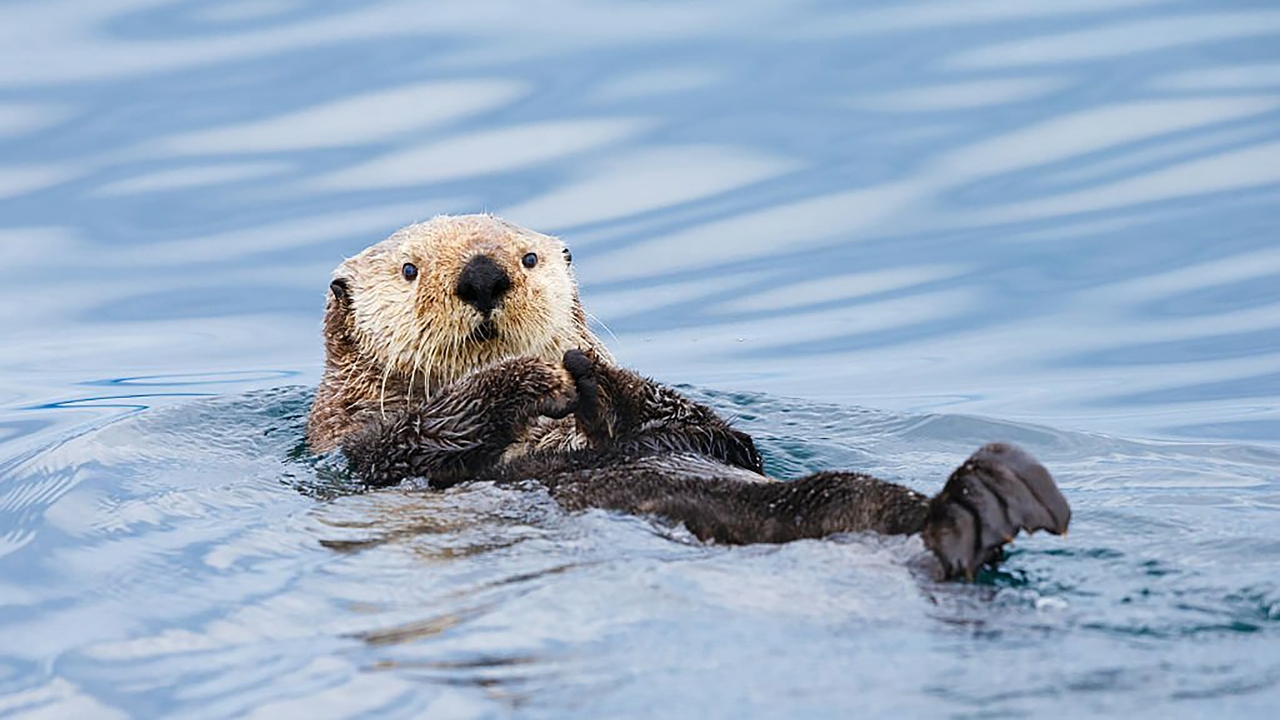
Sea otters are another predator that can return faster than people expect once reintroduction and protection open the door. In the Pacific Northwest, sea otter restoration has been discussed and documented for years, and recent reporting highlights how translocation and management decisions shape where otters can realistically re-establish.
If you spend time on the coast, understand what an otter comeback means: they’re not just cute. They’re heavy-duty shellfish predators, and they can change local nearshore ecosystems in noticeable ways. For hunters and anglers, the practical piece is awareness—where otters return, regulations, fisheries, and local food webs often shift with them. Predator expansion isn’t always a conflict story. Sometimes it’s a reshaping story.
Bald eagles

Bald eagles are predators, and their recovery is one of the biggest wildlife rebounds most people take for granted now. As protections and habitat improvements took hold, bald eagles repopulated and expanded nesting across wide portions of the Lower 48, moving into watersheds that hadn’t hosted them in generations. Recent summaries of federal survey data show just how dramatic that growth has been.
For you, an eagle comeback changes the feel of a river and the reality of a hunt. Eagles are opportunists—fish, waterfowl, carrion, small game—and they don’t waste energy. If you’re trapping, duck hunting, or cleaning fish on a bank, you’ll notice how quickly an eagle appears once food is available. Their expansion is a reminder: predators follow groceries, and healthy systems make room for them.
Burmese pythons
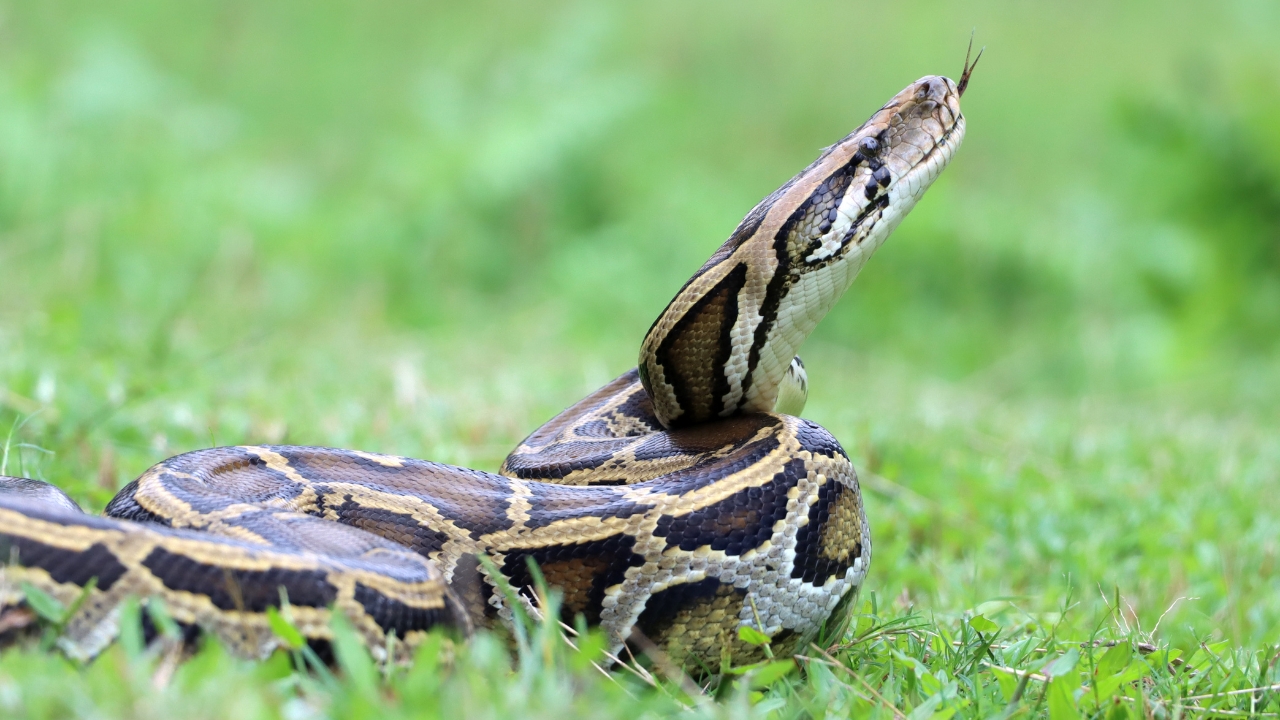
Few predators have expanded with the speed and ecological impact of Burmese pythons in South Florida. The established population has spread through connected wetland systems, and researchers and agencies continue tracking what that means for native mammals and birds. The big takeaway is straightforward: once a large invasive predator has habitat and breeding success, it’s hard to put the genie back in the bottle.
If you’re not in Florida, this still matters because it’s the clearest case study of what “rapid expansion” looks like when there’s no natural brake. For you on the ground, it’s also a lesson in early detection. Invasive predators don’t arrive fully formed across a whole region. They start as “a weird sighting,” then become established before the average outdoorsman believes it.
Lionfish
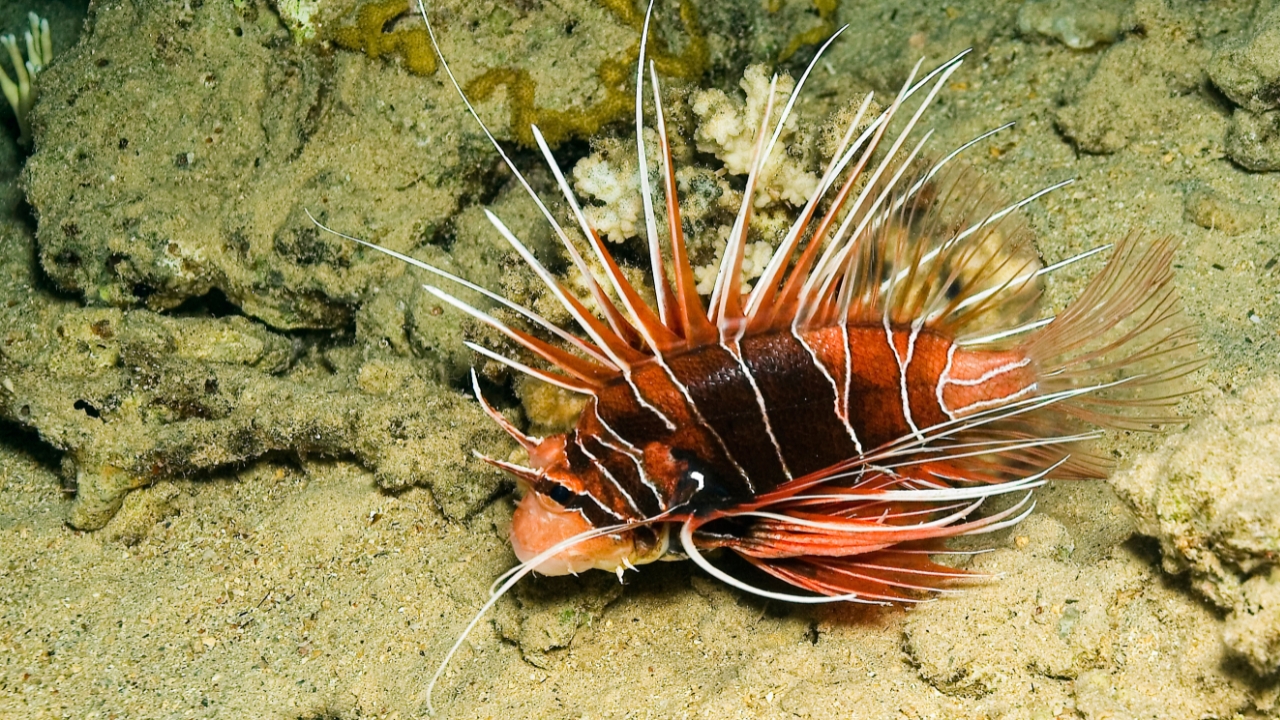
Lionfish are a saltwater invasion with a predator’s appetite and a head start on reproduction. USGS tracking shows how broadly lionfish have established across Atlantic and Gulf waters, and why they’re such a persistent problem once they arrive.
For you, the expansion shows up as fewer young reef fish and a new “normal” on structure. Lionfish don’t look like anything else down there, and that novelty tricks people into underestimating them. If you dive, fish reefs, or run charters, you’ve probably already felt it. Predator expansion isn’t always fur and tracks—it can be spines and stripes underwater, quietly eating the future year-classes of the fish you care about.
Northern snakehead
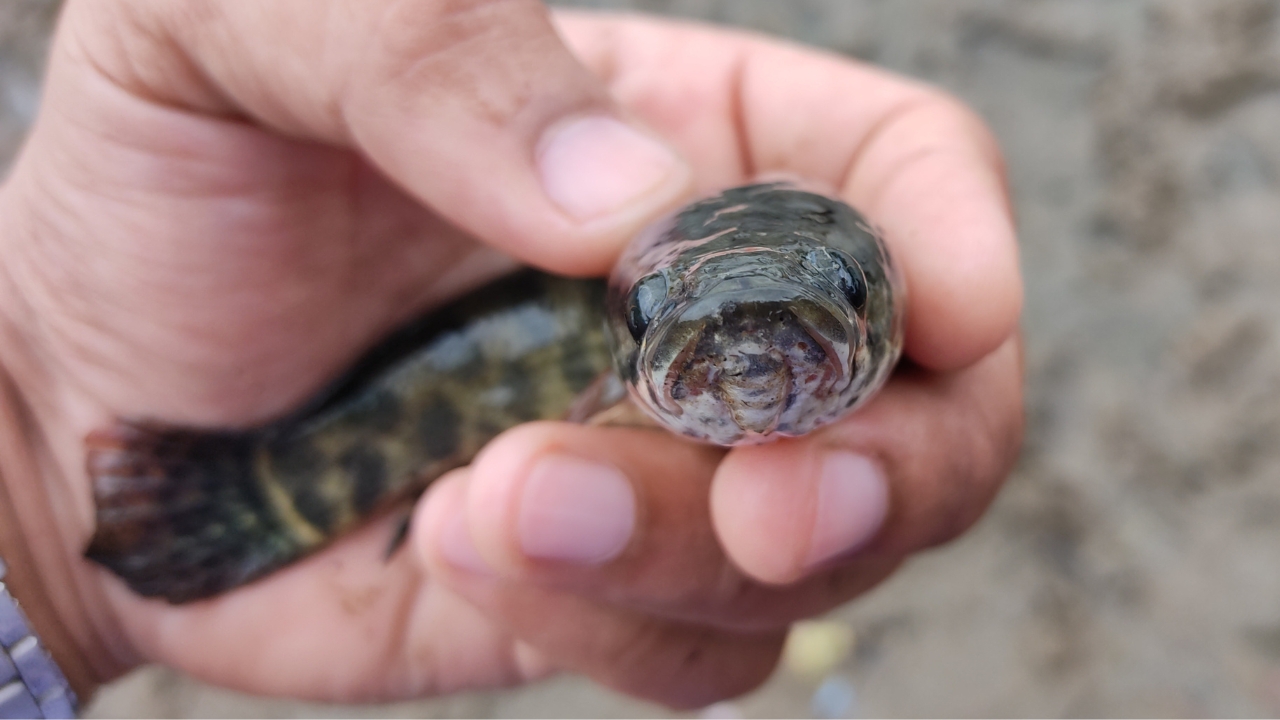
Northern snakehead is a perfect example of a freshwater predator that spreads through connected waters and human movement. USGS invasive-species tracking documents how snakehead populations have been detected and monitored across multiple states, reflecting a pattern of establishment that’s hard to reverse once it gains momentum.
If you fish ponds, tidal rivers, or slow backwaters, don’t treat snakehead like a novelty. They’re aggressive, adaptable, and capable of thriving in water that stresses more “traditional” sport fish. Expansion here is often a mix of natural spread and people moving fish where they shouldn’t. For you, the smart move is simple: know your local regs, report what matters, and don’t help invasive predators leapfrog into the next watershed.
Argentine black-and-white tegus
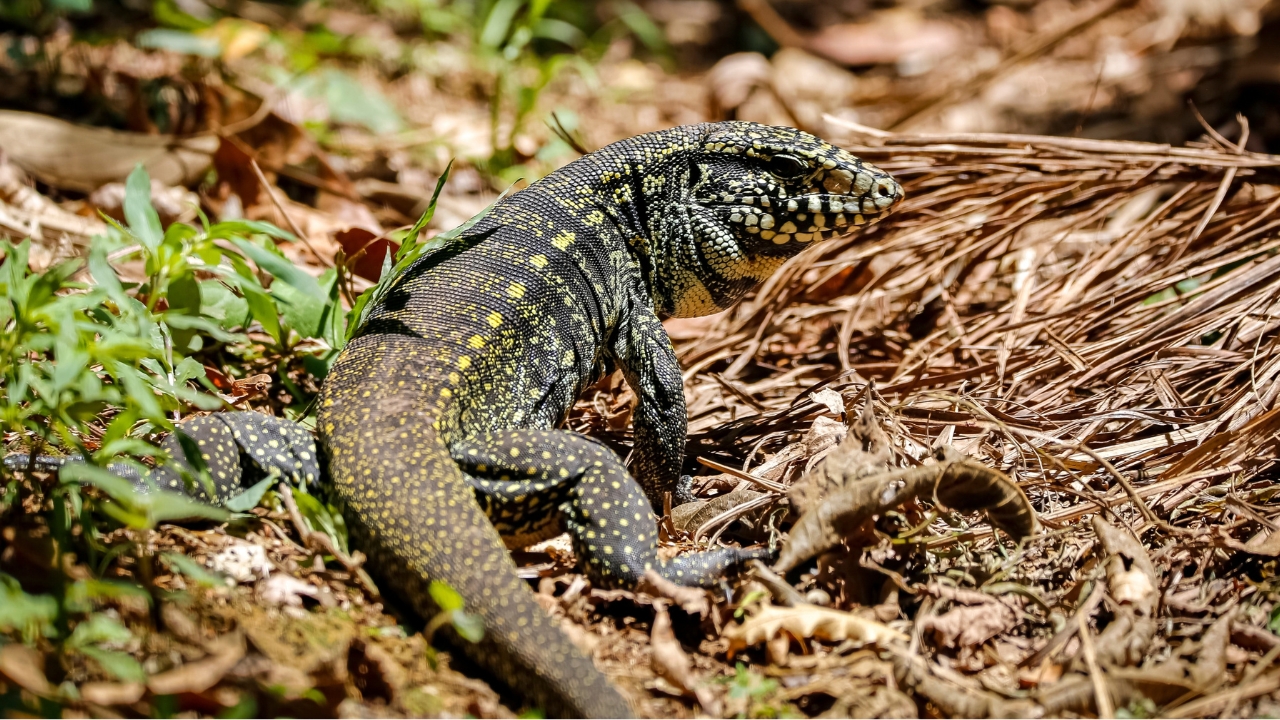
Tegus aren’t the first invasive predator people think of, but they earn a spot on this list because they’re effective nest raiders with a wide diet and the ability to establish in warm regions. Management groups in Florida have documented tegu spread and the concern around impacts on native wildlife, especially eggs and young animals.
For you, tegus are a reminder that “predator expansion” can be sneaky. An animal doesn’t need to hunt deer to cause real damage. If it eats ground-nesting bird eggs, turtle nests, or small mammals consistently, it can reshape local wildlife recruitment over time. If you hunt or trap in tegu country, pay attention to sightings and sign. Early control is the only kind that ever works well with invasives.
Like The Avid Outdoorsman’s content? Subscribe to our newsletter so you never miss an article.
Here’s more from us: