Photo credit: ZRUS Outdoors Channel/Youtube
Gun trends come and go fast. One year everybody wants the lightest rifle possible. The next year it’s chassis guns, micro-compacts, pistol-caliber carbines, big-bore revolvers, or some new finish that gets treated like magic. Some of those trends have real value. Plenty don’t last.
The guns that really matter tend to keep working after the excitement fades. They may not be the loudest thing on the rack, but they still fill real roles for hunters, shooters, landowners, and folks who just want a firearm that makes sense years later.
Remington 870 Express
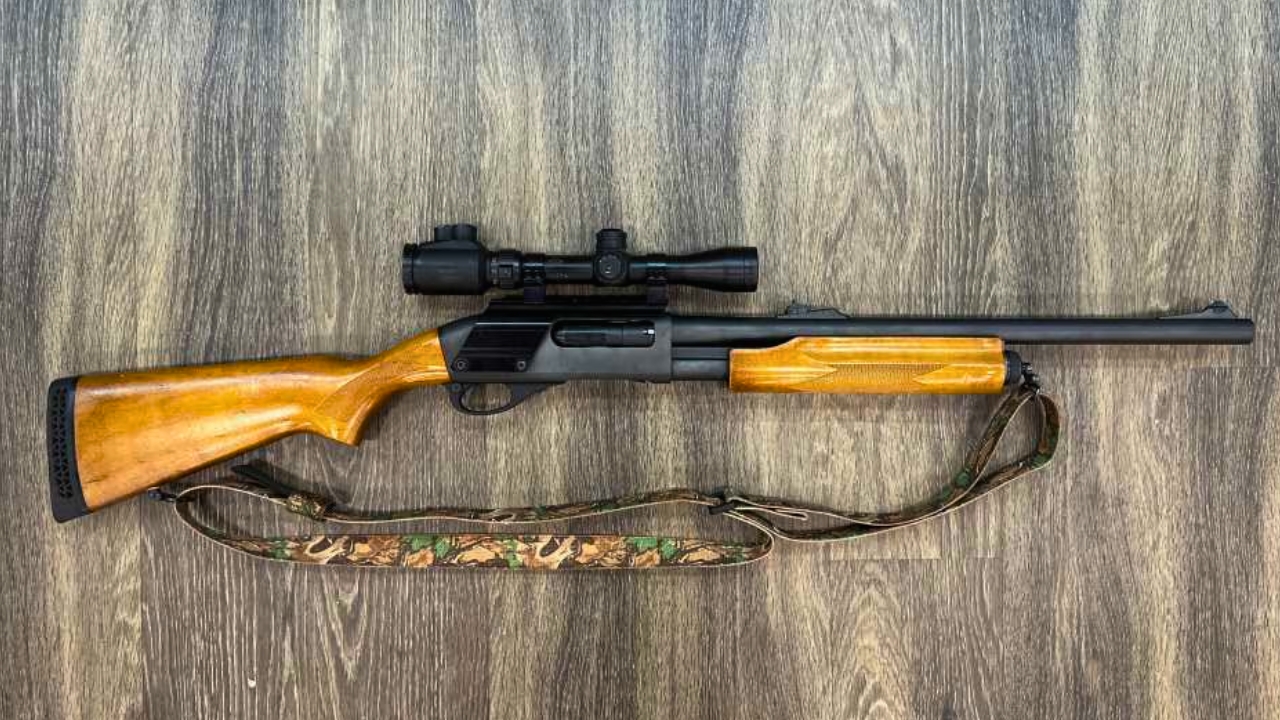
The Remington 870 Express took plenty of criticism over the years, especially compared with the older Wingmaster and Police models. Some of that criticism was fair, depending on production era and condition. But the basic idea behind the 870 Express stayed useful long after a lot of shotgun trends came and went.
A pump shotgun with good parts support, simple operation, and endless barrel options still makes sense. The Express could be set up for deer, turkey, birds, home defense, or general property use without turning into a money pit. It wasn’t fancy, and some needed polishing or better maintenance than owners expected. But as a working shotgun concept, it stayed relevant because it did what regular people actually needed.
Ruger American Predator
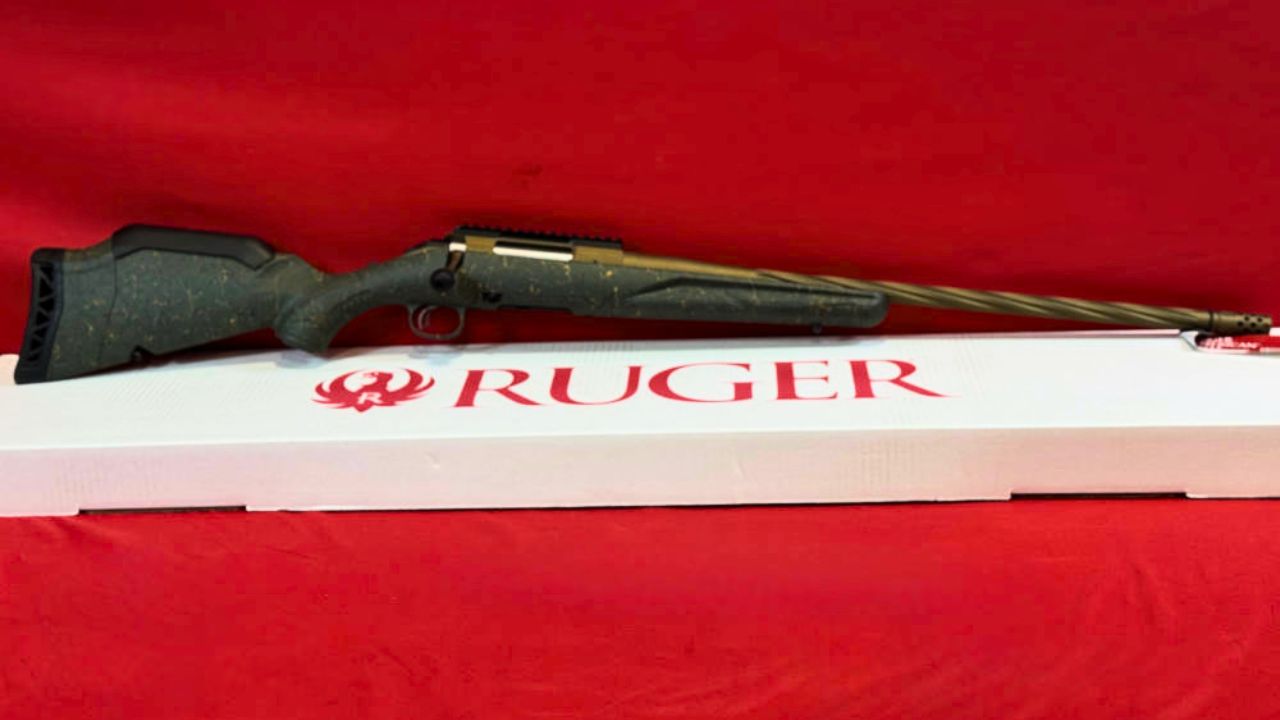
The Ruger American Predator showed up during a time when affordable bolt guns were getting better, and it has managed to stay useful instead of feeling like a short-lived bargain trend. Threaded barrel, practical chamberings, decent trigger, and strong accuracy for the money gave it a real lane.
What keeps it useful is that it works for several kinds of shooters. A hunter can take it after deer or coyotes. A range shooter can practice without spending custom-rifle money. Someone who wants a suppressor-ready rifle already has the threaded muzzle. The stock isn’t fancy, and the rifle won’t make anyone feel wealthy, but it performs. Trends burn out fast when they’re only cosmetic. The Predator stuck around because the features actually help.
Glock 43X
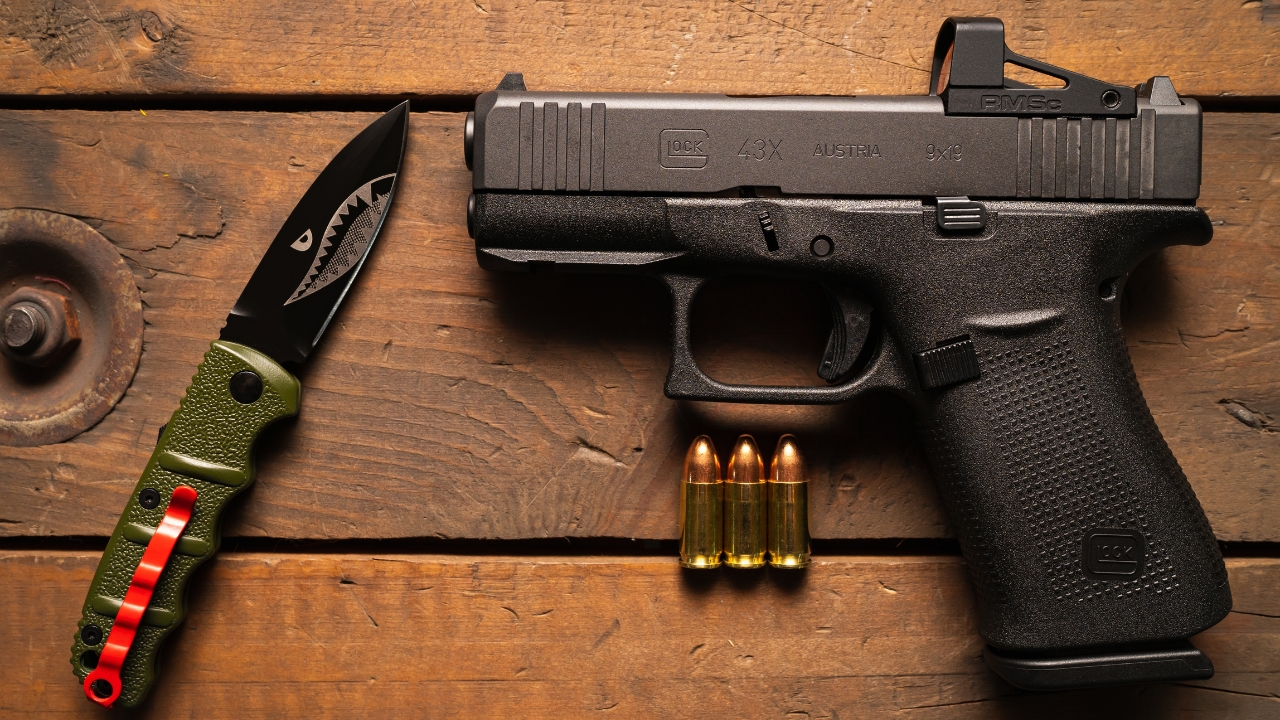
The Glock 43X came along during the rush toward slimmer carry pistols, but it didn’t fade the way some carry trends do. It gave shooters a thinner Glock with a grip long enough to control well, which matters more than people admit when they’re trying to shoot under pressure or practice for more than one magazine.
It’s not the smallest pistol in its class, and capacity debates follow it everywhere. Still, the 43X stayed useful because it balances carry comfort with shootability. It has Glock’s simple controls, strong parts and holster support, and a size that regular people can actually live with. Plenty of tiny pistols look better in a pocket, but the 43X reminds shooters that the gun still has to be manageable when it comes out.
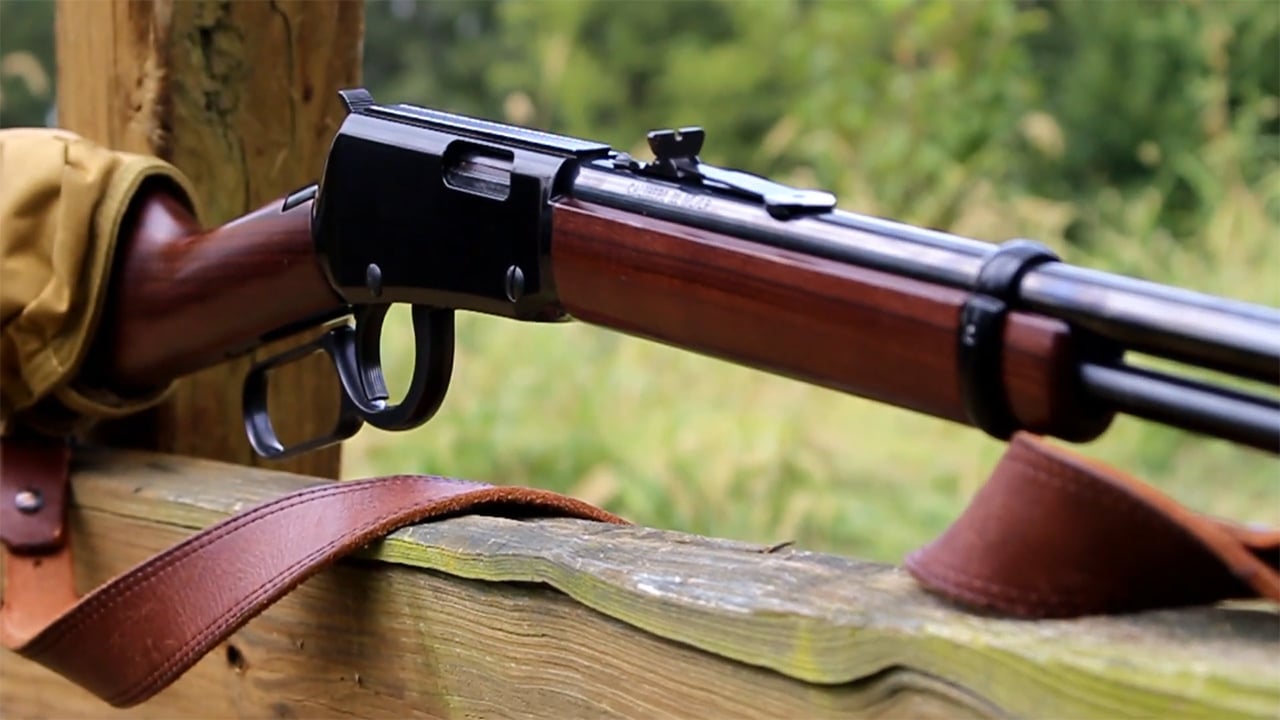
Henry H001 Lever Action .22
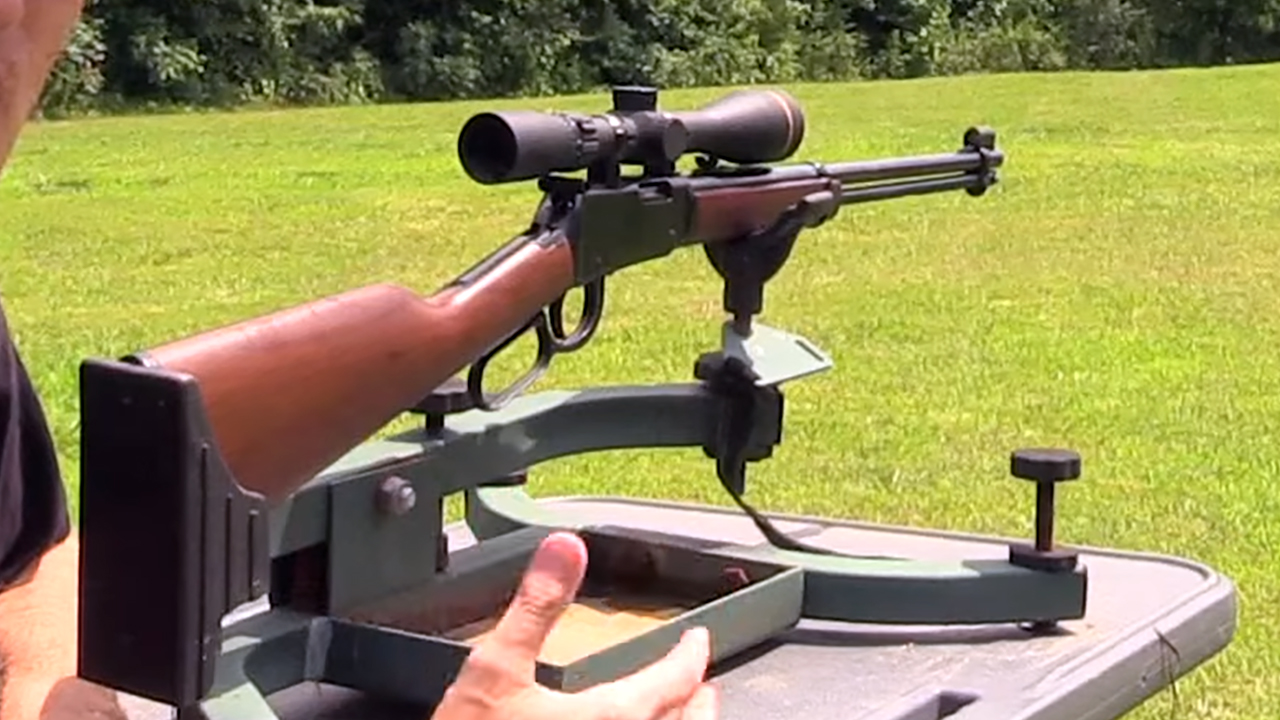
The Henry H001 isn’t tied to any modern trend, and that’s exactly why it keeps working. It’s a simple lever-action .22 that is fun, friendly, and useful for nearly every kind of shooter. In a world full of tactical-looking rimfires and precision trainers, the basic Henry still has a place.
It teaches safe handling, lets families shoot cheaply, and works for small game where legal. The action is smooth, the rifle is approachable, and it doesn’t need accessories to be enjoyable. That kind of gun survives trends because it’s built around the part of shooting people actually like. It’s hard not to smile while running a lever-action .22, and that makes it more useful than a lot of flashier rifles.
Smith & Wesson Model 642
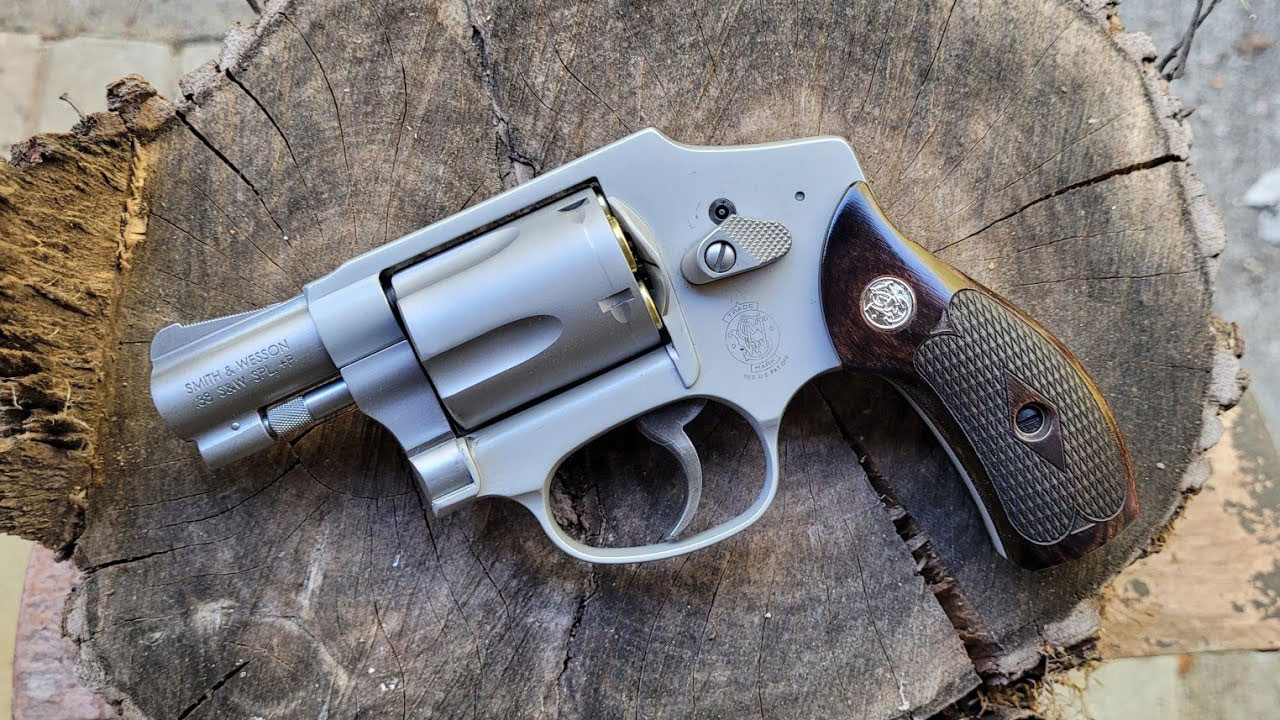
The Smith & Wesson Model 642 has watched wave after wave of small carry pistols come and go. Tiny .380s, slim 9mms, micro-compacts, and high-capacity carry guns all made the old hammerless snubnose look outdated on paper. Yet the 642 stayed useful because it still solves a simple problem.
It’s light, snag-free, easy to carry, and simple to operate from a pocket or close quarters. It is not easy to shoot well, and nobody should pretend otherwise. The trigger takes work, the sights are basic, and recoil can be sharp with defensive loads. But for people willing to practice, the 642 remains a practical backup or deep-concealment revolver. It didn’t survive because it was trendy. It survived because it fills a role.
Winchester XPR Hunter
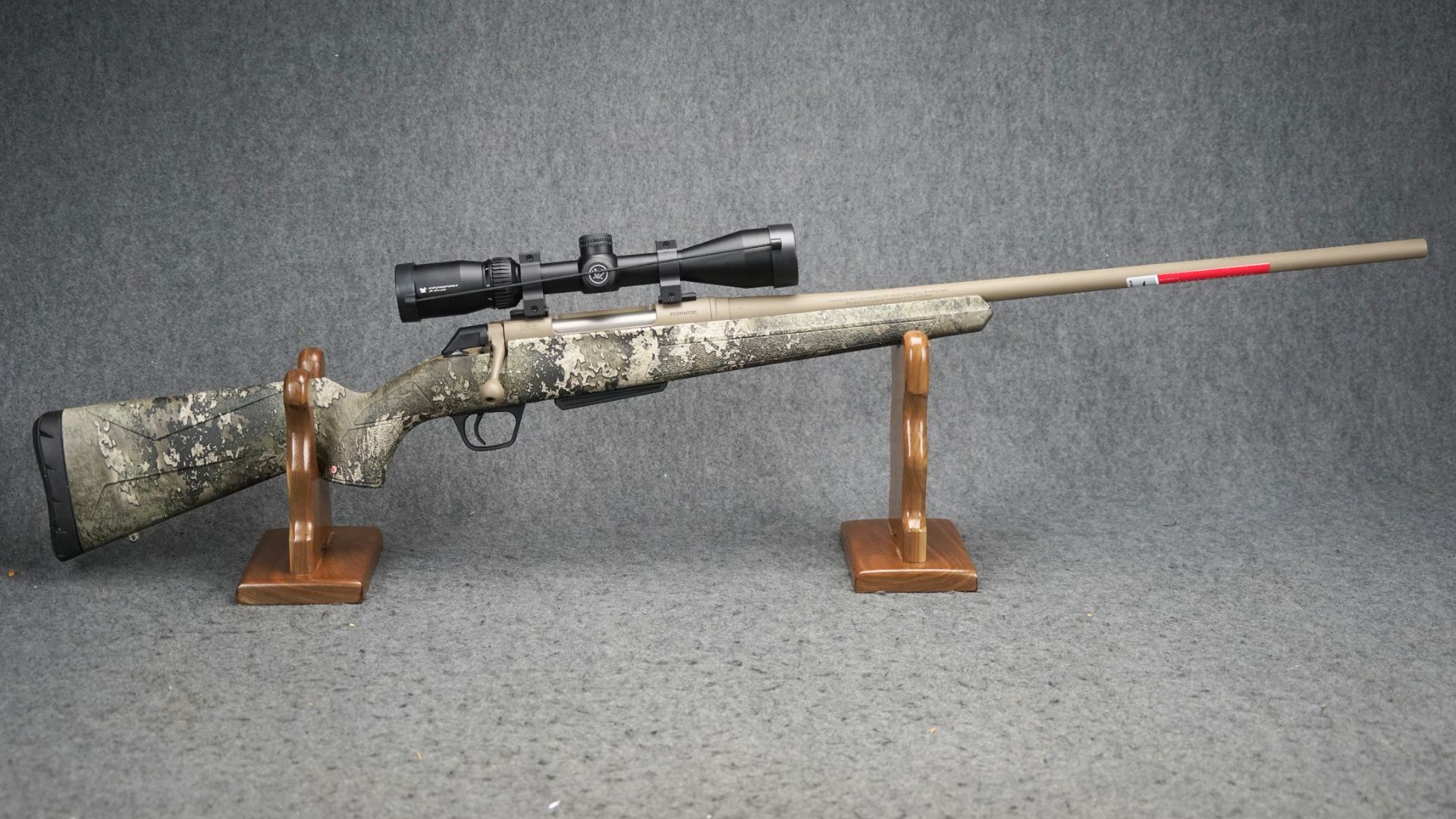
The Winchester XPR Hunter is one of those rifles that doesn’t need much attention to stay relevant. It came into a crowded budget-to-midrange bolt-action market, but it offered hunters a solid action, good accuracy, and a practical field package without trying to copy every trend in the rifle world.
It stayed useful because it behaves like a hunting rifle first. It isn’t trying to be a tactical crossover, a mountain rifle, or a precision rig. It’s just a dependable bolt-action that can be found in common chamberings and carried into the woods without drama. The Model 70 may have the history, but the XPR gives regular hunters a modern Winchester option that doesn’t feel pointless after a few seasons.
Beretta A300 Ultima

The Beretta A300 Ultima showed that a gas semi-auto shotgun can still be the smart answer after plenty of shotgun fads move through. Oversized controls, camo patterns, inertia systems, and tactical setups all have their audience, but a soft-shooting semi-auto that regular hunters can afford keeps making sense.
The A300 Ultima is useful because it covers a lot of ground. It can handle clays, dove fields, duck blinds, and general hunting roles with the right setup. It’s not Beretta’s fanciest shotgun, but it gives shooters the gas-gun comfort and reliability the brand is known for. After a long day of shooting, soft recoil stops being a luxury and starts feeling practical.
Springfield Armory Mil-Spec 1911

The Springfield Armory Mil-Spec 1911 has outlasted a lot of 1911 fashion because it sticks close to what people actually want from a basic version of the platform. It isn’t a full custom pistol, and it isn’t loaded with every competition feature. It’s a simple, traditional .45 that gives owners a solid starting point.
That’s why it stayed useful. Some shooters want a clean 1911 for range use, home defense, or learning the platform without spending premium money. The Mil-Spec gives them that. It can be left alone or upgraded over time, depending on the owner. In a market full of race-gun styling and pricey boutique builds, a straightforward 1911 still makes sense to a lot of people.
Savage 220 Slug Gun
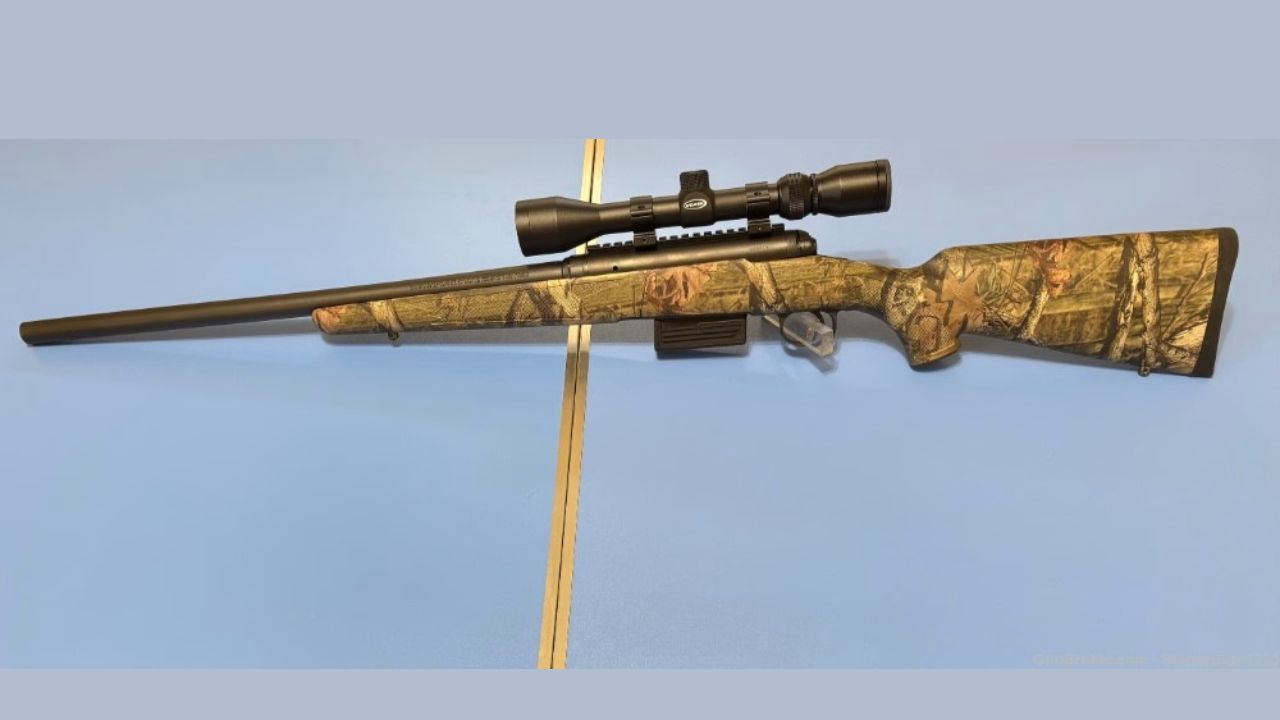
The Savage 220 is a good example of a gun that stayed useful because it solves a specific hunting problem. In shotgun-only deer areas, a bolt-action 20-gauge slug gun with real accuracy is not some passing trend. It’s a tool that gives hunters more precision and confidence than many traditional slug setups.
The 220 doesn’t try to be a do-everything firearm. It exists for deer hunters who need a slug gun that shoots more like a rifle. The AccuTrigger helps, the bolt-action layout is familiar, and the 20-gauge chambering keeps recoil more manageable than many 12-gauge slug guns. Regulations may change in some places, but where slug guns still matter, the 220 remains one of the smarter options.
Walther CCP M2
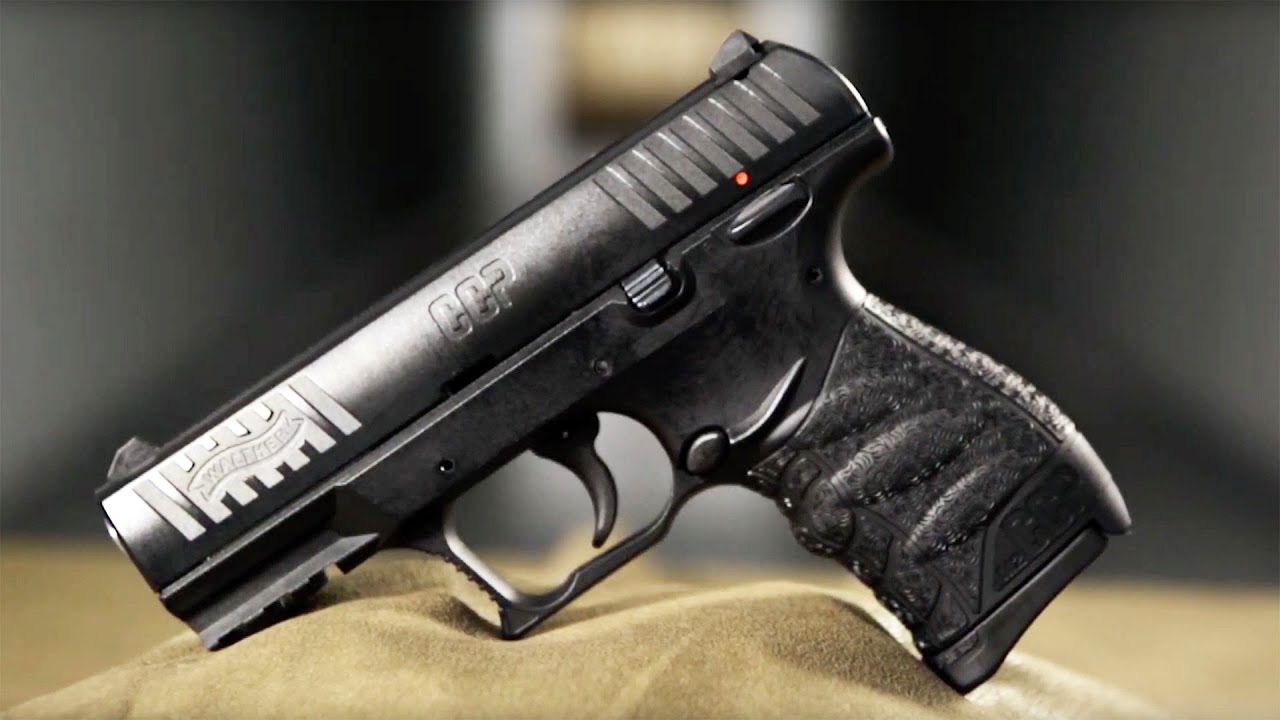
The Walther CCP M2 never became the loudest carry pistol on the market, but it stayed useful for shooters who needed manageable recoil in a concealable package. The gas-delayed system gives it a softer feel than many small pistols, and that matters for people who struggle with snappy recoil.
It’s not the highest-capacity carry gun, and it’s not everyone’s first choice for hard training. But for recoil-sensitive shooters, newer gun owners, or anyone who wants a slim pistol that doesn’t beat up the hand, the CCP M2 has a lane. Trends often chase smaller and lighter. This pistol reminds people that easier shooting can matter more than shaving off another fraction of an inch.
Mossberg 940 Pro Field

The Mossberg 940 Pro Field came after years of semi-auto shotgun development, but it has stayed useful because it focuses on things shotgun owners actually complain about: reliability, cleaning intervals, loading, and controls. It’s not just a dressed-up hunting gun. It brings practical improvements without losing the basic role.
A good field semi-auto needs to run in real weather, handle a variety of loads, and not turn cleaning into a weekly punishment. The 940 Pro Field answers those needs pretty well for the money. It gives hunters a modern gas gun that still feels aimed at actual birds and clays, not just catalog excitement. That’s how a gun sticks around after the first wave of attention fades.
Ruger LCP Max

The Ruger LCP Max came during the micro-carry race, but it stayed useful because it fixed real complaints about earlier pocket pistols. The original LCP was easy to carry but not always easy to shoot well. The Max added better sights, better capacity, and a grip that gives the shooter more control without losing the pocket-gun role.
It’s still a small .380, so expectations need to stay realistic. It’s not a range pistol, and it’s not as easy to shoot as a compact 9mm. But for deep concealment, backup carry, or times when a larger pistol won’t work, the LCP Max makes sense. It survived the trend because it improved a practical category instead of just shrinking for the sake of shrinking.
CZ 457

The CZ 457 stayed useful because serious rimfire rifles never really go out of style. The market can chase chassis builds, tactical trainers, and high-dollar precision setups, but a well-built bolt-action .22 with good accuracy and a decent trigger will always have a place.
The 457 improved on earlier CZ rimfires with better safety placement, easier barrel swaps, and a more modern action while keeping the serious rimfire feel people liked. It works for small-game hunting, precision rimfire practice, and plain old target shooting. It’s not the cheapest .22, but it doesn’t feel disposable. Rimfire trends come and go, but accurate bolt-action .22s always come back around.
FN 509 Tactical

The FN 509 Tactical showed up during the optics-ready, suppressor-ready pistol boom, and unlike some trend-driven guns, it stayed useful because those features actually serve real shooters. Tall sights, threaded barrel, optics mounting, and solid duty-pistol construction all give it a clear purpose.
It’s not the cheapest striker-fired pistol, and the trigger isn’t everyone’s favorite. But the 509 Tactical has a rugged feel that appeals to shooters who want a serious host pistol rather than a range toy with a threaded barrel slapped on. As pistol optics and suppressors became more common, the gun’s setup aged well. It wasn’t chasing a look. It was built around features that kept gaining practical value.
Traditions Buckstalker XT
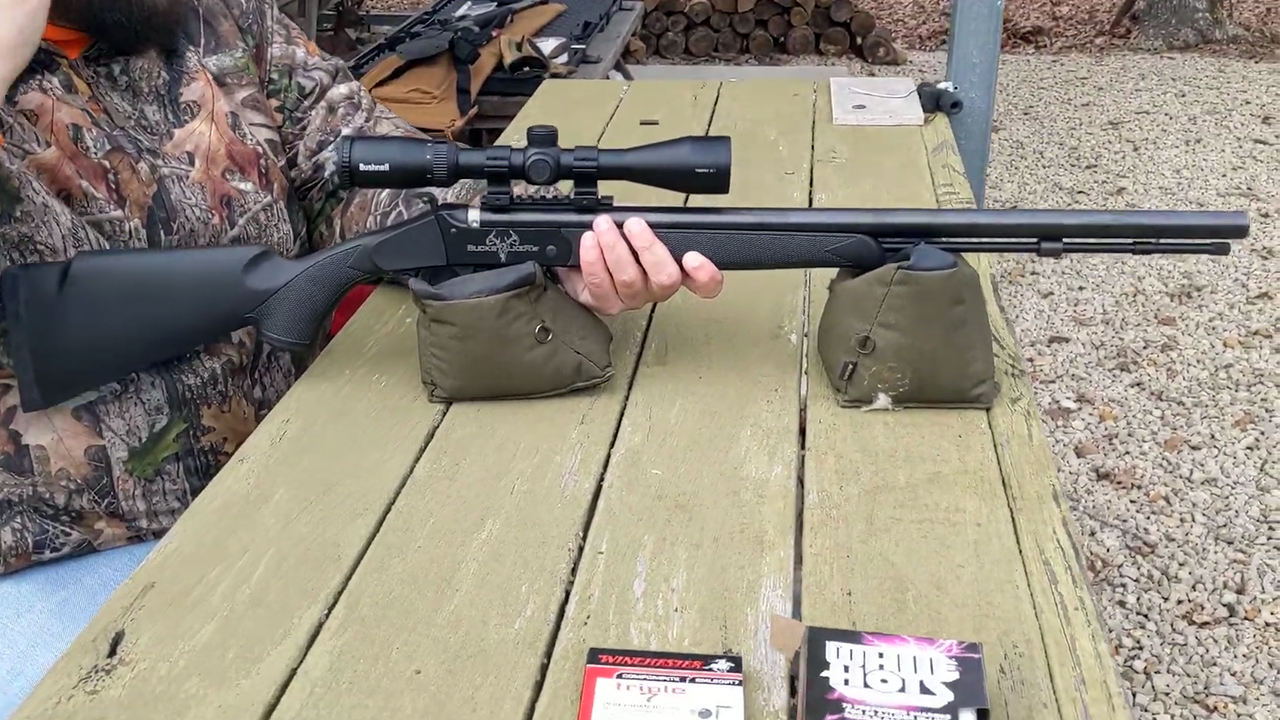
The Traditions Buckstalker XT may not be glamorous, but muzzleloaders like this stay useful because they give hunters access to seasons and opportunities that centerfire rifles can’t. Modern inline muzzleloaders have changed a lot, but the basic need remains the same: a dependable, accurate-enough hunting gun at a price regular hunters can handle.
The Buckstalker XT is compact, affordable, and simple enough for someone getting into muzzleloader hunting without spending a fortune. It won’t impress the guy with a high-end long-range muzzleloader setup, but it doesn’t need to. For hunters who want to extend their season and keep things practical, it does the job. That kind of usefulness outlasts plenty of louder trends.
Like The Avid Outdoorsman’s content? Subscribe to our newsletter so you never miss an article.
Here’s more from us: