Photo credit: PRO Visual Solutions/Shutterstock.com
Some pistols are forgiving. Others put a spotlight on every bad habit you’ve ever had—trigger slap, heeling, anticipating recoil, lazy grip, inconsistent support hand pressure, bad sight tracking, all of it. These are the guns that make people say, “Man, I can shoot… just not with THIS thing.” Most of the time, the pistol isn’t “bad.” It’s just honest.
If you want a handgun that will force you to clean up your fundamentals fast, these will do it.
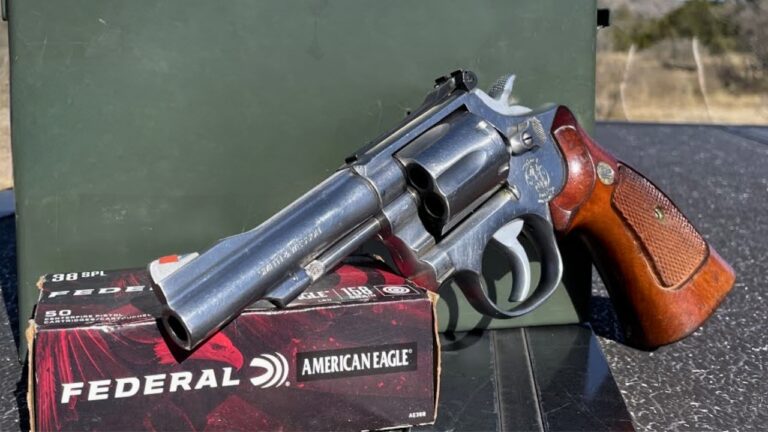
Smith & Wesson J-Frame 642

A lightweight snub-nose with a long, heavier trigger is about as unforgiving as it gets. The 642 doesn’t care how good you are with a full-size 9mm. If your trigger press isn’t straight and smooth, your shots will drift. If your grip isn’t locked, the gun moves. If your sights aren’t tracked, you’ll throw rounds without realizing it.
The 642 is also small in the hand, which makes it easier to “milk” the grip and steer the muzzle. A lot of folks carry J-frames because they’re easy to carry, then they avoid practicing because it’s not fun. That’s the trap. This gun will expose your training gaps immediately.
Ruger LCR .357 Magnum

The LCR is a great design, but in .357 it’s a lesson in recoil management and follow-through. If you’re anticipating the shot even a little, you’ll see it on paper. If your grip pressure changes between shots, your hits move. The gun is light, and the recoil is sharp enough to punish sloppy fundamentals.
Even with .38 +P, it can still expose weak trigger control and sight focus because the sight radius is short. The LCR is a carry revolver, not a range toy, and it will force you to be disciplined if you want tight groups.
Glock 43

The Glock 43 looks simple and familiar, but its smaller grip and snappier feel compared to a 19 or 43X will reveal grip problems fast. If your support hand isn’t doing real work, you’ll see muzzle flip and slower sight return. If your trigger press is inconsistent, you’ll print low-left or low-right depending on your habits.
A lot of shooters discover they’re “good with Glocks” until they run a small one hard. The 43 is a great teacher because it doesn’t hide sloppy work. It demands a real grip, a clean press, and consistent follow-through.
Glock 42

The 42 is softer than many micro 9s, but it’s still a tiny pistol with a short sight radius and a small grip. That means your mistakes show up quickly, especially at speed. If you’re not tracking the front sight and pressing clean, your groups open up.
It also exposes how much you rely on size and weight to stabilize the gun. With a compact duty pistol, you can “get away with” more. With a small .380 like the 42, you don’t get that free stability.
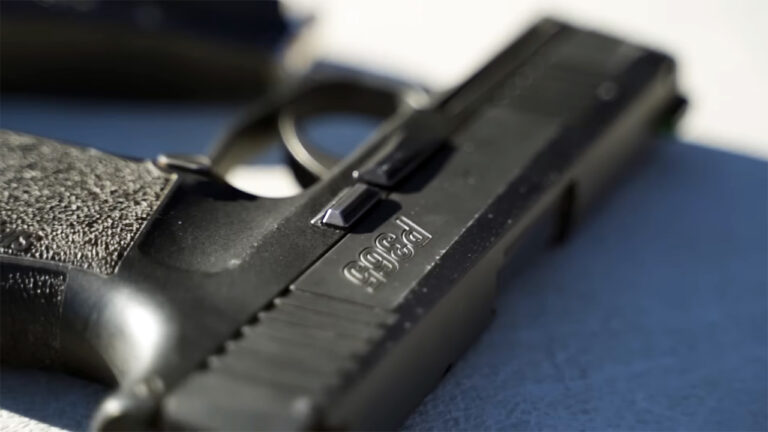
SIG Sauer P365

The P365 is a great carry pistol, but it will absolutely show you if your fundamentals are sloppy. It’s small enough that grip and trigger control matter, but shootable enough that you can’t blame the gun. If you’re throwing rounds, it’s usually you.
It also exposes how well you manage recoil in a small frame. If you’re not driving the gun back onto target with your support hand and tracking the sights, you’ll see slower splits and inconsistent hits. The P365 rewards good technique and punishes lazy technique.
Springfield Hellcat

The Hellcat is similar: high-capacity micro pistol that can shoot well, but it will show you if you’re not doing your part. Its recoil impulse can feel snappy, and if you don’t have a locked-in grip, the sights won’t return consistently.
It also reveals trigger control issues. With small carry guns, a tiny amount of steering during the press moves impacts more than people realize. The Hellcat makes that obvious fast, especially once you start shooting faster than “slow fire.”
Smith & Wesson M&P Shield

The original Shield is a classic, but it exposes trigger and grip flaws because it’s slim and less forgiving than a double-stack. Some shooters run it great. Others realize they were depending on a bigger grip to mask imperfect fundamentals.
The Shield also shows recoil anticipation. Because it’s lightweight and slim, the gun gives more feedback. If you’re flinching, you’ll see it. That’s why some people think they “can’t shoot the Shield,” when really the Shield is just showing them what they’ve been getting away with.
Kahr CM9

The CM9’s long, smooth trigger is a different animal than most striker guns. If you stage it inconsistently, rush it, or try to “jerk through” the last bit, your shots will wander. It’s a pistol that demands patience and a consistent press.
It also exposes grip inconsistency because it’s small and light. If you’re not building the same grip every draw, you’ll see different results every magazine. The CM9 isn’t impossible—it’s just honest about your consistency.
Beretta Nano

The Nano is one of those pistols where some shooters never quite find the rhythm. If it doesn’t point naturally for you, you’ll chase sights. If the trigger press isn’t clean, you’ll see drift. And because it’s compact, your errors show up faster.
This gun tends to expose whether you can adapt your fundamentals to a pistol that doesn’t feel like your usual platform. If you rely heavily on “muscle memory” instead of sight tracking and clean pressing, the Nano will show it.
Ruger LCP
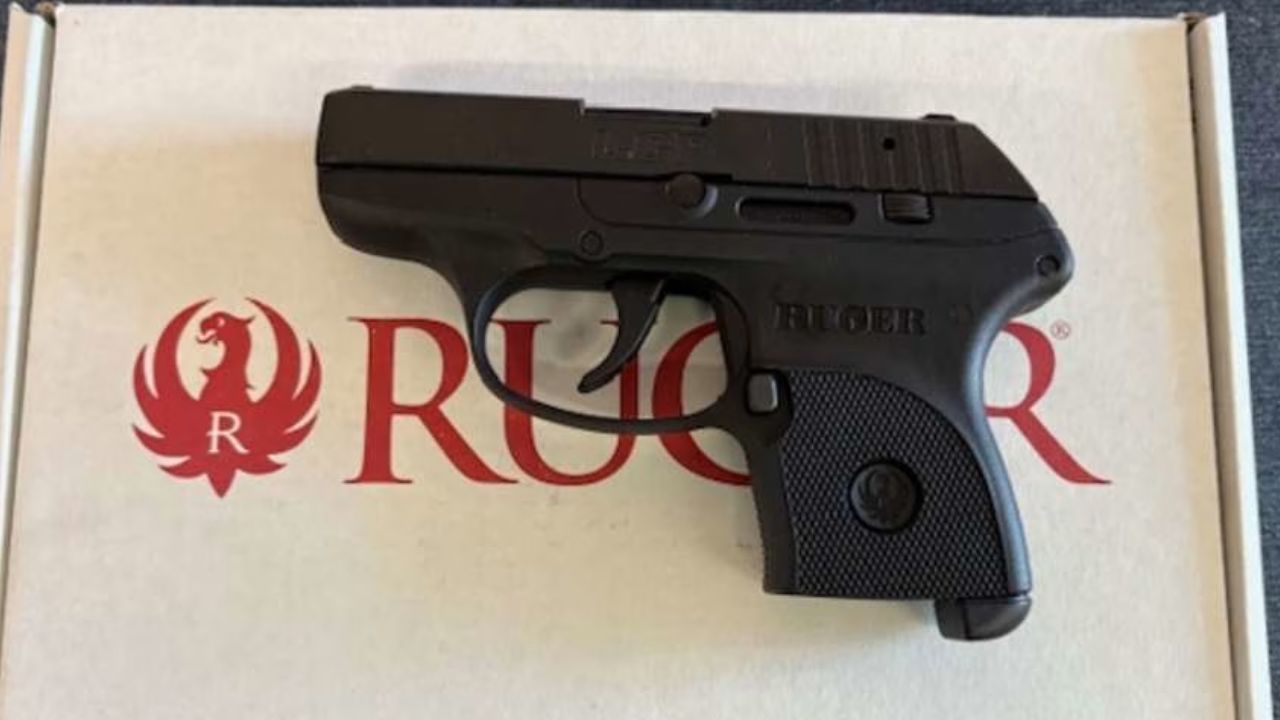
The original LCP is brutal for exposing flaws because the sights are minimal and the gun is tiny. If you’re accurate with an LCP, you can usually shoot anything. If you’re not, the gun will make you feel like you forgot how to shoot.
It highlights everything: grip, trigger press, recoil anticipation, and follow-through. Most people don’t practice enough with their pocket gun, and the LCP makes that obvious. It’s a great reminder that “carryable” isn’t the same as “shootable.”
Taurus G2C

The G2C can be a decent pistol, but it tends to expose trigger control issues because the trigger feel can vary and the reset feel isn’t as confidence-building as more proven carry guns. If you’re slapping the trigger or coming off the sights, your hits will show it.
It also exposes how much you rely on a gun’s “smoothness” to shoot well. When a pistol isn’t as refined, your fundamentals matter more. If you’re disciplined, you can run it. If you’re not, it will look like the gun is the problem.
SCCY CPX-2
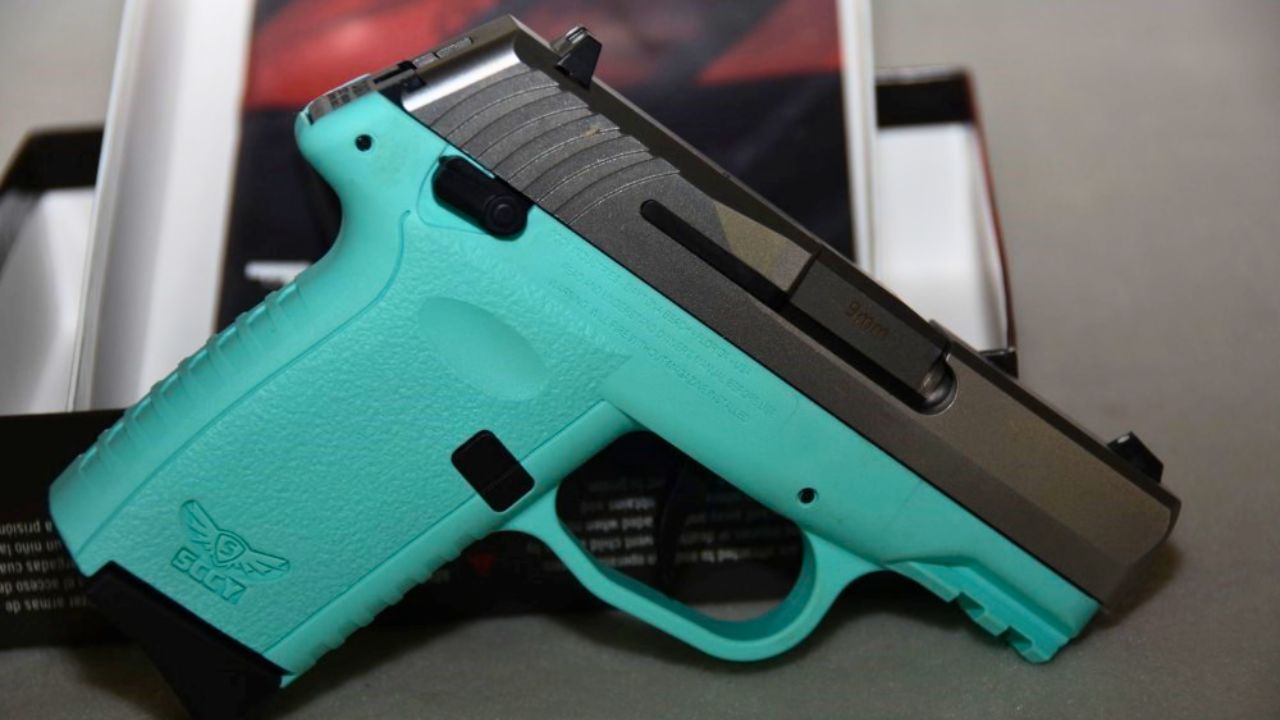
That long, heavy trigger is a fundamentals test. If you can press it straight without steering the muzzle, you’ll shoot it fine. Most people can’t at speed, and the gun shows that immediately. Shots drift, groups open, and frustration follows.
The CPX-2 exposes whether you actually have trigger discipline or whether you’ve been depending on lighter triggers to make you look good. It’s not a fun lesson, but it’s a real one.
Glock 17 (iron sights)

This sounds weird because the Glock 17 is one of the easiest pistols to shoot well. That’s exactly why it exposes you. If you can’t shoot a G17 well, it’s almost never the gun. It’s you—grip, trigger, sight tracking, or all three.
A lot of people think they’re good shooters because they own good guns. The Glock 17 is a reality check because it’s simple and repeatable. If your hits aren’t consistent, the platform won’t give you excuses.
1911 Government Model

A full-size 1911 can be extremely accurate, but it exposes bad habits in a different way. If your grip safety engagement is inconsistent, you’ll fumble under pressure. If your thumbs ride controls or your support hand pressure changes, you can induce weird problems. It also reveals whether you can manage a single-action trigger responsibly without slapping it.
The 1911 also exposes whether you understand your gun’s maintenance needs. A dirty or poorly sprung 1911 can run different than a striker gun, and that’s where some shooters get exposed—not because they can’t shoot, but because they don’t manage the platform well.
Ruger Mark IV (iron sights)

A .22 target pistol exposes flaws because it removes recoil excuses. If you’re pulling shots with a Mark IV, that’s pure trigger control and sight discipline. There’s no blast, no snap, no “the gun moved.” It’s you.
This is why .22 target pistols make such good teachers. If you can stack shots with a Mark IV, you’ve got solid fundamentals. If you can’t, it shows exactly what you need to fix—usually grip pressure and a clean press.
Like The Avid Outdoorsman’s content? Subscribe to our newsletter so you never miss an article.
Here’s more from us: