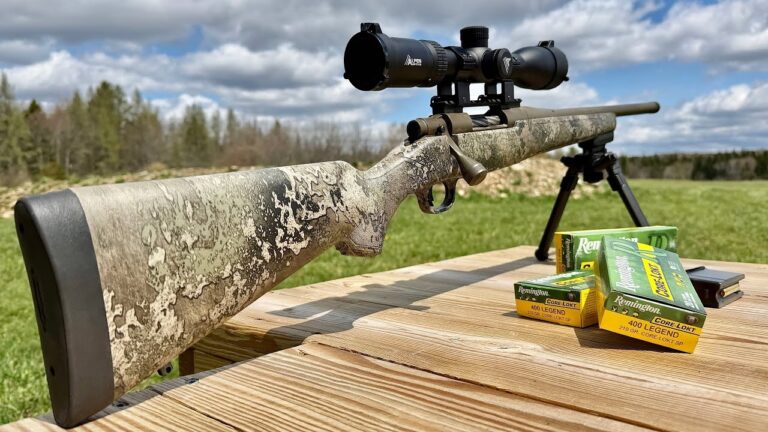
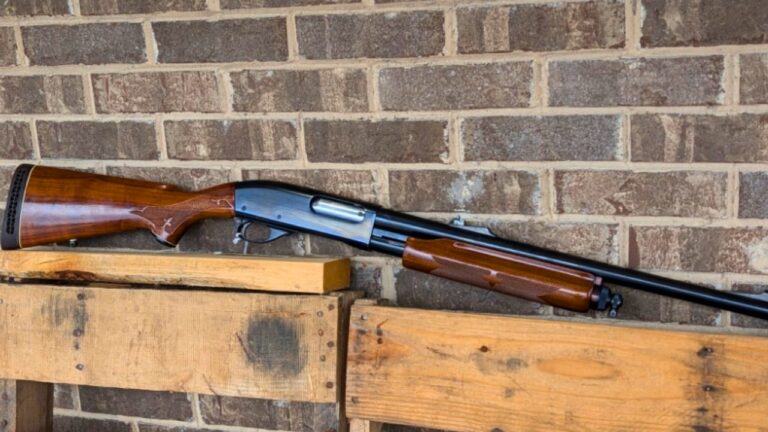
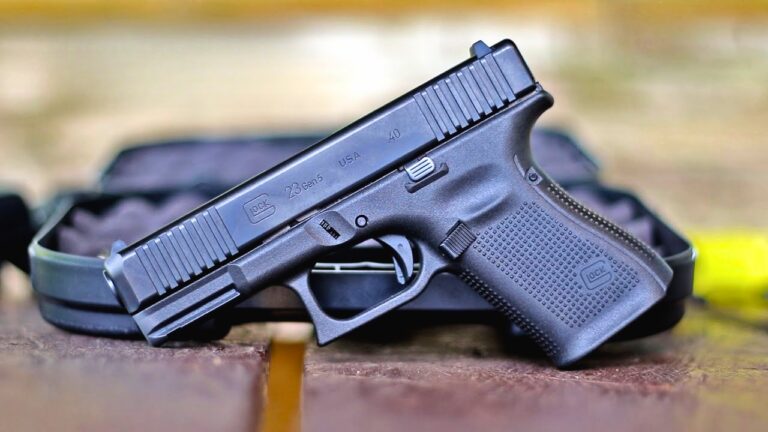
Photo credit: disaacs/GunBroker
Some rifles look the part and feel right in the hand, yet never settle into the accuracy you expect. You try multiple bullet weights, check the mounts, clean the bore, and take your time behind the trigger—only to watch groups wander or open up for no clear reason. Accuracy isn’t magic; it comes from barrel quality, stable bedding, and consistent harmonics.
When any of those shift from shot to shot, the rifle turns into a guessing game. These are rifles hunters often wrestle with, even after trying every load on the shelf.
Remington Model 710
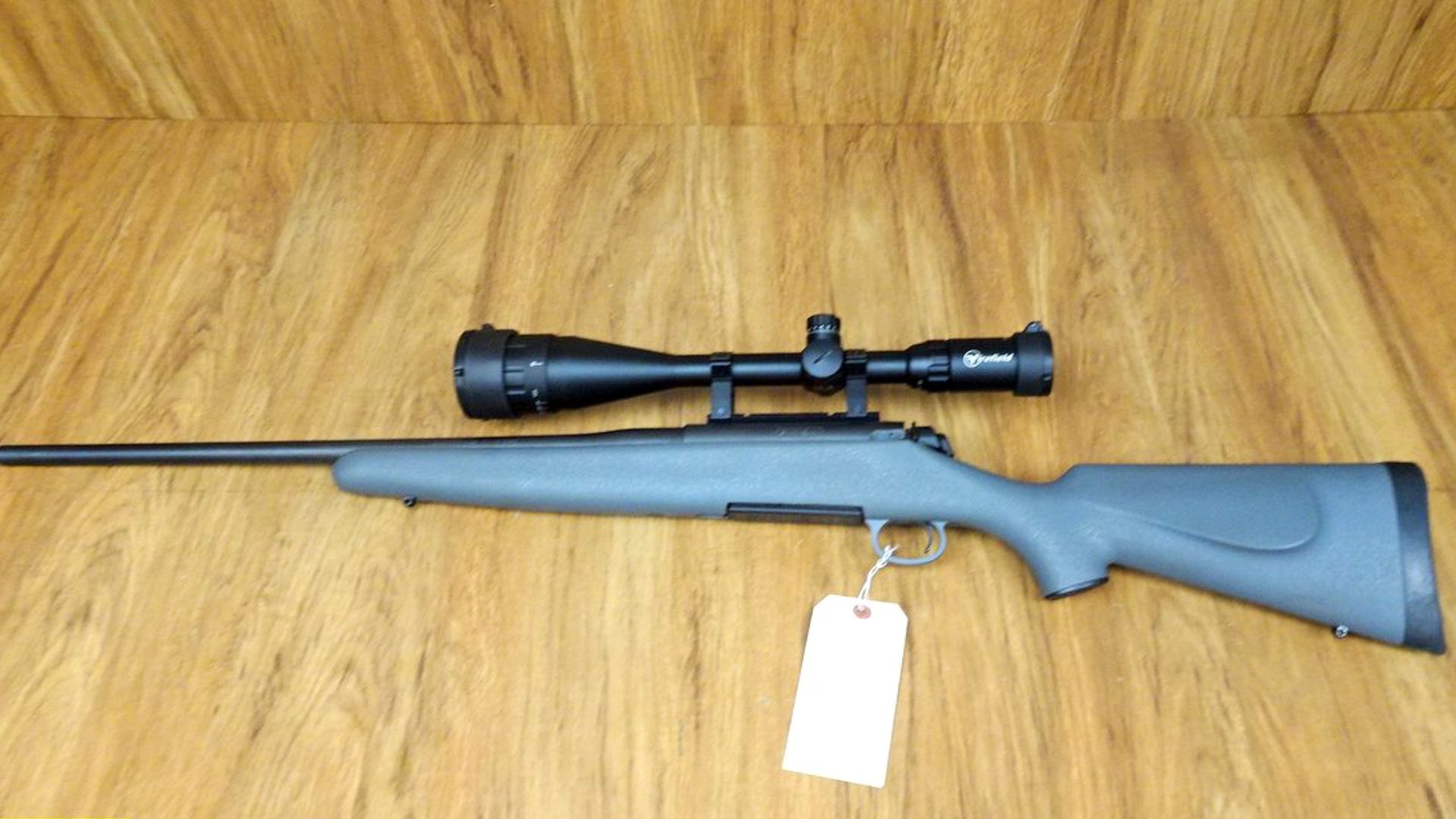
The Remington 710 is one rifle many hunters struggle to get shooting well, even with premium ammo. Its molded stock doesn’t offer the rigidity needed to keep the action stable, and the pressed-in barrel system limits how uniformly the barrel is secured. That all adds up to groups that refuse to repeat, especially as the rifle warms.
Even careful shooters notice that small changes in grip pressure or rest position push rounds off center. The included scope on earlier packages didn’t help either, often making things look worse than they already were. Most owners eventually give up trying to tune it.
Marlin X7 (Late Production Years)
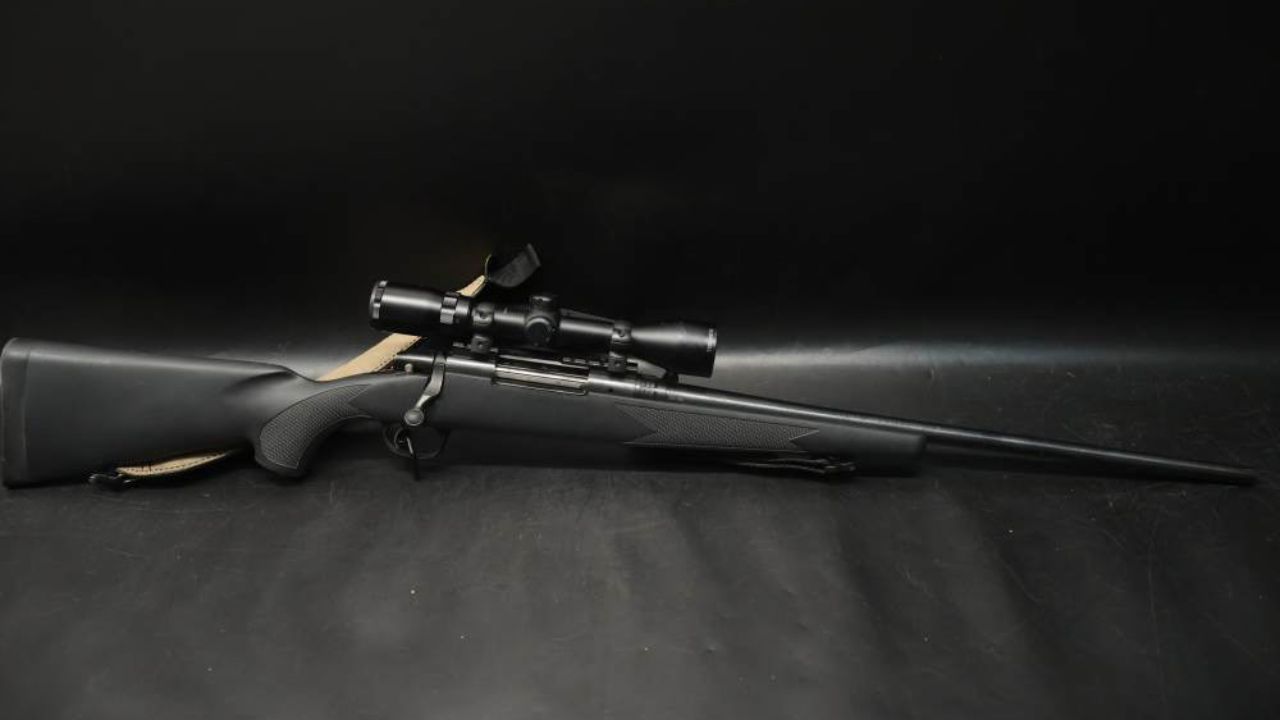
The early X7 rifles earned a surprising reputation for accuracy, but the last few years before Marlin shut down production were far more hit or miss. Some shooters reported barrels that copper-fouled aggressively and showed inconsistent grouping patterns from one session to the next.
The synthetic stock also flexes more than you’d like, especially when using field rests. Once the fore-end starts touching the barrel, accuracy drops off fast. You can get lucky with one that shoots well, but plenty of hunters found themselves burning through boxes of ammo looking for a load that never materialized.
Ruger Gunsite Scout (5.56 Variant)

The .308 Gunsite Scouts are known for being reliable and reasonably accurate, but the 5.56 versions sometimes struggle to find their rhythm. The shorter barrel doesn’t always provide the velocity or stability needed for longer shots, and some shooters see groups widen unpredictably with certain bullet weights.
The forward-mounted optic rail can magnify inconsistencies in technique, especially when running intermediate-eye-relief scopes. Even with accurate ammo, it’s tough to keep the rifle tracking as consistently as a standard bolt gun. Many hunters enjoy it for close work, but accuracy becomes a limiting factor once you stretch things out.
Tikka T3 Lite in .270 WSM

Tikkas are accurate rifles, but the T3 Lite chambered in .270 WSM creates its own challenges. The lightweight barrel heats quickly, and the high-pressure cartridge amplifies that heat. After two or three shots, many shooters see their groups drift vertically as the barrel walks.
Even with careful cooling periods, the recoil impulse on such a light platform introduces movement you must fight through every shot. With moderate cartridges, the T3 Lite is excellent. Paired with the .270 WSM, it becomes a rifle that punishes any inconsistency and rarely delivers the tight groups hunters expect from a Tikka.
Mossberg Patriot in .243 Winchester

The Mossberg Patriot can be accurate in some chamberings, but the .243 models often produce mixed results. The lightweight sporter barrel tends to heat up quickly, and once it does, groups spread faster than you’d like. Hunters trying different 95- and 100-grain loads often see promising starts fall apart by shot four or five.
The synthetic stock is comfortable to carry but doesn’t offer the stiffness needed for pressure-sensitive cartridges like .243. Any slight pressure on the fore-end—especially when shooting off bags or rails—can shift point of impact. Many owners eventually conclude the rifle simply isn’t consistent enough for precise shots past mid-range.
Thompson/Center Venture (Early Models)
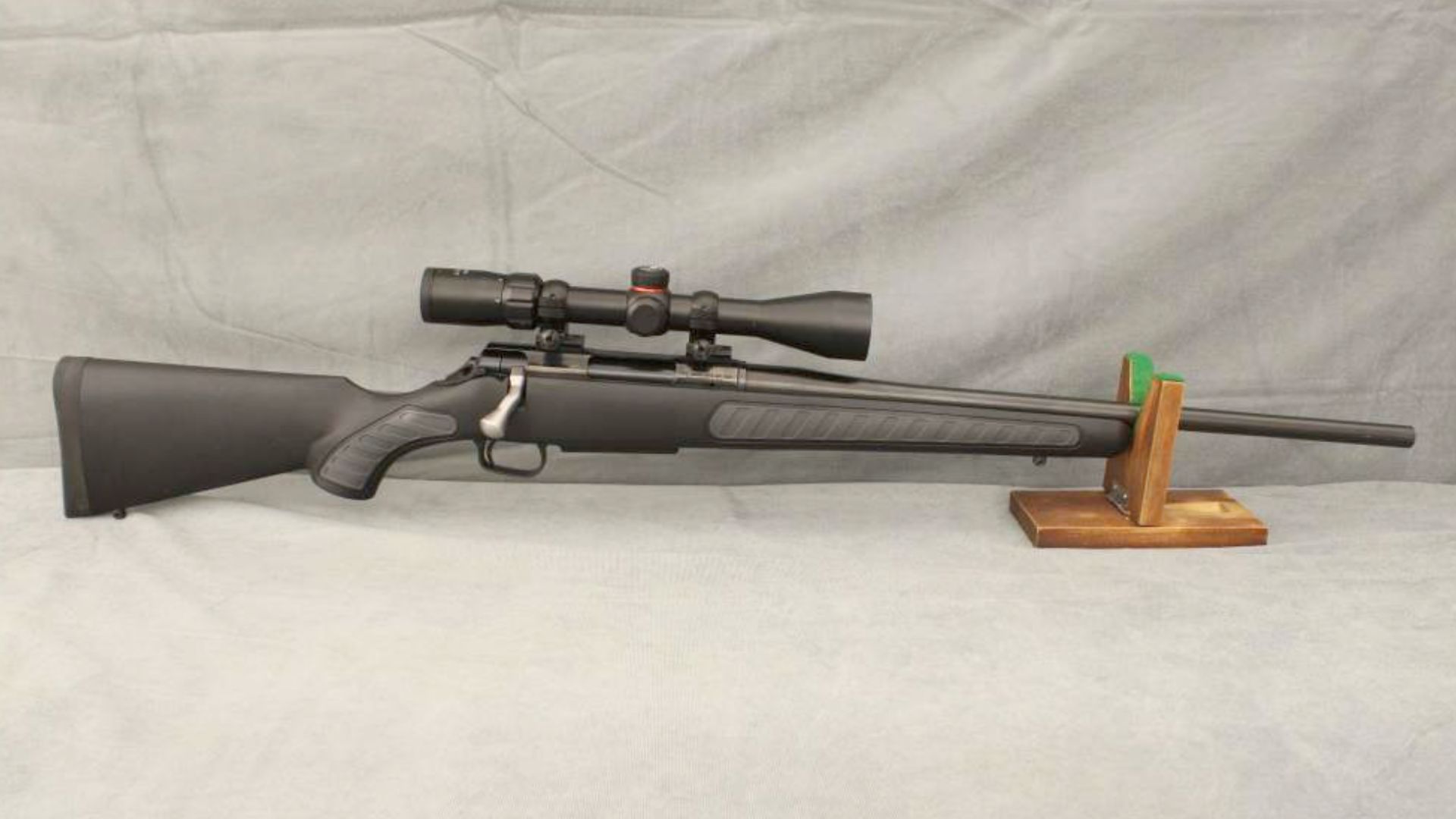
Before TC refined the design, early Venture rifles suffered from accuracy issues tied to inconsistent barrels. Some would shoot sub-MOA with one load but scatter shots with anything else, making them tough rifles to trust in the field. Hunters wanting predictable performance often found themselves re-torquing action screws and testing different rests without improvement.
The trigger on early rifles wasn’t as crisp as later versions, adding another variable to long-range shots. Even with quality optics, many shooters struggled to maintain the kind of repeatable accuracy TC advertised. Later versions solved much of this, but early rifles still show up on racks and deserve caution.
Browning A-Bolt II in .280 Remington

The A-Bolt II has plenty of loyal fans, but some rifles chambered in .280 Remington never quite live up to the cartridge’s potential. The thin barrel profile on certain models heats unevenly, causing subtle but frustrating shifts in point of impact.
Shooters often try lighter and heavier bullets hoping to find the sweet spot, but many rifles simply won’t tighten beyond a certain threshold. The magazine system and bedding are solid, yet the barrel harmonics seem inconsistent from rifle to rifle. For hunters expecting precision at distance, the .280 A-Bolt II can feel like a rifle that never fully settles down.
Kimber 8400 Montana in .300 WSM

The Kimber 8400 Montana is lightweight and rugged, but the .300 WSM version is notoriously difficult to shoot well. The ultralight stock exaggerates recoil, making follow-through tough. Even experienced shooters see groups open when the rifle starts to move before the bullet exits the barrel.
The skinny barrel also heats rapidly, and that heat leads to vertical stringing if you don’t allow long cooling breaks. With careful technique, some rifles perform well enough, but many shooters burn through expensive ammo trying to find loads that tame the rifle’s quirks. It’s accurate enough for hunting ranges but rarely a true tack-driver.
Remington Model Seven in 6.5 Rem Mag

The Model Seven is compact and handy, but pairing it with the 6.5 Remington Magnum creates accuracy challenges. The cartridge is fast and sharp, creating heat and barrel stress quickly in such a small platform. Many shooters report strong first groups followed by unexplained flyers.
The short barrel also limits velocity, which affects bullet stability depending on load selection. Even with premium ammo, consistent accuracy can feel just out of reach. It’s a capable hunting rifle inside reasonable ranges, but for precise shooting, this setup demands more tuning than most hunters want to invest.
Weatherby Vanguard Series 1
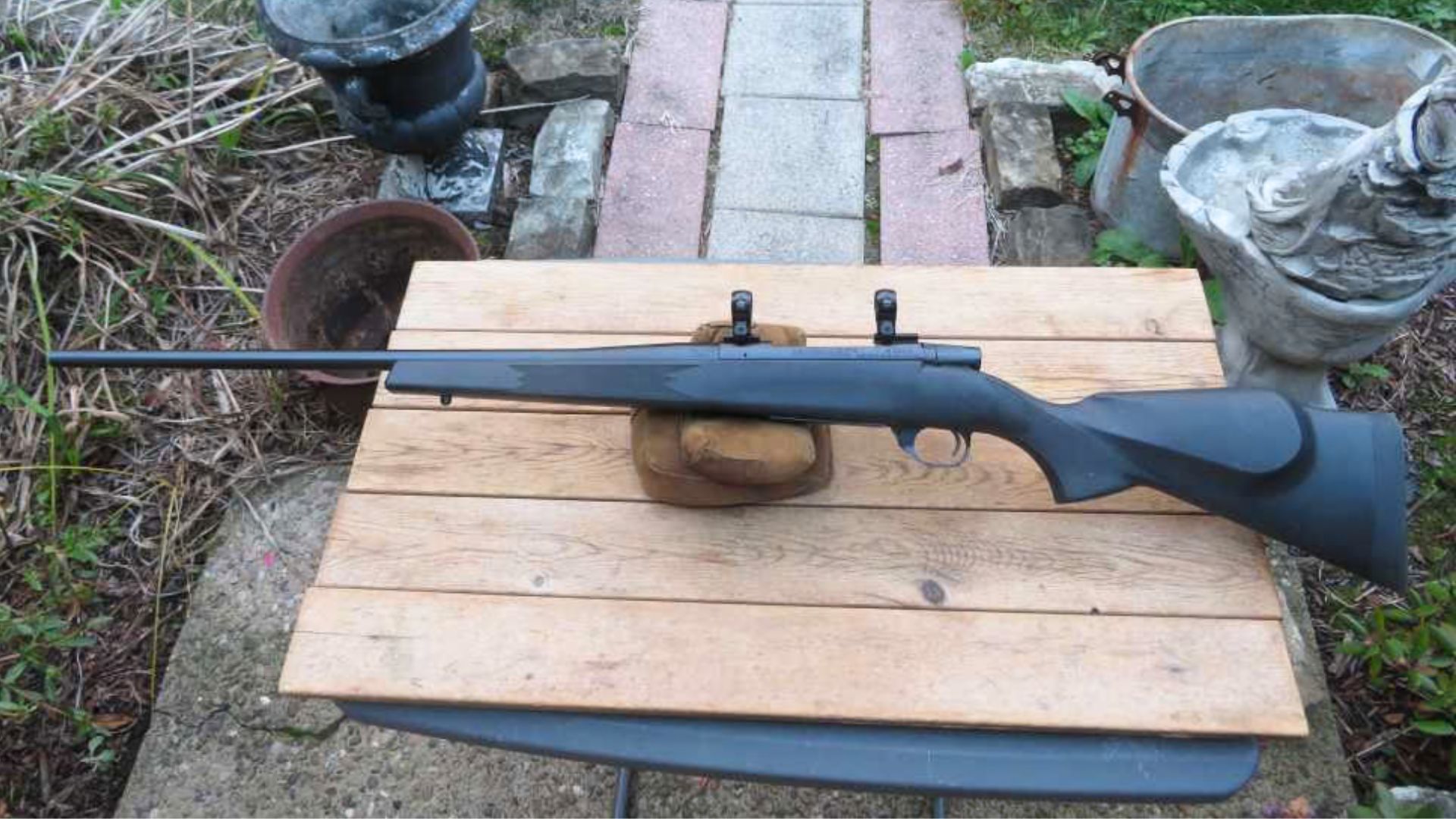
The original Vanguard has a solid reputation, but not every rifle delivered the accuracy newer Series 2 models are known for. Some early rifles showed inconsistent grouping patterns tied to stock fit and pressure points along the barrel channel. Removing or relieving those points helped some shooters, but not all.
Cartridge choice played a big role too—many shooters found that two or three loads grouped okay while everything else fell apart. It’s a rifle that can be accurate but often requires more experimentation than expected, making it feel inconsistent compared to its successors.
CZ 550 American in .30-06

The CZ 550 is beautifully built, but some American-stocked .30-06 models struggle to group predictably with modern high-velocity loads. The traditional stock design and bedding system aren’t always ideal for hotter ammunition, and that mismatch can show up as horizontal drift.
The controlled-round feed system is reliable, but the long action stroke amplifies any inconsistencies in technique. Shooters often find the rifle prefers slower, heavier bullets, limiting flexibility. It’s a dependable hunting tool but not always a precision performer when you’re trying to dial-in tight groups at distance.
Remington Model 7700 SPS Varmint in .243
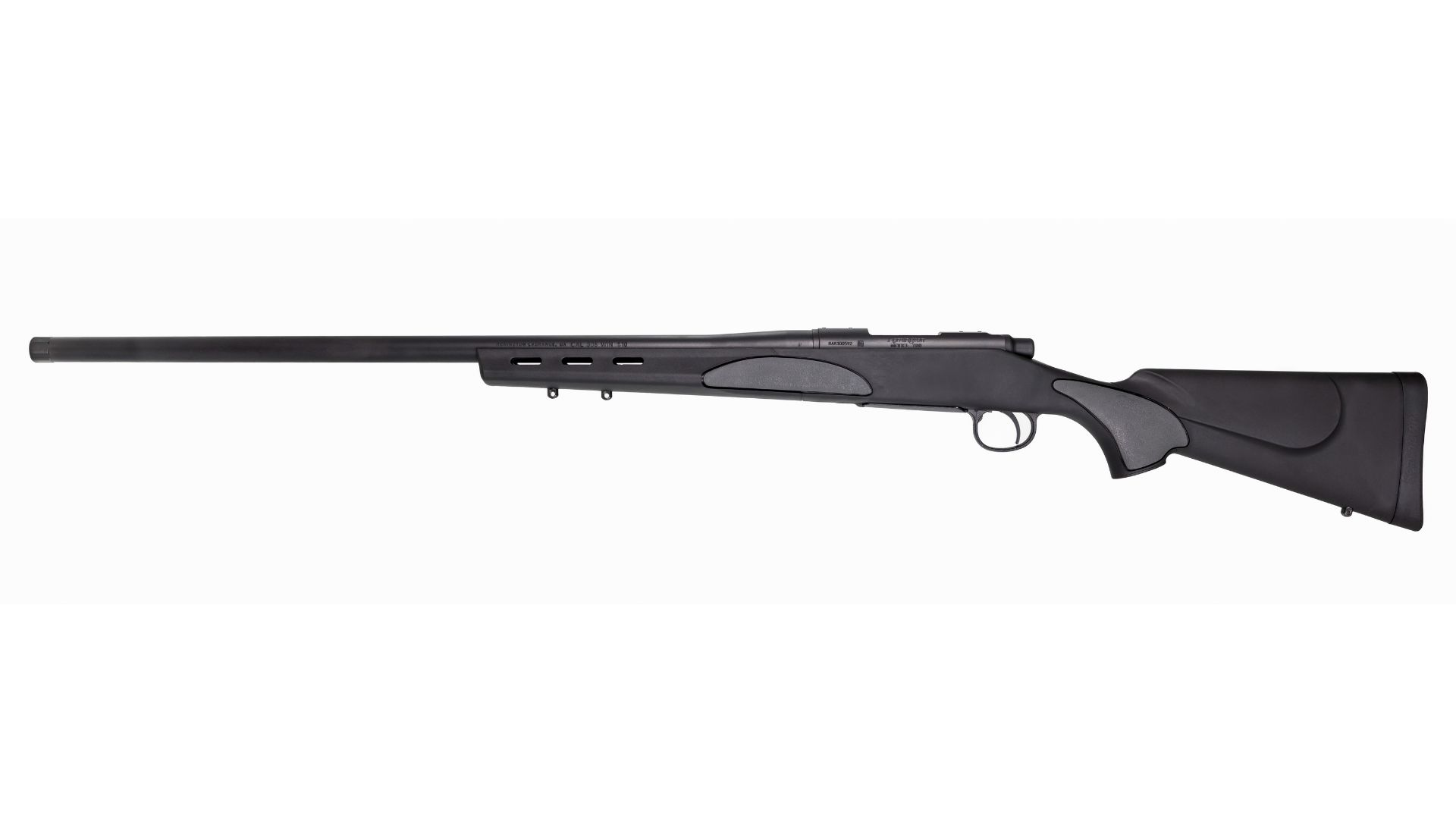
This rifle has the right look for accuracy work, but some .243 SPS Varmint models don’t deliver the consistency the heavy barrel suggests. Barrels vary from gun to gun, and rougher bores on some rifles lead to copper buildup that kills accuracy quickly.
Even after cleaning, groups may tighten for a session or two before widening again. Shooters who try multiple factory loads often see the same patterns repeat. For a rifle marketed toward accuracy-minded hunters, the inconsistency can be hard to overlook.
Ruger MK II Ultralight in .308
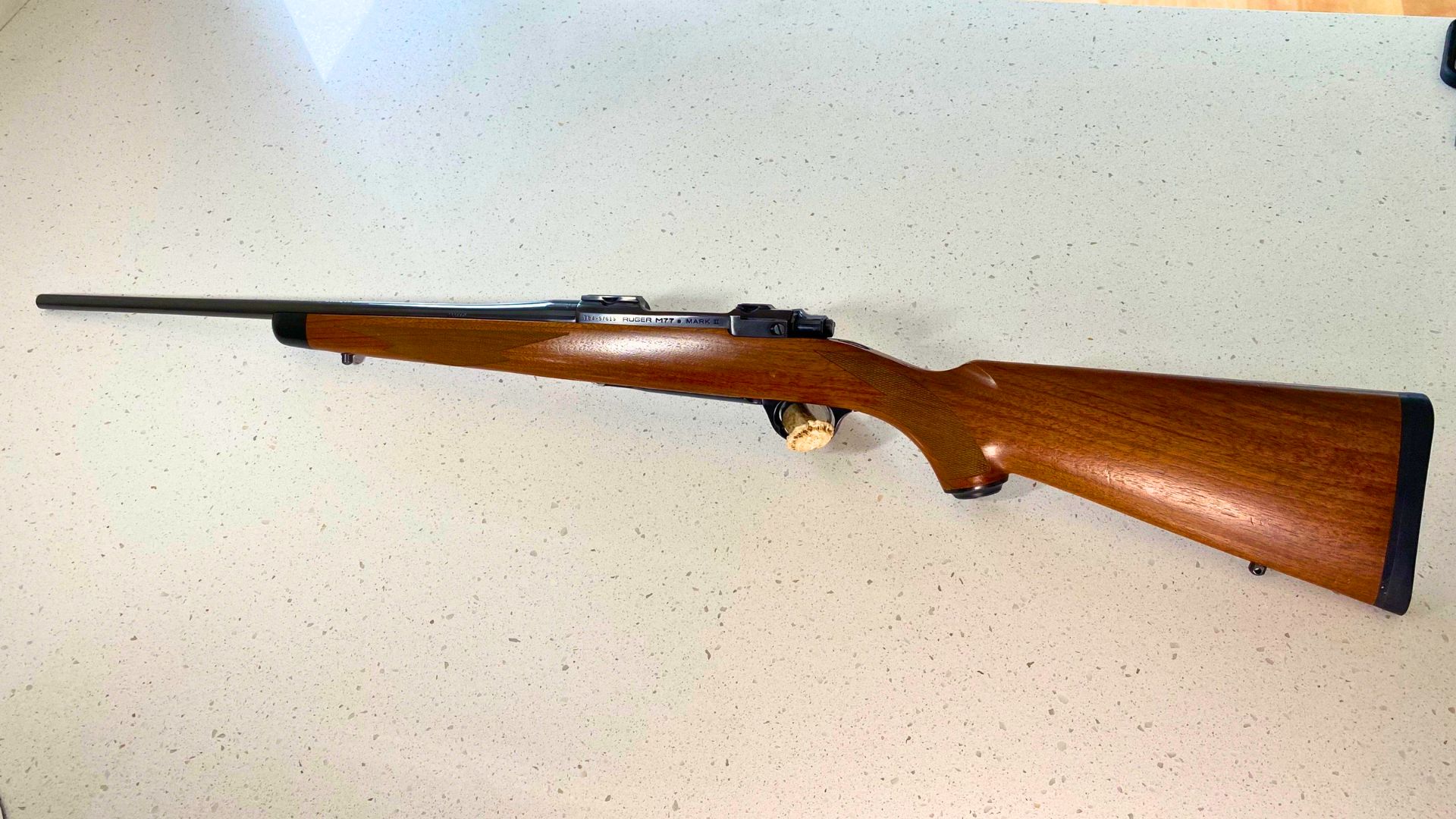
Light rifles are always harder to shoot well, and the MK II Ultralight in .308 amplifies those challenges. The thin barrel walks noticeably as soon as heat builds, and the sharp recoil pulse makes steadiness tough unless you’re extremely disciplined with follow-through.
Even with premium ammo, the rifle may produce one solid group and then open up on the next. It’s an excellent carry rifle for steep terrain, but expecting reliable precision past moderate distances usually ends in frustration.
Benelli R1 in .300 Winchester Magnum
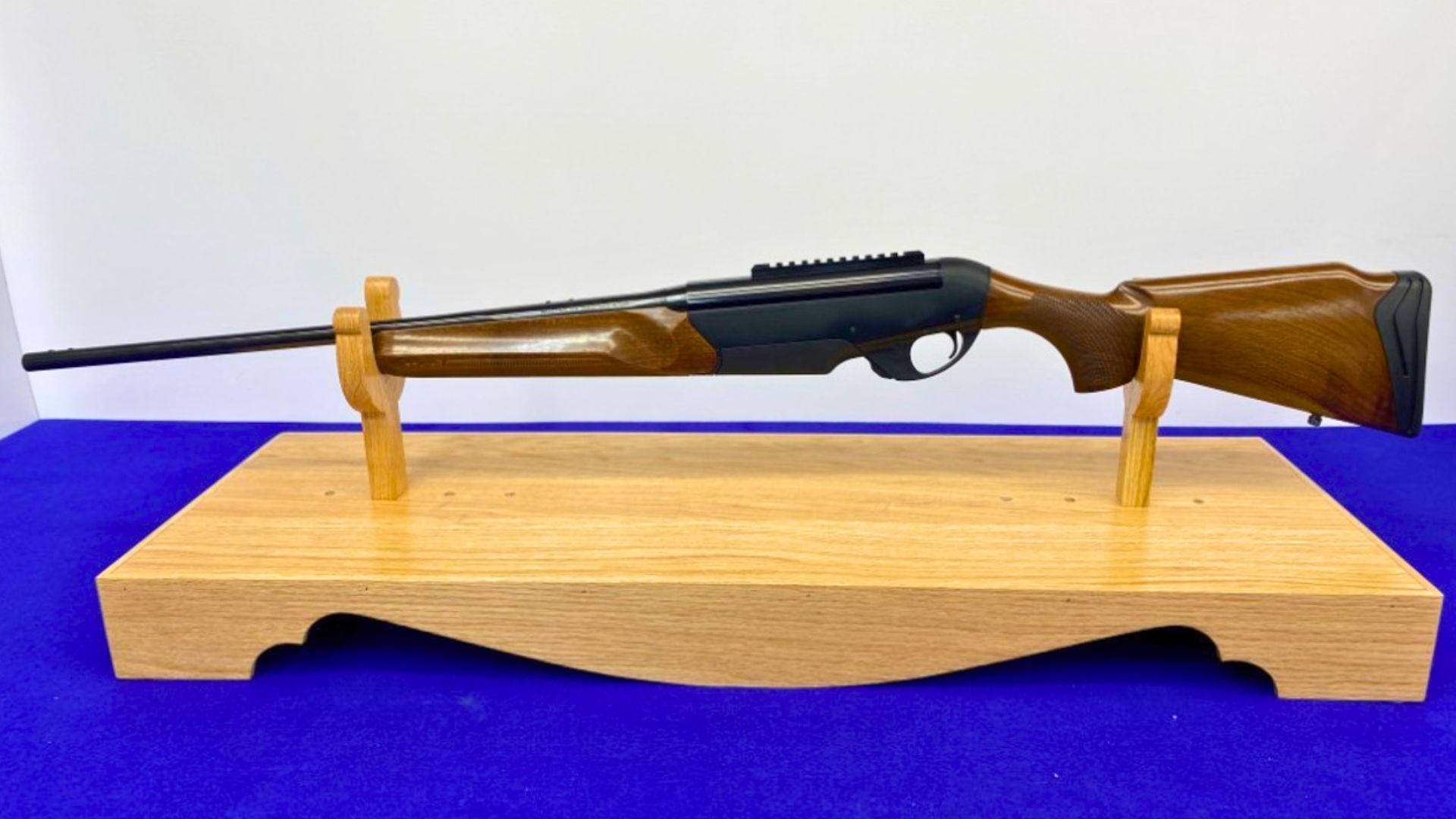
The Benelli R1 is a smooth-shooting semi-auto, but certain models chambered in .300 Win Mag struggle with accuracy consistency. The gas system introduces heat quickly, and the thin barrel profile magnifies that heat-related drift.
Shooters often report respectable cold-barrel accuracy followed by widening patterns as they continue firing. Even carefully chosen loads don’t always fix the issue. It’s reliable and comfortable to shoot, but those hoping for precision grouping often find the platform limits what the cartridge can do.
Like The Avid Outdoorsman’s content? Subscribe to our newsletter so you never miss an article.
Here’s more from us: