Photo credit: LightField Studios/ShutterStock.com
When a caliber fades out of relevance, it usually doesn’t go quietly. There’s always a loyal corner of the gun crowd trying to keep it alive with boutique ammo or niche builds. But some cartridges keep getting dragged back into conversations they don’t belong in—despite offering nothing new, nothing useful, and nothing worth the cost or effort anymore. It’s not about nostalgia or obscure collector’s value either. These are the rounds folks try to breathe life into every few years, only for the market to shrug and move on. You’ve probably owned a few or at least humored the hype. But if you’re honest with yourself, you knew they were already on the way out. Some calibers age well and carve out a role. Others spend their twilight years getting passed over at the gun shop, gathering dust in the ammo aisle, and blowing up forums with “underrated” threads that never go anywhere. You know the type.
.32 H&R Magnum

You keep hearing folks say the .32 H&R Magnum is “underrated,” but that train left the station decades ago. It was supposed to offer a nice balance between the .22 and .38 for small-frame revolvers. But in reality, it never offered enough punch to replace a .38 Special, and it didn’t offer enough of an edge over .22 Magnum to matter.
The limited ammo selection didn’t help, and factory guns chambered in it were few and far between. These days, unless you’re a collector or a handloader who really likes digging for brass, there’s no reason to pick this caliber over more available options. You’re chasing a dream that just doesn’t perform.
.41 Remington Magnum
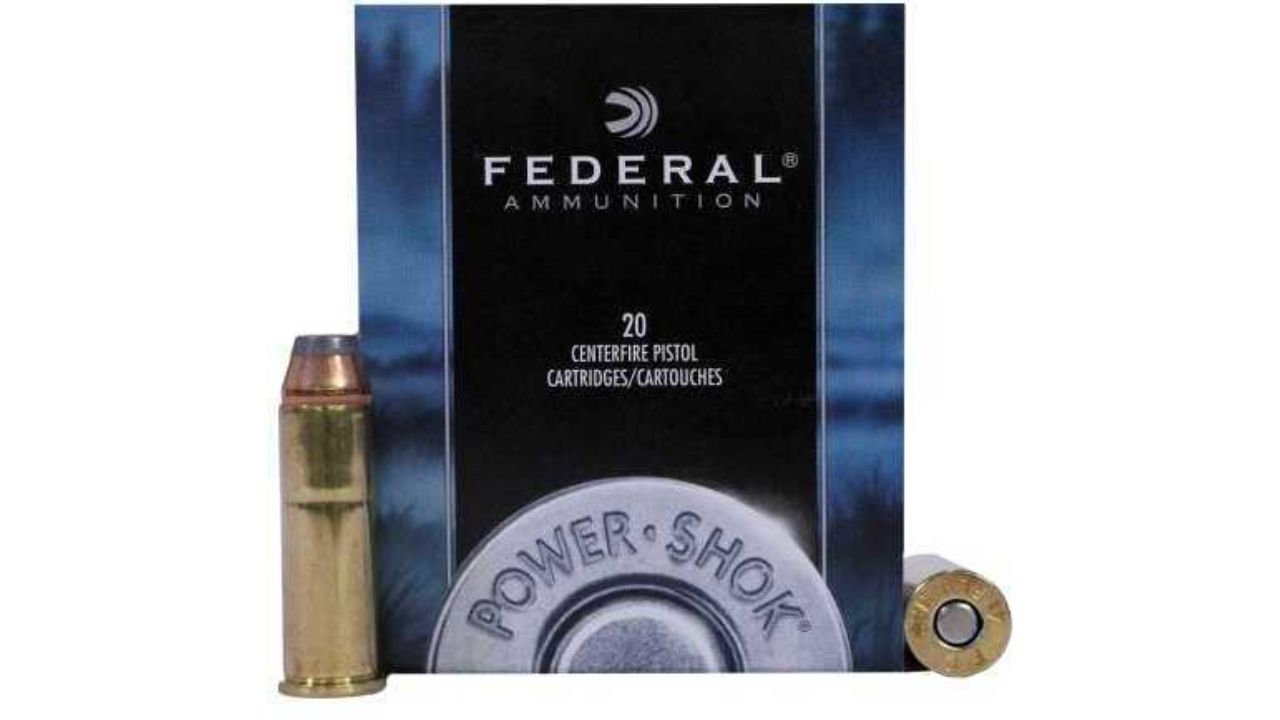
There’s always someone trying to convince you that the .41 Magnum is the “thinking man’s magnum.” But when push comes to shove, nobody carries it, and nobody stocks ammo for it. It sits in that awkward middle ground where it’s too much for some jobs and not enough for others.
You’ve got .357 Mag if you want something manageable, and .44 Mag if you want serious power. So what’s the .41 really for? Not much anymore. Even among handgun hunters, it’s fading out. You can handload it all you want, but factory ammo keeps disappearing for a reason. It’s a solution that never really had a problem to solve.
.25 Auto
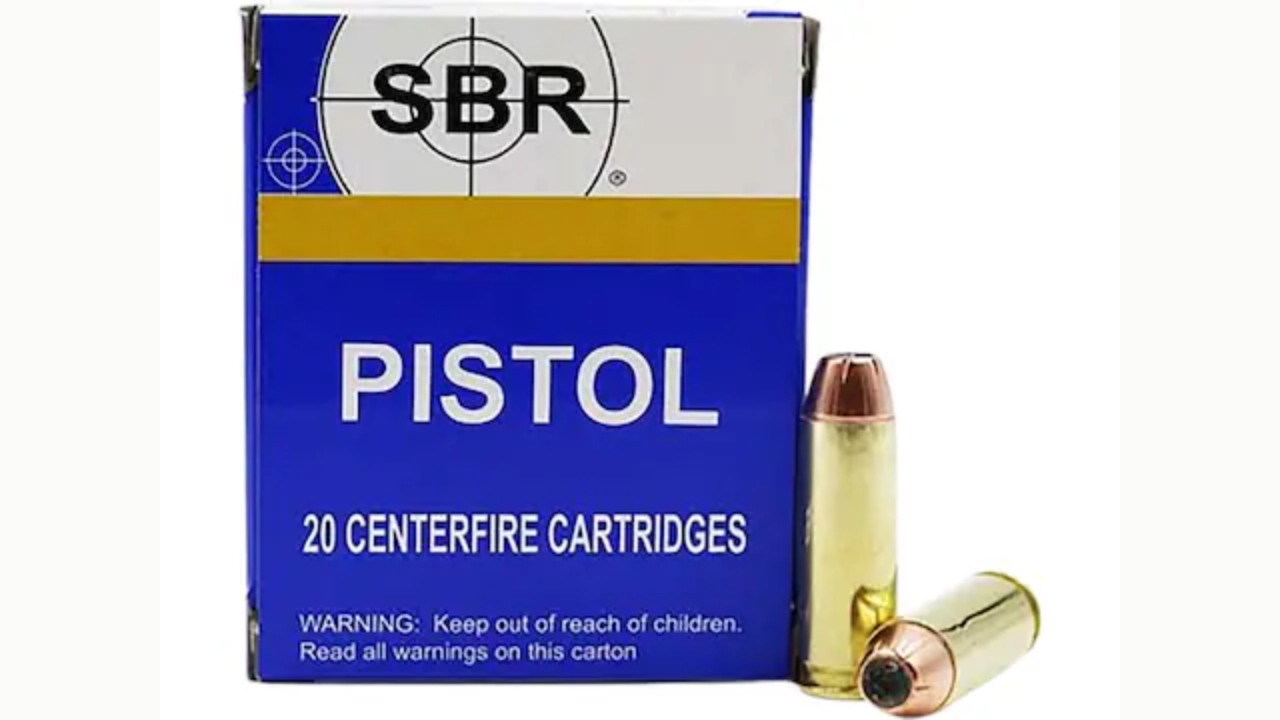
It doesn’t matter how many modern pocket pistols you build around .25 ACP—people aren’t going to care. It’s underpowered, overpriced, and completely obsolete when .22 LR or .22 WMR can do the same job with better ammo options and more reliability.
Some folks say it has an edge in reliability over rimfire, but modern .22 pistols have come a long way. You’re better off with a .22 that’s half the price to shoot and still more effective. The .25 Auto hangs on by nostalgia and European curio imports, but it hasn’t been relevant in serious defensive circles for a long time.
.30 Carbine

You’ll find someone at every gun show who claims the .30 Carbine is still “viable” out of a revolver or for home defense. But this WWII-era rifle round has struggled to stay relevant in any modern context. Ammo’s pricey, performance is lackluster, and it doesn’t offer much over .223 or 7.62×39.
It was never great at barrier penetration, and most of the surplus has dried up. Sure, the M1 Carbine is fun at the range, but let’s not pretend the caliber itself is worth reviving for new builds. It’s a piece of history, not a practical tool anymore, and the market has moved on for good reason.
.45 GAP

The .45 GAP was Glock’s answer to a question nobody really asked. It tried to replicate .45 ACP ballistics in a shorter case to fit into 9mm-sized frames. But in doing so, it gave up the flexibility and compatibility that make .45 ACP so useful.
Ammo availability has always been terrible, and it’s not like you’re gaining any real-world benefit over 9mm or .40 S&W. If anything, it boxed users into a very narrow corner of the market. Law enforcement dropped it fast, and civilians never picked it up. These days, the .45 GAP is a dead-end road with no traffic.
.32-20 Winchester

Back when lever guns and revolvers shared calibers, the .32-20 had a place. But that place faded away long before most shooters today ever fired a shot. It’s a charming little round for collectors or cowboy action shooters, but in the real world, it’s outclassed by .38 Special in every way.
Ammo is hard to find, factory guns are long gone, and there’s no reason to keep it alive except nostalgia. You can handload it if you’re patient, but even then, it’s still weaker and fussier than anything that came after it. The world moved on. And it’s not coming back.
5mm Remington Rimfire Magnum
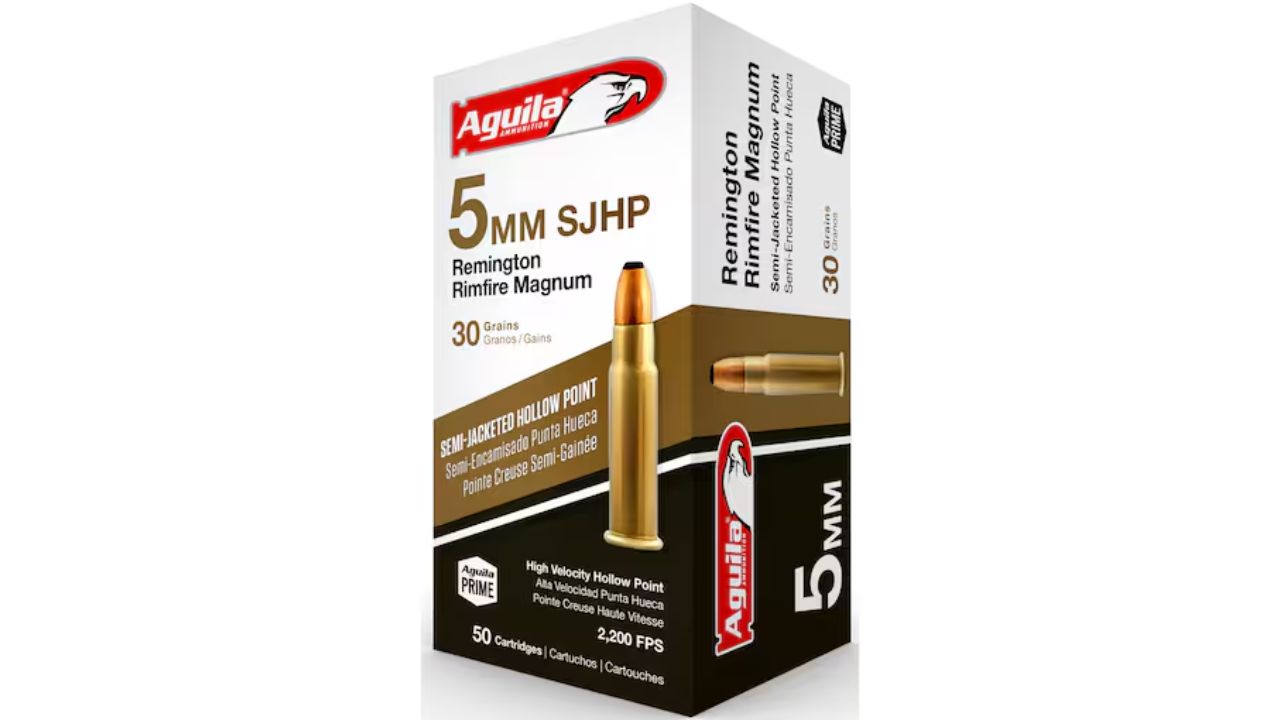
Every few years, someone tries to resurrect the 5mm Rem Mag like it’s the ultimate rimfire sleeper. But it never sticks. The round promised high velocity and flat shooting, but it had terrible timing and limited support from manufacturers. Remington dropped it fast, and it never got a real second chance.
These days, ammo is rare and expensive, and rifles chambered in 5mm are almost all legacy pieces. Modern .22 WMR and .17 HMR have stolen the rimfire spotlight. Trying to revive 5mm Rem Mag is like trying to relaunch Betamax. Neat idea. Wrong decade.
.38 Super

You hear the same line every time: “It’s better than 9mm.” And yes, the .38 Super had its moment in competitive shooting. But outside of a few niche arenas and folks clinging to old 1911s, it doesn’t have a place in modern carry or duty guns anymore.
Ammo’s harder to find, recoil is snappy, and the gains over +P 9mm loads aren’t worth the tradeoffs. Unless you’re deep into USPSA or building a race gun, the .38 Super’s heyday is long gone. Most shooters won’t touch it, and manufacturers don’t have much reason to keep it alive beyond specialty batches.
.300 Savage
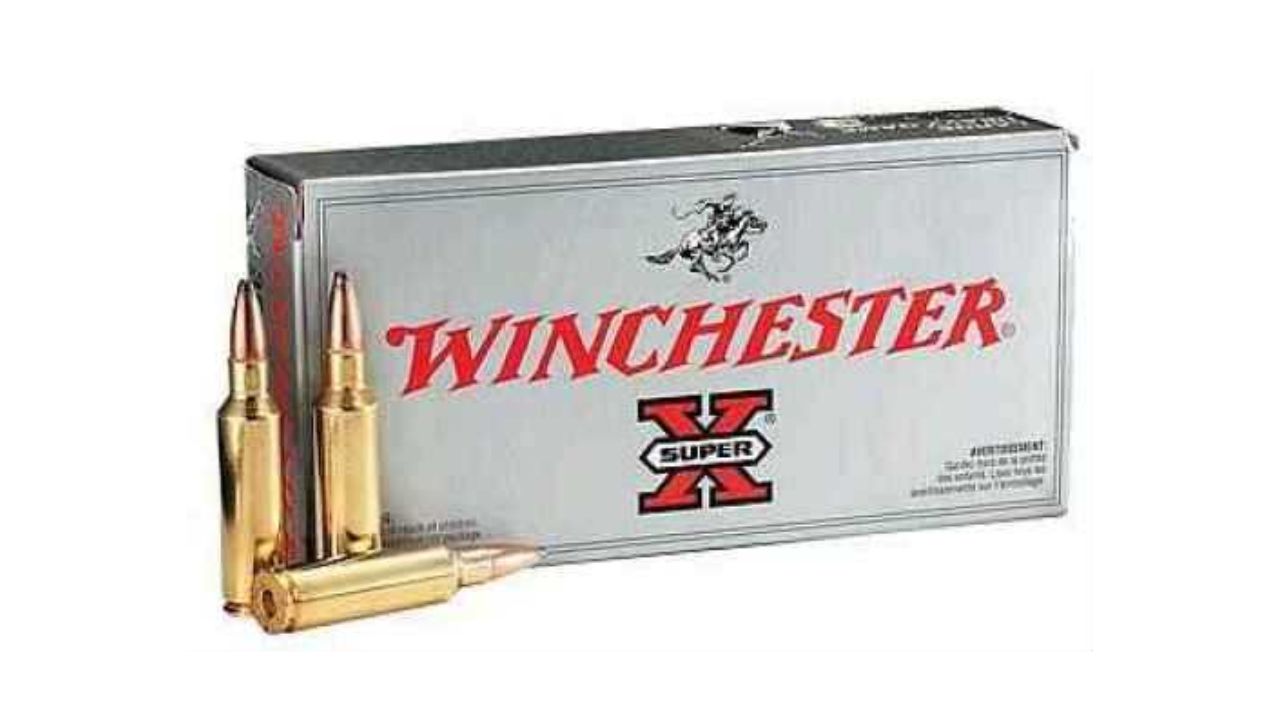
Before the .308 Winchester took over, the .300 Savage was a decent option for medium game. But now? It’s been thoroughly eclipsed. Ballistically, it’s close to .308 but with less case capacity and no real advantage.
Modern rifles rarely chamber it, and factory ammo keeps getting more expensive and scarce. If you’ve got an old Savage 99, that’s great for nostalgia’s sake. But if you’re starting fresh, there’s no reason to choose it over .308, .30-06, or even 6.5 Creedmoor. It’s a perfectly usable round—but only if you already happen to own a rifle that eats it.
.264 Winchester Magnum

On paper, the .264 Win Mag should’ve been a monster. Flat shooting, high velocity, great for long range. But it turned out to be a barrel-burner that couldn’t compete with newer, more efficient cartridges. Hunters moved on, and long-range shooters found better options.
Barrel life is short, ammo’s not widely stocked, and most modern rifles skip right over it. You’ll hear old-timers speak fondly of its heyday, but nobody’s lining up to build new rifles in .264 anymore. The ballistics may be fine, but the practical value is gone, and no amount of nostalgia will fix that.
.257 Roberts
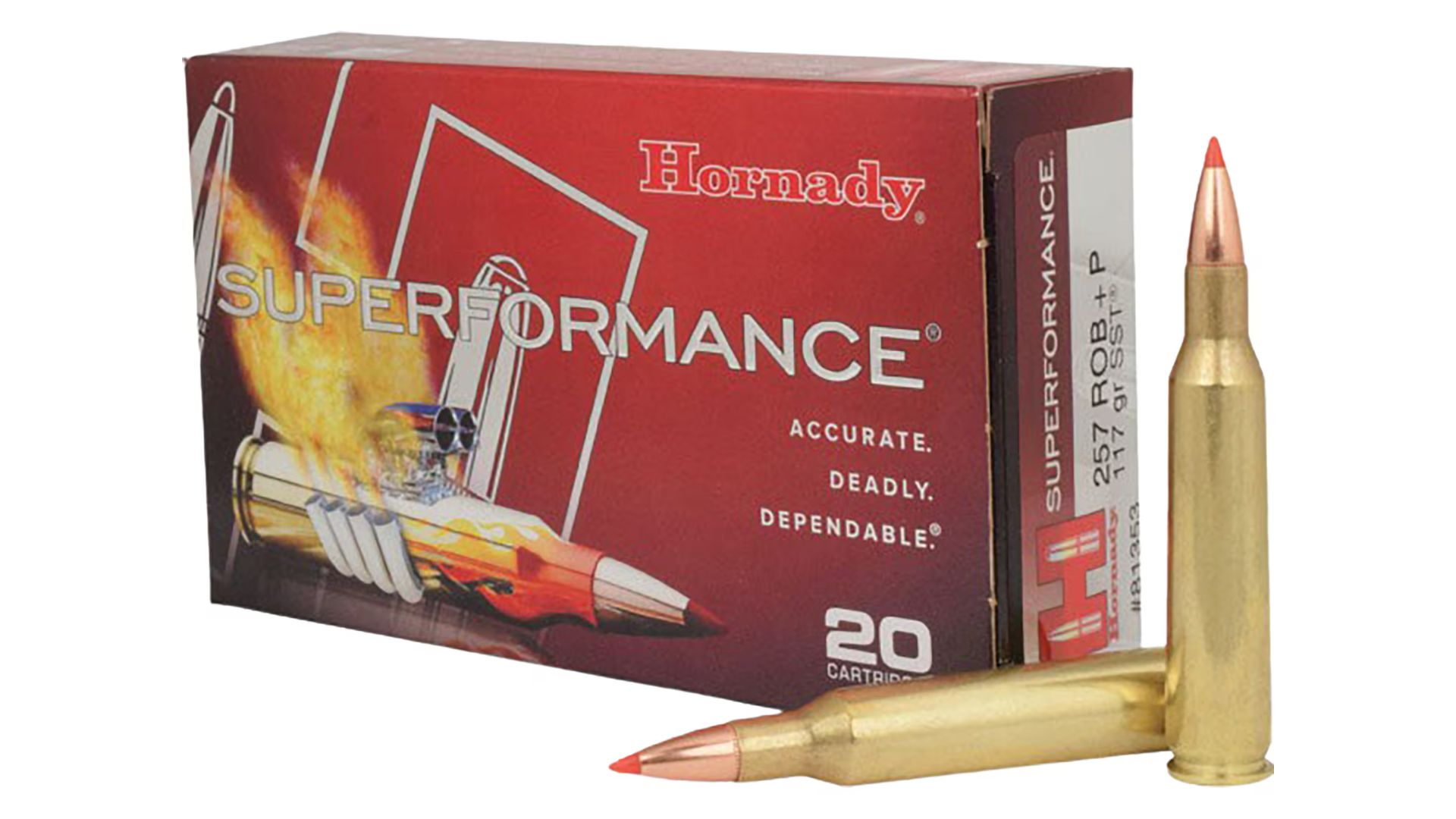
The .257 Roberts has always had a loyal crowd, but it’s one of those rounds that never seems to break through. It’s accurate, pleasant to shoot, and can take deer cleanly—but so can half a dozen other cartridges that are easier to find and cheaper to feed.
Even with +P loads, it still lags behind newer offerings like 6.5 Creedmoor or .243 Win in terms of market support. You’re not gaining anything by choosing it, and you’re losing out on ammo variety and modern rifle options. It’s a great handloader’s round but not much else today.
.22 Hornet
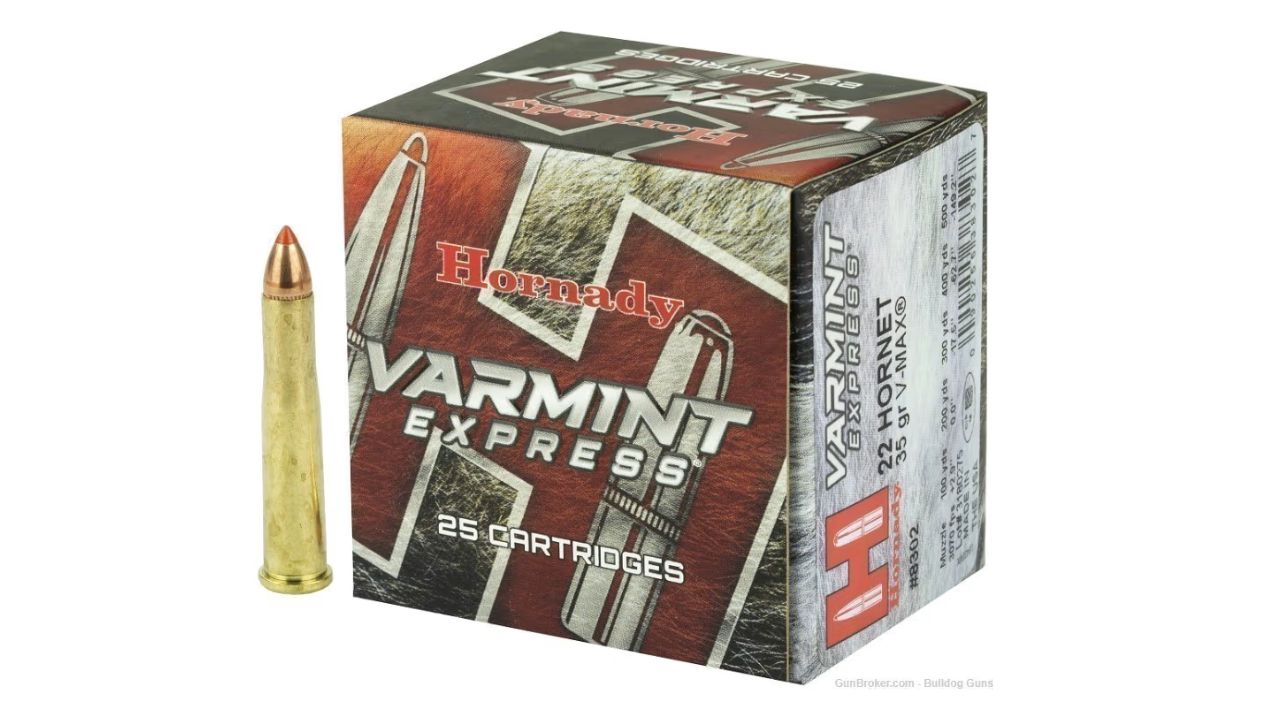
There’s something charming about the .22 Hornet, but charm doesn’t win shootouts with coyotes or fill freezers. It sits in a weird spot—stronger than .22 WMR but not enough to really compete with .223 Rem. It’s quiet, sure, but factory ammo is pricey, and it doesn’t handle wind well.
Most varmint hunters skip right over it in favor of more practical options. Even reloaders are moving on, because the payoff isn’t what it used to be. The .22 Hornet keeps hanging on, but only barely—and not because it’s relevant. It’s because some folks don’t know when to let go.
Like The Avid Outdoorsman’s content? Be sure to follow us.
Here’s more from us:
The worst deer rifles money can buy
Sidearms That Belong in the Safe — Not Your Belt
*This article was developed with AI-powered tools and has been carefully reviewed by our editors.