Photo credit: Fellers Photography/Shutterstock.com
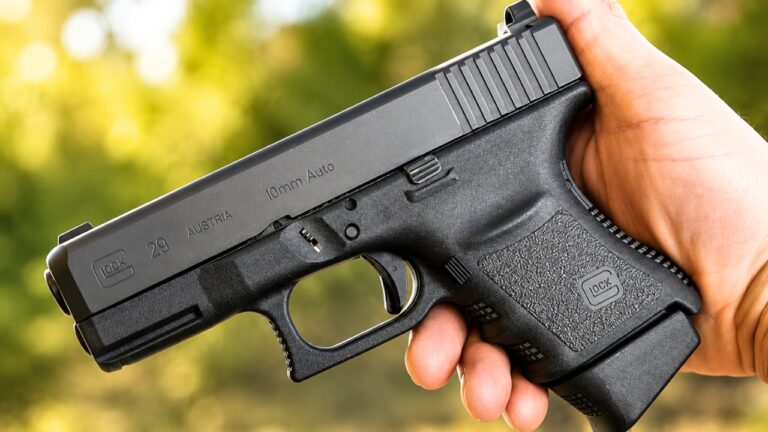
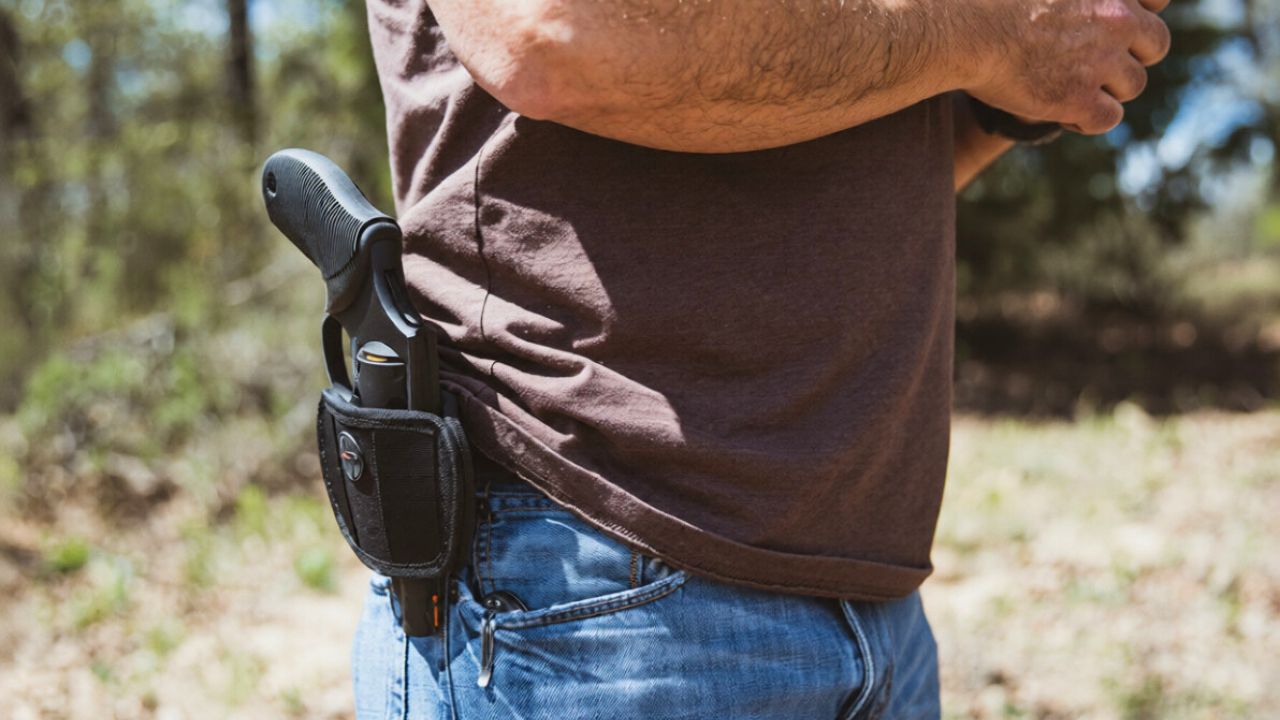
I carried that holster way longer than I should have, and for a while I convinced myself the problem was everything except the holster. I told myself I just needed to get used to it. I blamed my belt, my positioning, the way I moved, even the time of day I was putting it on. But the truth was simple. The holster was uncomfortable, inconsistent, and just plain wrong for me. It dug into my side when I sat, shifted when I walked, and made me constantly aware of the gun in a way that distracted from everything else. Instead of fixing it early, I adjusted around it. That turned carrying into something I dreaded instead of something I trusted. It didn’t take long before I found myself making excuses not to carry at all, which defeats the whole point.
A bad holster turns small annoyances into daily problems
What made it worse was how it compounded over time. A holster is not just something you throw on and forget if it doesn’t fit right. It affects how the gun rides, how stable it feels, how easily you can access it, and how confident you are throughout the day. Mine did none of that well. It would tilt, loosen slightly, and force me to readjust constantly. That kind of distraction builds frustration fast. I’d sit down and feel it jab. I’d stand up and feel it shift. I’d get in and out of the truck and end up checking it every time. That’s not how carry is supposed to feel. A good setup fades into the background. A bad one stays front and center all day long, reminding you it’s there in all the wrong ways.
I kept trying to fix everything except the obvious
Looking back, what stands out is how long I avoided the simple solution. Instead of replacing the holster, I tried new belts, adjusted ride height, changed carry position, and even swapped clothing to make it work. That’s a mistake a lot of people make. They assume discomfort is part of the deal, or that they just need to tough it out. There’s a difference between getting used to carrying and forcing yourself to tolerate bad gear. I was doing the second one. The problem wasn’t my tolerance. It was the holster itself. Once I finally admitted that, the fix was easy. But I wasted a lot of time trying to outwork a piece of gear that was never going to do its job properly.
Retention and consistency matter more than looks
The holster I was using looked fine on the outside, but it didn’t hold the gun the way it should have. Retention felt inconsistent, and the draw never quite felt the same twice. That’s a bigger issue than people realize. If a holster doesn’t give you repeatable positioning and a clean, predictable draw, it’s not doing its job, no matter how comfortable it claims to be. I learned real quick that carrying is about consistency more than appearance. The gun needs to sit where you expect it every time. It needs to stay there without shifting. And when you go to draw, nothing about that motion should feel like a guess. Mine failed that test in small ways every single day, and those small failures added up to one big reason I stopped trusting the setup.
The right holster changed everything immediately
The moment I switched to a better holster, the difference was obvious within a day. The gun stayed put. The pressure points disappeared. Sitting, standing, walking, and driving all felt normal again. That’s when it really hit me how much the wrong holster had been affecting everything. Carrying went from something I tolerated to something I didn’t think about much at all. That’s exactly how it should be. Good gear doesn’t constantly remind you it exists. It does its job quietly and consistently. There are plenty of solid options out there now, including well-built kydex setups and hybrid designs you can find through places like Bass Pro and other reputable makers. The key is not the brand name. It’s whether the holster actually fits your body, your gun, and your daily movement.
I waited too long because I thought discomfort was normal
If I’m being honest, the reason I stuck with that bad holster as long as I did comes down to mindset. I thought carrying was supposed to feel a little uncomfortable. I thought it was something you just dealt with. That thinking cost me time and made me less consistent than I should’ve been. Discomfort doesn’t always mean you need to push through. Sometimes it means something is wrong and needs to be fixed. Once I changed that mindset, I stopped accepting gear that made things harder than they needed to be. Carrying should feel secure, stable, and manageable throughout the day. If it doesn’t, something in the setup needs attention.
The lesson was simple, but it stuck
That experience changed how I evaluate gear in general. If something consistently makes the job harder, it’s not earning its place, no matter how much I’ve already invested in it. I don’t hang onto bad equipment out of stubbornness anymore, especially when the fix is straightforward. A good holster isn’t optional if you plan to carry regularly. It’s the foundation of the whole setup. Once that’s right, everything else gets easier. I learned that the hard way, but it’s one of those lessons that sticks because of how much better things got once I stopped fighting the obvious.
Like The Avid Outdoorsman’s content? Subscribe to our newsletter so you never miss an article.
Here’s more from us: