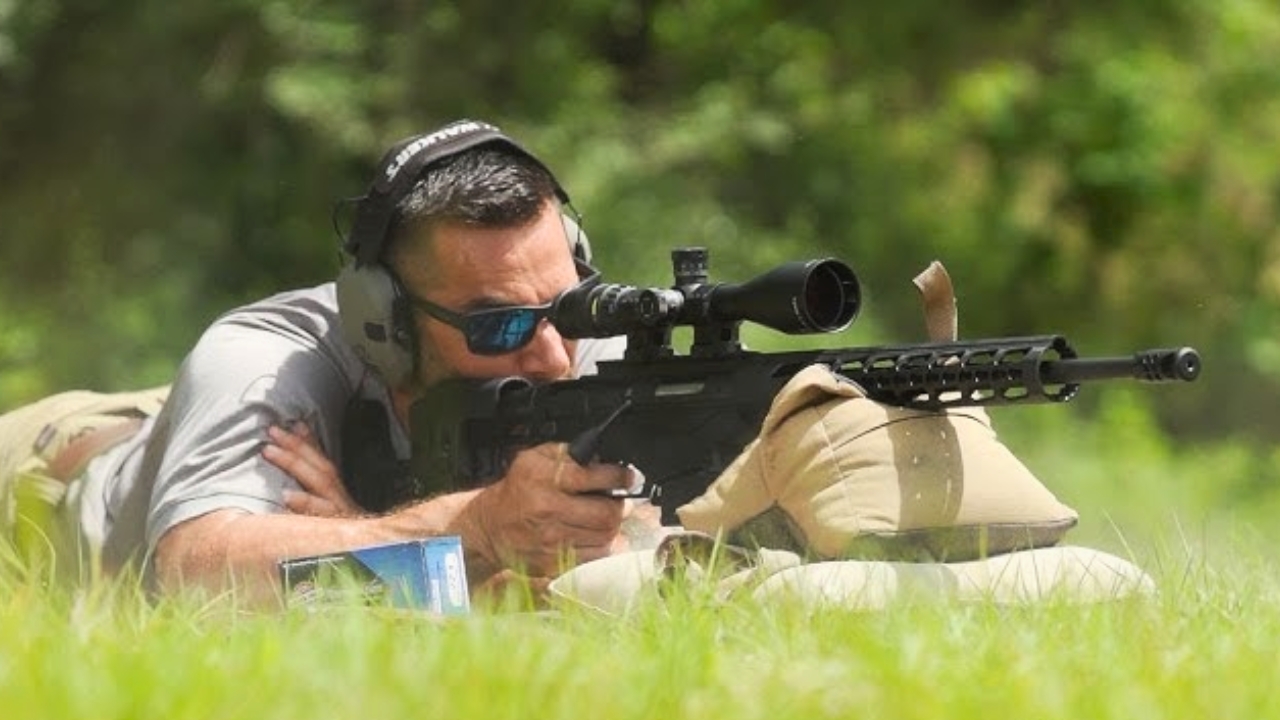
Photo credit: Gun Talk Media/YouTube
A rifle can look like a laser on a bench and still make you feel clumsy the moment you leave the bags. That’s not always a “shooter problem.” Benches hide a lot—stock fit issues, balance problems, awkward controls, and rifles that only behave when they’re supported in a very specific way. Out in the field, you’re dealing with uneven footing, rushed shots, odd angles, heavy clothing, and improvised rests. That’s where rifles with poor ergonomics, twitchy balance, hard recoil, or position-sensitive stocks start showing their teeth.
The goal isn’t to shame any model. It’s to be honest about which rifles can lull you into confidence on a bench, then punish you when you shoot offhand, kneeling, sitting, or over a pack. These are specific rifles that commonly do that, especially in factory trim.
Ruger No. 1B
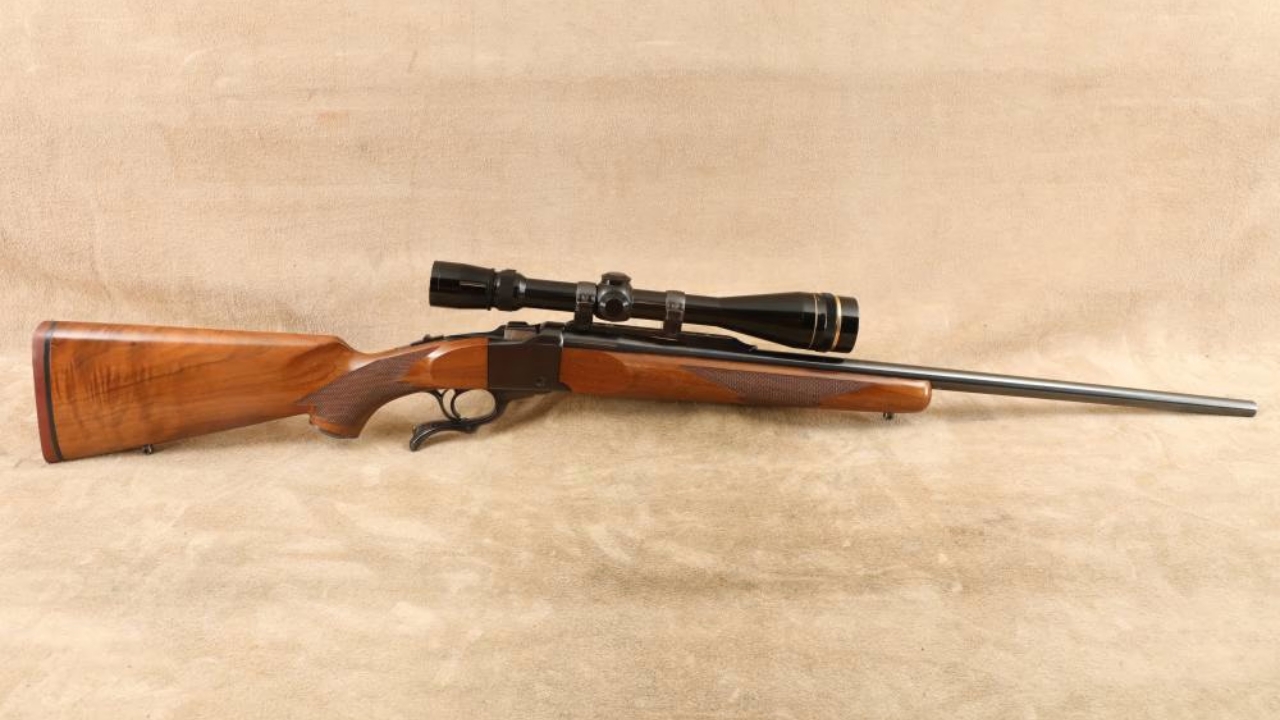
On a bench, a No. 1B can look great because the rifle sits nicely and you’re usually resting it in a consistent spot. In field positions, that fore-end hanger setup becomes more noticeable. Small changes in where you rest the forend—over a pack, on a rock, against a tree—can change pressure and move your point of impact more than you’d expect.
The other issue is how you tend to hold it. Offhand, you’ll often grip the forend differently, and that changes everything. A No. 1 rewards repeatable support and a measured cadence, but hunting rarely gives you “repeatable.” If you don’t practice from real positions, you’ll swear the rifle changed. Most of the time, it’s reacting to you.
Ruger Mini-14

A pre-580 Mini-14 can shoot acceptably off bags for a few shots, and it can trick you into thinking it’s a “practical tack driver.” The moment you shoot it from kneeling or offhand, the lightweight barrel and lively balance can make it hard to keep the sights steady. Your wobble zone grows, and your trigger press gets rushed.
Add in the fact that the older thin barrel heats fast, and field practice strings can start spreading as you go. A bench hides a lot of that because the rifle is supported the same way every time. In the field, your sling tension, grip, and rest point all change. If you don’t treat it like a fast-handling rifle meant for realistic distances, it can make you look worse than you are.
Remington 700 ADL
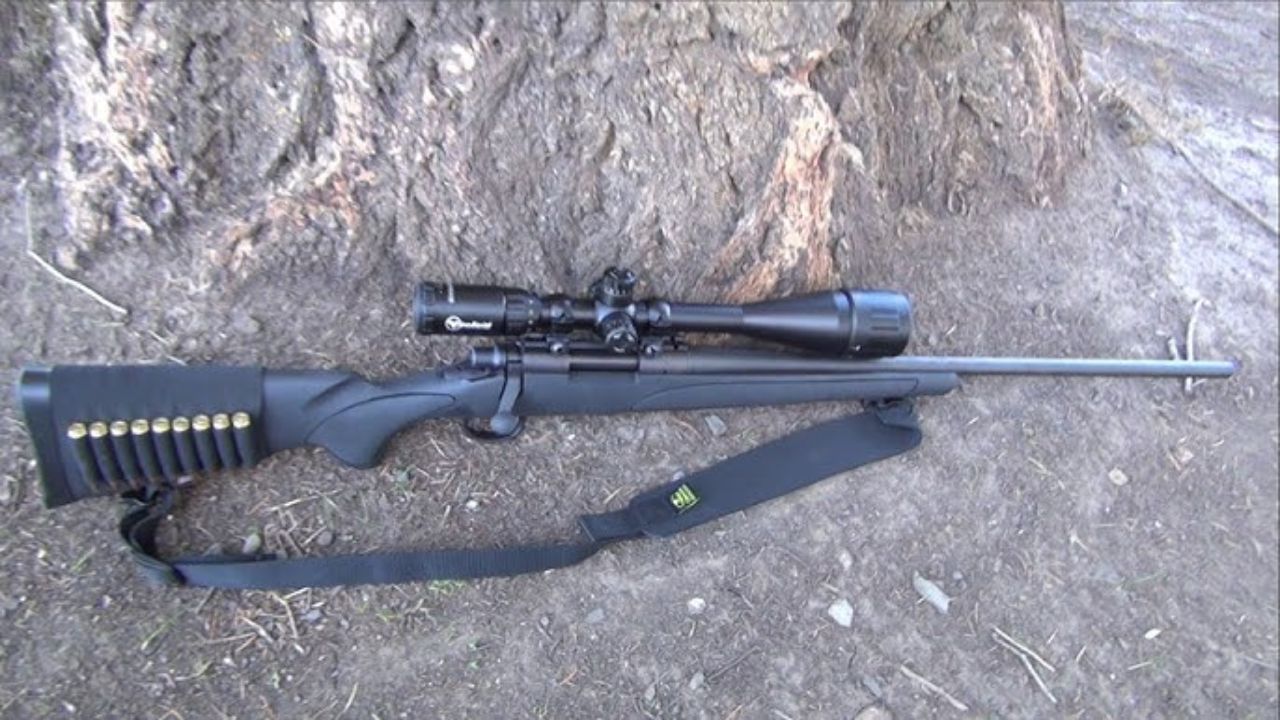
A 700 ADL can shoot a tidy group on a bench, then scatter when you shoot off a pack or load into a bipod. A lot of that comes down to a flexible factory stock and inconsistent barrel contact. On bags, the rifle is supported gently and consistently. In the field, you torque the stock, pull on a sling, or press into a rest, and the point of impact can move.
You’ll see it as “I don’t know why I can’t hit like I did at the range.” It’s not magic. It’s pressure and flex. The fix is to practice with the same kind of support you hunt with and pay attention to how the rifle reacts when you change contact points. A stiffer stock or better bedding usually turns these rifles into more honest performers.
Savage Axis II

The Axis II can shoot surprisingly well off a bench, especially when you find a load it likes. Then you shoot it sitting with shooting sticks or over a pack and the hits start wandering. The usual culprit is the stock. It can flex when you load into it, and that changes how the action and barrel are being supported.
On a bench, you’re often resting it softly and the recoil impulse is repeatable. In the field, you’re grabbing it harder, pulling into your shoulder differently, and changing the rest point. That’s where the Axis II can feel inconsistent even though the barrel is capable. If you want it to behave in field positions, you need consistency in support and often a stiffer stock that won’t change shape under pressure.
Ruger American Predator

A Ruger American Predator can print good groups off bags and still disappoint when you shoot from kneeling or prone off a bipod. The rifle is light, and the factory stock can be pressure-sensitive when you start loading it. That changes your point of impact and makes follow-through harder when you’re not anchored on a bench.
In field positions, light rifles expose your fundamentals because they move more under recoil. If you’re not locked in behind it, the gun bounces and your sight picture breaks. The Predator isn’t a bad rifle. It’s simply not forgiving when you change how it’s supported. Practice with your hunting pack, sticks, and sling, and you’ll learn where it wants to be held. Ignore that and you’ll keep wondering why it “only shoots on a bench.”
Tikka T3x Lite

The T3x Lite is accurate, but it’s also light and quick, which can hurt you in real positions. On a bench, the bags do the work and you can focus on a clean press. Offhand or kneeling, the rifle’s light weight means your wobble zone gets bigger, and that makes you rush shots. Recoil also moves the rifle more than a heavier gun, which breaks your follow-through.
It’s also easy to get lazy with cheek weld because the stock is comfortable. In the field, cheek weld changes with clothing, angle, and hurry. The rifle will still shoot, but you might not. This is a rifle that rewards position practice. If you only bench it, you’re not training the skill you actually need when it matters.
Winchester Model 70 Featherweight

A Featherweight can be a sweetheart on bags, then feel twitchy when you’re standing or shooting off sticks. The balance is built for carry, not stability. In field positions, that lighter front end can exaggerate muzzle movement and make you feel like you can’t settle the crosshairs.
Recoil management also changes when you’re not braced. A Featherweight in common hunting chamberings isn’t brutal, but it moves more, and movement makes you lose your sight picture and call shots poorly. The bench can trick you into thinking you’re “dialed,” then the field reminds you that balance matters. If you practice from sitting and kneeling, you’ll learn how to drive it. If you only shoot groups off bags, it can feel like the rifle let you down.
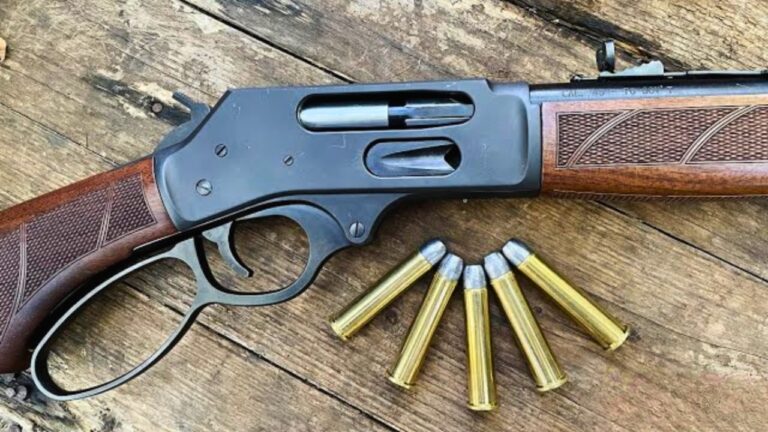
Marlin 1895 Guide Gun
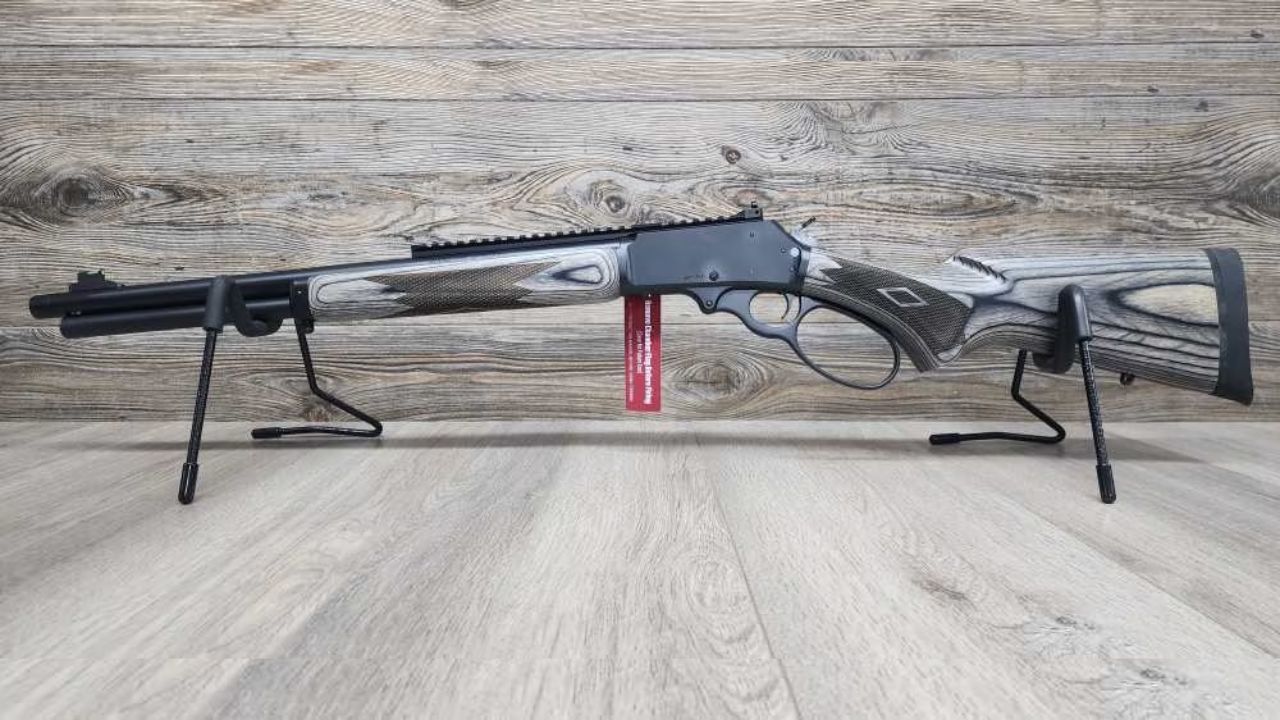
On a bench, a Guide Gun can shoot well enough, especially at hunting distances. In field positions, the recoil and quick handling can make your shot timing sloppy. The lever gun stock tends to move differently under recoil than a bolt gun, and if your shoulder position changes, your point of impact and your sight picture can change with it.
The other trap is how people rest a lever gun. Rest it on the barrel or magazine tube area over a pack or branch and you can change how it prints. On the bench you might have a consistent rest point. In the field, you’re improvising. If you don’t practice with the same type of rests you’ll actually use, this rifle can make you feel like your accuracy evaporated.
Winchester Model 94

A Trapper can look fine on a bench because you’re controlling the rifle and the rest point. In the field, it’s light, short, and easy to wobble. Your sight picture moves more, and the short sight radius with irons makes any mistake show up big on target.
The other issue is how you hold it. Sling tension, hand position, and where you rest the forend all change between positions. A bench session doesn’t expose that because you’re usually doing the same thing every shot. In the field, you might jam it against a tree or rest it over a pack in a way that changes how the barrel and tube interact. It’s a classic hunting rifle, but it demands practice from real positions if you want the field to match the bench.
WASR-10
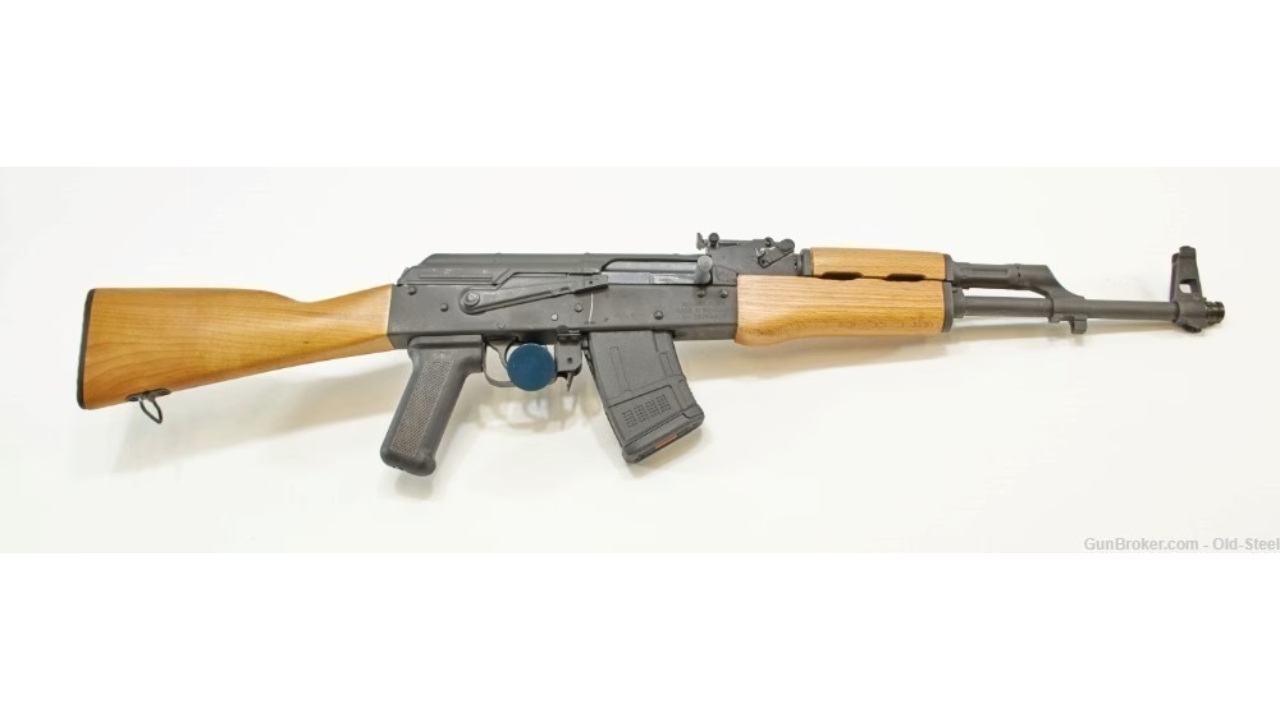
A WASR-10 can look decent on a bench at realistic distances, especially with a stable support and a consistent grip. In field positions, the sights, trigger feel, and balance can make it harder to shoot clean. Your wobble zone expands, and the trigger press that felt fine from bags starts turning into a yank when you’re standing.
Optics setups can add another issue. If you’re using a side mount that isn’t perfectly repeatable, you can get small shifts that don’t show up on the bench but matter when you’re shooting offhand at smaller targets. The rifle runs, but shooting it well takes practice. If your only feedback is a bench group, you might think you’ve got it solved. Then you go to field positions and realize you haven’t trained the hard part.
M1A Standard
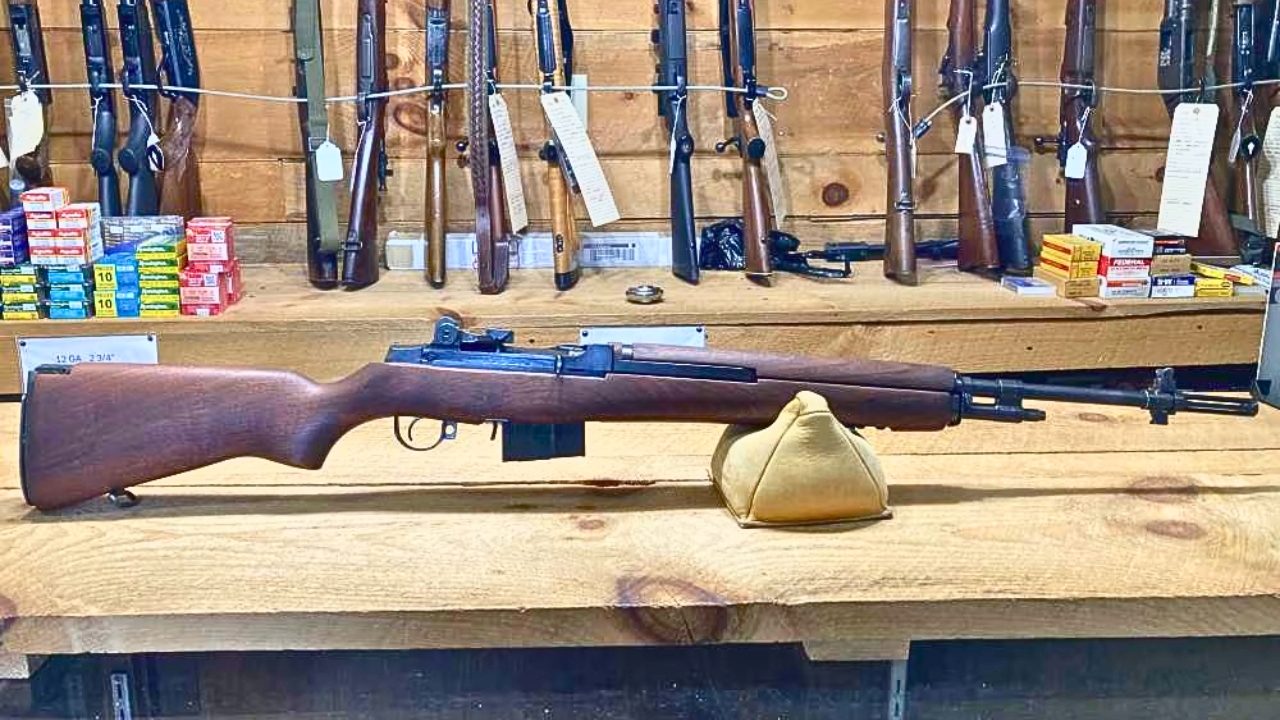
An M1A can shoot well from a bench, but it can be harder to run cleanly in field positions than people expect. The weight helps stability, but the length and balance can make it awkward offhand. Sling use and body position matter a lot, and small changes in how you lock in can change how the rifle behaves.
The other reality is the trigger control under stress. A bench lets you settle and press. In a kneeling or sitting position, you might be fighting the rifle’s balance and your own breathing. That’s where good shooters start “steering” the rifle. The M1A rewards a consistent position and sling technique. If you don’t practice that, your bench confidence won’t travel with you.
Ruger 10/22 Carbine
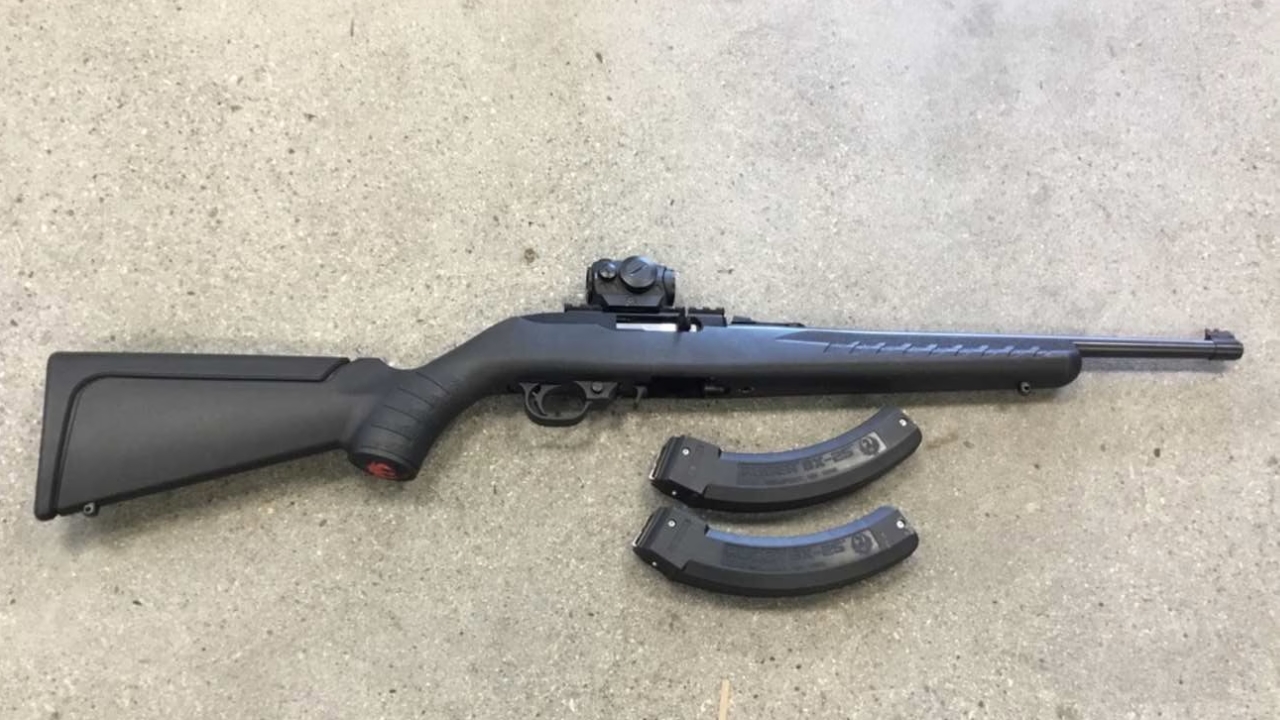
A 10/22 carbine can stack rounds on a bench, then open up when you shoot from improvised rests. The barrel band and stock pressure can make point of impact sensitive to how you hold and rest the rifle. On a bench, the pressure is usually consistent. In the field, it isn’t.
Field positions also expose how light .22 rifles are. Your wobble zone can be bigger than you think, and if you rush the trigger because the sights won’t settle, you’ll miss small targets that you “never miss” from the bench. The fix is learning where the rifle likes to be supported and keeping it consistent. If you rest it differently every time, you’ll keep getting different results and blame the gun.
CZ 527 Carbine

The CZ 527 Carbine can be very accurate, but the short, light format can feel twitchy in field positions. On a bench, you can take advantage of its accuracy and crisp trigger. Offhand, the light front end and compact length can make the sights move more than you want, especially if you’re shooting in wind or awkward terrain.
The set trigger can also be a trap if you only use it on the bench. In the field, you might not use it the same way, and your trigger feel changes. That can make your shots break differently than you’re used to. The rifle isn’t falling apart. You’re changing the interface. If you practice with the exact trigger mode and positions you’ll hunt with, it stays honest. If you don’t, it can surprise you.
Ruger Scout Rifle (Gunsite Scout)

The Gunsite Scout can shoot well on a bench, but its handling-focused design can make it tougher in certain field positions. The forward optic setup and quick balance can tempt you to shoot faster than you should, and fast shooting hides sloppy fundamentals until you’re not supported by bags.
The short length and light weight also mean it moves more with your breathing and pulse. On a bench, you don’t notice. Offhand or kneeling, you do. Add a sling and you can change how the rifle settles depending on tension. The Scout is meant to be shot from field positions, but it demands you actually practice those positions. If you don’t, it’s easy to blame the rifle when the real issue is that your bench habits aren’t field habits.
Remington 742 Woodsmaster

A 742 can shoot “good enough” on a bench for typical deer distances, especially if you keep the cadence slow. In field positions, the trigger feel and balance can make it harder to hold steady and press cleanly. Semi-autos also encourage people to shoot faster than they should, and that’s where accuracy falls apart.
The rifle’s design is also more sensitive to how you’re supporting it than a modern free-floated bolt gun. On a bench, you’ve got control. In the field, you’re bracing on trees, packs, rails, and odd angles. That changes everything. A 742 can still be a useful hunting rifle, but it can make you look sloppy if you treat it like a precision setup and don’t practice with real-world rests.
Ruger Precision Rifle

A Ruger Precision Rifle can be a hammer on a bench, then feel awkward in true hunting field positions. It’s heavy, long, and built around prone or supported shooting. That’s great when you can go prone with a bipod. It’s not great when you’re standing in brush, kneeling behind a stump, or shooting off sticks.
The weight helps stability, but it also makes it harder to get into position quickly without wobble. The ergonomics are built for slow, deliberate work, not snap shots. If you only judge it by bench groups, you’ll think you’re unstoppable. Then the field reminds you that a rifle that shines in one shooting environment can be clumsy in another. It’s not a failure of accuracy—it’s a mismatch of role and reality.
Like The Avid Outdoorsman’s content? Subscribe to our newsletter so you never miss an article.
Here’s more from us: