Photo credit: GunBroker
Some rifles develop loyal followings strong enough that criticism barely gets through. If the gun jams, it needs different ammunition. If the trigger is rough, you just need to learn it. If the magazine is finicky, you loaded it wrong. Eventually, though, a pattern of excuses starts telling you something.
That does not mean every rifle below is junk. Several are accurate, historically important, or genuinely fun to shoot. The problem is that each comes with drawbacks owners frequently minimize because they like the platform. A rifle can be interesting and still be frustrating. These 20 have enough recurring complaints that buyers should know what they are getting into before joining the fan club.
KelTec RDB
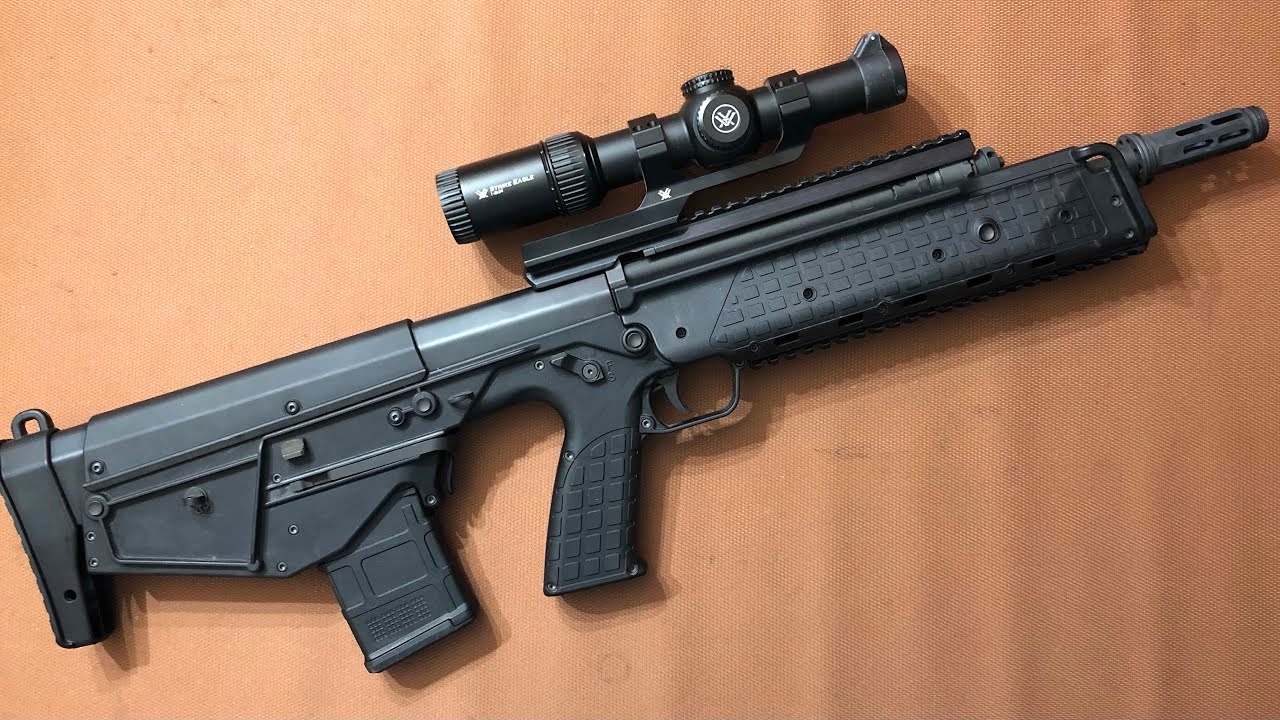
The RDB has one of the smarter bullpup layouts on the market. Downward ejection makes it genuinely ambidextrous, the overall length stays compact, and the rifle offers a lot of capability without becoming as expensive as many imported bullpups.
The downside is that owners often have to learn the rifle rather than simply shoot it. Gas adjustment can take experimentation, the internal layout is less intuitive than an AR, and clearing certain malfunctions is not as straightforward as it should be. Fans will point out that the rifle runs well once properly tuned. That may be true, but a defensive or general-purpose rifle should not require a long orientation period just to reach basic reliability.
Springfield Armory M1A SOCOM 16
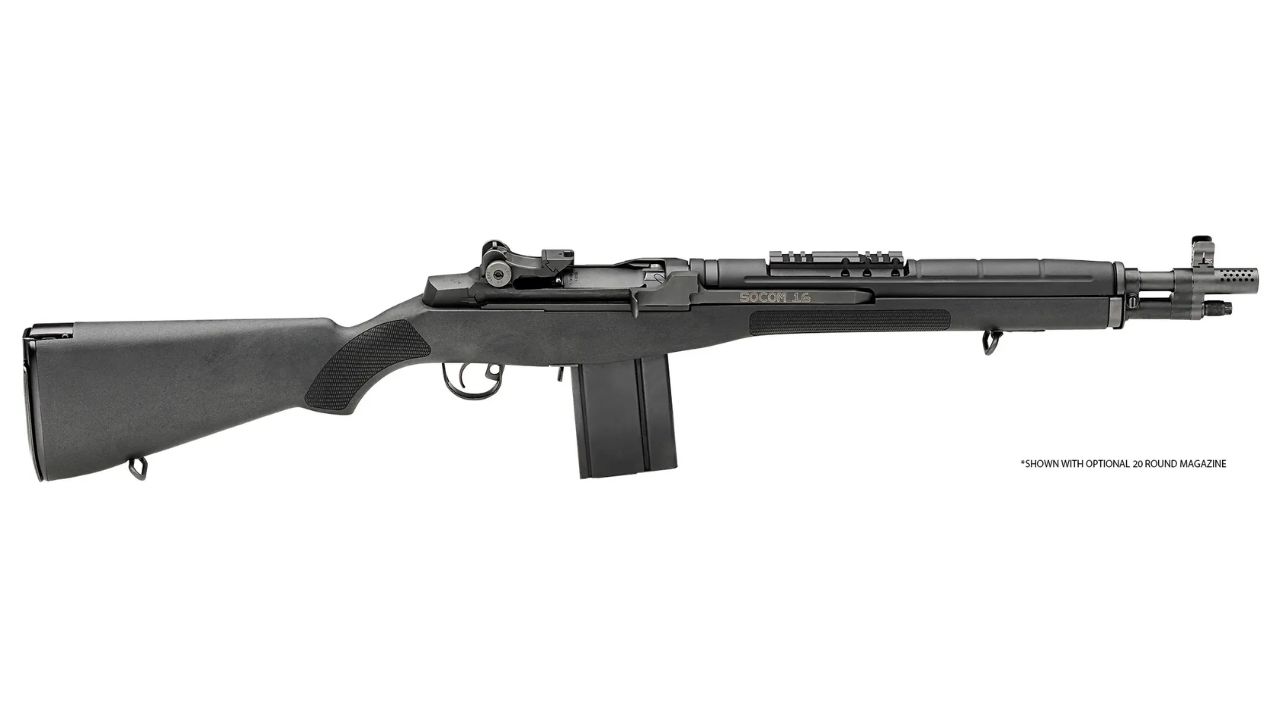
The SOCOM 16 looks fantastic and has tremendous appeal if you like the M14 platform. The short barrel makes it handier than a full-size M1A, and the rifle has enough weight to make .308 recoil manageable.
The complaints start with everything surrounding that core experience. It is still heavy for its length, mounting optics can become a project, magazines are expensive, and accuracy may not match what buyers expect from a premium .308 semiautomatic. Owners often respond that you do not buy an M1A to compete with modern rifles. Fair enough, but that is also an admission that nostalgia is doing a lot of the work.
Ruger Mini-30

The Mini-30 gives shooters a traditional-looking semiautomatic rifle chambered in 7.62×39 without the appearance or controls of an AK. It is handy, reliable with the right ammunition, and built around Ruger’s familiar Mini action.
The phrase “with the right ammunition” is where the trouble starts. Some examples have had issues with harder primers found in certain imported ammunition, and accuracy can vary more than owners like to admit. Factory magazines are also the safest bet, which limits cheap magazine options. The rifle can be excellent within its lane, but it asks for more selectivity than many buyers expect from a 7.62×39 carbine.
Remington Model 742 Woodsmaster

The 742 has put a lot of venison in freezers, especially in parts of the country where semiautomatic deer rifles became deeply rooted in hunting culture. The slim profile and fast follow-up shots make the concept easy to understand.
The problem is that the design can wear internally in ways that turn an old rifle into a headache. Chamber cleanliness matters, extraction can become troublesome, and badly worn receiver rails are not something you fix with a different magazine. Owners often keep them going because of family history or familiarity, which is understandable. But buying one used without carefully checking condition can turn nostalgia into a repair project very quickly.
Browning BAR Safari
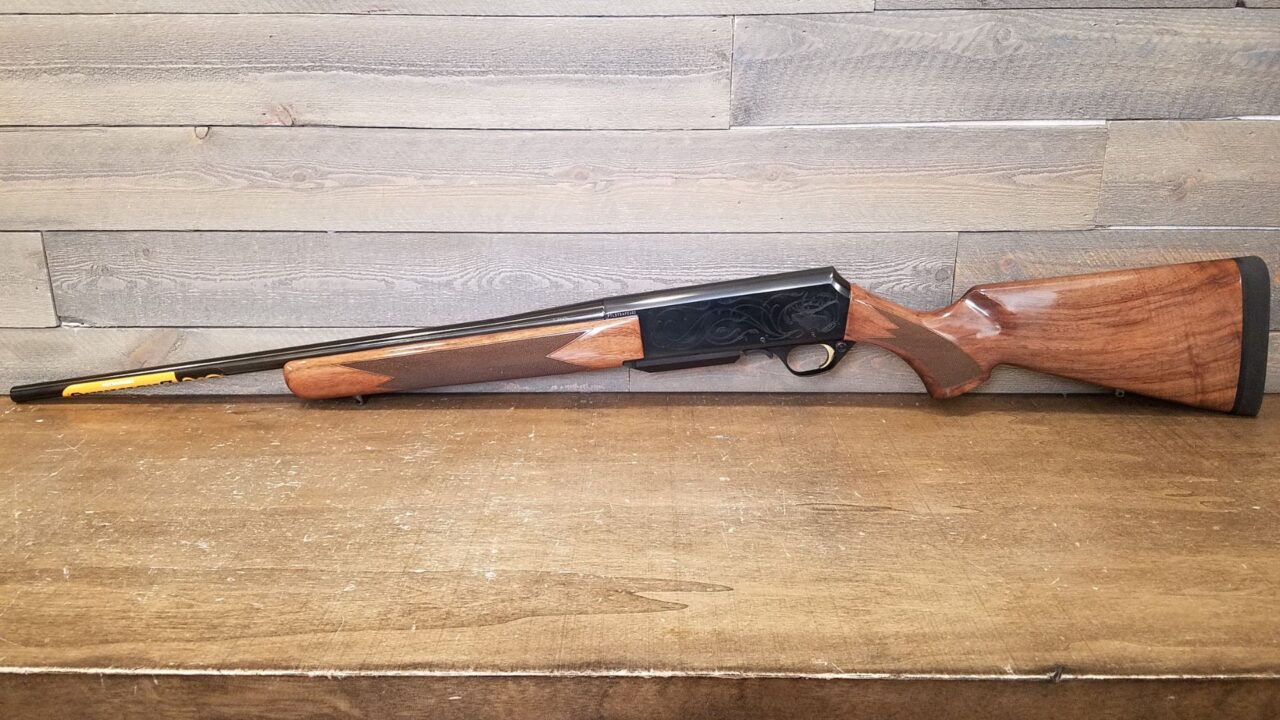
The BAR Safari is beautiful, soft shooting, and one of the classiest semiautomatic hunting rifles ever made. It also carries enough weight to tame serious hunting cartridges very effectively.
That same complexity is where owners sometimes understate the downside. The gas system and internal parts require more maintenance awareness than a bolt gun, and complete disassembly is not something many owners want to do casually. A neglected BAR can become far more troublesome than a neglected turn-bolt rifle. The gun is excellent when maintained properly, but “properly maintained” means more here than wiping down the exterior after deer season.
Century Arms C308
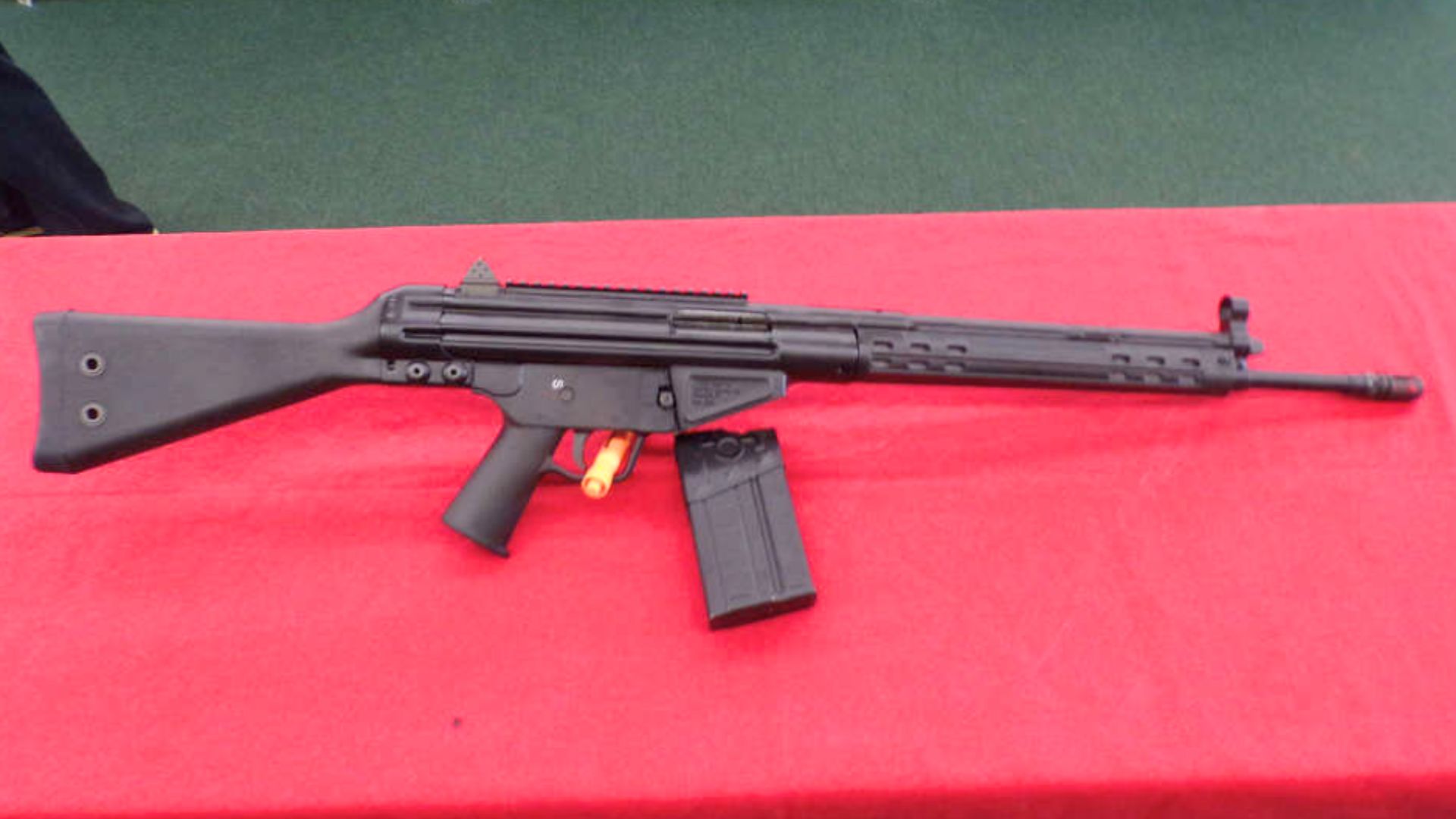
The C308 gave shooters an affordable path into the roller-delayed .308 world and visually captures much of the appeal of the classic G3 pattern. It is rugged-looking, powerful, and genuinely fun when everything is sorted.
The problem is assembly consistency. Century-built rifles have long carried the baggage of variable quality control, and the C308 is no exception. Bolt gap, magazine fit, sights, and general assembly quality deserve attention on any used example. Owners with good rifles often defend the entire model based on their sample. That is exactly the problem: one good example does not erase the fact that buying one can require more inspection than it should.
PTR 91 GI

The PTR 91 GI is a much better-executed G3-style rifle than many bargain alternatives, but it still inherits the compromises of the platform. The roller-delayed action is robust and the rifle has a strong military pedigree.
It is also heavy, the charging handle is awkward compared with modern controls, recoil can feel sharper than expected, and spent brass gets treated brutally. Mounting optics and modernizing the rifle can also become expensive. Owners often answer that these traits are simply part of the G3 experience. They are right, but “part of the experience” is another way of saying you are voluntarily accepting decades-old ergonomics.
IWI Tavor SAR

The original Tavor SAR is compact and reliable, which is why it developed such a loyal following. You get a full-length barrel in a very short package, and the rifle handles confined spaces exceptionally well.
The trigger is the obvious weakness. It is heavy and mushy compared with almost any decent AR trigger, and the bullpup layout also puts more weight toward the rear. Aftermarket triggers help, but that means spending more money to correct something buyers notice immediately. Owners often say the trigger does not matter on a combat rifle. Maybe not, but when a rifle this expensive has one of the least enjoyable triggers in its class, it is hard to ignore.
Desert Tech MDRX

The MDRX is ambitious. It offers a compact bullpup layout, caliber-conversion capability, forward or side ejection depending on setup, and a level of modularity that few rifles attempt.
The downside is that ambition brings complexity. The platform has gone through revisions, reliability discussions, ejection-system complaints, and user frustration over tuning and setup. Owners with well-sorted rifles can be fiercely loyal because the concept is so attractive. But a rifle that requires repeated generations of refinement deserves scrutiny. Complexity is only a virtue when it produces a more trouble-free rifle, not when it gives you more systems to diagnose.
FN FS2000
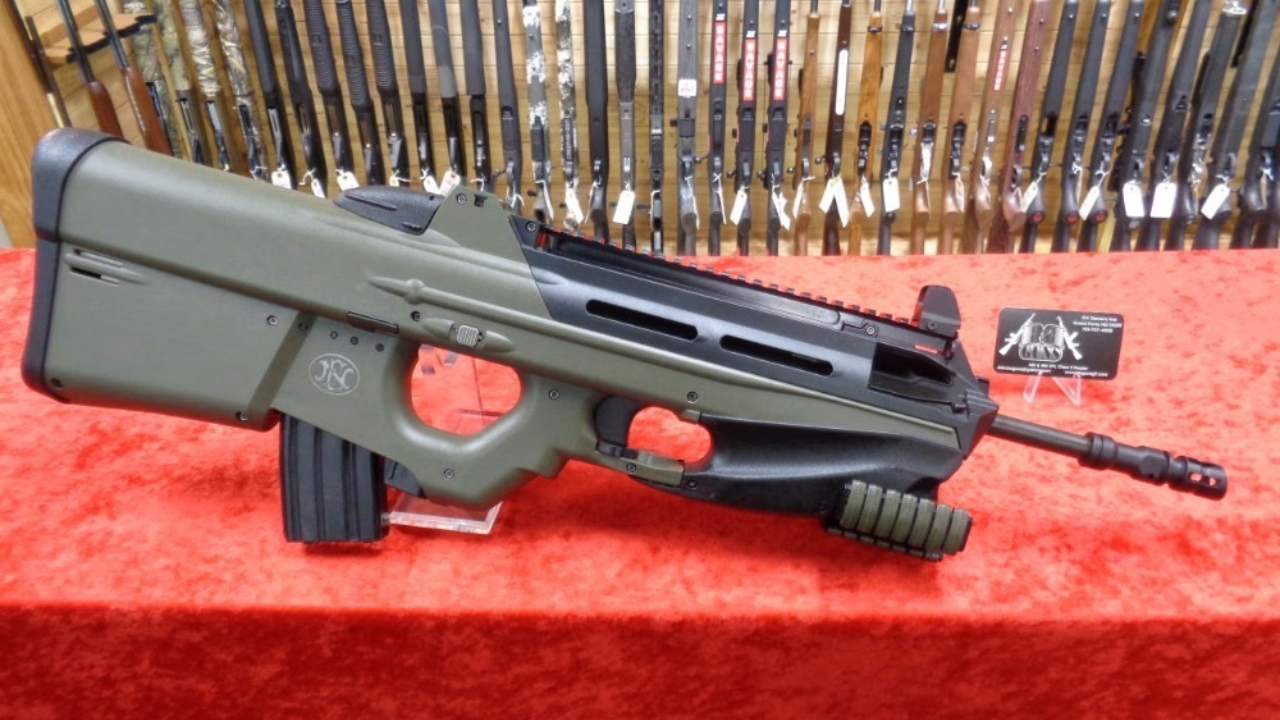
The FS2000 is one of the most distinctive bullpups ever sold commercially. Its forward-ejection system, smooth exterior, and futuristic layout make it instantly recognizable.
It is also awkward to maintain, unusual internally, and dependent on proprietary parts that are increasingly difficult to replace. The enclosed action keeps debris out but also makes certain problems less intuitive to diagnose. Owners often defend these quirks because there is nothing else quite like it. That is true, but scarcity and uniqueness do not make ownership easier. Today, every broken proprietary component matters much more than it did when the rifle was still supported.
Bushmaster ACR
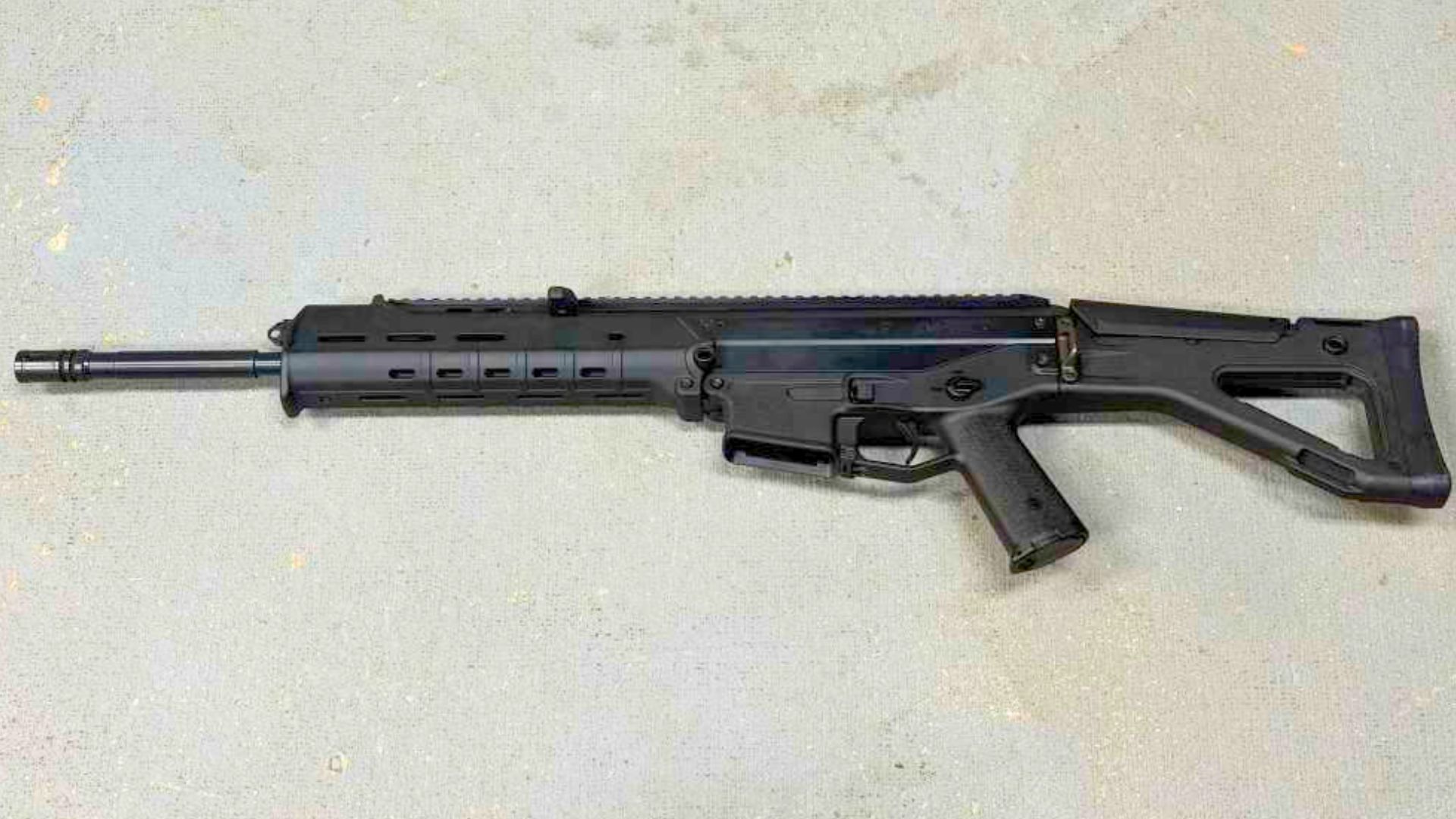
The ACR arrived with enormous expectations. Quick-change barrels, folding stocks, modular controls, and a modern piston system made it look like the rifle that would push the AR platform aside.
Instead, weight and cost kept dragging the design down. The promised ecosystem never developed to the extent buyers expected, and the rifle became heavy once accessories were added. Owners often point out how smooth and solid the platform feels, and they are right. But a modular rifle without a huge supply of modules loses much of the advantage. The ACR ended up being far more impressive as a concept than as an ecosystem.
SIG Sauer 556
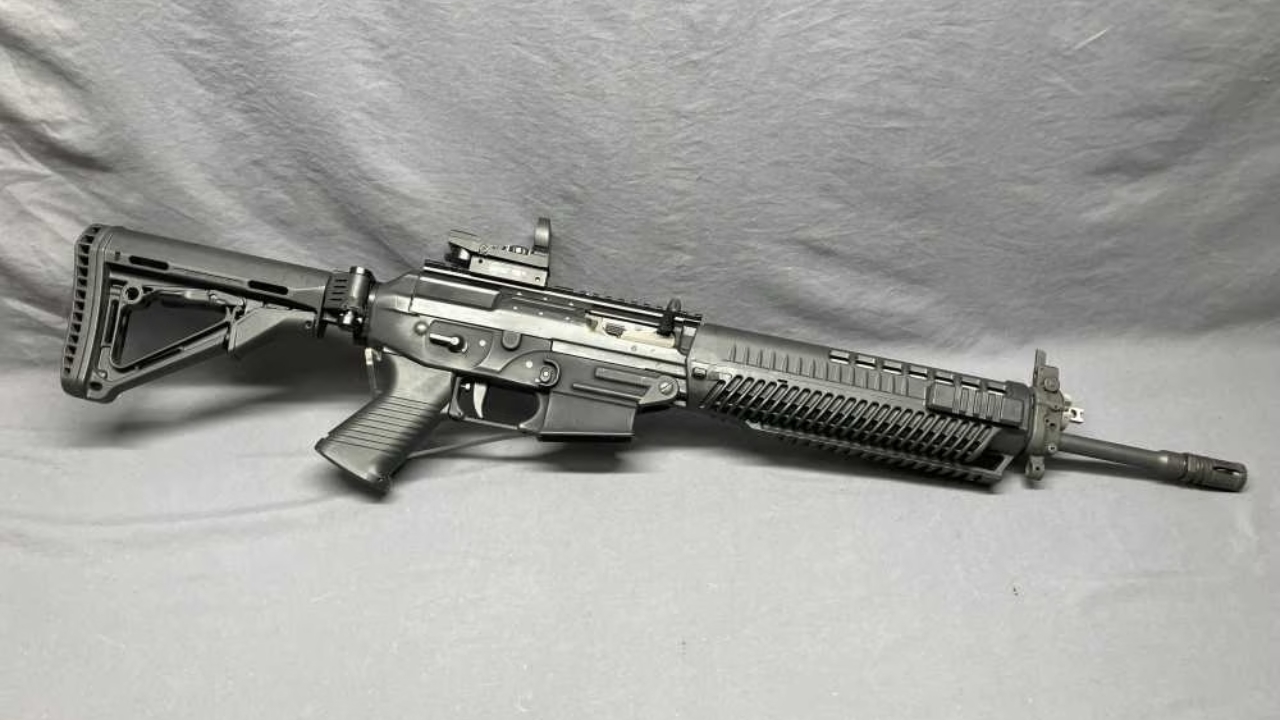
The SIG 556 brought elements of the Swiss 550-series design to American shooters at a much more attainable price than an imported Swiss rifle. The piston system is robust, and the rifle has a distinctive feel that separates it from the endless AR market.
The Americanized execution is where complaints start. Different generations used different furniture, rails, stocks, and configurations, and some owners never felt the 556 captured the refinement of the rifles that inspired it. It is also heavier than a comparable AR and no longer enjoys current-production support. Fans love them, but ownership today increasingly means accepting a shrinking parts supply.
FN SCAR 17S
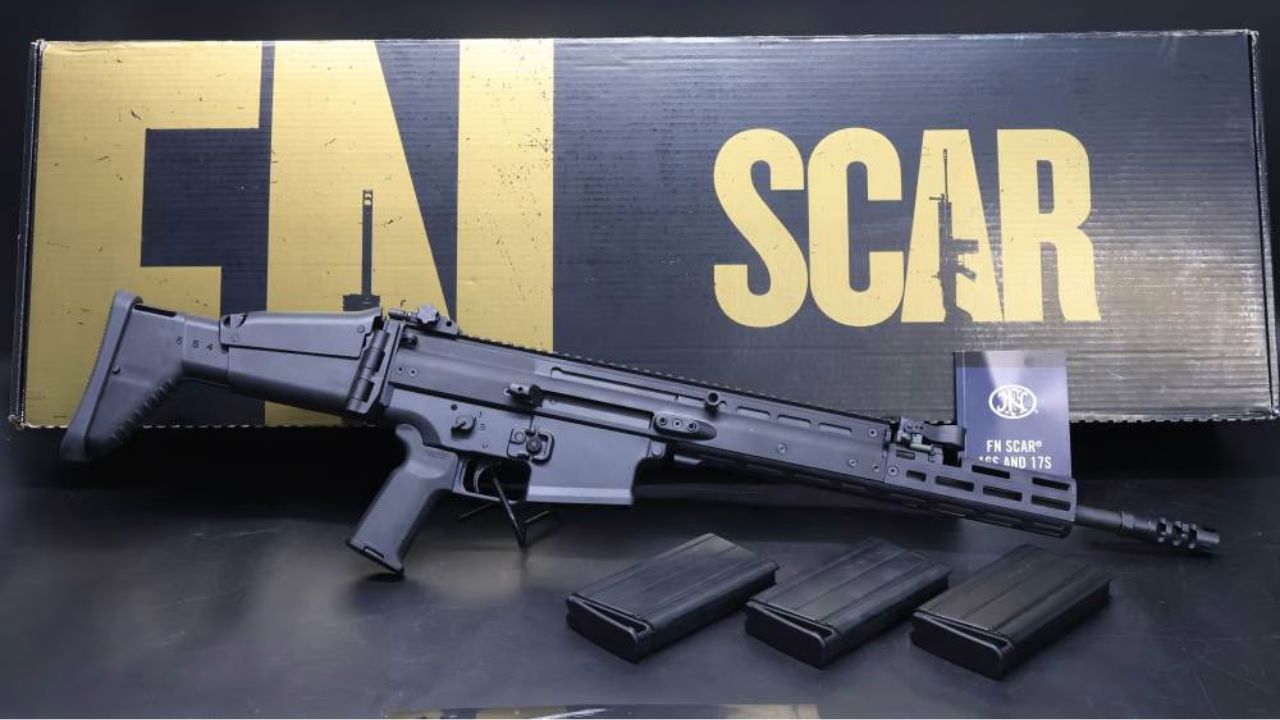
The SCAR 17S is light for a .308 battle rifle, reliable, and genuinely excellent to shoot. It earned its reputation for a reason.
The problem is the price of admission and everything surrounding it. Magazines and parts are expensive, the reciprocating charging handle on earlier versions annoyed plenty of shooters, and the rifle has a reputation for being hard on some optics setups. Owners often argue that the rifle’s reliability makes the cost irrelevant. That argument works until you realize how many excellent .308 semiautos now exist for substantially less money. The SCAR is good. The excuses usually start when someone asks whether it is good enough to justify the premium.
HK SL8
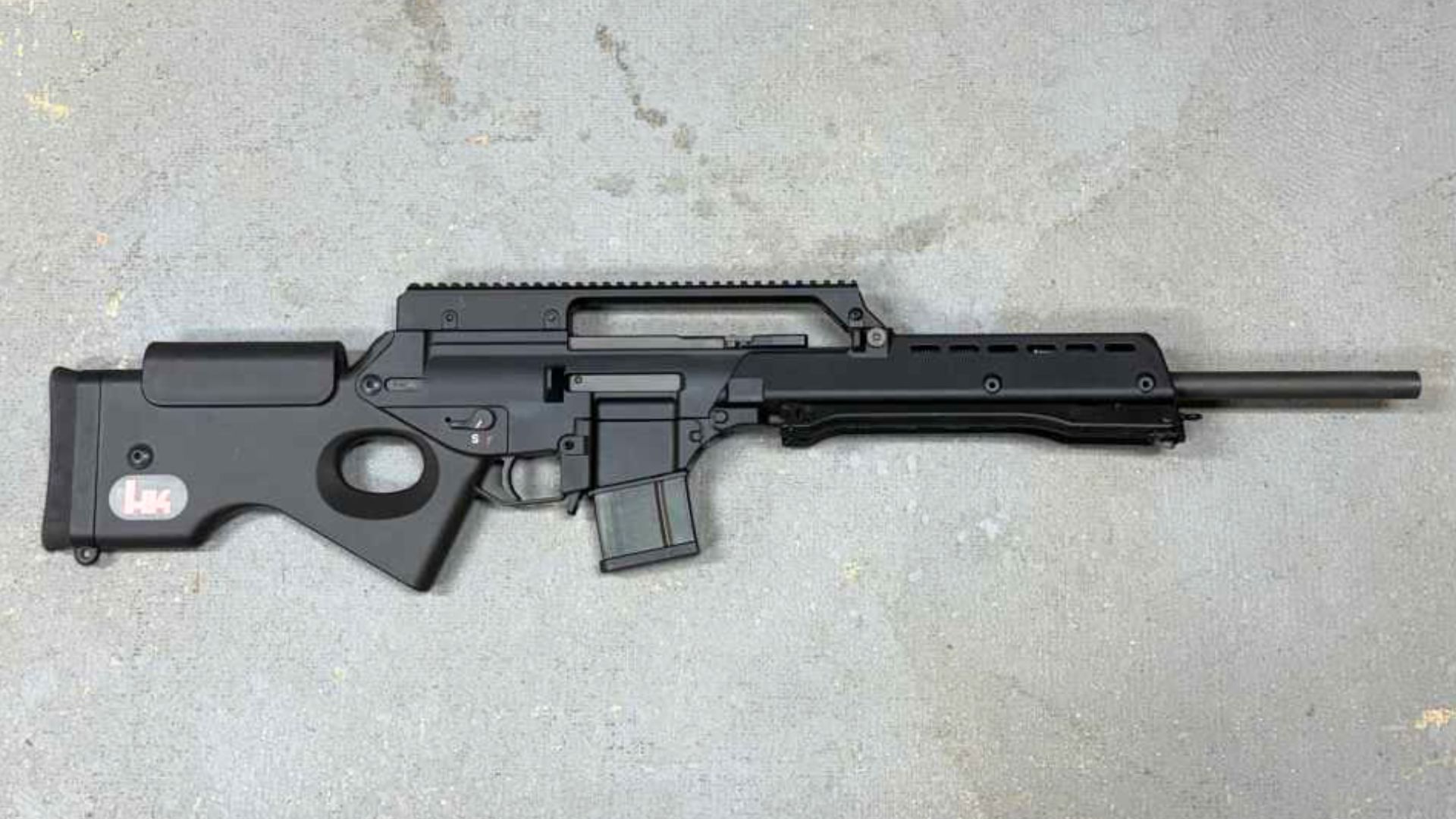
The SL8 is mechanically related to the G36, which immediately makes it interesting. The polymer receiver, rotating bolt, and German manufacturing give the rifle plenty of engineering appeal.
Then you deal with the civilian configuration. The stock is awkward, magazine compatibility is limiting in original form, and many owners immediately start thinking about expensive conversions. That means the rifle often becomes a project before it becomes a favorite. Fans defend it as the closest practical path into G36 ownership. That may be true, but buying a rifle largely because you want to turn it into something else is already a warning sign.
KelTec SU-16
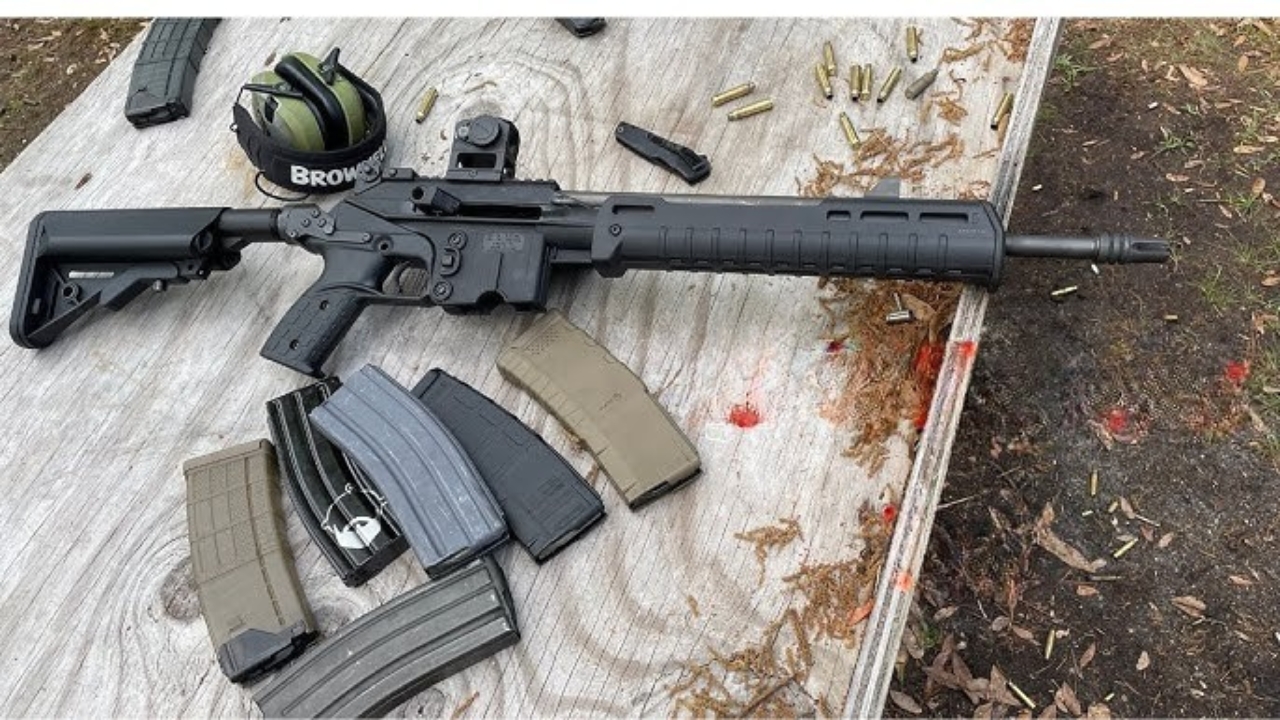
The SU-16 is incredibly light, folds for storage, accepts common magazines, and offers features that make it look like an ideal truck or backpack rifle.
The concern is durability. The lightweight construction that makes the rifle easy to carry also creates a different level of confidence than a conventional aluminum-receiver AR. Some owners run them for years without trouble, while others remain wary of high-volume use and hard handling. The usual defense is that the SU-16 was never intended to be a battle rifle. That is fair, but it also limits the scenarios where its advantages outweigh the concerns.
Remington Model 522 Viper

The Viper was lightweight, inexpensive, and intended to give Remington a modern semiautomatic .22. The problem was reliability and magazine quality. Feeding complaints became part of the rifle’s identity, and its polymer-heavy construction never inspired the same affection as Remington’s older rimfires. Owners with good examples will tell you theirs runs perfectly. Again, that is not much comfort when the model’s reputation says your experience may depend heavily on the individual rifle.
Winchester Model 100
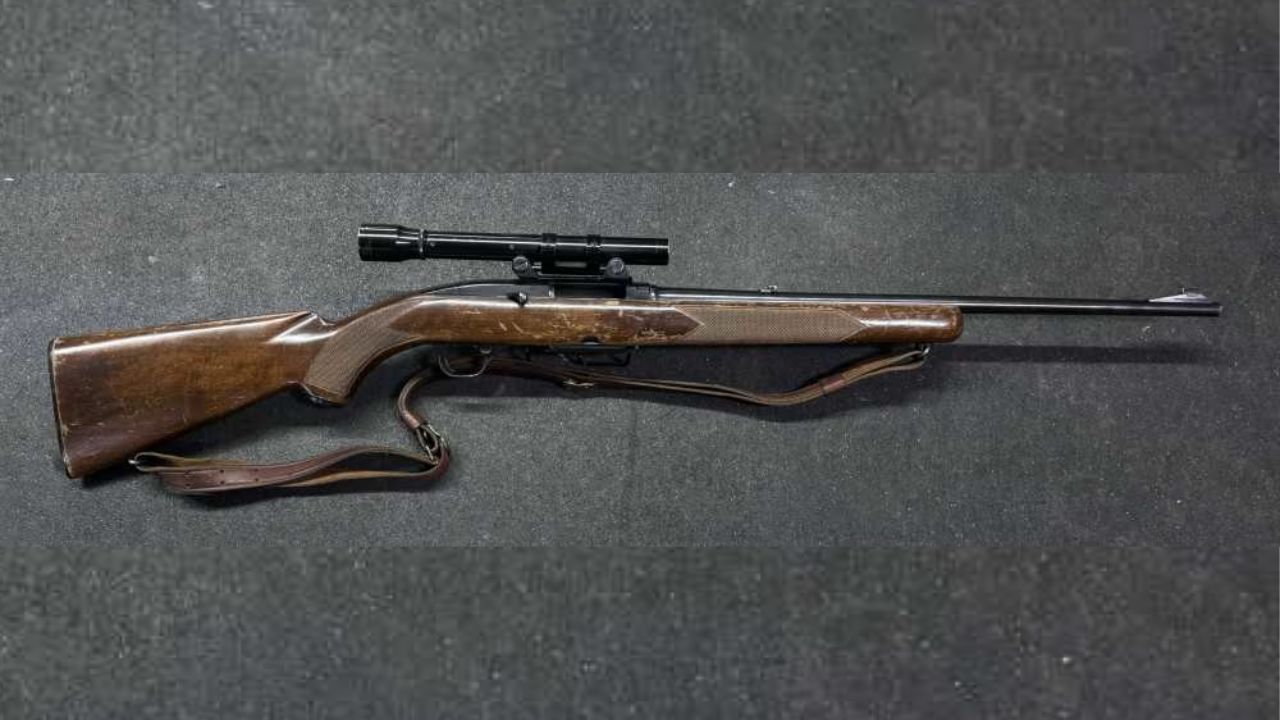
The Model 100 is attractive, light enough for hunting, and historically interesting as one of Winchester’s classic semiautomatic sporting rifles. It handles more gracefully than many later autoloaders.
It also carries baggage. The firing-pin recall is part of the model’s history, and old rifles can require careful inspection before use. Magazines are not something you casually replace at any gun shop, and age-related parts issues matter more every year. Owners often keep them because they are elegant and nostalgic. That makes sense. Buying one as a no-drama hunting rifle today is a different proposition.
Ruger No. 1
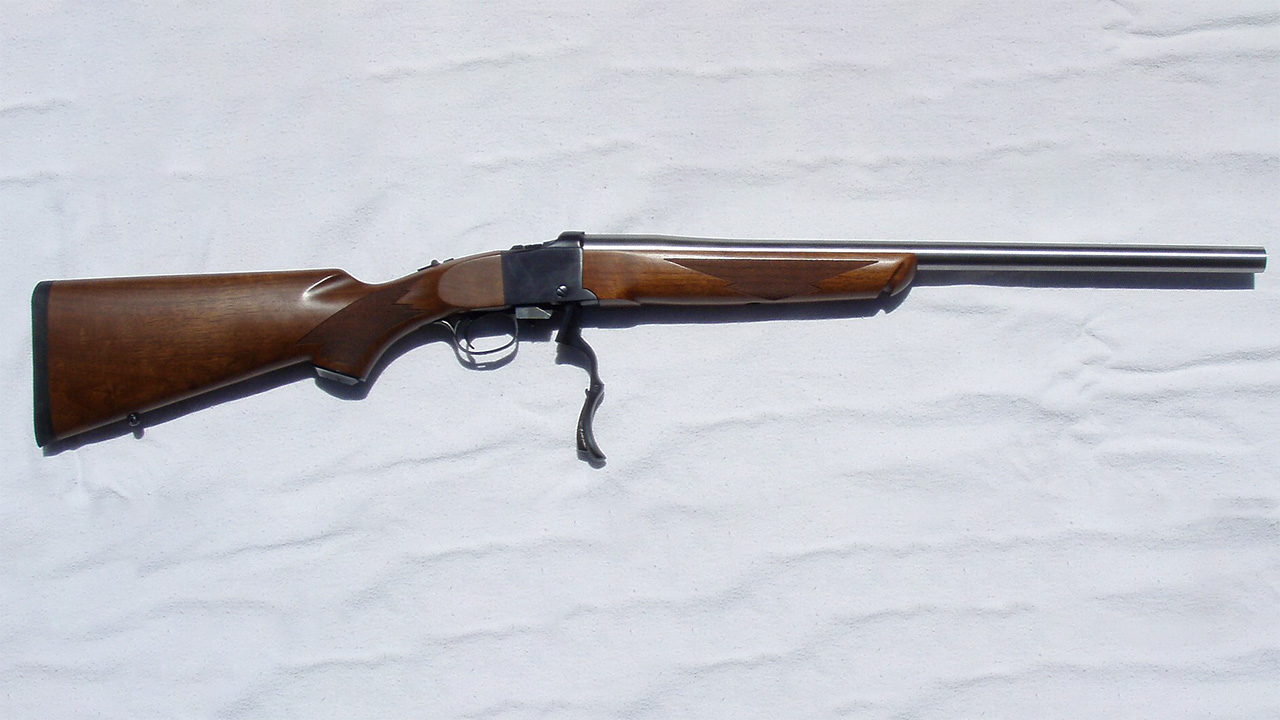
The No. 1 is beautifully made, extremely strong, and one of the most distinctive production single-shot rifles ever built. There is a reason people collect them.
Accuracy consistency is the issue owners do not always like discussing. Some No. 1 rifles shoot exceptionally well, while others can be frustratingly sensitive to fore-end pressure, ammunition, and barrel harmonics. Enthusiasts have developed all kinds of tricks for getting stubborn examples to shoot. That expertise is admirable, but it also proves the point. A premium single-shot rifle should not require a folklore manual to produce the accuracy its appearance promises.
Benelli R1
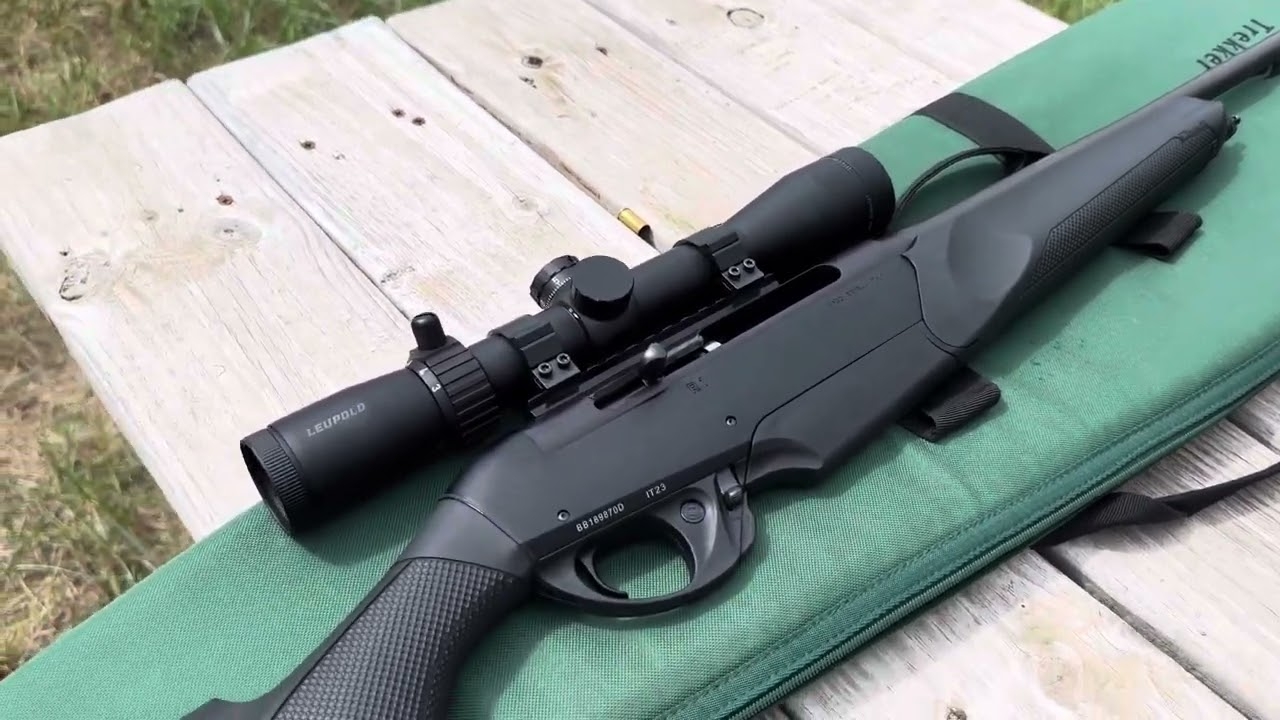
The R1 gives hunters semiautomatic speed in a sleek European package and uses Benelli’s engineering to keep recoil relatively manageable. It is attractive and pleasant to shoot.
The downside is that the rifle is mechanically complex, not especially light, and far less common than mainstream bolt-action hunting rifles. Magazines and certain parts are not cheap, and the platform offers little advantage to hunters who rarely need an immediate follow-up shot. Owners often defend the gun by pointing to its uniqueness and soft recoil. Those are real strengths, but they do not erase the fact that a good bolt rifle is easier to support and maintain.
Winchester Wildcat

The Wildcat is light, inexpensive, and cleverly designed for easy cleaning. Its compatibility with widely available 10/22-pattern magazines is a genuinely smart feature.
The problem is how aggressively weight and cost were removed. The rifle can feel almost toy-like next to more substantial rimfires, and some owners dislike the amount of polymer throughout the design. Fans correctly argue that a .22 does not need to be heavy to work well. True, but perceived quality still matters. The Wildcat functions, yet many owners spend more time explaining why the cheap feel does not matter than praising how satisfying the rifle is to own.
Like The Avid Outdoorsman’s content? Subscribe to our newsletter so you never miss an article.
Here’s more from us: