Photo credit: Jordi Mora/Shutterstock.com
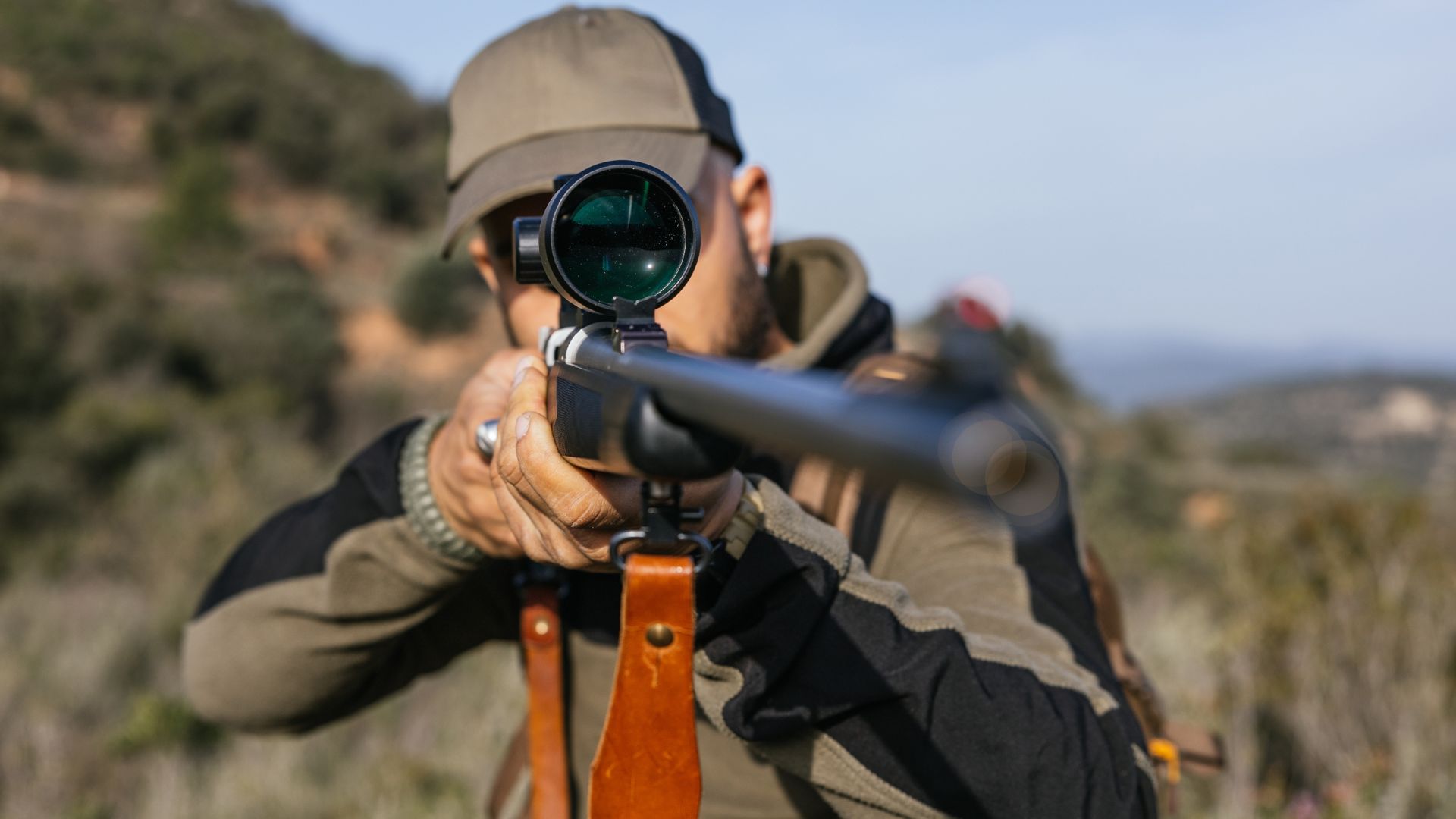
When you’re sighted in and sending your first few shots downrange, everything feels squared away. But then the groups start stretching, inching their way out of the bullseye, and you’re left wondering if your scope slipped or if your zero was off. Odds are, it’s neither. Some rifles—especially lighter-barreled or mass-produced hunting rigs—struggle once they warm up. Heat changes barrel harmonics, pressure points, and point of impact. It’s not always something you’ll notice in a cold bore check or one-shot-at-a-time hunting scenario, but if you’re at the bench or working up loads, the shift becomes real. Here’s a closer look at the rifles that tend to wander when things heat up.
Browning AB3

The Browning AB3 has clean lines and a smooth bolt, but accuracy can start slipping when the barrel heats up. That sporter profile gets hot fast, especially in calibers like .30-06 or 7mm Rem Mag. After three or four shots, you’ll notice vertical stringing or shots walking across the paper.
The injection-molded stock isn’t glass-bedded, and pressure points along the barrel channel can show up once everything expands. It’s a fine cold-bore hunting rifle, but if you’re punching paper or trying to zero quickly, you might end up chasing the group instead of tightening it.
Tikka T3 Lite

Tikka rifles are known for great triggers and cold-bore precision. But the T3 Lite models—with those skinny barrels and featherweight synthetic stocks—don’t always handle heat gracefully. Once things warm up, groups can stretch wider than you’d expect.
Some folks notice the POI shift creeping up with every round, even when the fundamentals are spot-on. A barrel swap or a heavier contour helps, but the T3 Lite was built with portability in mind, not high-volume consistency. If you’re dialing in loads or training, it may start to wander.
Remington 783

The Remington 783 was supposed to be the better follow-up to the 770, but some of the same problems still show up. The barrel profile is thin, and the synthetic stock lacks proper bedding. Once you heat things up, accuracy gets harder to hang onto.
You’ll see groups start tight, then open up with every passing round. For hunters taking one or two cold shots, it’s manageable. But for paper punching or load testing, you’ll be waiting on the barrel to cool if you want to stay centered.
Rossi R95

The R95 lever-action .30-30 shoots well for what it is, but it’s not a fan of sustained fire. The barrel heats fast, and with lever guns lacking free-floating or bedding, the heat shifts impact fast. You’ll notice it if you run a few rounds quickly from the bench.
The traditional design and wood fore-end transfer heat directly into your support hand and mess with barrel harmonics. Most owners won’t notice it on a deer hunt, but if you’re target shooting or burning through ammo, expect to chase your zero as the barrel warms.
Savage 11 Trophy Hunter XP
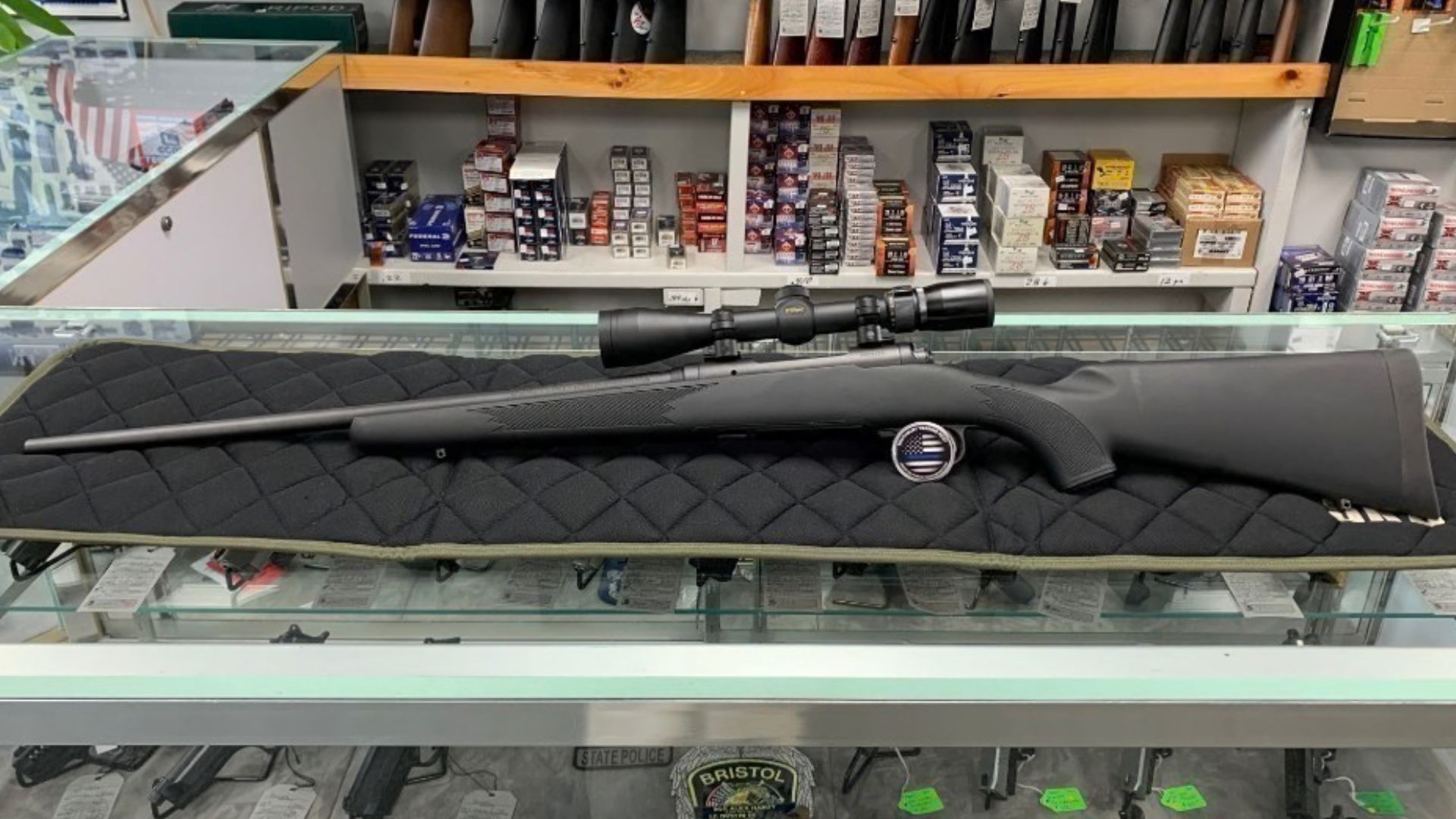
Out of the box, the Savage 11 Trophy Hunter XP performs well for its price. But once you get past three or four rounds in a string, you may start to see wandering shots. The light barrel and synthetic stock aren’t set up to handle heat well.
Even with a decent trigger and glass, the bedding is minimal, and that allows movement when the barrel expands. If you take your time and let it cool, it’ll group fine—but if you try to run it like a range gun, expect to see those holes drift away from center.
Marlin XS7

The Marlin XS7 earned a following as a surprisingly accurate budget rifle. But like many in its price range, heat management wasn’t one of its strengths. The sporter barrel heats quickly, and once it does, your shots start wandering more than you’d like.
There’s no bedding, and the stock can warp slightly under heat and pressure. It’s not a huge issue for cold-bore hunters, but if you’re sighting in or doing serious group testing, you’ll notice that first group is usually the best one—and the rest drift off target.
Ruger American Ranch (Gen 1)

The original Ruger American Ranch rifles, especially in calibers like .300 Blackout or 5.56, came with pencil-thin barrels and minimal heat tolerance. The short barrels heat fast, and the polymer stocks don’t always keep pressure off the barrel consistently.
After a few rounds, POI starts shifting noticeably, even with match ammo. Ruger has made improvements in newer generations, but the early Ranch models still suffer when pushed past a few rounds. It’s great for truck use or varmints—but don’t expect it to hold tight over 10 rounds.
CZ 527 Carbine
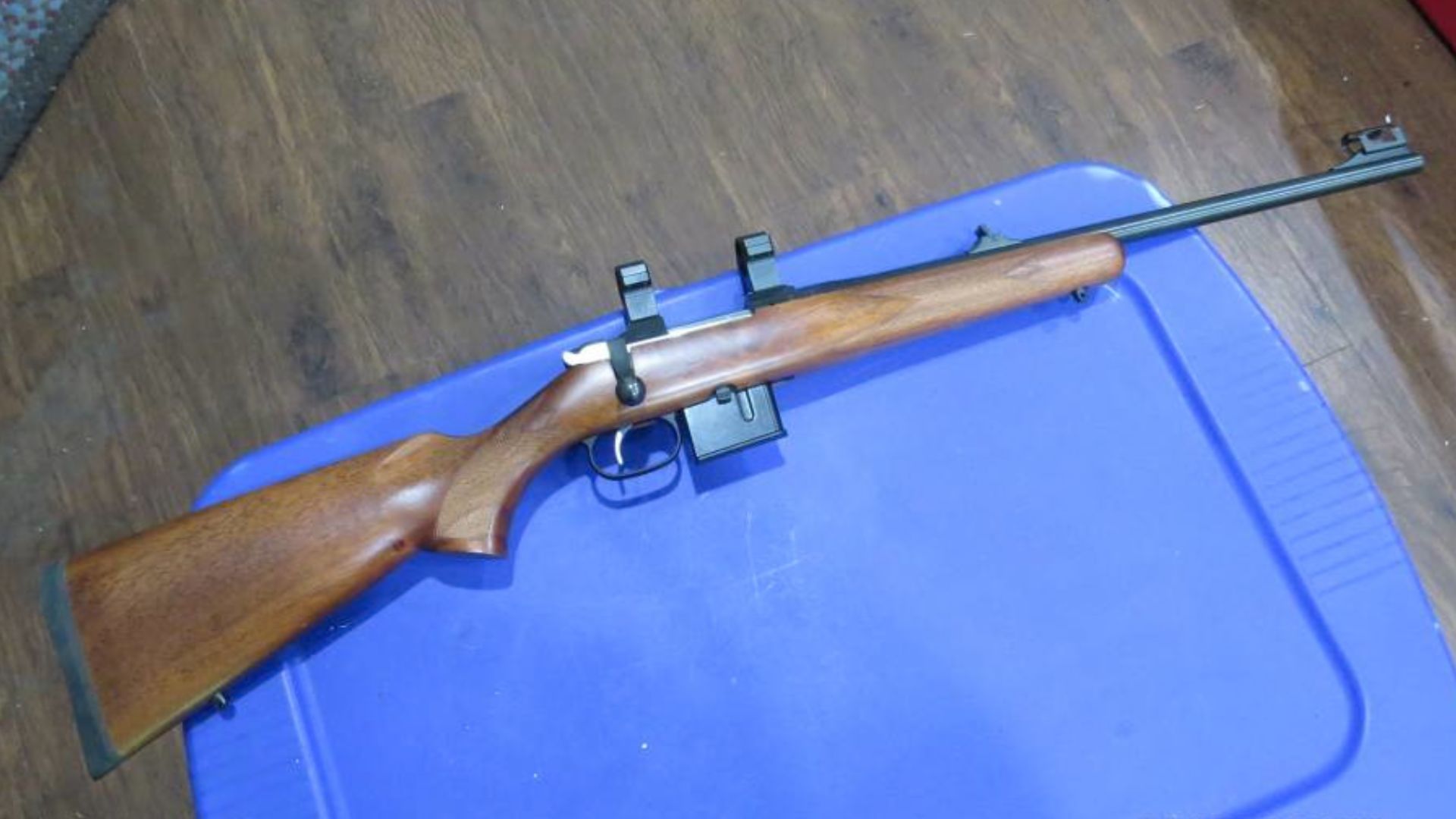
This little carbine in 7.62×39 or .223 is fun to shoot and great in the field, but not built for sustained fire. The short barrel heats up in a hurry, and the wooden stock doesn’t isolate that heat. Once warm, you’ll see the zero start to float a bit.
You might shoot a tight three-shot group, then suddenly see a fourth shot drift left for no good reason. That’s the barrel and stock doing their thing under heat. For plinking or hunting, it’s a solid pick—but if you’re trying to shoot dime groups, it gets frustrating fast.
Mossberg 4×4
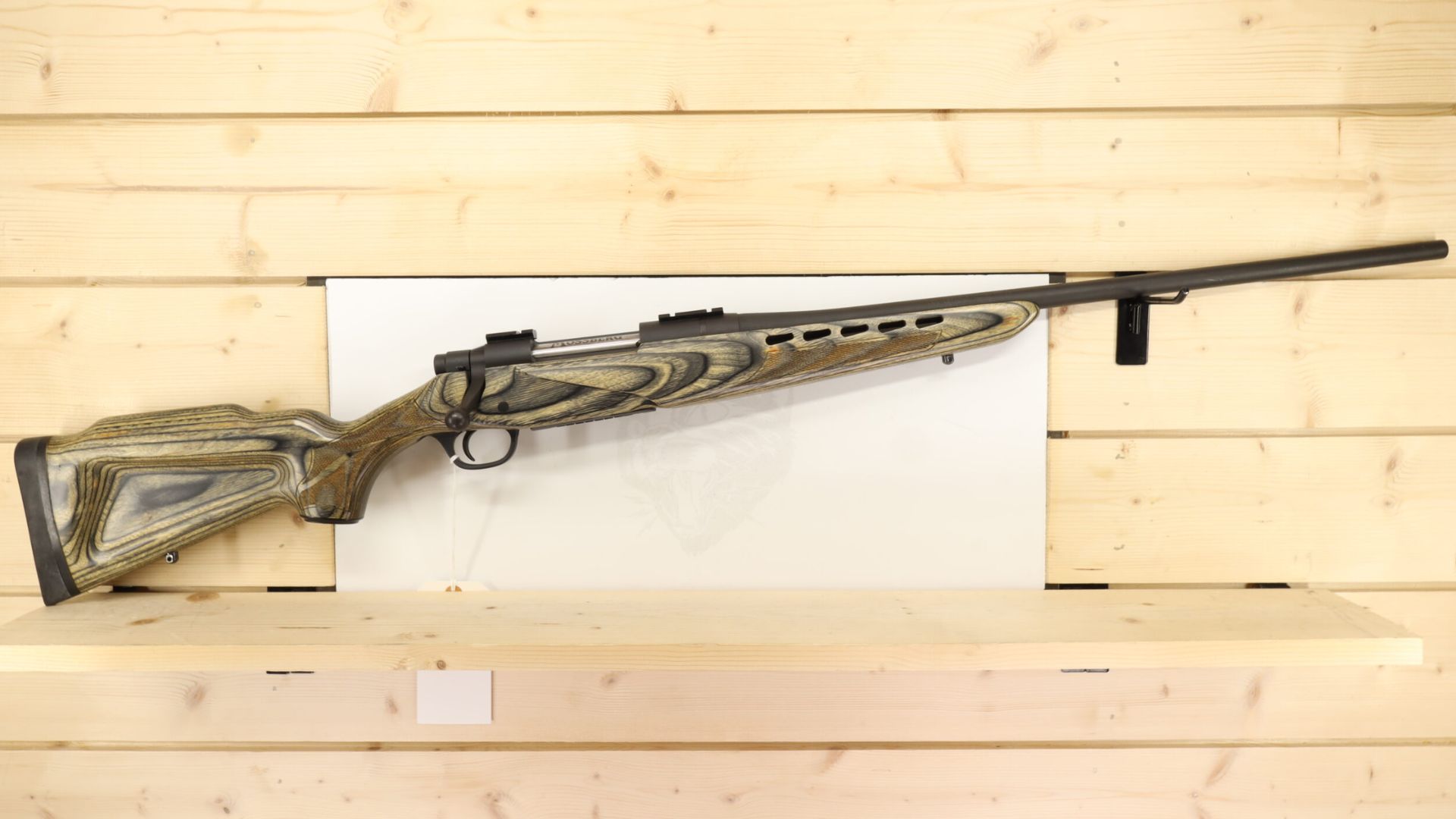
The Mossberg 4×4 brought some interesting ideas to the table, but it wasn’t known for tight consistency once it got warm. The thin barrel, paired with a large caliber, heats up quickly—and there’s not much structure in the stock to counteract that.
As things warm up, POI can climb or shift sideways. It’s noticeable enough that some owners thought their scope was broken. It shoots well cold, especially with quality ammo, but it’s a rifle that asks you to slow down whether you want to or not.
Remington Model Seven

The Model Seven is compact and handy, but those light barrels and minimal stocks make them prone to heat shift. Shoot three or four rounds, and you’ll see groups widen—sometimes dramatically. It’s not always consistent either—some days it’s vertical, some days it’s diagonal.
You won’t notice it hunting deer in the woods, but at the bench or during drills, it can get frustrating. Add in that most weren’t bedded, and it’s easy to see why the Model Seven’s accuracy reputation depends heavily on shooting pace.
Bergara B-14 Hunter

Bergara makes accurate rifles, but the B-14 Hunter’s lightweight configuration can start to drift after a few warm shots. The barrels are nicely finished, but they’re still sporter-weight and not immune to the effects of heat. You’ll start tight, but groups slowly stretch if you don’t pause.
The soft stock doesn’t help. While it’s better than some budget options, it lacks aluminum bedding or any block to keep the action from moving under heat or recoil. It’s accurate for hunting—but not the pick for high-volume shooting or tight-group bragging.
Like The Avid Outdoorsman’s content? Be sure to follow us.
Here’s more from us:
The worst deer rifles money can buy
Sidearms That Belong in the Safe — Not Your Belt
*This article was developed with AI-powered tools and has been carefully reviewed by our editors.