Photo credit: Yaman Avcının Postası/YouTube
Hog hound hunting isn’t for the faint-hearted or the unprepared. It’s fast, loud, and unpredictable. When you’re chasing boars through thick brush with dogs out front, your rifle has to be quick, rugged, and absolutely dependable. There’s no time for jams, no tolerance for poor balance, and no patience for rifles that snag or misfire when things get close. That’s why some guns—no matter how nice they look or how well they’re marketed—get quietly left in the truck. Hog hound hunters learn fast which rifles can’t handle the chaos. They don’t make a big scene about it; they just move on. Here are the rifles that sound good in theory but lose trust where it counts—up close, in the mud, and under pressure.
Ruger Mini-30
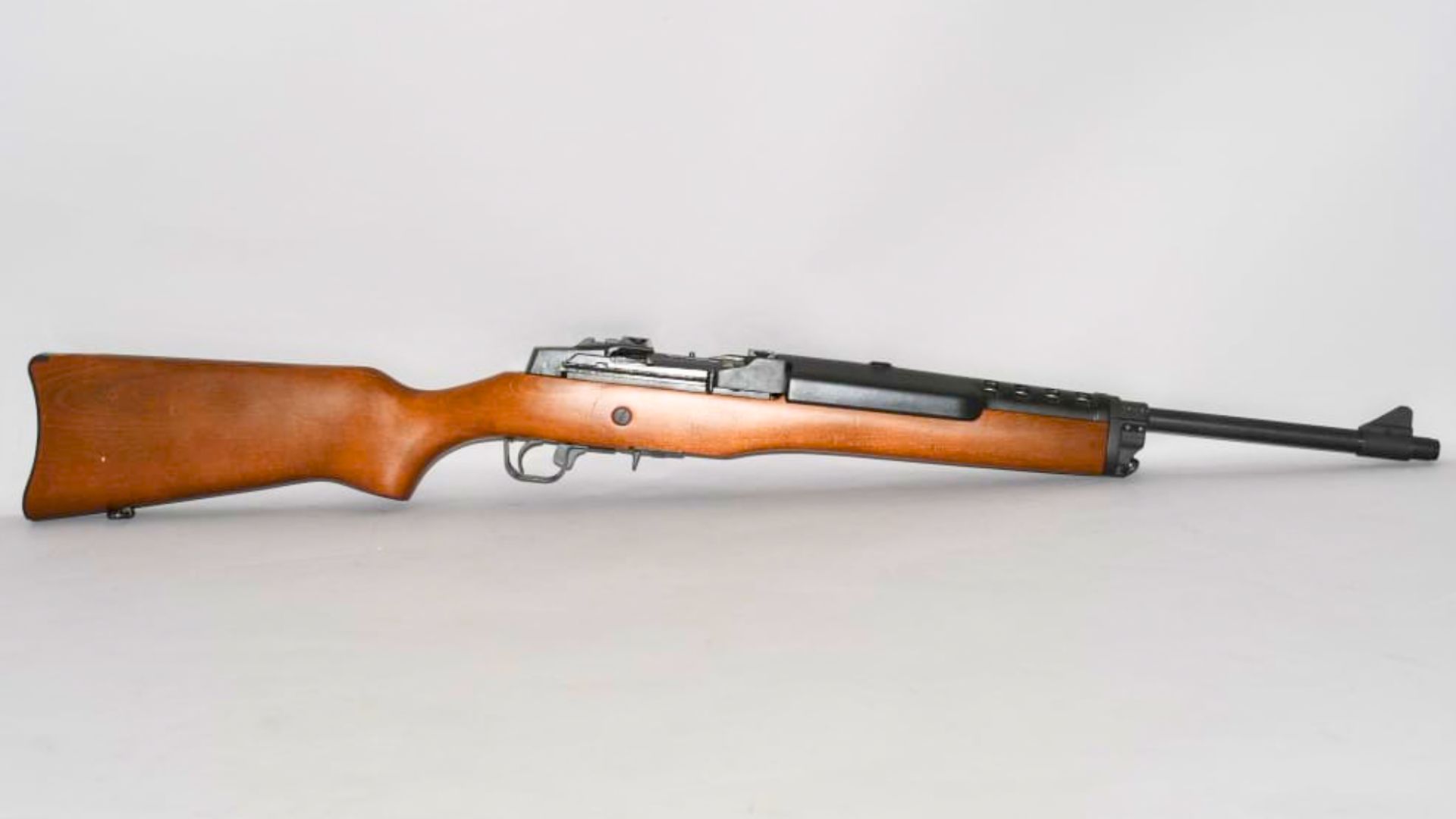
On paper, the Ruger Mini-30 sounds perfect for hogs—semi-auto, compact, and chambered in 7.62×39. In the real world, though, it has a reputation for picky ammo behavior and inconsistent accuracy. It runs great with high-quality brass, but steel-case rounds—the kind you’d expect to use in volume—often lead to light strikes or feed hiccups.
When you’re shoulder-to-shoulder with dogs baying and the brush shaking, you can’t afford that kind of hesitation. The Mini-30 feels good and handles fast, but it’s not as tough as it looks. Most hound hunters learned the hard way—it’s better left at home than hanging in a sling when a boar charges.
Remington 742 Woodsmaster
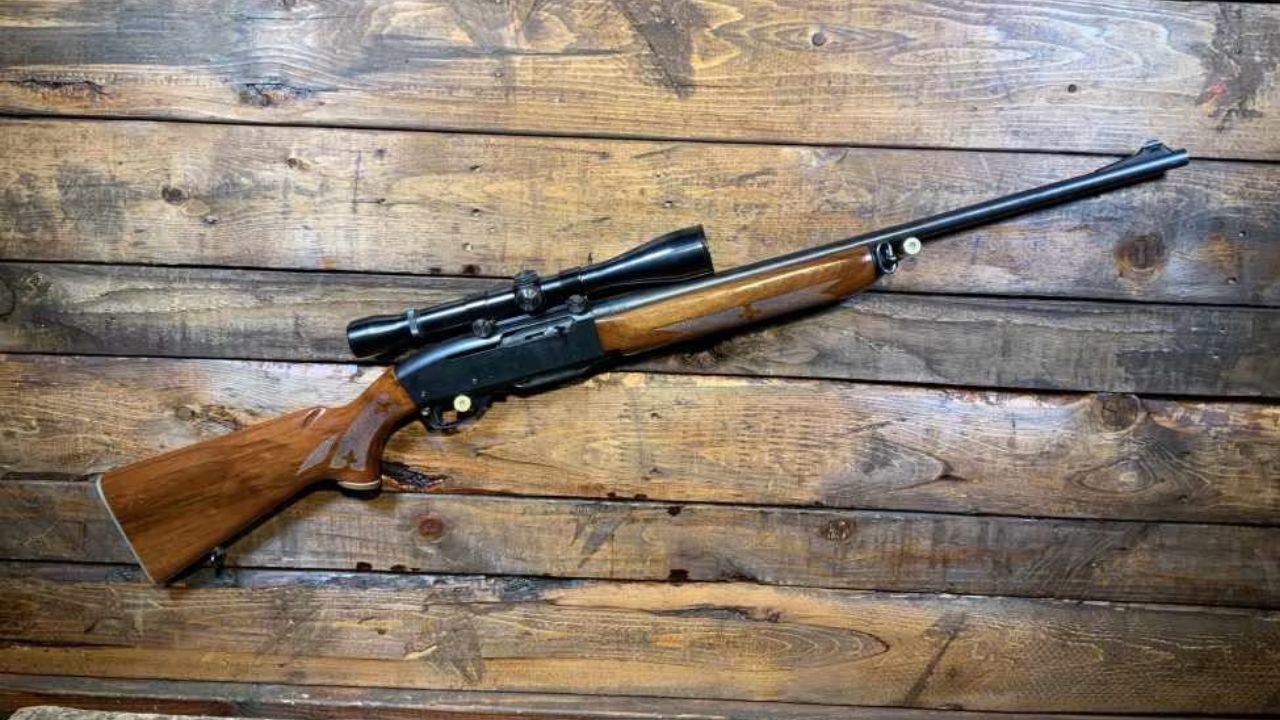
The 742 Woodsmaster is a nostalgic rifle, but nostalgia doesn’t save you from its feeding problems. Hunters who’ve used them in the heat of a hog chase know all too well that its semi-auto action gums up quick with carbon and dirt. When that bolt locks halfway, it’s dead weight.
It’s heavy, awkward in tight woods, and slow to clear when something goes wrong. The design was fine for deer from a stand, not for charging pigs in swamp mud. Plenty of folks still bring one along for sentiment’s sake—but most of them also pack a backup they actually trust.
Winchester Model 100
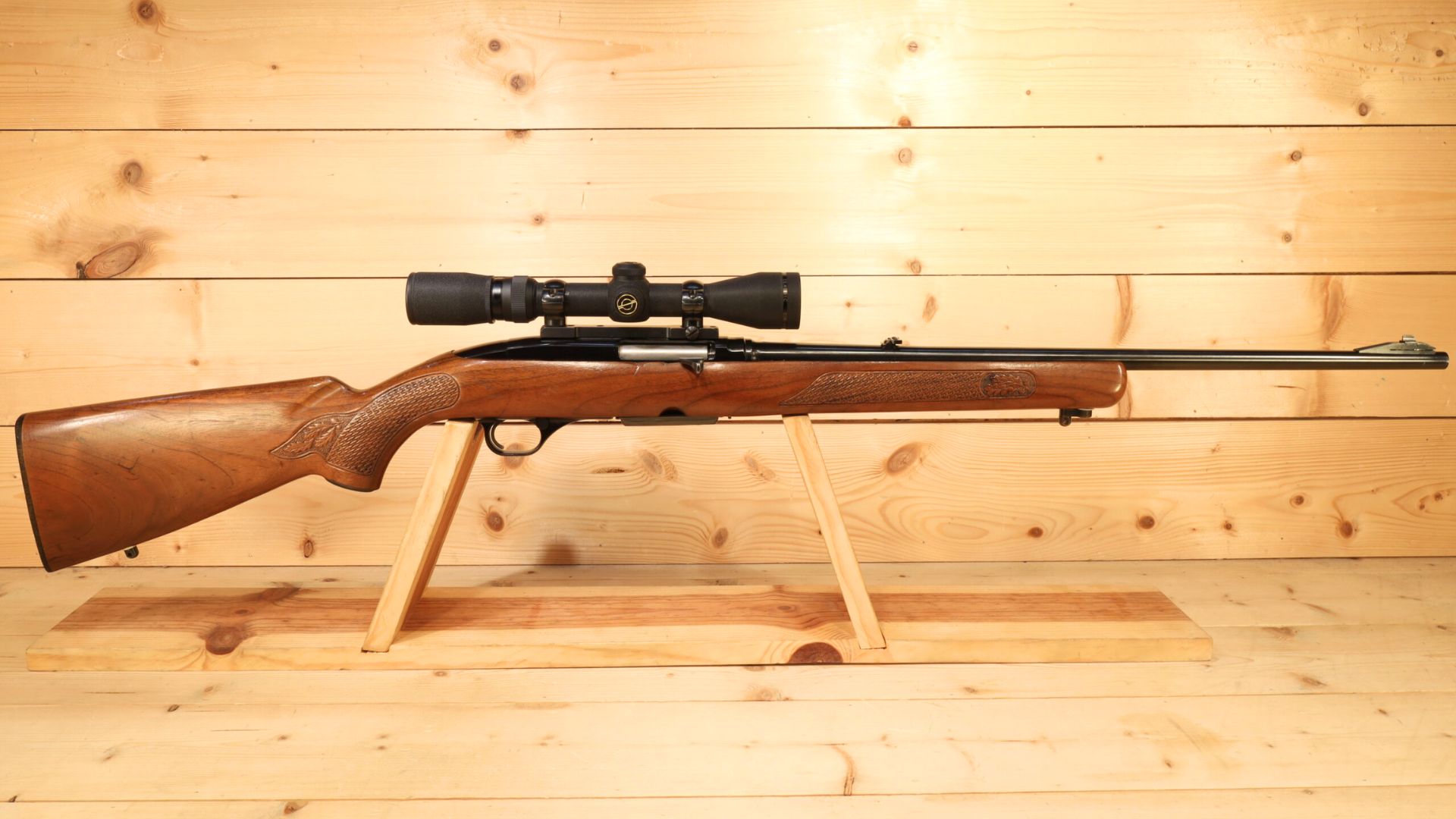
The Winchester Model 100 has all the looks of a dependable hunting rifle, but hog country brings out its worst habits. The action gets sluggish when things get dirty, and the rifle’s balance makes it tough to swing quickly between targets.
Its trigger has a spongy feel, and the recall on early firing pin issues made a lot of hunters nervous. When dogs are in pursuit and seconds matter, the Model 100’s slow cycling and weight become liabilities. It’s an old favorite that’s better suited for stand hunting than fast-paced chaos.
Marlin 1895G (.45-70)

There’s no denying the Marlin 1895G packs a serious punch. But that same power makes it tough to manage in the close, fast-moving environment of hog dogging. The recoil slows follow-up shots, and lever cycling under pressure is never as smooth as it looks in movies.
It’s great for dropping a single big boar cleanly, but when dogs push multiple hogs, you need something faster and lighter. The 1895G feels good in hand, but when the adrenaline hits and the brush closes in, most hound hunters prefer something they can actually control for more than one round.
Henry Big Boy X Model
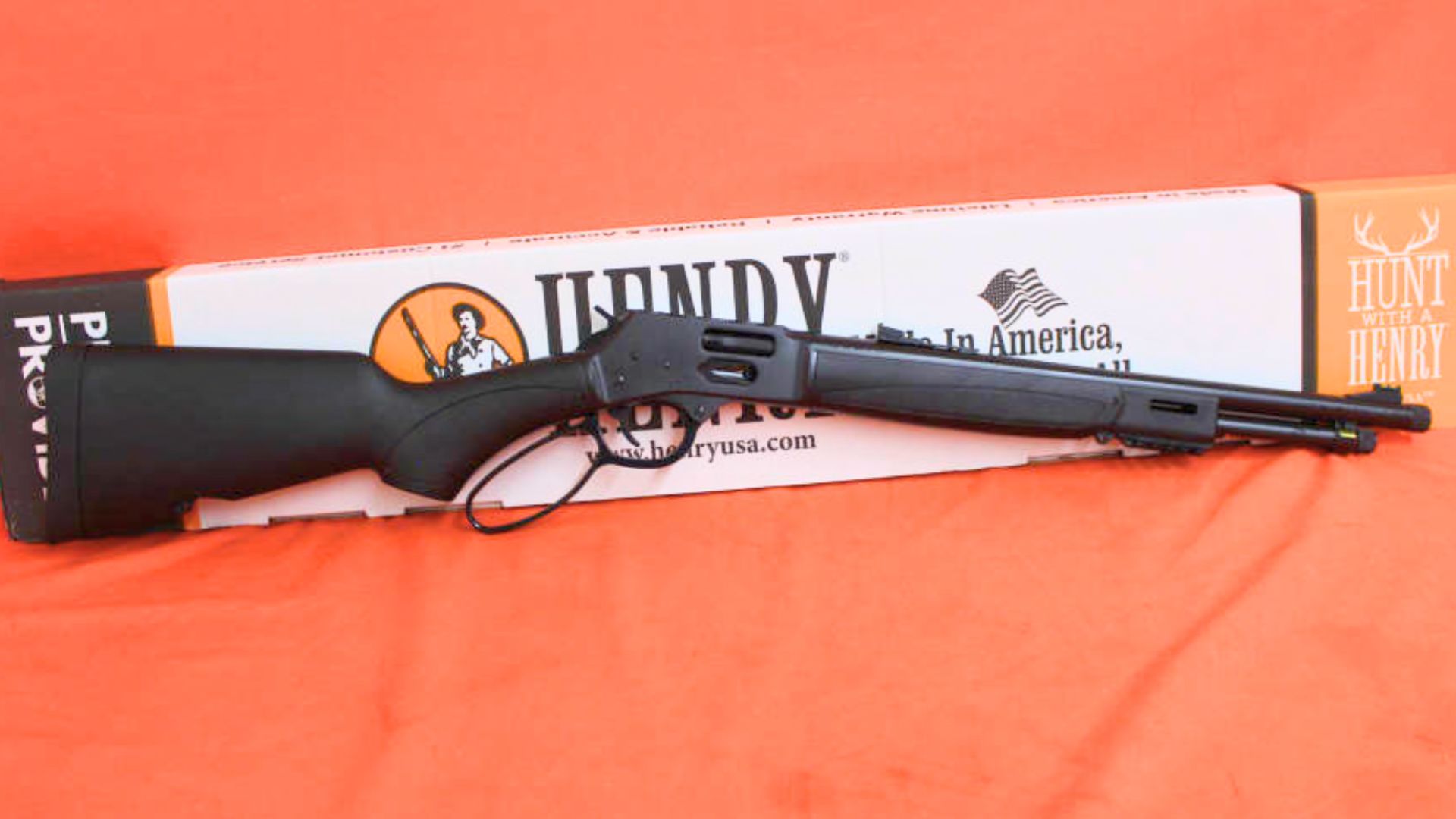
The Henry Big Boy X Model gets attention for its looks and smooth action, but that side-loading tube magazine is a dealbreaker in a fast chase. Reloading takes too long, and the rifle’s extra weight doesn’t do you any favors when you’re running through tangled terrain.
The lever is solid but slow, and its slick finish gets slippery when wet. The Big Boy shines on the range or from a blind—but when you’re knee-deep in water, heart pounding, and dogs circling a boar, it’s one of those rifles you wish you’d left in the safe.
Ruger American Ranch

The Ruger American Ranch in .300 Blackout or 7.62×39 seems ideal—lightweight, compact, and affordable. But the bolt throw is long and rough, and accuracy varies from rifle to rifle. In tight quarters, you’ll fight to run that bolt fast enough to stay in the game.
It’s fine for slow, methodical hunting, but hog hound hunts are anything but slow. The polymer stock flexes under tension, which can shift zero, and the magazine design isn’t exactly quick to reload. It’s a good rifle for many jobs, but when things get wild, it falls short.
Savage 110 Hog Hunter

With a name like “Hog Hunter,” you’d expect this rifle to dominate the list of favorites—but it’s more marketing than reality. The rifle’s heavy profile and awkward balance make it clumsy to carry and slow to shoulder in thick cover.
It’s accurate from a stand or rest, sure, but it’s too long and front-heavy for fast shooting. The bolt feels stiff, especially when dirty, and the oversized barrel adds unnecessary weight. It’s a fine rifle for hog ambushes, but for dog work, it’s the wrong tool for the job.
Remington Model Seven

The Remington Model Seven has always been a handy little rifle, but for hog hound hunting, it’s too temperamental. Short barrel, light build, and snappy recoil make it tough to keep your sights in control for quick follow-ups.
The action can feel rough when rushed, and the compact design that makes it great for the woods also means it’s unforgiving when shouldering fast under pressure. Many hound hunters tried it once, loved the feel, and moved on to something more forgiving when the brush started moving.
Browning BAR ShortTrac

The Browning BAR ShortTrac promises semi-auto speed and high-end performance—but hog hound hunting exposes its weaknesses. It’s heavy, complex, and a nightmare to clean when it fills with grit or blood. If you’re crawling through swamp muck or rain-soaked cover, that’s a real issue.
It cycles well when spotless, but the BAR isn’t a rifle you can beat on. Add the cost of replacement parts and limited aftermarket support, and it becomes a headache more than a help. Great for the stand, but most hound men quietly stopped carrying it years ago.
Winchester XPR Compact

The Winchester XPR Compact has good balance and a smooth bolt, but its cheap-feeling stock and clunky magazine make it frustrating when things get hot. The polymer feels slick when wet, and the safety placement can trip you up in gloves.
For quick, reactive shooting, it lacks the confidence you need. It’s accurate on the bench, but in the chaos of a bay-up, it doesn’t shoulder as naturally or cycle as fast as needed. It’s a rifle that tries to do everything but doesn’t excel where it matters most.
Marlin 336C

The Marlin 336C is an old favorite that still sees plenty of woods time—but not much in hog hound country. The tubular magazine, lever action, and moderate power all slow you down when things get real.
It’s fantastic for single, slow shots in calm settings, but when your dogs lock down a boar, speed matters more than nostalgia. It points well but runs too slow, and its limited capacity doesn’t help. You’ll still see it on walls and in stories, but not in the hands of serious dog men.
Rossi R92
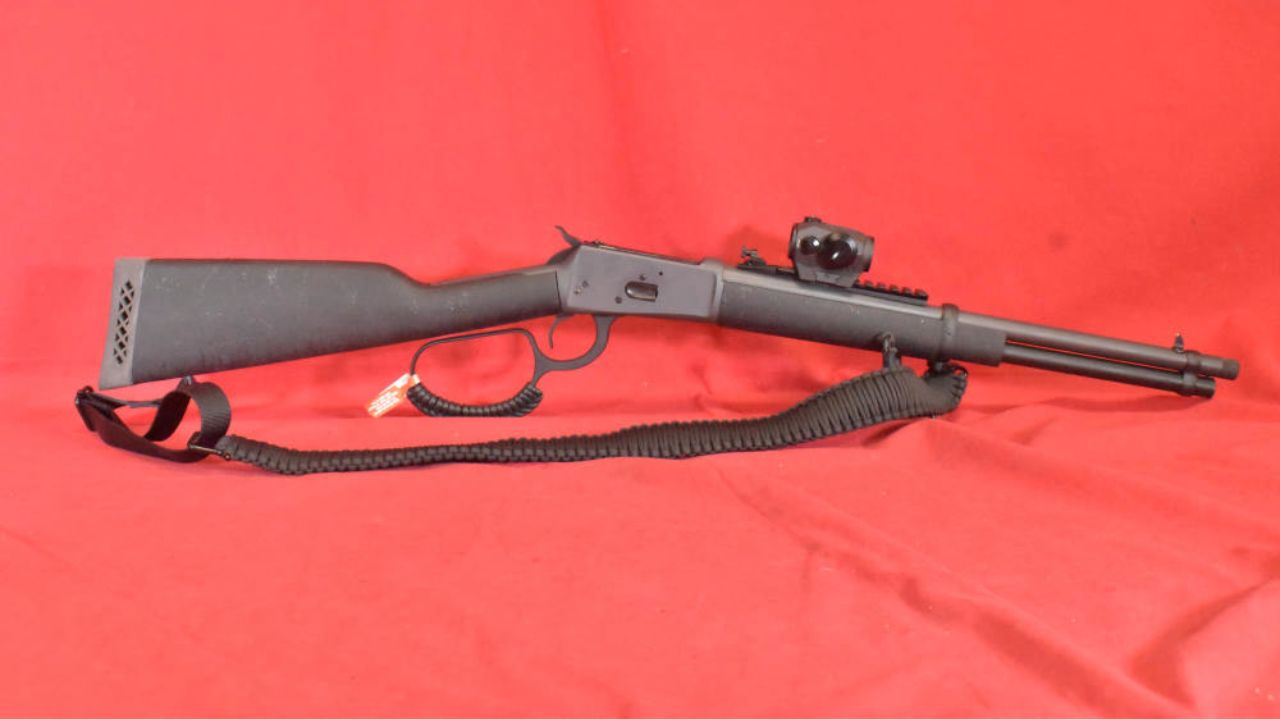
The Rossi R92 is light and easy to carry, but its reliability is hit or miss. Some run smooth as butter; others jam, misfeed, or double feed under stress. When the dogs are howling and adrenaline’s spiking, that inconsistency becomes unacceptable.
Its lighter build makes recoil snappy, and the sights aren’t great in low light. It’s a fun gun for casual shooting, but it’s not one you’ll see in the hands of anyone serious about bringing home big hogs. Looks good, handles quick, but doesn’t always finish the job.
CVA Scout

The CVA Scout gets points for simplicity and light weight, but its single-shot design is the reason hog hound hunters pass it up. When you’ve got multiple hogs breaking through brush, one round before reloading isn’t going to cut it.
Accuracy is fine, and it’s easy to clean, but it’s a rifle built for patience—not chaos. It’s perfect for a new hunter or a calm setup, but in a real chase, that reload delay can turn dangerous fast. It’s simply outmatched by the pace and unpredictability of dog-driven hunts.
Thompson Center Encore
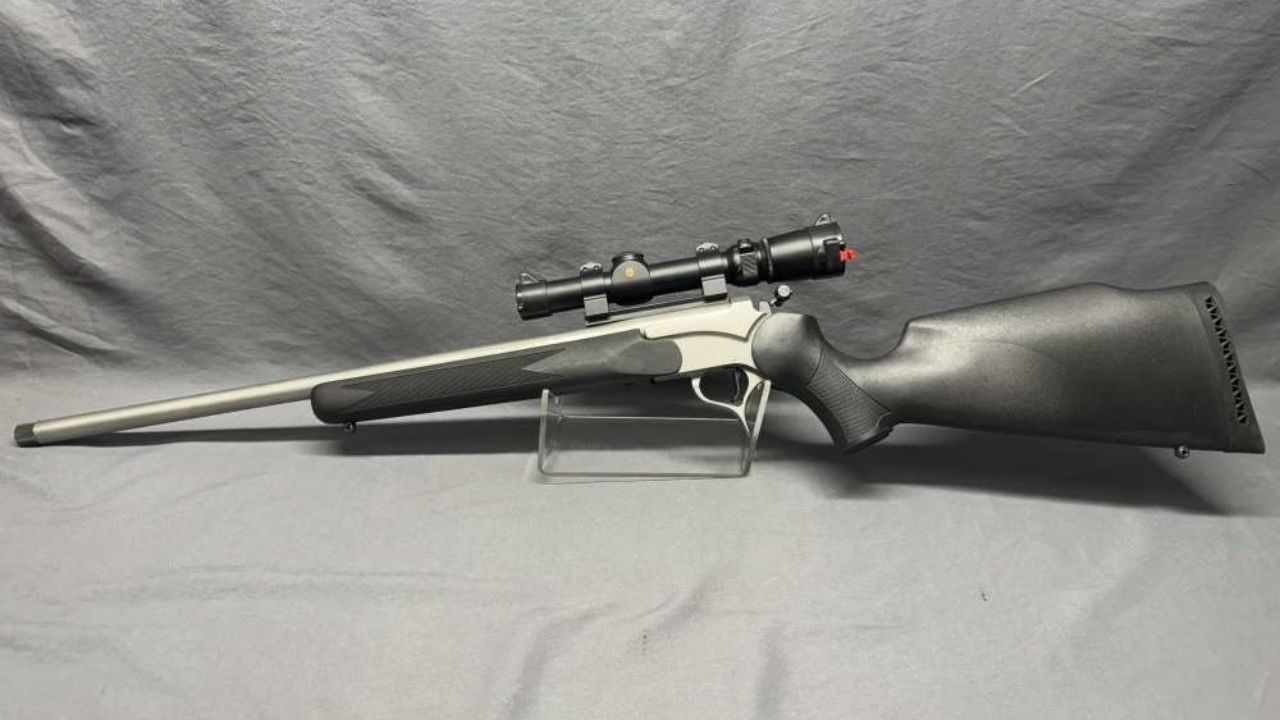
The Thompson Center Encore looks great in photos—interchangeable barrels, sleek profile, single-shot confidence. But in hog dogging, it’s about as practical as a revolver for duck hunting. One shot, then a long pause while you fumble for another round, isn’t going to cut it.
It’s too slow for backup, too specialized for rough handling, and too delicate for constant abuse. The Encore’s fine craftsmanship shines on the range or at the bench—but in a bay-up brawl, it’s a liability. Most hound hunters admire it from afar, but they won’t stake a dog’s life on it.
Like The Avid Outdoorsman’s content? Be sure to follow us.
Here’s more from us:
The worst deer rifles money can buy
Sidearms That Belong in the Safe — Not Your Belt
*This article was developed with AI-powered tools and has been carefully reviewed by our editors.