Photo credit: Buffalo's Outdoors/YouTube
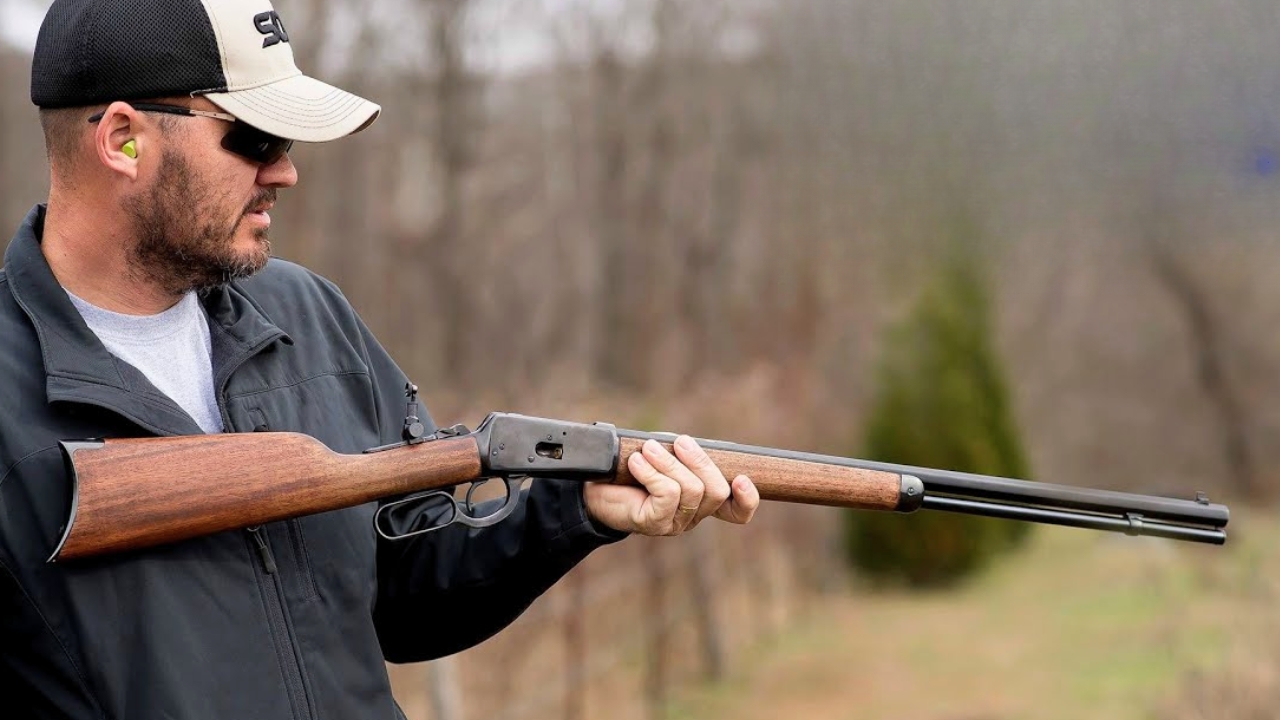
Lever guns keep hanging around because they solve real problems in the real world. They carry well in tight places, they point fast in brush, and they’re easier to live with in a truck, ATV scabbard, or saddle than a long, top-heavy bolt gun with a big optic hanging off it. You also get quick follow-up shots without working a bolt, and you can keep the rifle in your shoulder while you run the action. That matters when the moment is short and the angle isn’t perfect.
A “work” lever gun isn’t a costume piece. It’s a rifle you don’t mind dragging through a fence line, leaning in a corner by the door, or packing on a long loop where weight and balance start to matter more than paper specs. The models below are still practical because they’re proven patterns, supported with parts and ammo, and built around cartridges that make sense for deer woods, hog country, and ranch chores.
Marlin 336 Classic

The Marlin 336 Classic is still one of the best answers for a real working deer rifle. In .30-30, it hits hard enough inside normal woods ranges, recoils in a way most shooters can manage, and carries like it was made for climbing in and out of trucks. The receiver and ejection pattern also play nicely with common sight setups, which helps when you want a low-mounted optic.
Where it shines is how natural it feels in your hands. It balances between the hands, comes up fast, and doesn’t snag on brush the way longer rifles can. Keep it fed with quality ammo, keep the screws tight, and it tends to stay reliable through wet mornings and dusty rides. It’s the kind of rifle that earns trust because it keeps doing its job without drama.
Marlin 1895 Guide Gun

The Marlin 1895 Guide Gun is still practical because .45-70 does real work at real distances, especially when you’re dealing with big-bodied animals and bad angles. It’s a short, handy rifle that carries well in thick cover, and it gives you power you can feel without needing a long barrel or a heavy rig. In bear country, that matters.
It also has the handling that makes lever guns worth owning. You can run it fast, keep it close to your body, and still shoulder it quickly when the woods get tight. The recoil can be stout with hotter loads, but the rifle’s weight and shape help you stay in control if your technique is sound. For people who want a hard-hitting brush rifle, this one stays relevant.
Marlin 1895 Trapper

The Marlin 1895 Trapper takes the .45-70 idea and makes it even easier to carry in the places lever guns live. Shorter barrels ride well in vehicles, slip through alder and willow, and don’t feel like a sail when you’re side-hilling in thick timber. It’s a rifle you can keep close without feeling under-gunned.
The practical edge is speed and handling. You can move fast, get on target quickly, and still have enough punch for tough jobs inside sane ranges. The Trapper format also encourages using rugged sights and compact optics, which matches the reality of hard use. If you’re the type who actually packs a rifle every day during a hunt, the smaller package gets appreciated fast.
Marlin 1894 Classic

The Marlin 1894 Classic makes sense because pistol-caliber lever guns still solve a lot of everyday problems. In .357 Mag or .44 Mag, you get quick handling, mild recoil for the power level, and a rifle that’s easy to shoot well at practical distances. It’s a solid pick for hogs in cover, whitetails in tight timber, and property work where shots are close.
The other advantage is how pleasant it is to train with. You can shoot it a lot without getting beat up, and that builds familiarity. The action stays fast, the rifle stays compact, and the cartridge choices are widely available. Pair it with tough sights and keep it clean enough, and it becomes the kind of rifle you grab without overthinking. That’s what a working lever gun is supposed to be.
Henry X Model .357 Magnum

The Henry X Model in .357 Magnum is practical because it’s a compact lever gun that does a lot without weighing you down. It carries well, points quickly, and gives you more velocity than a revolver with the same cartridge. For close-range deer with the right load, hogs in brush, and general ranch use, it covers a lot of ground.
It’s also a rifle you can live with. Recoil is friendly, follow-up shots are fast, and the manual of arms is easy to run when you’re wearing gloves or moving through thick cover. The X configuration is geared toward modern use, and it encourages setups that hold up to real handling. If you want a lever gun that feels current without losing the lever-gun strengths, this one earns its place.
Henry X Model .45-70
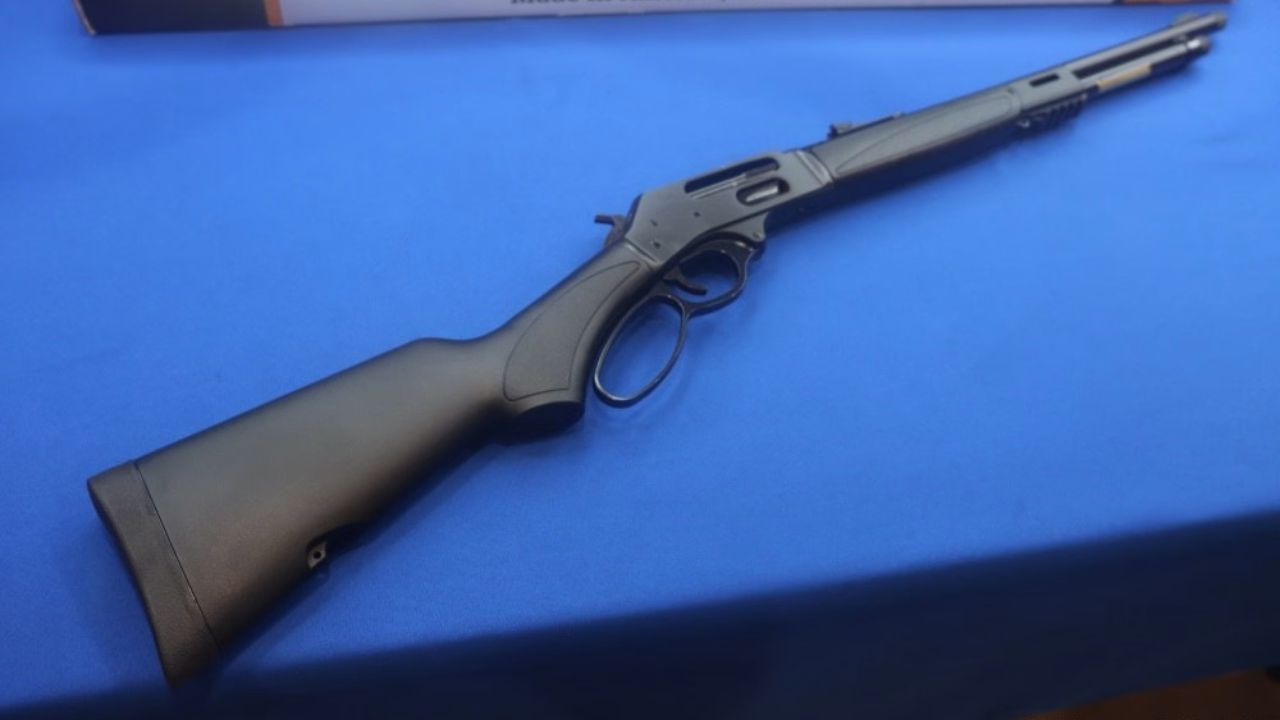
The Henry X Model in .45-70 gives you a hard-hitting lever gun that still carries like a tool instead of a showpiece. It’s built for people who want power for thick timber and rough country, but still want a rifle that comes up fast and runs smoothly. Inside sane distances, it hits with authority.
What makes it “work” is how adaptable it is to harsh conditions. You can run sturdy sights, keep the rifle compact, and rely on a cartridge that has a long track record on big animals. Recoil can get heavy if you chase hot loads, so the smart move is picking ammunition that you can control and place well. A controllable .45-70 beats a brutal one you flinch on.
Henry Big Boy Steel .44 Magnum

The Henry Big Boy Steel in .44 Mag stays practical because it’s a balanced, durable rifle in a cartridge that still makes sense for real hunting and property defense. You get a heavier, steadier feel than the lightest carbines, and that weight helps keep the rifle manageable when you’re shooting fast or shooting from odd positions.
In the field, .44 Mag out of a rifle gives you a strong punch at woods ranges without requiring a long barrel. It’s also a cartridge that performs well on hogs and deer when you pick a load built for the job. The Big Boy Steel format holds up to rough handling, and it’s a rifle you can shoot a lot without feeling like it’s punishing you. Familiarity is part of “practical.”
Winchester Model 94

The Winchester Model 94 is still working in deer camps for a reason. In .30-30, it remains one of the most useful woods cartridges ever put in a lever gun. The rifle carries easily, shoulders fast, and does its best work where most whitetails are actually taken—inside normal timber distances, often with quick shot windows.
The 94’s strength is how naturally it handles. It’s trim, it moves through brush without snagging, and it rides comfortably when you’re walking a ridge or slipping along a creek bottom. Plenty of rifles shoot smaller groups on paper, but the 94 keeps earning meat because it’s fast and easy to carry all day. For a real working lever gun, that combination still matters.
Winchester Model 92
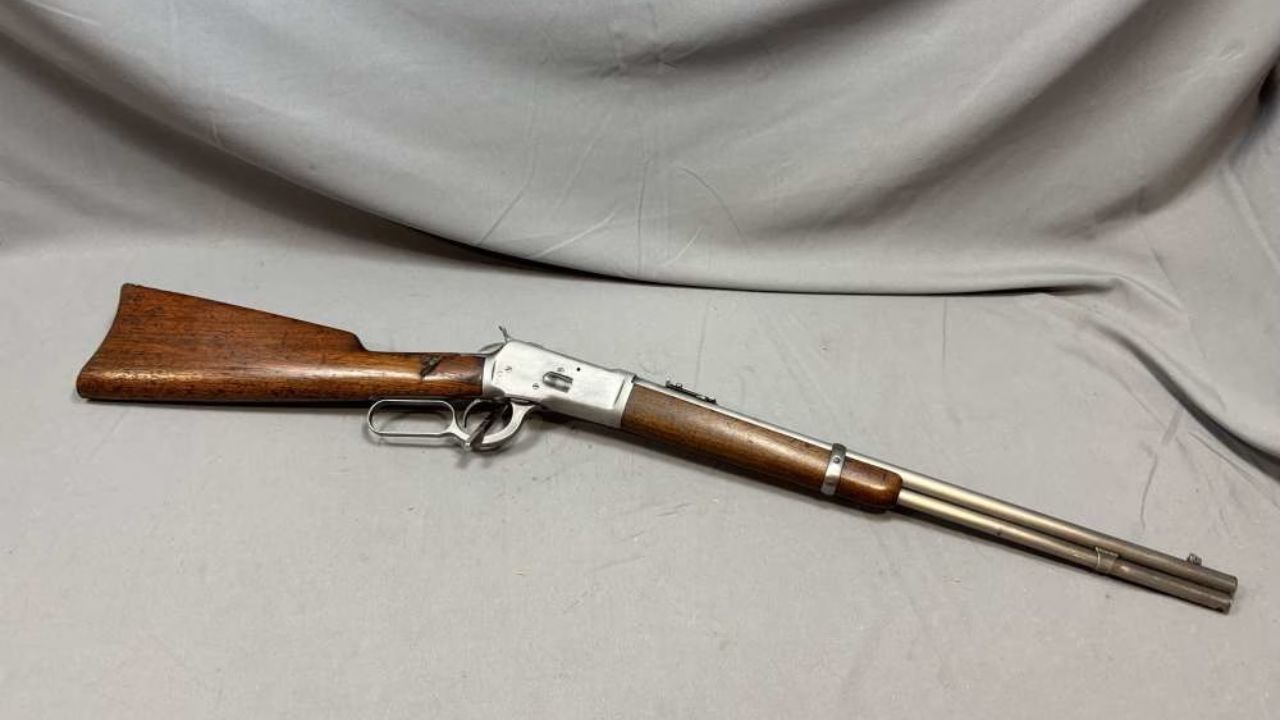
The Winchester Model 92 pattern is practical because it’s compact, strong for its size, and built around pistol cartridges that still do real work. In .357 Mag, .44 Mag, or .45 Colt, it gives you a fast-handling rifle that’s easy to shoot well at close and moderate ranges. It also carries like a carbine should.
The 92 style fits the “work” role on a ranch or in thick cover because it’s quick to mount and quick to cycle. You can keep it close, run it with gloves, and move through tight spaces without feeling awkward. With the right loads, it’s effective on hogs and deer inside responsible distances. It’s an old design that still fits modern realities when you use it for what it does best.
Rossi R92

The Rossi R92 gets picked for real use because it delivers the Model 92 layout at a price that lets you run it hard without babying it. In .357 Mag or .44 Mag, it’s a handy carbine that points fast and rides well in a truck. It’s the kind of rifle many people keep around because it’s there when they need it.
What makes it practical is that it encourages practice. The recoil is manageable, the gun is easy to carry, and the manual action keeps you engaged with every shot. With a little attention to lubrication and ammo selection, many R92s run very well. It’s not a boutique rifle, and it doesn’t need to be. For a working lever gun, dependable function and useful handling beat fancy every time.
Browning BLR Lightweight ’81

The Browning BLR stays practical because it gives you lever-gun handling while letting you run modern rifle cartridges. That opens the door to flatter trajectories and more reach than traditional lever cartridges, which matters when your “work” includes larger open country. It’s a lever gun you can hunt with like a conventional rifle, while keeping the lever’s fast cycling.
The BLR also locks up in a way that supports higher-pressure cartridges, and it’s built as a serious hunting rifle rather than a nostalgia piece. You get a strong action, a rifle that carries well, and cartridge choices that fit deer, elk, and mixed-terrain hunts. It costs more than many lever guns, but it earns that cost when you want lever handling without giving up modern ballistics.
Savage Model 99

The Savage Model 99 is still practical in the sense that it remains one of the smartest lever-gun designs ever fielded for hunters. It’s capable, often accurate, and it handled higher-performance cartridges in a lever format long before that was common. The rifle feels like a real hunting tool, not a wall hanger.
A good 99 carries well and points naturally, and it has a history of taking everything from whitetails to larger game in the hands of hunters who used it hard. Availability and condition vary, but the design’s reputation comes from decades of real field use. If you find one in good shape and set it up with rugged sights, it can still be a practical working rifle today, not a museum piece.
Mossberg 464

The Mossberg 464 fills a real role: a .30-30 lever gun meant to be used, not admired. It’s a straightforward woods rifle that carries easily and hits with enough authority for deer-sized game inside typical timber distances. That’s still the backbone of lever-gun “work” in a lot of the country.
The 464’s value is that you can treat it like a tool. It rides in a truck, gets hauled through brush, and still points fast when the moment shows up. With quality ammunition and a sensible sight setup, it does what you ask without needing special attention. It won’t have the same collector glow as older classics, but it can keep filling tags and handling chores, which is the only standard that matters for real work.
Uberti 1873 Carbine
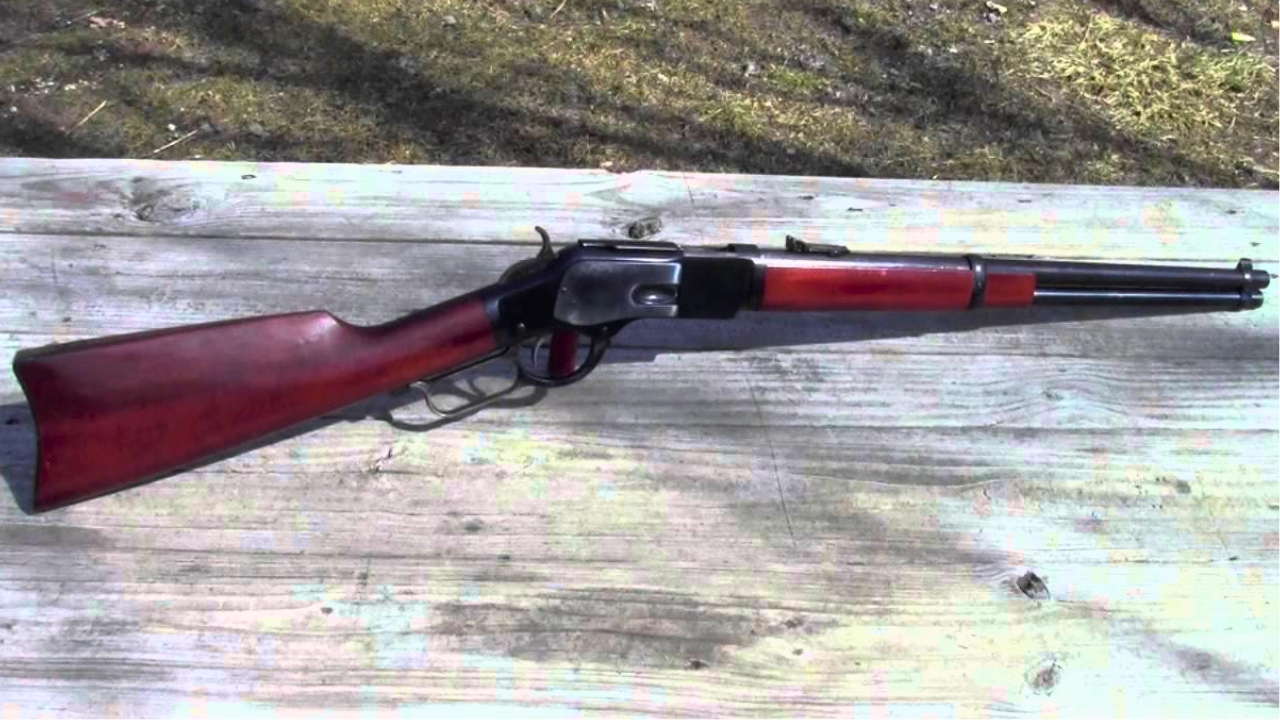
The Uberti 1873 carbine is practical when your work is close-range, fast-handling shooting with a pistol cartridge. In .357 Mag or .45 Colt, it’s quick, lively, and easy to carry. For property work, small predators, and close hog encounters, that kind of carbine can be more useful than a heavier rifle that’s slower to bring on target.
The 1873 pattern also cycles smoothly when it’s kept clean and fed ammo it likes, and it encourages fast, controlled shooting. It’s not built for high-pressure “hot rod” loads, and treating it within its design limits is part of keeping it reliable. Used the right way, it’s still a very functional tool. A lever gun doesn’t have to be modern to be useful—it has to fit the job.
Chiappa 1892 Alaskan

The Chiappa 1892 Alaskan is built around the Model 92 style, but set up in a way that fits rough country use. In .44 Mag or .45 Colt, it gives you a compact lever gun with power that works well in thick timber and along trail networks where shots are close and the handling needs to be quick.
The “Alaskan” configuration is popular because it’s easy to carry and easy to stage, especially when you’re wearing heavier clothing or moving through brush. A pistol-caliber lever gun like this also makes it more realistic to practice regularly, which is where real usefulness comes from. Keep the rifle within appropriate ammo choices, keep it lubricated, and it becomes a practical companion for hard days outside—exactly what a lever gun should be.
Like The Avid Outdoorsman’s content? Subscribe to our newsletter so you never miss an article.
Here’s more from us: