Photo credit: SolidMaks/Shutterstock.com
Every hunting season, a new batch of rifles hits the market promising half-inch groups, effortless handling, and “confidence in every shot.” You’ve seen the ads—sleek rifles resting on mountain ridges, sunlight glinting off the barrel, and a tagline that sounds like it belongs in a car commercial. But once you buy in and take it to the field, reality sets in. The trigger doesn’t feel as crisp as advertised, groups open up after the third shot, and the action starts sticking when it gets dirty. These rifles look flawless on glossy pages and online promos, but once they’re in your hands—mud, cold, and all—they start showing the cracks.
Remington 770
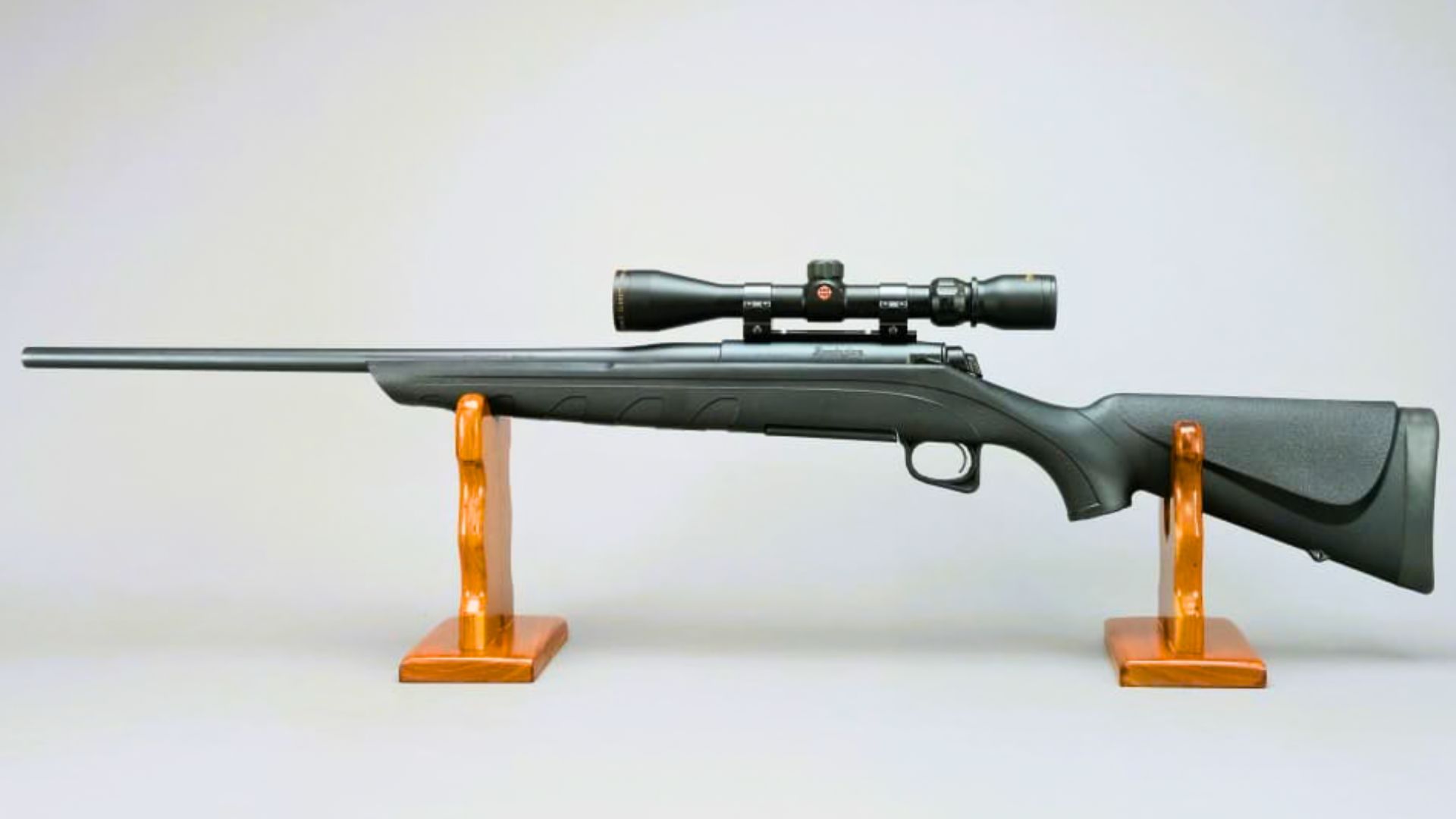
The Remington 770 was supposed to be an affordable, ready-to-hunt package rifle, complete with a mounted scope. On paper, it sounded perfect. In the field, it quickly proved otherwise. The bolt feels gritty, accuracy is inconsistent, and the included scope often loses zero faster than you can sight it back in.
Even when it groups well, it’s hard to trust a rifle that feels that flimsy. The stock flexes under pressure, and the trigger feels unpredictable. It looks decent on a rack, and the name sells it, but once you shoulder it in the woods, you realize you’d have been better off saving for something with real staying power.
Mossberg Patriot
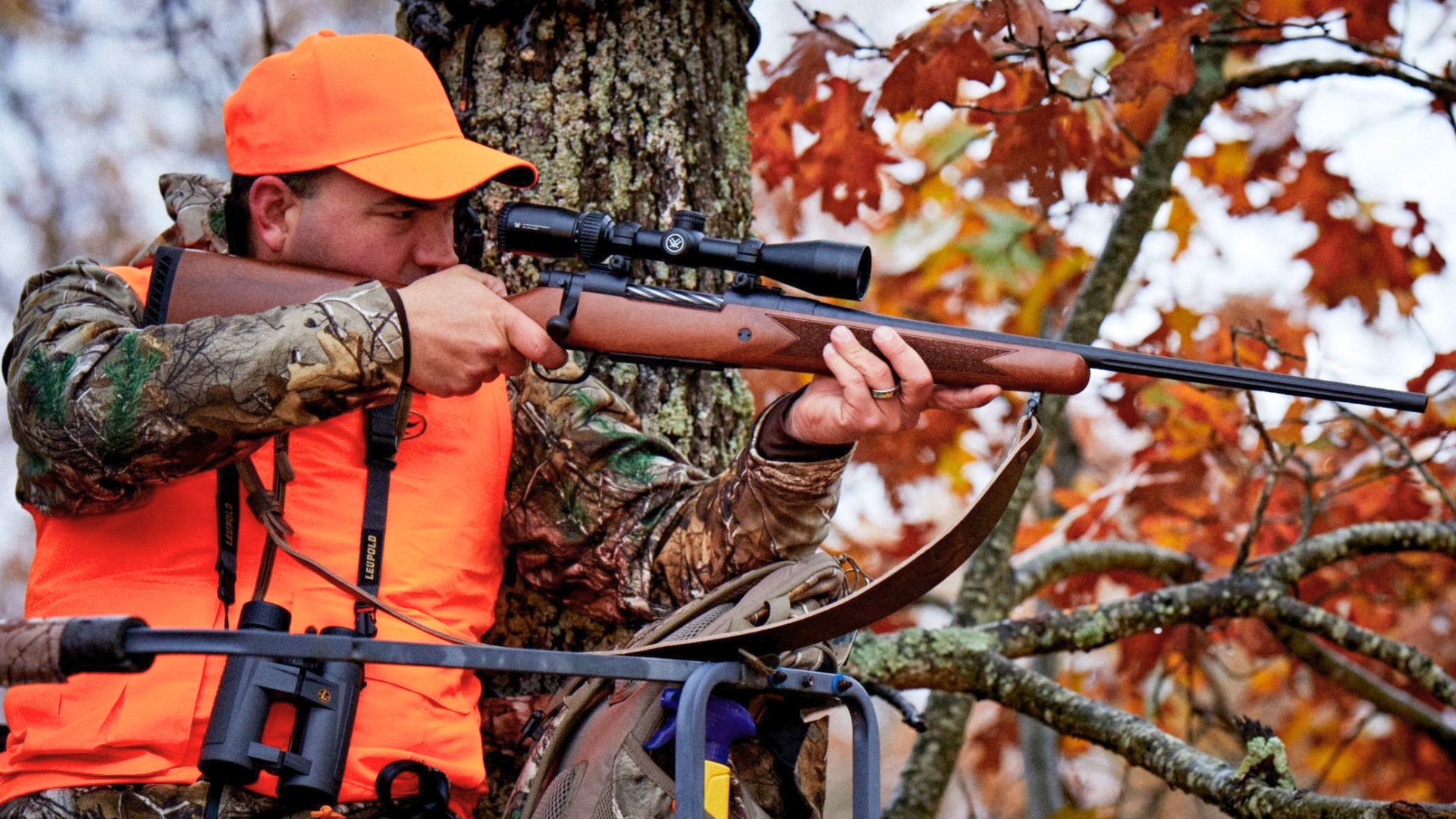
The Mossberg Patriot photographs beautifully, with its spiral-fluted bolt and bold styling. It looks like a high-end rifle in marketing material. But when the hunt starts, the illusion fades fast. The lightweight stock flexes, the action feels rough, and the trigger doesn’t match its claimed precision.
Accuracy is hit or miss—literally—with some rifles grouping tight while others scatter shots despite identical setups. It’s not a disaster, but it’s far from dependable. It’s a rifle that shines in a catalog, not under pressure. The Patriot proves that a nice finish and a catchy name can’t replace consistent field performance.
Savage Axis II

The Savage Axis II sells itself on value, and its ads make it sound like a sub-MOA rifle for the working hunter. But once you put rounds through it, you’ll notice the truth. The stock is so flexible that even a snug bipod can shift point of impact.
It can shoot well, but the setup has to be perfect—and in hunting conditions, “perfect” doesn’t exist. The factory trigger helps, but it can’t overcome the inconsistent build quality. It’s marketed as a “ready out of the box” rifle, but most shooters end up swapping half the parts before it performs like promised.
Ruger American

Ruger’s American line has a reputation for accuracy on paper—and in fairness, some rifles truly deliver. But others remind you that mass production has its limits. Loose magazines, flimsy stocks, and inconsistent torque on action screws can ruin your confidence fast.
At the range, it prints impressive groups for the first few shots. Then, as the barrel warms, those tight clusters turn into patterns. It’s light and affordable, but the marketing hype often overshadows the fact that it feels more like a starter gun than a lifelong hunting companion. Ruger sold the dream well, but not every rifle lived up to it.
Winchester XPR

Winchester pushed the XPR as the modern evolution of their classic Model 70 heritage. It’s sleek, synthetic, and advertised as a workhorse. But many shooters discovered it’s more of a show horse. The bolt feels sticky, the stock is hollow, and the trigger’s break isn’t nearly as refined as claimed.
The rifle groups decently in controlled settings, but real hunts rarely offer benchrest conditions. A touch of mud or cold can make the action sluggish, and bedding inconsistencies often throw shots wide. The XPR’s ads sold nostalgia wrapped in polymer—but what hunters got was an average rifle wearing a famous name.
Browning AB3

The Browning AB3 promised premium performance at a budget price, but it’s one of those rifles that doesn’t quite bridge the gap. The action is functional but lacks the smooth feel you expect from Browning. The synthetic stock feels cheap, and recoil hits harder than rifles in the same class.
On paper, it’s accurate and reliable, but the real experience tells another story. Once you start shooting beyond 200 yards, inconsistencies start creeping in. The trigger is heavy, the finish scratches easily, and the overall build feels more cost-cut than classic. It’s a rifle that photographs like a winner but performs like a placeholder.
Remington 783

The Remington 783 was marketed as the rifle that would “fix” the 770’s problems, but it ended up being more of the same. Accuracy can be good with the right ammo, but the stiff bolt and clunky feeding make it hard to love. The stock feels hollow, and recoil seems sharper than it should for its weight class.
You want to root for it—especially with the Remington name on the side—but you can feel where corners were cut. It looks clean and confident in advertising, but in real-world hunts, it feels more like a stopgap rifle than a trusted tool.
Weatherby Vanguard Synthetic

Weatherby’s ads make the Vanguard look like a precision-built machine, and to be fair, the action is solid. But the synthetic-stock models often miss the mark. They’re heavy, awkwardly balanced, and plagued by inconsistent bedding.
The rifle feels sluggish to handle, and some barrels shoot tighter than others without any clear reason. For a company known for its sleek magnums, the base Vanguard feels underwhelming. You’ll keep hoping it performs like the glossy brochure promised—but it never quite gets there. It’s a good rifle trapped under the weight of its own marketing.
Tikka T3x Lite in Magnum Calibers

The Tikka T3x Lite is a beautifully accurate rifle—until you chamber it in a magnum. Then it turns into a punishment device. Ads love to show it as the ultimate mountain rifle: light, fast, and deadly accurate. But that same lightness makes recoil brutal with cartridges like .300 Win Mag or 7mm Rem Mag.
Even experienced shooters flinch after a few rounds. It’s not the rifle’s fault—it’s physics—but it still makes you question the “confidence in every shot” tagline. It’s an excellent rifle that simply doesn’t match its magnum marketing pitch.
Ruger Gunsite Scout
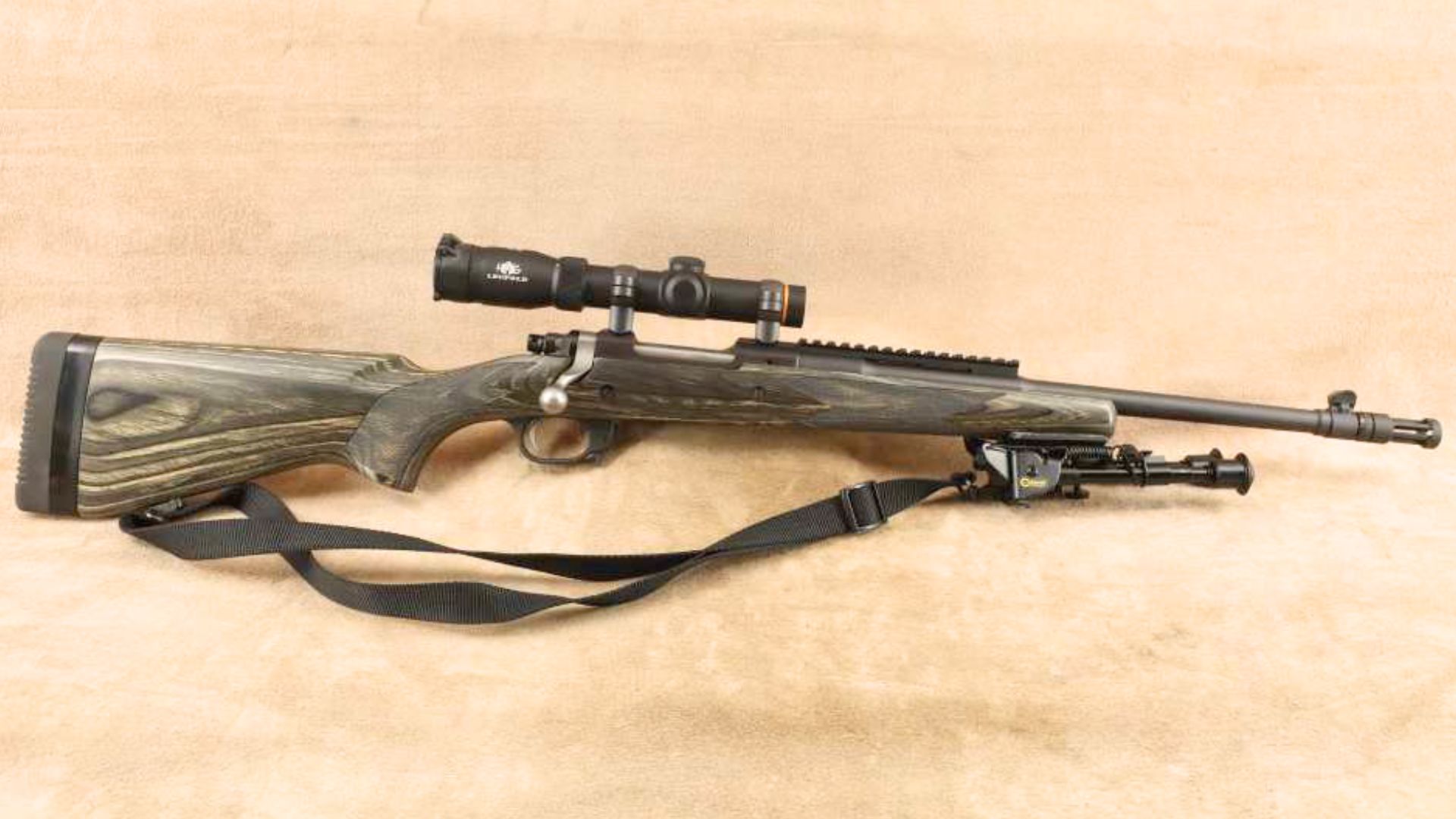
Ruger’s Gunsite Scout sells the idea of a tough, all-purpose rifle ready for any scenario. The ad copy makes it sound like the rifle version of a multi-tool. In practice, though, it’s clunky, heavy for its size, and awkwardly balanced.
The forward-mounted optics system works in theory but limits your sight options. Accuracy is fine at short range, but it fades fast as distance increases. It looks tactical and feels purposeful, but in a real hunt, it’s more burden than advantage. The rifle that looks heroic in photos feels mismatched in your hands.
Christensen Arms Ridgeline
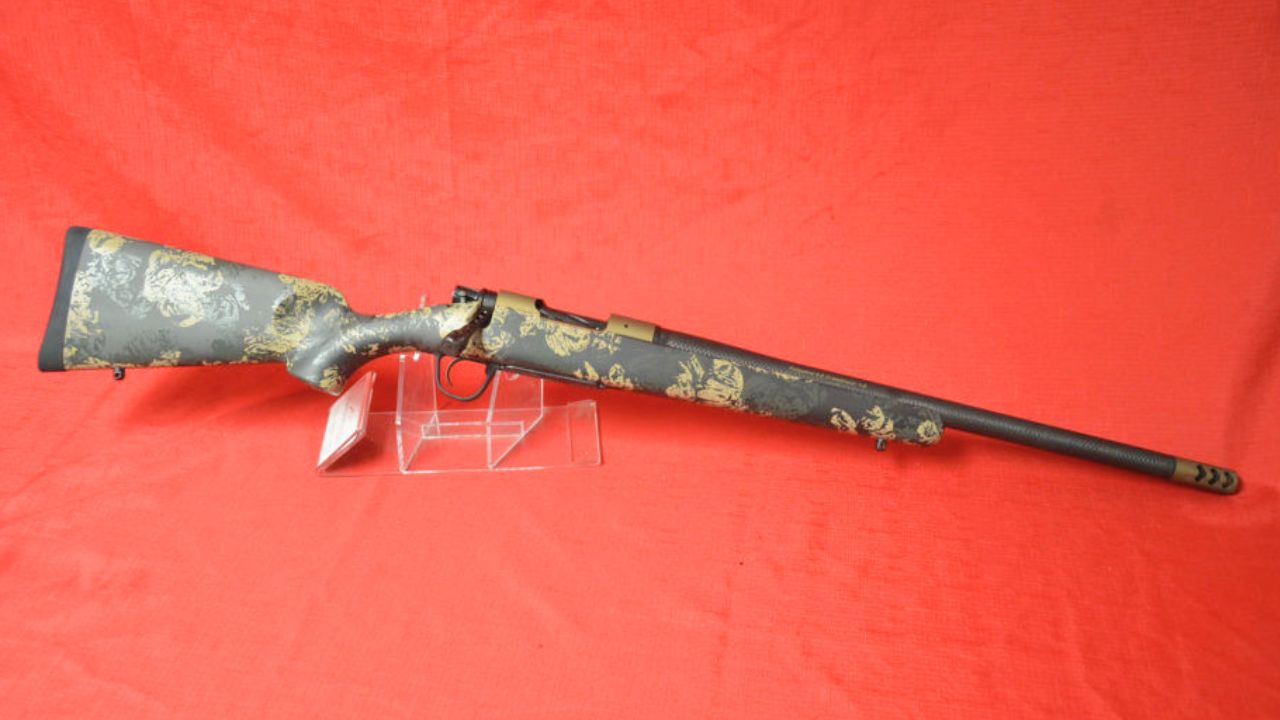
The Christensen Arms Ridgeline looks incredible in ads—carbon fiber barrel, clean lines, premium finish. And yes, it can shoot sub-MOA groups, but not as consistently as the marketing suggests. Many owners report heat-related shifts and finicky ammo preferences.
It’s also pricier than most rifles that shoot just as well under rougher conditions. The Ridgeline feels like a sports car—amazing on a clean track, finicky everywhere else. It’s a head-turner at the range, but in cold, muddy, high-stress hunts, it can lose the confidence it was built to inspire.
CVA Cascade

The CVA Cascade was meant to prove the company could make a serious bolt-action rifle, and its ads leaned hard into “accuracy and value.” Unfortunately, production inconsistencies make that hit-or-miss—literally. Some rifles shoot great, while others won’t hold zero after a dozen rounds.
The bolt throw feels uneven, and some magazines don’t feed smoothly. It’s not a disaster, but it’s unreliable enough that you won’t trust it in a once-a-season tag situation. It shines under studio lights but fades quickly in the unpredictable world of real hunting.
Howa 1500 Hogue

The Howa 1500 is a respected action, but the Hogue overmolded stock drags down its potential. It looks cool in ads—grippy, rugged, and ready for anything. In practice, that rubberized surface flexes enough to throw off accuracy when using a rest or bipod.
It’s accurate enough for close-range work, but once you start stretching distance, that flex becomes a real issue. Many shooters end up swapping stocks, which defeats the purpose of buying it in the first place. It’s one of those rifles that performs fine, but not nearly as good as it looks in marketing.
Remington Model 710

The Remington 710 might have looked like the future when it hit the shelves—modern design, light weight, and easy maintenance. But it turned out to be one of the most disappointing rifles ever to wear the Remington name. Feeding issues, poor bolt design, and cheap materials made it notorious.
It’s a rifle that looked great in photos and even better on a spec sheet, but it crumbled under real use. The kind of gun that made you doubt everything the marketing department said. Hunters who tried to make it work learned fast: if it looks too good to be true, it probably is.
Like The Avid Outdoorsman’s content? Be sure to follow us.
Here’s more from us:
The worst deer rifles money can buy
Sidearms That Belong in the Safe — Not Your Belt
*This article was developed with AI-powered tools and has been carefully reviewed by our editors.