Photo credit: Modern Primitive/YouTube
You’ve probably got one in your safe right now—a rifle you were proud to show off when you got it, but it hasn’t seen a hunt since the first season. It might’ve looked good on paper, punched nice groups at the range, or felt like a deal you couldn’t pass up. But one trip into the field, and you realized it was a burden. Too heavy, too picky, too finicky when it counted. These are the rifles that folks brag about to their buddies and post about online—but when the next hunt rolls around, they quietly grab something else. Here’s why certain rifles never make it back into the woods.
Remington 700 SPS Tactical

The 700 SPS Tactical looks like a field-capable precision rig, and it gets a lot of praise for its accuracy potential. But try lugging this thing through a ridge-top elk hunt and you’ll find out why it gathers dust. It’s heavy, awkward, and doesn’t shoulder naturally in tight cover. The short 20-inch barrel doesn’t help when the stock is still blocky and overbuilt. It’s a solid shooter on a bench, but most hunters don’t hike ten miles for a benchrest experience. Once the initial cool-factor wears off, the SPS Tactical becomes a safe queen real quick.
Mossberg MVP Patrol
Plenty of hunters got excited about the MVP Patrol’s AR mag compatibility and short length. It’s marketed as a versatile do-it-all rifle, but it turns into a letdown in real-world hunts. The bolt throw is rough, the mags rattle, and the accuracy is mediocre with factory ammo. It’s loud, it feels clunky offhand, and the flash hider serves no purpose in the woods. A lot of folks thought it’d replace their truck gun or become their scout rifle. Instead, it ends up in the back of the safe with a half-box of ammo and a regretful shrug.
Browning X-Bolt Hell’s Canyon Long Range
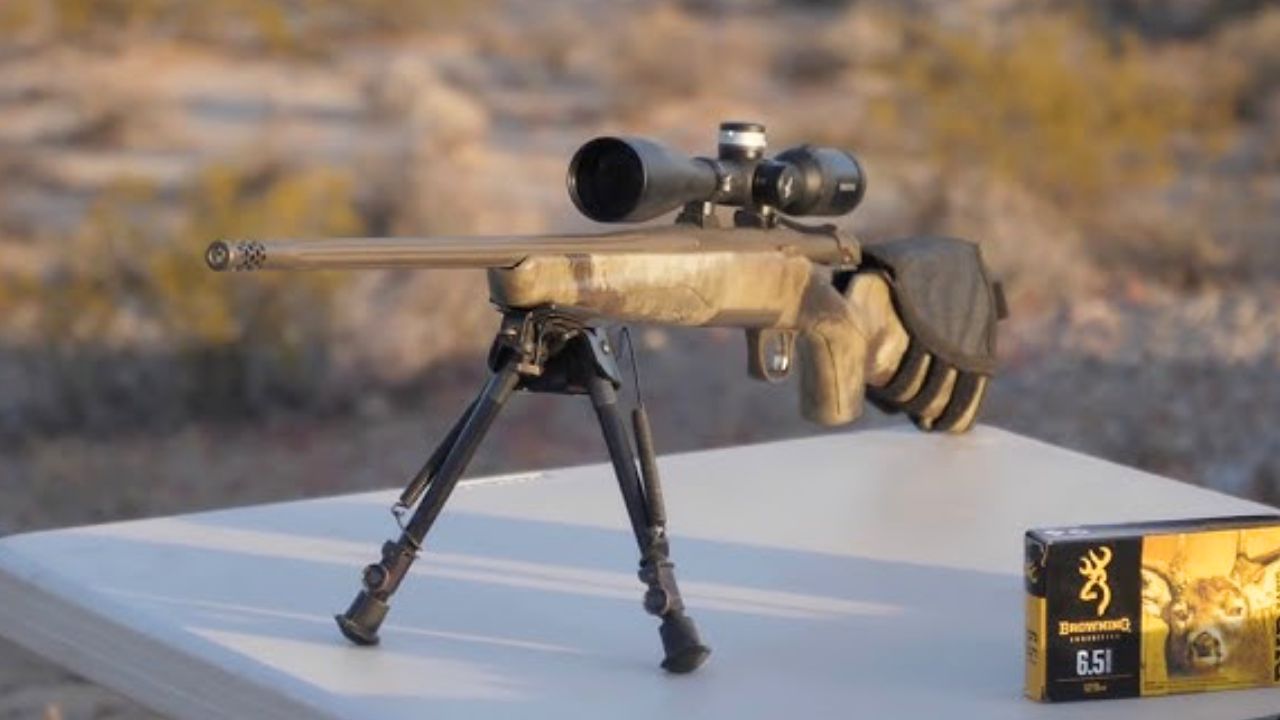
This one sells like hotcakes to guys who’ve read up on long-range hunting. Problem is, it’s a rifle that’s better suited to shooting steel than stalking elk. The extended barrel makes it feel like you’re dragging a canoe paddle through the timber. It’s accurate, sure—but the tradeoff is weight, bulk, and an awkward carry. After one or two hunts, most folks realize their terrain doesn’t offer many 700-yard shots. Then it’s back to the lightweight .308 they’ve carried for years, while the Hell’s Canyon gathers dust in a Pelican case.
Winchester Model 70 Extreme Weather SS
On paper, this looks like the perfect all-weather mountain rifle. But once you carry it up a few thousand vertical feet, the flaws start showing. The stock feels a bit clubby, the barrel isn’t exactly trim, and the action—while nostalgic—isn’t as smooth under pressure as modern hunters expect. It’s not a bad rifle, but it’s not as light or as handy as it claims. You’ll hear guys talk it up based on brand heritage and looks, but come opening day, it stays home while a beat-up Tikka gets the call.
Savage 110 BA Stealth

There’s always one guy in camp who shows up with something that looks like it came off a SWAT truck. The 110 BA Stealth is a range beast, no doubt—but it’s a miserable thing to carry in real terrain. We’re talking nearly 12 pounds before glass, with a chassis system that snags on everything. Try crawling into position with this thing and you’ll be swearing by the first hundred yards. It’s the kind of rifle people brag about shooting sub-MOA with, then never actually hunt with because it’s too specialized, too awkward, and way too heavy.
Weatherby Vanguard Series 2 Synthetic
The Vanguard Series 2 gets a lot of attention for being affordable and accurate. But it also carries like a 2×4 and balances like one too. That thick synthetic stock doesn’t sit well on the shoulder over a long hike, and the trigger—while improved—isn’t anything to write home about. For guys used to sleeker mountain rifles, the Vanguard feels sluggish and unrefined in the field. It’s fine for a box blind or a zero-movement whitetail setup, but the minute you have to still-hunt or bushwhack, you’ll wish you’d brought something trimmer.
Ruger Hawkeye Alaskan

This one turns heads. Stainless steel, Hogue overmolded stock, and chambered in thumpers like .375 Ruger. It’s made to look like the ultimate backcountry bruiser. But once you shoot it, the recoil gets old fast—and if you actually carry it on a hunt, that rubbery stock gets annoying in a hurry. It grips your clothing, it collects grime, and the whole rig feels heavier than it needs to be. Plenty of folks buy one thinking it’s going to be their go-anywhere Alaskan gun. Then they realize they live in Missouri and mostly shoot deer. It doesn’t leave the safe again.
Like The Avid Outdoorsman’s content? Be sure to follow us.
Here’s more from us:
The worst deer rifles money can buy
Sidearms That Belong in the Safe — Not Your Belt
*This article was developed with AI-powered tools and has been carefully reviewed by our editors.