Photo credit: Hegshot87/YouTube
Some pistols build a following so strong that owners feel like part of a club—until the gun finally shows its cracks. It only takes a few range trips, a few failures, or a few design flaws to turn devoted fans into critics. Sometimes it’s reliability issues that appear once round counts climb. Other times it’s accuracy that doesn’t hold up past those early break-in sessions. And in many cases, shooters realize the hype around a model came from marketing, not real performance. When you’ve trusted a pistol to deliver and it falls short, that disappointment sticks with you.
Walther CCP
The first-gen CCP drew a crowd with its soft-shooting gas system, but users quickly discovered reliability issues. Many pistols struggled with extraction, and the gas system fouled faster than expected, especially with bulk ammo. Once fouled, feeding became erratic, turning range sessions into troubleshooting exercises.
Cleaning the system was also more complicated than what many concealed-carry users wanted. Early adopters who expected Walther-level performance were frustrated, and the model’s reputation dipped almost immediately. Later versions improved, but the damage to the first-gen model’s following was done.
SIG Sauer P238 HD
The P238 HD looked like a polished metal upgrade of the standard version, but the extra weight didn’t translate to better reliability. Some shooters reported inconsistent slide velocity with certain ammunition, leading to failures to eject. Others struggled with harsh primer sensitivity compared to lighter P238 variants.
The weight shift also changed how the pistol handled recoil and follow-up shots. Many fans who loved the original P238 were disappointed enough to trade out of the HD version quickly. It wasn’t unsafe or poorly built—it just never lived up to the expectations of those who already trusted the platform.
Taurus PT709 Slim
The PT709 Slim won fans early because of its price and feel in the hand. Once shooters pushed round counts past a few hundred, the story changed. Trigger reset failures and inconsistent ejection patterns became common complaints. These issues weren’t always catastrophic, but they were enough to shake confidence.
Even those who liked the handling grew tired of the unpredictable behavior. Some owners tried different springs or magazines but eventually walked away from the platform. The pistol had potential but couldn’t maintain the trust it created early on.
Kimber Solo

The Solo might be one of the clearest examples of hype turning into frustration. Shooters loved the compact size and crisp trigger, but reliability hinged heavily on using specific premium ammunition. Anything below that standard often led to feeding or extraction issues.
For a defensive pistol, that kind of sensitivity was a deal-breaker. Many longtime Kimber fans expected consistency across ammo types. Instead, they found themselves troubleshooting a pistol that needed ideal conditions to run well. The disappointment was loud and immediate.
Springfield 911
The Springfield 911 looked promising as a micro-carry pistol, especially with shooters who liked 1911 ergonomics. But as owners put more rounds through the platform, they encountered feeding issues tied to magazine geometry and certain hollow points.
Accuracy drifted faster than expected as well, especially with lightweight frames heating up quickly. Shooters who expected a rock-solid backup gun found themselves losing trust in the platform. It didn’t take long for early fans to start voicing concerns.
Remington R51 (second release)
The R51’s redesign was supposed to fix the problems from the original release, but issues lingered. Many owners still encountered failures to feed, inconsistent slide lock behavior, and rough cycling. Even after improvements, the gun never felt fully sorted.
The disappointment hit hardest among those who believed the relaunch would redeem the pistol. Instead, they found themselves owning a gun that still didn’t run like a modern carry pistol should. Few models lost fans faster than the R51.
Bersa Thunder 380 Combat Plus
Shooters who loved the standard Thunder 380 expected the Combat Plus variant to be an upgrade. Instead, some experienced failures related to the double-stack magazine design. Feeding became less consistent, and the added grip width reduced the pistol’s appeal as a compact carry option.
Accuracy also took a hit for some shooters because of increased muzzle flip. Fans who trusted the original model felt let down, especially when the Combat Plus didn’t hold up to the reliability reputation of its sibling.
SCCY CPX-3
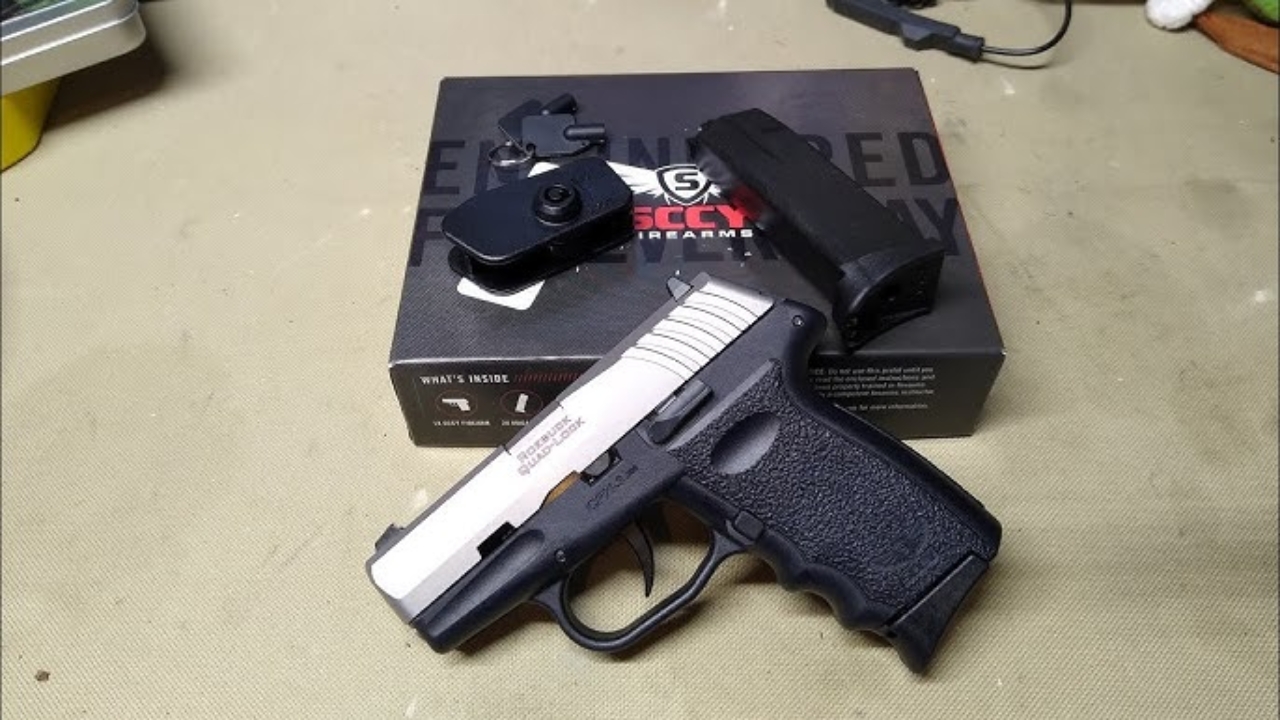
The CPX-3, chambered in .380 ACP, seemed like a softer-shooting option from SCCY. But early adopters ran into cycling problems tied to ammunition sensitivity. Limp-wristing sensitivity also created frustration among newer shooters who expected a forgiving pistol.
Extractor wear appeared earlier than expected on some examples, adding to the concerns. Owners who had decent experiences with the CPX-1 or CPX-2 were surprised to see the CPX-3 struggle so much under normal range use.
Canik TP9 Sub Elite
The Sub Elite attracted attention because Canik had built a reputation for excellent value. But this model didn’t earn the same praise. Some shooters experienced inconsistent accuracy, especially with certain bullet weights. Others saw intermittent light primer strikes not seen in other TP9 variants.
Fans who trusted the brand expected the Sub Elite to perform like the larger models. When it didn’t, many moved on quickly. It wasn’t an outright failure, but expectations exceeded the reality of how it performed for many users.
Kahr CT9
The CT9 offered a budget take on Kahr’s premium pistols, but the cost savings showed. Some shooters ran into issues with weak extraction and sluggish cycling during the break-in period. While Kahr’s manuals warn that break-in is required, many fans felt this model needed more than expected.
Once confidence was shaken early, it was hard for shooters to trust the pistol in a carry role. That shift in perception caused many loyal Kahr users to step back from the CT line.
Ruger LC9s Pro

The LC9s Pro made waves with a better trigger and no manual safety, but the lighter trigger exposed issues with unintended slide lock engagement for some shooters. Others found the pistol more sensitive to grip variations than the original LC9.
Longtime Ruger fans who expected a true upgrade felt the Pro model required more discipline to run consistently. That didn’t ruin the platform, but it changed how many owners viewed the pistol’s real-world practicality.
Magnum Research Micro Desert Eagle
Shooters expected a tough, reliable metal-frame pocket pistol, but the Micro Desert Eagle disappointed many with its harsh recoil and stiff slide. Some examples struggled with feeding wide-mouth hollow points, leaving owners frustrated at the limitations.
Even committed fans of Magnum Research felt the pistol didn’t live up to the name. It handled nicely in the shop but proved far less comfortable during extended range sessions, souring early excitement.
Beretta APX Carry
The APX Carry came from a respected manufacturer, but accuracy issues and trigger inconsistencies turned many fans into critics. The pistol simply didn’t shoot like the full-size APX models that had built Beretta’s momentum in the polymer world.
Some users struggled with stovepipes and failures to eject, especially early on. As problems circulated, enthusiasm cooled quickly, leaving the APX Carry without a strong community behind it.
S&W SW9VE (Sigma Series)

The Sigma series had one of the heaviest triggers in the modern pistol world, and while some shooters tolerated it, many felt misled after expecting a smoother experience. The trigger made accuracy harder than it needed to be for everyday users.
Fans who bought in based on S&W’s reputation often didn’t stick around. While the pistol was durable, the firing experience turned many supporters into outspoken critics.
Mossberg MC1sc
The MC1sc made a splash as Mossberg’s reentry into the pistol market, but early adopters saw cycling issues that didn’t match modern carry-gun expectations. Some pistols struggled with certain hollow-point loads, while others had inconsistent slide lock behavior.
Mossberg fans wanted a strong start in the pistol category, but the MC1sc felt rough around the edges. Even those who liked the ergonomics eventually drifted toward more polished options.
Like The Avid Outdoorsman’s content? Subscribe to our newsletter so you never miss an article.
Here’s more from us: