
Photo credit: Tom Reichner/Shutterstock.com
Modern deer managers will tell you “genetics” show up in the rack only if age structure and nutrition are there first. The NDA’s latest numbers show more 3½-plus-year-old bucks on the ground than ever, and certain states have really turned a corner with older deer and better antler potential. Here’s where the trend is easiest to see.
Mississippi
If you want proof that patient management works, look at Mississippi. Around 80% of the state’s buck harvest is 3½ years old or older, the second-highest percentage in the country. When that many bucks are making it past their first set of antlers, the genetic ceiling finally shows. Big frames and heavy beams are more common, and hunters see a real difference between what they grew up shooting and what’s walking around now.
Oklahoma

Oklahoma quietly climbed to the top of the mature-buck charts: roughly 81% of antlered bucks in the harvest are 3½ or older. That’s a huge shift from the “shoot the first legal buck” mindset that ruled for years. More bucks getting to 4½ and 5½ is letting the state’s natural genetics do their thing, especially in mixed ag-and-timber country. When your “average” rack in good areas would’ve turned heads 20 years ago, something’s going right.
Louisiana

Louisiana now ranks third in the nation for the percentage of mature bucks in the harvest, and recent giants prove the upside. Multiple 200-inch-class deer have come out of the state in the last few years, and managers credit antler restrictions, habitat work, and hunters getting more selective. The state’s swamp-and-bottomland genetics were always there; now the age structure is finally catching up, and it shows in the photos.
Texas

Everyone knows Texas grows big deer, but the data says the herd’s structure is better than ever. Texas sits near the top for total antlered-buck and antlerless harvest, and about 70% of harvested bucks are 3½ or older. Combine that with top-tier nutrition on many ranches and serious management, and you get more mature frames hitting the dirt. The difference is that it’s not just high-fence country—free-range regions are seeing better age classes too.
Arkansas

Arkansas runs with the big boys now. More than 60% of its buck harvest is 3½ or older, and the state has hundreds of Boone and Crockett entries on the books. Long-running antler restrictions and selective hunting have shifted the herd away from yearlings. The result is a lot more solid 8s and 10s on public and private, and enough true giants to show the “Natural State” isn’t just a flyover on the whitetail map.
Alabama
Alabama’s Black Belt has always produced good deer, but the numbers now back up what locals see. Roughly 60% of buck harvest is 3½ or older, putting Alabama among the better mature-buck states. Biologists say herd condition is strong, and hunters who let younger bucks walk are seeing more mass and tine length show up. It’s still a heavy-pressure state, but the overall age structure looks better than it did a generation ago.
Kentucky

Kentucky sits near the top nationally for Boone and Crockett whitetail entries and ranks high for recent record-book bucks. Biologists point to a balanced age structure, good nutrition, and conservative seasons in some regions as the drivers. From the Ohio River counties to central farmland, more bucks are reaching that 4½- to 6½-year-old window where genetics really show. You see it in both the number and consistency of big deer each fall.
Indiana
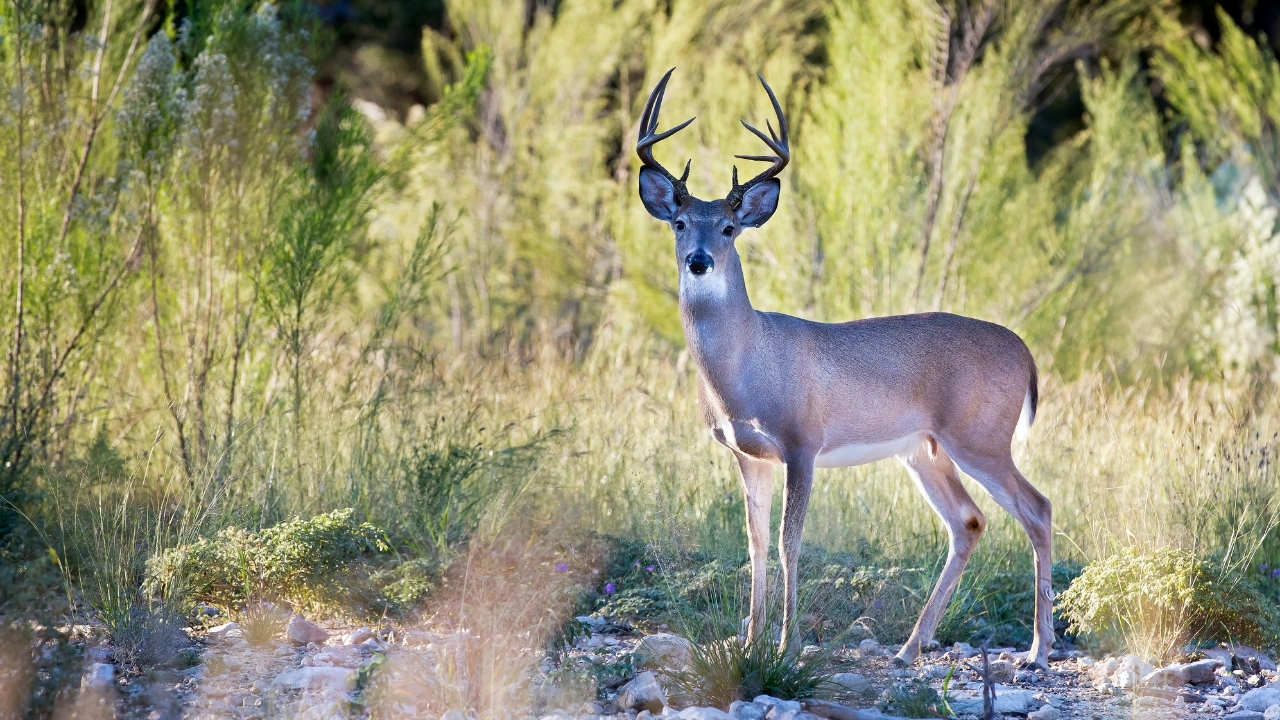
Indiana went from a quiet Midwestern state to a full-on trophy factory. Boone and Crockett calls out Indiana as one of the fastest-rising whitetail states, with more than 100 entries just from 2020–2022 and a 2021 buck that ranks as the second-largest typical ever taken by a hunter. Managers deliberately shifted regulations to protect younger bucks, and it’s paying off. When a “sleeper” state suddenly lands high in the record books, that’s age structure and genetics syncing up.
Ohio
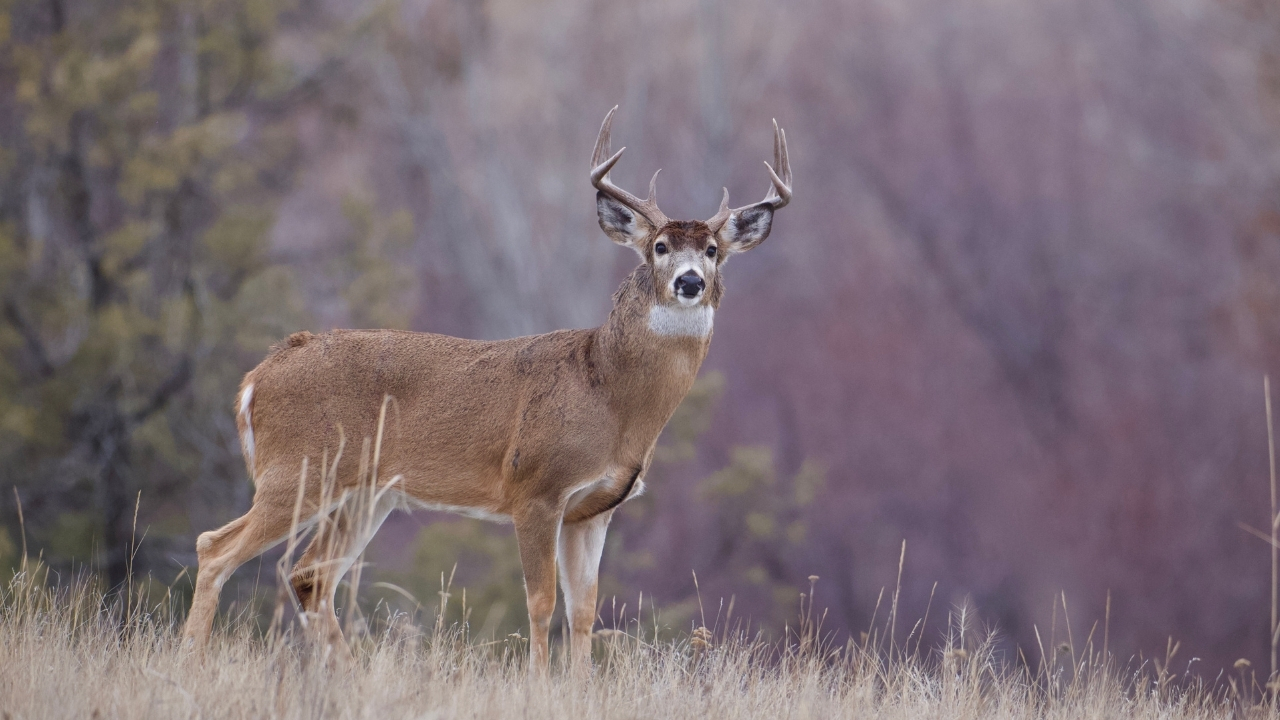
Ohio has long had strong genetics, but recent B&C data shows it sitting near the top for record entries from 2020–2022 and per-square-mile big bucks over the last decade. That’s what happens when you give deer time in good ag-and-timber country. More counties are producing solid racks consistently, not just the famous corners. The state’s mix of limited rifle seasons, crossbow use, and tag structure seems to be keeping older deer on the landscape.
Wisconsin

Wisconsin is still the heavyweight when it comes to record-book whitetails, leading the pack both all-time and in the latest Boone and Crockett rundown. It isn’t because the genetics magically changed—it’s because more bucks are living long enough to express them. Counties like Buffalo and Polk keep sending in entries, and the state holds a huge number of mature-buck harvests every year. Manage the pressure right, and the ceiling here is still sky-high.
Minnesota

Minnesota doesn’t get the same press it used to, but the record data says the state is still cranking out mature bucks at a solid clip. It sits in the top tier for Boone and Crockett whitetail entries, both historically and in the last decade. Add in better food sources, timber cuts, and hunters willing to pass up yearlings, and you end up with more 4½-year-old class deer than most people expect, especially outside the far north woods.
Missouri

Missouri stays in the conversation for big deer year after year, with a strong record-book presence and solid entry rates per square mile. The genetics in river-bottom ag country have always been good; the difference now is that modern management and changing hunter attitudes let more bucks get old. The result is that “good” racks are normal, and every season brings a fresh pile of true trophies from both private farms and whitetail-rich public ground.
Pennsylvania

Antler restrictions flipped Pennsylvania’s buck herd. The state now sits near the top for total antlered-buck and antlerless harvest, and it punches above its weight on record-book entries when you account for how heavily it’s hunted. Older, heavier-racked bucks are a lot more common than they were in the 1990s. In many regions, hunters now talk about waiting on a good 8-point instead of shooting the first spike that walks past.
North Carolina
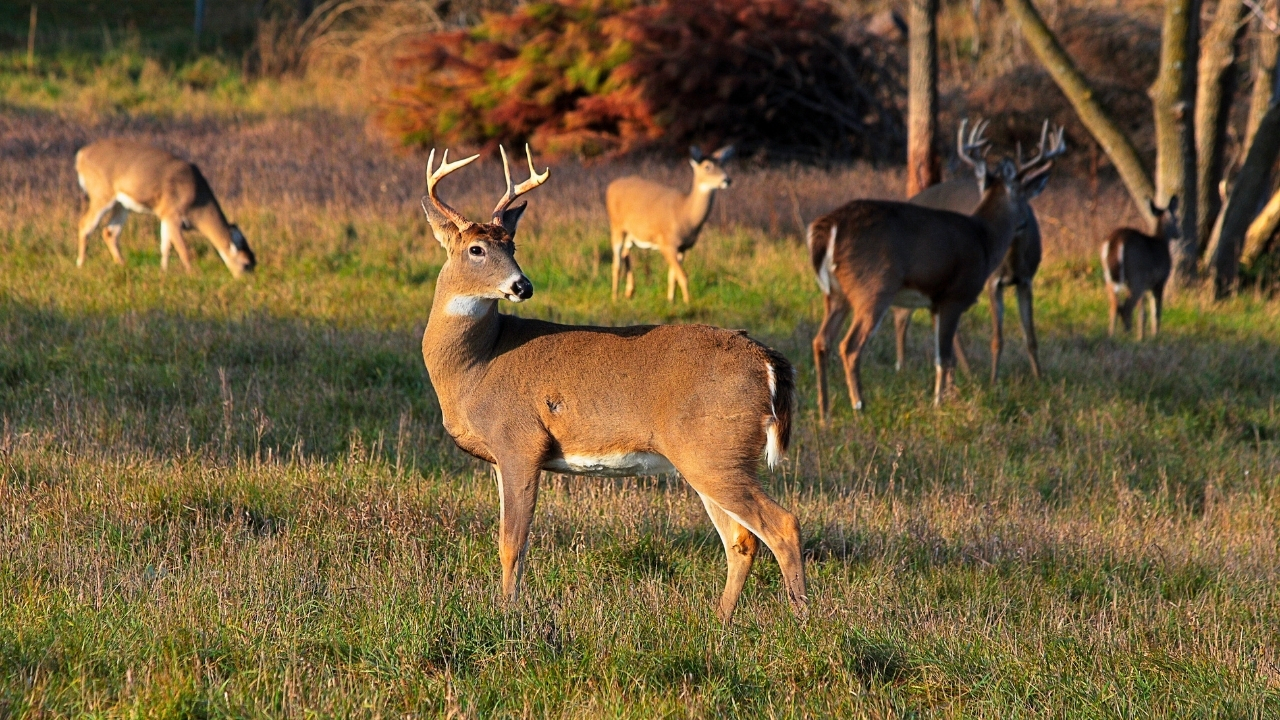
North Carolina’s herd is thick, and biologists say buck age structure and buck–doe ratios have been improving across much of the state. Trophy potential still lags behind the Midwest, but you’re seeing more mature deer from the Piedmont and other pockets than you did years ago. With urban seasons, shifting rifle rules, and hunters getting more selective, the genetics that produced past giants are starting to show up again in modern harvest photos.
South Carolina
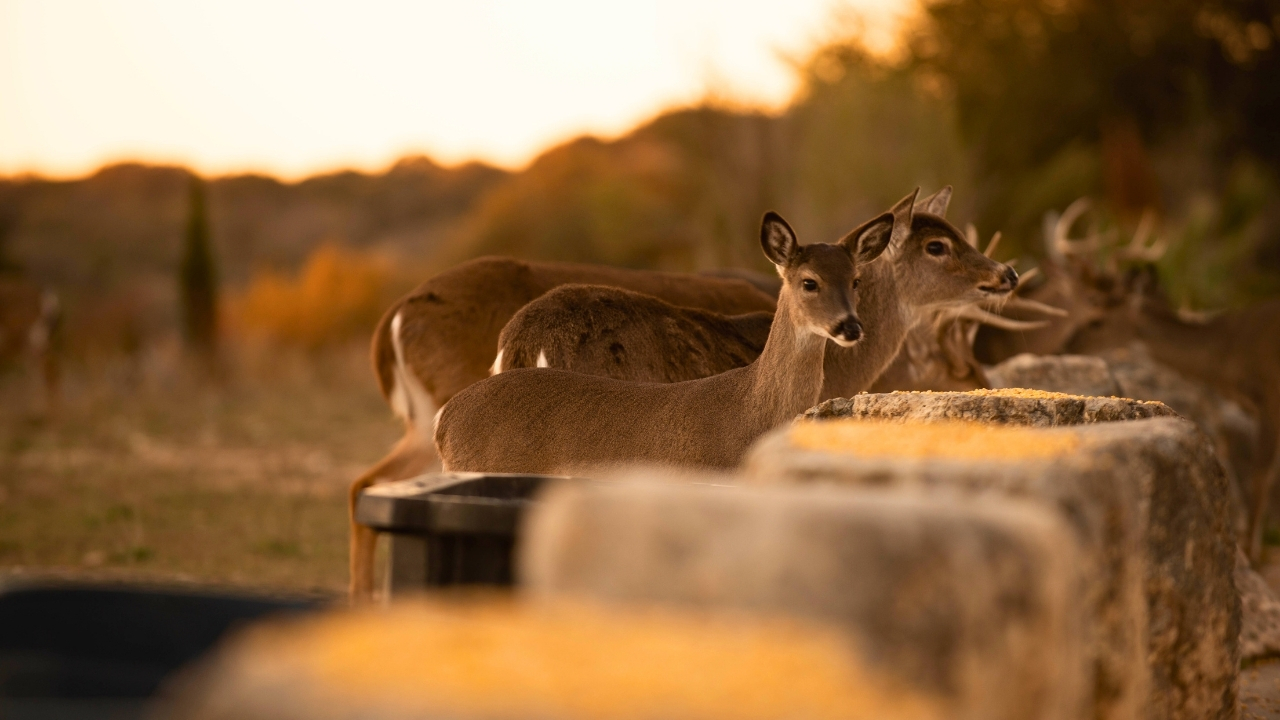
South Carolina is still an “opportunity” state, but the management direction is clear. Parts of the state recently added antler restrictions and tightened buck limits specifically to improve buck age classes. It will take time, but you’re already seeing more solid, mature bucks where pressure isn’t nonstop. With long seasons and generous limits still in play, hunter discipline is the key variable—but the genetics are there if deer can live long enough.
Like The Avid Outdoorsman’s content? Subscribe to our newsletter so you never miss an article.
Here’s more from us: