Photo credit: Colion Noir/YouTube
When I say “overrated,” I’m not saying “junk.” I’m saying the hype doesn’t match what most regular shooters actually experience—especially once you get past slow-fire and start doing real practice. Some pistols get defended because of brand loyalty, nostalgia, price, or internet momentum. The problem is that a handgun can be popular and still be a bad fit for most people’s real-world use.
Kimber 1911 (mid-tier production guns)
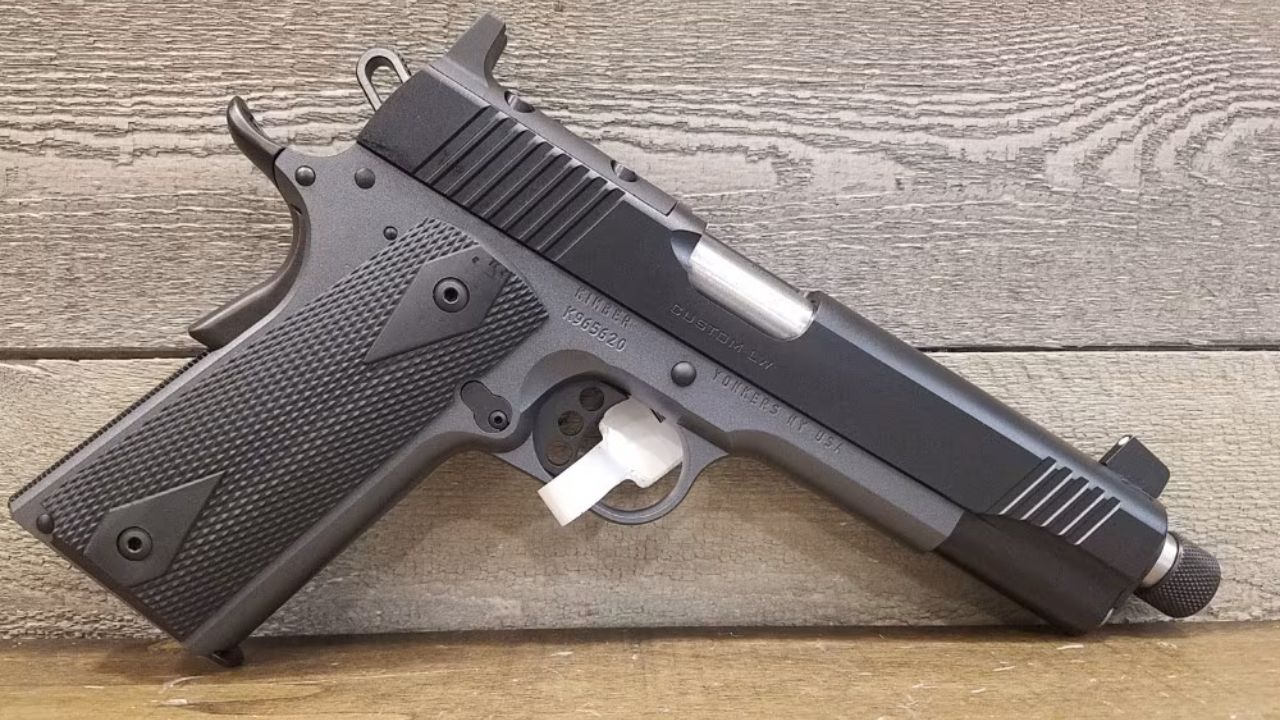
Kimber owners can be fiercely loyal, and some Kimbers run great. The problem is the hype: people buy them expecting “duty reliability” because they look premium and feel tight. Then they discover the reality of production 1911s—mag sensitivity, extractor tension quirks, break-in expectations, and the fact that hard use can reveal issues that casual shooting never will.
If you love 1911s and you’re willing to maintain them, cool. But if you want “buy it, run it, trust it” reliability, a mid-tier 1911 is not always the slam dunk people pretend it is. A lot of the defense is emotional. A carry gun should be boring, not a personality trait.
Springfield XD

The XD has plenty of fans, and plenty of examples run fine. But the way people talk about it often ignores the ecosystem reality and performance reality. Triggers, support, and aftermarket options lag behind more common platforms. For many shooters, that means fewer proven holsters, fewer proven parts pipelines, and fewer “known good” setups compared to Glock/M&P/P320.
Defenders will say, “Mine runs.” That’s great. But as a recommendation for most people? It’s not the obvious choice it used to be. If you’re buying today, it’s hard to justify an XD as the best path unless you already shoot it well and you’re committed to it.
Walther PPK
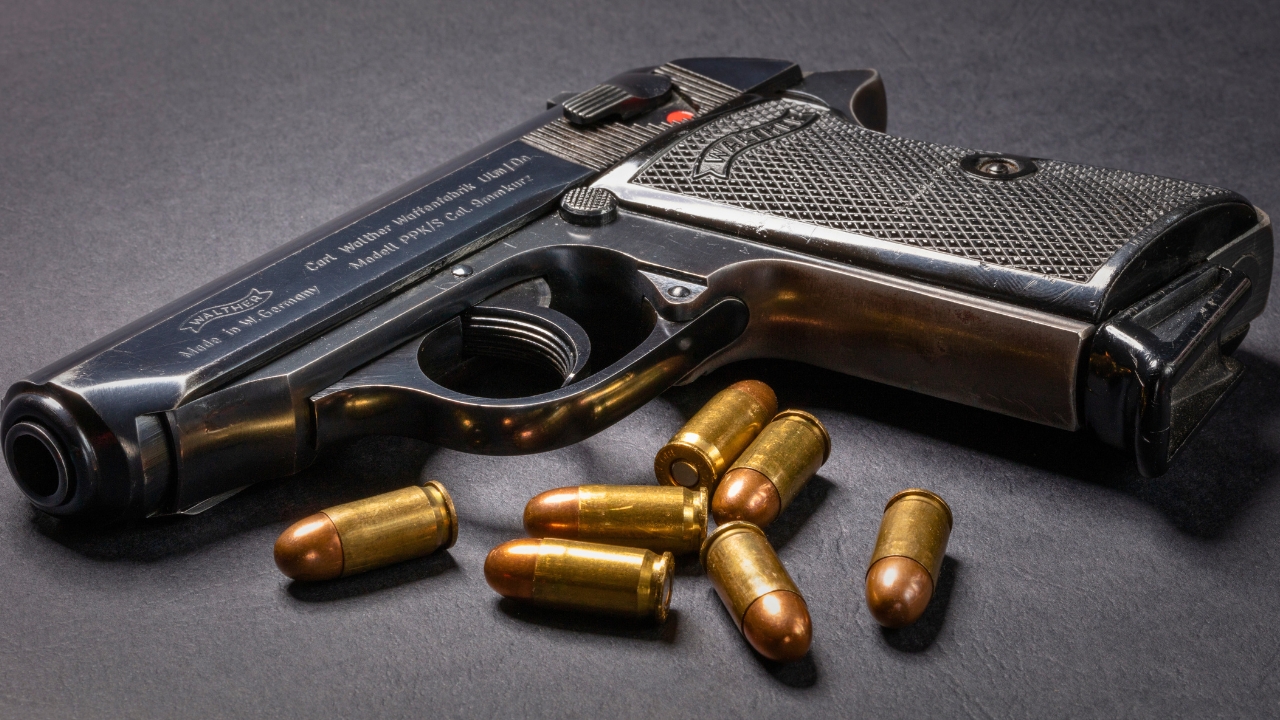
The PPK gets defended because it’s iconic. That’s the whole defense. In real use, it’s not a comfortable shooter for many people—sharp recoil in small form, potential slide bite, heavy/awkward trigger in DA, and controls that don’t feel modern. If you’re buying it because you love the history, fine. If you’re buying it as a practical carry tool, there are easier choices.
A lot of folks defend it because it’s “classy” and “proven,” but a modern carry pistol is easier to shoot well, easier to maintain, and easier to run under stress. The PPK is a vibe. It’s not automatically a smart carry gun for most hands.
Ruger LCP

The original LCP gets defended because it’s tiny and it works—sometimes. But the hype version is “perfect pocket gun.” The reality is: many people can’t shoot it well, don’t practice with it, and end up carrying a gun they’ve barely proven. Tiny sights, sharp recoil, short grip, and small controls make it a hard platform to be consistent on.
Pocket pistols are legitimate tools, but they’re not magic. If someone carries an LCP and never shoots it, they’re defending an idea, not a skill set. For many shooters, a slightly larger .380 or micro 9mm ends up being a better balance of carry comfort and actual performance.
Glock 43

Yes, it’s reliable. Yes, it carries easy. But it’s defended like it’s the best answer for everybody, and it isn’t. For a lot of shooters, the 43 is snappier and harder to shoot fast than they expected. People defend it because “it’s a Glock,” and because it disappears, not because it’s the easiest pistol to shoot well under speed.
If you shoot it well, great. If you don’t, there’s no prize for suffering. A 43X, Shield Plus, or P365 variant might give you better control with almost the same concealment. The “overrated” part is pretending one size fits everyone.
SIG Sauer P938 / Micro 9-style pistols

These get defended because they’re metal, they feel solid, and people like the 1911-ish manual of arms. The reality is they’re still small guns with small-gun sensitivity. Reloads, manipulation, recoil control, and long practice sessions can be annoying. Some run great. Some are picky with ammo. Some require the owner to be more “tuned in” than they expected.
They’re not automatically bad. They’re just often defended as if they’re a perfect carry solution because they look and feel premium. Small pistols don’t care about premium. They care about geometry, timing, and how consistent you are with grip and manipulation.
Beretta Nano

The Nano gets defended as “underrated” and “sleek,” but a lot of shooters end up finding it awkward compared to newer micro-9 options. Trigger feel, handling, and the overall shootability don’t always match the praise. The defense usually comes from people who already own one and want it to be a winner.
If you shoot it well, cool. But as a recommendation in a world full of very shootable compacts, it’s not the obvious pick people pretend it is. The overrating is acting like the market moved on for no reason.
Taurus Judge

The Judge is defended as a “do-it-all” solution. It isn’t. It’s heavy, bulky, hard to carry, and the performance people think they’re getting often doesn’t match reality once you actually shoot it and pattern it. Folks defend it with stories. The gun doesn’t care about stories.
If you want a revolver, buy a revolver that’s good at being a revolver. If you want a defensive handgun, buy a defensive handgun you can shoot fast and accurately. The Judge can be fun, but “fun” gets defended like it’s practical. That’s the disconnect.
Desert Eagle

Everybody defends the Desert Eagle because it’s ridiculous and cool. That’s fine. But it’s overrated the moment people start pretending it’s anything beyond a range novelty for most owners. Heavy, ammo hungry, expensive to feed, and not exactly forgiving in the practical sense. Most people don’t shoot it often because it’s a whole event.
If you want one because you want one, do it. Just don’t let the hype convince you it’s a “serious” tool. The defense is usually flexing, not practicality.
Glock 44
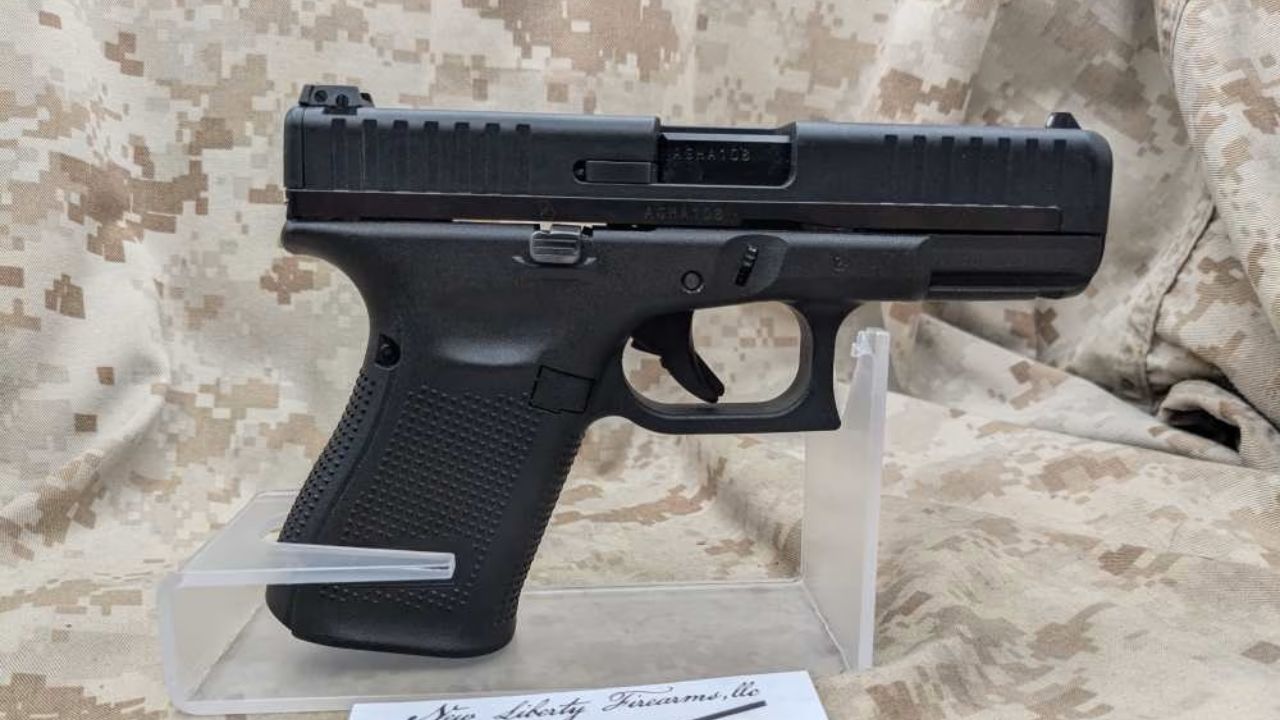
The Glock 44 gets defended as the perfect Glock trainer. Some are fine. Some are ammo picky. Rimfire pistols in general can be finicky, but the defense tends to ignore that reality and promise “Glock reliability in .22.” That’s not how rimfire works, and people get disappointed when they try to run it hard with bulk ammo.
A .22 trainer is a great idea, but don’t buy into the hype that it’s going to behave like a 9mm duty pistol. Pick the .22 that runs best with the ammo you’ll actually use and accept that rimfire takes a little more patience.
S&W Bodyguard .380 (older version)

The older Bodyguard .380 gets defended because it’s small and affordable. The reality is many shooters hate the trigger, don’t shoot it well, and end up carrying something they haven’t proven with real practice. It’s one of those pistols that’s “fine” until you actually try to shoot it fast and accurately, then it becomes work.
Small carry guns are always a compromise. The overrating comes from pretending this one isn’t. If you need deep concealment, okay. But don’t confuse “easy to carry” with “easy to shoot.”
1911 Officer-size pistols
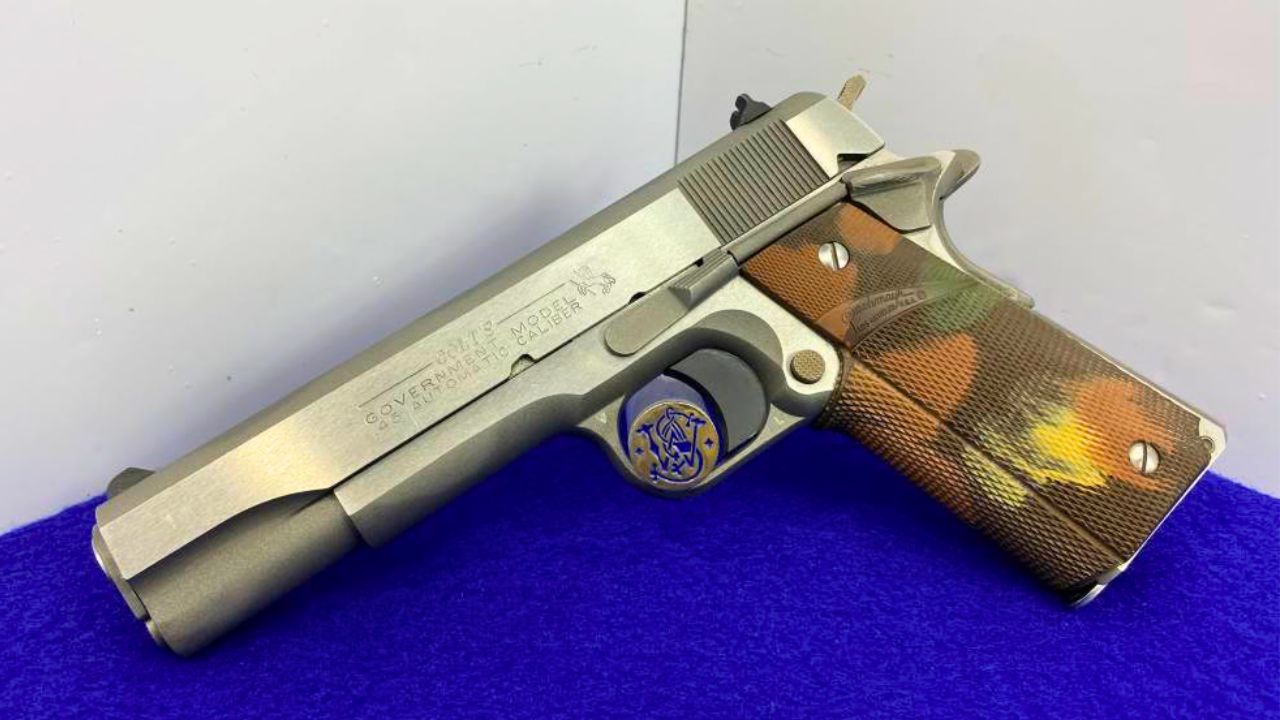
Short 1911s get defended by people who love 1911s. The problem is the timing and margin are less forgiving than full-size guns. People defend them like they’re just “a smaller 1911.” In practice, they can be more sensitive to mags, springs, and ammo, and they often require more maintenance discipline.
If you’re a 1911 guy and you’ve proven your setup, great. But for the average shooter who wants a compact carry gun, there are simpler options that demand less tinkering. The hype tends to skip that part.
Ruger SR9 / older Ruger striker guns
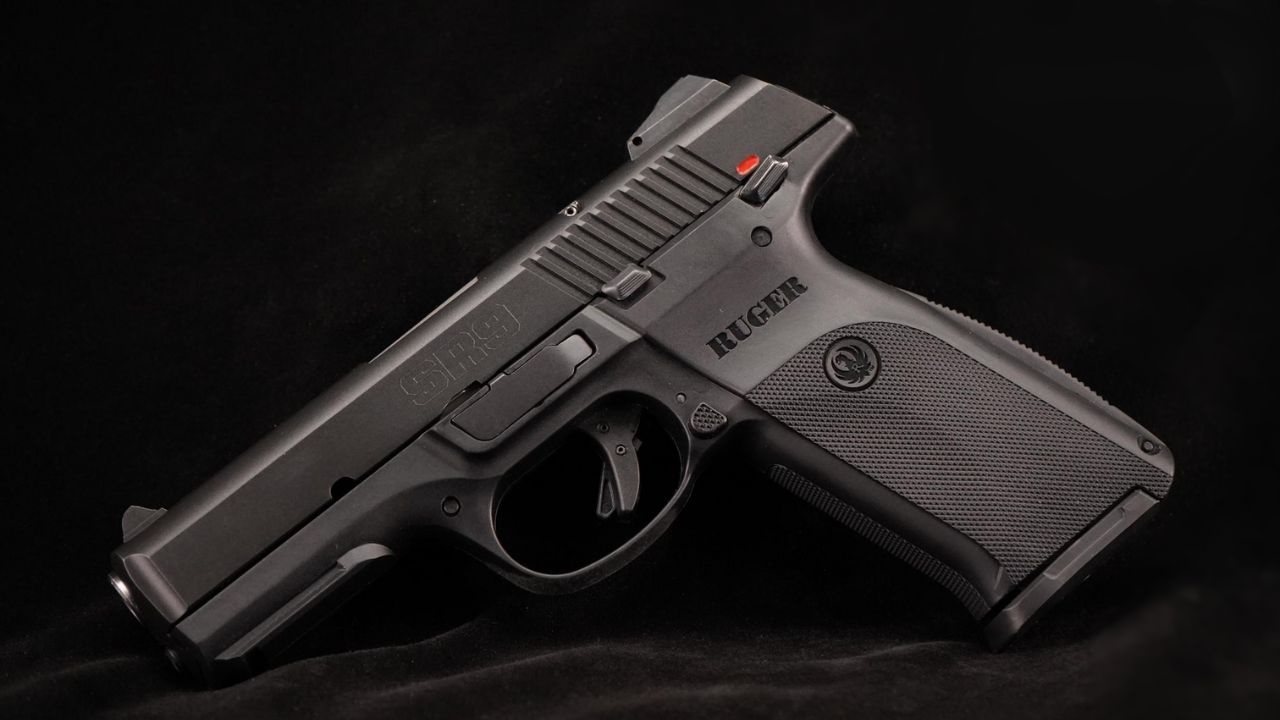
These get defended because “mine works” and because Ruger fans are loyal. But the reality is the platform support and modern feature set lag behind what’s common now. When you’re trying to set up a carry gun—holsters, sights, optics cuts, magazines, spare parts—the mainstream guns make life easier.
If you already own one and it’s proven, cool. But the overrating is acting like it’s the best move for a new buyer today. There are better-supported options that will make training and long-term ownership easier.
FN Five-seveN

The Five-seveN gets defended as “flat shooting” and “unique.” It is. But the hype version often pretends it’s a practical answer for most people’s needs. Ammo cost, availability, and the niche nature of the platform make it a harder pistol to actually shoot a lot and become skilled with.
If you want it because you love it, go for it. Just don’t confuse niche cool-factor with being the smartest all-around handgun choice for most shooters. Practical skill comes from reps, and reps come from ammo you can afford and find.
Glock 21

The Glock 21 gets defended as the do-it-all .45. The reality is: for a lot of shooters, the grip is too big, the gun feels slow in transitions, and they shoot it worse than a 9mm without gaining anything meaningful for their use. People defend it with caliber loyalty more than performance data.
If your hands fit it and you shoot it well, fine. But many people don’t. The overrating is telling smaller-handed shooters they “just need to train more” when a different platform would let them perform better immediately.
Canik

Caniks get defended like they’re a cheat code. They can be a strong value—no argument. But the hype version acts like you’re dumb if you buy anything else. That’s nonsense. Fit, reliability with your ammo, long-term parts support, and your specific use case matter.
If you shoot a Canik well and it’s proven, great. Just don’t let internet momentum do your decision-making. The “overrated” piece is the way some people treat it like a universal answer when it’s still a handgun with strengths, weaknesses, and tradeoffs like anything else.
Like The Avid Outdoorsman’s content? Subscribe to our newsletter so you never miss an article.
Here’s more from us: