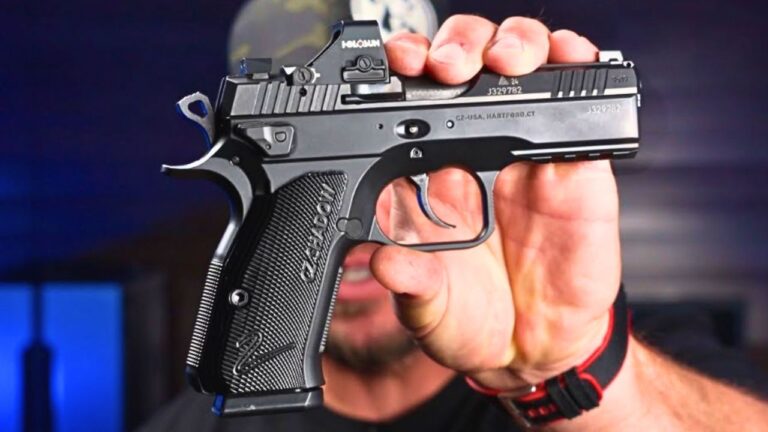
Photo credit: Olde English Outfitters/YouTube
A strong reputation can sell a gun faster than any honest trigger pull ever will. A model gets tied to military history, collector chatter, old magazine praise, or a whole lot of online confidence, and buyers start treating it like a proven answer before they have even spent a real afternoon shooting it. That is where trouble starts. Range time has a way of cutting through the romance fast. Triggers feel worse under speed, recoil shows up harder than expected, ergonomics stop feeling charming, and reliability or shootability suddenly matter a lot more than whatever story helped close the sale.
That is what ties these firearms together. They are the guns people buy because the name sounds important, the reputation sounds earned, or the fan base sounds convincing. Some are still interesting. Some still have a role. A few can even be enjoyable in the right hands. But they also have a long habit of disappointing people once the shooting gets real and the owner has to judge the gun by performance instead of by legend. These are firearms people buy for the reputation and regret after real range time.
Springfield Armory M1A
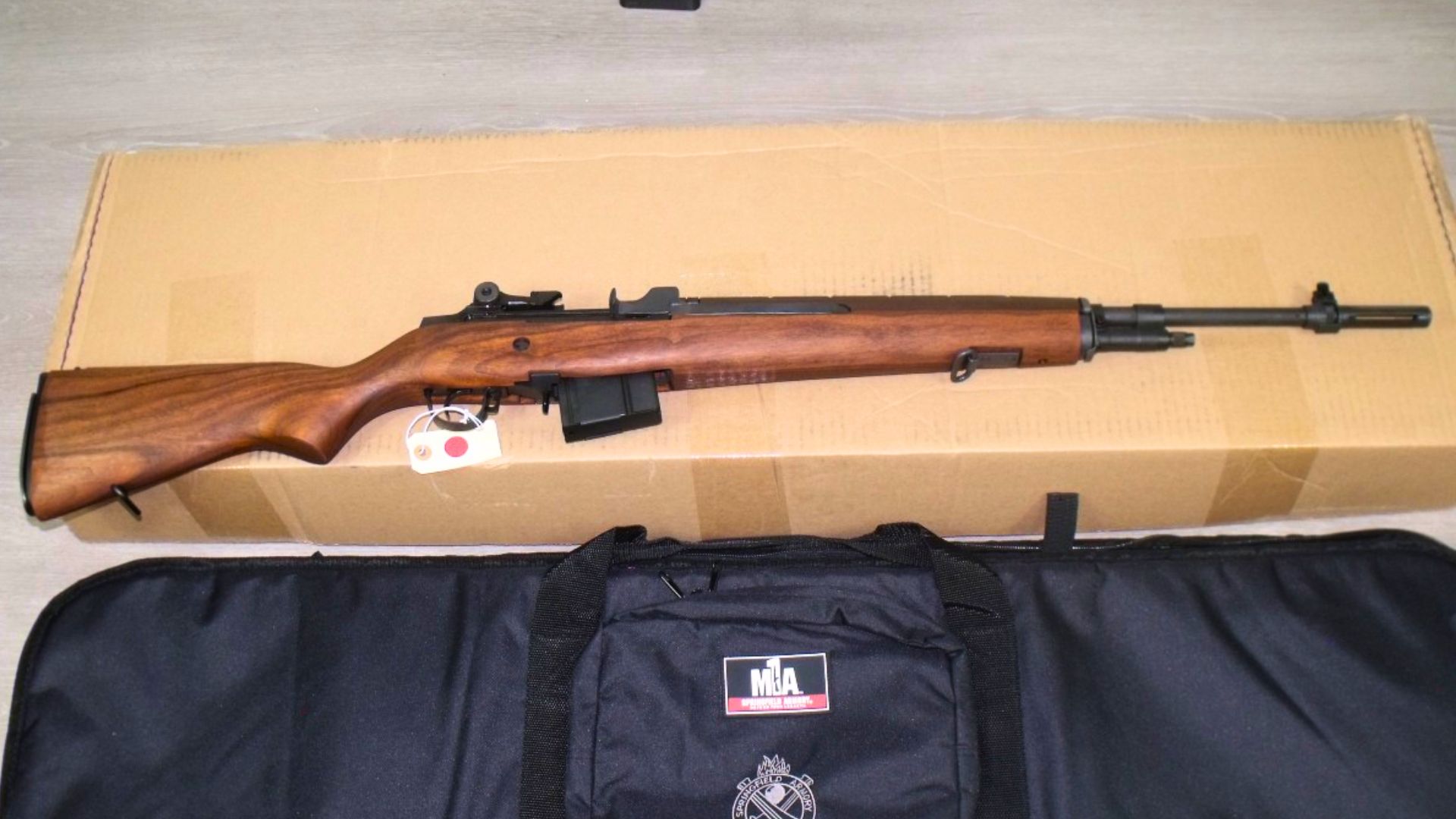
The M1A sells a powerful image before the first round ever goes downrange. It has the old battle-rifle silhouette, the wood-and-steel seriousness, and the kind of military-adjacent prestige that makes buyers feel like they are buying something more meaningful than an ordinary .308. At the counter, that works extremely well. The rifle looks substantial, important, and “real” in a way many modern rifles do not even try to imitate.
Then real range time starts changing the conversation. The weight stops feeling noble and starts feeling tiring. Optics setup starts feeling less romantic and more annoying. The shooting experience can still be good, but for many owners it does not feel good enough to justify all the bulk, cost, and hassle they bought into. That is where regret creeps in. A lot of buyers realize they paid heavily for aura and then had to work much harder than expected to make the rifle fit modern practical use.
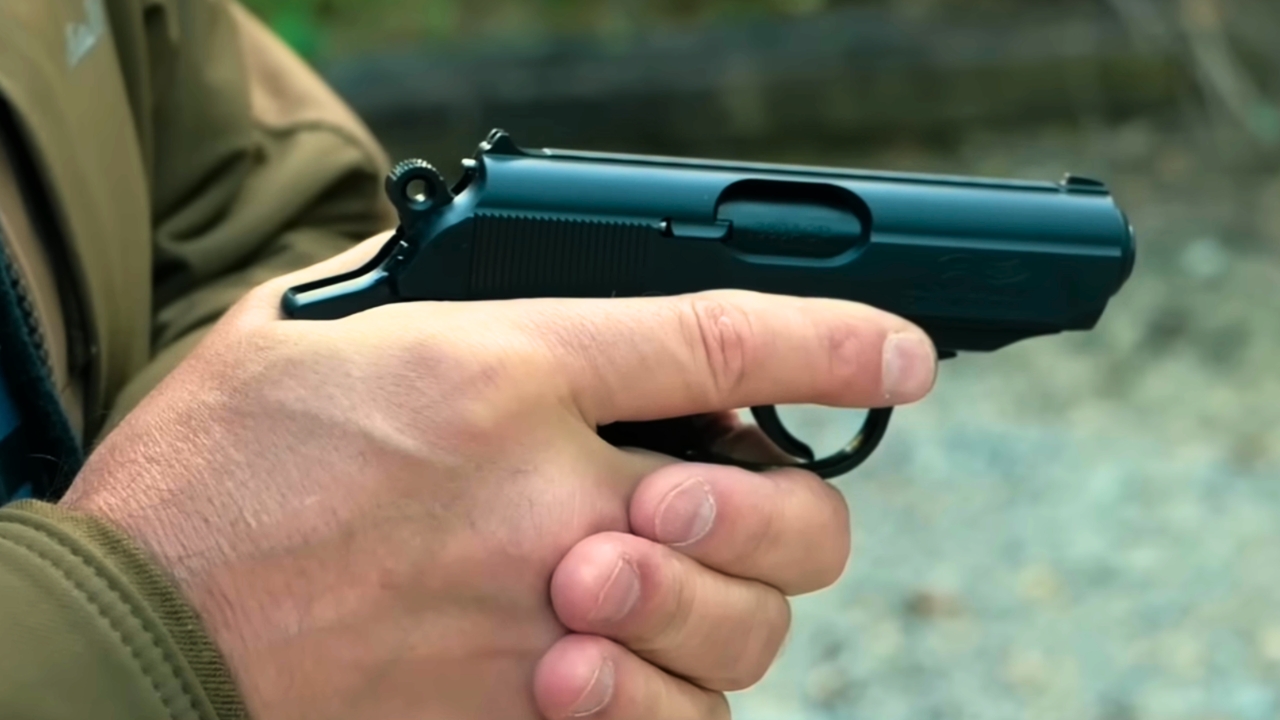
Walther PPK

The PPK is one of the easiest handguns in the world to buy for reputation alone. It has style, history, cultural fame, and the kind of profile that makes buyers feel like they are stepping into something timeless. At the shop, it feels refined and iconic. People do not only buy a PPK because they think it will be useful. They buy it because they think it says something good about their taste.
Then they shoot it. That is when the mythology starts taking damage. The compact size, sharp recoil, and less-than-gracious handling become a lot more obvious once the pistol has to perform like a real carry or range gun instead of just looking the part. A lot of owners come away realizing that the reputation is smoother than the actual shooting experience. The pistol may still be attractive, but attraction and satisfaction are not the same thing once the boxes of ammo start piling up.
Kimber Ultra Carry II

The Ultra Carry II gets bought because “Kimber 1911” still sounds premium to a certain buyer. The pistol looks refined, feels upscale in the hand, and gives the owner the sense that he stepped into a higher class of carry gun than the plain polymer options nearby. That emotional lift is a big part of the sale. The buyer wants the compact 1911 dream to work because the reputation around the platform and the brand tells him it should.
Then the range starts making demands. Small 1911s ask a lot from both gun and shooter, and many owners find out quickly that the ownership experience can be more particular and less forgiving than the polished image suggested. Recoil, reliability sensitivity, and the simple reality that tiny 1911s are often harder to live with than buyers expect all begin crowding in. The regret usually is not immediate buyer’s remorse. It is the slower realization that the reputation was easier to enjoy than the pistol itself.
Colt Python
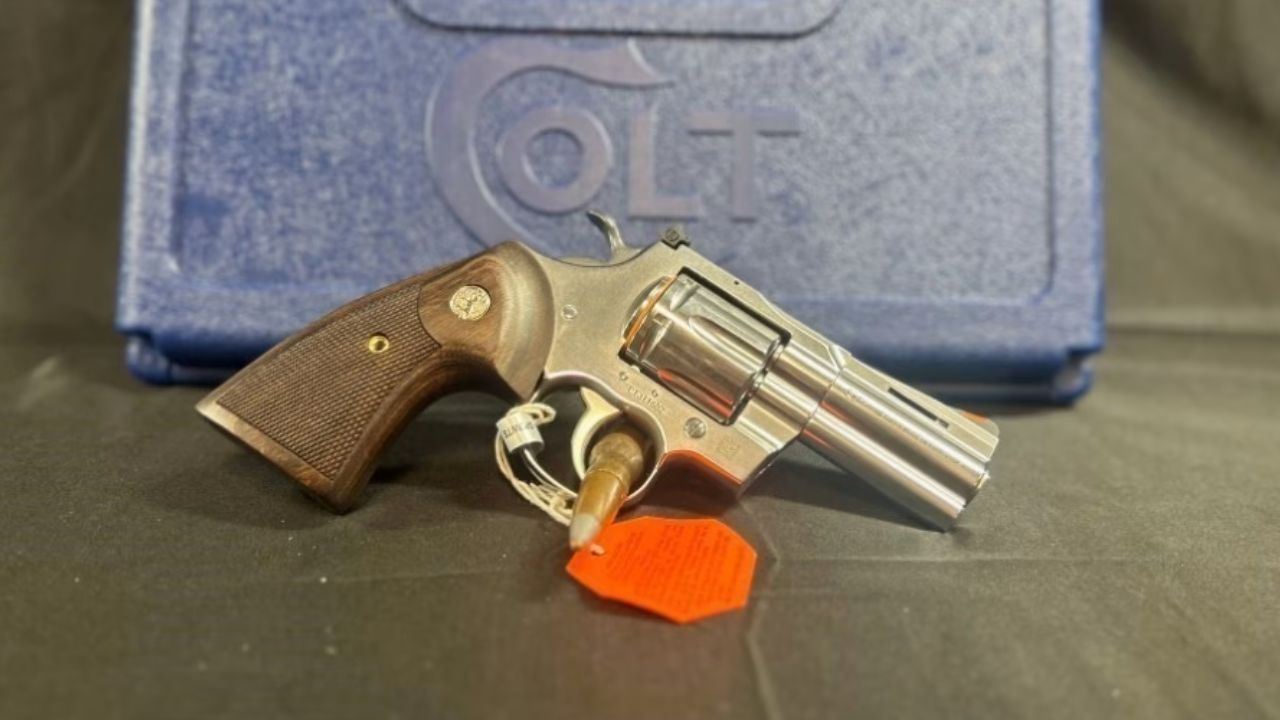
The Python gets bought because the name already sounds like quality before the cylinder is ever loaded. Buyers hear “Python” and mentally jump straight to prestige, craftsmanship, and old-school excellence. The revolver becomes less a gun and more a symbol of having arrived at a higher tier of taste. That makes the expectations enormous before real use even enters the picture.
Then range time does what range time always does: it forces the owner to have a relationship with the actual gun instead of the myth. Some people still love them, but plenty realize the shooting experience does not always justify the price, the reverence, or the emotional investment the name demanded. The revolver may be fine, even very good, but once a buyer has paid Python money and carried Python expectations into the range, “very good” can start feeling suspiciously far from what he thought he bought.
Desert Eagle

The Desert Eagle is almost pure reputation on the sales floor. It is famous, huge, flashy, and instantly recognizable. Buyers know what it is before they touch it, and that recognition does most of the selling. The pistol feels like owning a legend, and for a lot of people that is enough to move the money. Nobody buys one because it looks practical. They buy one because it looks unforgettable.
Then real range time begins and the whole thing gets much less cinematic. Weight, bulk, cost to shoot, and the simple awkwardness of handling the pistol as an actual firearm instead of a cultural icon all start wearing on the experience. That is when the owner realizes he bought the reputation almost whole. It may still be entertaining, but entertainment can feel like a very expensive substitute for usefulness once the novelty no longer covers every weakness.
Taurus Judge

The Judge gets bought because the concept sounds smarter than the reality usually feels. Buyers hear .410 shells and .45 Colt in one revolver and start imagining bedside versatility, snake-gun practicality, and all kinds of niche usefulness packed into one dramatic package. The reputation around it is built on imagination first. At the gun counter, that imagination can be extremely persuasive.
Then range time starts demanding honesty. The size feels less clever, the recoil less charming, and the whole gun starts looking more compromised than versatile. It is not that the revolver cannot do anything. It is that many buyers realize too late that they bought a story about versatility rather than a handgun that was actually great at much. That gap between the reputation and the range experience is exactly where the regret lives.
Ruger LCR in .357 Magnum

A lightweight revolver chambered in .357 Magnum has a reputation that sounds very compelling at first. It feels like the serious carry answer for buyers who want real defensive authority in a small, practical package. At the counter, the logic sounds strong. Lightweight, easy to carry, magnum chambering, proven revolver simplicity, it all stacks up in a way that makes the purchase feel very rational.
Then the first serious range session begins and the owner learns what that logic costs in the hand. Small, light revolvers in magnum chamberings can be miserable enough to train with that buyers start questioning the whole arrangement. That is where the regret shows up. The reputation promised a no-nonsense carry solution. Range time often reveals a gun many owners admire conceptually a lot more than they actually enjoy shooting.
AMT Hardballer
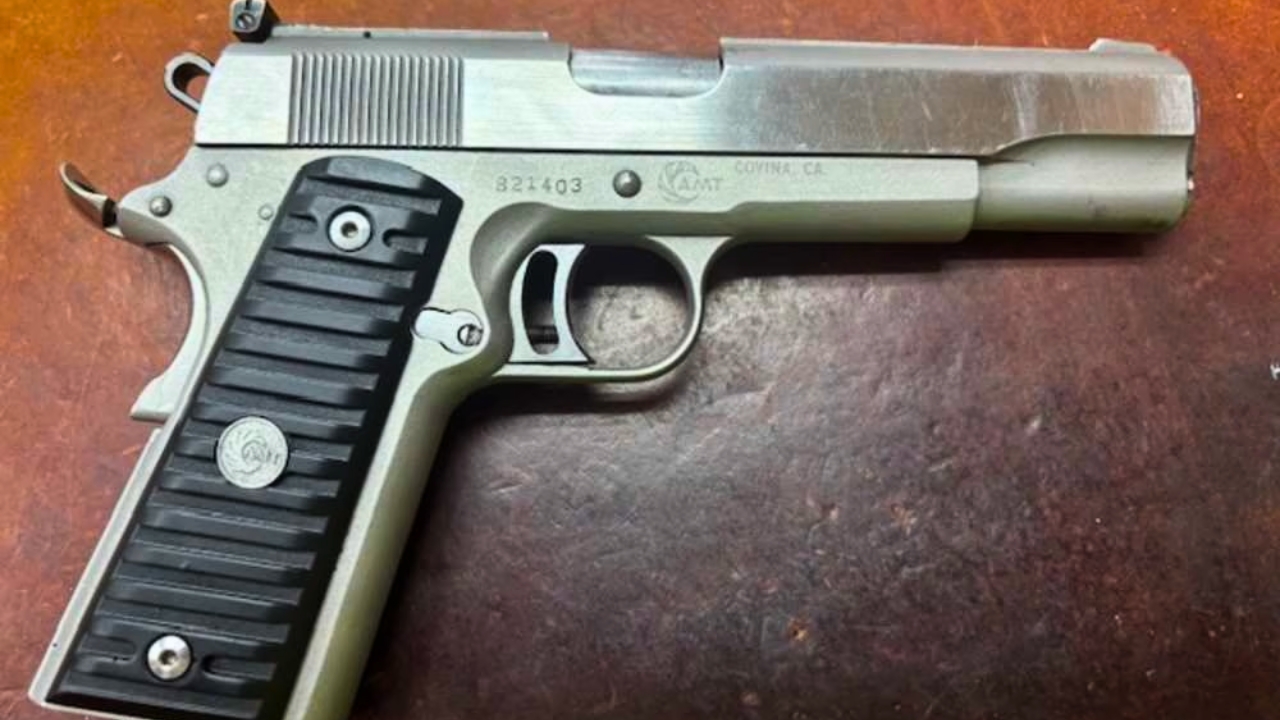
The Hardballer sells a very specific kind of reputation. It is stainless, 1911-shaped, and loaded with enough cult energy that buyers often talk themselves into believing they are buying an underappreciated classic rather than just another old pistol with a strong visual hook. The gun sounds serious before it has to prove anything. That is always a risky setup.
Once range time begins, the owner has to deal with the actual pistol instead of the stainless mystique. That is where practical satisfaction can start drifting away from collector-style enthusiasm. The reputation often sounds a lot more impressive than the shooting experience feels, and many buyers eventually realize they paid for the cool-factor version of a 1911 story without getting a range experience strong enough to support the whole fantasy.
KelTec PMR-30

The PMR-30 gets bought because it sounds like fun engineered into a handgun. Thirty rounds of .22 Magnum in a lightweight, futuristic-looking pistol is exactly the sort of pitch that makes buyers feel like they found something smarter and more interesting than the ordinary crowd buys. It has reputation built around novelty, cleverness, and “you’ve got to try this” energy.
Then the range becomes the judge instead of the sales pitch. That is when many owners start separating what sounded cool from what actually feels worth keeping. Novelty can carry a gun for a while, but it rarely survives repeated range trips without help from real practical satisfaction. A lot of PMR-30 regret comes from buyers realizing they paid for an exciting idea that did not age into the kind of useful, confidence-building handgun they hoped they had found.
Chiappa Rhino

The Rhino has a reputation for being innovative, smarter, and somehow above ordinary revolver thinking. That is a strong sales formula. Buyers love the low bore axis story, the unusual look, and the feeling that they are buying a revolver that “gets around” the usual revolver compromises. At the counter, it feels like insight. It feels like progress. It feels like the buyer is choosing the evolved version of an old design.
Then the shooting starts, and innovation has to become more than a talking point. The weirdness that felt interesting in the shop can start feeling less natural during actual repetition. The owner may still appreciate the concept, but appreciation and attachment are not the same thing. Plenty of buyers end up realizing that the range experience did not quite cash the check the reputation wrote. That kind of letdown is common whenever a gun’s identity is built too heavily around being different.
SIG Sauer P938

The P938 gets bought because it sounds like the upscale answer to the tiny-carry-pistol problem. It carries the SIG name, metal-frame appeal, and just enough 1911-style flavor to make buyers feel like they have avoided the cheap little plastic-gun lane. That reputation sells extremely well. The buyer thinks he found the premium version of the solution everybody else is chasing in a more ordinary form.
Then range time reminds him what tiny pistols are still like, no matter how nice the logo looks. Small grip, brisk recoil, short sight radius, and the simple reality that these guns are harder to shoot well than people like admitting all start getting harder to ignore. The reputation promised a little jewel of a carry pistol. The range often reveals a gun that still makes the owner work very hard for the experience he thought he had paid to simplify.
Bersa Thunder .380

The Thunder .380 gets bought because it carries the reputation of being the sensible-budget answer. Buyers hear that it is practical, easy to recommend, and a smart little pistol for people who do not want to overspend. That sort of word-of-mouth reputation can become very strong because it flatters the buyer. He gets to feel frugal, informed, and above marketing excess all at the same time.
Then the gun has to survive honest use. That is where “smart budget choice” can turn into “budget feeling I am trying to defend.” A lot of owners discover that the compact .380 experience has all the same tradeoffs it always had, regardless of how politely the internet community packaged the recommendation. It may still work, but for plenty of buyers the range experience makes the whole reputation feel much less authoritative than it did before money changed hands.
Springfield XD-S
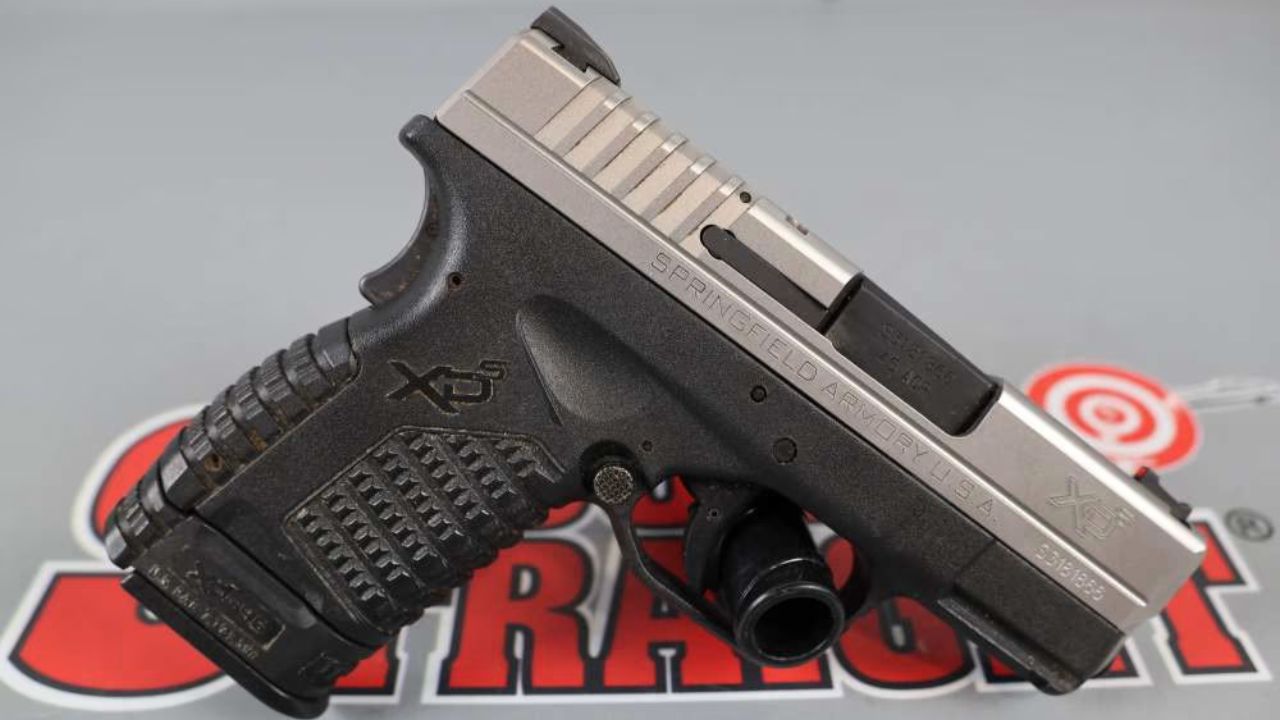
The XD-S was sold on the strength of being the slim, serious carry answer. It had the right size, the right branding tone, and the kind of “this is for real carriers” energy that made buyers feel like they were stepping into a very practical choice. That reputation helped a lot of people buy one quickly because the logic seemed so clean. Thin pistol, trusted name, easy carry. End of discussion.
Then the range complicates everything. Slim carry pistols are often less pleasant to shoot than buyers want to admit, and once the owner starts putting in the repetitions needed to justify trusting the gun, the tradeoffs become a lot more obvious. Recoil, comfort, and how much the buyer actually wants to practice with the pistol all come under pressure. That is when the reputation starts feeling easier to defend than the actual range experience.
Coonan .357
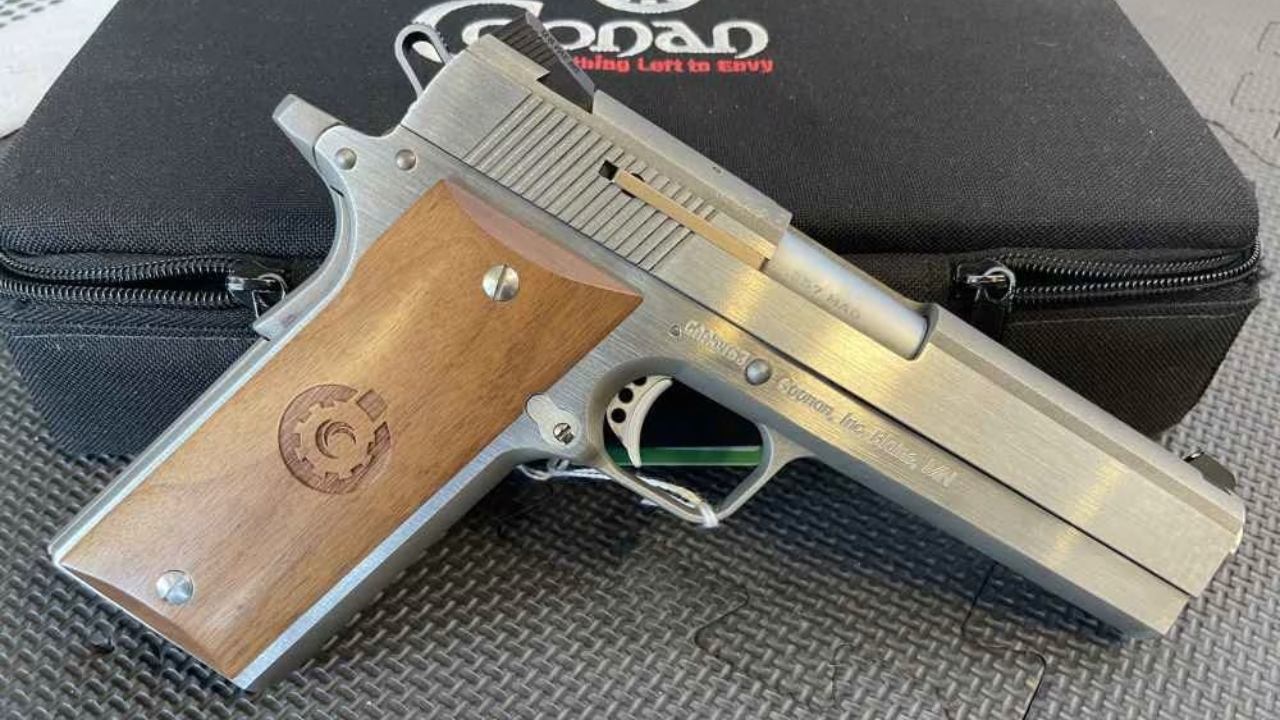
The Coonan sells reputation in almost pure form. It is unusual, loud, semi-auto, and chambered in .357 Magnum, which makes it sound like one of those handguns only serious people or true enthusiasts could appreciate properly. Buyers love that feeling. The pistol promises novelty with muscle and enough cult status to make the owner feel like he bought something more interesting than ordinary good sense would have recommended.
Then range time strips away a lot of the theater. The question stops being “isn’t this wild?” and starts being “is this really as satisfying in use as I wanted it to be?” That is where many owners find out they bought more idea than handgun. The reputation around the Coonan is huge because it sounds like the answer to a question most pistols never dare to ask. The regret shows up when the owner realizes the answer may not have been worth as much as the story around it.
Like The Avid Outdoorsman’s content? Subscribe to our newsletter so you never miss an article.
Here’s more from us: