
Photo credit: vitec/Shutterstock.com
There are rifles built to take a beating, and there are rifles that fold like lawn chairs the second they hit the ground. You know the kind—zero shifts a foot, the stock cracks, or you suddenly can’t group anything tighter than a paper plate. Some of these rifles shoot great on paper, but they rely too much on bedding tricks, pencil-thin barrels, or delicate optics setups that don’t handle real-world knocks. And let’s be honest—if you hunt, you’re going to drop your rifle at some point. It might be a quick slip stepping over a log or a knock against the truck door. Either way, you need something that holds up. These rifles? They’re the ones that don’t. You’ll hear excuses, theories, or scope blame—but deep down, you know what happened. These rifles can’t take a bump without wandering all over the target.
Ruger American Predator

The Predator has earned a reputation for accuracy at the bench, but it’s fragile when things get rough. That factory stock is the first red flag—it’s soft, flexible, and doesn’t return to true after a hard knock. Drop it once, and you might see a full shift in point of impact, especially if you’re running a budget scope that’s already working overtime to stay mounted.
Hunters like the price tag, and some even brag on sub-MOA groups, but the second that rifle hits a rock or rolls off a tailgate, it’s a gamble. The action isn’t well-supported in the stock, and the mag system isn’t exactly confidence-inspiring either. It’s a rifle you have to baby, and that’s not ideal for real-world hunting. If you need something that holds zero after a stumble, this isn’t it.
Thompson/Center Compass

The T/C Compass is another rifle that looks good on paper but shows its weak spots fast when mistreated. Its composite stock is spongy, and once it flexes, your accuracy goes out the window. Even a minor knock can throw off the bedding just enough to shift your groups by inches. It’s the kind of rifle that demands a resight after every season—or every drop.
The Compass shoots fine when it’s coddled, and some handloaders have coaxed decent accuracy out of it. But that doesn’t matter much when a small slip on wet leaves turns your deer rifle into a guessing game. There’s nothing solid about how the action beds into the stock, and the barrel doesn’t take stress well either. It’s affordable, sure, but tough rifles don’t lose zero this easily.
Savage Axis II XP
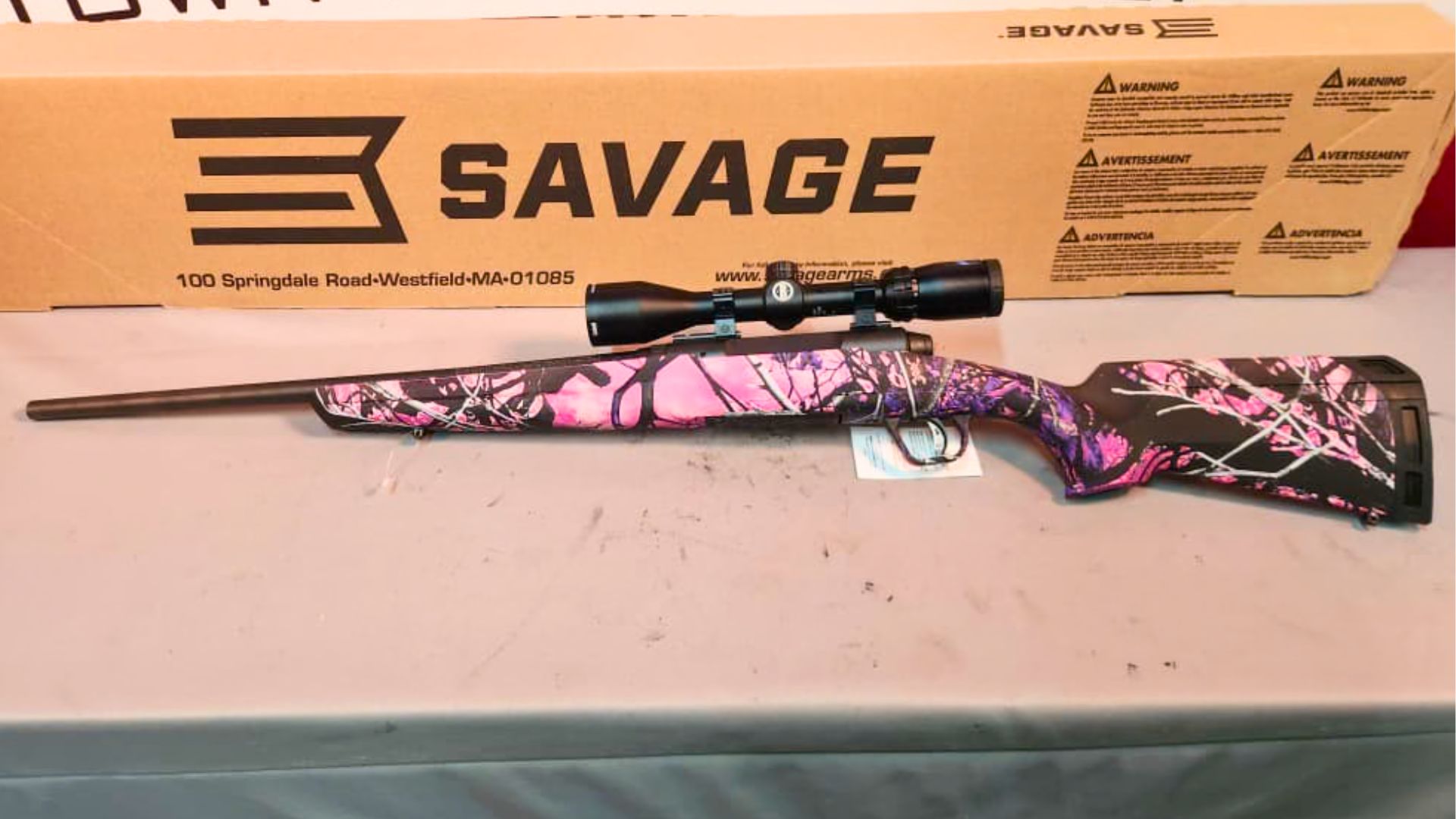
The Axis II XP ships with decent accuracy—especially for a rifle in its price range—but it doesn’t take much to knock it out of tune. The synthetic stock is hollow and easily torqued, and it doesn’t offer enough support to keep things locked down when things go sideways. Drop it on the forearm or lean it against a truck and you’ll likely be re-zeroing.
The factory optics don’t help either. They’re often mounted without much care, and the rings can shift under stress. Some shooters have replaced the stock and gotten better results, but that only highlights how flimsy the factory setup is. If your rifle can’t stay true after one bad bump in the woods, it’s not doing its job. The Axis is a great starter rifle—but it’s not built to take abuse.
Remington 770
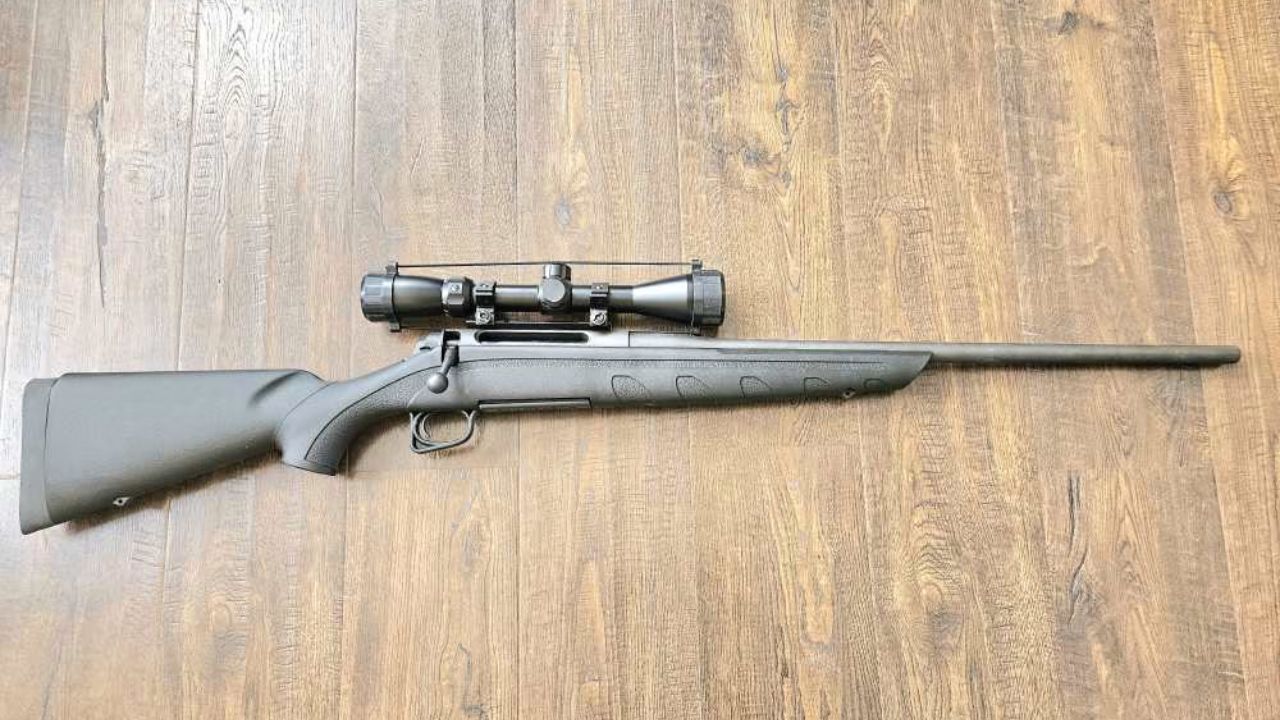
Few rifles have frustrated more hunters than the Remington 770. It was marketed as a budget-friendly option with “factory-mounted optics,” but in reality, it was a shaky platform right from the start. The stock is molded plastic that doesn’t support the action well, and the scope mounts have a reputation for shifting under pressure—or after a short drop.
Even when everything’s tight, accuracy can drift with weather, recoil, or light impacts. It’s a rifle that rarely holds zero well in the first place, and dropping it only makes things worse. Plenty of folks have tried to make theirs work, only to end up upgrading after a season or two of mystery flyers and busted confidence. If it hits the dirt, all bets are off. You’ll be spending more time at the bench than in the blind.
Browning X-Bolt Micro Midas

The X-Bolt is a popular platform, but the Micro Midas version has its flaws when it comes to durability. Its lightweight design appeals to smaller-framed shooters, but that same lightness makes it more prone to damage from impact. The trim stock doesn’t absorb shock well, and even a small drop can throw off your zero, especially if you’re scoped with lightweight rings.
The rifle shoots great—until it doesn’t. A bump on the forest floor or a slip in the blind is often all it takes to shift things enough to make you question your hold. It’s not as rugged as its full-size siblings, and the recoil from larger calibers can push the setup even more off-track after a knock. Hunters love how it carries, but they also quietly admit it needs a lot of babysitting.
Winchester XPR

The Winchester XPR has solid marketing behind it, and the action is decent for the money. But the stock is injection-molded and thin in all the wrong places. You drop it once—especially on the fore-end or butt—and accuracy tends to wander. That’s usually followed by complaints about the scope or ammo, but the problem starts with how poorly the rifle handles stress.
Its bedding system relies on tension, not structure. After a fall, you’ll often notice point-of-impact shift that can’t be explained by anything but a misaligned barrel channel or flexed recoil lug seating. It’s not a terrible rifle for a controlled setting, but it’s not made to handle real abuse. Once you’ve had to re-zero in the field twice, you start wondering why you trusted it in the first place.
Marlin X7

The X7 had a brief moment in the budget-rifle spotlight, but that moment faded fast for hunters who took it into real conditions. The stock is thin and doesn’t hold up under impact. A drop on the buttstock or side can torque the action just enough to throw your shots wide.
Many X7s show decent accuracy at first, but if they take a hit, that accuracy tends to evaporate. The barrel channel isn’t free-floated well, and the recoil lug bedding is soft at best. You might not notice a shift right away, but after that one bump against a tree or truck bed, your groups start spreading for no clear reason. It’s not something you trust after one hard fall—and in the field, trust matters.
CVA Cascade

CVA’s Cascade offers some promising features for the money—threaded barrel, decent trigger, smooth bolt—but it’s built on a plastic stock that doesn’t like surprises. Drop it on anything harder than grass and you’ll often end up chasing zero. The forend flexes enough to contact the barrel under pressure, and the bedding isn’t confidence-inspiring.
Hunters want lightweight and accurate. The Cascade hits those marks until it gets jostled. Then you’re stuck wondering if it was your scope, your ammo, or the drop that sent that last round way off target. It’s the kind of rifle that can shoot tight groups one day and wander the next, especially after an impact. Great for the bench, but once it tumbles, you’re back to square one.
Mossberg Patriot

The Patriot looks like a strong contender when you first pick it up. Nice barrel, clean lines, decent trigger—but that synthetic stock is its Achilles’ heel. It doesn’t take much of a drop for the forend to press against the barrel or for the bedding to shift. Next thing you know, your three-shot group is printing six inches left.
It’s popular because it’s affordable, and it can shoot well when nothing goes wrong. But if you trip on the trail or knock it over in a blind, you’ll probably need to verify zero before taking another shot. The flex in the stock, combined with mediocre bedding and often poorly torqued scope rings from the factory, means accuracy doesn’t hold up well under stress. It looks solid—until it hits the ground.
Remington 783

Remington designed the 783 to compete in the budget rifle space, and while it improved on the 770, it still suffers from the same core issue: fragility. The synthetic stock is flimsy, and once dropped, it can press against the barrel or shift the bedding enough to affect shot placement.
The rifle doesn’t take kindly to knocks. Even a short drop in camp can introduce just enough misalignment to ruin your groups. You might not notice it at 50 yards, but stretch it out and everything starts drifting. Add in cheap scope rings and a budget optic, and it becomes a guessing game every time you pull the trigger. Accuracy potential is there—but only if nothing goes wrong. And let’s be real—something always goes wrong.
Christensen Arms Ridgeline

This one’s going to ruffle feathers. The Ridgeline promises lightweight precision with a carbon fiber barrel and slick action. And when everything’s going right, it delivers. But drop it once, even lightly, and all that tight engineering becomes its weakness. The barrel can shift in the stock, bedding points lose torque, and you’ll be dialing your scope back in whether you want to or not.
Light rifles are great until they stop holding up under pressure. The Ridgeline feels like a race car in the hand, but it’s not always a truck in the field. Hunters who run them often talk about babying the rifle during travel and carrying, and for good reason. That kind of accuracy comes at a cost—and part of that cost is durability after impact.
Like The Avid Outdoorsman’s content? Be sure to follow us.
Here’s more from us:
The worst deer rifles money can buy
Sidearms That Belong in the Safe — Not Your Belt
*This article was developed with AI-powered tools and has been carefully reviewed by our editors.


