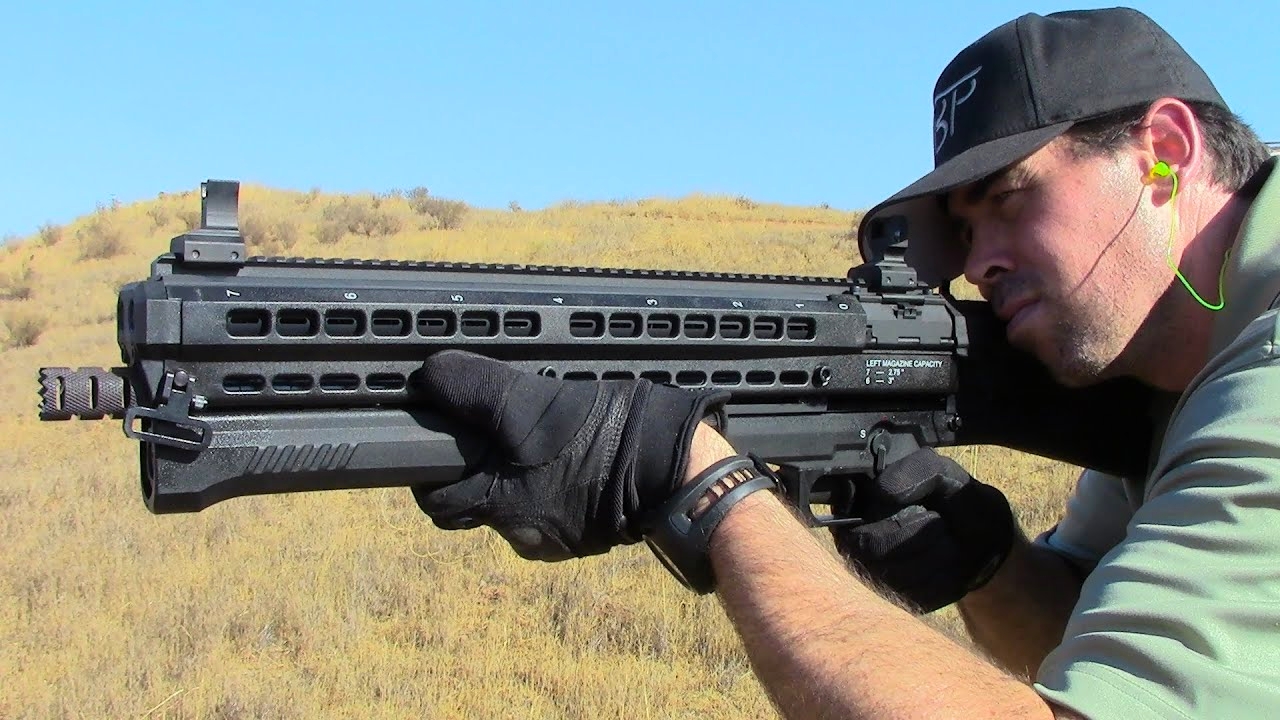
Photo credit: TheBulletPoints/YouTube
Some tactical shotguns make a huge splash when they hit the market. They get praised in ads, hyped in forums, and celebrated in videos. But once people start running them hard—fast strings, mixed loads, real abuse—the cracks show. Some struggle with reliability, others have controls that don’t hold up, and a few simply don’t run the way their marketing promised.
If you’ve spent time around people who actually train, you’ve seen these guns show their weak spots. They might look the part, but they stumble once the stress rises and the round count climbs.
Mossberg 930 Tactical
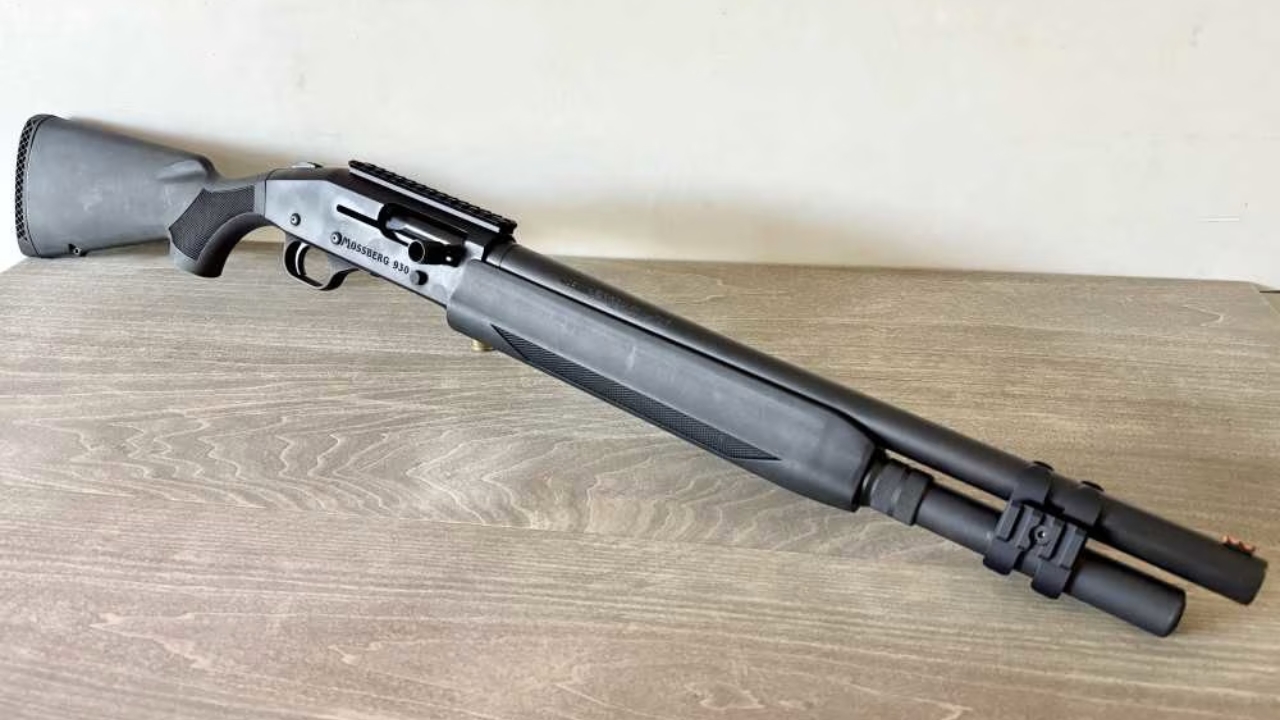
The Mossberg 930 Tactical has a strong following, but its gas system can be hit-or-miss under real training conditions. When it’s clean and fed the right loads, it runs well. But once carbon starts building up or you switch between light and heavy shells, the inconsistencies show up fast. The gun can slow down, short-stroke, or become sluggish when the action gets dirty.
The controls are friendly, and the recoil is manageable, but serious users often report they can’t trust it for high-round-count sessions. It’s a shotgun that performs fine for casual shooting but struggles to deliver when pushed hard.
Remington 887 Nitro Mag Tactical
The 887 Nitro Mag Tactical tried to modernize Remington’s pump lineup, but the polymer “ArmorLokt” exterior caused more problems than it solved. The coating feels tough, yet the action underneath never gained a reputation for smoothness. Many shooters found it sticky, stiff, or unpredictable compared to other pumps in its class.
Durability wasn’t the issue—consistency was. The gun often felt clunky, and users noted issues with the fore-end binding and the action slowing when dirty. It looks rugged, but it rarely delivers the confidence you want in a defensive-style pump.
Hatsan Escort MP
The Escort MP has a tactical aesthetic, but reliability varies widely from one sample to another. Some run surprisingly well, while others choke on common defensive loads or fail to cycle lighter shells altogether. The gas system can struggle with fouling, and the action often feels rough even after break-in.
Owners often say the shotgun works only when perfectly maintained, which defeats the whole point of a defensive gun. The Escort MP offers value, but it never reached the consistency that tactical users expect.
KelTec KSG
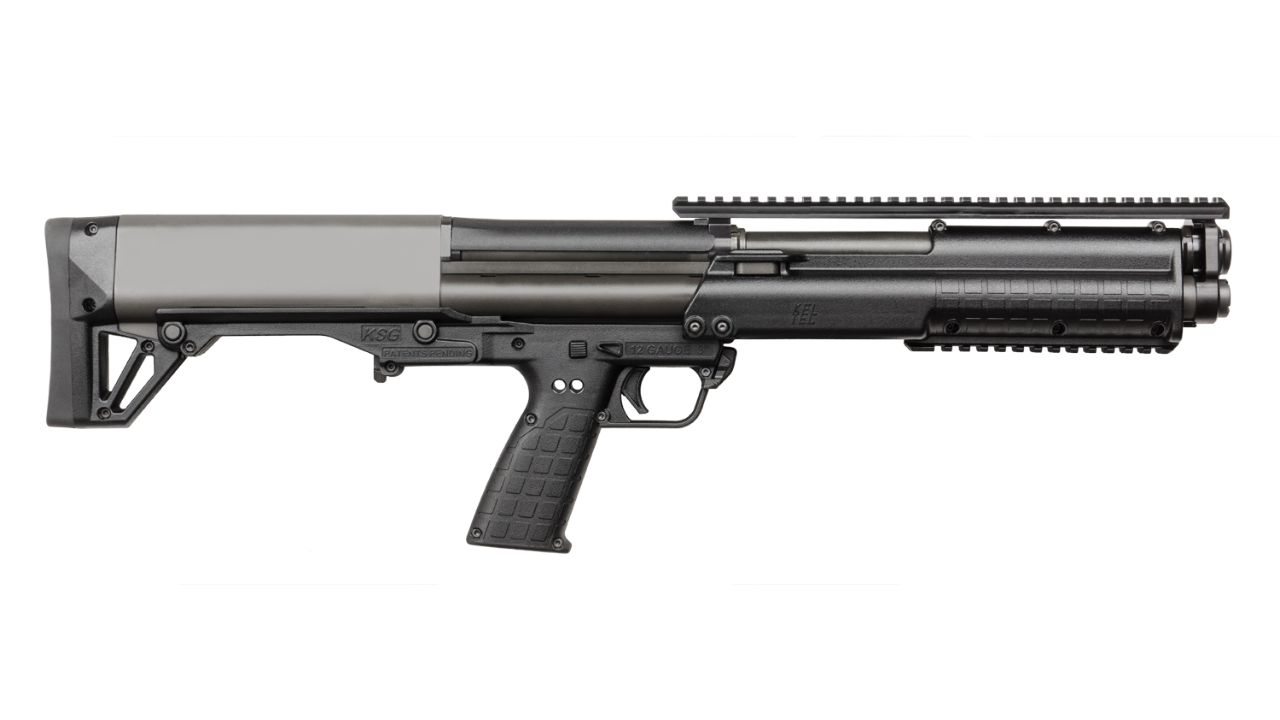
The KelTec KSG exploded in popularity because of its compact design and dual-tube capacity, but many shooters quickly discovered how sensitive it can be to user input. Short-stroking is common, and the pump action feels different enough from traditional shotguns that it causes reliability issues under stress.
The loading system is complicated, and switching tubes smoothly requires practice. It’s a clever design, but when things get fast or messy, it’s easy to introduce malfunctions. The KSG can be fun and capable, but it never became a trusted tactical workhorse.
Charles Daly Honcho Tactical
The Honcho looks aggressive and compact, but its cut-down format reduces control and stability in real defensive use. Recoil can be punishing, and the short sight radius makes accurate follow-up shots difficult. While reliability isn’t terrible, the overall handling limits what you can realistically do with it.
The gun appeals to folks who want something intimidating, yet it doesn’t offer the control or consistency you need in a stress-driven environment. It’s more novelty than dependable tactical tool.
Rock Island VR80
The VR80 brings an AR-style layout to a 12-gauge platform, which draws a lot of attention. But the design relies heavily on specific loads to cycle reliably. Many shooters find that light or mixed shells cause failure-to-cycle problems, especially when the gun is dirty.
Its magazines and gas system require more tuning than most people expect from a tactical shotgun. The VR80 can run well once you dial it in, but out of the box it rarely lives up to the hype surrounding it.
Mossberg Shockwave
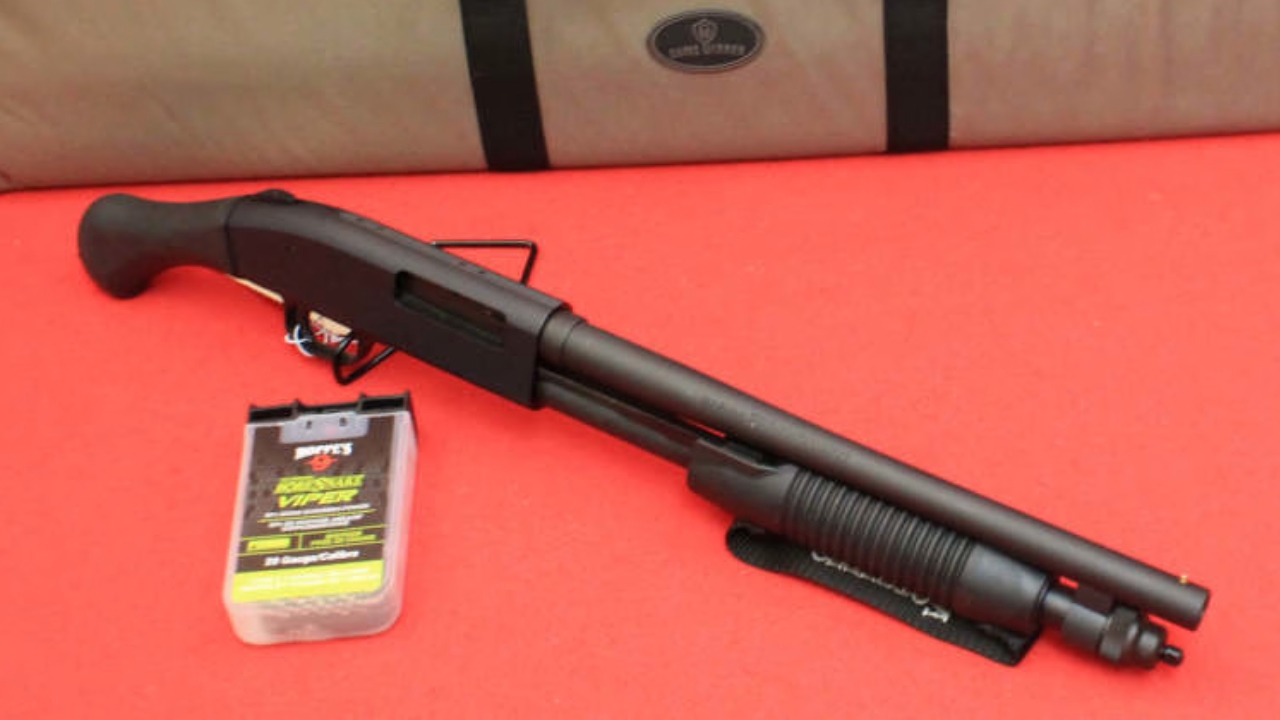
The Shockwave sells like crazy because it looks wild, but its usability in tactical settings is limited. Without a full stock, control becomes a real challenge, especially with heavier shells. Recoil pushes the gun around more than most shooters expect, and accuracy suffers during fast, stressful shooting.
It’s reliable and mechanically solid, but the ergonomics make it hard to run efficiently. The Shockwave works for certain roles, but calling it a tactical standout stretches reality.
Remington Versa Max Tactical (early models)
Early tactical Versa Max models had a strong concept, but inconsistency in manufacturing caused reliability problems. Some ran flawlessly, but others struggled with certain shell lengths, weak ejection, or sluggish cycling when carbon built up in the gas system.
Shooters loved the soft recoil and ergonomic feel, yet the gun’s long-term durability didn’t always match expectations. Later versions improved, but the inconsistent early performance left a mark on its reputation.
Black Aces Tactical Bullpup
The Black Aces bullpup looks fierce, but the action can be finicky with anything other than high-brass shells. Feed issues, extraction problems, and erratic cycling are common complaints from people who try to run them fast. The layout is interesting, but real-world dependability is often lacking.
For a shotgun marketed as “tactical,” it requires too much maintenance, tuning, and ammunition selection to trust under pressure. It’s a gun that looks better on paper than in hard use.
Century Arms SAS-12

The SAS-12 followed the budget semiauto trend, but its cycling has always been unpredictable. Users often report failures to eject or feed, especially with defensive shells. The action design is basic, and the fit-and-finish quality varies significantly between units.
In slow, controlled shooting the gun may perform acceptably, but the moment stress and speed enter the picture, the flaws show up fast. It’s priced to sell, not built to perform at tactical standards.
Mossberg 590M
The 590M’s detachable magazine concept gained attention, but the execution never matched the excitement. The magazines are bulky, awkward, and often difficult to seat cleanly under pressure. Many shooters found feeding issues when the mags were bumped or not perfectly locked in place.
The base 590 design is solid, but the magazine system introduces more complications than benefits. For many users, it ends up being less reliable than the traditional tube-fed version.
UTAS UTS-15
The UTAS UTS-15 looked like a high-tech alternative to traditional tactical shotguns, but reliability has always been a sticking point. Feed path issues, light primer strikes, and failures to cycle are common complaints. Switching between the dual tubes can be inconsistent as well.
The gun’s futuristic design draws people in, but once shooters try running it hard, many discover that it simply isn’t dependable enough for real defensive or tactical use.
HK Fabarm FP6
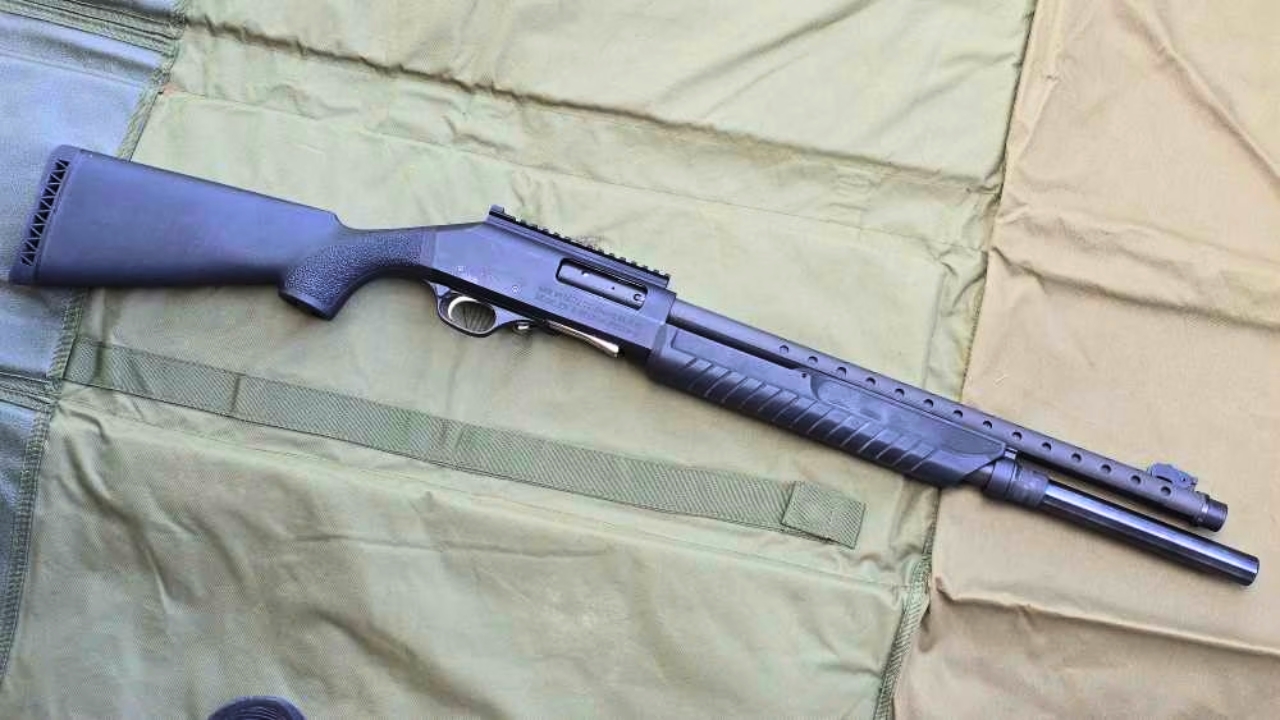
The FP6 carries the Heckler & Koch name, which created huge expectations. But the pump-action design feels heavier and less refined than shooters expected, and the cycling can become stiff when grit or moisture gets inside the action. It was marketed as a premium tactical pump, yet it failed to gain trust among professional users.
The gun is rugged, but it never delivered the smoothness or confidence its branding suggested. It ended up being overshadowed quickly by more reliable pumps.
Remington 1100 Tactical
The 1100 Tactical is built on a classic design, but that design doesn’t handle stress or neglect well. The gas system needs regular cleaning, and carbon buildup reduces cycling speed fast. Feed issues and sluggish ejection appear once the gun heats up or gets dirty.
It’s a soft shooter with good ergonomics, but it simply can’t keep pace with modern tactical expectations. The maintenance demands make it hard to trust in real defensive scenarios.
Benelli M3 (for new users)
The M3 is mechanically excellent, but it often gets oversold to shooters who don’t understand its dual-mode system. Switching between pump and semiauto modes under pressure can cause confusion, and improper setup leads to reliability problems. It’s not that the gun is flawed—it’s that many users never master it.
The M3 performs well in trained hands, but the hype surrounding it makes people expect plug-and-play perfection. Without a lot of reps, it can feel slower and more complicated than other tactical shotguns.
Like The Avid Outdoorsman’s content? Subscribe to our newsletter so you never miss an article.
Here’s more from us: